Contents:
Coin clipping did not need fake designs. It needed real maney and impatient people. Identifying coins and their values means spotting the difference between a normal strike and a coin that is been “improved” by someone with a file.
Coin Clipping Meaning
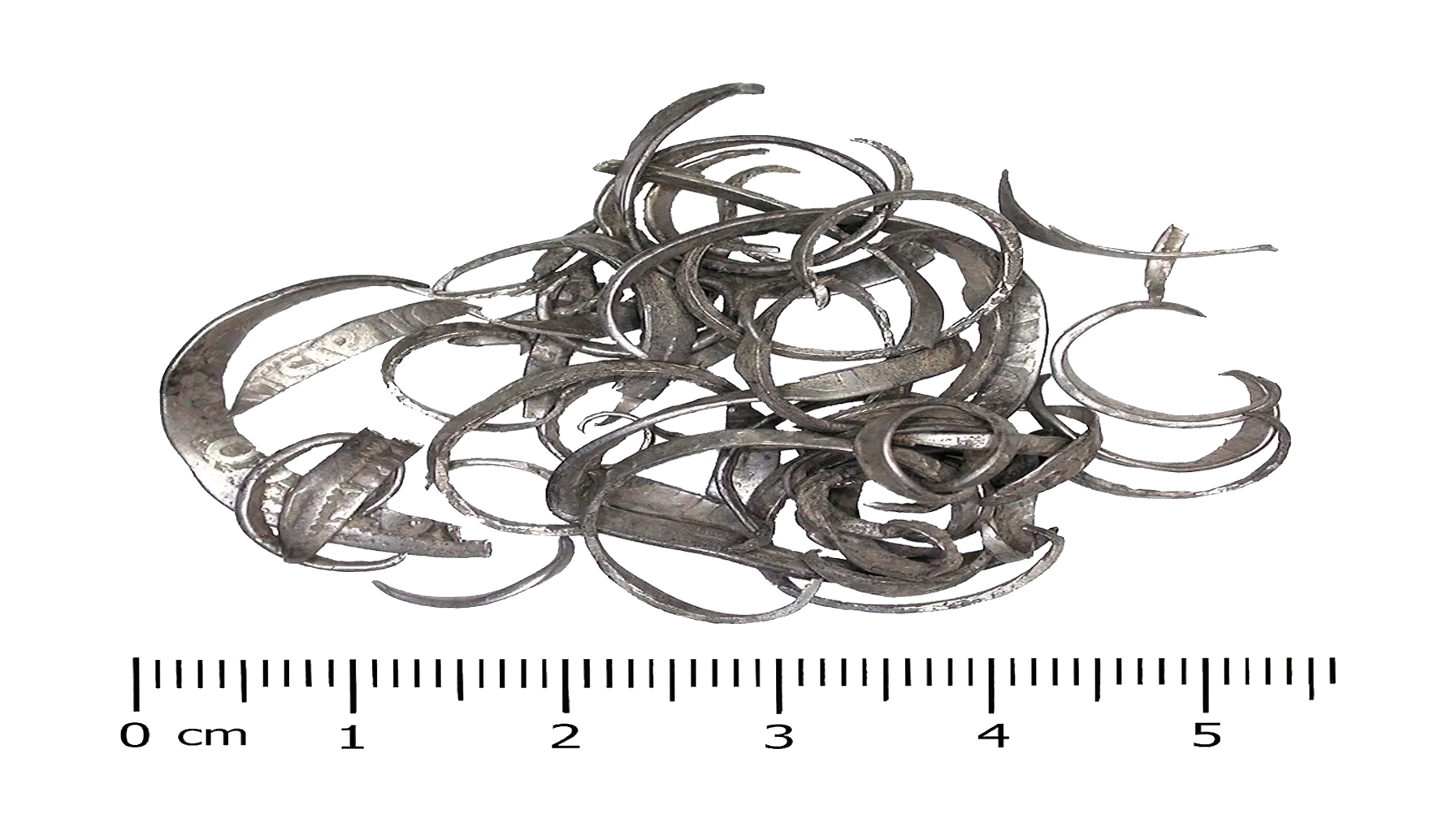
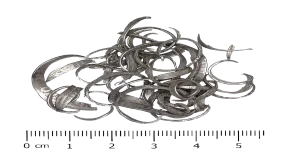
It means cutting small pieces of metal off the edge of a piece. It was done mainly when money was made of gold or silver, because the clippings could be saved and melted while the piece still looked close enough to pass in trade.
Two common forms:
Illegal clipping (historical crime): repeated shaving around the rim to steal precious metal.
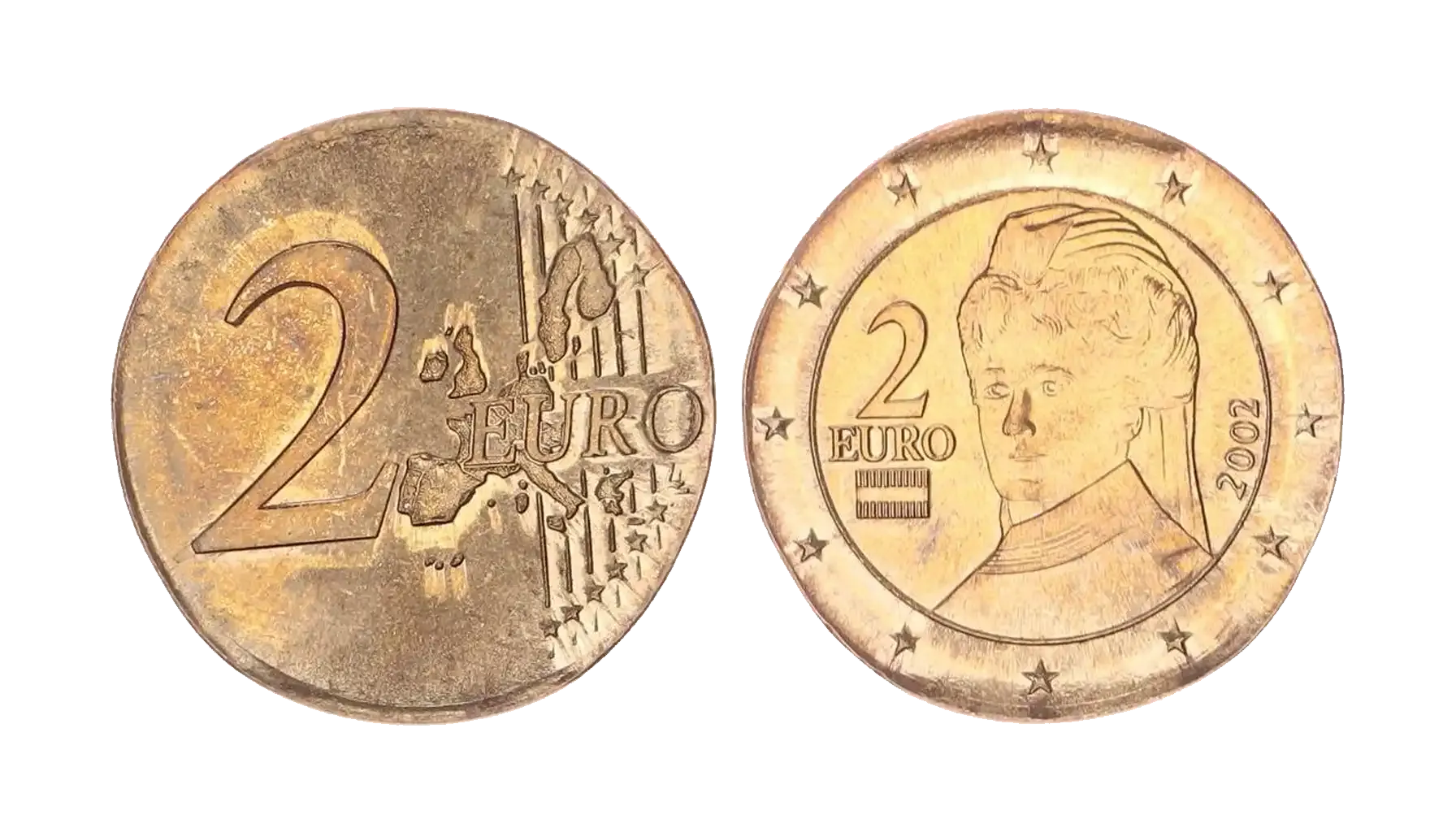
Mint error (clipped planchet): a piece struck on a blank that was already missing a curved section (a manufacturing error), not fraud.
The History of Coin Clipping Laws
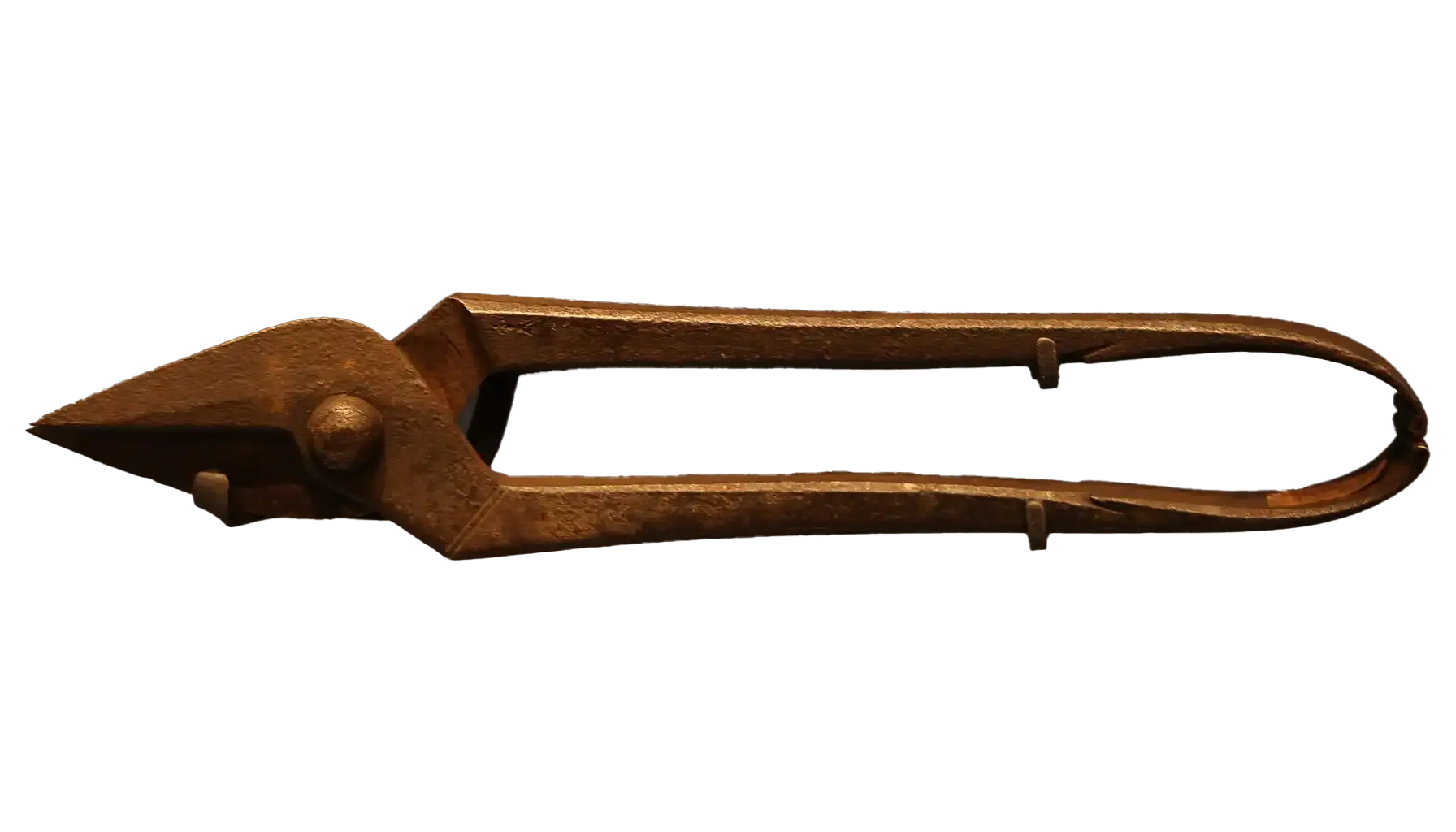
Coin clipping was treated as a direct attack on the state’s money, so early laws punished it like a major political crime, not a petty theft. In medieval England, lawmakers tied diminishing coinage to the same category as counterfeiting. By the early 1400s, clipping could be prosecuted as high treason under statutes later summarized as the Treason Act 1415, with penalties as severe as other treason offenses.
As clipping spread and money quality collapsed, Parliament kept tightening rules. In the late 1600s—right in the crisis that led to the Great Recoinage—laws went beyond punishing clippers and targeted the whole ecosystem: edge-marking, tools, and methods used to “improve” or disguise reduced specimens. The Coin Act 1696 is an example of how broad these crackdowns became.
By the 1800s, the legal approach shifted. Britain consolidated coin-crime statutes and moved away from treason-level treatment. The Coinage Offences Act 1832 is commonly cited as the turning point that folded earlier laws into a single framework and reduced the old treason severity for coin offenses.
Modern Laws
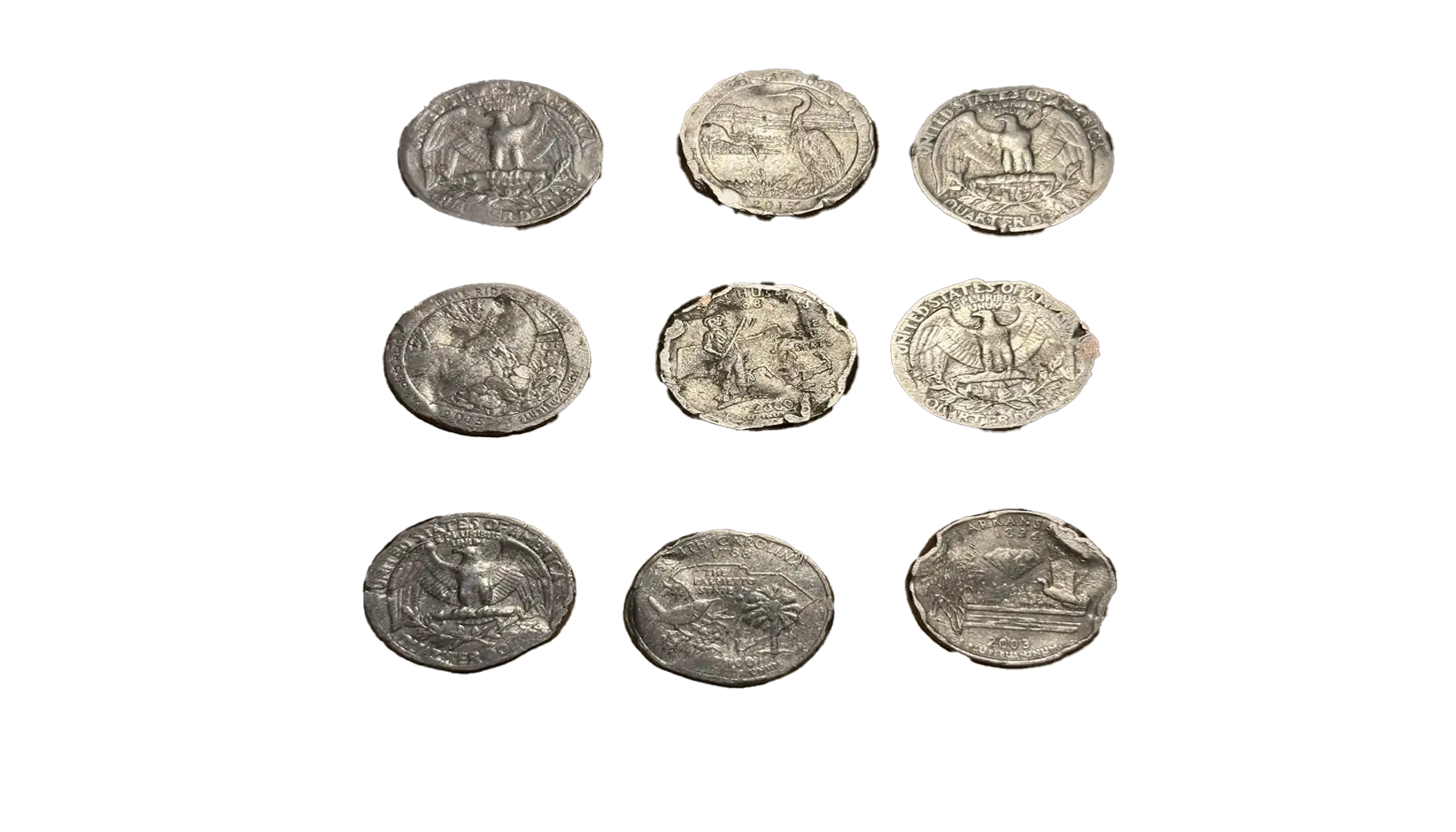
Whats coin clipping presenting now? Today, it is covered under currency offences in most countries. You cannot reduce, damage, or alter money in a way that is meant to pass as normal currency, and many places also ban intentionally defacing current money pieces.
United States: Federal law 18 U.S.C. § 331 bans altering or “diminishing/lightening” U.S. coins (and certain foreign ones used as money) when done fraudulently—the intent to defraud is the key trigger.
Canada: The Criminal Code has a specific offence for impairing/diminishing/lightening a current gold or silver coin with intent that it should pass, and also for uttering (spending) a coin knowing it was clipped. Maximum penalty can be severe (up to 14 years).
Australia: Under the Crimes (Currency) Act 1981, it is an offence to intentionally deface, disfigure, mutilate, or destroy current coins or banknotes without written consent from an authorized person.
United Kingdom: Coin offences are handled under the Coinage Offences Act 1936 framework (and related procedure statutes), covering conduct such as defacing and passing altered coins.
What Was Coin Clipping in History?
It was a form of old-school money theft: people shaved or cut tiny bits of metal from the edges of gold and silver specimens, kept the shavings, and then melted them into bullion. The clipped pieces stayed in circulation, but they were underweight, so the public slowly lost trust in the currency.
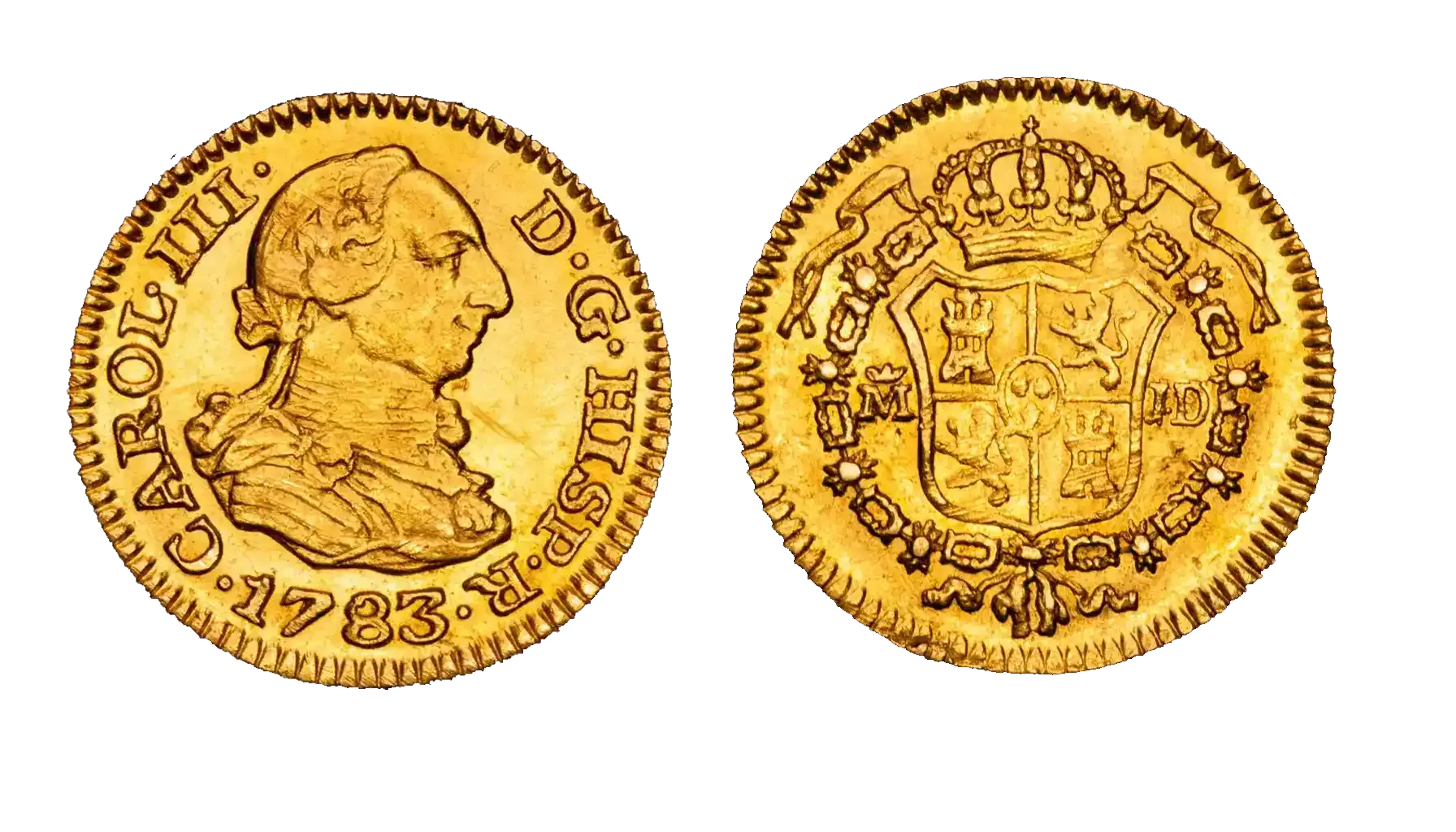
It became a serious problem in places that relied on hand-struck (“hammered”) coinage, because those pieces had plain edges and uneven rims that were easy to trim without being noticed. In late 17th-century England, widespread clipping helped trigger the Great Recoinage of 1696, a major effort to replace clipped hammered silver with more secure coinage.
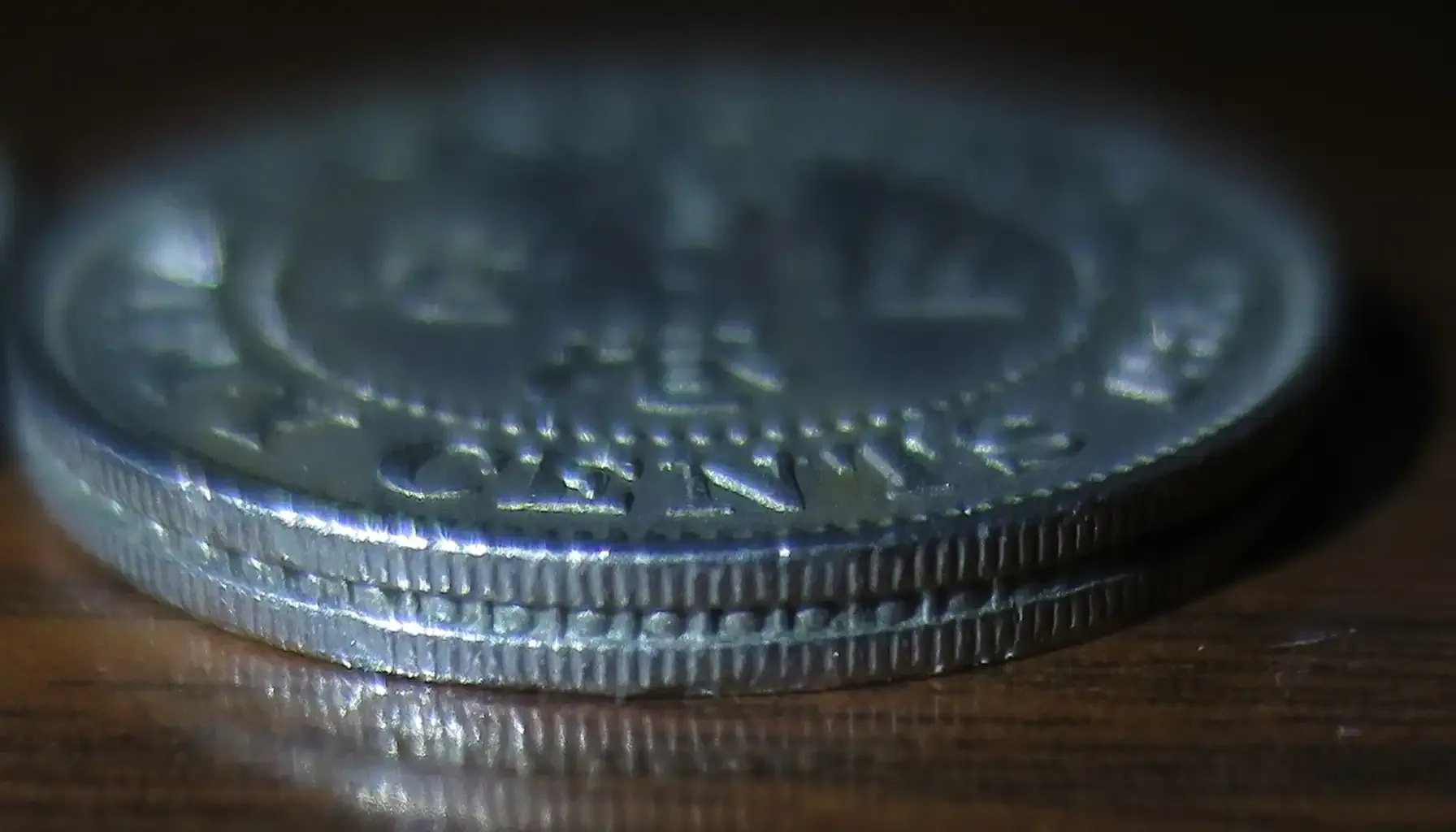
One practical response was changing the design so clipping was obvious: milled/reeded or lettered edges made it much harder to remove metal unnoticed—one reason modern specimens have detailed edges in the first place.
Is It Possible Nowadays?
Physically it is still possible to remove metal. Practically, it almost never works the way it did in coin clipping history.
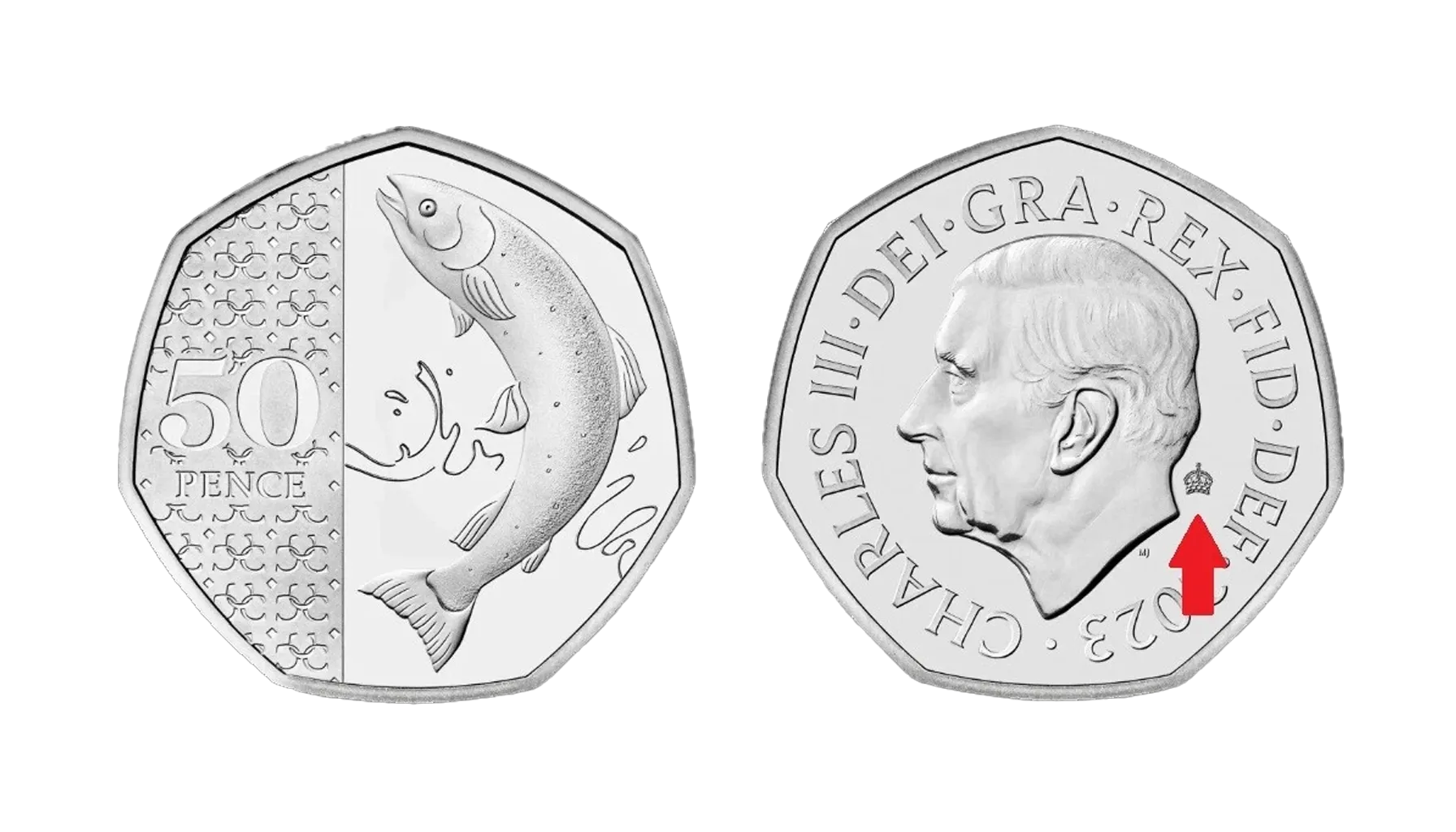
Modern circulation specimens (quarters, euros, cents) are usually base-metal alloys with very low intrinsic value. Even if someone shaved a rim, the metal recovered would be worth almost nothing, while the item would look damaged and get rejected.
Where clipping still matters is precious-metal bullion (gold/silver) and some older high-silver circulation ones. In theory, shaving a tiny amount off many pieces could add up. In reality, modern buyers do not treat bullion like pocket change:
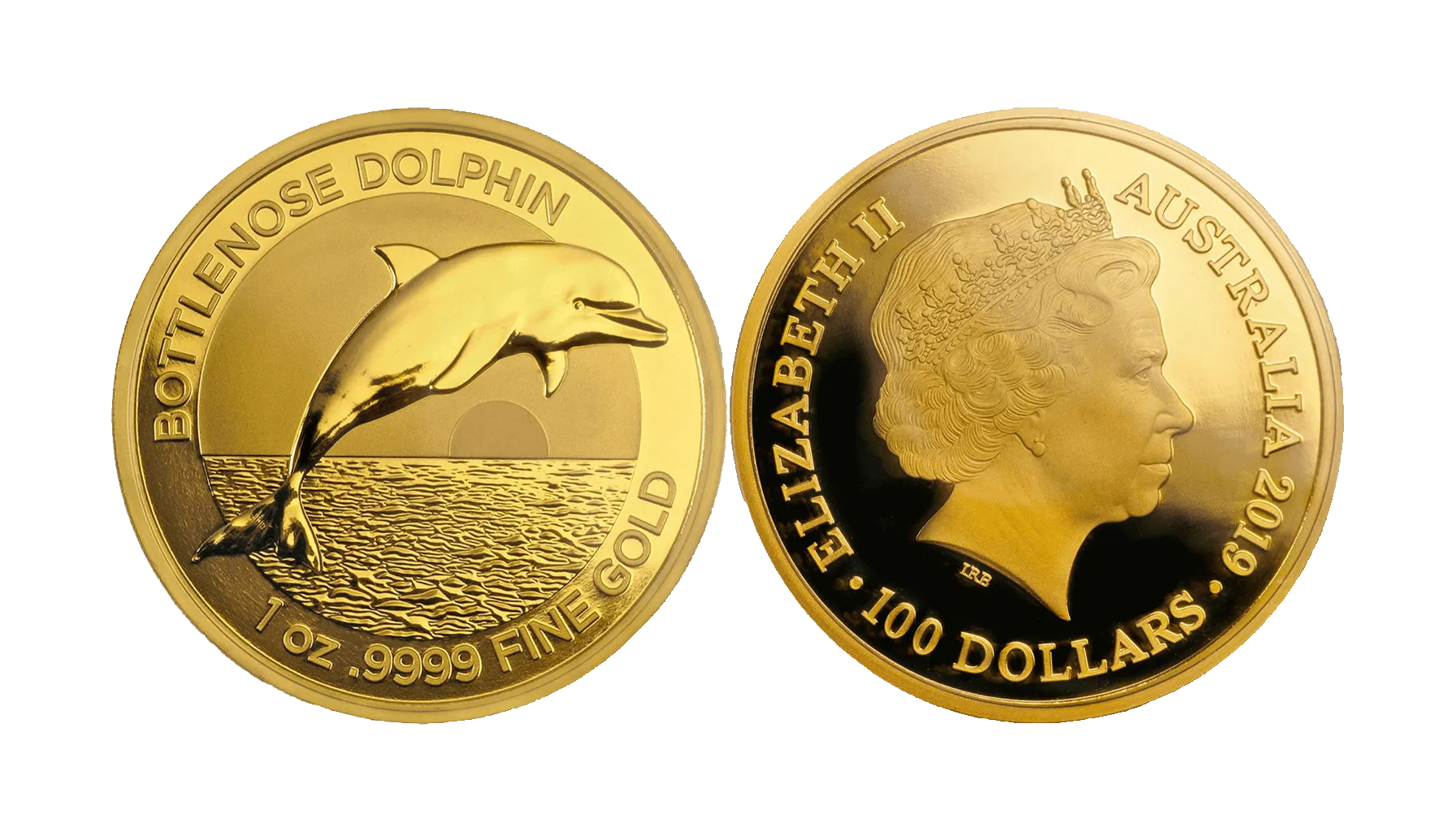
Weight is checked. A 1 oz bullion coin is expected to be extremely close to spec. Even small losses show up on a decent scale.
Dimensions are checked. Diameter and thickness are standardized; too thin at the rim is a red flag.
Edges are engineered to reveal tampering. Reeded or lettered edges make shaving visible, and uneven reeding is easy to spot under light.
Dealers test metal (XRF, ultrasound, specific gravity) and compare to known specs.
Also, clipped coins do not stay hidden in circulation anymore. They get pulled out quickly because banks, merchants, collectors, and bullion buyers handle coins with more verification than in the hammered-coin era.
Who Invented Coin Clipping?
No one knows who the first coin clipper was.
This is not a single invention by a named person. It is a fraud that appears as soon as precious-metal coins exist, because shaving a little gold or silver off the edge creates profit. It started very early in coin history, with ancient Greek and Roman economies already dealing with the problem.
The earliest coins themselves date to the 7th century BCE (early coinage in what is now Turkey), so any first clipping would be somewhere in that early world—but no surviving record identifies an individual first offender.
Who Practiced Coin Clipping?
It was practiced by anyone who could get their hands on precious-metal coins and a simple cutting tool. So, who did coin clipping practices?
Everyday criminals and opportunists shaving tiny amounts from many specimens (the most common group).
Organized clipping rings that collected shavings at scale and moved the underweight specimens back into circulation.
Goldsmiths, silversmiths, and metal dealers who could melt and sell the clippings easily (some were involved, others helped detect it).
Merchants and money-handlers occasionally—not because they needed the coins, but because they had constant access to high volumes.
Counterfeiters who combined clipping with other tricks (filing edges, plugging holes, etc) to disguise weight loss.
“Authorities often blamed Jews and foreign merchants, scapegoating minority communities as culprits in clipping scandals. The 1279–1281 arrest and execution of over 280 Jews in England on charges of coin clipping exemplifies this trend.”
— Matthew A. McIntosh, Public historian
Brewminate
Why Сoin Сlipping Was Illegal
When money was made of gold or silver, their face value depended on weight and purity. Shave off metal, and you have turned a full-value coin into an underweight one—everyone who later accepts it takes the loss.
Governments treated this as more than theft. It undermined trust in the currency, pushed people to hoard “full-weight” coins and spend the bad ones, and could trigger wider monetary crises—one reason England moved to major reforms like the Great Recoinage of 1696.
That is also why it drew heavy penalties. In England it was historically prosecuted alongside counterfeiting and was even treated as high treason in earlier law, before later reforms consolidated coin crimes and reduced penalties.
FAQ
What is coin clipping?
Shaving or cutting small bits of metal from the edge of a gold or silver specimen, then spending the lighter one and keeping the clippings.
Who started coin clipping?
No one is known by name. It appeared wherever precious-metal money pieces circulated.
What does coin clipping mean?
It means reducing its weight by trimming its edge to steal the precious metal.
Who invented coin clipping?
No single evidence of who was coin clipping inventor. It is a recurring fraud that shows up across different economies.
Why is coin clipping illegal?
Because it steals metal value, puts underweight coins back into circulation, and damages trust in the currency.
When was coin clipping invented?
There is no exact start date; it is documented from early precious-metal coinage and became notorious in medieval and early modern Europe.

 Facebook
  X (Twitter)
  Pinterest
  LinkedIn