Supply and Production Levels
Annual output depends on global mining operations and recycled material. A decline in production or mine closures reduces supply and supports higher prices, while sustained overproduction can pressure prices downward.
| Silver Spot Prices | Silver Price | Spot Change |
|---|---|---|
| Silver Price Per Ounce | $59.68 USD | $0.88 USD |
| Silver Price Per Gram | $1.92 USD | $0.03 USD |
| Silver Price Per Kilo | $1,918.76 USD | $28.29 USD |

Live Metal Spot Prices (24 Hours) Last Updated: 7/22/2026, 8:00 PM
The silver spot price is the real-time market cost of one troy ounce of pure metal for immediate settlement. It's the base reference used across global exchanges that determines how much investors pay or receive when trading the metal in any form. This rate changes minute by minute based on global demand, supply, interest rates, and the strength of the U.S. dollar. The most common sources for spot pricing are the London Bullion Market Association (LBMA) and COMEX in New York.",
| USD | EUR | GBP | AUD | CAD | |
|---|---|---|---|---|---|
| 2015 | -11.5% | -1.6% | -6.6% | -0.8% | 5.1% |
| 2016 | 15.09% | 19% | 37.6% | 16.1% | 11.8% |
| 2017 | 6.34% | -6.7% | -2.9% | -1.6% | -0.4% |
| 2018 | -8.88% | -4.4% | -3.2% | 1% | -0.9% |
| 2019 | 15.03% | 17.8% | 10.8% | 15.6% | 9.6% |
| 2020 | 47.68% | 35.6% | 43.3% | 34.9% | 44.9% |
| 2021 | -11.86% | -6.2% | -10.9% | -6.6% | -13.2% |
| 2022 | 2.36% | 9.4% | 15.2% | 9.8% | 10.5% |
| 2023 | -1.04% | 0% | -3.7% | 5.9% | 0.4% |
| 2024 | 21.1% | 29.5% | 23.6% | 33.8% | 31.9% |
| 2025 | 144.06% | 115.27% | 120% | 100% | 105% |
The current price of silver reflects real-time trading activity on global exchanges such as COMEX in New York and the London Bullion Market Association (LBMA). It changes every few seconds as institutional and retail traders buy and sell futures contracts, physical bullion, and ETFs. The most accurate way to check it is through financial news platforms or precious metal tracking tools that provide live spot rates like those above.
It is priced per troy ounce, which equals 31.1035 grams. The price of silver per ounce today you see quoted as the "spot price" represents this amount in its pure (.999 fine) form. Investors buying physical metals, e.g., coins or bars, will pay a premium over the spot price - covering minting, transportation, and dealer costs. This sum is from 3% to 15% and depends on the product and current demand.
To make it safely, use mild dish soap, warm water, and a soft cloth. Gently polish in straight lines rather than circles to avoid surface scratches.
For stubborn tarnish, apply a commercial polish or a baking soda and water paste.
Avoid bleach, toothpaste, or abrasive materials, as they can damage the finish or reduce collectible value, especially on antique coins or jewelry.
Professional conservation is recommended for numismatic items to preserve market integrity.
Yes. It consists of 92.5% Ag, 7.5% Cu, and tarnishes over time due to a chemical reaction between silver and sulfur compounds in the air. The result is a dark or yellowish film on the surface. It does not damage the metal, but it can dull its shine.
One ounce of silver, measured in troy ounces, is valued according to the live silver price on the spot market. For example, if the spot price is $28 per ounce, that's the theoretical value of one ounce of pure metal. Physical items such as coins or bars may sell higher due to production and distribution premiums.
No. If a magnet attracts an item marked as one made of this metal, it's likely counterfeit or mixed with magnetic metals like nickel or steel. Genuine one should not respond to magnets, but it's best to verify authenticity through additional tests such as acid testing, density measurement, or X-ray fluorescence (XRF) scanning.
It is an alloy that contains 92.5% pure silver and 7.5% copper or another base metal. The ".925" hallmark or stamp is the standard indicator of authenticity. It is used in jewelry, flatware, and decorative items.
The price of silver depends on its purity, weight, form, and the live spot price. For investment-grade bullion (.999 fine), the value closely follows the spot rate. For jewelry or collectibles, it can be higher. Industrial prices may follow different valuation models based on contract supply chains.
It is often considered a hedge against inflation and currency weakness. It has tangible value, industrial demand, and a long record as a monetary metal. However, prices can fluctuate due to speculative trading, interest rate changes, and economic conditions.
No. Rust occurs when iron oxidizes. Since silver contains no iron, it does not rust. It can, however, tarnish (develop a dark surface layer over time).
Do not buy unverified specimens from private sellers without proper certification or testing.
This means 92.5% pure metal mixed with 7.5% of other metals. It is another term for sterling silver.
It is used in industrial, medical, and investment fields. Moreover, it is presented in solar panels, electrical contacts, mirrors, chemical catalysts, medical instruments, photography, jewelry, and bullion investment products.
For precise verification, use acid testing or XRF analyzers available through dealers or pawn professionals.
This metal has been known since prehistoric times and was not discovered by one specific person. Archaeological evidence shows mining in Anatolia (modern Turkey) as early as 3000 B.C. Ancient civilizations like the Egyptians, Greeks, and Romans refined and used it for currency and trade long before modern mining techniques existed.
US coins before 1965 contained 90% silver, e.g., Morgan Dollar (1878-1921), Peace Dollar (1921-1935), Walking Liberty Half Dollar (1916-1947). Modern bullion issues, e.g., the American Eagle (since 1986), are .999 fine and remain popular among investors today.
The price of silver reflects global economic cycles, inflation trends, and investor sentiment. In the 1970s, the metal surged due to speculation (nearly $50 per ounce in 1980). It peaked again around $48 in 2011 before lower prices.
What's the price of silver today? In October 2025 it costs around $52 per troy ounce. Real-time charts show frequent intraday swings because of dollar strength, industrial demand, and central bank policy.
Historical and live charts with today's silver price help identify levels of support and resistance. Moreover, we can track long-term momentum, and compare current prices to past highs.
Annual output depends on global mining operations and recycled material. A decline in production or mine closures reduces supply and supports higher prices, while sustained overproduction can pressure prices downward.
Roughly half of all demand comes from electronics, photovoltaics, and medical equipment. Clean energy projects and technology manufacturing increase consumption and support prices.
Silver is a traditional hedge against inflation. When central banks maintain low rates or inflation rises, capital often shifts toward precious metals to preserve purchasing power.
Being priced in U.S. dollars, currency fluctuations directly impact silver. A weaker dollar supports higher prices, and vice versa.
Institutional and retail investment through futures and exchange-traded products adds volatility. Sentiment shifts can move prices rapidly.
Geopolitical tension, trade disruption, or financial instability often drive investors toward safe-haven assets, creating upward pressure on spot prices.
Silver futures are standardized contracts traded primarily on the COMEX. It means that a set quantity of metal to be delivered at a specific price and date. These contracts influence a gold and silver spot price today because they represent collective expectations of future supply, demand, and inflation trends.
Rising futures indicate optimism or demand growth, pushing spot prices higher.
Falling futures may signal increased mining output or weaker industrial demand, pressuring spot prices.
Traders close gaps between futures and spot markets so prices stay aligned.
Industrial users and producers lock in prices via futures, influencing short-term spot movements.
Futures and spot markets remain closely linked; changes in one are mirrored in the other within minutes.
Note: Futures trading involves margin requirements and leverage, which can magnify both gains and losses. High volatility in futures often translates into rapid swings in the live spot price of silver today.
The spot silver price today is the real-time trading value for one troy ounce. It reflects continuous OTC and exchange trading between global buyers and sellers.
The metal has dual purpose - a commodity and a monetary asset. It keeps demand consistent regardless of market cycles. As traders say, "When paper money becomes worthless, silver will shine."
When the U.S. dollar weakens or inflation rises, metal prices strengthen. During the 1970s inflation wave, silver climbed from under $2 to nearly $50.
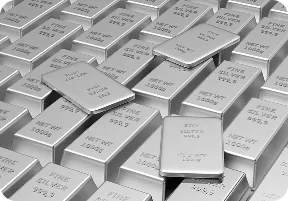
Holding coins or bars in hand means complete ownership with no brokerage, counterparty, or dependency on digital systems.
Many retail investors begin with this metal because it trades at a fraction of gold's price, allowing small accumulations over time. Watching gold and silver prices today helps set buying moments.
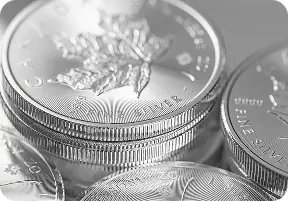
Products like U.S. Eagles and Canadian Maple Leafs are recognized and easily sold worldwide.
Even if investment demand softens, industrial consumption continues to support pricing stability.
A one-ounce coin may sell slightly above the current silver price to cover minting and distribution premiums.
According to recent industrial surveys, over 50% of mined silver now goes into non-jewelry applications — a record high. Here are its uses:
| Sector | Use | Consumption / Impact |
|---|---|---|
| Solar Energy | 15-20 g per photovoltaic panel for conductive paste. | ≈ 3,000 t per year; fastest-growing segment. |
| Electric Vehicles (EVs) | 2-3× more than standard cars in circuits and batteries. | Rising with global EV adoption. |
| Electronics | Switches, contacts, sensors for top conductivity. | Stable, large-scale global use. |
| Healthcare | Antimicrobial coatings, instruments, wound dressings. | Niche but steady industrial demand. |
| Energy Storage & Grids | Batteries and smart-grid systems. | Expanding with renewable infrastructure. |
Analysts claim that if renewable deployment continues at current pace, industrial consumption of this metal could double by 2040. This is why many investors treat it as a core material of the future economy.
The idea of finding silver "below spot" sounds appealing, but in reality, it almost never happens legitimately. Every physical transaction—whether a coin, round, or bar—includes costs for refining, minting, shipping, and dealer margin.
Refiners and mints sell at or above market value, and dealers cover storage, insurance, and logistics. Premiums (often $1-$5 per ounce for common bullion coins) reflect real costs, not markup abuse.
If someone claims to offer genuine silver below spot, verify weight, dimensions, purity markings, seller credentials, and cross-check live spot data from COMEX or LBMA before proceeding.