Contents:
When we think about valuable coins, we often think of their design, maybe shape, but not the weight. In reality, weight is an important value contributor, especially to coins made of gold and silver.
How much does coin collection insurance cost, and what does it do? Today, we will learn all the necessary aspects of coin insurance.
How much do you know about rare coins worth money? The apps today keep catalogues of such rare bits and provide their values.
Gold and Silver Coin Weights
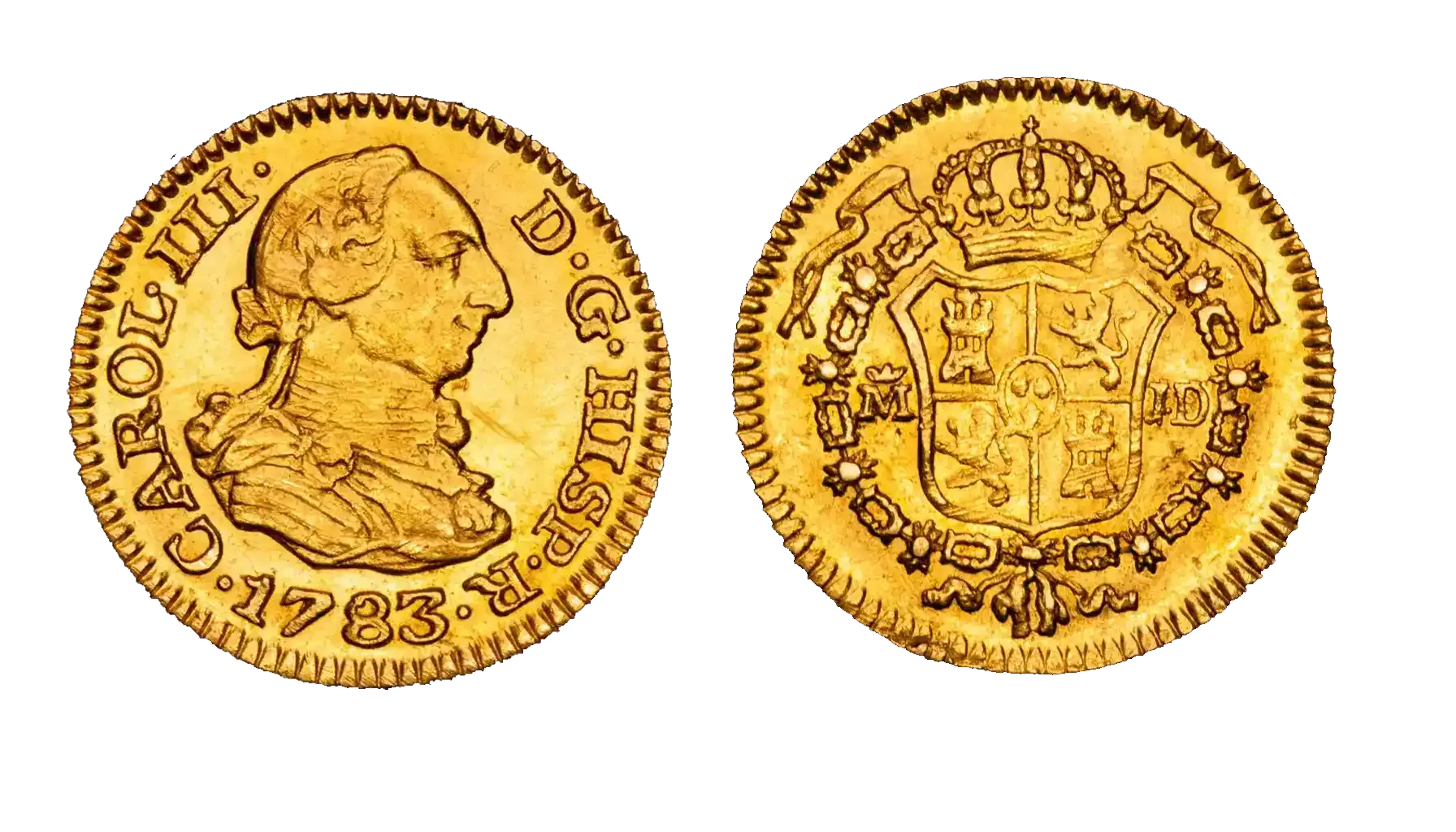
Silver and gold coins have been struck for centuries. As soon as people began trading them, the Mints made up the standard. In the past, people needed these standards because precious metals were rare and hard to make, and giving out a gold piece too heavy or too light would be considered fraud.
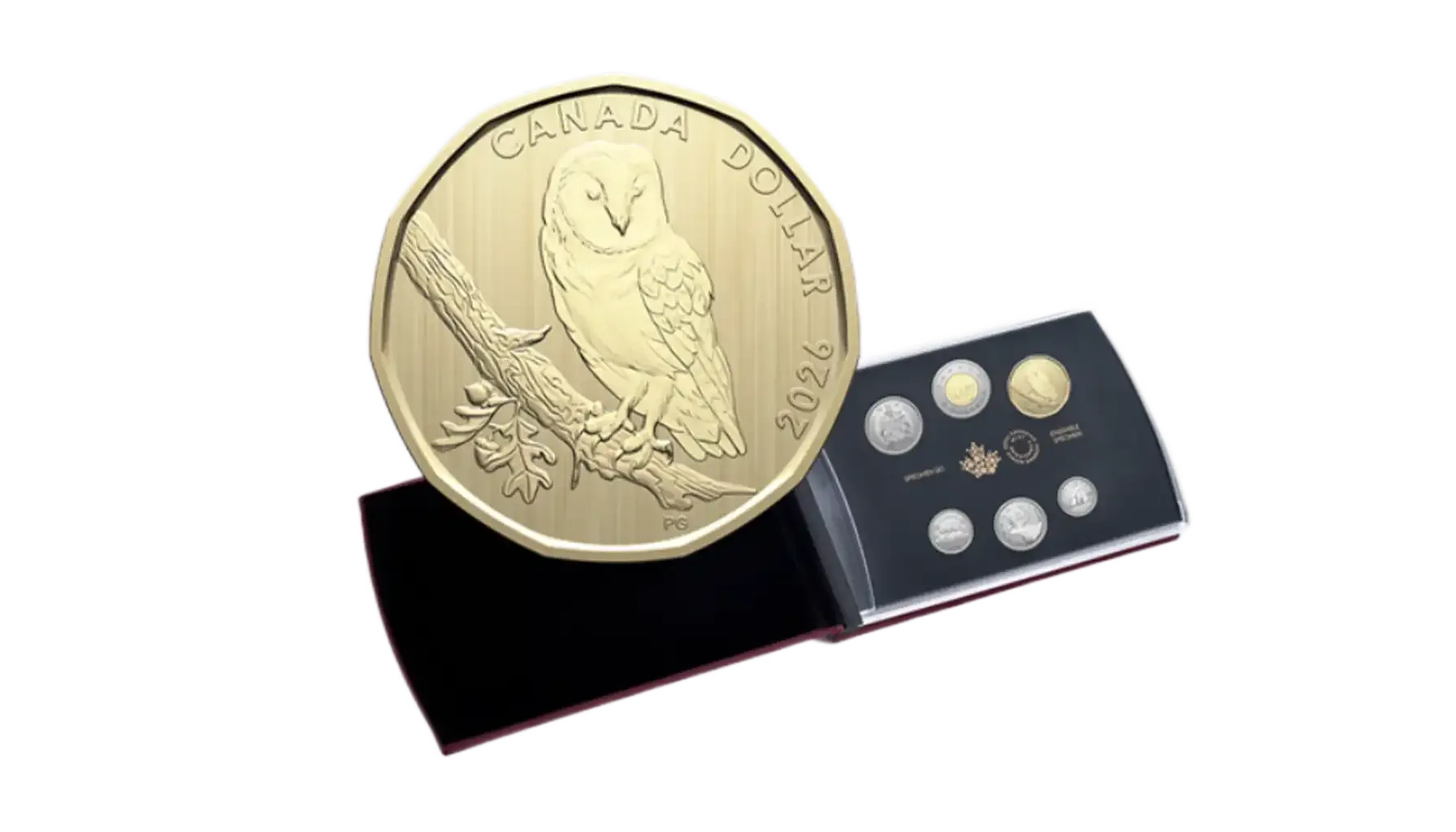
In modern times, the situation is similar. Bullion coins (the ones made from precious metals) need to follow strict weight guidelines. Such bits are valued primarily for how much precious metal they have, and that part is determined by weight.
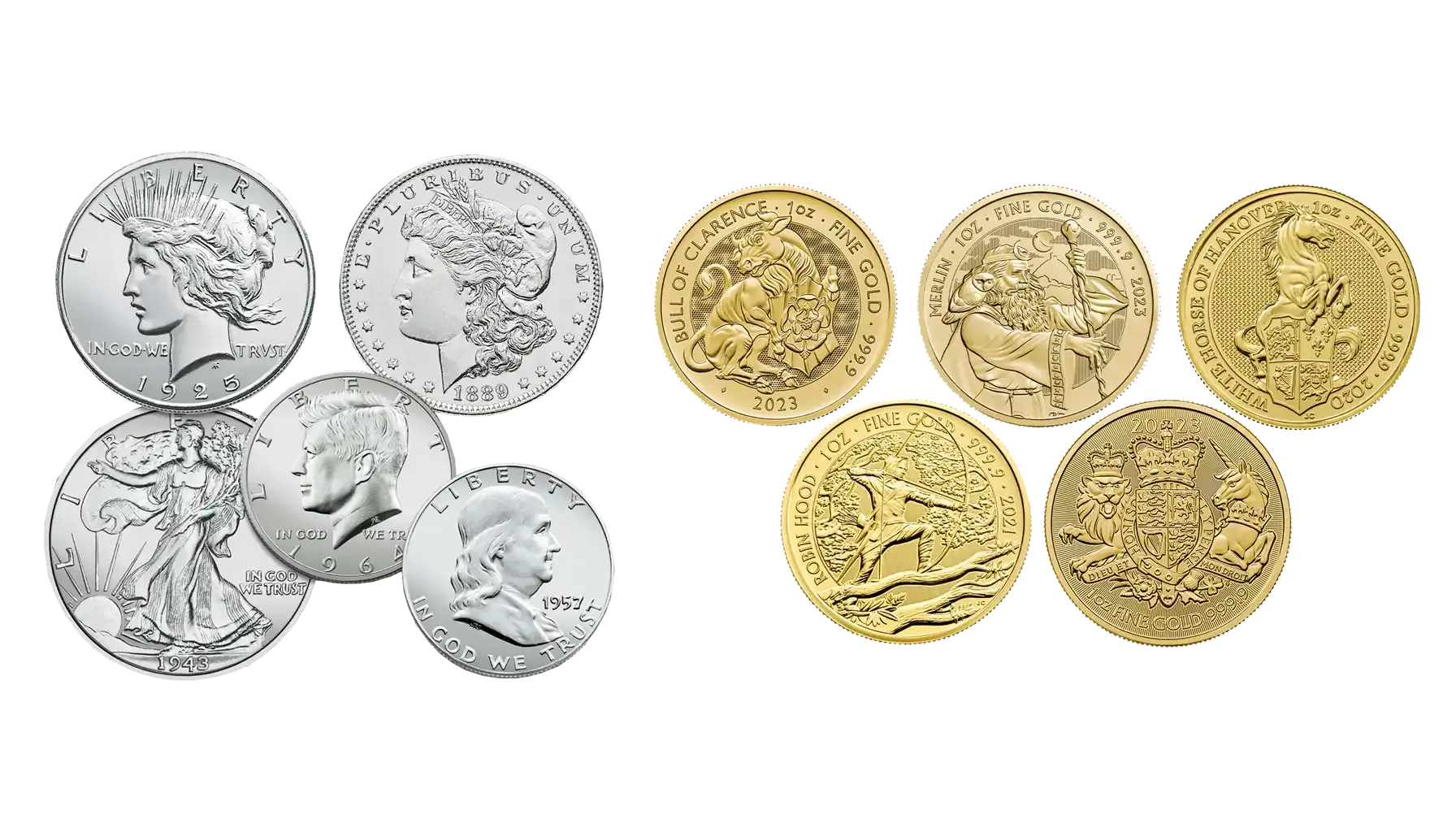
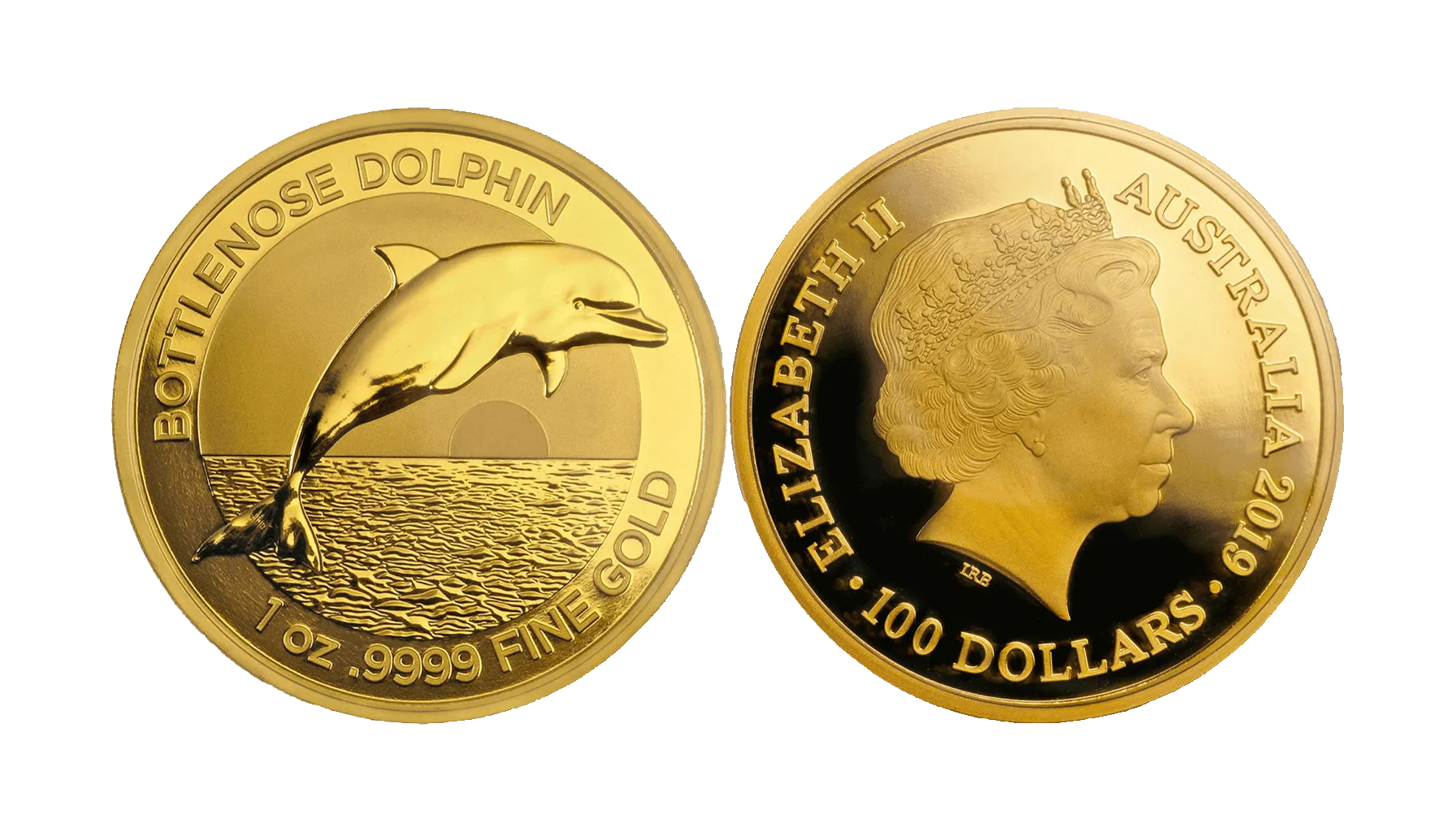
How much does a gold coin weight? Precious metals have their unique measurement, troy ounces. Most modern bullion coins, e.g., 2025 Silver Eagle, rely on the troy system, and most coins made by the U.S. mint are 1 troy ounce.
Troy Ounces | Grams (g) |
1 oz | 31.1035 g |
2 oz | 62.207 g |
0.5 oz | 15.5517 g |
0.25 oz | 7.776 g |
Of course, the Troy ounce system fits gold and silver bits, but standard U.S. coinage relies on grams.
Standard U.S. Coin Weights
Modern U.S. bits are minted to strict specifications defined by the U.S. Mint. Historically, the U.S. bits lost in weight. Originally, most U.S. bits were made of heavier silver, but with time, the U.S. mint switched to nickel and copper.
“Coin weights allowed traders, money‑changers, and merchants to check that a coin met the correct weight for its type.”
— Kele Johnson
Antique Trader Official Website
Each U.S. denomination has an officially defined weight, measured to the hundredth or thousandth of a gram.
Here is how the masses of standard denominations evolved:
Pennies are 2.5 grams today, but older bronze cents could weigh 3.11 grams.
Nickel coin weight is one of the few consistent denominations. Nickel has kept the same mass (5.0 grams) for a century.
Quarters and dimes replaced 90% silver compositions with a copper-nickel version in 1965. They lost both intrinsic value and altered their mass from 6.25 g to 5.6 g.
Dollar coin weight fell drastically, twice the original number (25 g for old Morgan dollars).
Modern bullion coins (American Eagles, Buffalos, and Silver Eagles) have standardized precious-metal weights for investment purposes, i.e., 1 troy ounce.
U.S. Coin Weight Chart
Now, let’s put what we’ve learned into one weight of US coins chart:
Denomination | Name | Weight (g) | Weight (oz) | Composition |
$0.01 | Penny | 2.500 g | 0.088 oz | Copper-plated zinc (97.5% Zn, 2.5% Cu) |
$0.05 | Nickel | 5.000 g | 0.176 oz | Cupro-nickel (75% Cu, 25% Ni) |
$0.10 | Dime | 2.268 g | 0.080 oz | Cupro-nickel with pure copper core (overall ~91.67% Cu, 8.33% Ni) |
$0.25 | Quarter | 5.670 g | 0.200 oz | Cupro-nickel with pure copper core (overall ~91.67% Cu, 8.33% Ni) |
$0.50 | Half Dollar | 11.340 g | 0.400 oz | Cupro-nickel with pure copper core (overall ~91.67% Cu, 8.33% Ni) |
$1.00 | Dollar | 8.100 g | 0.286 oz | Manganese-brass (overall 88.5% Cu, 6% Zn, 3.5% Mn, 2% Ni) |
A typical 2025 half dollar remains the heaviest denomination in the modern roster.
Coin Weight Scales & Calculators
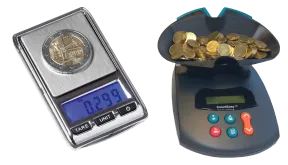
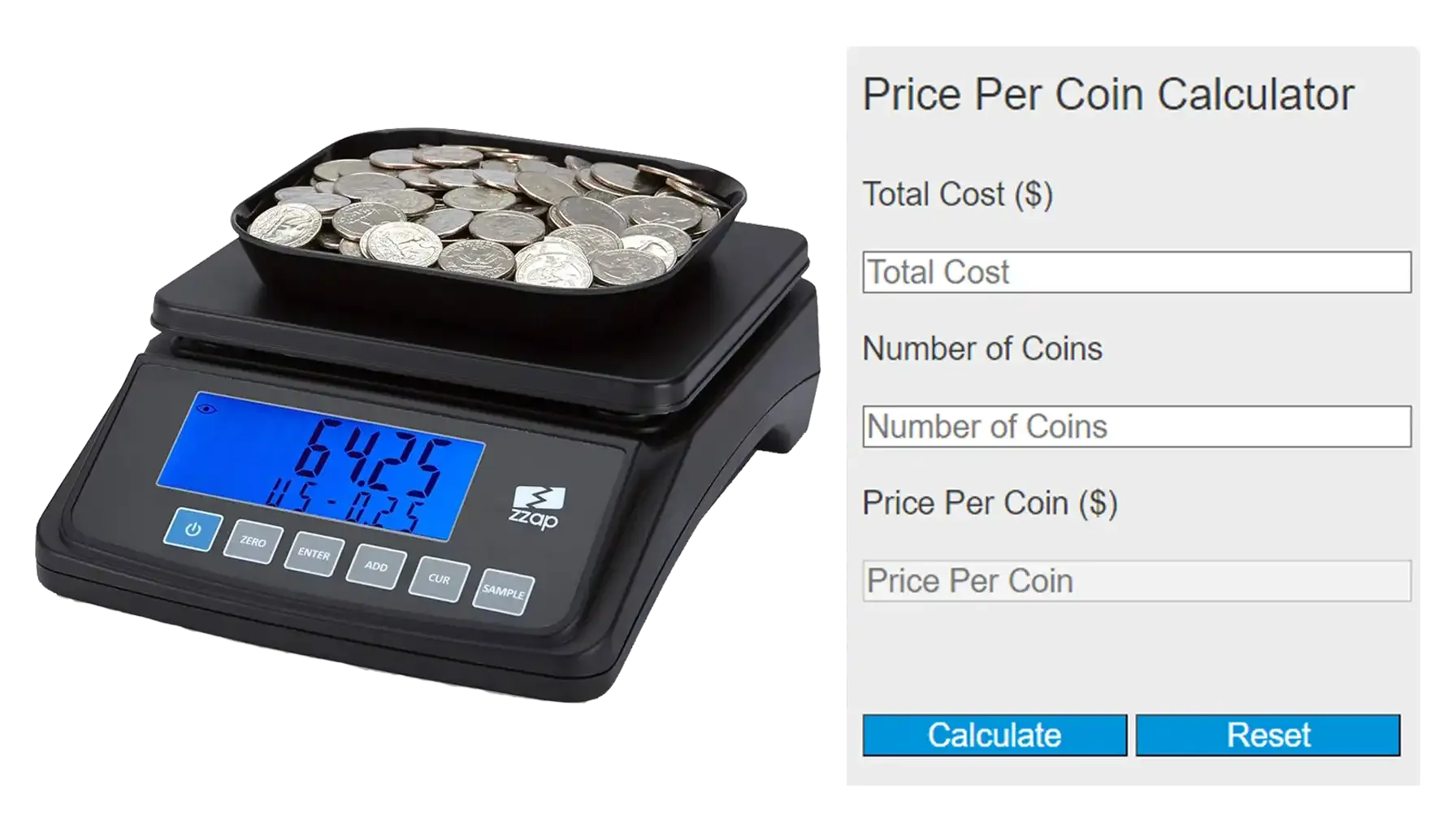
Do you need to check your a dollar, a penny, or maybe a quarter coin weight? Then you’ll need the right tool. Most collectors and traders use one of these two tools:
1. Precision coin scales:
These are digital scales capable of measuring to 0.01 grams. The more expensive models are even more precise (0.001 g).
Precision scales can measure in grams, grains, and troy ounces.
Most models can be recalibrated.
2. Coin weight calculators:
These are online apps and platforms for checking mass.
You input the metal type (gold, silver, etc.), denomination, unit, and quantity, and the app processes the information and tells you the mass.
Often, online calculators also provide melt value, price per gram, and total bullion value.
Why Coin Weight Matters for Collectors
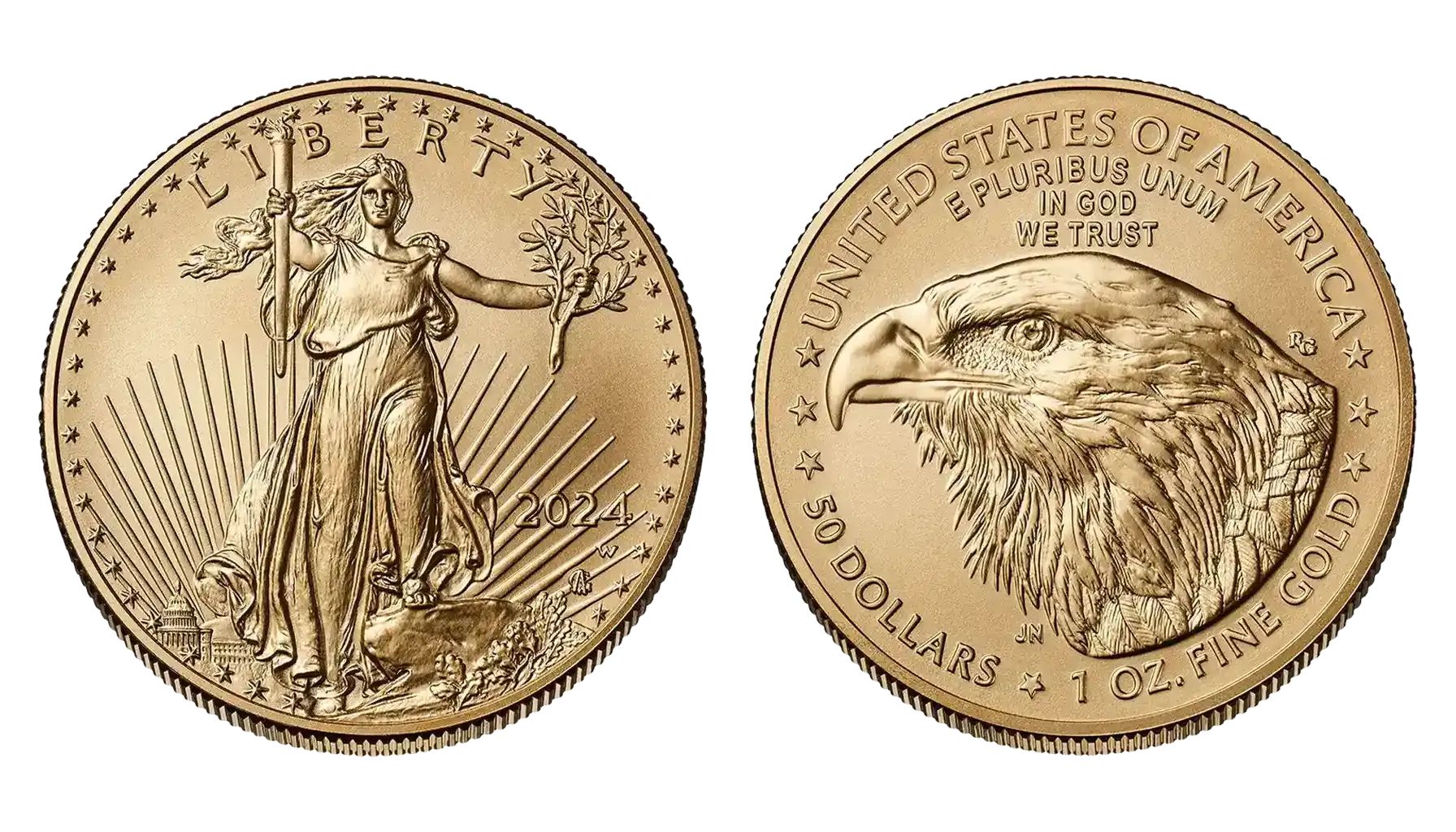
If you’ve ever tried to buy a piece from a Mint or the secondary market, you’d notice that the weight is almost always mentioned. A sign that the weight of coins matters. The question is, why does it matter so much to the collectors?
1. Detecting counterfeits:
Many fake bits are either underweight (due to cheaper, lighter metals) or overweight (due to filling or plating). When the weight deviates, it is often ру first red flag of a fake.
2. Confirming the correct planchet:
A bit struck on the wrong metal planchet will weigh differently. It’s not a counterfeit, but an extremely valuable error.
Unlike the fakes, wrong planchet cases are also often different in size.
3. Evaluating wear:
Circulated older bits, especially gold and silver, can lose measurable weight from decades of use. This affects grading and value.
Bits from other precious metals, like platinum, erode much more slowly.
4. Determining melt value:
Weight directly relates to bullion value (at least among bullion coins). Even a tiny difference can alter the price.
5. Tracks composition changes:
Bits often change composition over time (e.g. pre 1965 dimes were silver, but then switched to clad). With a new composition, the weight changes, so if you need to track the exact "version", you can simply weigh the bit.
Conclusion
As many quarters and dollars nowadays are losing weight, collectors pay more and more attention to this factor.
The Coin ID Scanner app has a huge (150,000+) database of many coins. The app tracks official weight and denomination data for each piece, so you can check your collectibles without breaking a sweat.

 Facebook
  X (Twitter)
  Pinterest
  LinkedIn