Contents:
Do you think there is anything special about the simple diameter of US coins in mm? If you think not, then you are greatly mistaken. Thanks to the diameter, you can identify a counterfeit or find a specific rare specimen among a regular issue. For coin identification, the determination of the diameter is one of the important parameters.
What Is Coin Diameter
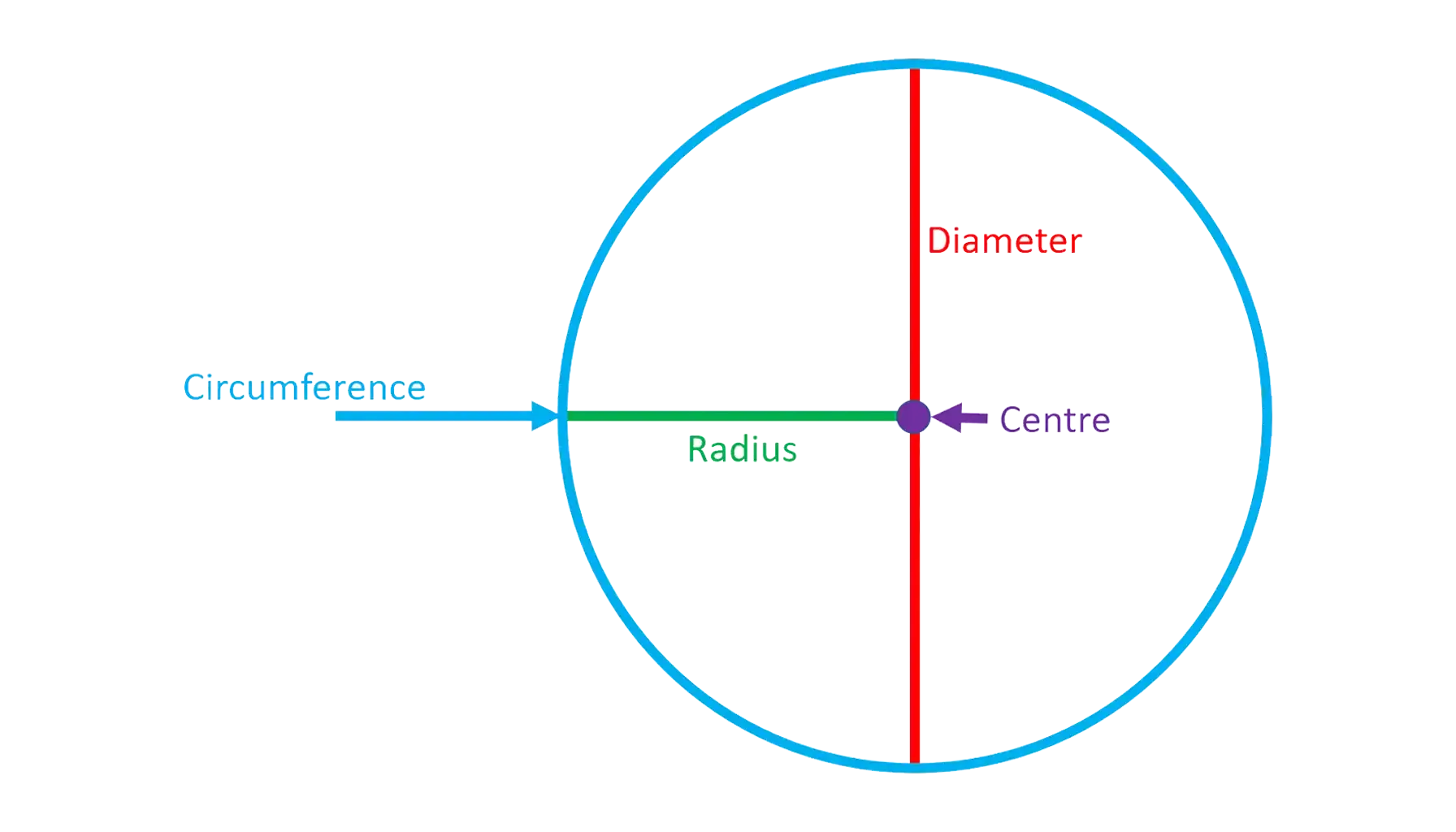
In general, the diameter of a coin is the distance along a straight line that passes through the center of the coin, that is, from one point on the circumference to the opposite one. This is one of the basic indicators that are always indicated when reviewing coins. Diameter is one of the necessary coin collecting terms.
Measuring
It is quite simple: place the specimen in front of you and draw a straight line from one edge to another so that this line passes through the center, and the length of this line will be the diameter.
In fact, the study of these indicators begins in primary school. Usually, the diameter is measured in millimeters and is not always indicated in the specifications established by the mint.
Diameter of American Coins
The US coins diameter is very important for them. This is an aspect of standardization, which has always been a goal throughout the history of minting. The diameter of each denomination is established by the U.S. Mint Washington, D.C. These figures are carefully selected for ease of use, recognition, and overall functionality.
Coin Diameter Chart
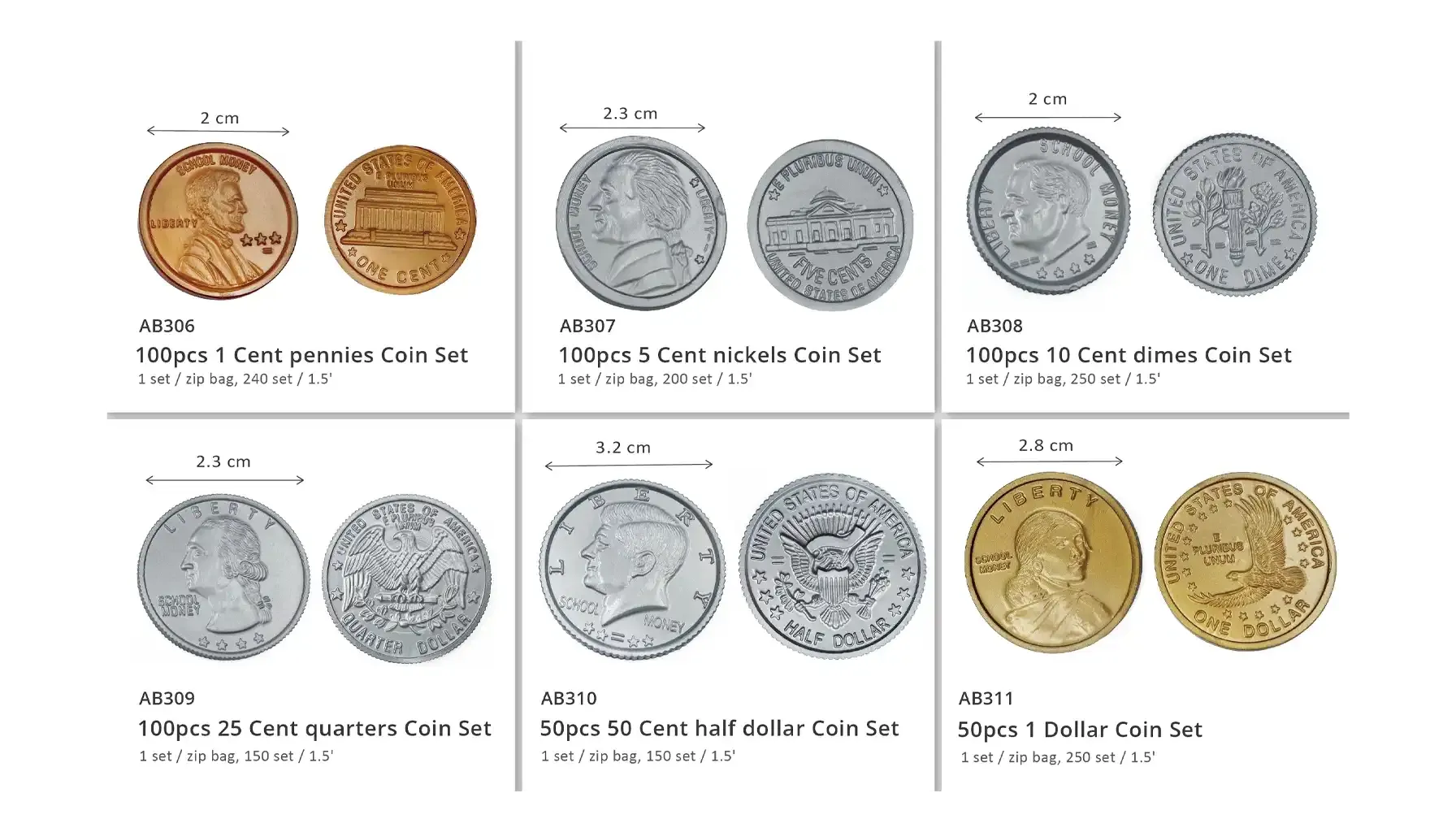
Type | Nominal value | Diameter of coins in mm |
Penny | 1 cent | 19.05 |
Nickel | 5 cents | 21.21 |
Dime | 10 cents | 17.91 |
Quarter | 25 cents | 24.26 |
Half Dollar | 50 cents | 30.61 |
Dollar Coin | 1 dollar | 26.49 |
This is all the data on modern standards; however, earlier dollar coins, such as the Eisenhower one-dollar coin, had different diameters, usually larger ones. But today, of course, they are not part of the modern era and do not circulate regularly.
In general, there may sometimes be slight deviations from these values due to manufacturing specifics. But overall, coins must always remain within the mint's standards.
Why Coin Diameter Matters
If you read any coin reviews, you will always see the diameter specified there. Many novice numismatists overlook this and think it is unnecessary information, but in fact, they are deeply mistaken.
Diameter is an important parameter that affects many aspects, from everyday use to issues of counterfeiting and the economy.
Identification
The unique diameter of each specimen allows for quick differentiation by touch or visually, even without looking at the denomination. This is important for people with weak eyesight. Additionally, if you consult standardization archives, you can even identify the most worn coin.
Just imagine, you have a specimen in front of you where neither the denomination nor anything else is clear, just a round piece of metal with some unclear image. But if you measure the diameter, you can surely tell what kind of specimen it is.
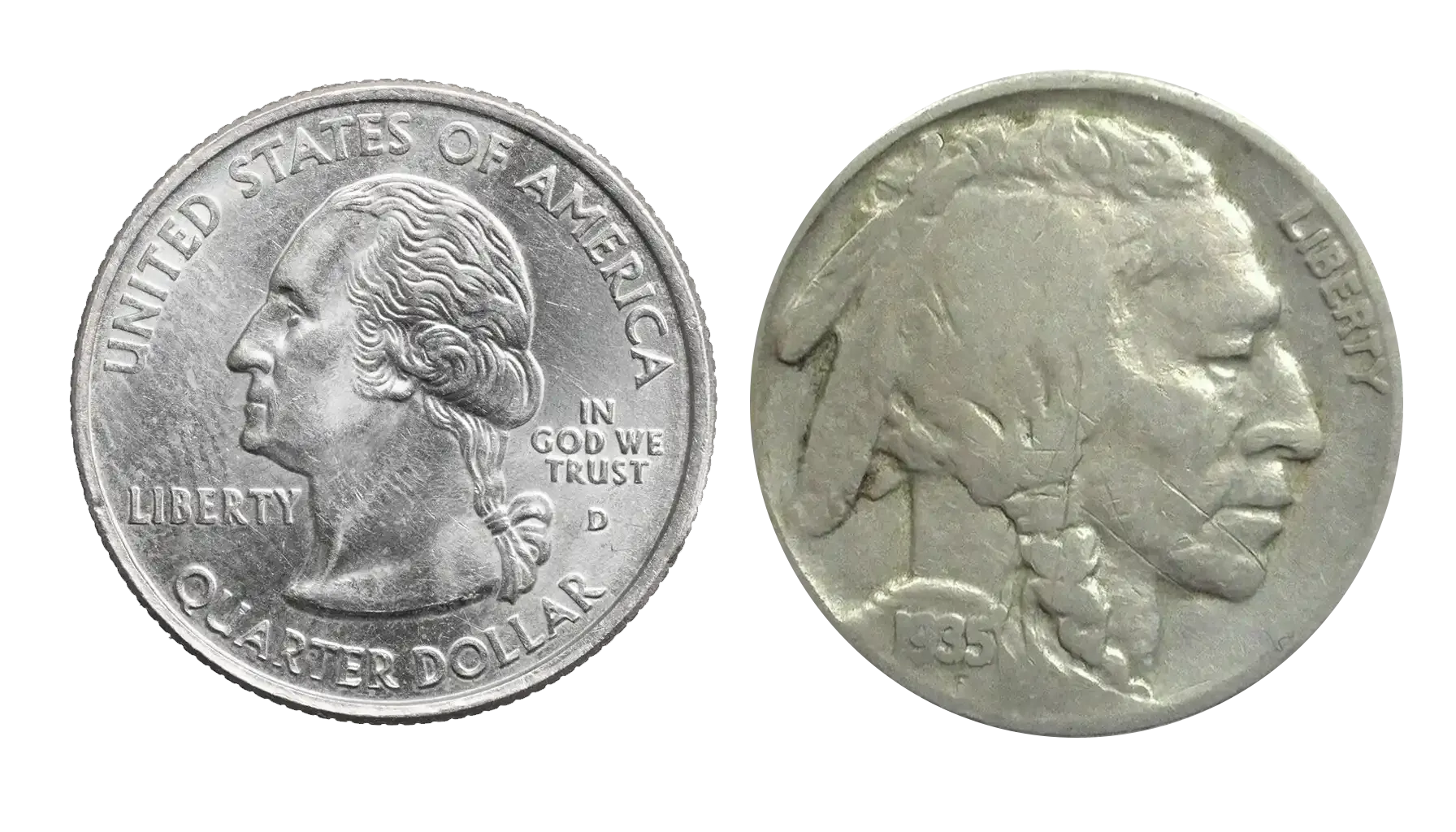
Also, different sizes prevent confusion between coins of the same color or similar design. For example, a nickel and a quarter could easily be confused if not for their different diameters.
Vending and Counting Machines
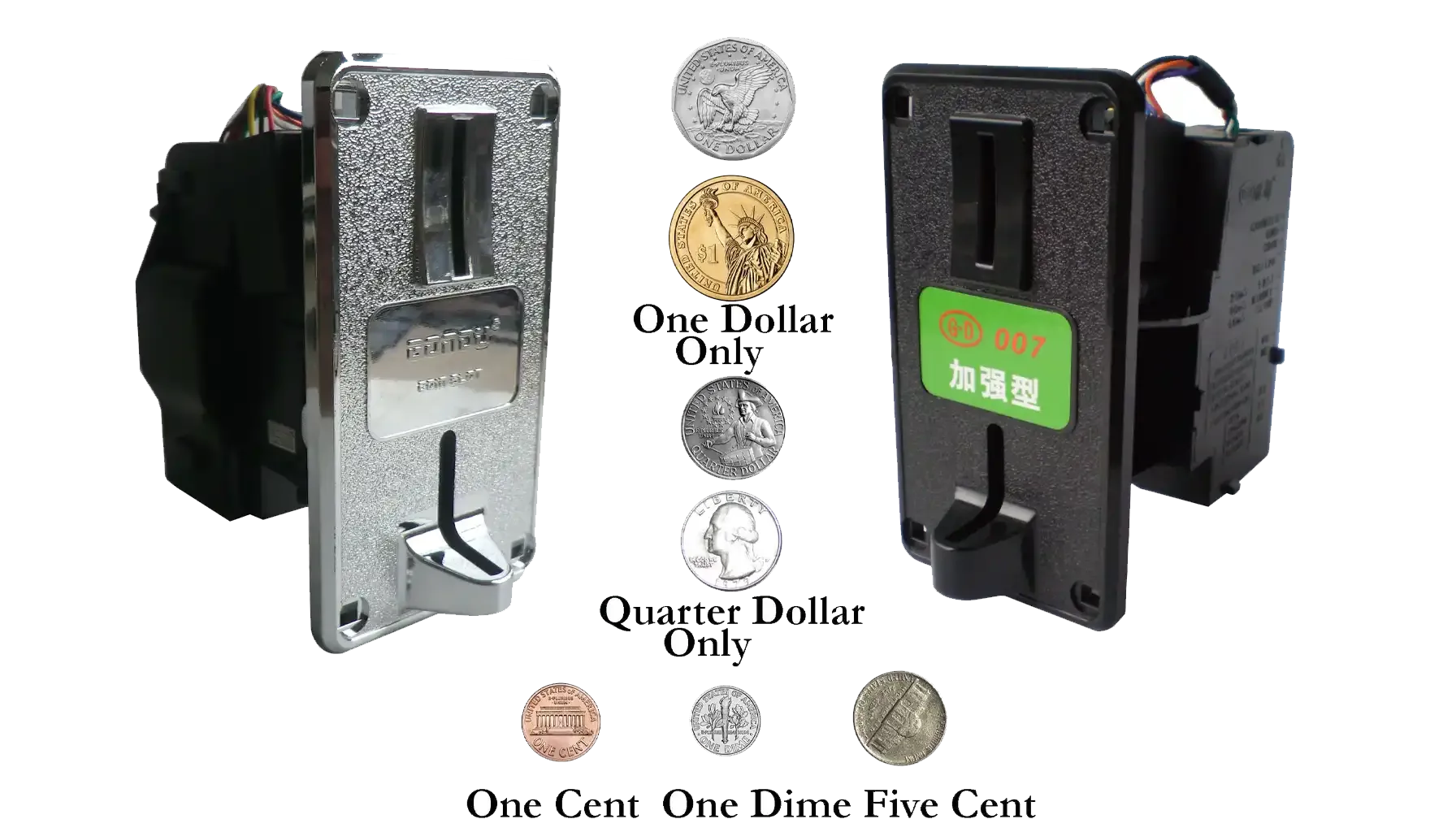
When you see such a device in a store or a bank, you have probably wondered at least once how this machine knows what kind of coin it is.
Of course, there are now smart neural networks that can recognize a specimen from a photo, but this was not always the case, which is why all these machines work specifically by measuring the physical parameters of the specimen. It compares the weight and, specifically, the diameter with existing input data.
These machines use optical sensors, mechanical gates, or a combination of both to measure the diameter of the coin. If the specimen does not match the specified parameters within fairly small tolerances, the machine will reject it.
This is how ATMs, vending machines, parking meters, ticket machines, laundromats, and other counting systems operate. All of this relies on precise physical dimensions.
Combating Counterfeits
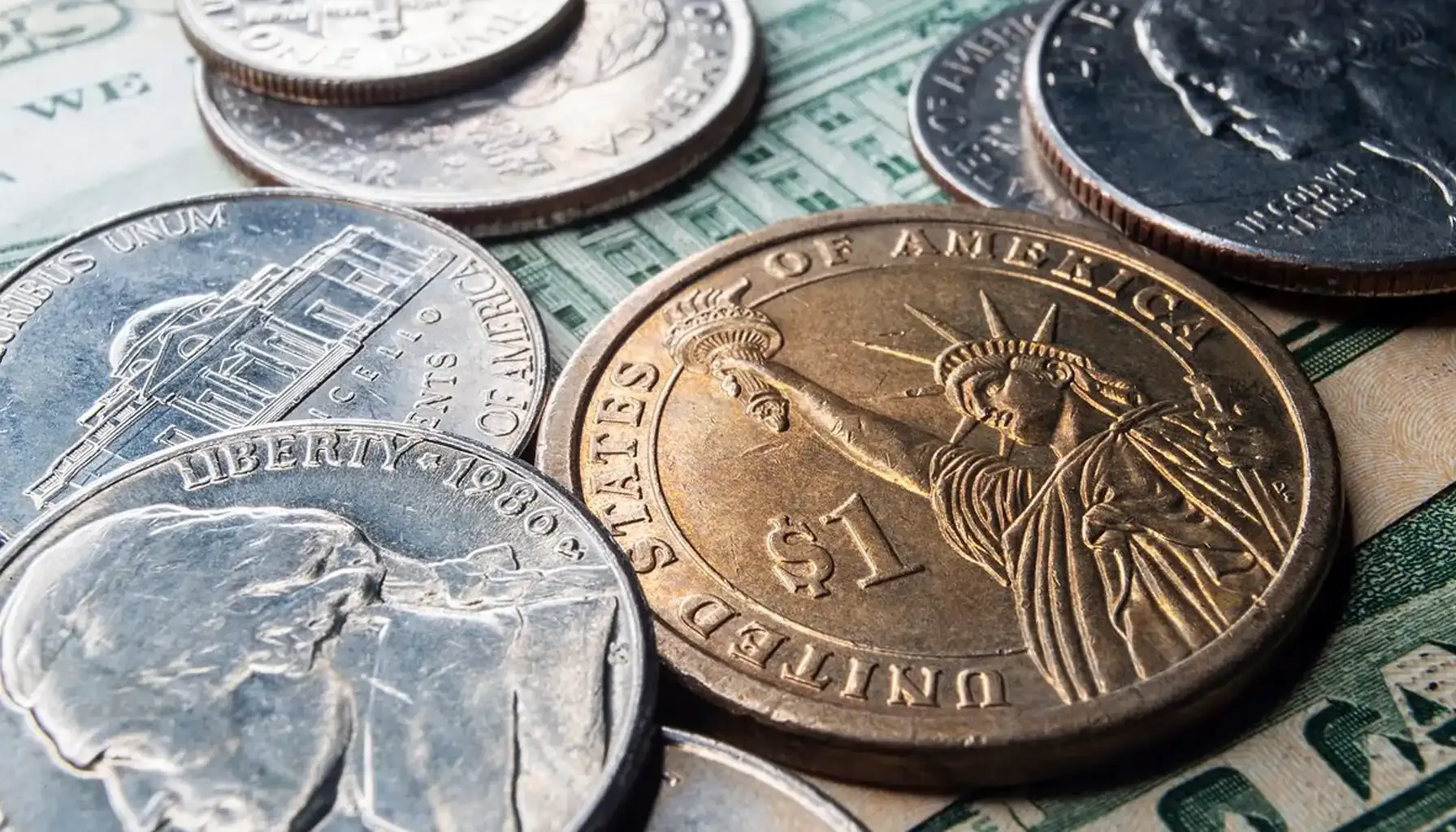
As has already been mentioned, the precise diameter is a crucial point for identifying a genuine specimen. Creating a counterfeit coin that perfectly matches all physical parameters – diameter, thickness, weight, and metal composition – is very difficult and expensive.
Therefore, if the diameter of a counterfeit differs even slightly, it will be rejected by vending machines. Consequently, if you want to purchase such a specimen, you can recognize a counterfeit by its diameter.
Standardization
Strict adherence to diameters allows for the creation of a strict standard and regulation. You might think, plus or minus 10 or 5 mm, that's not much. But, in reality, it is precisely thanks to these standards that a large, well-coordinated system emerges, which functions correctly and efficiently.
It is this standard that allows manufacturers of automated machines to create equipment that will work with any legitimate U.S. coin, regardless of its year of issue within the current series.
How Coin Diameter Is Measured
Tools
Calipers. This is the most common and accessible option. You might even have one left over from school.
Digital Calipers. This tool displays the value on a screen with an accuracy of up to 0.01 mm. Overall, it is also convenient and easy to use.
Vernier Calipers. These require special skills, such as reading the vernier scale, but also offer high accuracy, up to 0.02 mm.
Micrometer. This is a tool for more professional, high-precision measurements. It is used in metrology and manufacturing. Its accuracy is significantly higher than calipers, approximately up to 0.01 mm. However, for everyday home use, it is not very convenient.
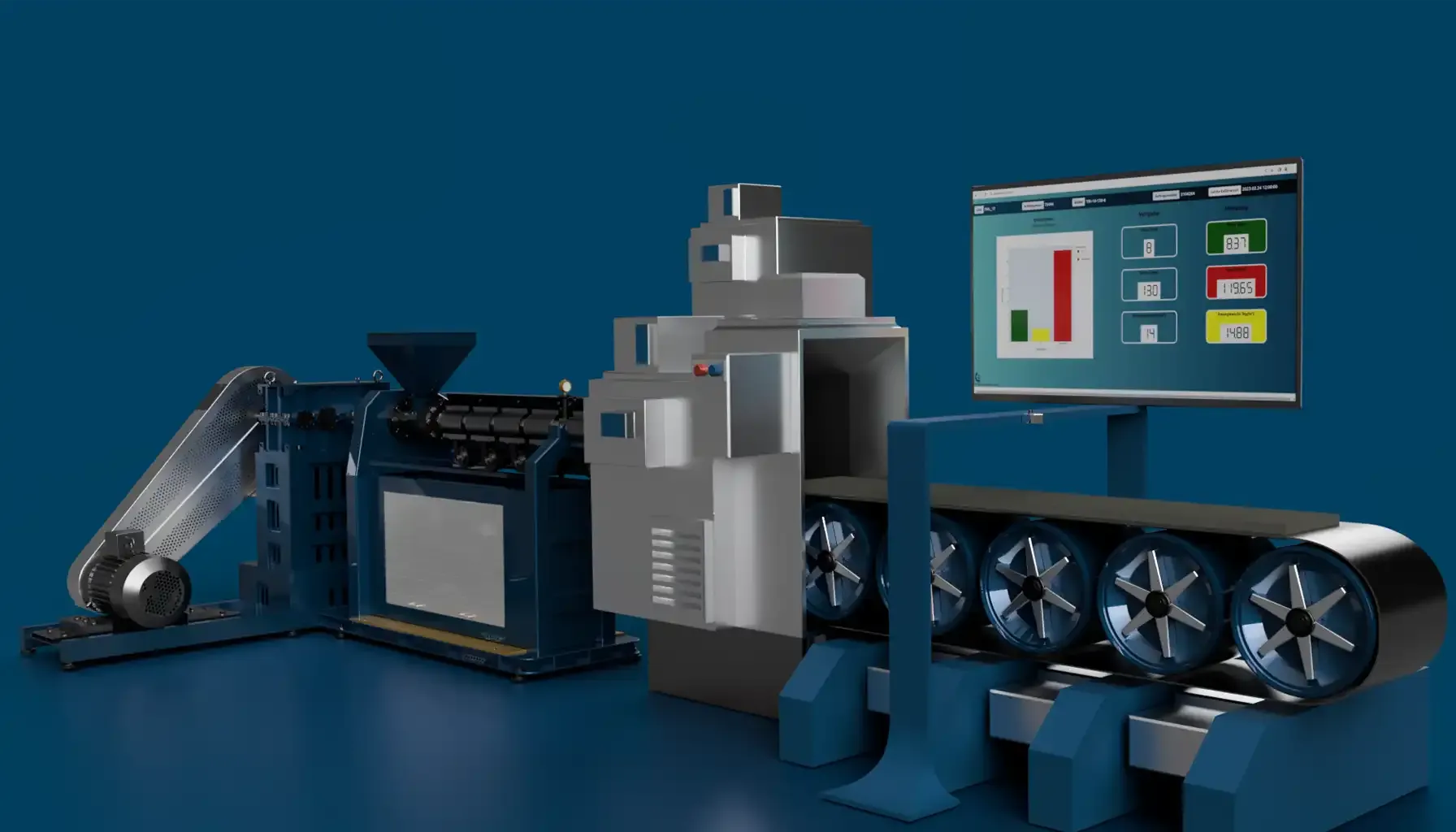
Specialized Measuring Systems. Everything listed so far is convenient and can be used by numismatists. However, mints use high-precision laser scanners, optical systems, and other automated devices that control the quality of minting.
It is these systems that can measure diameter with minimal tolerances in a continuous flow.
Measurement Process
However, we will discuss the use of calipers.
First and foremost, you must ensure that the jaws of the calipers are clean and closed to zero. But it's best to perform a calibration before starting.
Then, take the coin with the two jaws of the calipers. Carefully close them so that they make firm, but gentle contact with the edges of the specimen.
Next, read the value on the scale or display, if you have an electronic version.
Record your measurement, and also take a second one to confirm the accuracy of the data.
If they are different, calculate the average value. This will help account for possible deformations or manufacturing tolerances.

 Facebook
  X (Twitter)
  Pinterest
  LinkedIn