Contents:
Working out which coin comes out the thinnest is much simpler when you can identify rare coins through a database that lists sizes and specifications.
Thickness matters in practice. It shapes how a coin holds up in daily use, how fast the surface starts to wear, and why some denominations end up feeling more compact than others.
Thickness of All U.S. Coins
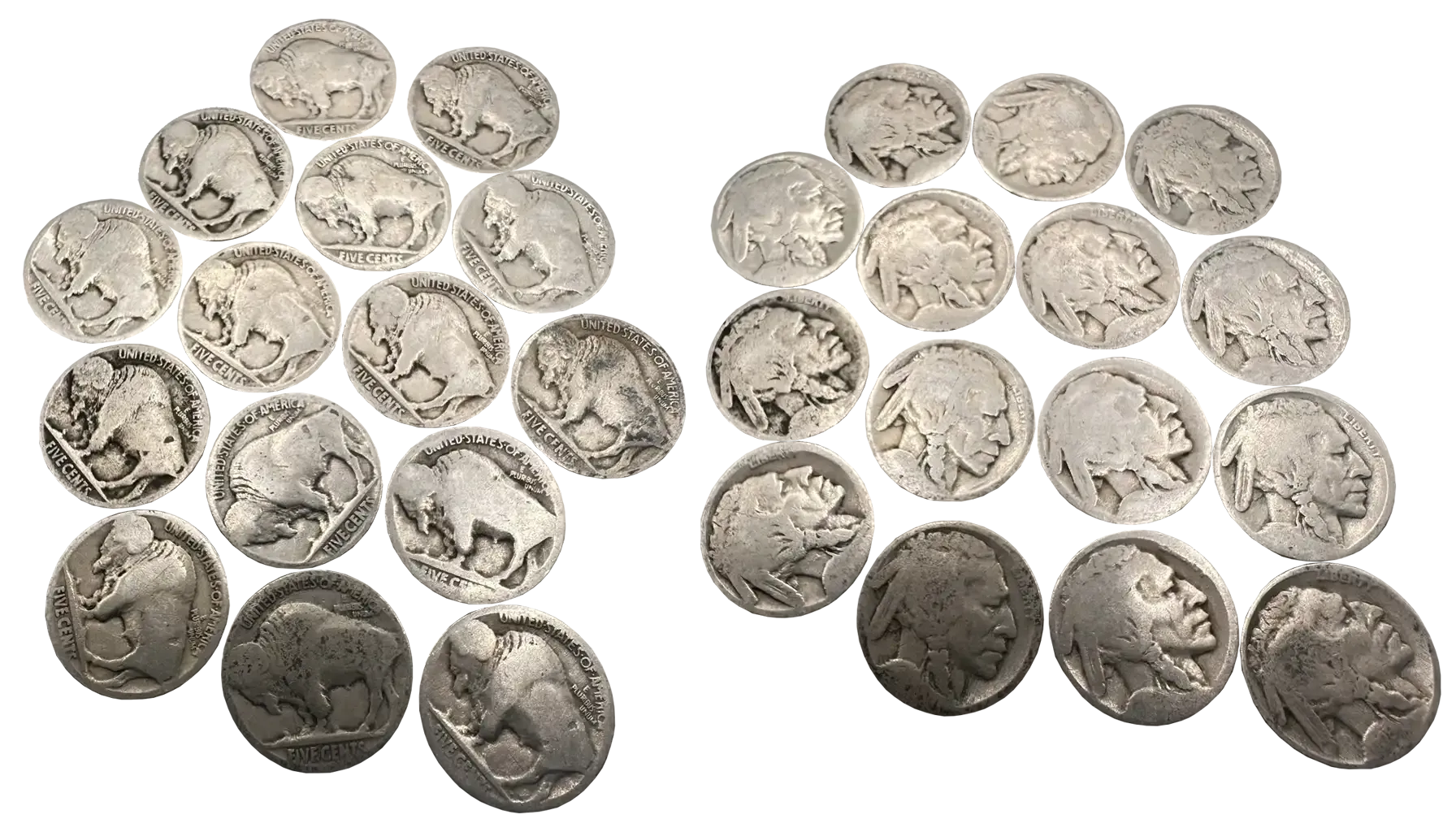
The American monetary system is structured in a way that each denominational coin has a small set of parameters. When this data is compiled into a single table, it becomes clear that coins vary greatly while performing roughly the same functions.
Below are the key figures for the main denominations:
Coin | Thickness | Diameter | Weight |
Penny | 1.52 mm | 19.05 mm | 2.5 g |
Nickel | 1.95 mm | 21.21 mm | 5.0 g |
Dime | 1.35 mm | 17.91 mm | 2.268 g |
Quarter | 1.75 mm | 24.26 mm | 5.67 g |
Half Dollar | 2.15 mm | 30.61 mm | 12.5 g |
Dollar (modern) | 2.00 mm | 26.5 mm | 8.1 g |
Note: Characteristics may vary by coin.
What is the thinnest US coin? To give a more comprehensive picture, here are a few examples:
A penny is thicker than a dime but thinner than a quarter.
A nickel is considered one of the "largest" coins by its overall dimensions.
The quarter occupies a middle ground in both thickness and diameter.
The Thinnest Coin: Full Specifications
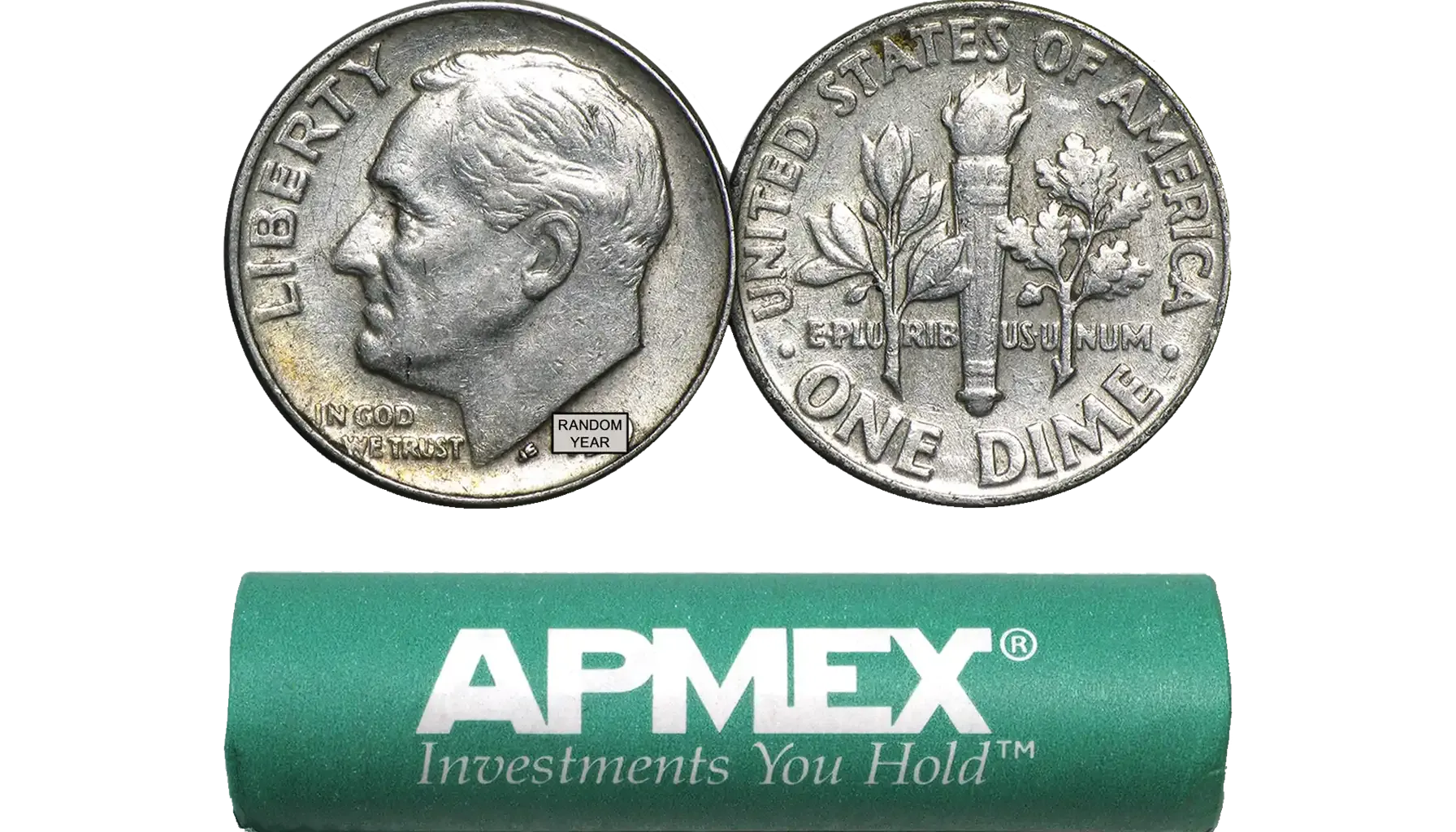
If you look at the official mint data, it becomes clear that the dime holds the title of the thinnest US coin. Collectors often ask: What's the thinnest US coin? Especially when comparing coins for the first time on a scale or with digital calipers.
Here are the dime’s full specifications:
Parameter | Value |
Denomination | 10 cents |
Thickness | 1.35 mm |
Diameter | 17.91 mm |
Weight | 2.268 g |
Composition | Cu–Ni clad |
Edge | Reeded |
Current Standard | since 1965 |
Compared to other popular denominations, no other coin in circulation has such a thin profile. Historical silver issues are mentioned in the collector's market, but they were also not thinner than modern standards.
Why the Dime Is the Thinnest U.S. Coin
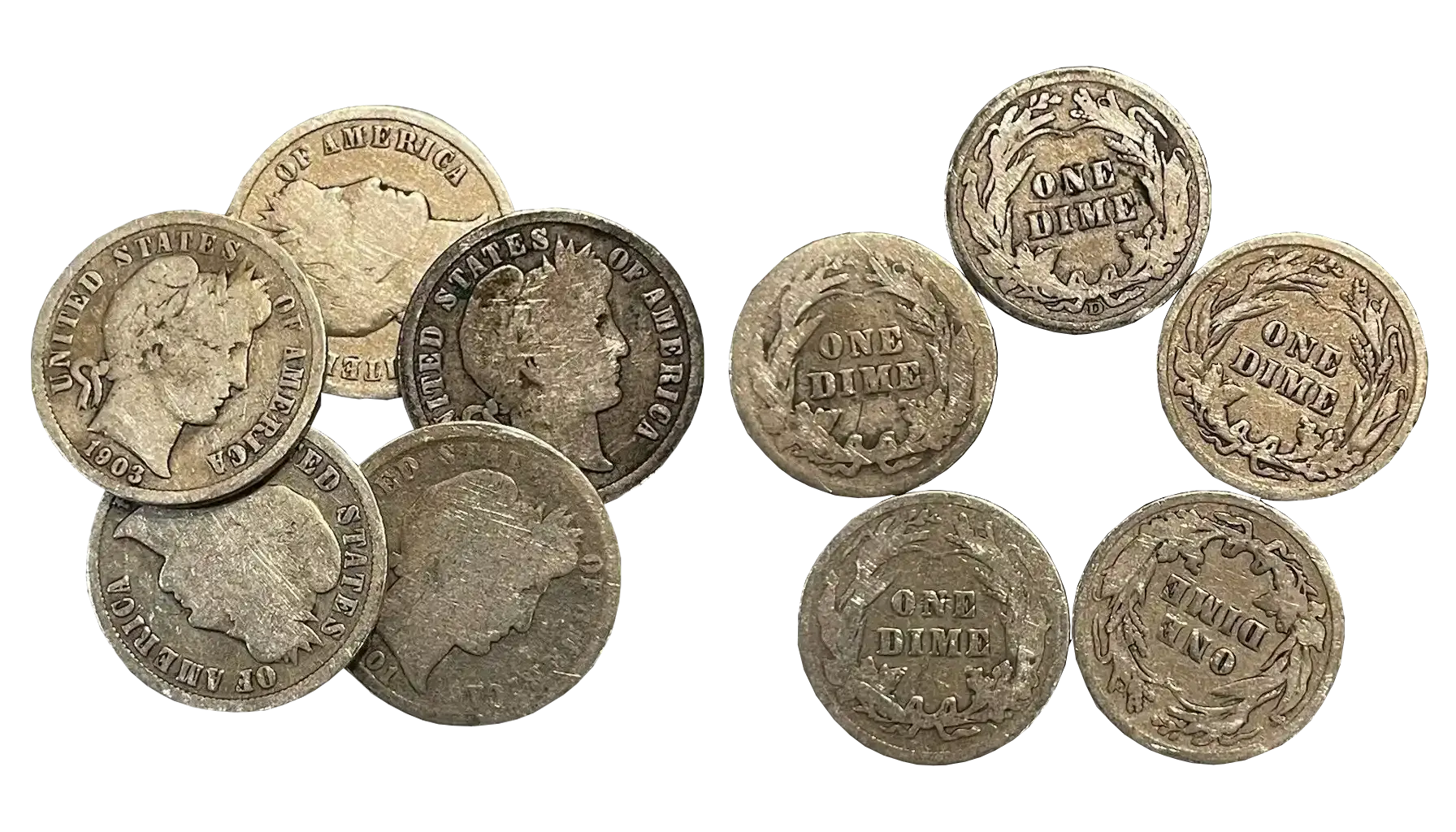
The dime is the oldest continuously issued coin in the country. History suggests that its diminutive size comes from two factors:
The original silver value.
The need to reconcile the weight and denomination under the 1792 standard.
Before the 1965 reform, the coin was minted from silver, and the metal-to-denomination ratio directly determined its thickness. After the transition to clad alloy, the size was retained so that machines and banking systems wouldn't need readjustment.
In the 19th century, the gold standard was in place, and the coinage system sought to maintain a fixed metal ratio. Because of this, the diameter and thickness of silver denominations remained small, a characteristic that has carried over into modern issues.
A little later, users asked: What is the thinnest US coin? The answer takes us back to the dime and its historical origins.
“The whole value of the dime is in knowing what to do with it.”
— Ralph Waldo Emerson, American philosopher
The Works of Ralph Waldo Emerson, Vol. 1 (Nature, Addresses, and Lectures)
How Early Minting Choices Shaped the Dime’s Unique Size and Legacy
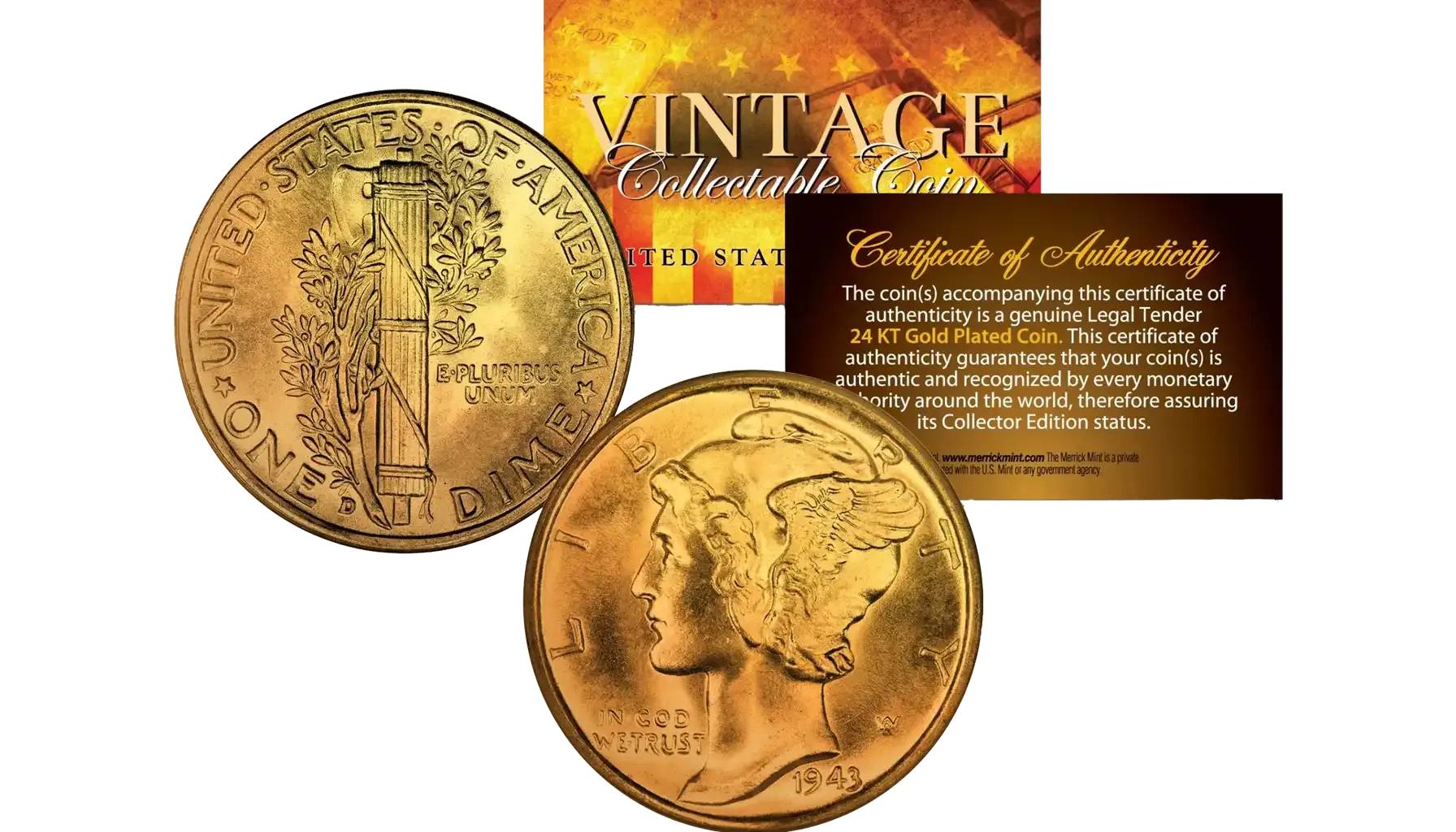
If we go back to the early decades of coinage, it's clear that American mint designers strove to make denominations distinguishable by touch. The dime entered circulation as early as 1796, when the system was just taking shape, and its diameter was kept minimal to distinguish it from quarters and half dollars. Thickness remained small because the weight was strictly defined by law.
The first designers worked in an environment where every gram of silver mattered—the weight had to strictly adhere to the federally mandated precious metal content. Because of this, small denominations were always thinner than their appearance suggested.
In the mid-19th century, when the country experienced sharp fluctuations in metal prices, producing small silver pieces became even more difficult. People hid their silver if the metal content of the specimen exceeded the strike’s face value. This is why, in the early 1850s, the parameters of silver denominations, including the dime, were indeed changed—in 1853, the weight and silver content were reduced to prevent the coins from disappearing from circulation.
When the US removed silver from the dime and quarter in 1965, it was easier to maintain the previous dimensions than to redesign all the equipment. Machines, sorting machines, and banking devices were designed for the old size. Any changes would have involved enormous costs, so the miniature format was permanently adopted.
This peculiarity makes the history of the dime markedly different from other denominations. The penny might have changed its composition several times, and the quarter received new designs, but the dime remained a virtually immutable unit throughout the system, like a foundation around which other specimens were designed.
Size Comparisons With Other Coins
To clearly demonstrate the difference, it's worth comparing the parameters of several denominations. The thinnest coin US (dime) is not only visually thinner—its thickness of 1.35 mm makes it stand out from the rest.
Comparison table:
Coin | Thickness | Difference from Dime |
Penny | 1.52 mm | thicker by 0.17 mm |
Nickel | 1.95 mm | thicker by 0.60 mm |
Quarter | 1.75 mm | thicker by 0.40 mm |
Dollar | 2.00 mm | thicker by 0.65 mm |
This is exactly the kind of data needed when a collector is creating a quick reference guide—especially if the coins are being graded for ANACS, where the item's parameters play a crucial role.
Therefore, when searching for the thinnest US coin, experienced users almost always post a thickness comparison chart.
To further explain the difference, three specific examples can be used:
The penny appears small, but it's denser and thicker due to its zinc core.
The quarter—a widely circulated piece, and its increased thickness extends its lifespan.
The dime remains the smallest, a characteristic that makes it easy to distinguish by touch.
If you want a quick look at a coin’s dimensions—its thickness, diameter, and main visual points—you can upload a photo to the Coin ID Scanner. The app compares the image with U.S. Mint specs, highlights the important details, and marks any clear deviations within seconds. That check helps when you’re unsure about authenticity right now.
These comparisons are often cited when collectors discuss: What's the thinnest US coin, and why changes to standards haven't affected its shape?
Examples for Clear Visual Comparison
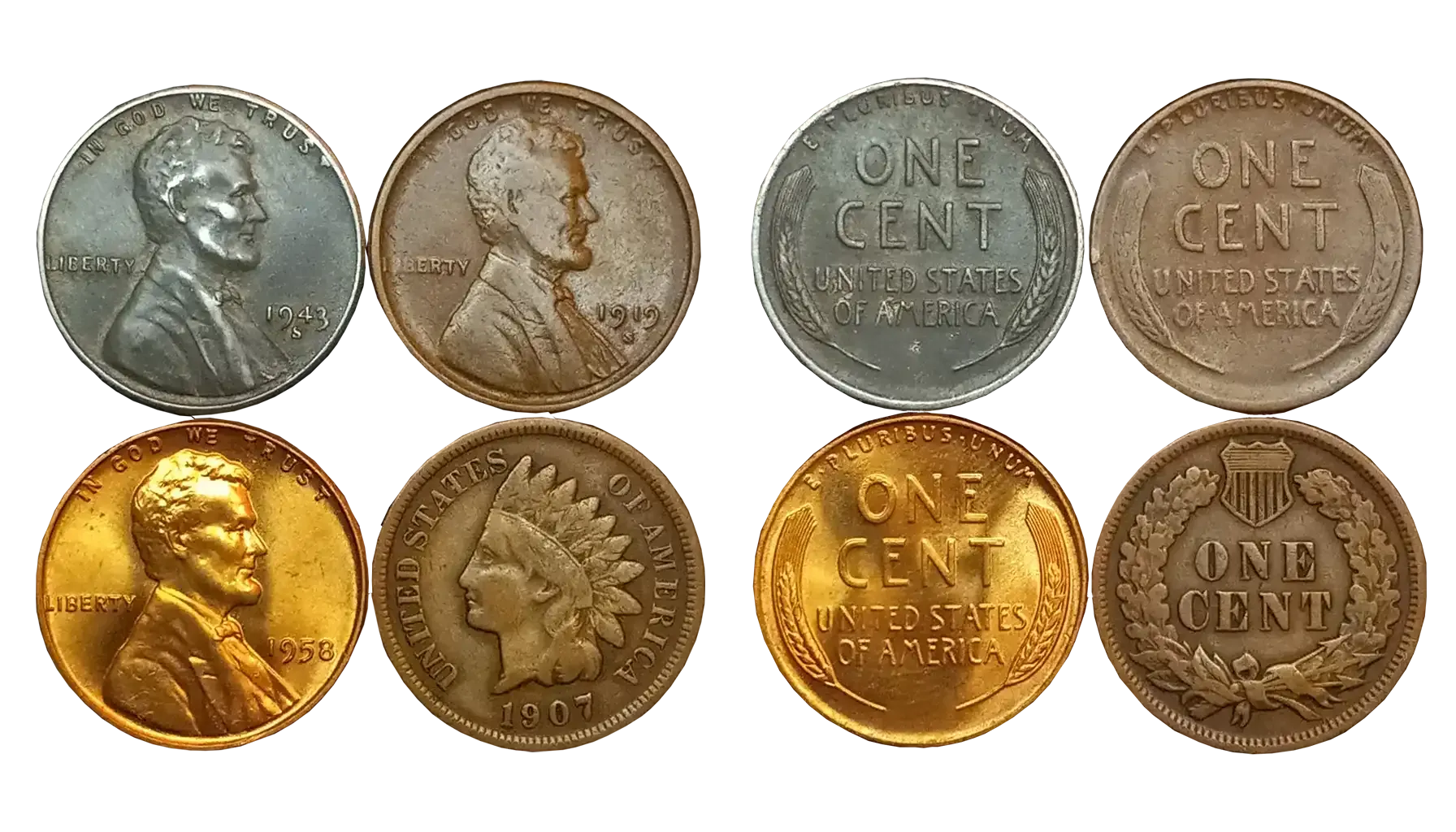
To make the difference in thickness more noticeable in practice, collectors often compare specific years of issue. Such pairs and triplets demonstrate changes in the metal, style, and the way the piece feels in the hand.
Cents from the early 1930s show their density right away. Their mostly copper make-up gives them a heavier feel, even though the thickness differs from modern pieces only slightly.
Pick one up, and the weight seems too strong for the coin’s size. That comes from the mint holding to the older copper formula used before the later reforms. With such a dense alloy, the coin often looks larger than it actually is.
Mercury Dime (example: 1941 issue).
Collectors love to compare the historical silver dime with the current clad issue because the difference is noticeable right away.
The early 1940s model has:
A slightly softer relief;
A distinctive silver surface;
A more resonant response when tapped.
Even though the denomination and thickness are almost the same, the piece ends up looking thinner. The edges on silver dimes have a slight bevel, and that small detail reduces the coin’s profile when you look at it.
Washington Quarter (early release, such as 1957).
This quarter clearly demonstrates how the eye can be deceived. It's larger and heavier, but when placed next to a modern dime, the attention is drawn not to the diameter, but to the relief.
Mid-20th-century silver quarters were struck with a much deeper relief, so the design sits high on the surface and makes the coin look thicker than it really is.
When someone new to collecting picks one up, the reaction is usually swift: “It’s heavy.” A prompt look at the actual measurements shows that the difference from a dime is only a few tenths of a millimeter. The relief simply does its job, visually adding "height" to the coin.

 Facebook
  X (Twitter)
  Pinterest
  LinkedIn