Contents:
- 1933 Lincoln Penny Overview
- Why Is the 1933 Penny Considered Collectible or Rare?
- 1933 Penny Value Today: How Much Is a 1933 Penny Worth?
- 1933 Wheat Penny Value Chart
- What Affects the Value of a 1933 Wheat Penny?
- Is a 1933 Penny Worth Anything in Circulated Condition?
- 1933 Penny for Sale: What Collectors Look For
- Common Errors and Varieties in 1933 Wheat Pennies
- FAQs
The item struck during the hard country period, the depths of the Great Depression. If you have found one of these copper relics in a collection or an old jar, you are holding a coin that is worth $1.50–$3.50 in Good condition.
Identify foreign coins with a special app for free right now.
1933 Lincoln Penny Overview
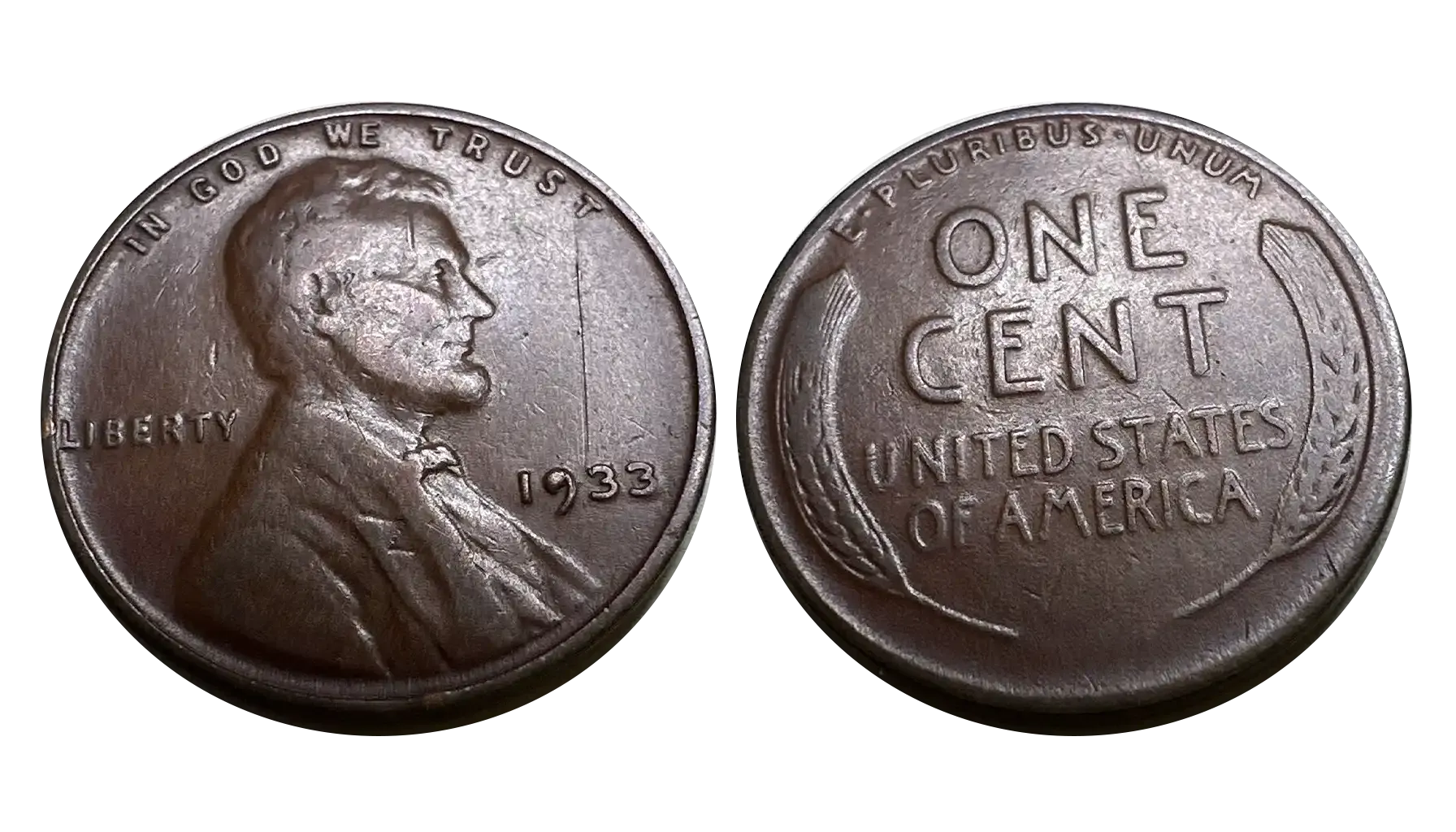
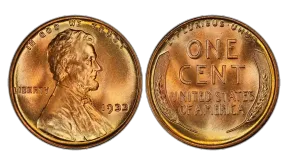
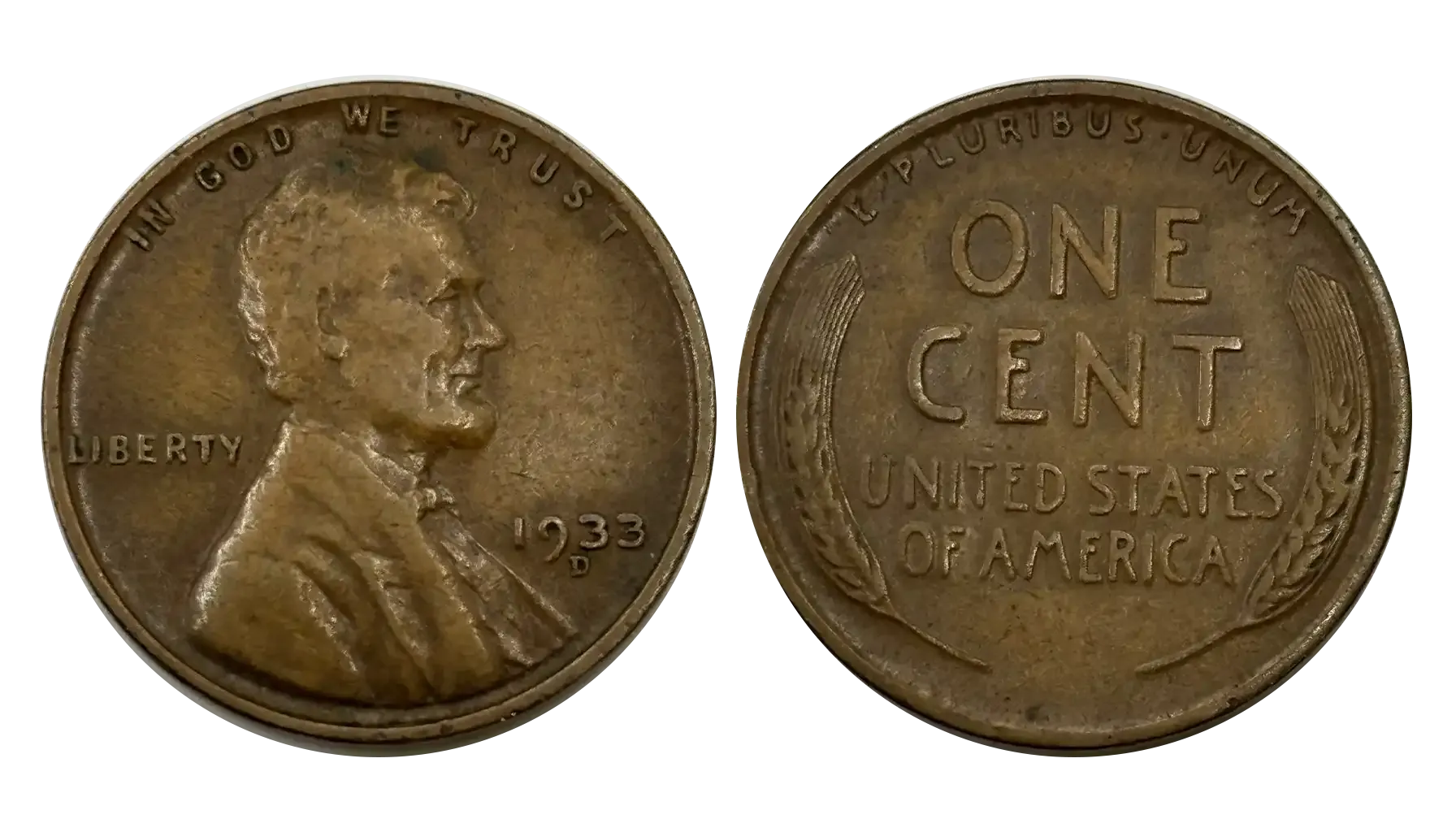
The Lincoln Wheat cent features the iconic design by Victor David Brenner. The obverse depicts the profile of Abraham Lincoln, while the reverse features two stalks of wheat – a design that remained standard for the item from 1909 until 1958. Always check the coin edge patterns.
Composition | 5 % tin + zinc / 95 % copper |
Weight | 3.11 grams |
Diameter | 19.00 mm |
Edge | Plain |
Designer | Victor D. Brenner Designer |
In the year, the United States was struggling through the fourth year of the Great Depression. Unemployment was at an all-time high, and commerce had slowed to a crawl.
Because people weren't buying as much, the Treasury didn't need to mint as many new coins. The year mintage is significantly lower than the hundreds of millions produced during the roaring 1920s.
Why Is the 1933 Penny Considered Collectible or Rare?
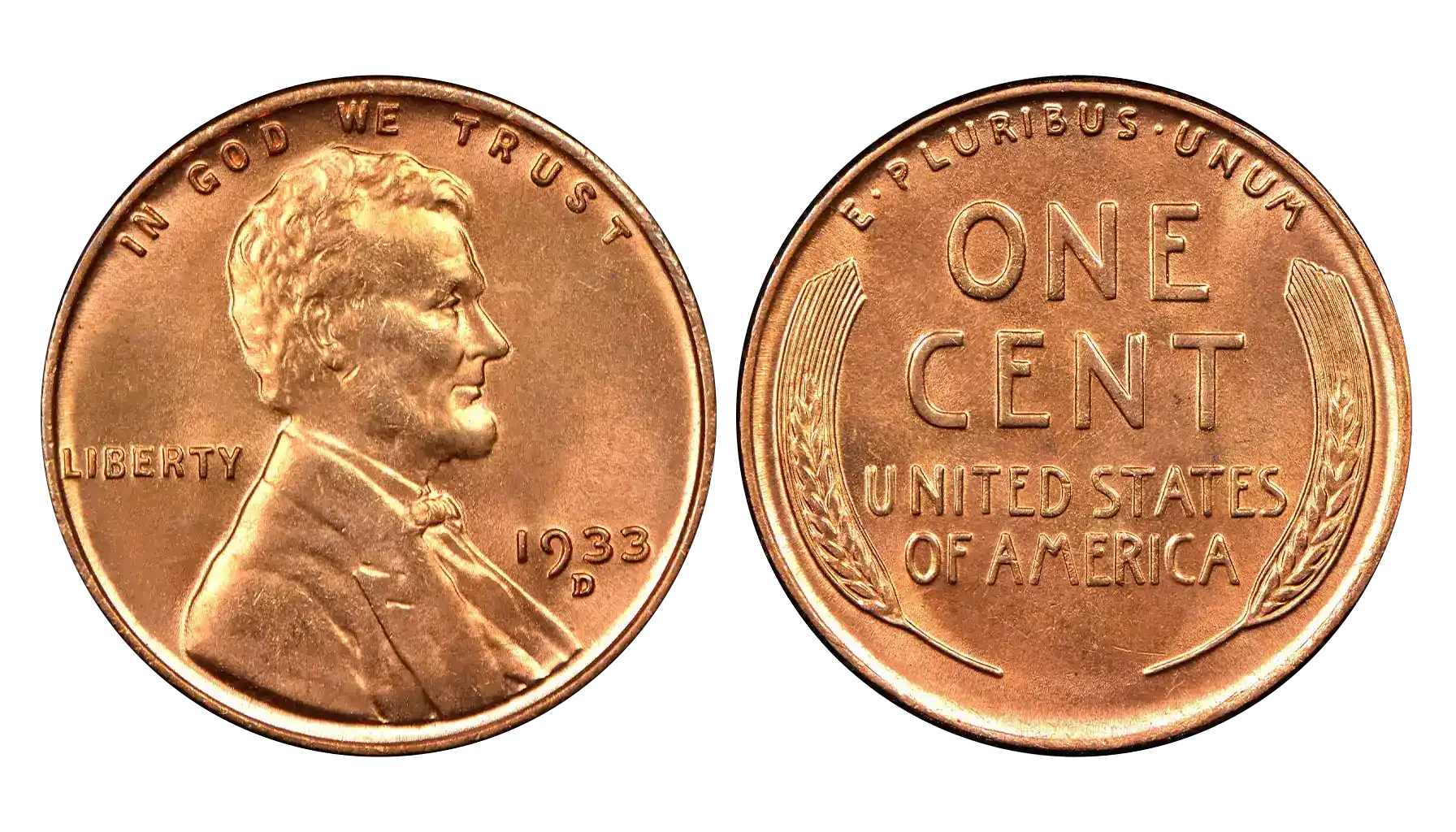
Why is 1933 penny rare today? In numismatics, rarity is often tied to mintage numbers – the total number of coins struck. The pennies are considered semi-key dates. This means they aren't the rarest coins in the series, but they are harder to find than common dates.
The Philadelphia Mint produced only 14,360,000 cents in the year. While 14 million sounds like a lot, compare that to 1944 item mintage, when the mint struck over 1.4 billion pennies.
The Denver Mint struck even fewer – only 6,216,000. Because many of these coins were put into circulation and worn down over decades, finding one in high-grade uncirculated condition is a challenge that collectors are willing to pay a bonus for.
While you can find a Fine or Good item relatively easily, Gem condition pennies are a genuinely rare Lincoln penny. During the Depression, few people could afford to keep an item out of circulation just to save it. Finding a D that still has its original red mint luster is a major victory for numismatists, as most were handled until they turned a deep chocolate brown.
1933 Penny Value Today: How Much Is a 1933 Penny Worth?
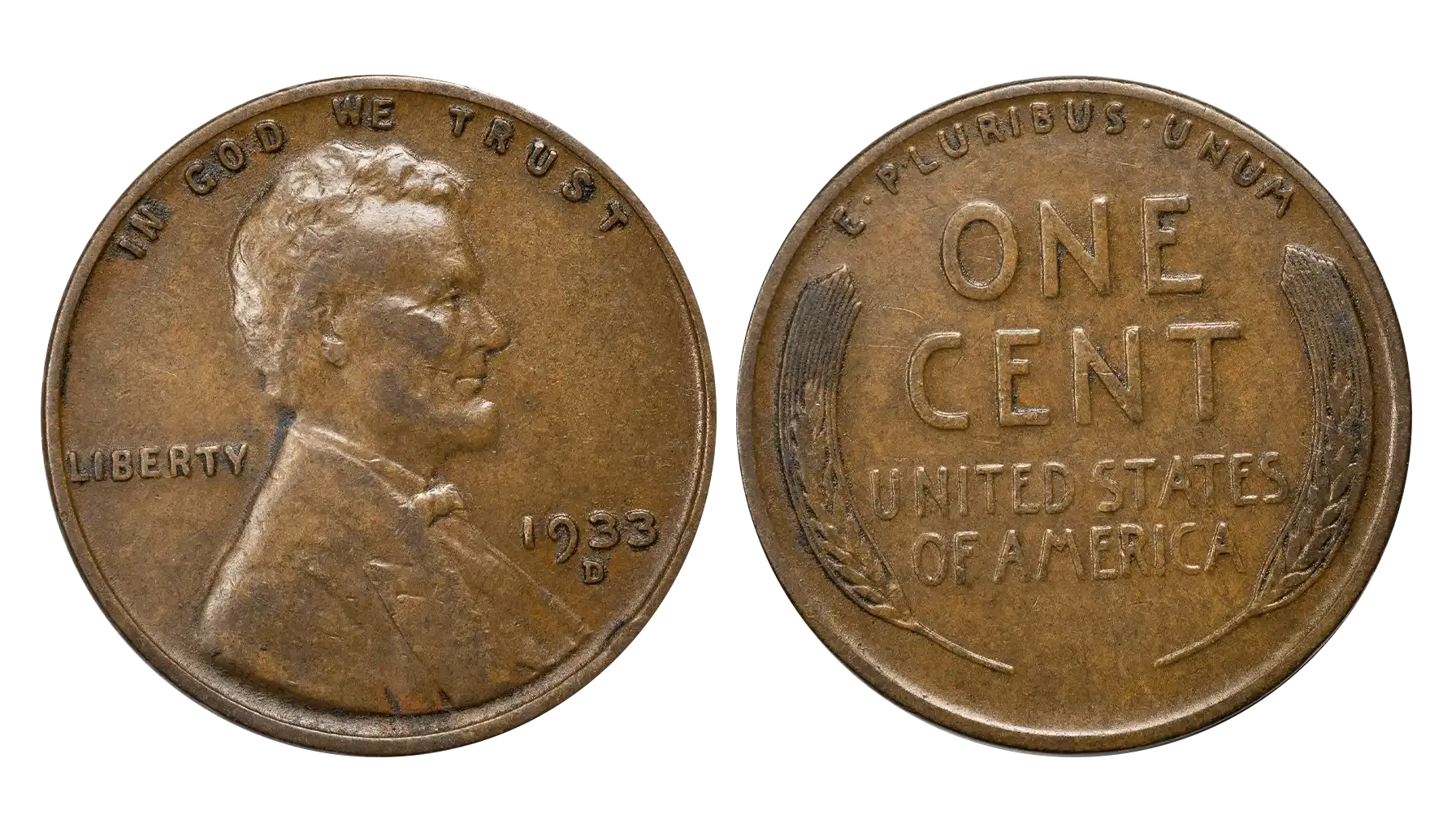
The 1933 penny value today varies wildly based on its Mint Mark and its Grade. A coin found in a dusty box will likely be circulated, while a coin that looks like it was minted yesterday is uncirculated or MS.
Philadelphia – in average worn condition, these fetch between $2.00 and $5.00. However, in Mint State MS-65, the value jumps to $50–$80.
Denver – these are the stars of the year. Because of the lower mintage, even a worn D can sell for $5.00 to $12.00. In high uncirculated grades, they can exceed $150 to $500, depending on the color.
1933 Wheat Penny Value Chart
Item prices can fluctuate because of market changes. Before purchasing, always check the actual prices. So, what is a 1933 penny worth?
Grade | Philadelphia | 1933 D Penny Value |
Good | $1.50+ | $3.50+ |
Very Fine | $3+ | $8+ |
Extremely Fine | $5+ | $15+ |
AU-50 | $12+ | $30+ |
MS-63 | $35+ | $75+ |
MS-65 Red | $110+ | $225+ |
Auction Records
Heritage Auctions 2025 – $52,800 P
1933 D Wheat Penny Value in the Heritage Auctions 2025 – $24,000
What Affects the Value of a 1933 Wheat Penny?
Three primary factors dictate the price a collector will offer for your item:
The Mint Mark
Item Appeal
Color
As shown in the chart, the "D" for Denver is consistently more valuable than the Philadelphia strike 1933 Wheat penny no mint mark. Scratches, rim dings, or dark spots detract from the value, even if the coin has very little wear.
Copper coins are graded by color:
Brown
Red-Brown
Red
A Red coin retains its original mint luster and is the most valuable. Brown coins have oxidized over time and are worth less.
Even if a coin has little wear, environmental damage can kill the value of 1933 penny. Collectors look for:
Carbon Spots – small black spots caused by moisture. These are permanent and highly undesirable.
Verdigris – that bright green copper rot that can eat into the metal.
Cleaning – if a coin has been scrubbed with polish or chemicals to look shiny, it is considered damaged and loses a huge percentage of its value.
Is a 1933 Penny Worth Anything in Circulated Condition?
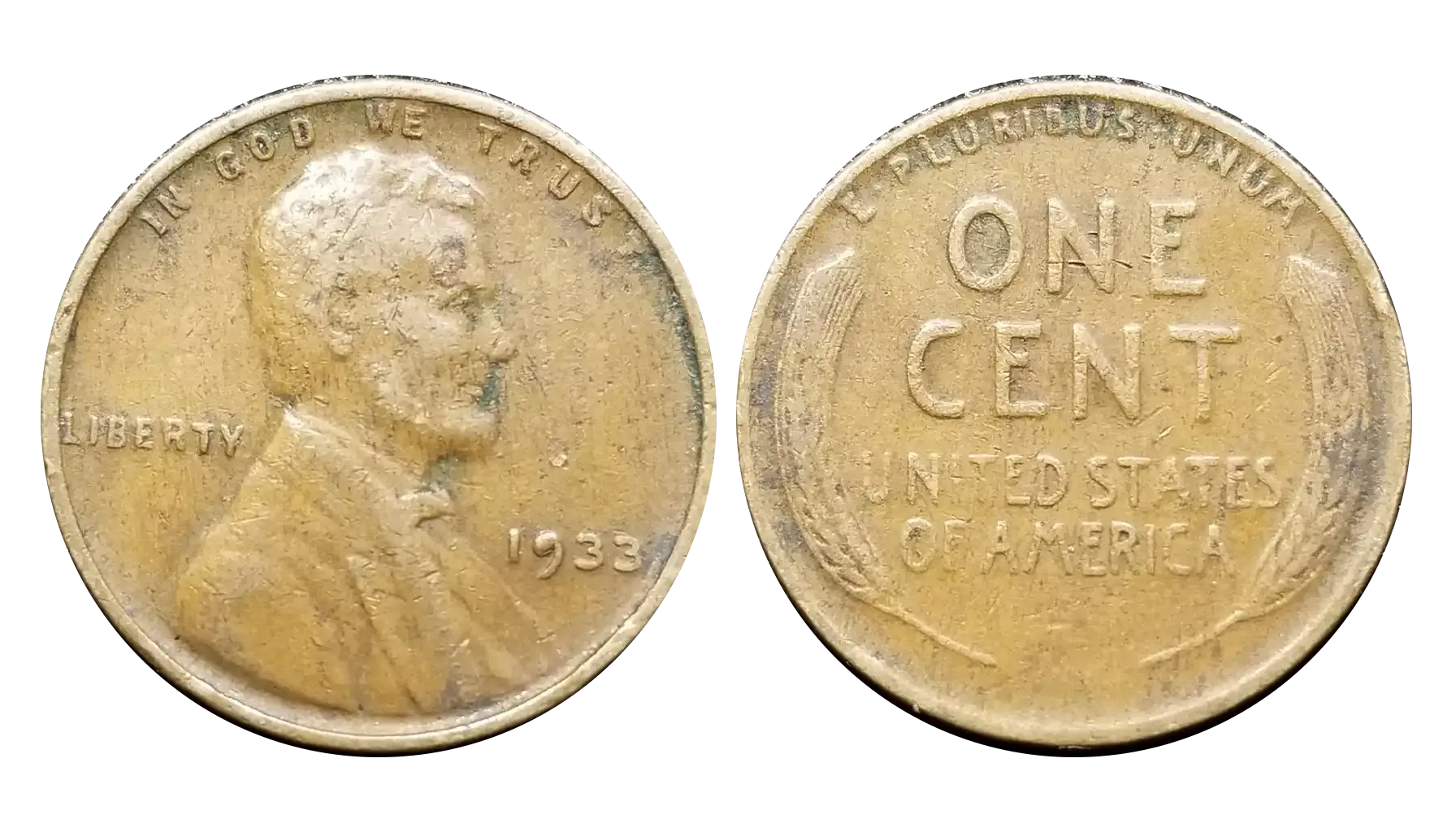
In contrast to modern pennies from the 1980s or 90s, which are generally worth only one cent if used, a 1933 one penny always carries a bonus. Even the most defective item is usually worth at least $1.00 to $2.00 to a casual collector or someone trying to fill a Lincoln Cent album collection.
If you have a D in circulated condition, it is a solid collectible coin that will likely appreciate in value over time, as the supply of these 90-year-old coins continues to dwindle.
"The 1933 was a year of very low mintage for the Lincoln cent, a reflection of the stagnated economy of the time. While common in circulated grades, Mint State specimens with original red color are highly prized by series specialists."
– Q. David Bowers, numismatist
A Guide Book of Lincoln Cents
1933 Penny for Sale: What Collectors Look For
When buying or selling an item, professionals look for specific markers of quality:
The Wheat Stalks – on the reverse, the lines in the wheat stalks are the first to wear down. If you can see every individual line in the wheat ears, the coin is likely in Extra Fine or Uncirculated condition.
Lincoln’s Cheek and Ear – these are the high points on the obverse. If they are flat and smooth, the coin is heavily circulated.
Original Luster – collectors look for the cartwheel effect, where light spins around the coin as you tilt it.
Collector’s Checklist
Feature | What to Look for | Grading Impact |
Wheat Stalks | Distinct, parallel lines in the ears | Full lines indicate EF–MS grades |
Cheeck & Ear | Rounded contours; visible inner ear detail | Flatness indicates Good–Fine circulation |
Mint Luster | Cartwheel light effect when tilted | Confirms Uncirculated |
Rem & Edge | Sharp, square edges without nicks | Damage/dings reduce the overall market value |
Date & Letters | Sharp, crisp edges on the date and inscriptions | Mushy details signify heavy wear |
If your item passes the Wheat Stalk and Cheek test and still exhibits a Cartwheel Effect, it is highly recommended that you have it professionally graded by PCGS or NGC. At these grades, the value difference between a raw coin and a certified one can be hundreds of dollars.
Common Errors and Varieties in 1933 Wheat Pennies
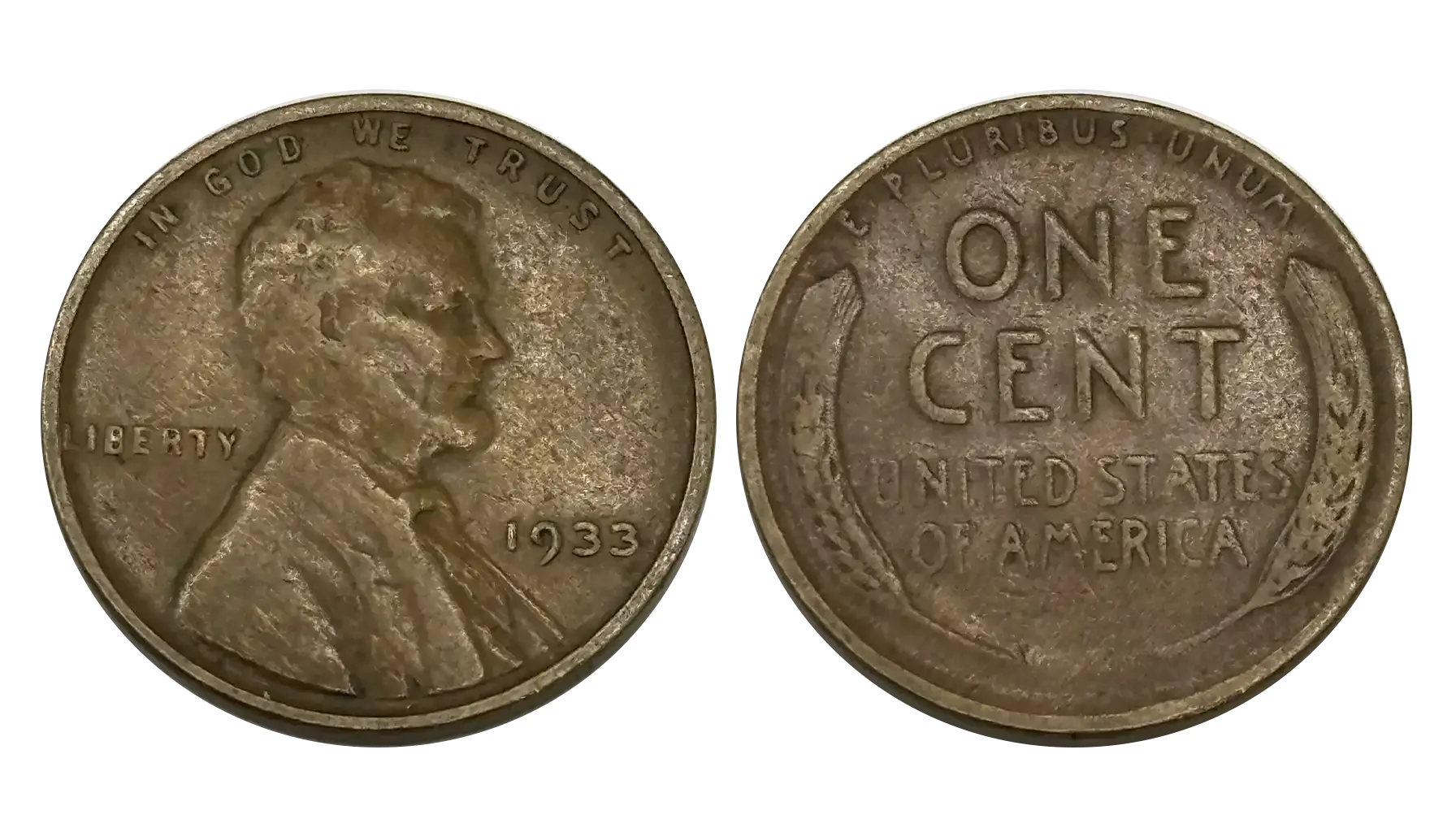
Several defects plague these coin grades. It would be unfair to say that these are unique and not found on other coins. The defects below are also common to other coins, but we'll discuss them in more detail here.
Repunched Mint Marks
The most variety for this year is found at the Denver Mint. Identification – a D letter mint mark that appears doubled or slightly shifted. This happened when the mint worker struck the "D" punch into the die more than once.
Lamination Errors
Lamination errors are quite common in early 1930s pennies due to improper mixing of the copper alloy. Identification – the surface of the coin is cracking. You might see a thin sliver of metal detached from the reverse wheat stalks or Lincoln’s coat.
Value $10 to $25
Die Cracks and BIE Varieties
As dies aged and became brittle from the pressure of striking coins, they often developed small cracks. Identification – thin, raised lines of metal that don't belong in the design. A popular sub-variety is the "BIE" error, where a small vertical die crack develops between the letters 'B' and 'E' in the word "LIBERTY".
Value adds $1 to $5
Die Cuds
A Cud is a major die break that involves the rim of the coin. Identification – a piece of metal that spills over from the rim onto the field of the coin.
Value $50 to $100+
Off-Center Strikes
Though rare for this year, off-center strikes occur when the coin blank is not properly seated. Identification – part of the design is missing.
Value $50–$150
FAQs
Is a penny from 1933 worth anything?
The price starts from $1.50 and reaches $200+.
Why is the 1933 penny rare?
The item is rare because of low mintage and the economic situation during the years.
How many 1933 pennies are left?
The numismatic community knows about 21 million items.
Have all 1933 pennies been found?
A major part is already in the professional collections, but you have a chance.
Is a 1933 penny made of copper?
Only 5 % not a copper.
How much is a 1933 D penny worth?
In Very Fine condition, D issues are worth $8.
How much is a 1933 no mint mark penny worth?
The average item price is between $2–$5, the rare defects are exceptions.
Why is a 1933 penny so valuable?
Several factors influenced their special position in numismatics, including the year of manufacture and the environment of the time.

 Facebook
  X (Twitter)
  Pinterest
  LinkedIn