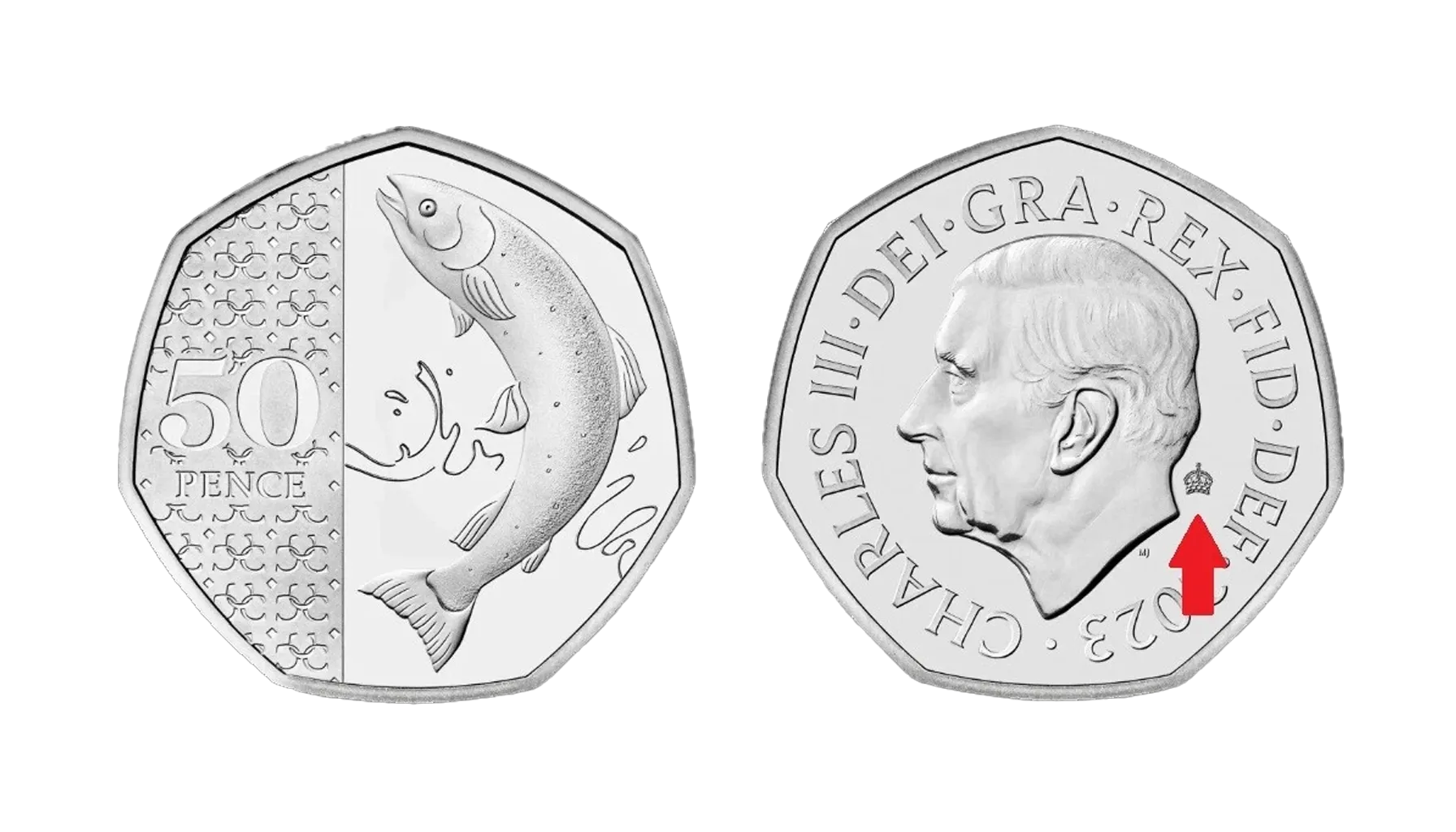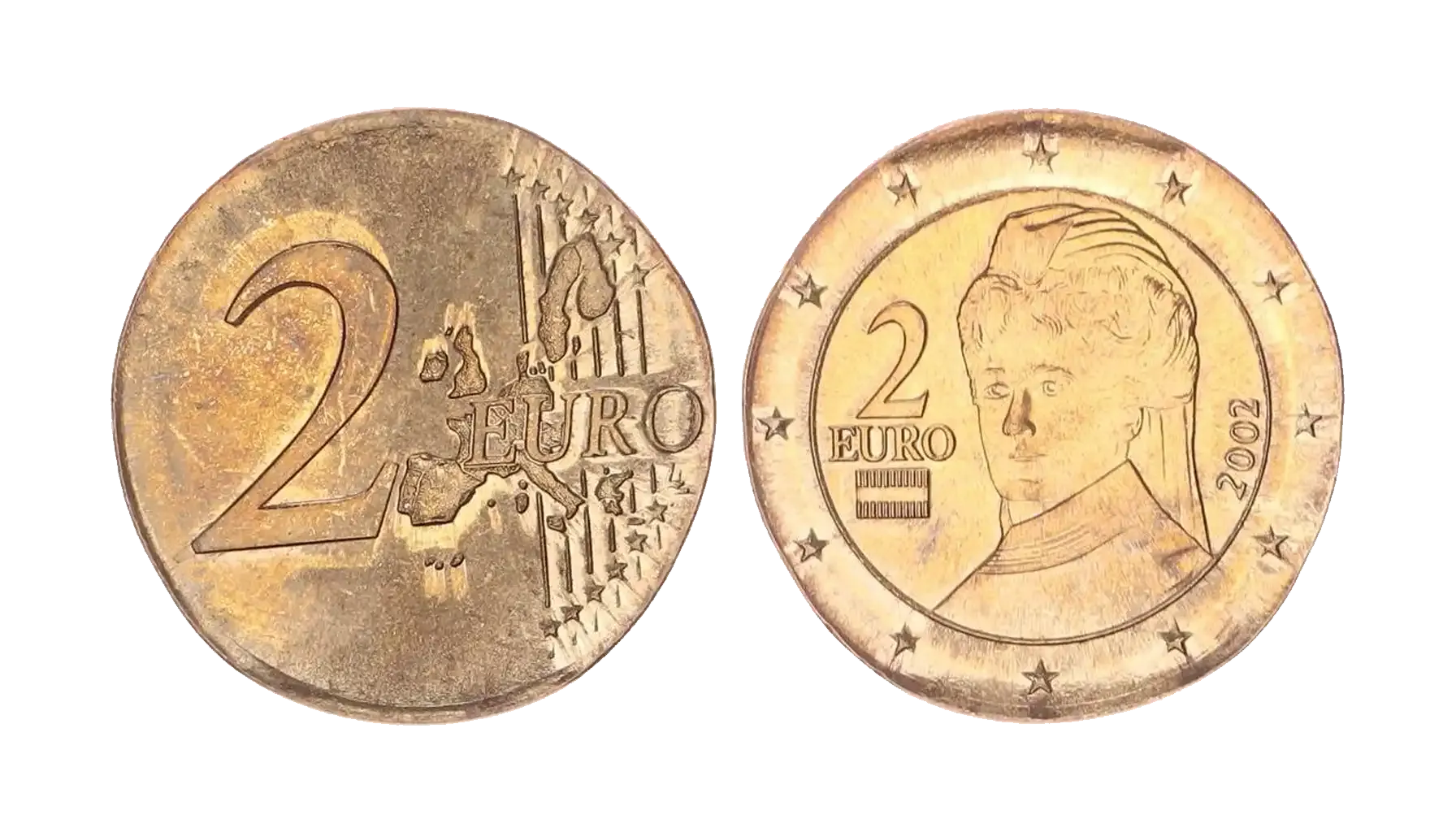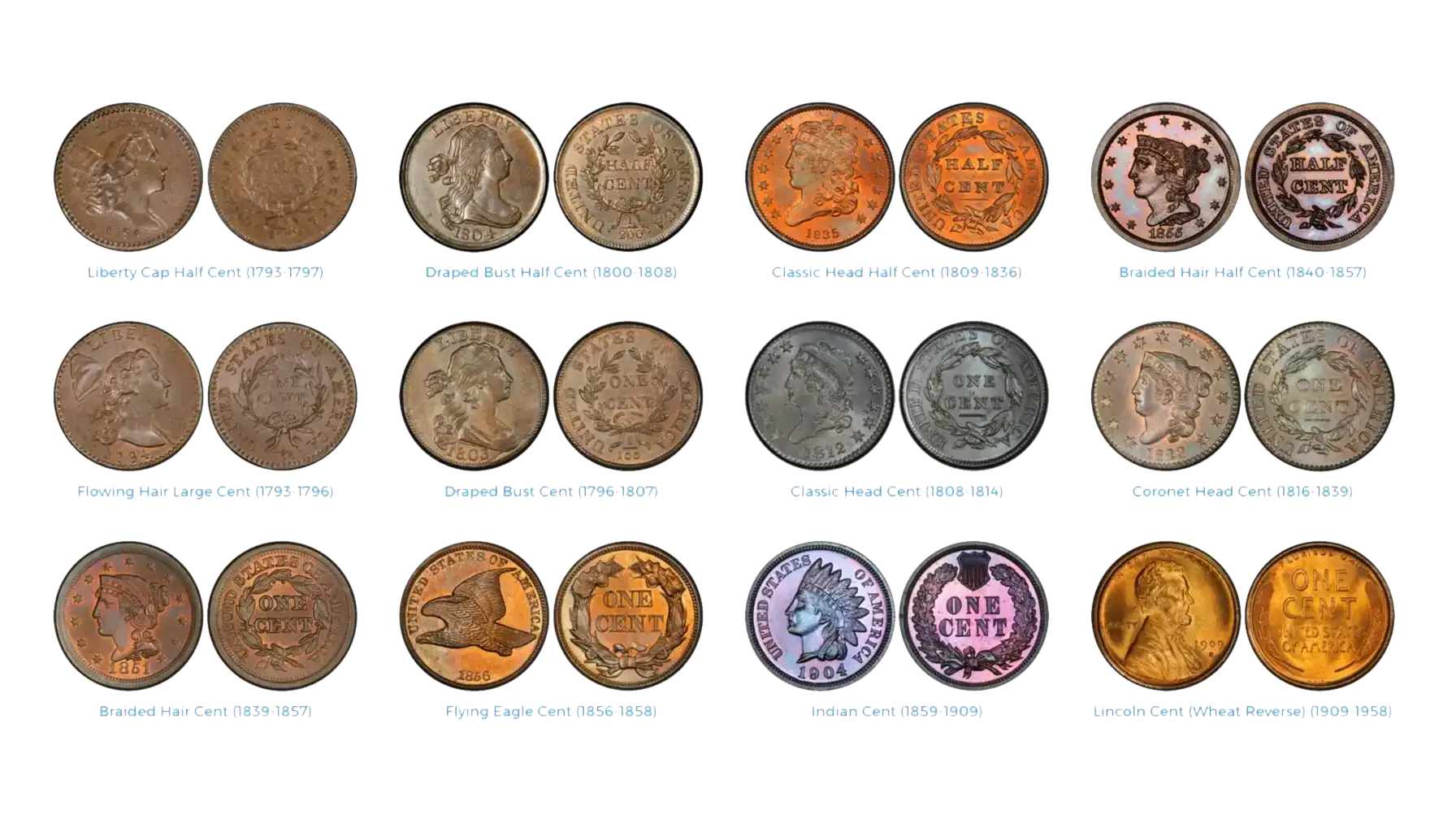
Mints developed different coin edge patterns to fight fraud, control weight, add inscriptions, and improve identification. But why do coins have ridges on them even today?
Early hammered pieces usually had uneven or plain edges. They were easy targets for clipping and metal loss. But minting technology improved, and edges became intentional design elements, not leftovers of the striking process. So why do coins have ridges now, if we can just use a coin identifier online?
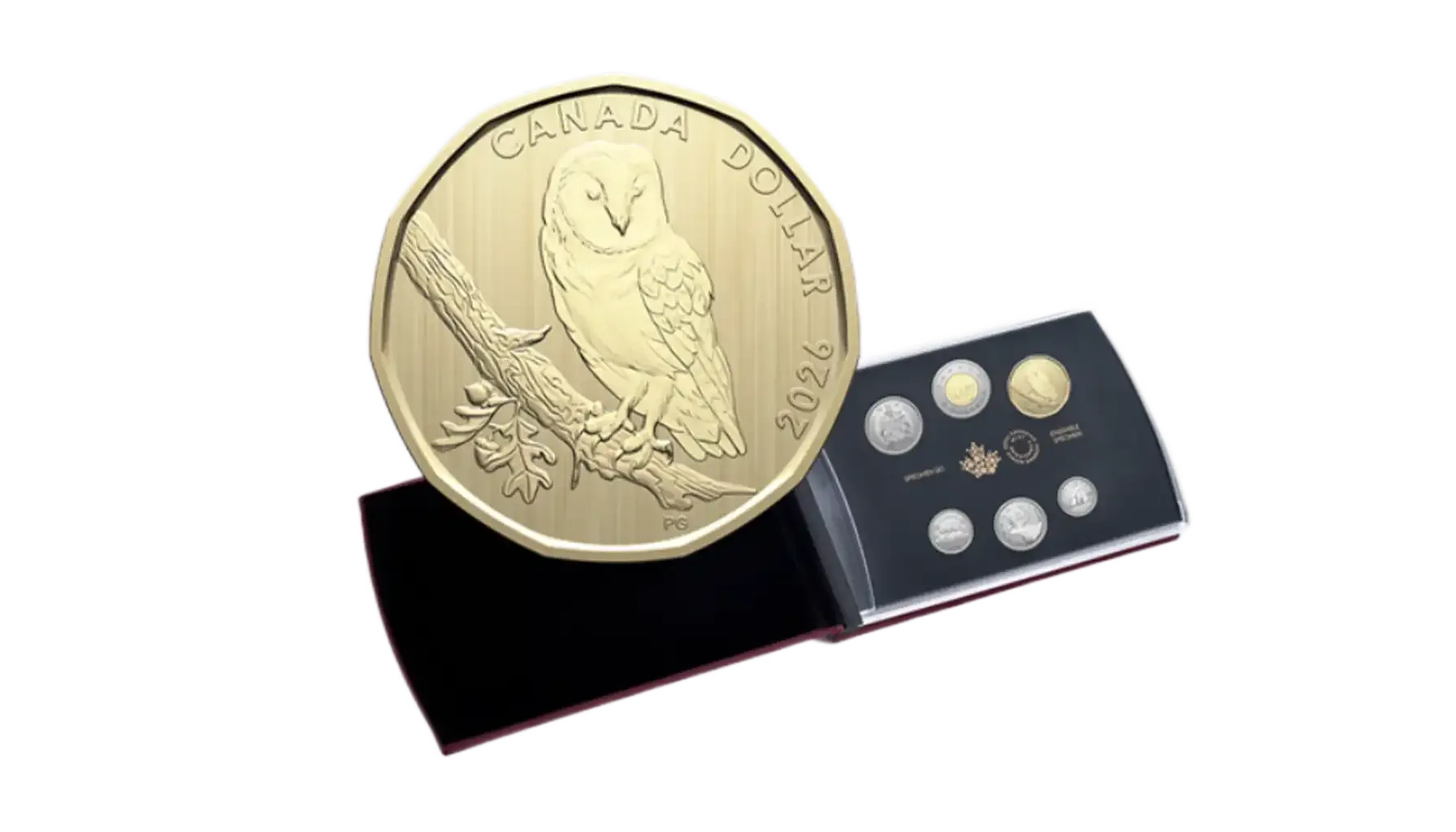
What Are Coin Ridges Called
The most widely used edge patterns have a few main categories. They have a specific purpose:
Plain (Smooth) Edge
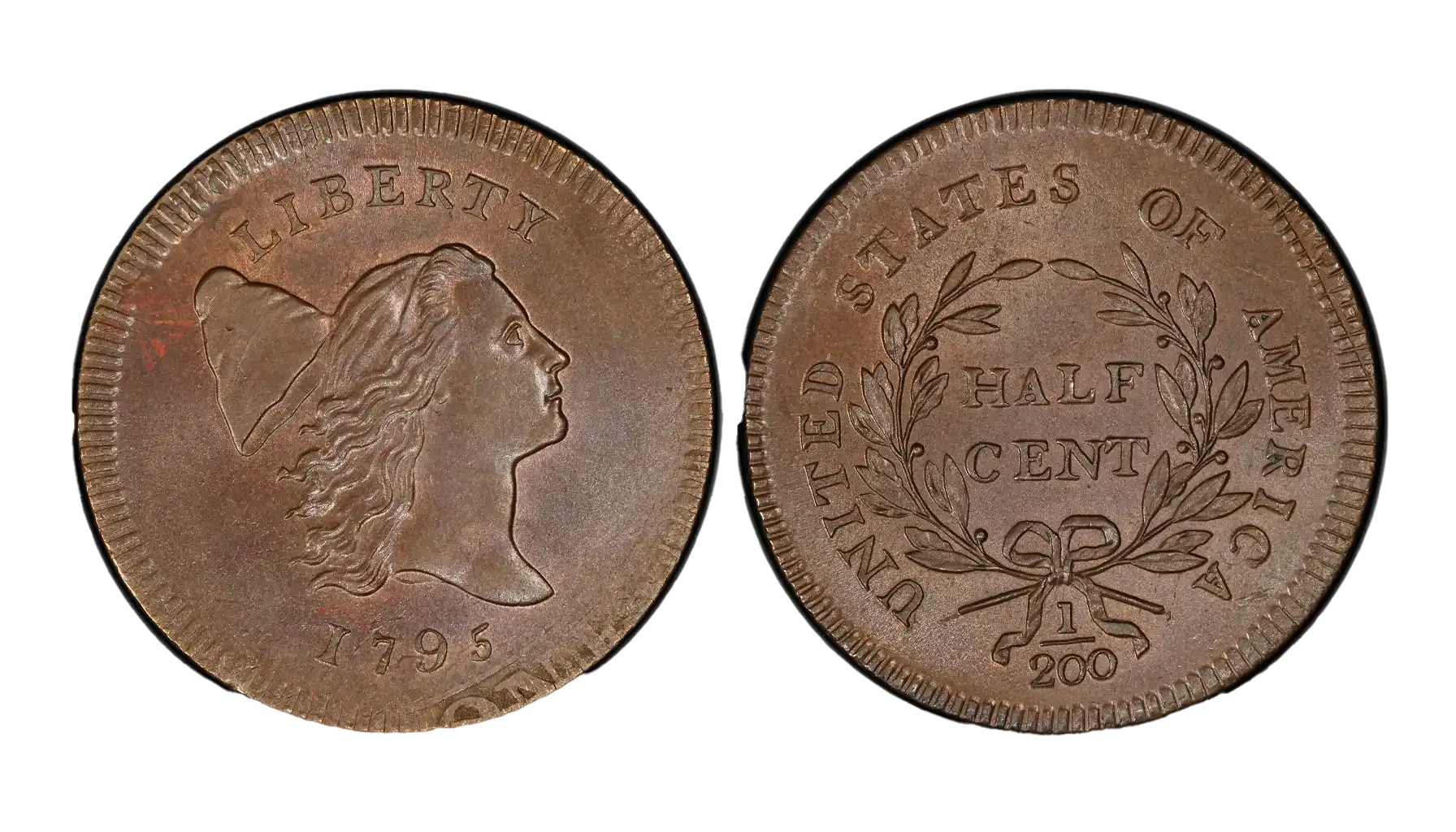
A flat, unmarked edge with no texture or lettering. A pretty common for low-value coins made from base metals, like the pennies or early copper pieces. Smooth edges were easy to produce, but they had no protection against clipping.
Reeded (Ridged) Edge
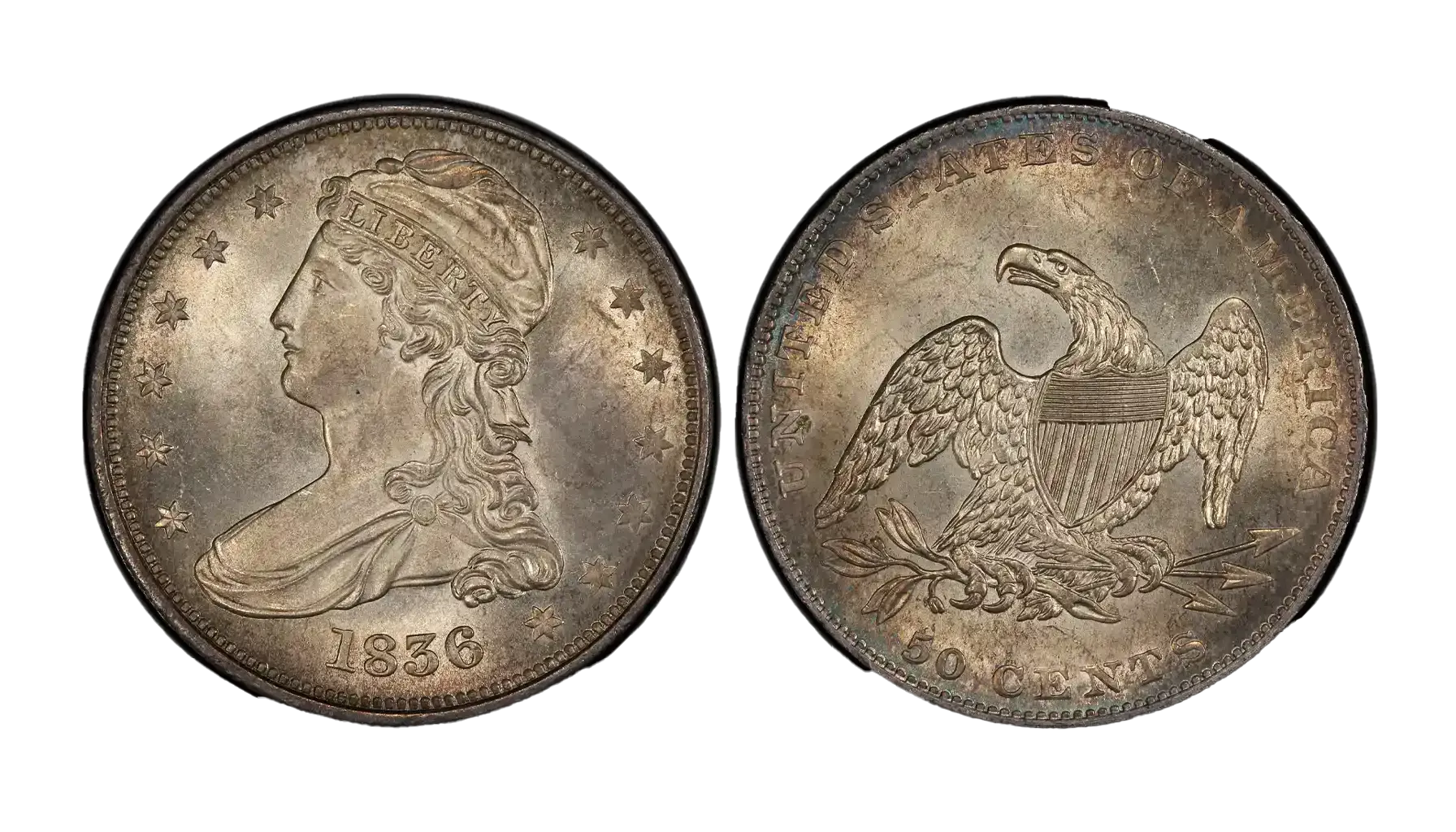
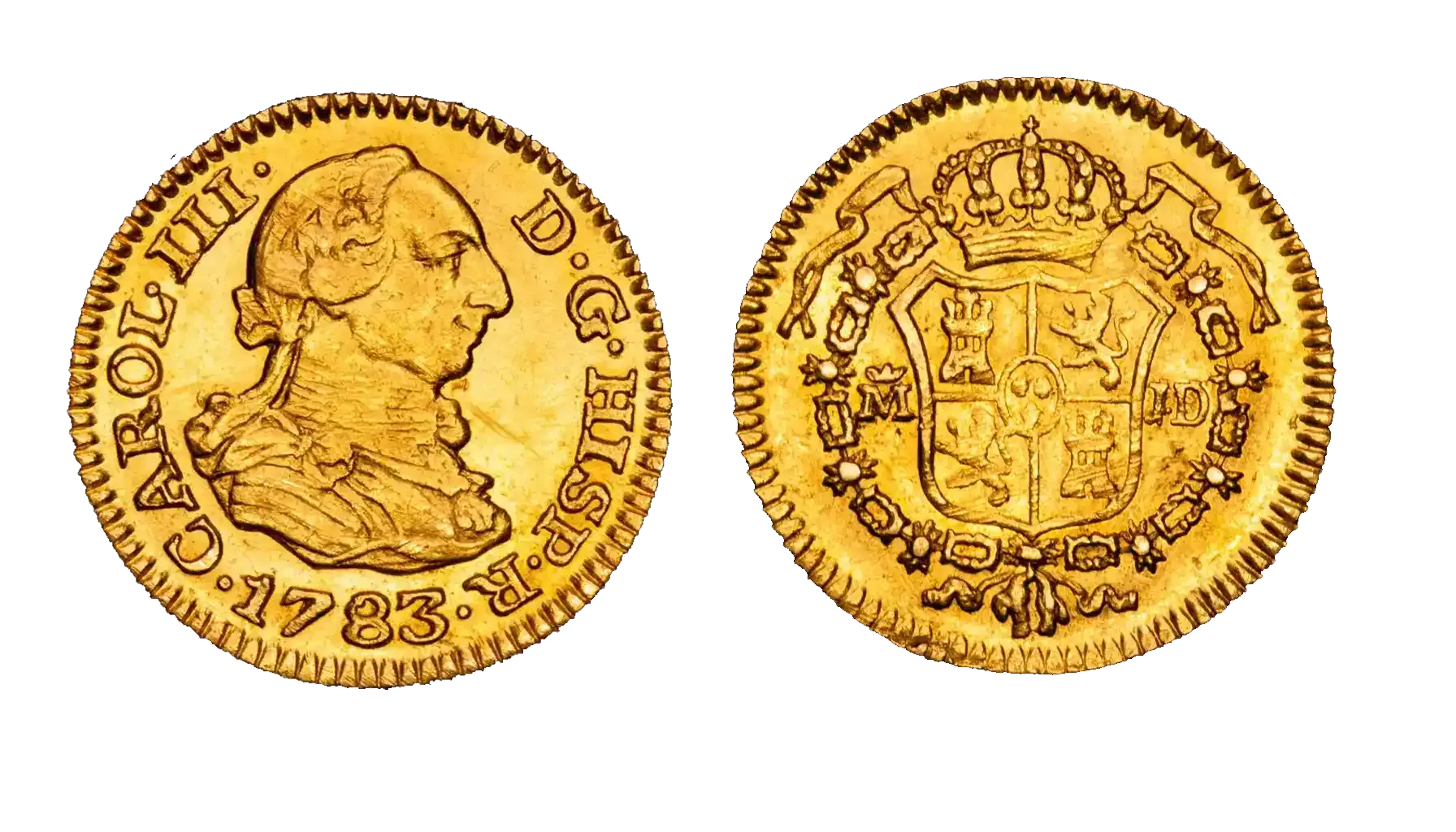
Vertical grooves cut evenly around the edge. This is the pattern most people see and start wondering why do coins have ridges on the edges. It was created to make metal shaving obvious and remains common on silver, gold, and higher-value circulation pieces.
Lettered Edge (Edge Inscription)
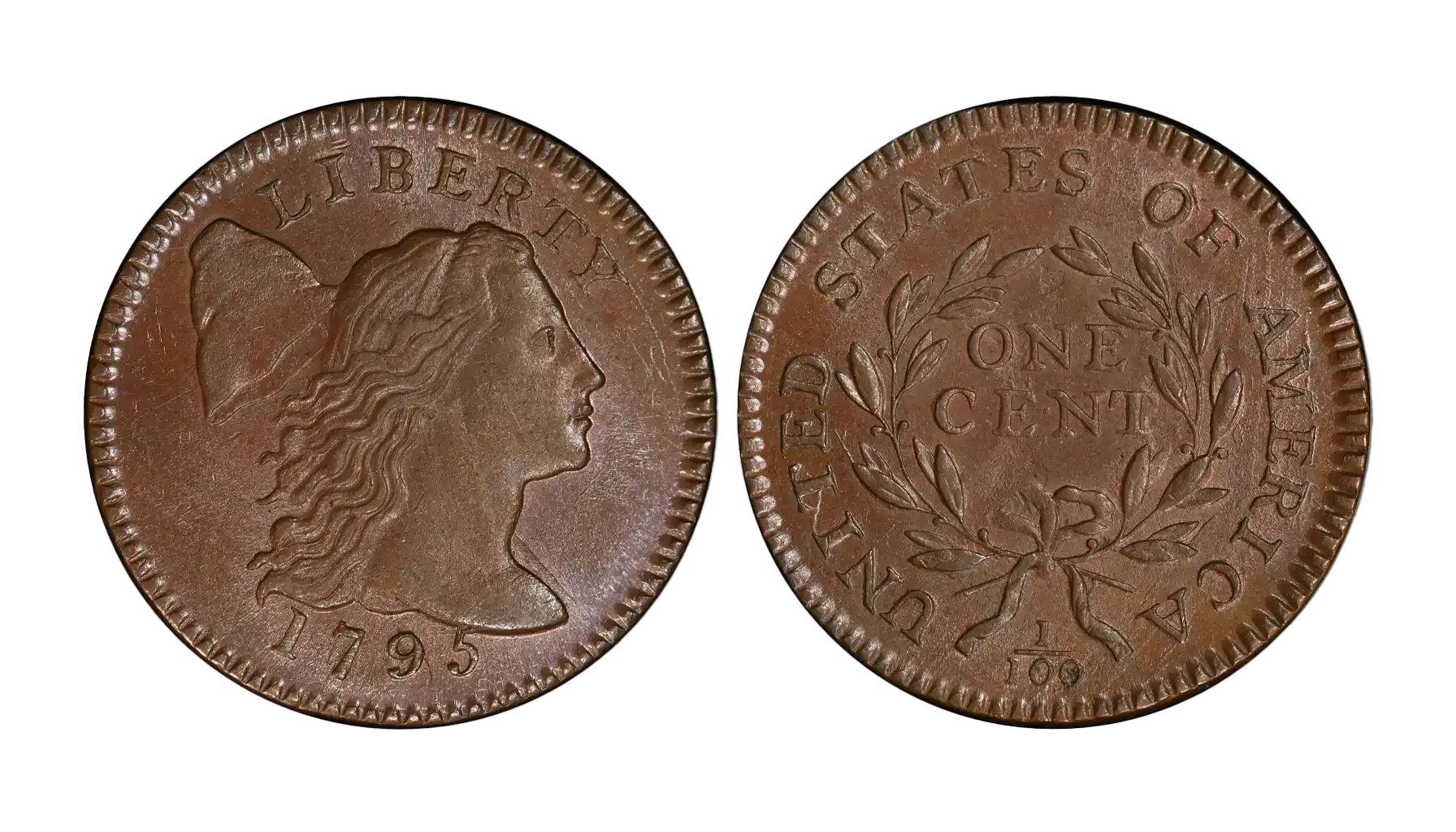
Text, symbols, or dates are engraved into the edge. Inscriptions can be decorative, patriotic, religious, or anti-counterfeiting in nature: mottos, national phrases, or repeated symbols separated by stars.
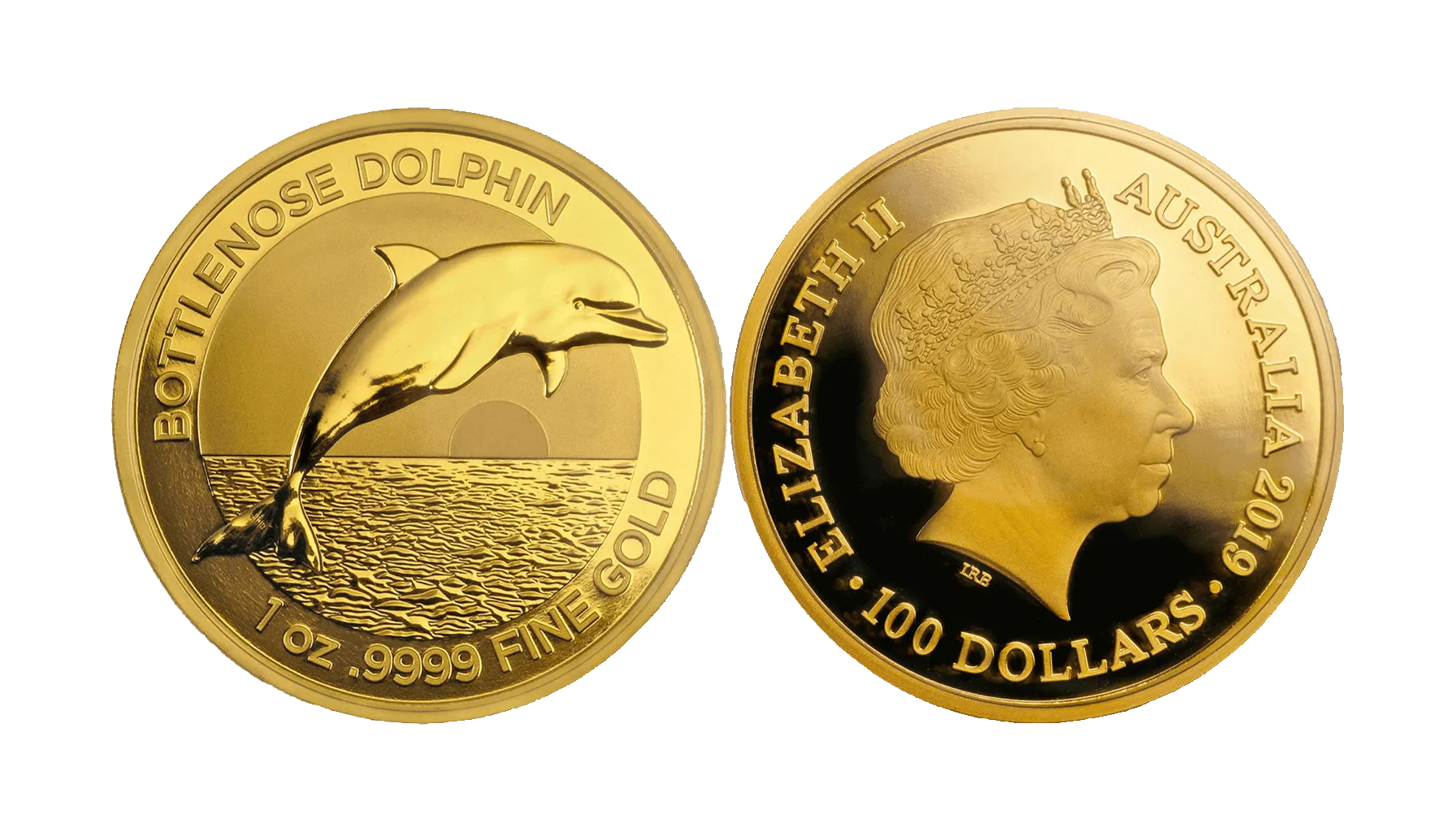
Decorative or Patterned Edge
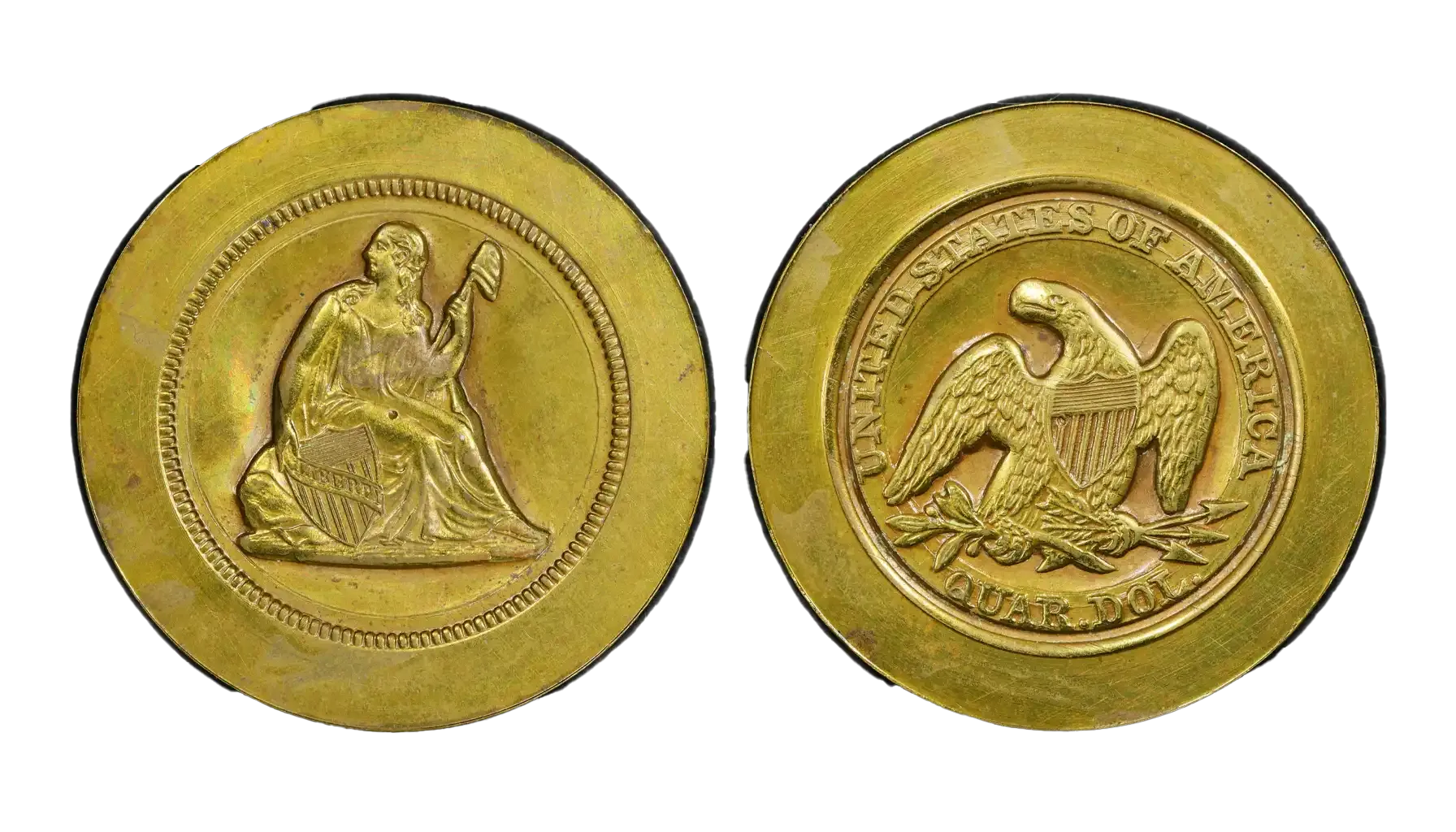
Edges with geometric shapes, diagonal lines, repeating dots, or complex designs. They are found on commemorative coins and modern bullion pieces.
History of Ridges on Coins
Ridges on coins did not appear as decoration. They were a direct response to widespread fraud that threatened entire economies.
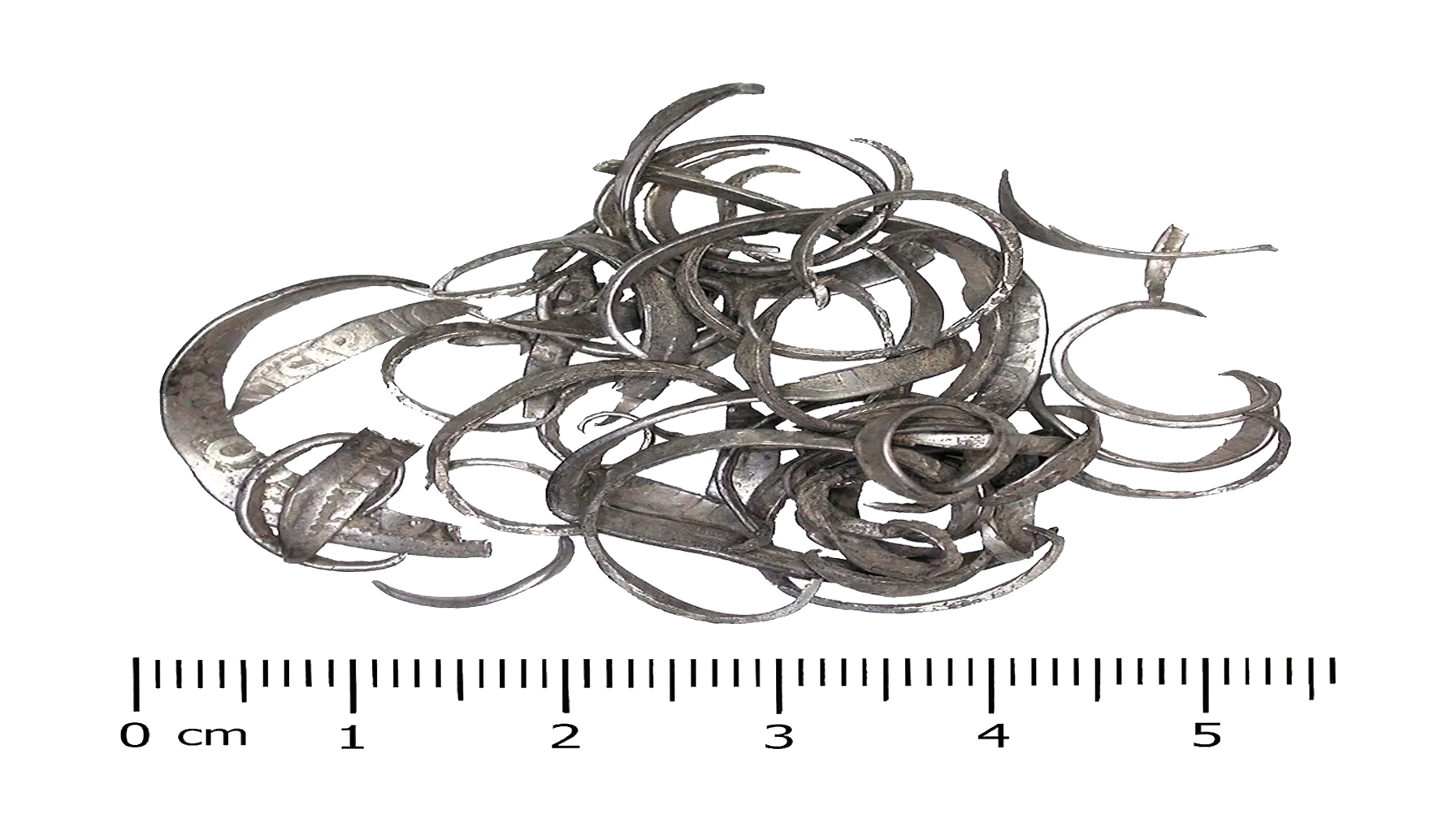
Early pieces were valued mainly by weight, not face value, which made them easy targets for clipping. Coin clipping became widespread and highly profitable.
In 1662, the Royal Mint in London introduced edge lettering on milled pieces. This innovation came from French engineer Peter Blondeau, not Isaac Newton.
When Isaac Newton became Warden of the Mint in 1695, he oversaw the system and was sworn to keep the edge-lettering process secret, but counterfeiters were already attempting to copy it.
Newton addressed the crisis through the Great Recoinage of 1696, removing hammered coins from circulation and reissuing coinage by weight, which effectively ended clipping
“…In 1662, Charles II recalled Blondeau to establish a permanent machine-made coinage. He employed a secret process for placing lettering or other designs on the edges of coins. The inscription chosen for the edge—DECVS ET TVTAMEN, meaning an ornament and a safeguard—refers to the protection against clipping which the lettered edge provided.”
— Howard Linecar
from Coins and Coin Collecting. Feltham, New York: Hamlyn
Even after clipping declined, people found new ways to extract value, such as “sweating” gold coins in bags to collect worn metal dust. It was a practice documented in the early 20th century
Over time, ridged edges became standard. What started as a security fix evolved into a permanent feature, explaining why pieces still have ridges long after precious-metal circulation ended.
Why Mints Use Different Edge Styles
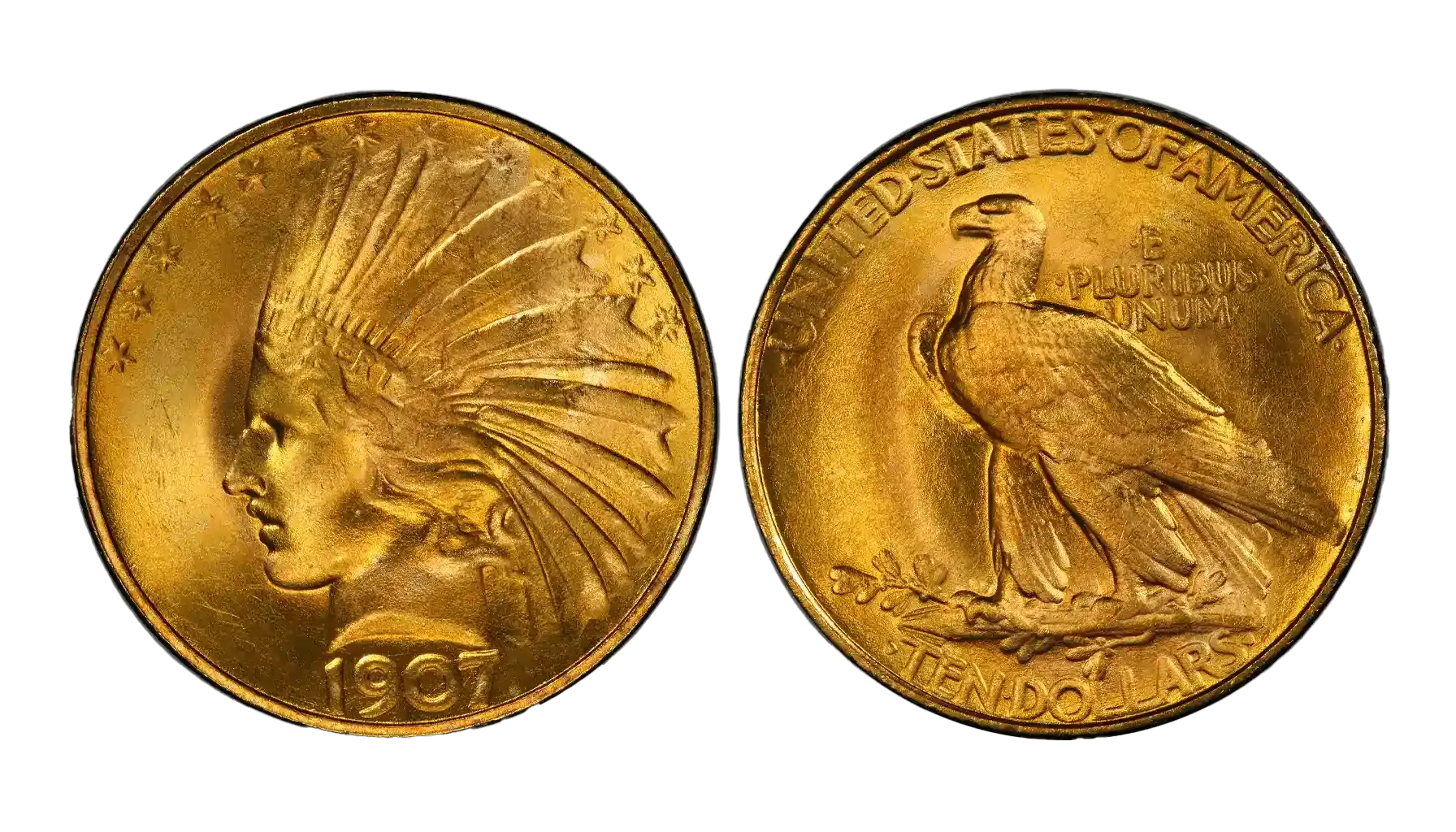
Why do our coins have ridges in the first place, and why do they differ? They are chosen intentionally. They can change because of Mint's balance cost, function, tradition, and security. These design choices are practical and really not that mysterious, despite what some claims suggest. So why do they do that, really?
To prevent clipping or shaving of precious metals
To help users distinguish pieces by touch
To add some counterfeit resistance
To include national mottos or symbolic text
To visually separate denominations of similar size
Because of this long-standing practical reasoning, the why do coins have ridges conspiracy theory does not hold up under historical or technical review. It usually says that ridged edges are some kind of hidden control system: a way to track people, encode secret data, signal social rank, or prepare the public for something larger.
Some theories say ridges are there to train people to accept surveillance or standardized systems without questioning them. These theories tend to ignore one basic thing: ridged edges existed centuries before modern governments, digital tracking, or mass surveillance. Coin reeding appeared in the late 1600s, when coins were made of real silver and gold and were constantly clipped for metal.
Another popular claim is that ridges are meant to confuse or distract the public, or that they’re a leftover symbol of elite control over money. In reality, ridges were introduced precisely because ordinary people were being cheated.
Some conspiracy theories also point out that not all pieces have ridges and ask why. The answer is: low-value coins made from base metals were never worth shaving. Smooth edges saved money and time at the mint. No secrecy involved.
Why American Coins Have Ridges
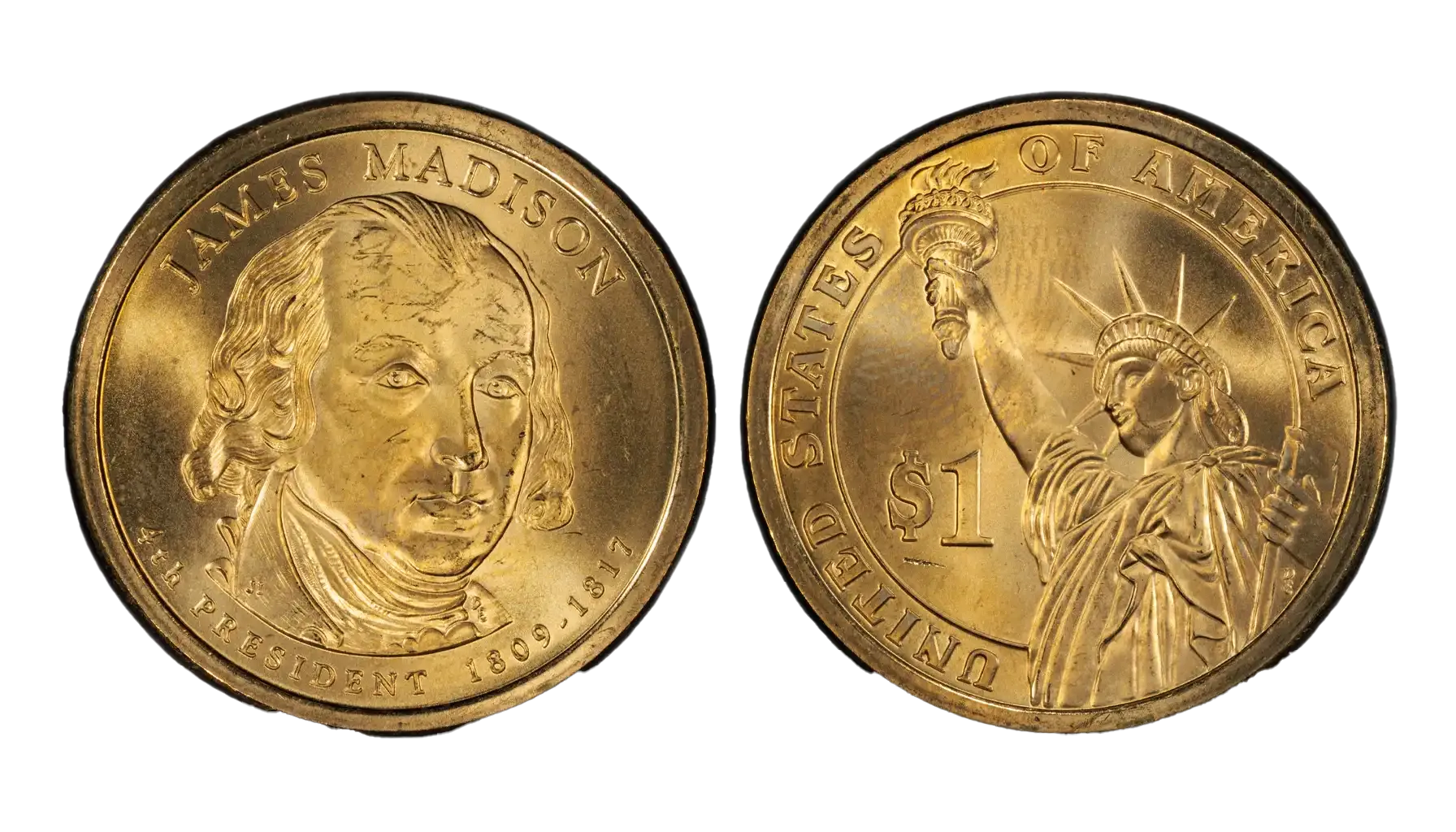
Even though most modern circulation coins are no longer made from precious metals, edge patterns are important. This helps explain why do coins have ridges in them even today.
Why do American coins have ridges? It is a tradition and function. Ridges let you tell coins apart by touch and help maintain consistent standards that date back centuries. A correct edge can confirm a coin’s mint, era, and intended denomination.
Coin Edge Patterns at a Glance
The most common patterns, their purpose, and where they are typically found:
Pattern Type | Visual Description | Main Purpose | Common Usage |
Plain | Smooth, flat edge | Low cost, simple production | Low-value circulation pieces |
Reeded | Even vertical grooves | Anti-clipping, identification | Silver, gold, dimes, quarters |
Lettered | Text or symbols | Security, messaging | Dollars, commemoratives |
Decorative | Diagonal lines, dots, shapes | Anti-counterfeiting, design | Modern bullion and collectors’ pieces |
Segmented | Alternating smooth and ridged sections | Visual and tactile security | Select modern and special issues |
Why Some Coins Do Not Have Ridges
Modern minting uses edges as part of a security system. Complex reeding, precise spacing, and edge inscriptions are difficult to reproduce accurately, which is why do some coins have ridges while others do not. Even small mistakes in spacing or depth can expose counterfeit pieces.
Some modern coins intentionally vary patterns within the same series. In certain cases, missing or interrupted reeding is used as a known mint feature, so experts can quickly spot fakes when the edge looks too perfect or too uniform.

 Facebook
  X (Twitter)
  Pinterest
  LinkedIn