Contents:
People collect coins for many reasons, pragmatic or sentimental. Yet, coins were made to be traded, to reflect value, and no coin is as valuable as a billion pieces.
Here we will explore what bits could be called “bullion”, and why investors often choose them over many other coins.
Are you interested in trading precious dollars, pennies, and quarters? Try a coin value checker app. Now you will easily know the value of your assets.
What Is a Bullion Coin?
Every year, official Mints like the U.S. Mint, Royal Canadian Mint, Perth Mint, and many others produce bullion bits.
A bullion coin is a piece that was struck from a precious metal, such as gold or silver (in rare cases, palladium or platinum). Such coins are not made every day, and you would not stumble across them as pocket change.
Even though legally these coins correspond to the denomination, a bullion dollar would never be worth just a dollar. A bullion piece’s worth is determined by its:
Weight
Purity
Demand
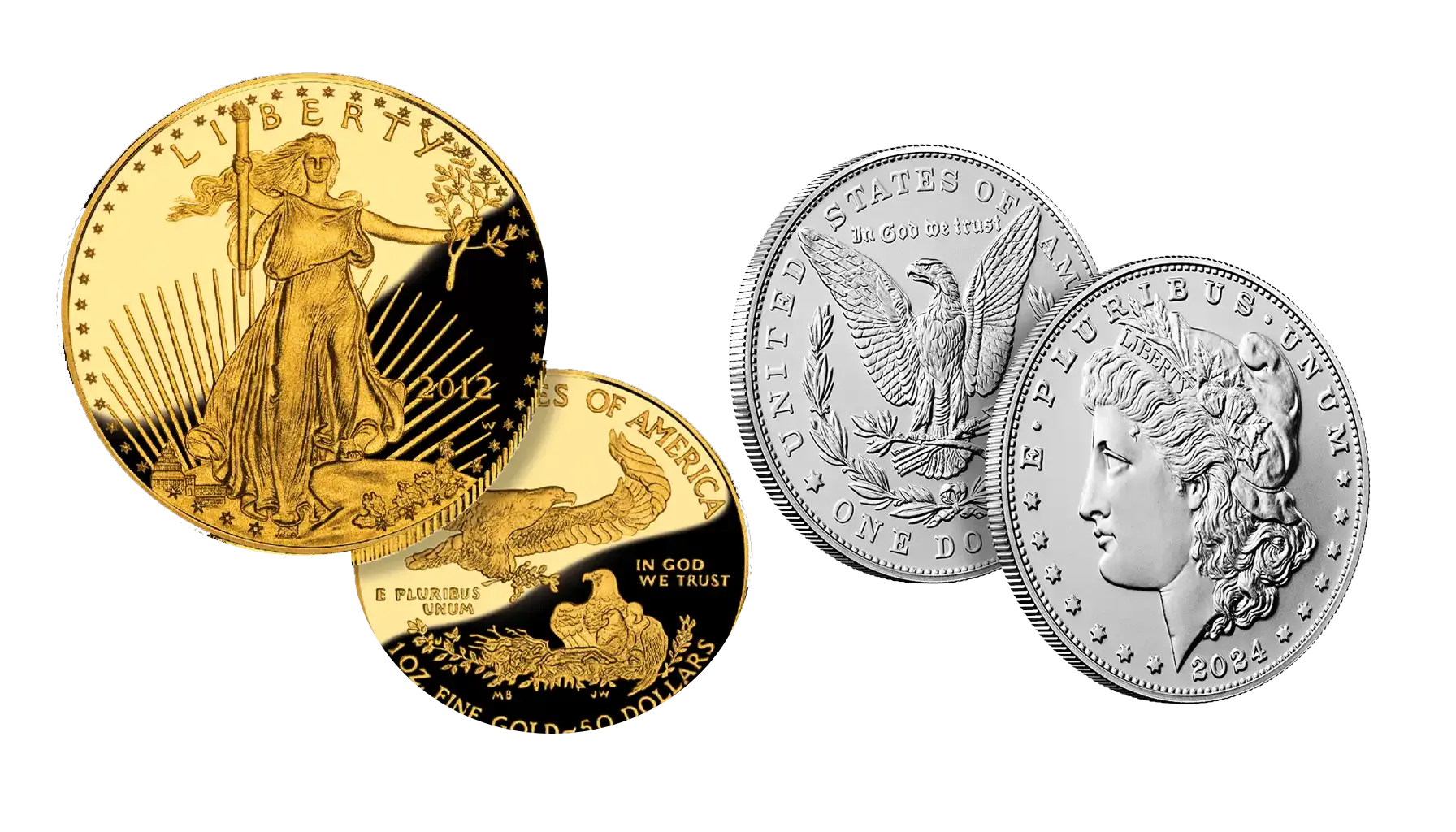
Online or in real life, you must have seen bullion coins already, as many of them are famous and are made in almost any country: American Gold Eagle, Canadian Maple Leaf, South African Krugerrand, and more. You also might have heard of famous Coin silver bullions, like American Silver Eagle, Britannia, and the Morgan dollar.
How Bullion Coins Are Made
Your average coin and bullion piece are made similarly, overall. The material may differ, and quality control is higher for precious metals. Each big Mint has its secrets, but here is how the process usually goes:
Metal refining: The Mint (or any other producer) acquires raw precious metals, such as gold or silver. The metals are melted and refined to investment-grade purity. A typical gold bullion coin needs to have .999 of fineness, and so is silver.
Casting and rolling: Refined metal is put into bars or strips, where it is rolled to precise thicknesses that match the coin denomination. What we basically get is a long sheet.
Blanking: This sheet is then punched by a machine that cuts into many disks, known as blanks or planchets.
Annealing and Cleaning: The blanks are heated to soften the metal. Then they are cleaned to remove residue (e.g., grease). This stage helps make a silver bullion coin (or gold) clean and sharp.
Striking the Coin: At this point, we have a clean disk, but every coin needs descriptions and design. A high-tonnage press strikes the blanks between engraved dies. The presses are especially strong because precious metals require immense pressure to imprint detailed designs.
Inspection and Packaging: Finished coins undergo quality control for weight, purity, and appearance. Approved bits are then packaged. Most go in capsules or tubes and are then prepared for distribution to dealers and investors.
That’s how Mints make gold coin bullion. The production takes great care and time, but in the end, something truly precious is made.
Bullion Coins vs. Numismatic Coins
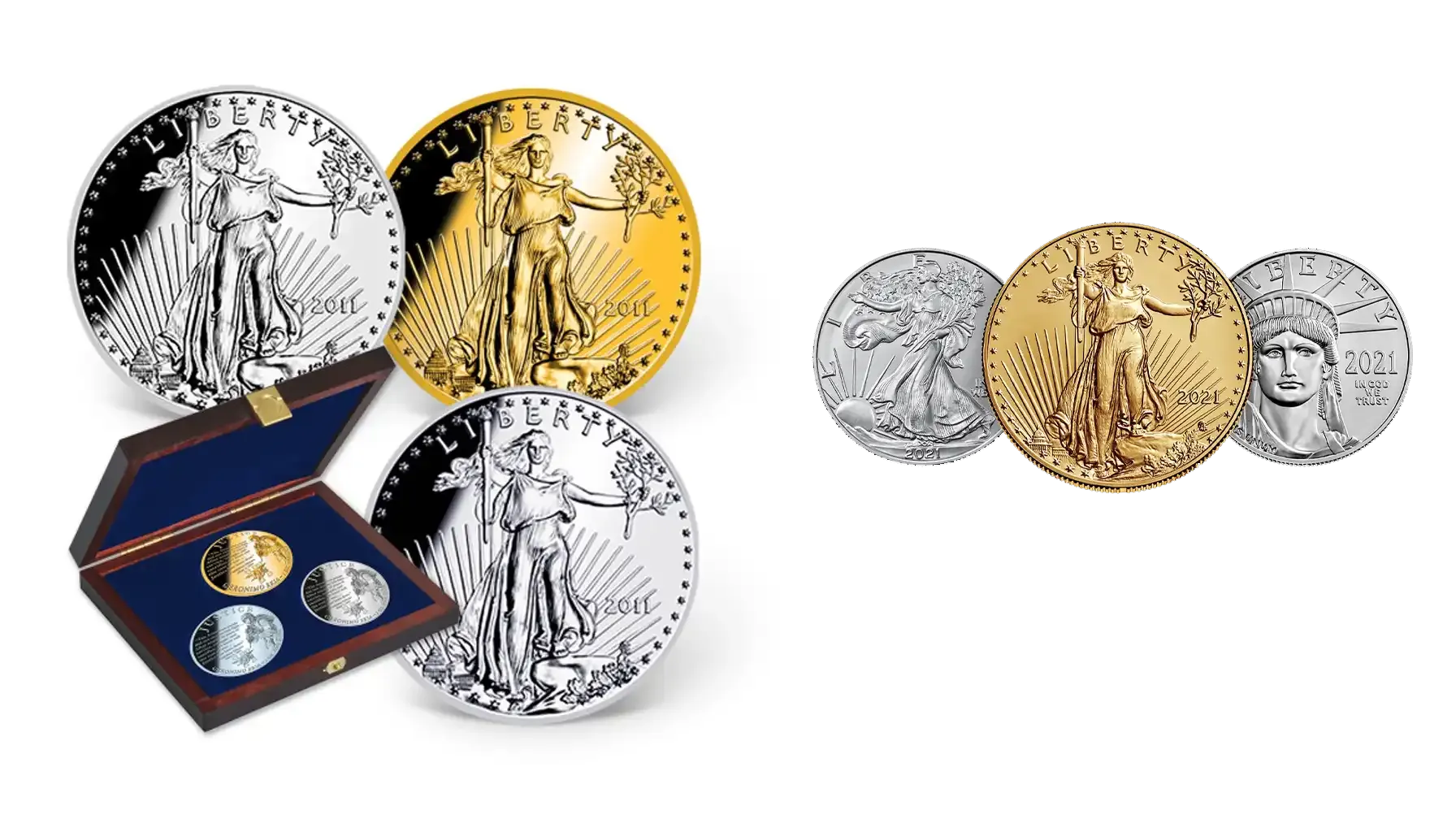
In modern times, collectors primarily deal with bullion and numismatic pieces. You have already dealt with numismatic bits, even if you haven’t noticed.
Numismatics is the study of coins, their history, and rarity. A numismatic piece, logically, is any coin that is priced according to its historical value, rarity, or errors. Such bits are made from non-precious metals, for example, copper or brass.
Here is a comprehensive comparison:
Category | Bullion Bits | Numismatic Bits |
Primary Value | Precious-metal content | Rarity, historical significance, condition, and collector demand |
Price Behavior | Depends on the spot price of gold, silver, or platinum | Rarely changes in the short term |
Mintage Levels | Produced in medium quantities annually | Most are produced in large quantities annually, but the valuable ones are low-mintage |
Design Variability | Designs usually remain the same or change only slightly | Designs vary widely across eras, mints, and editions |
Buyer Appeal | Investors seeking wealth preservation and hedge options | Collectors seeking rarity and long-term value |
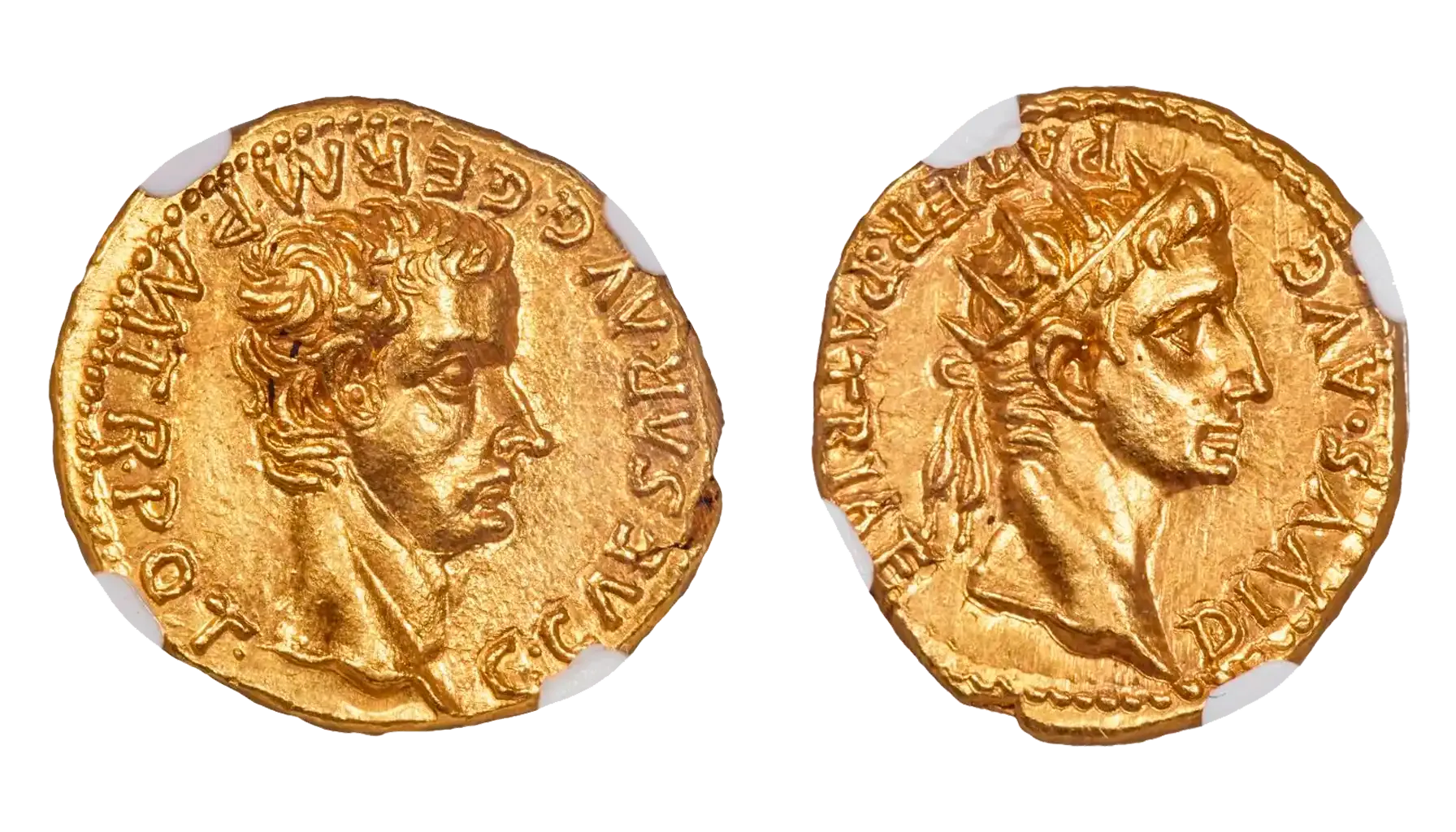
An example of a precious numismatic piece is an Ancient Roman coin, as even the bronze bits are still considered a historical treasure.
Why People Buy Bullion Coins
Wealth Preservation: Gold and silver coin bullions have served as stores of value for thousands of years. Investors often buy dollars from precious metals to protect their wealth during periods of inflation and economic uncertainty.
Portfolio diversification: Precious metals tend to behave differently from many other stocks. Usually, precious metals are less volatile, even during inflation. An investor decides not to put all their eggs in one basket, so if one asset fails, their other assets might survive.
Global liquidity: Bullion pieces are recognized globally, so gold dollars can be easily bought and sold almost anywhere.
Tangible ownership: You can’t touch your digital finances, but bullion coins are physical and give investors full control over them.
Collectible appeal: While products from precious metals are seldom rare or historically important, they still have crisply clean designs that many would love to have.
Flexibility in size and price: Bullion bits are minted in a wide range of sizes, often from 1 oz down to fractional weights (a quarter of an ounce, a half, etc.). Plus, gold often has various karateurs. This way, the precious metals remain accessible even for beginning investors.
“I like gold because it is a stabilizer; it is an insurance policy. I’ve owned gold for decades, and gold is popular for a whole host of reasons. It’s worked for me in portfolio management. It’s the only security I own that doesn’t pay a dividend.”
— Kevin O'Leary
Kitco News
If you are a collector, you might have stumbled across platforms like Universal Coin and Bullion, or Apmex, that trade bullion pieces. Every day, investors visit such websites and trade gold, silver, and other precious metals.
Conclusion
Both investors and collectors would be interested in pieces made of gold and silver. Their value is clear, as is their beauty.
The world has many coins, made from brass, gold, silver, and more. Would you like to know more about these metals and their coins? An app like Coin ID Scanner can easily identify most pieces and give you an overview of each, with values and descriptions.

 Facebook
  X (Twitter)
  Pinterest
  LinkedIn