Contents:
Understanding the main features of white gold, such as its composition, manufacturing method, strength and, most importantly, how it is perceived by the market is almost one of the most important points when collecting coins from precious metals.
While some people are immersed in identifying coins and their values based only on their appearance, that is, scratches and mint marks, others create collections that can cost hundreds of thousands of dollars.
What Is White Gold Made of: Composition And Manufacturing
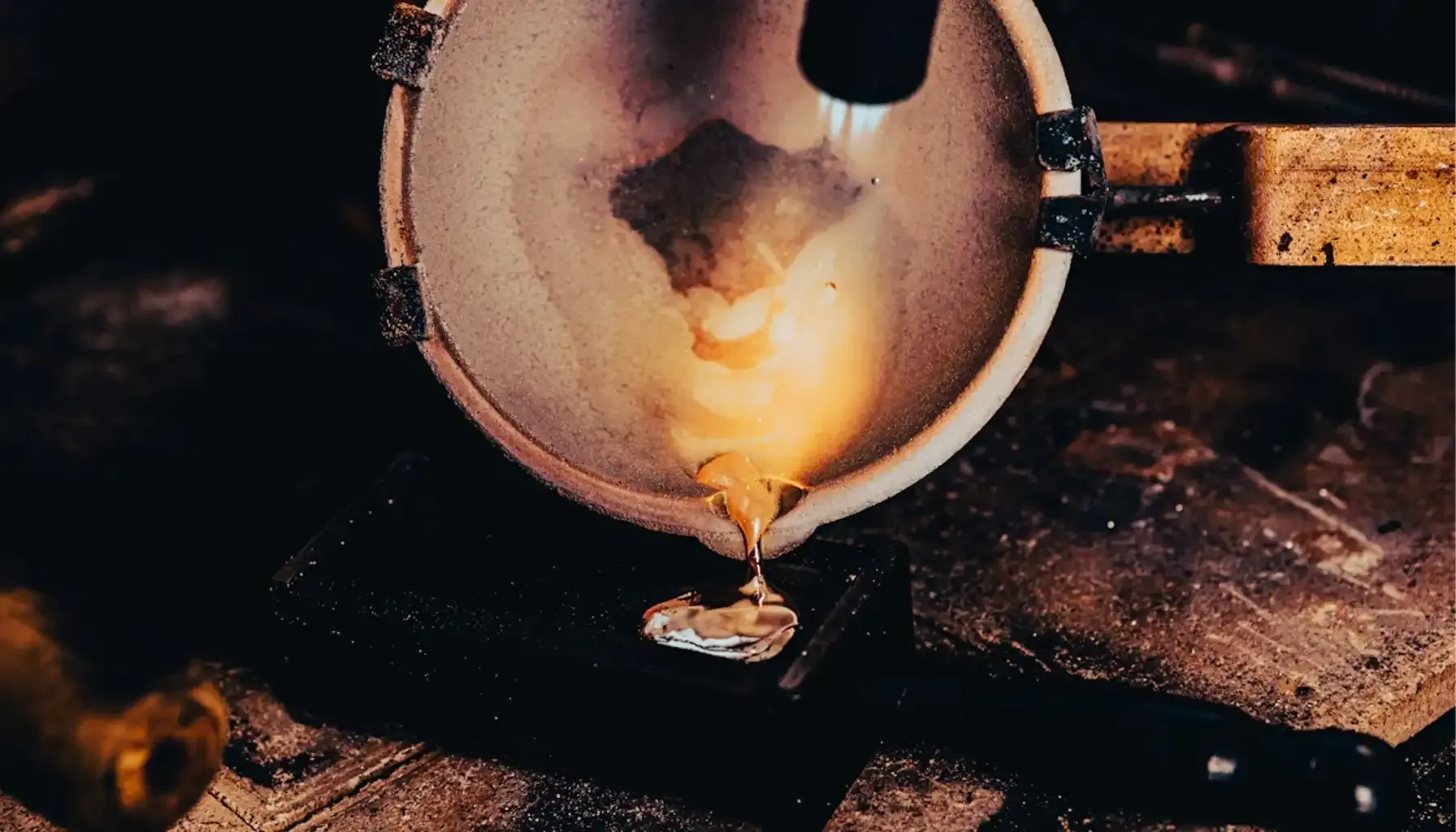
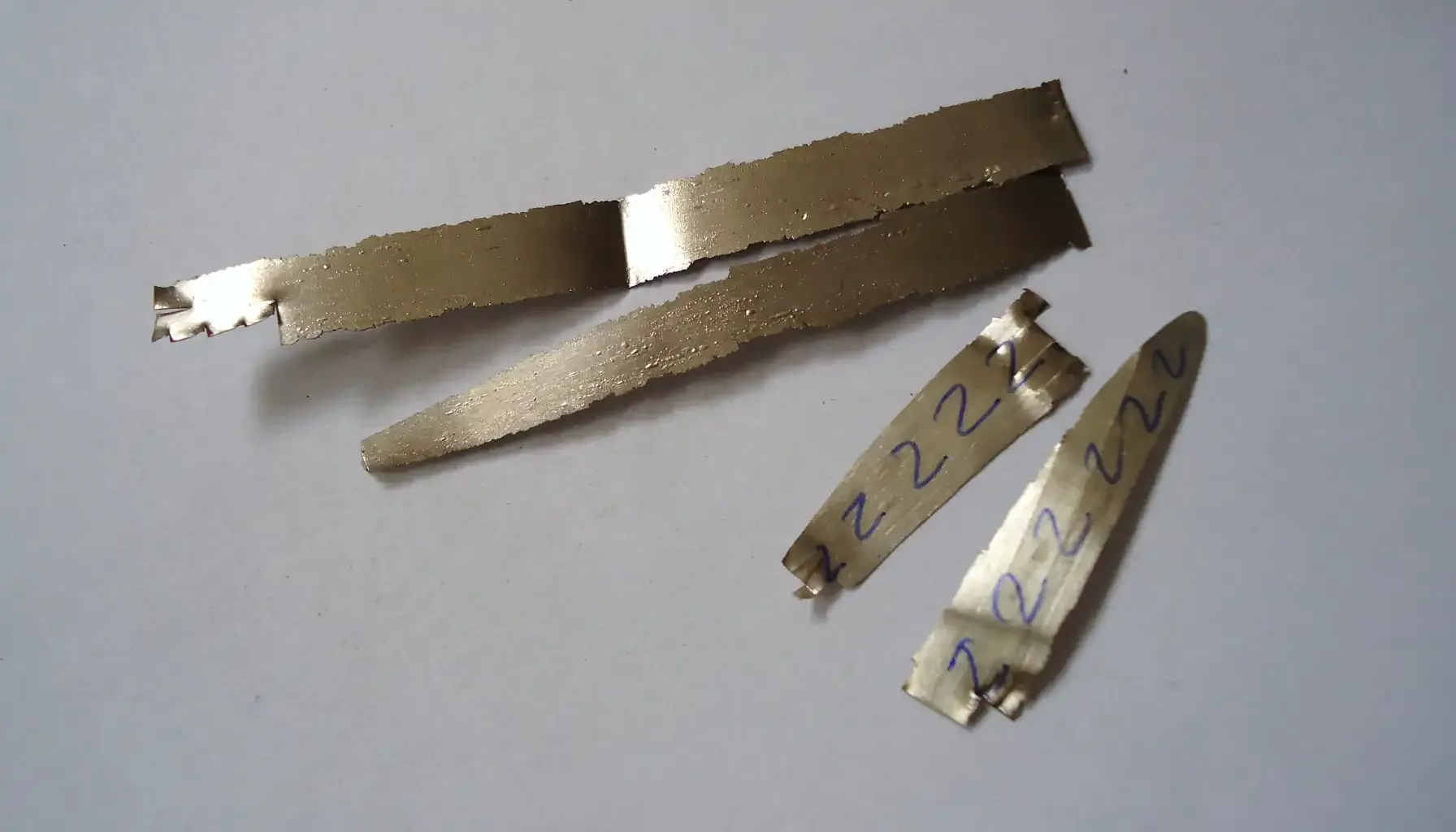
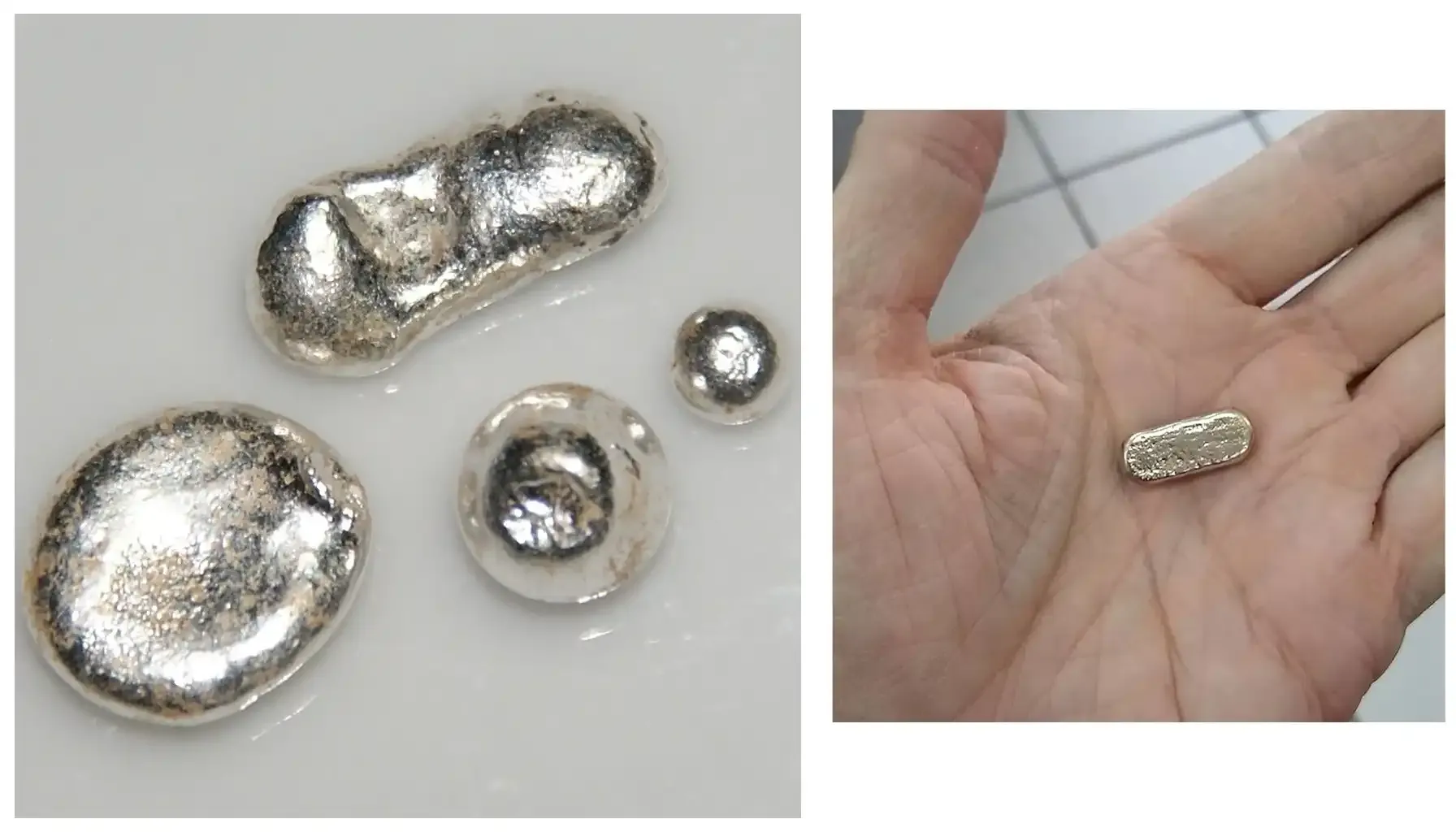
Is the white gold real? Yes, and first of all, white gold is an alloy, not a natural metal. And unlike pure yellow one, it is a mix of ordinary aurum and several metals.
During manufacturing, it is important to choose the right additional metal in the right proportions to maintain strength but also whiten it.
How is white gold made? For example, 18k white gold consists of 75% pure aurum, while the remaining 25% is a mixture of metals such as palladium or nickel, which give it its white color.
With Help of Other Metals
Palladium alloys are often chosen to make the best jewelry and coins, as palladium is also a precious metal, which makes the alloy easier to work with and gives it a natural white color that does not require special rhodium coating.
As a bonus — using palladium also increases the overall cost.
14k white gold is also widely used in jewelry and some coins, but it contains less pure gold.
White nickel one is harder and more durable, making it suitable for fasteners or coins that will be used frequently, but it has a slight yellowish tint, so it needs to be rhodium-plated. However, this alloy may not be suitable for everyone due to allergies that can lead to rashes.
“In Europe, certain countries such as Sweden and Germany began to introduce legislation against use of nickel in jewellery, and other items during the 1990s. This was seized upon by the European Union which introduced a directive that required member countries to introduce national legislation. These national laws came into effect on January 20, 2000.”
— Dr. Christopher W. Corti, COReGOLD Technology Consultancy
The Santa Fe Symposium, 2005
At the same time, 10k white gold is less common for high-value coins, as it is the least pure type, but it is very durable due to the high content of other metals.
Does White Gold Turn Yellow?
Almost all collector coins undergo a rhodium plating process, as rhodium hides the slightly yellow or gray tint of the base alloy, especially nickel, giving the coin a bright, pure "white" color.
Difference between white gold and silver: Rhodium is much harder and protects the metal from losing its shine, as it acts as a barrier against air and moisture.
A thin layer of rhodium protects the metal from wear, but if this layer wears out, the original, slightly yellowish alloy will become visible. For coins that are carefully stored, this process may not occur, but if the coin is not handled with care, it may lose its original color.
In most cases, the coating needs to be replaced by a professional to maintain its original appearance and value.
Gold vs White Gold
Characteristic | White | Yellow |
Alloy Composition | Gold + Palladium Gold + Nickel | Gold + Copper Gold + Silver |
Typical Mintage | Ultra-low | High |
Numismatic Premium | Very high | Low/Moderate |
Hardness | High | Medium |
Appearance | Bright, like silvery-white | Warm, rich yellow |
Care Requirements | Careful handling | Minimal |
Price Differences and Market Perception
At the level of the spot price, the difference between the white gold price and the yellow gold price is very small, unless you look at the value of the other metal used to whiten it.
If an expensive metal like palladium or platinum is used as the whitener, the white one might have a higher base value, because these metals add a big part to the total value.
However, the collector price is the most important part because such coins are a more recent idea and are often made for very limited, special series or events, so their number is much lower than regular investment coins made of yellow ones.
The low number of coins made leads directly to a high collector price in the secondary market among serious collectors, and the high premium means that the final white gold price is much higher than the price of the metal itself.
So, is white gold more expensive than yellow gold? Generally, yes, but just because they are made in very small mintage.
How Much Stronger, And Is It Worth It?
Speaking of durability, white one, especially with a nickel alloy, is harder than yellow gold of the same purity, so it resists dents and deep scratches better.
Yellow one, especially if it has a lot of copper, can lose its luster over time, turning a reddish or brownish color, but white one coated with rhodium, which does not tarnish, retains its original appearance better.
Additionally, due to the very small number of coins produced and their unique appearance, white gold coins tend to retain or even increase their collectible value more quickly than yellow gold coins.
Does white gold tarnish? No, white one itself does not tarnish. However, the appearance of a white piece coated with rhodium may change over time.
To prevent yellowing, it is recommended to properly care for your jewelry by removing it during household chores and visits to the gym and storing it in a closed jewelry box.
Notable White Gold Coins for Collectors
Modern Currency
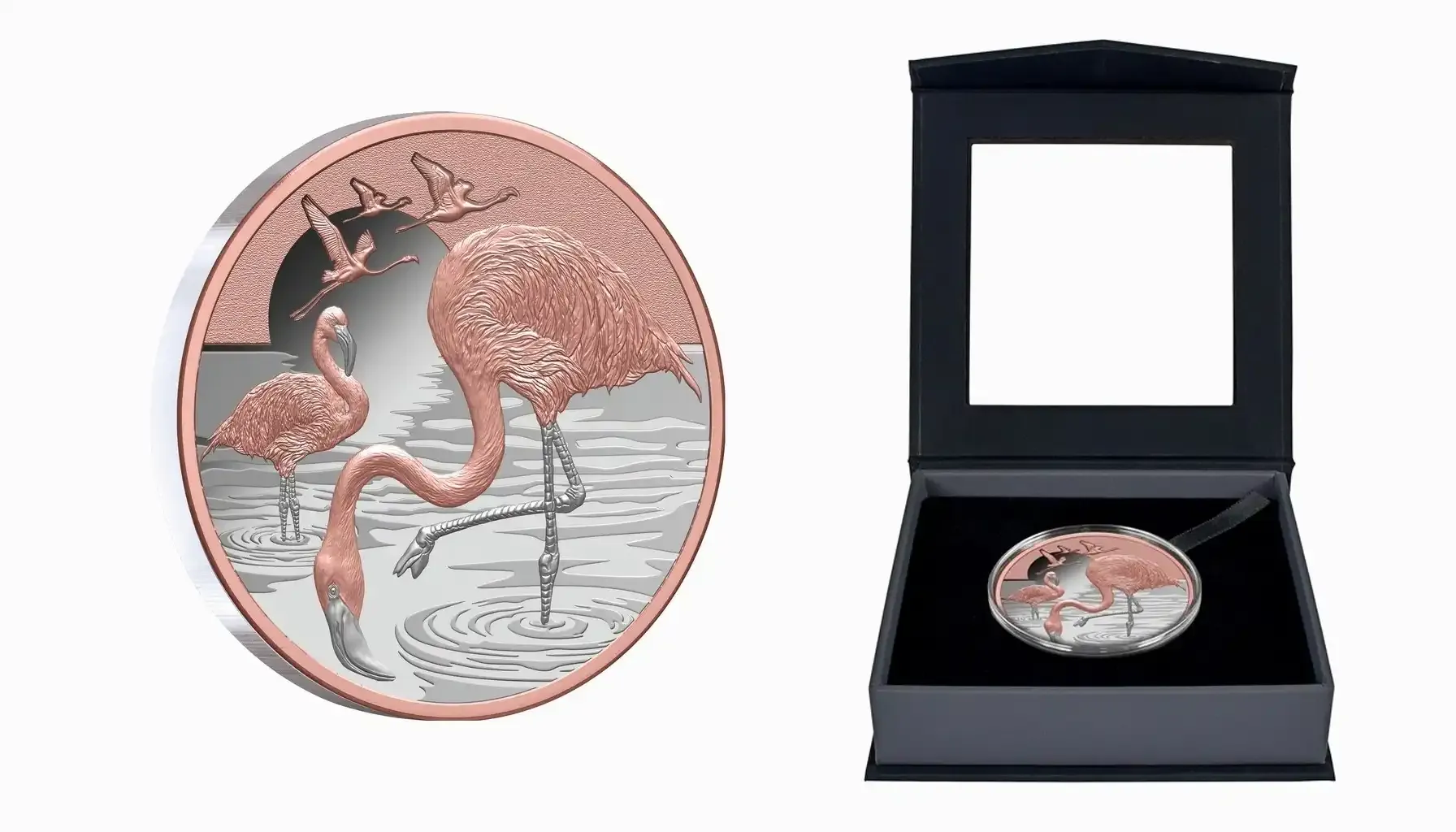
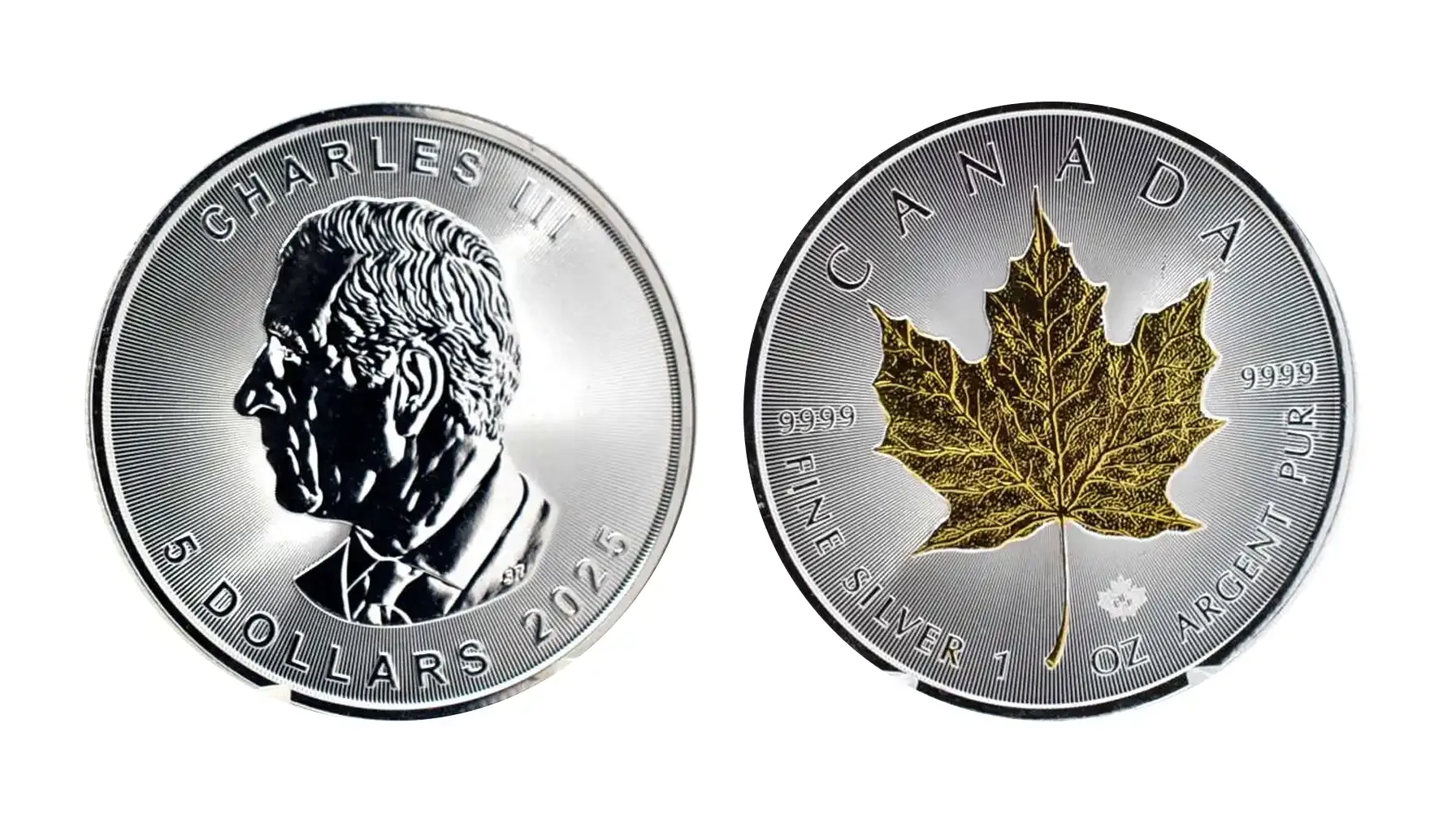
Most often, you can find commemorative white gold coins dedicated to some event, one of the most famous manufacturers of such tokens is Royal Canadian Mint (RCM).
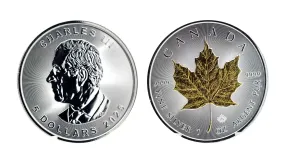
The RCM regularly makes coins with 99.999% purity, including special alloys, for example, the "Maple Leaf" coin was made in limited series using 999.99 white gold, often with holographic parts or in two colors, there are only 10-50 pieces of this series.
The U.S. Mint also makes special coins, though less often than Canada, and these releases are usually part of celebration programs.
Limited Edition White Gold Bullion
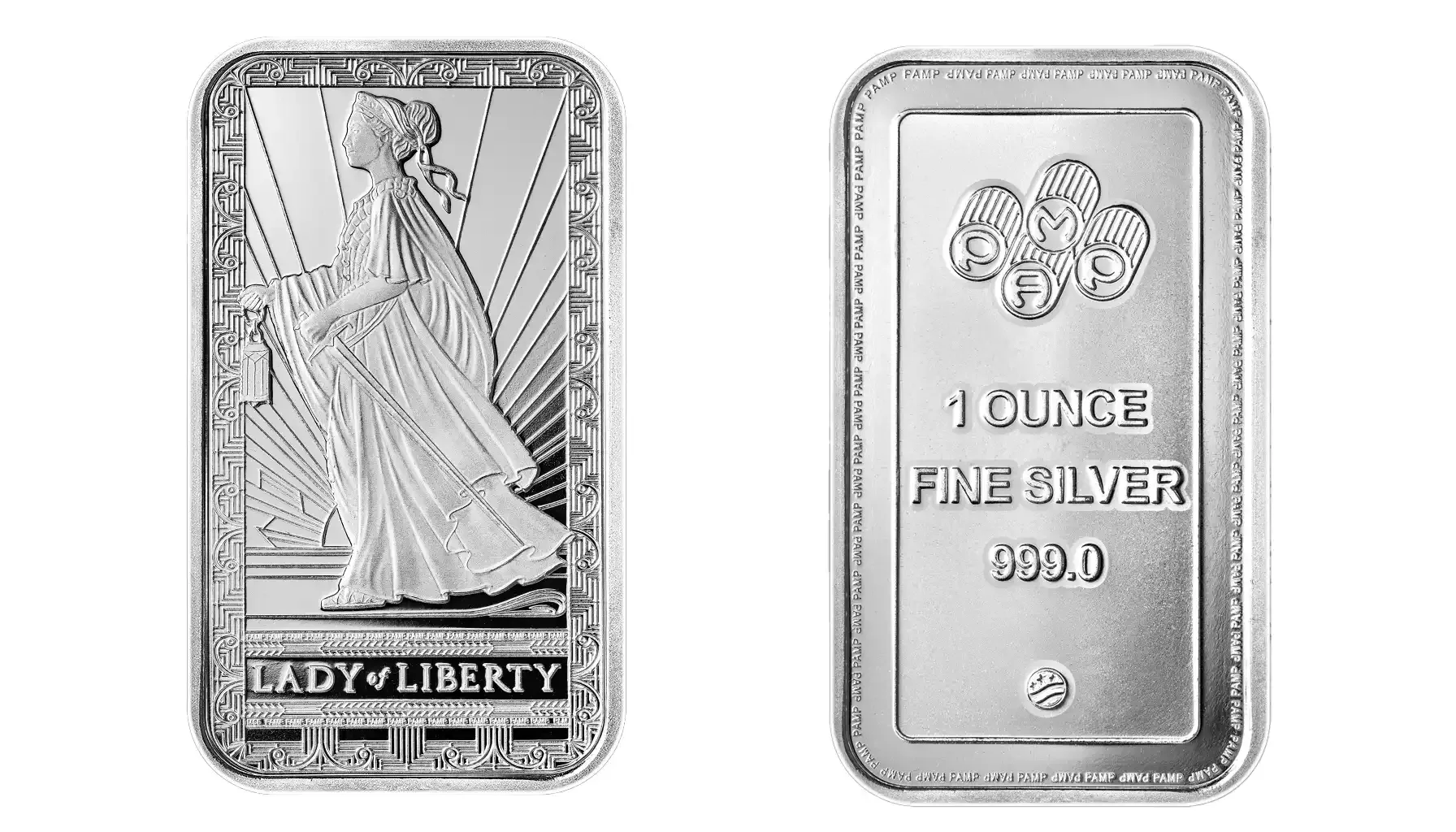
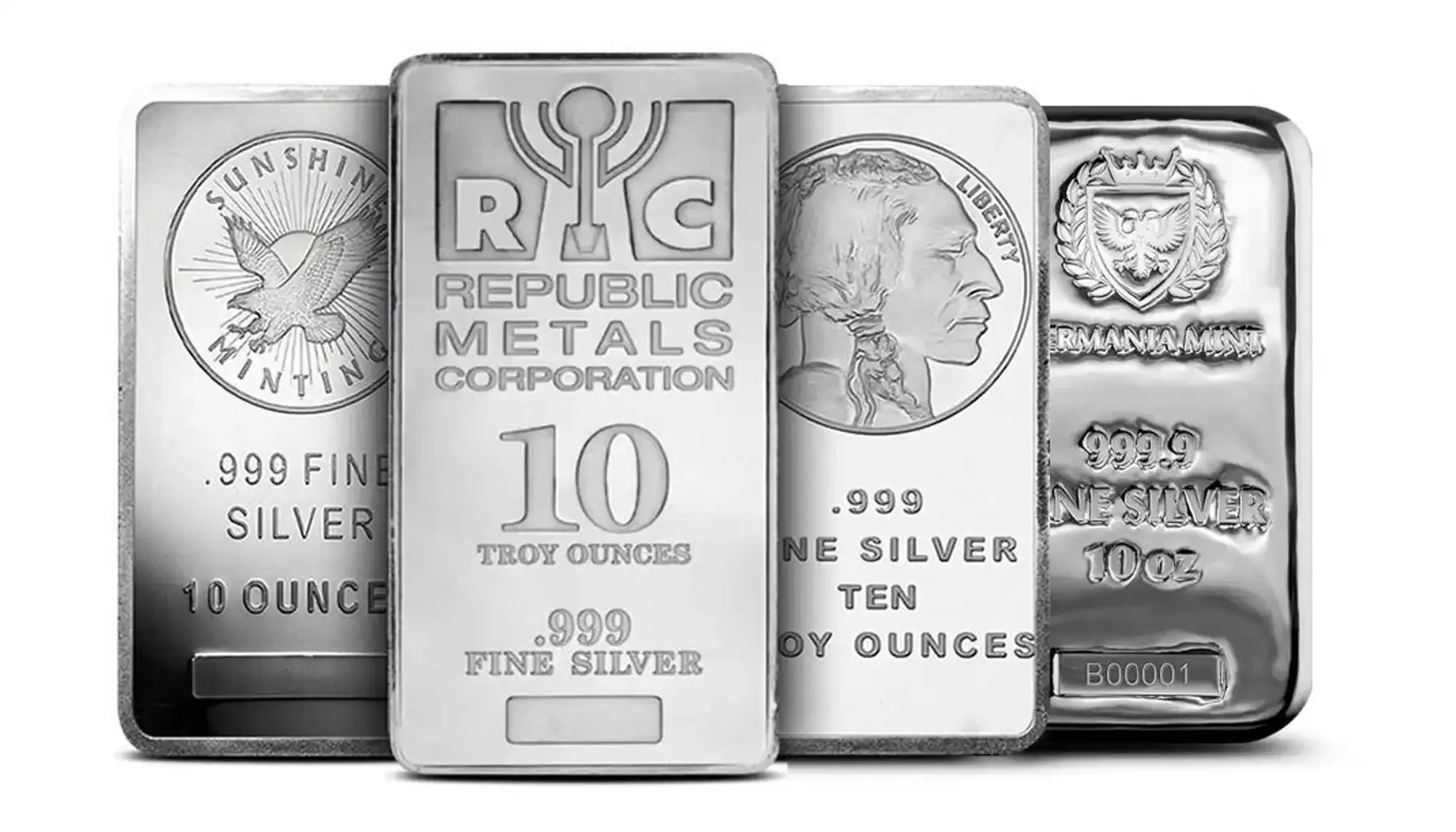
Some mints make Bullion in white versions, changing them from mass investments to ultra-rare collector items, and the coins stamped from the purest possible gold, but with alloy technology.
How to clean white gold? You should dissolve a drop of soft soap without additives in a warm (not hot!) water, dip the product for 10-15 minutes → gently clean with a soft brush with a children's toothbrush or a special jewelry one → clean easily, without pressure, only in the direction of the metal, especially in areas with details.
Identifying and Valuing Coins
Hallmark Verification and Authentication
Checking the authenticity of a coin begins with examining the Hallmarks, required for precious items in many countries, so the hallmark must clearly indicate the purity.
For highly pure investment gold, it is marked as "999.9" or "999.99", showing the pure content, and for collector coins, the Certificate of Authenticity and the Original Government Packaging are more than important.
Calculating Premiums Over Spot Price
The price of a coin always has two parts: the spot price of the metal and the collector price.
Coin Price=(Gold Weight×Spot Price×1000Purity)+Collector Price
Since the value of each precious metal changes, whether it's the price of silver or gold, the value of coins also varies.
FAQ
Does white gold cost more than yellow one?
It is hard to compare directly, but for coins, yes.
How often does rhodium plating need replacement?
For coins kept in protective holders and are almost never touched, the coating may never need to be replaced.
Are white one coins good investments?
Good but not ideal mass investments because their value is less affected by small changes in the spot price and more by collector demand.
Is white gold real and how is it different from yellow gold?
Yes, white gold is real because 18K white gold actually contains 75% pure yellow aurum.
Does white gold cost more than yellow one for coins?
Yes, it is almost always more expensive.
Conclusion
In any case, it will take a lot of time and experience to understand metals without any assistance and navigate the market without any guidance. If you want to learn everything about any coin as soon as possible, simply scan the token using the Coin ID Scanner.

 Facebook
  X (Twitter)
  Pinterest
  LinkedIn