Contents:
Gold mining has driven exploration, investment, and technological advance for centuries. It fuels national economies, backs resource funds, and attracts risk capital.
From ancient Egypt to the present day, expeditions are going to the secret corners of the world for the extraction of precious metal. To learn more about valuable metals, gold coins, and unique characteristics – try the best app to check coin value.
Historical Overview
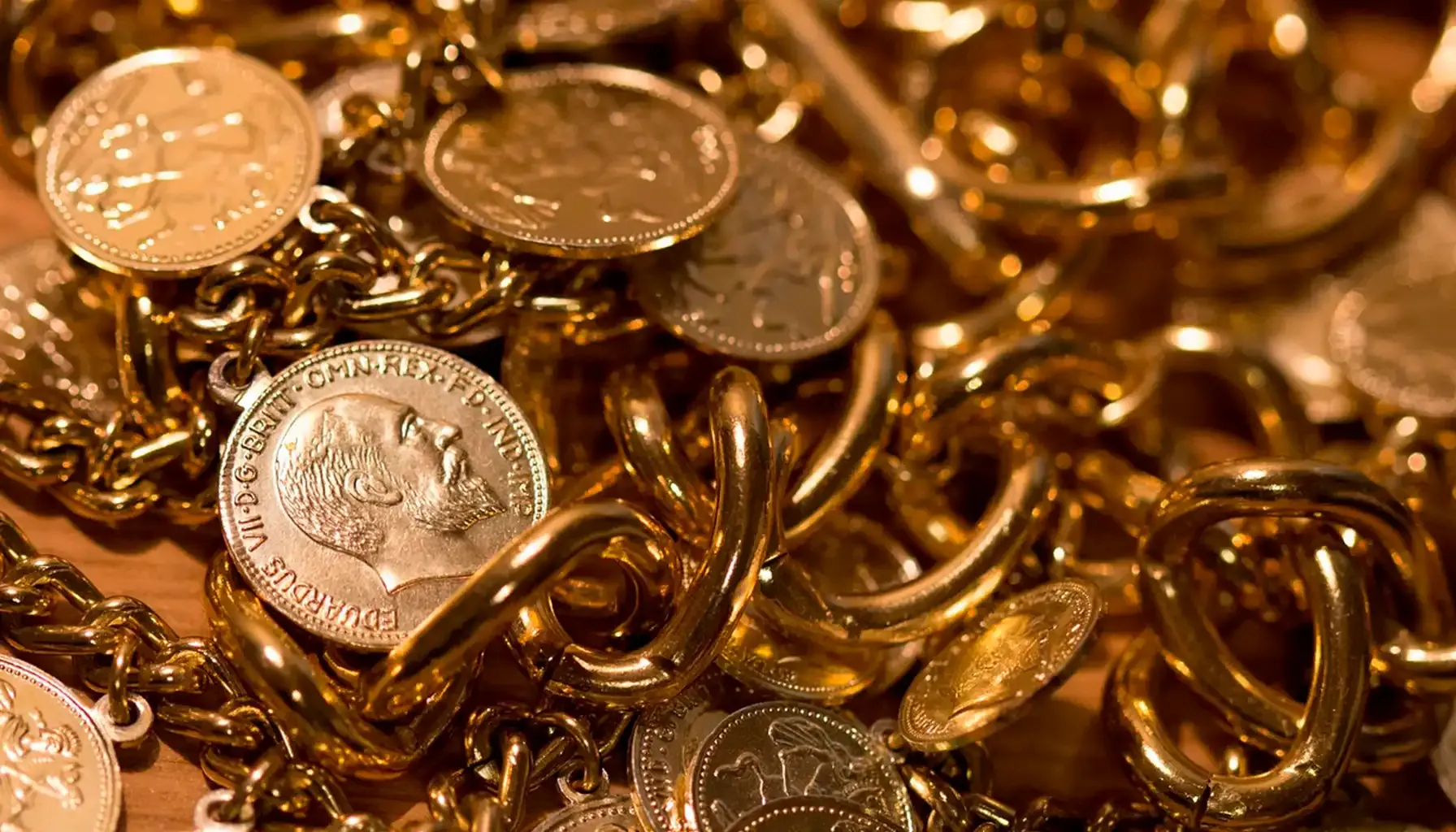
Archaeologists have discovered the oldest known artifacts in the Varna Necropolis in Bulgaria (4700–4200 BC), which contained over 6 kg. Researchers established that humans began mining more than 6,700 years ago.
Period | Territory | Details |
Ancient | Egypt, Rome, Greece, Asia, South America | Discovery artifacts and development of mining methods |
Middle Ages | Europe | The general decline of mining but with several gold rushes |
Modern | California, Australia, South Africa, Klondike | New mining technologies, global gold rushes |
Gold Mining Process: From Ore to Metal
The gold mining industry proceeds in a series of discrete steps. Miners locate ore, develop a mine, extract material, process it, and refine the product.
Exploration: Geologists survey terrain and conduct sampling. They measure rock chemistry and use geophysics. They drill cores to confirm metal presence and grade.
Mine Design and Development: Engineers build access tunnels or open pits. They design haul roads, ventilation, and water control systems. They mobilize heavy machinery.
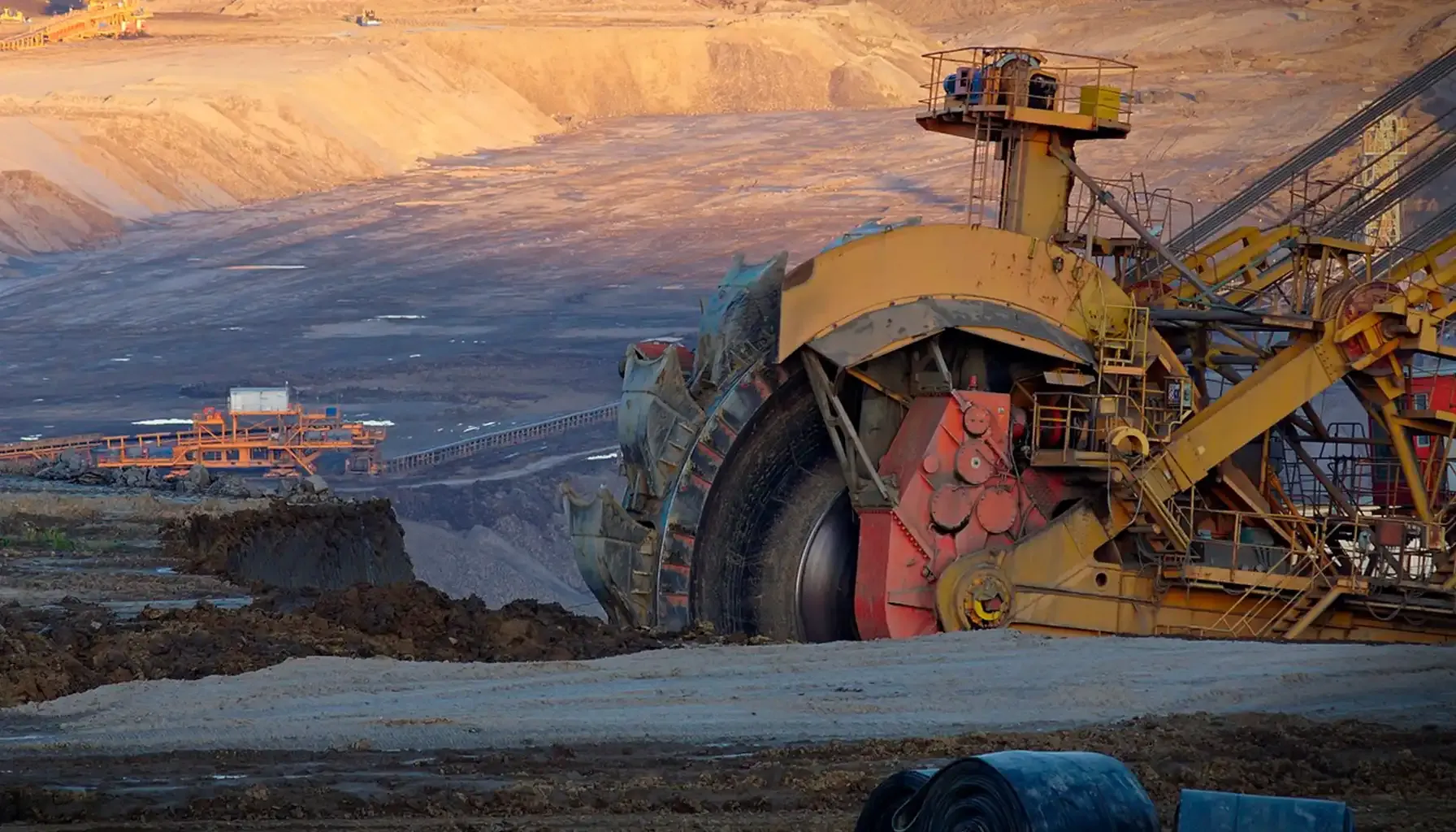
Extraction/Mining: Miners use drills, blasts, shovels, or excavators to break and move rock. In open pit mines, large trucks haul ore to a processing site. Underground mines use boreholes, raise drives, and load haulage.
Ore Crushing: The ore enters crushers and mills. Mills reduce rock to fine particles so gems can liberate from host rock.
Leaching/Chemical Separation: Operators expose crushed ore to reagents (cyanide or alternate agents). The metal dissolves into solution. They recover it from solution via adsorption or precipitation methods.
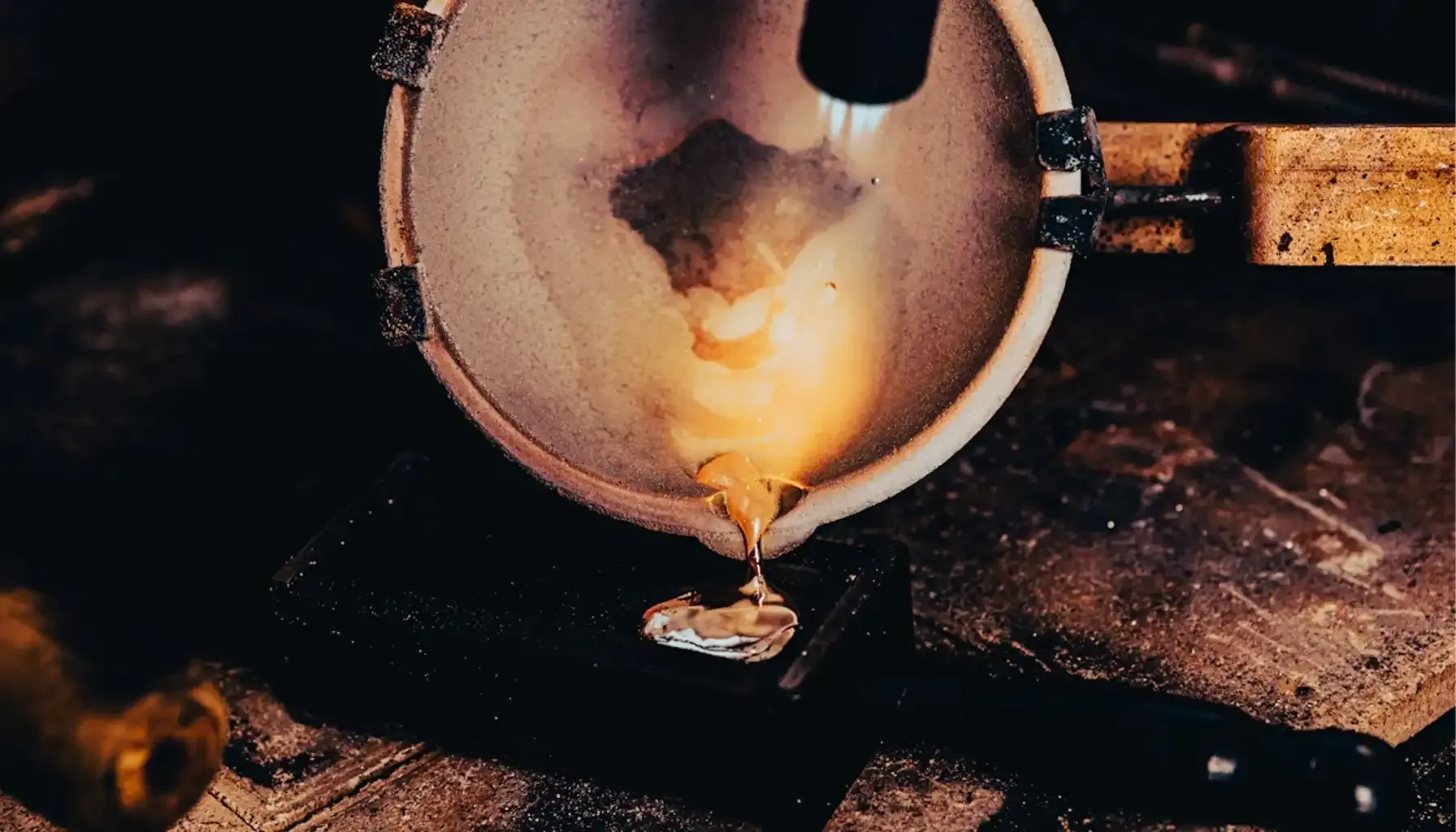
Concentrate and Smelting: The extracted metal and residual metals go into furnaces. Smelters heat concentrate to remove impurities. Refiners produce high-purity metal (typically 99.9%).
After-Mining Process: Companies rehabilitate land, manage tailings, and control the environment.
Equipment, Machinery & Tools
The industry uses heavy capital gear and supporting systems.
Hydraulic mining for gold drills, backhoes, shovels for excavation.
Dump trucks, conveyors, ore trucks for haulage.
Jaw crushers, SAG mills, ball mills for crashing and grinding.
Leach tanks, adsorption columns, filters for separation.
Electric or gas furnaces, induction heaters for smelting and refining.
Power plants, water pumps, ventilation fans as support systems.
Oxygen generator for gold mining (for enhanced leaching), portable gold mining equipment as additional technologies.

The term gold mining machine refers to devices such as mobile crushers, portable mills, or dredges adapted to remote settings. Some miners use hybrid or modular setups to reduce transport cost.
For artisanal operations, small tools like sluice boxes, metal detectors, and pan tables still survive in remote or undercapitalized areas. Old pictures of mining gold reveal the primitive tools and dangerous conditions faced by early miners.
Stocks & ETFs
Investors access this sector via gold mining stocks or gold mining ETF structures. A broad ETF tracks a basket of companies that mine metal rather than holding the metal itself. Analysts assess projects, reserves, cost structure, and geopolitical risk when valuing each firm. One stock worthy of mention is First Mining Gold. It trades under tickers like FFMGF and FF on various exchanges.
Gold mining companies range from juniors exploring new prospects to large producers with full operations. The stock valuations depend both on commodity prices and on project execution.
Some firms invest in gold mining in Colorado, California, or Minnesota – regions with historic activity. Others expand through Africa, where geology and scale create opportunity and risk.
Analysts compare First Mining Gold stock price to peers and project future growth. Some trading platforms call these metrics on a live basis.
Investors watch Gold Mining Inc. and larger mining firms, evaluating cost per ounce, output growth, and capital spending. Volatility in metal price amplifies gains or losses in equity holdings.
Mining Today: Regions and Emerging Patterns
The industry faces constant pressure: declining ore grades, rising energy costs, environmental scrutiny, and supply chain constraints. Firms push toward mechanization, automation, and sustainability.
Hydraulic mining gold rush techniques of the past (using water jets and gravel washes) draw caution now. Modern operations enforce sediment control, chemical safety, and habitat restoration.
Gold mining in Africa drives many large new projects, especially in West Africa and East Africa provinces. Africa offers vast unexplored ground but also regulatory, logistical, and social challenges.
In the United States, Colorado recalls the 19th-century booms. Historical mines still attract investment in remediation and exploration. Gold mining in California yields metal within multi-commodity deposits. Stringent environmental regulations of gold mining in Minnesota add complexity and cost to exploration and potential projects.
The industry leverages gold mining shows or mining trade fairs. These events attract suppliers, investors, and professionals showcasing gold mining tools and machinery.
“Mining is a great art, but also a terrible business. The miner works in uncertainty and hope, and he never knows when fortune may smile.”
– Herbert Hoover, the professional mining engineer and the 31st U.S. President
From the book “Principles of Mining”
Technical Specs & Market Prices Table
The table with sample specifications and indicative values for gold ore, concentrate, and mining equity exposure. These values illustrate gold demand and cost differences.
Category | Metric | Sample Value |
Ore grade | grams per tonne (g/t) | 1-5 g/t |
Concentrate content | g/t | 1-20 g/t |
Recovery rate | percent | 60-90 % |
All-in sustaining cost (AISC) | USD per oz | 850-2,000 USD/oz |
First Mining Gold stock (FFMGF / FF) | share price | 0.22 USD (as of Q4 2025) |
Ore Grade Classification
Bonanza: Exceptionally high concentrations, typically exceeding 20 g/t. This is quite rare but extremely profitable.
High: Contains a high concentration, typically ranging from 5-20 g/t. The exact definition can vary based on the type of mine.
Medium: A moderate concentration, ranging from 1-5 g/t. Such ore is still considered economically viable.
Low: Contains relatively low concentrations, typically less than 1 g/t.
Gold: Real or Fake
Color and Shine
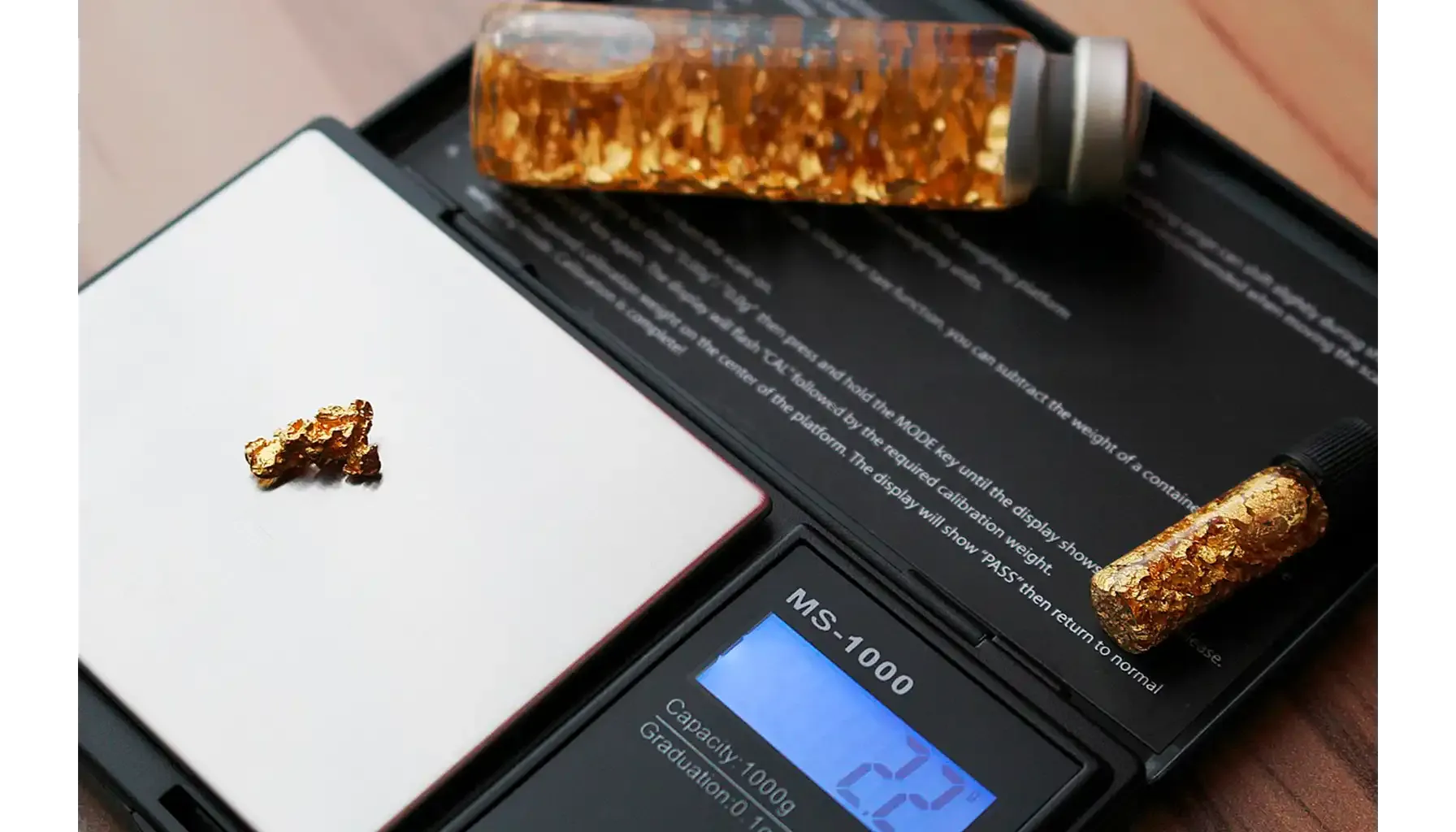
Real metal shows a rich, deep yellow tone that looks warm under any light. It reflects softly rather than glaring sharply.
Fake items often look too bright, orange, or pale. Some counterfeits use plating that fades or peels after short use. Under magnification, pure metal shows a smooth surface without bubbles or grainy spots.
Weight and Density
It feels noticeably heavy for its size. Its density, about 19.3 g/cm³, gives even a small valuable coin or ring a solid weight in the hand.
A fake made of brass, zinc, or aluminum feels lighter and less balanced. When comparing two similar items, the real one usually feels denser and steadier.
Magnet Test
It does not attract magnets. If an item sticks firmly to a magnet, it likely contains iron or nickel.
However, some counterfeits use nonmagnetic alloys, so this test alone does not prove authenticity. It works best as a quick first check before more accurate methods.
Marks and Stamps
Authentic jewelry carries clear markings such as 24-Karat, 18K, 14K or 999. These marks indicate purity and origin. Real stamps appear neat, proportional, and deeply engraved.
Fakes may show uneven fonts, blurred edges, or wrong numbers. If a piece claims 24K but looks pale or lightweight, it deserves closer examination.
How to Identify Your Gold Coins
If you need an AI assistant for gold coins detection – take a photo of the coin in the Coin ID Scanner app. You will get all the answers and distinguish real collectible coins from fake ones.
Get access to over 150,000 coins
Manage your coin collection
Find numismatic news

 Facebook
  X (Twitter)
  Pinterest
  LinkedIn