Contents:
- Why Reusing and Recovering Gold Matters
- Recycle Gold Jewelry: Giving Old Pieces New Life
- Recycle Gold from Electronics – The Modern Gold Rush
- Gold Recycling Without Harsh Chemicals
- Understanding Gold Recycle Prices
- Can You Recycle Gold at Home?
- Eco-Friendly Initiatives and Local Recycling Programs
- Comparing Environmental Impact — Mining vs. Recycling
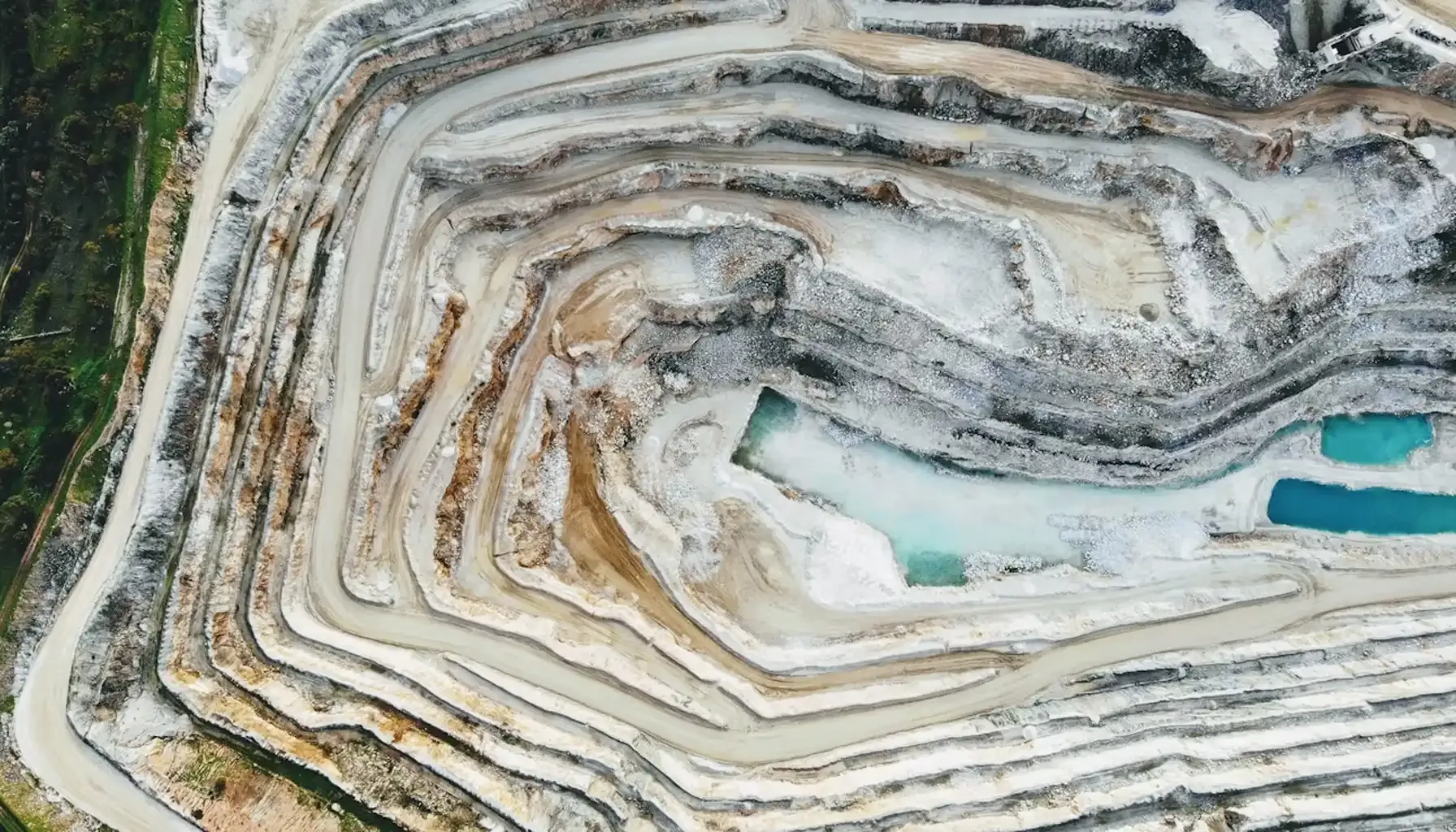
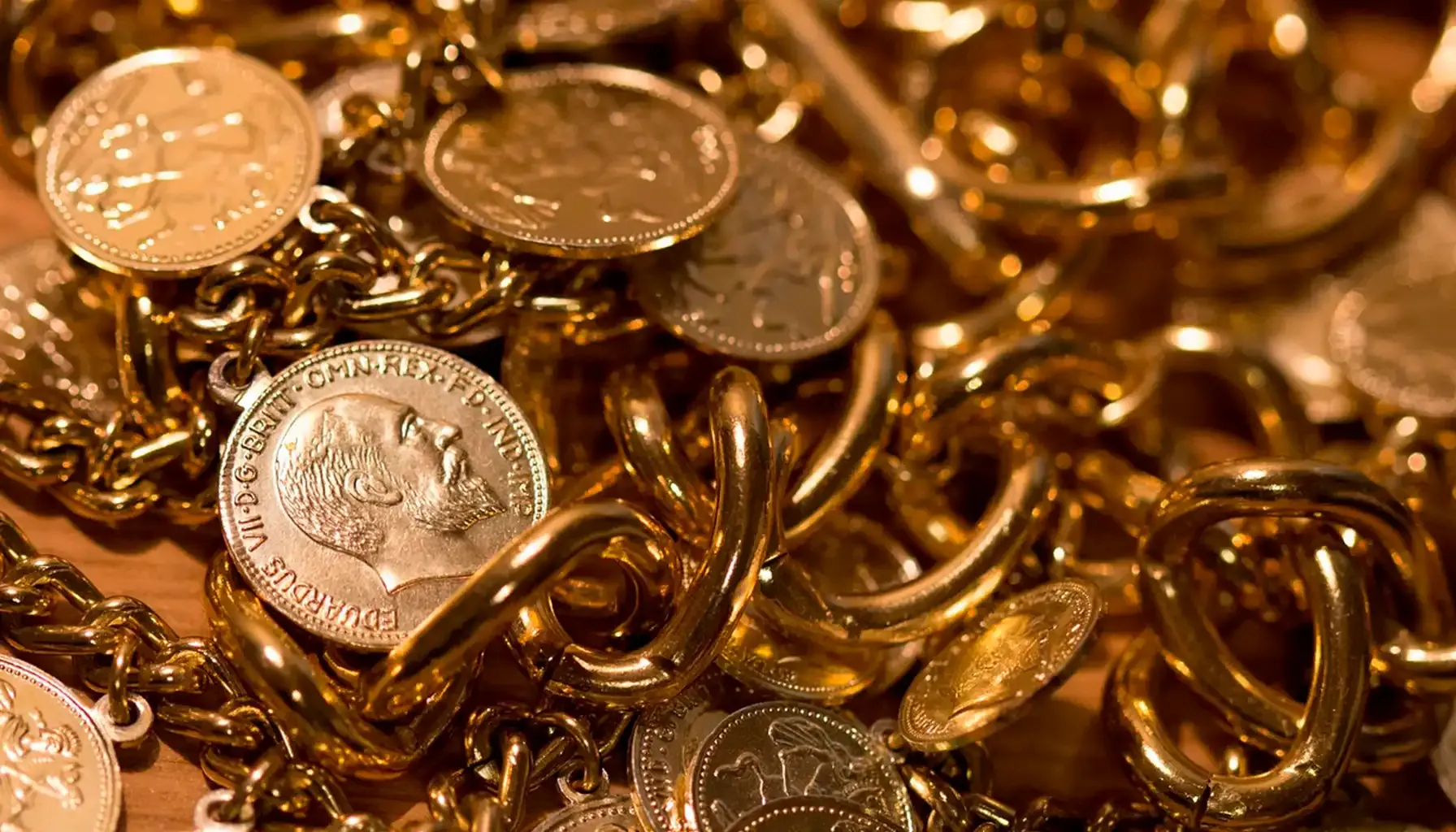
For centuries, we’ve been tearing up the earth for a few bright specks: digging deeper, burning fuel, carving into mountains just to scrape a little metal from tons of rock. It doesn’t have to be that way. We can find a smarter way to keep the gold and stop wrecking what’s left of the planet. We can recycle gold and keep the metal in circulation without tearing up another hillside.
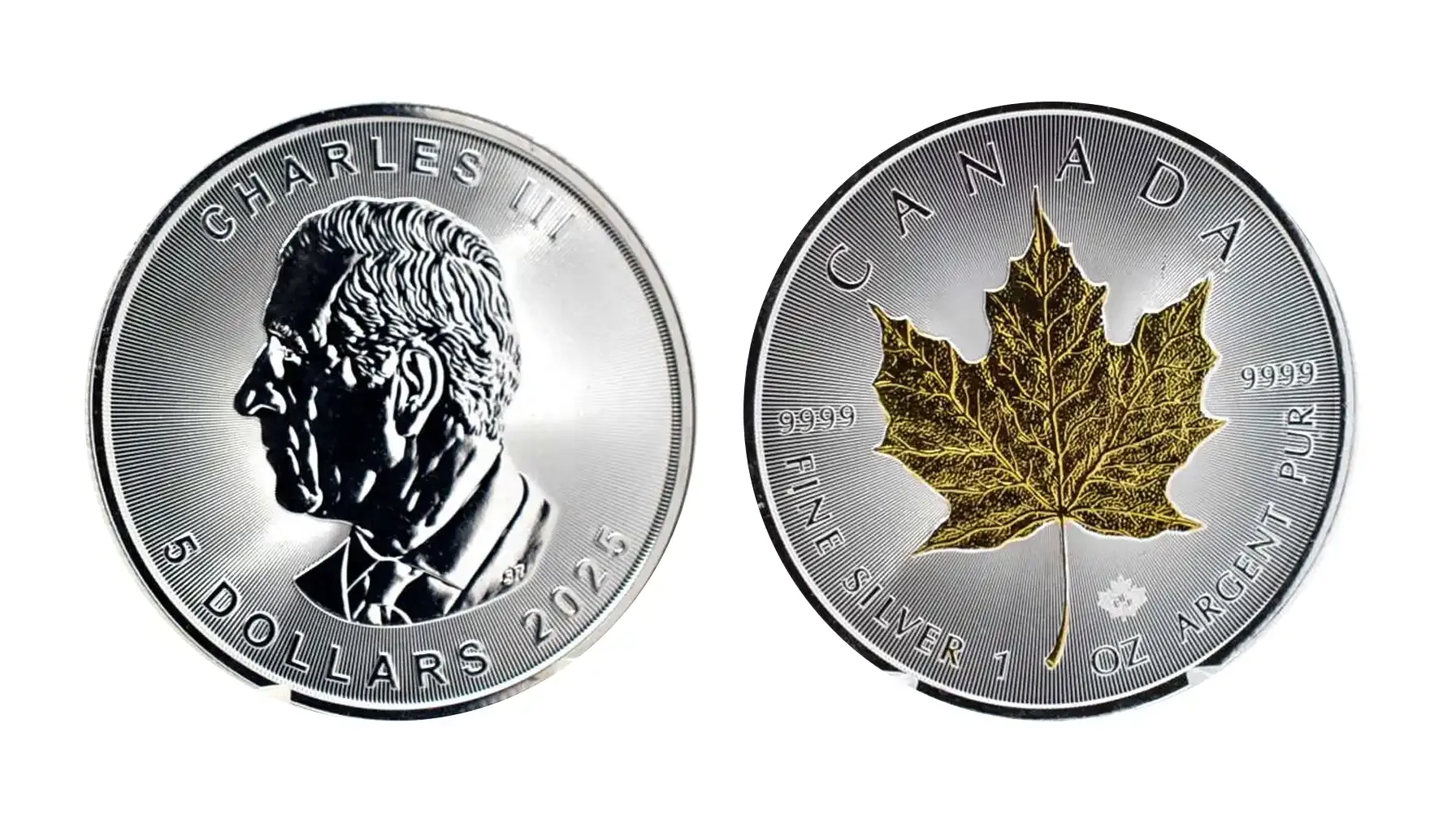
For example, maybe you already have a coin that you think is gold? It’s a great investment, but you would need to double-check. Start with an online coin identifier - a program that will tell you online what kind of coin you have.
Why Reusing and Recovering Gold Matters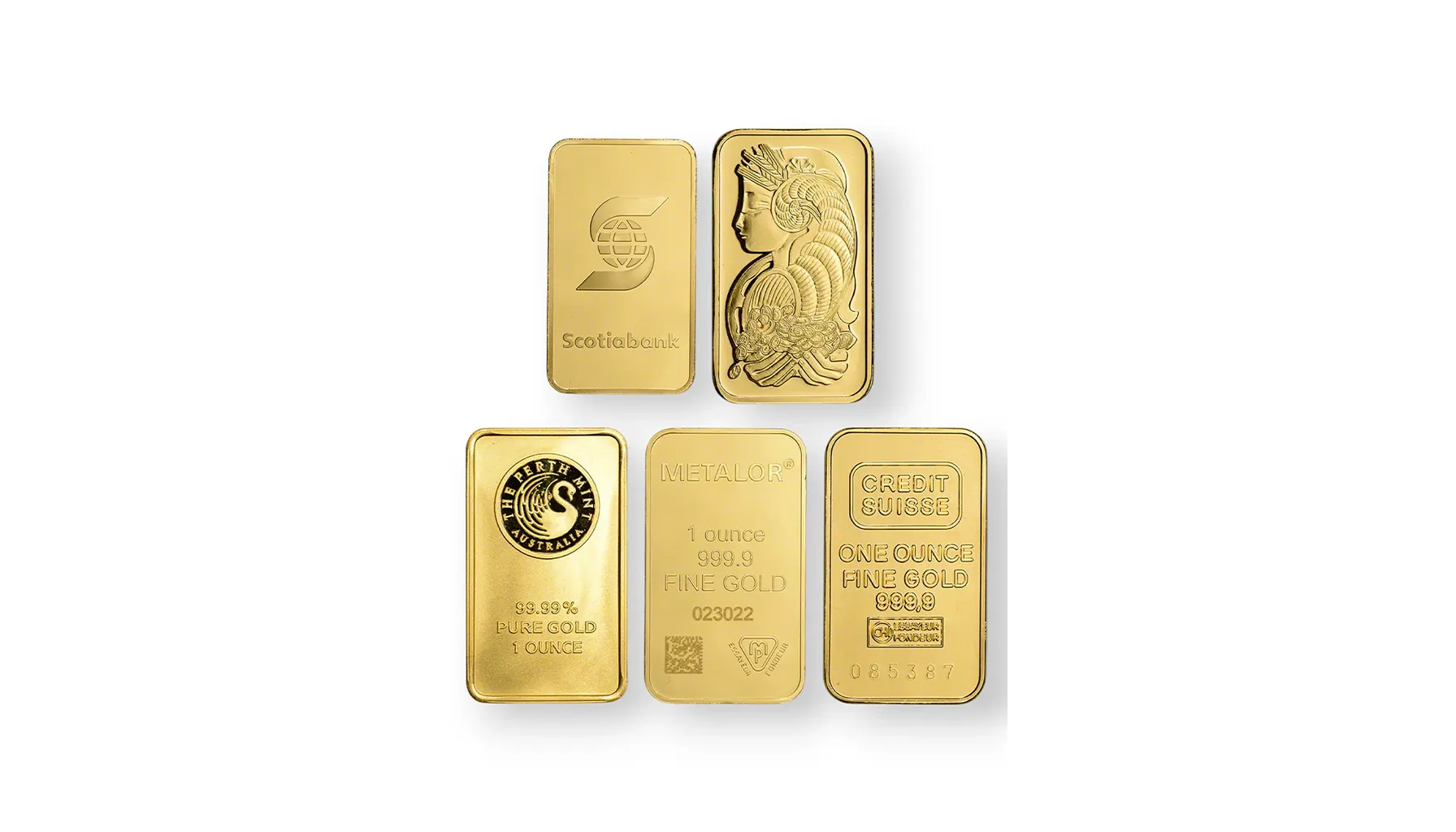
To pull 10 grams of metal from the ground, you can end up shifting around five tonnes of ore. Think about that scale for a second, truckloads of rock, rivers rerouted, forests shaved down to stumps. To clean it, you would need chemistry: mercury, cyanide, tailings ponds, and fumes.
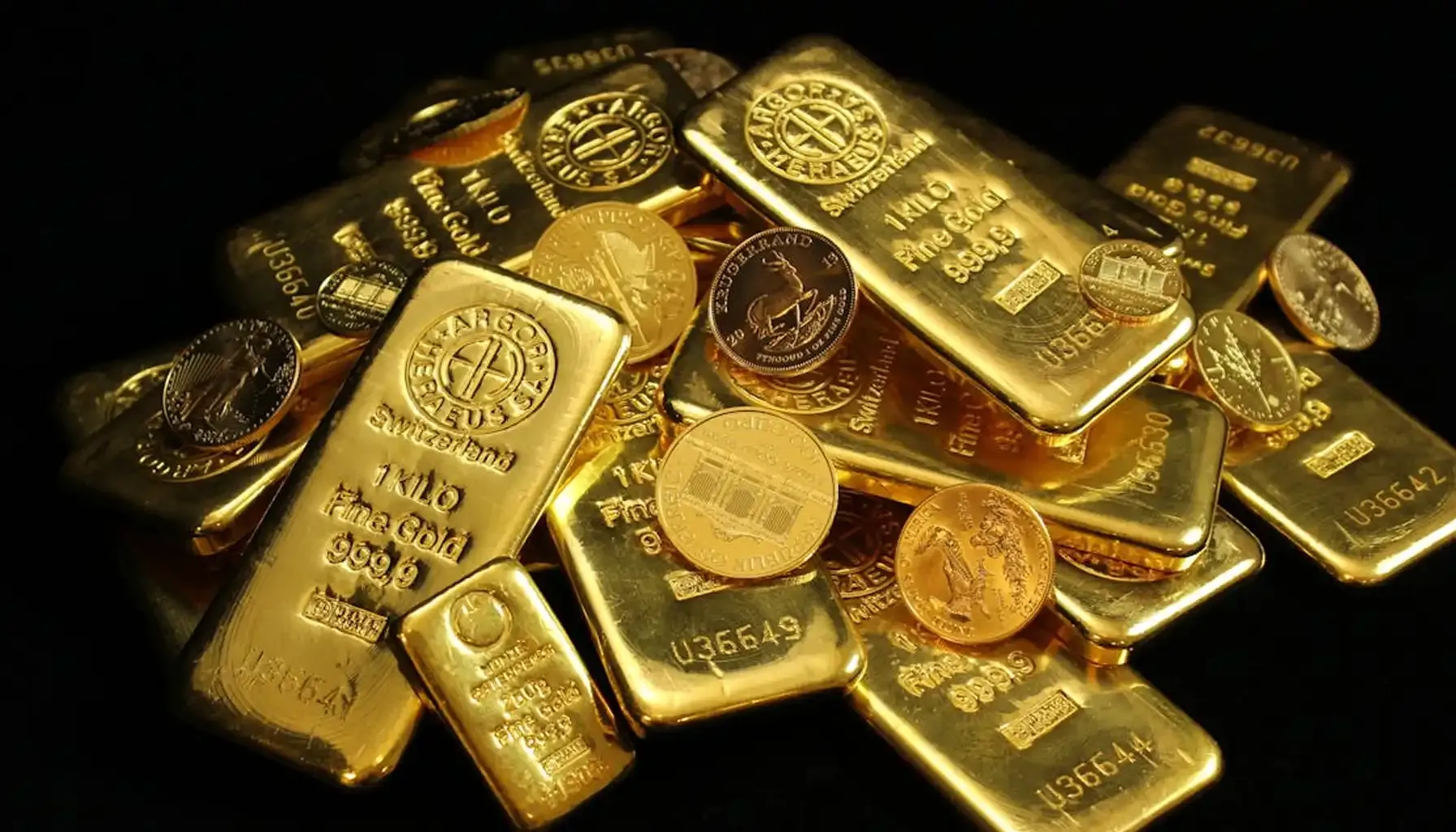
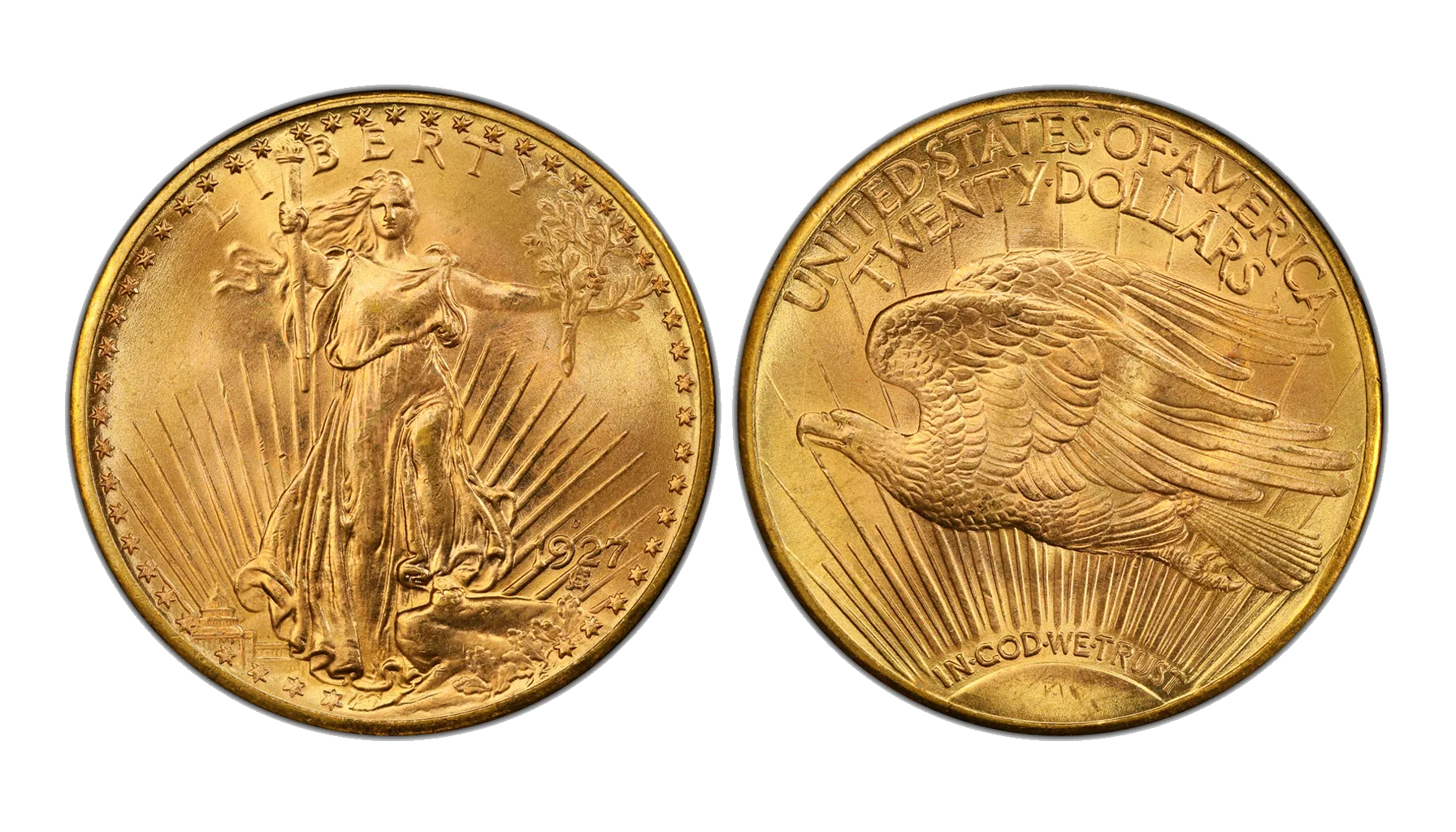
Old rings, dental alloys, 1927 D Double Eagle Coin, scrap from factories, dead laptops: there’s gold hiding in all of it. Melt, refine, return to pure. No new mine, far less fuel, and far fewer chemicals. Same metal at the end.
People call this urban mining: treating our junk drawers, server rooms, and municipal e-waste piles like modern ore bodies. The gold we already extracted once becomes the supply for the next generation of circuits and jewelry.
Every gram recovered from existing goods is a gram not blasted out of a pit
Refineries can separate gold from silver, palladium, and platinum cleanly, then send it back into bars, coins, contacts
Some programs even donate part of their profits to environmental projects, so the value recirculates twice: money and impact
Recycled metal is chemically identical to newly mined.
Recycle Gold Jewelry: Giving Old Pieces New Life
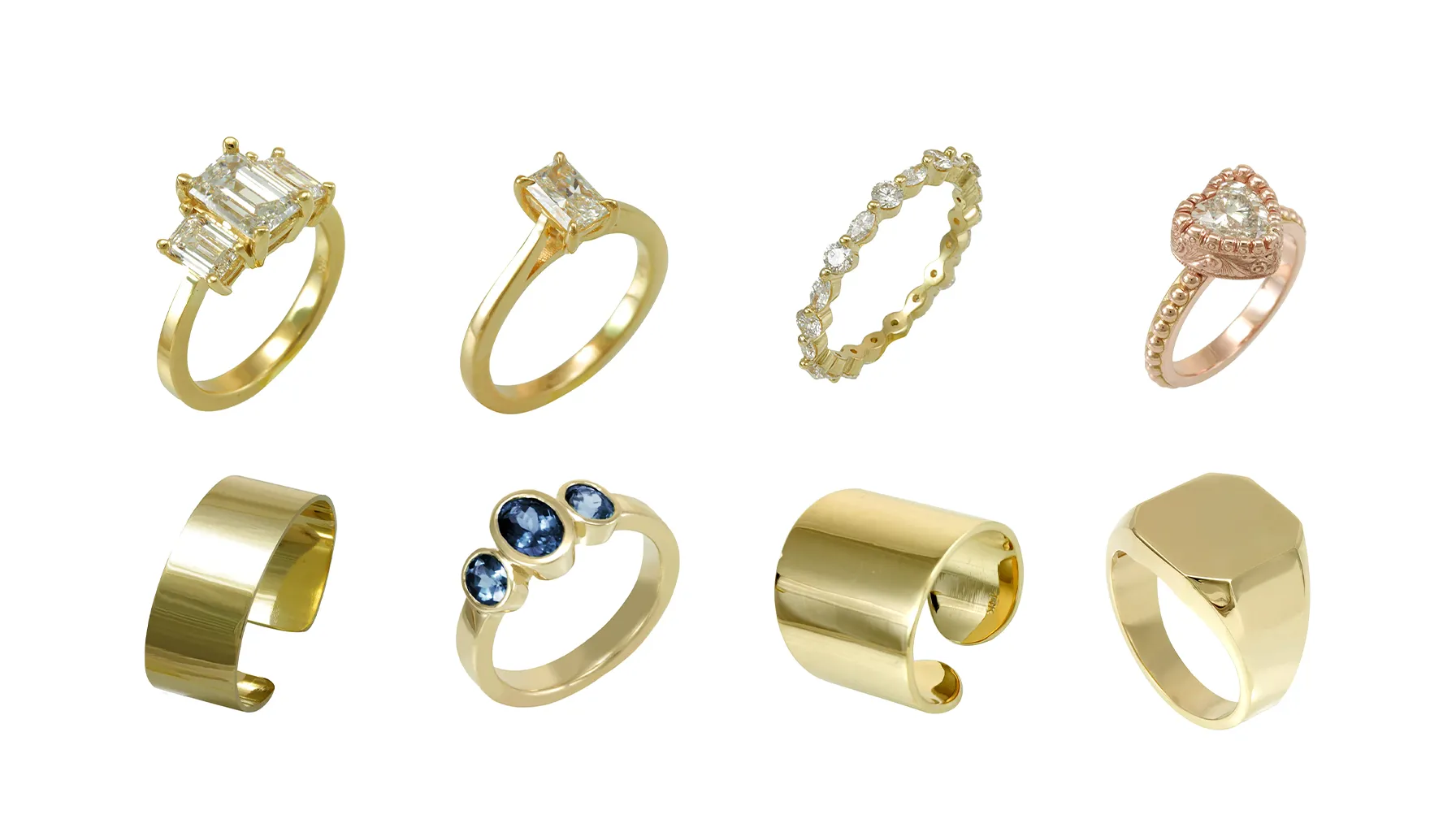
When you recycle gold jewelry, you’re doing two things at once: keeping valuable metal in circulation and skipping the destruction that comes with mining fresh ore.
Refineries and precious metal foundries do this every day:
Sorting & Inspection: jewelers or refineries separate pieces by karat, color, and condition. Stones, pearls, or glass beads get removed by hand
Assay Testing: a small sample is melted and tested to determine exact purity. This matters because a 14k ring doesn’t contain the same percentage of gold as an 18k necklace
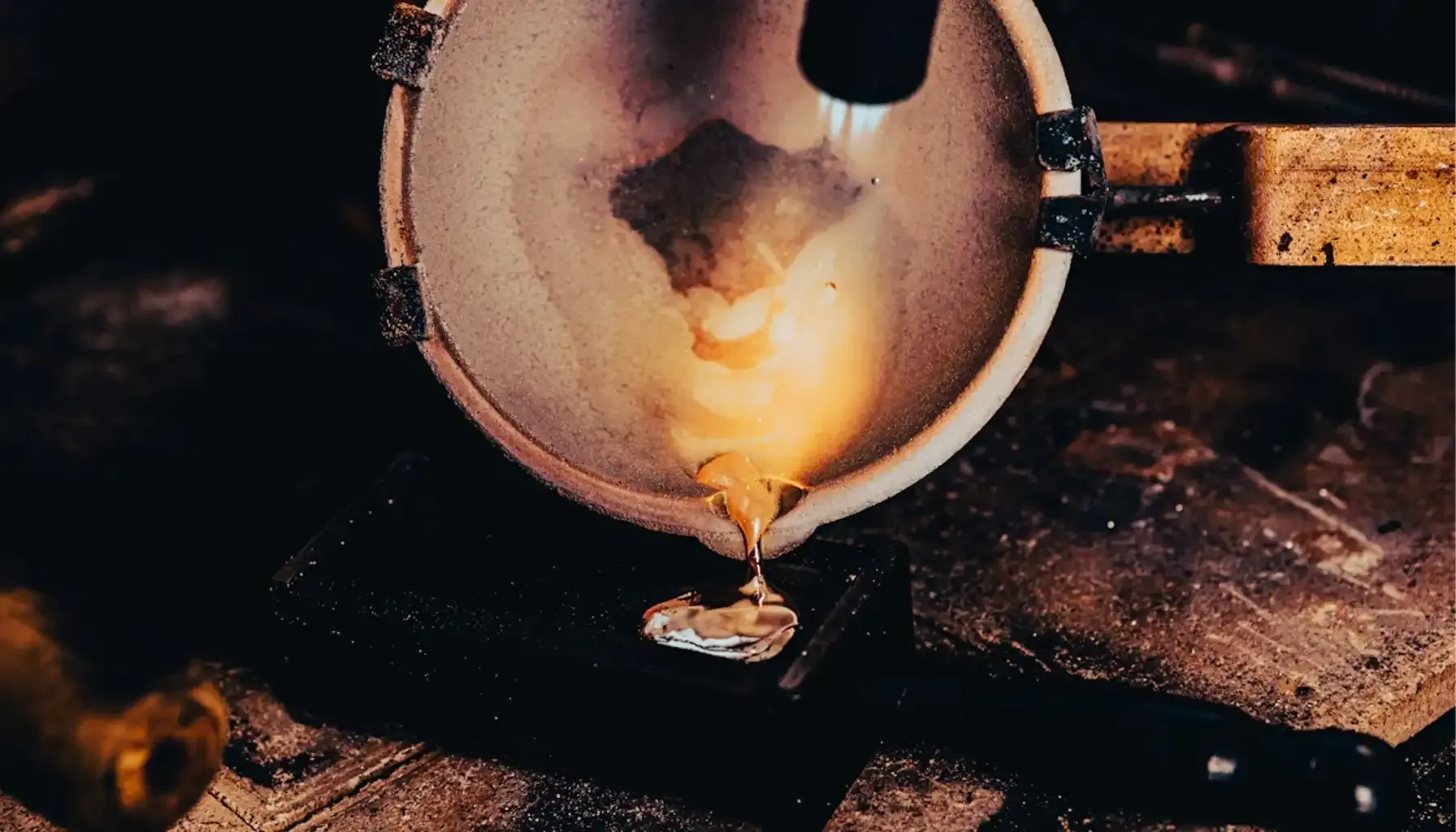
Melting & Refining: the metal is melted down in high-temperature furnaces. Impurities and other alloys rise to the surface and are skimmed away. What’s left is fine gold, pure and reusable
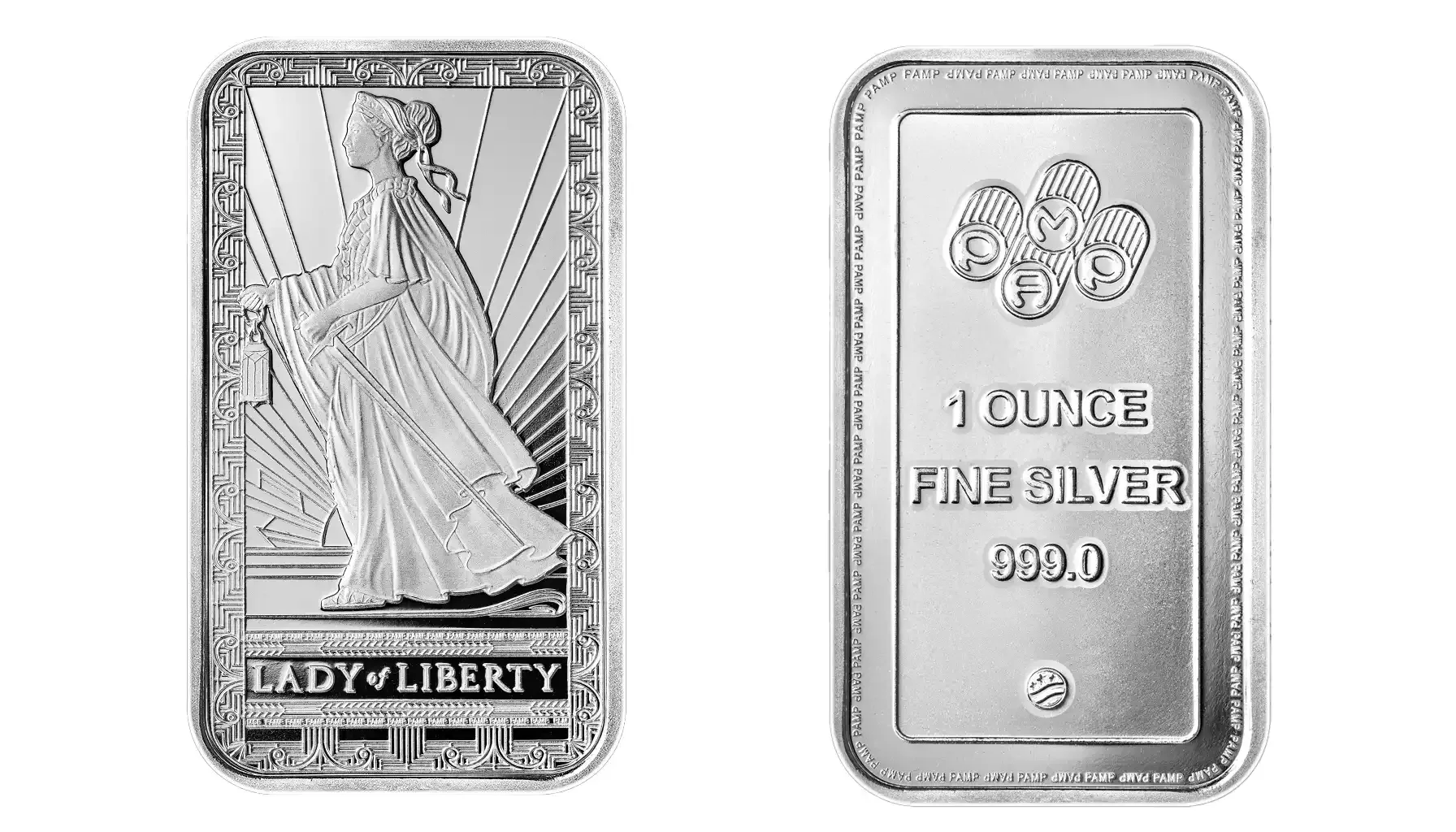
Casting or Sale: the cleaned gold that can be turned into bars, coins, or new jewelry, or sold to refiners for its metal value
Gold Coins: were not in apocalyptic times, so it’s better not to break such a historical masterpiece for a few grams of metal
Many people forget about dental alloys: crowns, fillings, and inlays. These can contain up to 90% gold, mixed with silver or platinum.
Recycling gold this way means no mercury, cyanide, or digging. Some refiners even share profits with environmental charities. You make money, they replant forests or clean rivers.
Recycle Gold from Electronics – The Modern Gold Rush
Old phones, laptops, printers, memory sticks, routers: all of them packed with tiny threads of gold. Gold resists corrosion and conducts electricity flawlessly. That’s why it hides inside your phone’s SIM tray, your computer’s CPU, even the edge connectors on old RAM cards.
There’s more gold sitting in scrap electronics than in some open-pit mines. A ton of discarded circuit boards can yield 200 grams of metal. And forty dead smartphones can contain about as much gold as a ton of raw ore pulled from the ground.
Here’s where it shows up most:
Motherboards & Circuit Boards: how to recycle gold from circuit boards? Plated layers and contacts that can be stripped, melted, or refined
Connector Pins & Sockets: recycle gold pins, those tiny gold-plated teeth inside cables and processors
RAM & Graphics Cards: often called recycled gold edged memory, these have gold traces along the contact edge
Cables & Switches: older or industrial models sometimes use real gold in high-end connectors
Now, could you recycle gold from electronics at home? Sort of, but not the chemical way. Many DIY guides use acid baths or cyanide solutions, don’t! Those fumes are toxic, and the waste can contaminate water.
The safer move is to send circuit boards to certified e-waste recyclers or specialized refineries. They separate the gold using industrial filters, heat, and electrolysis.
Gold Recycling Without Harsh Chemicals
Learning how to recycle gold without chelicals starts with understanding separation.
Mechanical Separation: machines shred old electronics or jewelry into fine particles. Magnets, air jets, and filters then pull metals apart based on weight and magnetic properties. Gold, being dense and nonmagnetic, settles out cleanly
Thermal Recovery: specialized furnaces heat scrap to high temperatures. Non-metal components burn off, leaving metal alloys behind. This works well for circuit boards and connectors
Electrolysis: refineries use an electric current to separate pure gold from alloyed metals. The process takes place inside sealed, controlled systems — no fumes, no runoff
Closed-Loop Systems: the best refineries recapture every bit of waste gas and residue for reuse, keeping pollution close to zero
These approaches are slower than dumping acid into a bucket, but they’re safer for everyone, especially the people doing the work.
Mercury and cyanide were once seen as “necessary evils.” They’re not. Every major refinery in Europe, Japan, and Australia has already phased them out. Certified recyclers now use eco-friendly refining salts and physical filtration to recover over 99% of the metal.
Understanding Gold Recycle Prices
The gold recycle price follows the same global charts as newly mined metal. If the market sits around $2,400 per ounce, refineries base their payout on that figure, adjusting for the purity of what you bring in.
Item | Average Purity | Example Weight | Approx. Recovered Gold | Market Value (at $2,400/oz) |
14k Jewelry | 58.3% | 10 g | 5.83 g | ~$450 |
18k Jewelry | 75% | 10 g | 7.5 g | ~$580 |
Dental Alloy | up to 90% | 10 g | 9 g | ~$700 |
Electronic Scrap | ~15% recovery | 1000 g | 150 g | ~$11,600 |
These are estimates; every refinery tests and pays differently.
Can You Recycle Gold at Home?
Technically, yes, but probably not the way you think. You can melt old jewelry or small bits of scrap in a crucible using a propane torch or kiln. That’s safe enough if you’re careful. But chemical extraction? Forget it. Don’t even try.
Every “DIY recovery” video online makes it look easy: pour acid, swirl, watch gold flakes appear. But what about the part where toxic fumes can scar your lungs, the residue eats through plastic, and the waste poisons soil? Professionals use sealed systems and filtered exhausts.
Don’t even try to clean coins made of gold in any way, even if it’s safe! You wouldn’t use a duster on an ancient Roman vase; why would you do the same to the coin?
Can you recycle gold at all without gear? Yes. The smart route is to sell or donate your material to a trusted buyer or certified recycler. They’ll assay, melt, and refine it properly. You’ll still get paid for purity and weight, and the metal goes back into circulation safely.
You can also work with local jewelers who run small in-house recycling programs. Many take trade-ins: they’ll melt your old ring and credit its metal toward a new one.
Eco-Friendly Initiatives and Local Recycling Programs
Local efforts matter too. If you live near a recycle centre Gold Coast, or a similar regional facility, chances are they handle e-waste and precious metals together. Certified centers test materials in sealed labs, separating gold, silver, and copper mechanically instead of chemically. They’re regulated, audited, and required to dispose of residues safely.
Ask questions before selling or sending anything out:
Where does the refining happen?
Do they use mercury or cyanide?
What percentage do they donate or offset?
Comparing Environmental Impact — Mining vs. Recycling
Source | Energy Use | Environmental Damage | Gold Yield (per tonne of material) |
Traditional Mining | Extremely high | Deforestation, toxic runoff, and carbon emissions | 1–5 g |
Electronic Waste | Moderate | Minimal (if properly handled) | 200 g |
Jewelry Recycling | Low | Negligible | 900 g+ |
The Future of Urban Gold Recovery
The phrase circular economy gets thrown around a lot, but gold fits it perfectly. Once extracted, it never dies; it just changes form.
So the question isn’t how to recycle gold anymore. It’s how fast we can build the systems to keep it moving, cleanly, safely, endlessly.

 Facebook
  X (Twitter)
  Pinterest
  LinkedIn