Contents:
The world is once again turning its attention to silver. The silver mining stocks market in 2025 shows room to grow, fueled by innovation, the global energy shift, and higher demand for silver-based components.
To analyze these stocks, you can use the best app to check coin value—an app that determines price and origin based on a photo.
From Ore to Coin: The Silver Mining Journey That Defines Quality
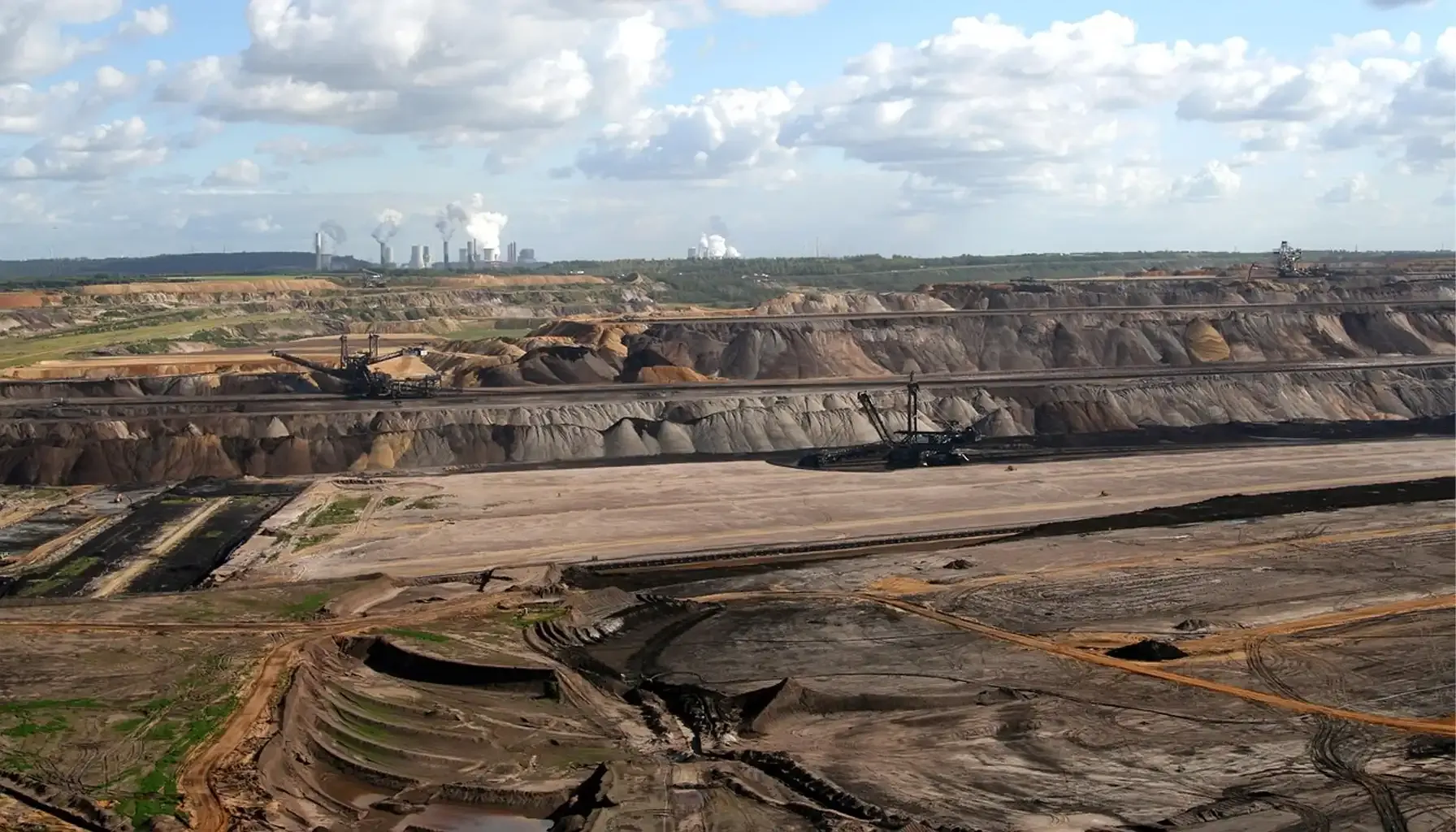
The history of silver begins underground—in mines where ore contains tiny fractions of the precious metal, fused with zinc, copper, and elements of the platinum group metals.
The quality of ore processing directly impacts the future value of a coin or investment bar. Silver Spring Mining Company is constantly implementing new refining and automation methods.
"I think we're in an allocation shift now where it's going to be time to be out of stocks and into gold and silver, and maybe commodities generally,"
– David Morgan of the Morgan Report.
Investing News Network website.
Traditional vs Modern Mining Methods
Silver mining once relied on manual labor and simple tools. Today, mechanized systems, robotics, and data-driven analytics are used. In the 20th century, mines in Canada, Peru, and Mexico were the first to industrialize the process.
Modern methods reduce costs and minimize environmental damage:
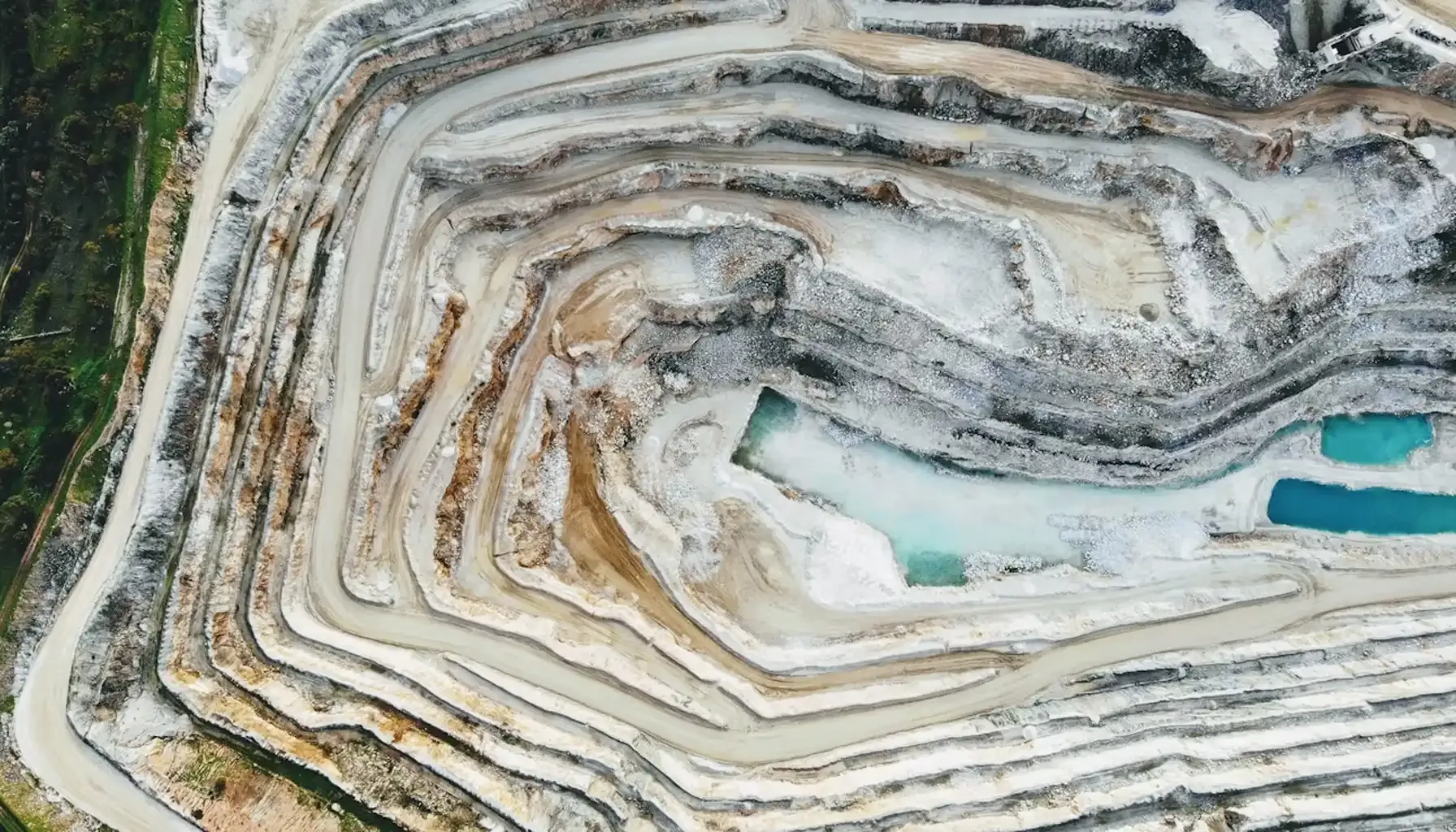
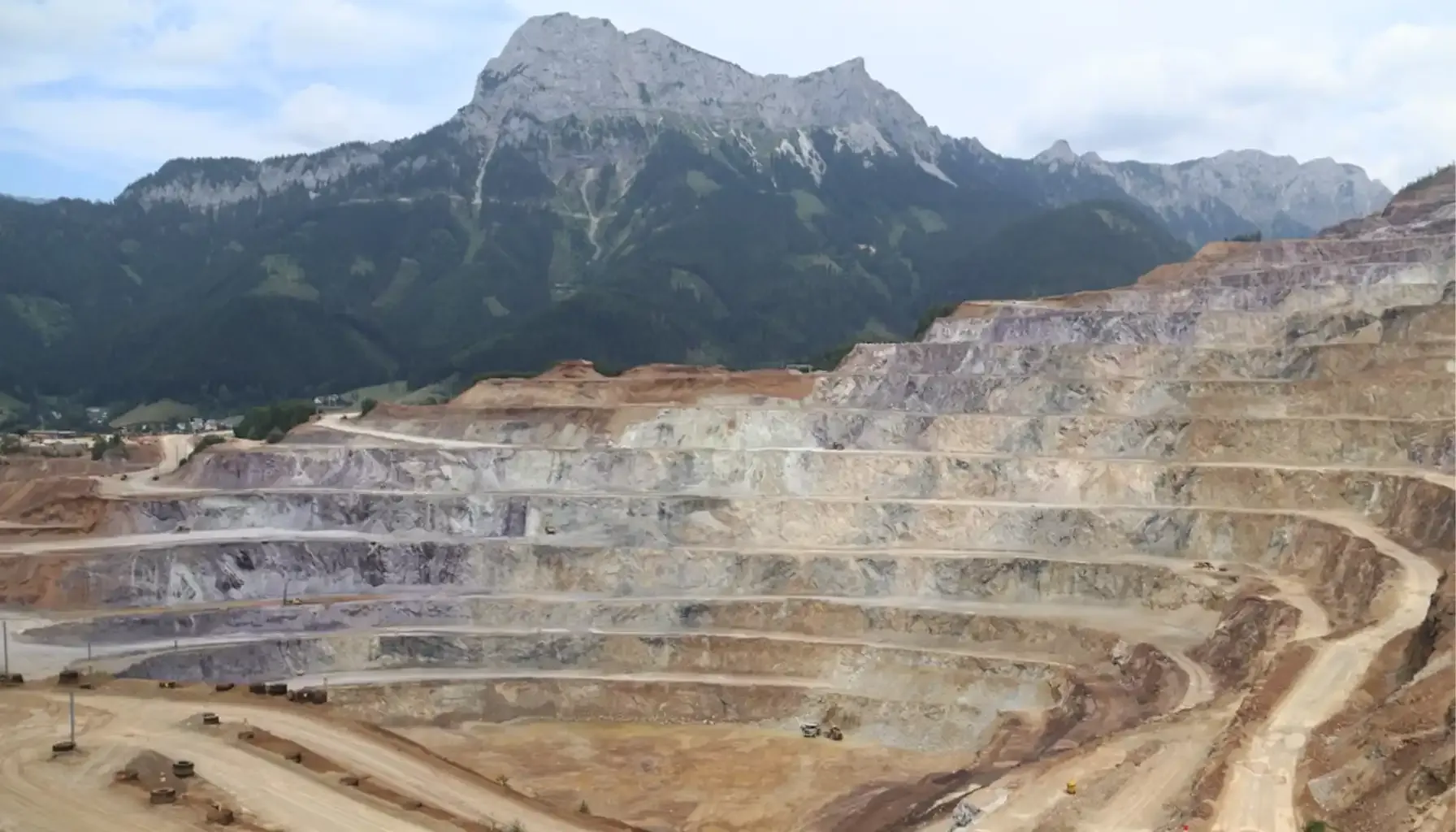
Open-pit mining is used when the metal content in the upper layers is high.
Underground mines are used when the ore structures are complex.
Flotation and cyanide leaching are used to extract metal from copper and lead ores.
Some silver storm mining firms stand out for their hybrid refining and processing technologies, a big plus for sustainability-focused investors.
How Purification Affects Coin Durability
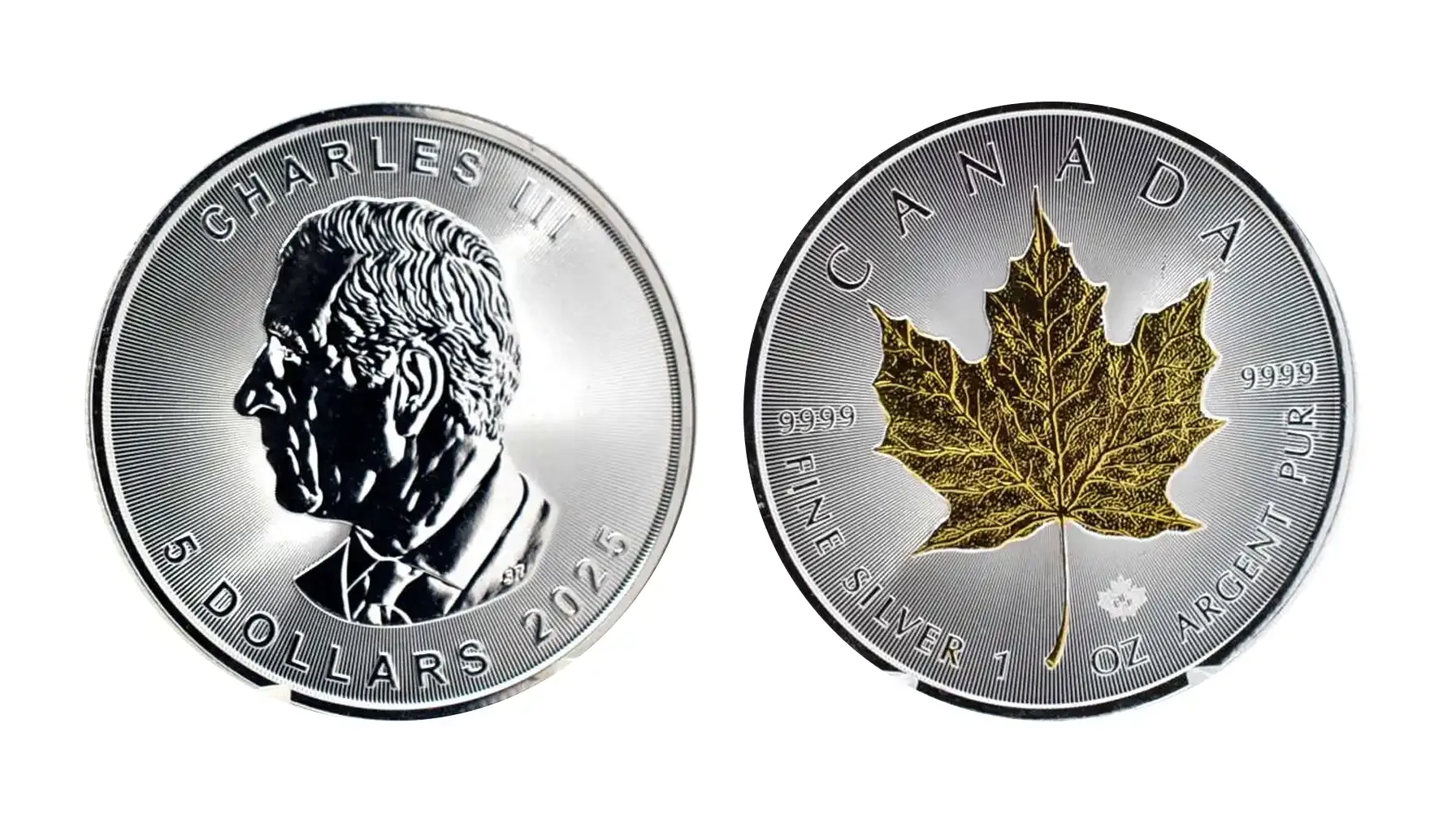
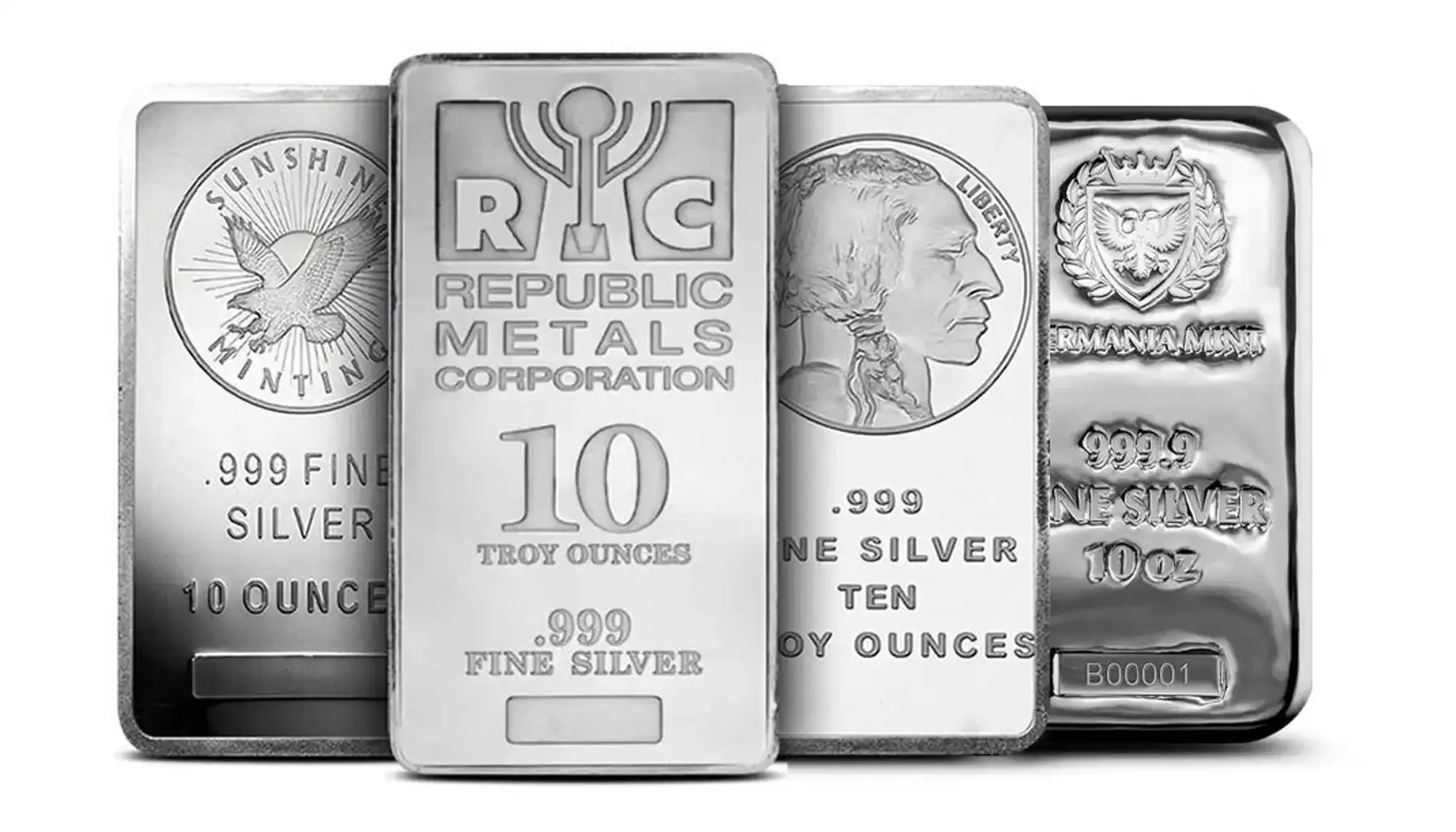
After mining, the ore undergoes several stages of purification. The higher the purity of the metal, the longer the coin retains its luster and structure. The industry standard is 99.9% purity.
However, minor variations in composition can indicate a specific era or even the mine of origin. This is why coins with a purity greater than 99.999% are rare—they are prized by collectors alongside historical issues like the Morgan Silver Dollar.
Reading Silver Like a Pro: What Your Coins Reveal About Their Origins
Each coin carries the “DNA” of its mine, for example, metal from the Andes differs from American metal in color, density and reflectivity.
Identifying the Mining Era Through Metal Characteristics
19th-century silver often contains traces of lead and copper, which give it a slightly warm hue.
20th-century coins have a cool luster due to the transition to electrolytic refining.
Modern silver products (including silver coins) have a uniform structure and a nearly mirror-like surface.
Common Defects Linked to Mining Techniques
microcracks from uneven cooling of the metal,
pores from poor electrolysis,
weak relief due to excess impurities.
In the collecting world, these defects can turn into rare variants that raise a coin’s value. That’s key to know if you’re buying or appraising coins in silver-related markets or auctions.
The Collector's Toolkit: Best Apps for Cataloging and Valuation
Modern technology makes it possible to manage your collection and investments from your phone. Coin appraisal apps automatically recognize the metal, mintage year, and even the origin of the ore. This is especially useful for those who follow the dynamics of gold and silver mining stocks.
Top 3 Coin Collection Management Apps
App | Main Features | Accuracy Level |
Coin ID Scanner | Identifies coins by photo, database of 187,000+ items | 98% |
Coinoscope | Image search with automatic sorting | 92% |
Maktun | Collection catalog with rare varieties | 89% |
The Coin ID Scanner app stands out among its peers. Its features include coin identification by photo, automatic composition and year detection, adding coins to your digital collection, smart filters, and manual search.
How to Use Mining Knowledge in Appraisals
A bit of knowledge about mining tech can make it easier to evaluate a coin’s true condition.
coins with slight color irregularities may come from mines with high copper content;
weak engravings often indicate outdated refining methods;
heavier specimens from the 1940s are likely the result of increased impurity levels.
When working with etf silver mining funds, investors use the same analytical principles—sources, quality, and production consistency—as collectors do when selecting coins.

FAQ: Silver Mining Questions Every Collector Asks
Does mining location affect coin value?
Yes. The deposit influences the metal's composition and its price. Coins from regions with historically renowned mines, such as Bolivia or Mexico, often command a premium on the market.
How to spot fake silver coins using mining knowledge?
Counterfeits often differ in weight and tone. Genuine silver from an industrial source produces a cool, pure sound and is not attracted to a magnet. Using analytics from silver mining news helps verify data on genuine samples.
Best way to preserve mining-era characteristics?
Store coins in capsules away from oxygen and moisture. Avoid cleaning with abrasives, as this will remove the natural patina that can help identify the coin's origin.
Where is silver mostly mined?
The largest sources of silver are Peru, Mexico, Canada, Bolivia, and Australia. Today, top silver mining companies from these countries control over 70% of the world's supply.
Is mining silver profitable?
Yes, especially during periods of energy transition. Silver is in demand for solar panels and electronics. Investors are actively buying the most undervalued silver mining stocks, counting on long-term growth.
How do you mine silver?
Modern mining involves several stages:
Geological exploration and rock composition determination.
Blasting and ore crushing.
Flotation beneficiation.
Electrolytic refining.
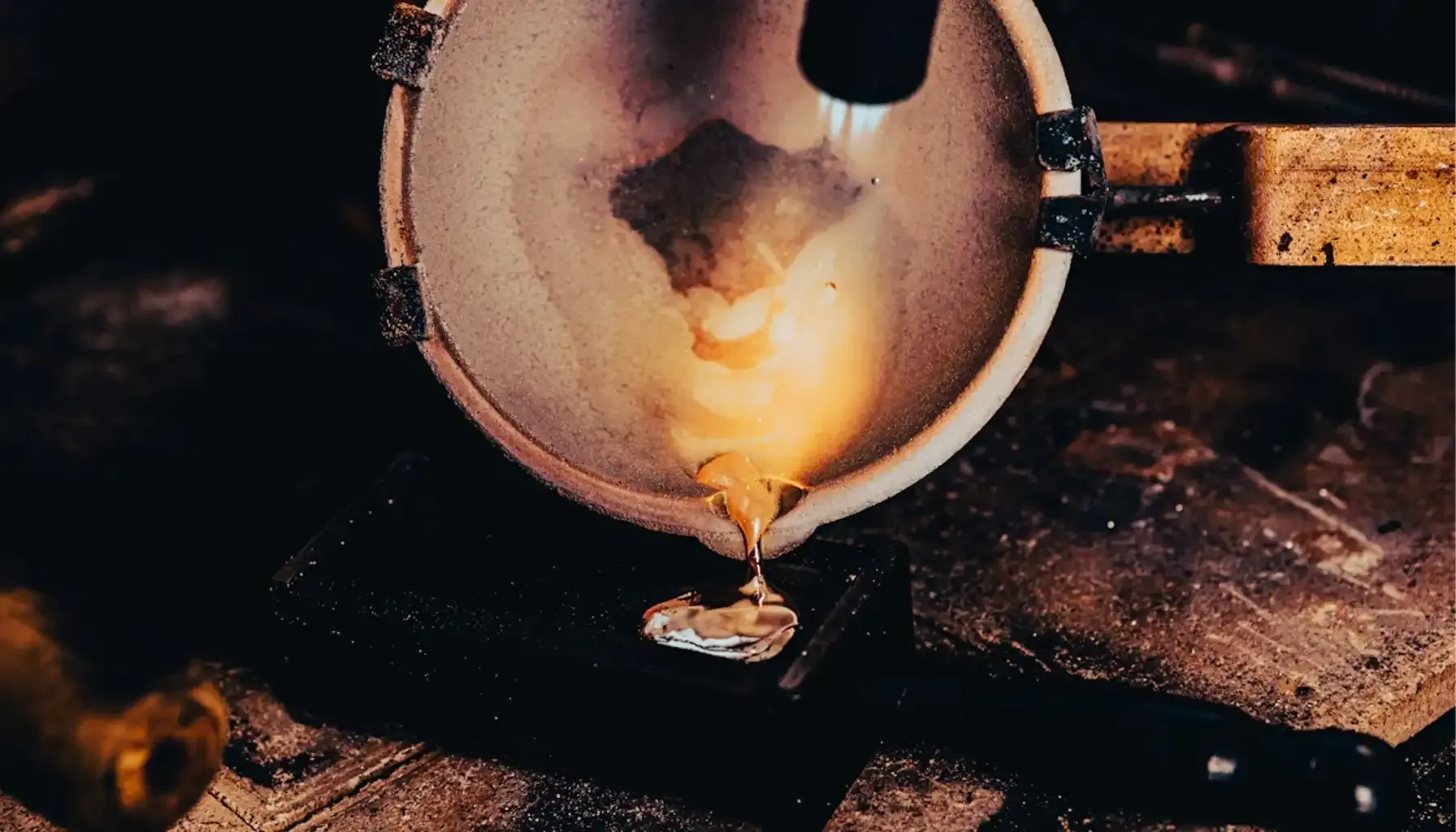
Casting and marking of finished metal.
Some companies, such as Silver Elephant Mining Stock, specialize in environmentally friendly processing technologies, reducing mercury and carbon emissions.
Conclusion
Now that you understand how silver quality is determined—from ore to coin—it's time to put this knowledge into practice. Use the Coin ID Scanner to identify coins by photo, check their characteristics, and track their true value.
If you're interested in investing, consider silver mining etf—they give you access to the silver mining sector without buying shares or physical metal.
By systematically applying this knowledge, you can increase the value of your collection by 15–30% within a year. This is a step toward conscious collecting and confident investing in precious metals.

 Facebook
  X (Twitter)
  Pinterest
  LinkedIn