Contents:
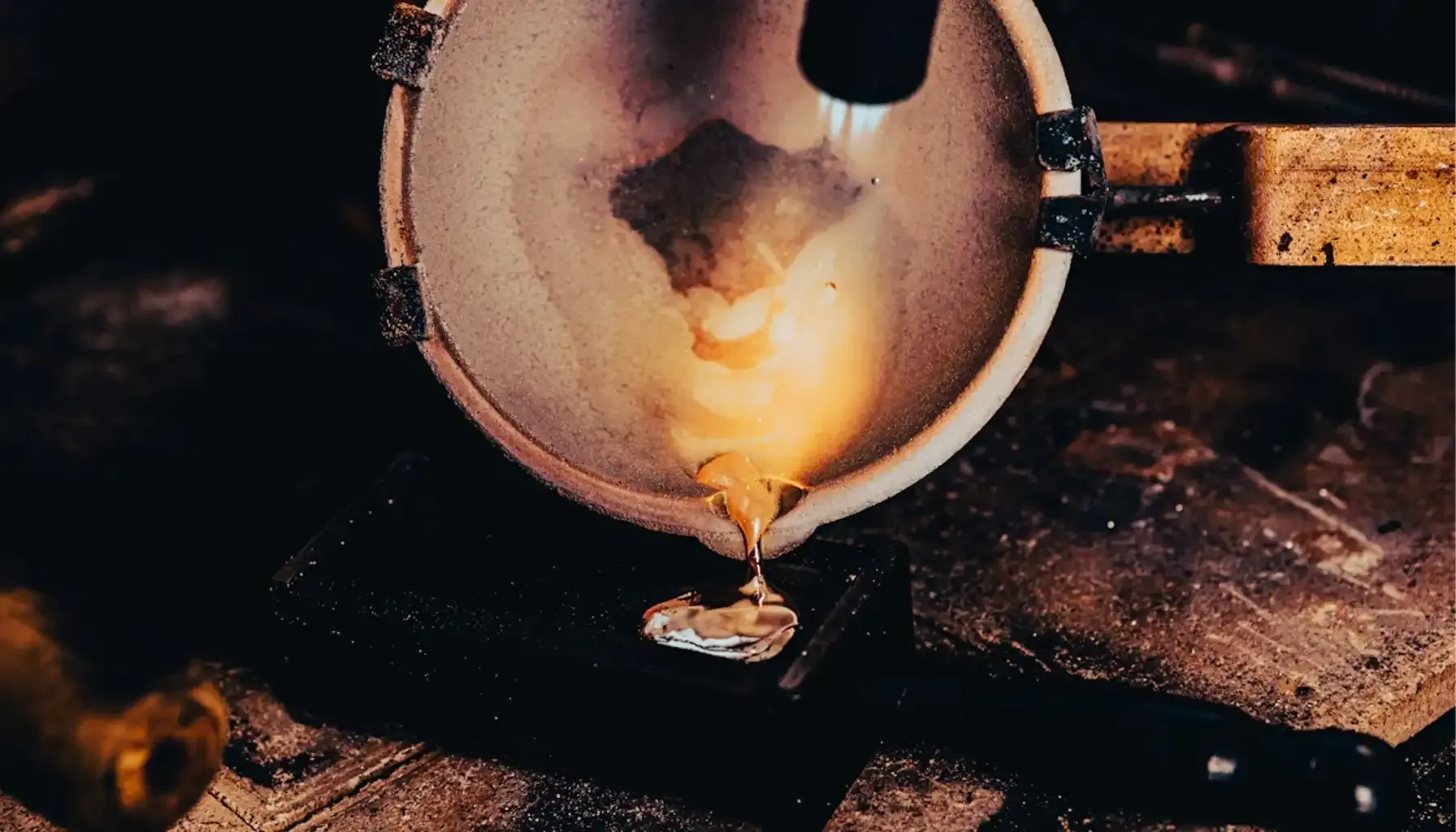
Silver prices rise, old pieces sit unused, and at some point, the thought arises of checking whether melting is even an option.
At the start, it is convenient to use a foreign coin identifier—it helps determine exactly what type of item you are dealing with.
U.S. Laws on Melting Coins
American legislation has always treated coins as part of the monetary system. This matters because any restrictions on melting have historically been introduced to protect circulation.
The United States followed the principle of free coinage of silver, under which private individuals could bring silver to the mint and receive pieces of an established standard. This system operated in the 19th century but was gradually phased out.
In 2006, the U.S. Mint officially introduced temporary restrictions on the export and melting of certain currency units due to shortages in circulation.
Formally, this applied to cents and nickels, but the precedent itself demonstrated that the state reserves the right to limit any actions involving metal currency if they affect the market.
Is It Illegal to Melt Silver U.S. Coins
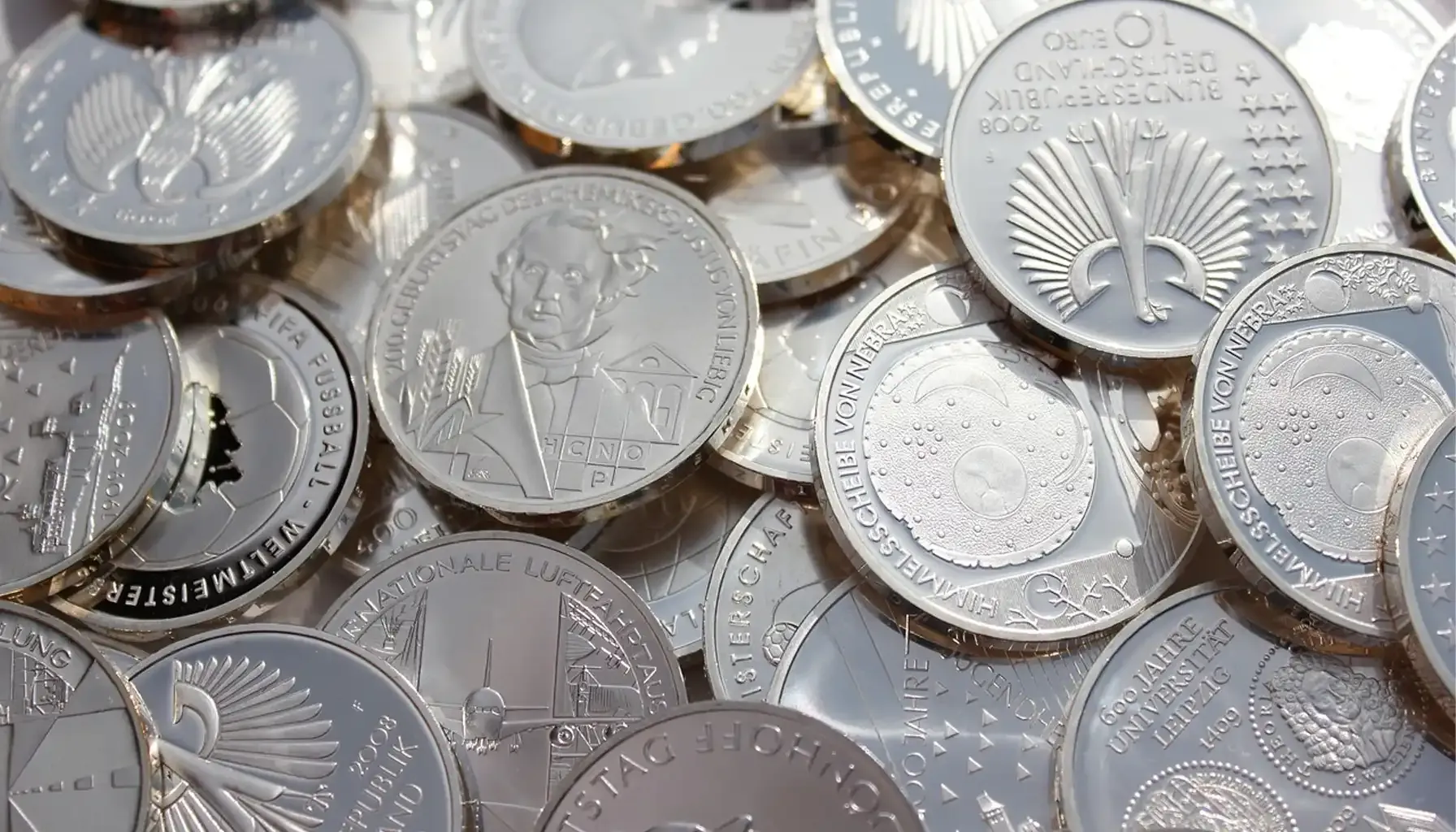
Most U.S. silver coins issued before 1965 have long been withdrawn from circulation. This means that their processing is not prohibited by default.
At the same time, it is important to understand the boundary. The law prohibits the destruction of coins with the intent to disrupt monetary circulation or to extract speculative profit by creating shortages. For an ordinary collector or investor who melts a small quantity of silver pieces, this risk remains minimal.
“It is not illegal to melt, destroy, or modify any U.S. coins in the United States.”
— A legal overview article
Atlanta Gold & Coin Buyers website
When Coin Melting Is Restricted
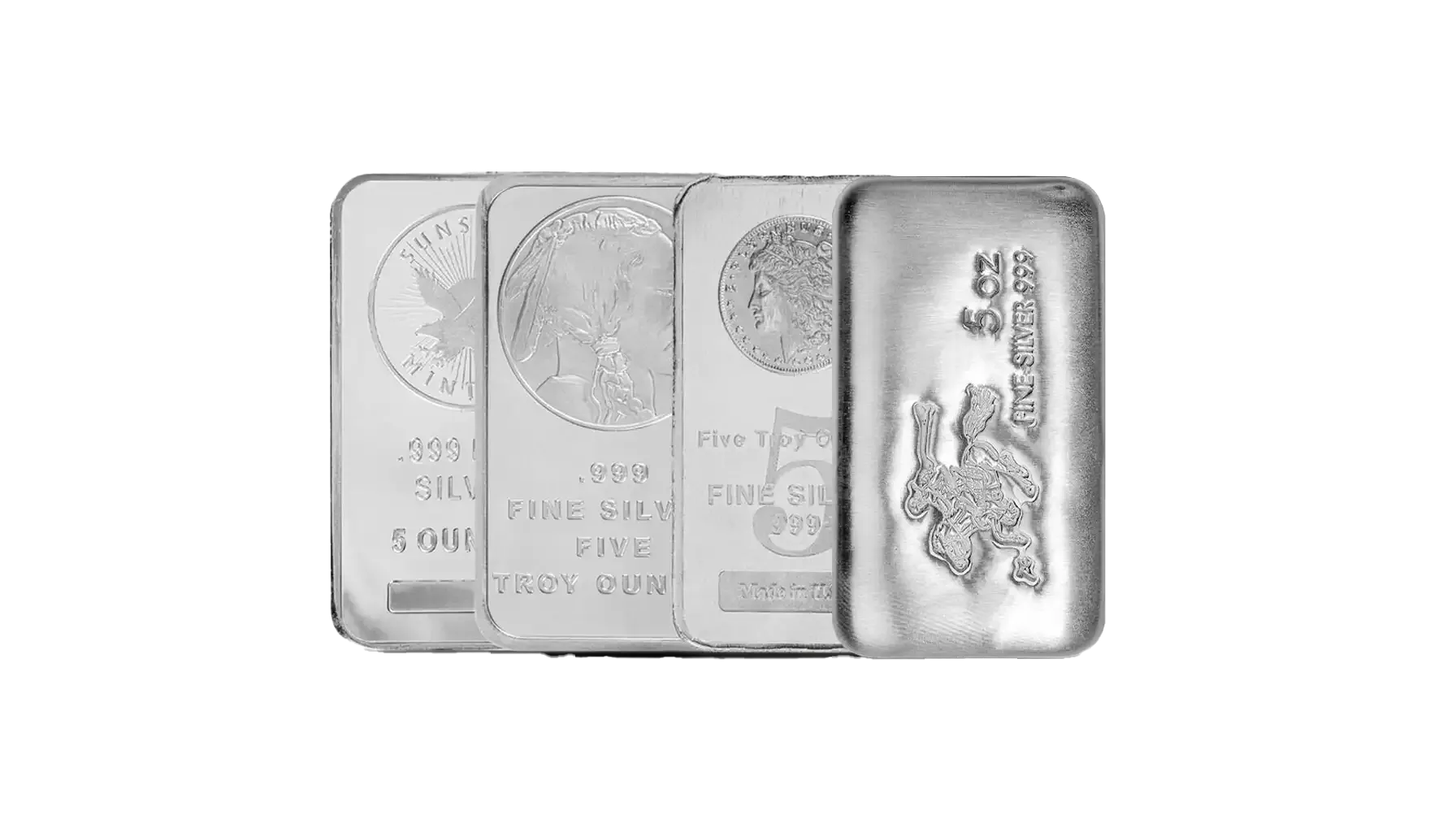
Restrictions tend to appear situationally. Bans usually apply to:
Pieces that are in active circulation;
Situations where melting is carried out on an industrial scale;
Cases involving the export of large batches of currency units.
Is it illegal to melt down silver US coins? Older silver issues and modern circulating coins represent legally different categories, even if the metal inside appears identical.
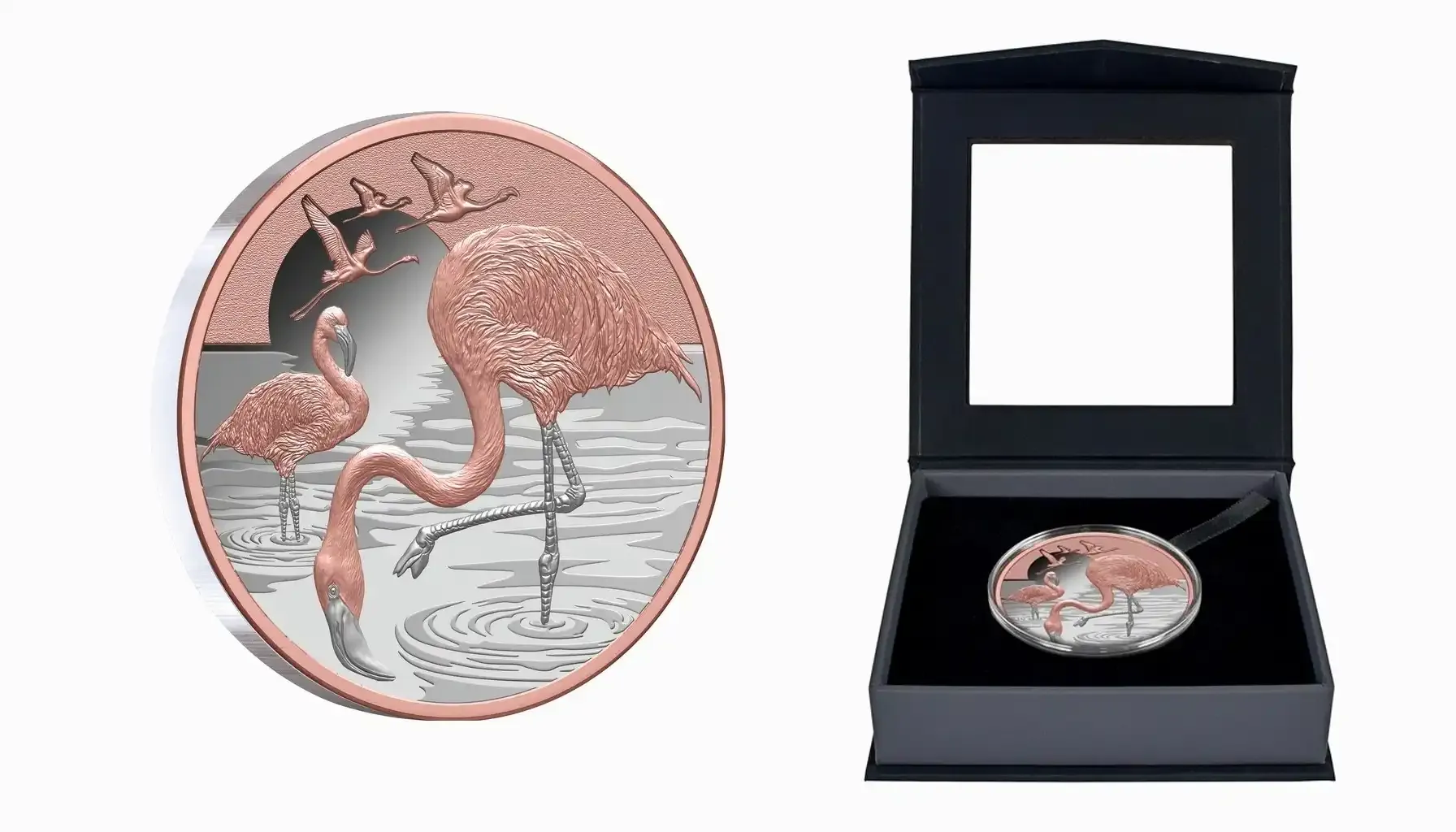
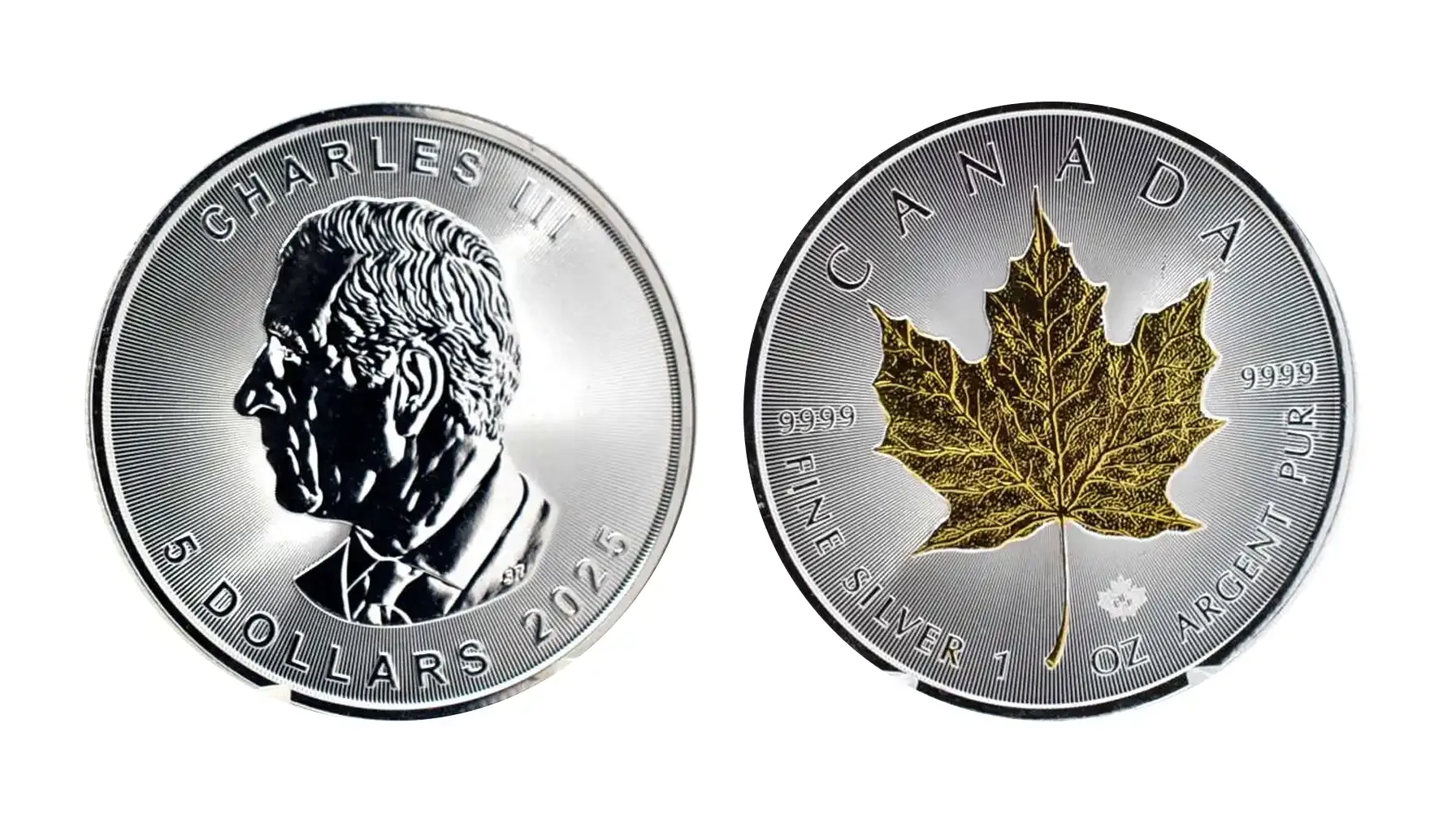
Special attention should be given to U.S. Mint silver coins issued as investment or commemorative pieces. They are legal tender, but their purpose and market role differ from those of ordinary circulating money.
Penalties for Illegal Coin Melting
If actions are deemed illegal, the consequences can be serious. The law provides for:
Fines of up to several thousand dollars;
Confiscation of the metal;
In certain cases, criminal liability.
Situation | Melting allowed |
Silver coins issued before 1965 | Yes |
Modern circulating coins | No |
Large-scale melting | Restricted |
Exporting coins for melting | Often prohibited |
What Collectors Should Know
A collector needs to think practically. Even when melting is permitted, it is not always a sensible decision.
Practical Considerations Before Melting
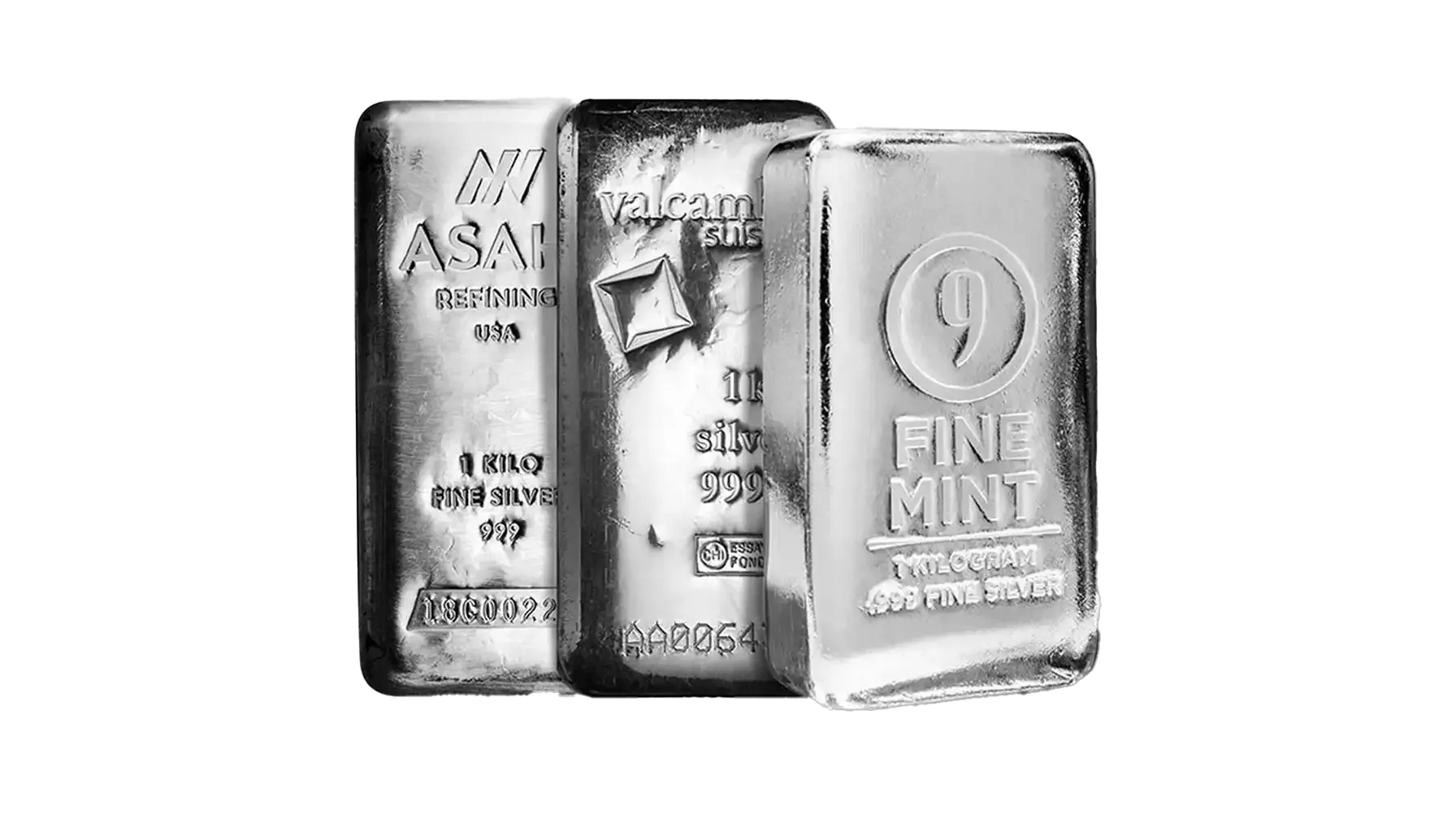
Before considering processing, it is worth taking into account:
Numismatic value—many silver specimens are worth more than their metal content;
Condition—well-preserved pieces are almost always more profitable to sell intact;
The market—demand for issues changes faster than the price of silver;
Documentation—rare pieces are better preserved as collectible objects.
To check a piece’s type and parameters, it is convenient to use the Coin ID Scanner. The app helps determine exactly which issue you are dealing with, avoiding mistakes.
Some owners rely on certification through NGC to formally record condition and authenticity.

 Facebook
  X (Twitter)
  Pinterest
  LinkedIn