Contents:
How to start a coin collection? The nuances of the process attract people for decades, so this coin guide explains the key steps in coin collecting for beginners: how to identify coins, choose reliable sources, and organize your finds.
If you are planning to expand your collection of coins, estimate their value, or simply learn how to collect coins effectively, just follow our recommendations covering everything you need to begin and improve your hobby.
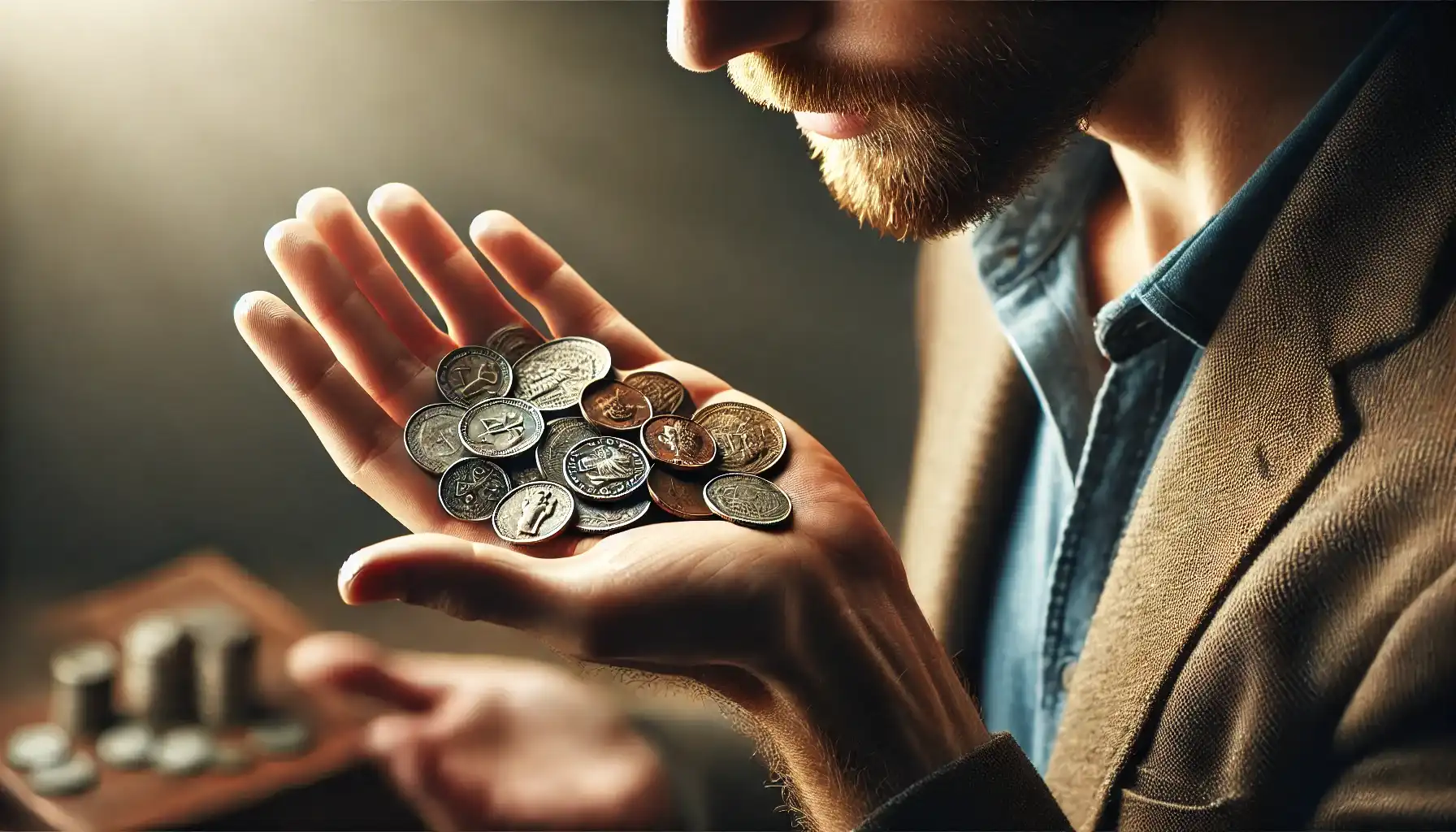
Step 1: Learn Different Types of Pieces
Before you start your collection coins, you need to understand their main categories. So, please refer to the table below to see major types, short definitions, and real examples you can refer to when looking for the best ones.
Type | Description | Examples |
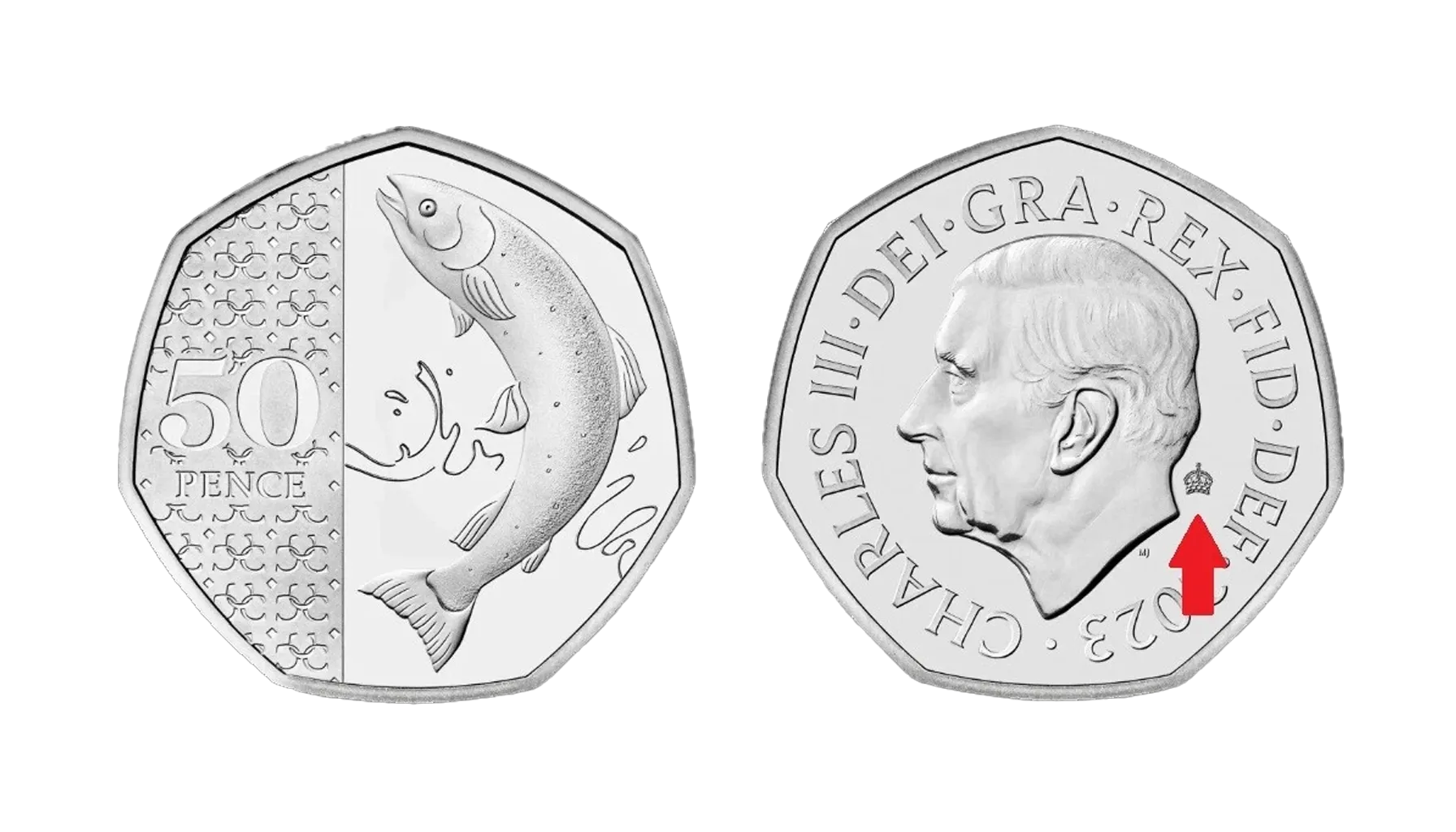
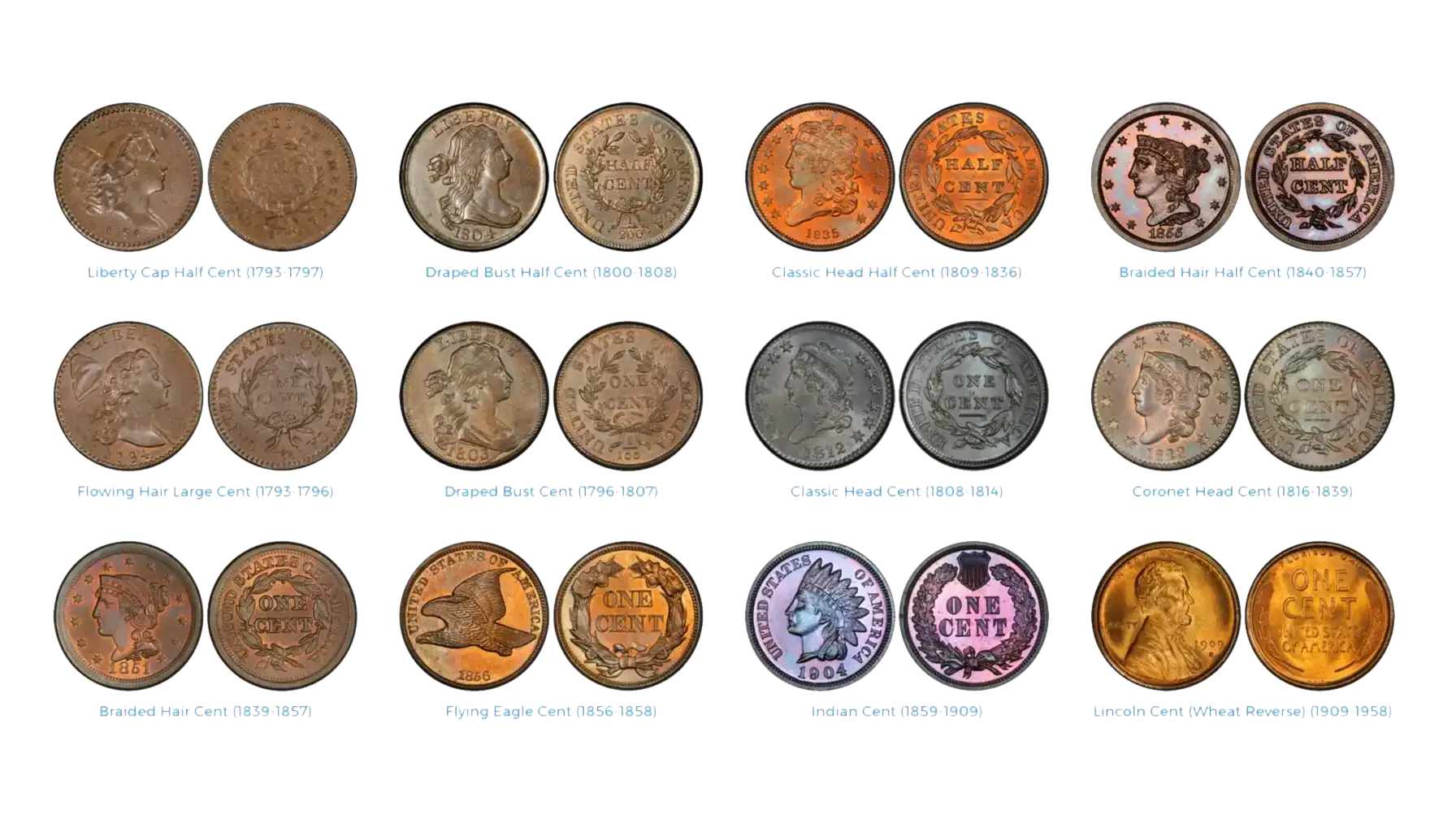
Circulation pieces | Regular issues for everyday use; with high mintage and widely available. | US Washington Quarter, UK 50p (decimal issue), Euro 1 |
Commemorative pieces | Limited or special issues marking events — demand varies by issue and mintage. | 1976 US Bicentennial Quarter, 2012 London Olympics 50p |
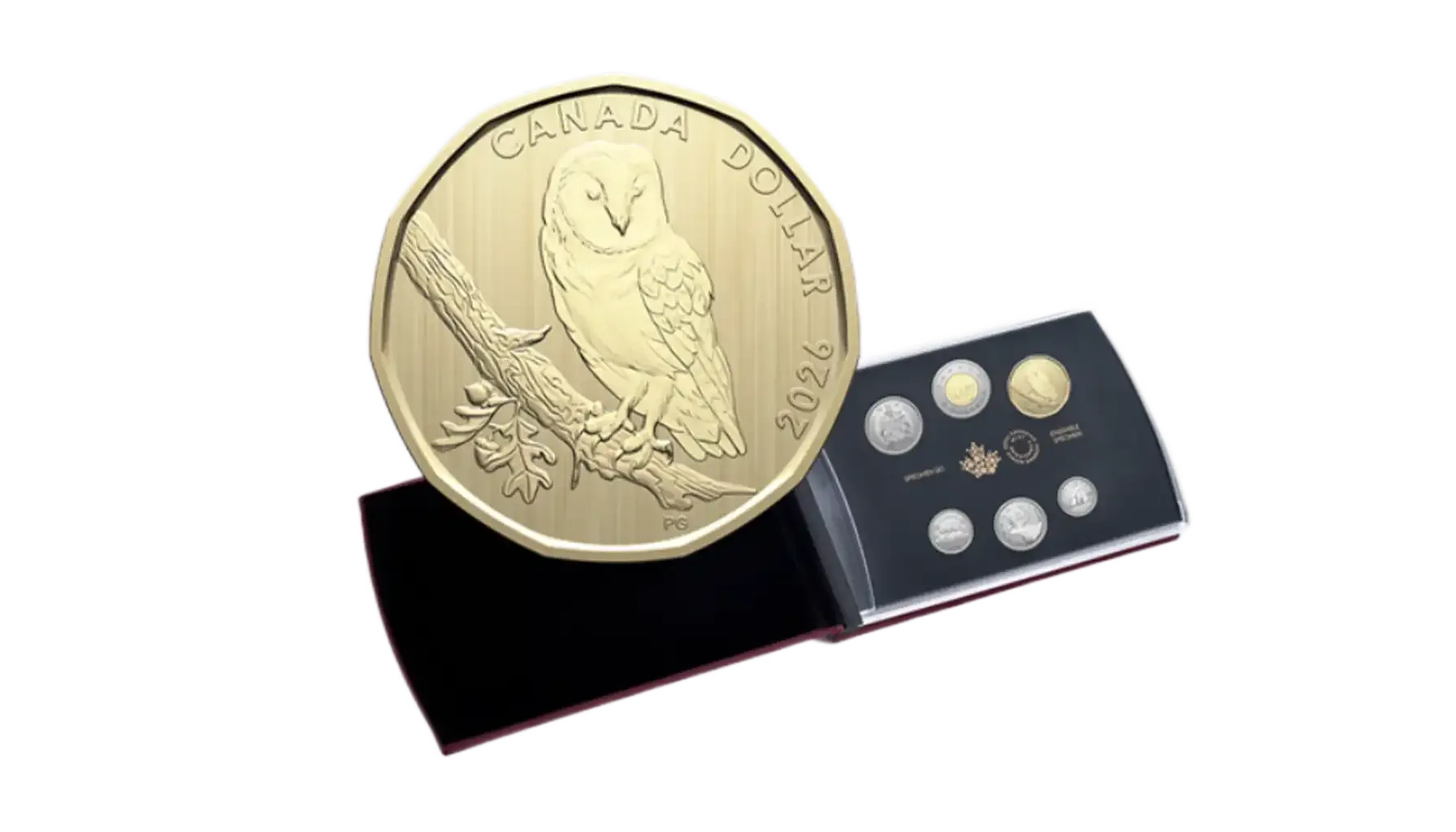
Proof | High-quality strikes, sold in special sets or presentation cases for collectors. | Proof American Silver Eagle, Proof Sovereign (UK) |
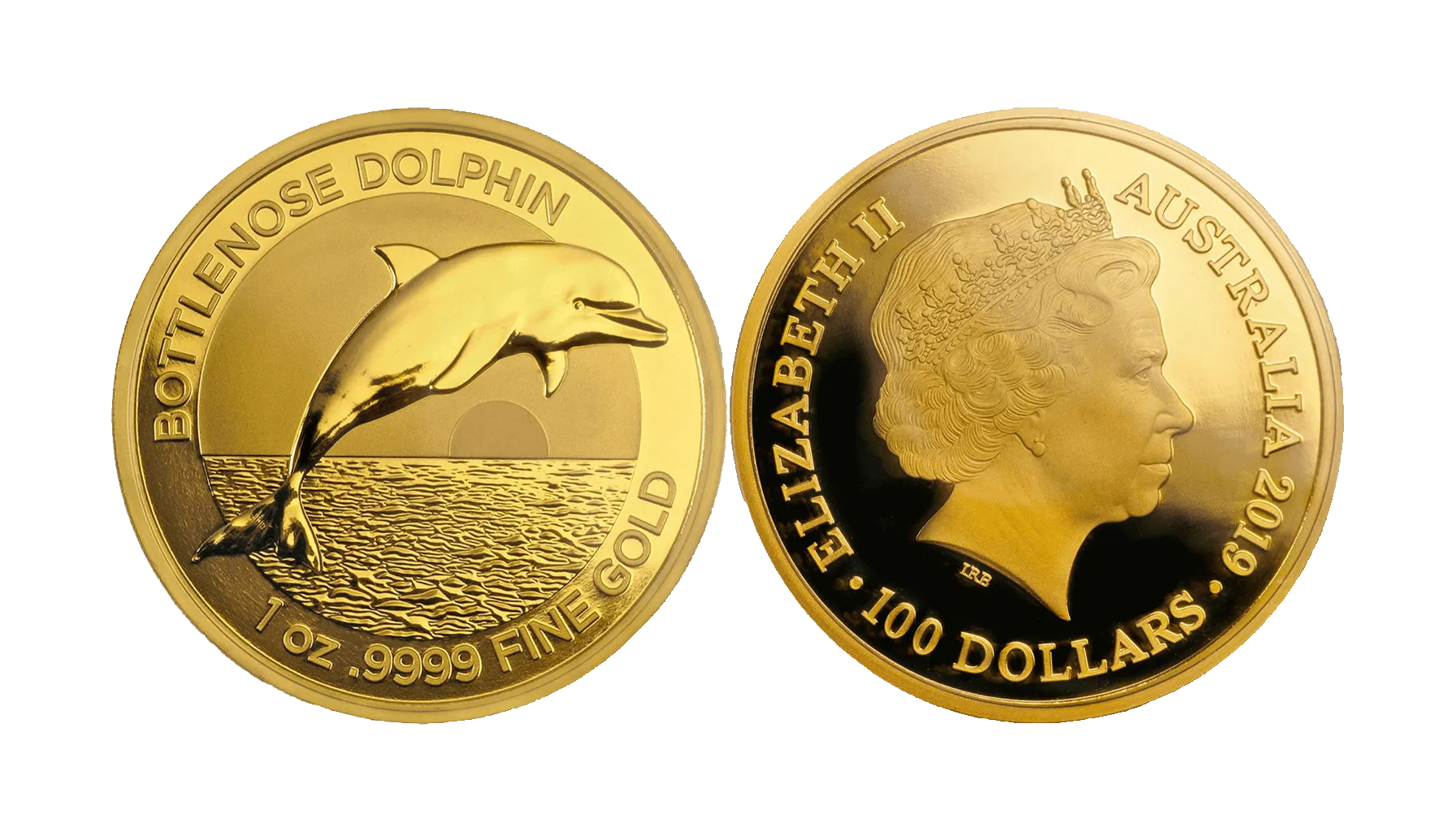
Bullion pieces | Minted for metal content; their cost depends on precious metal prices. | American Gold Eagle, Canadian Maple Leaf, Krugerrand |
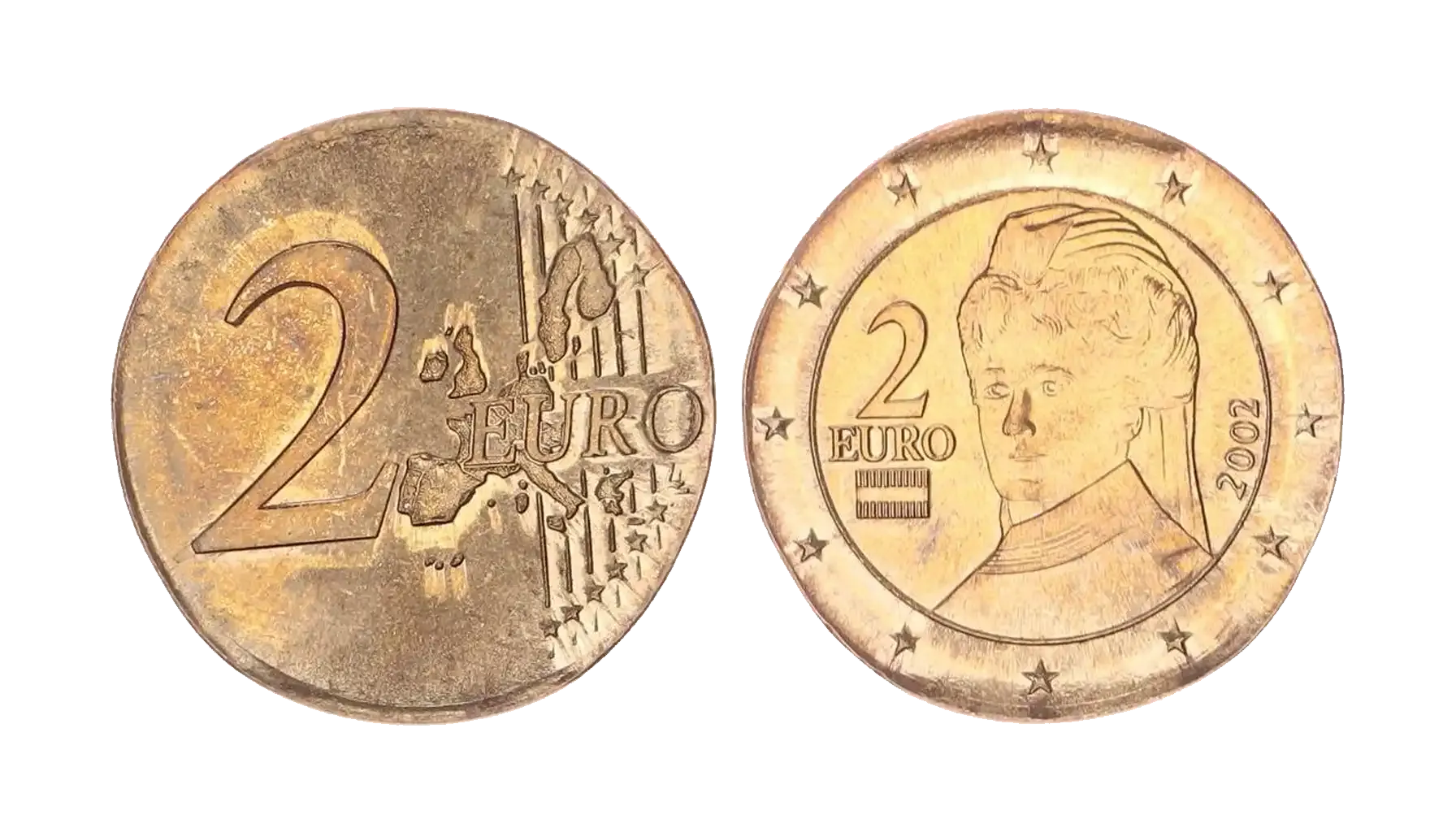
Error specimens | Pieces with minting anomalies; here conditions and documentation are critical for value. | 1955 Doubled Die Lincoln Cent, 1999 Wide AM Lincoln Cent |
Knowing these types helps you identify pieces worth adding to your list and understand how each category affects coin valuation.
Step 2: Understand the Basics
Once you have identified the main types of pieces, the next step is to check each for certain details. Begin with examples you already have and note unusual designs, rare years, mint marks or even some flaws on the specimen. In general, coins collector always assess:
Country of origin – determines cultural and market interest.
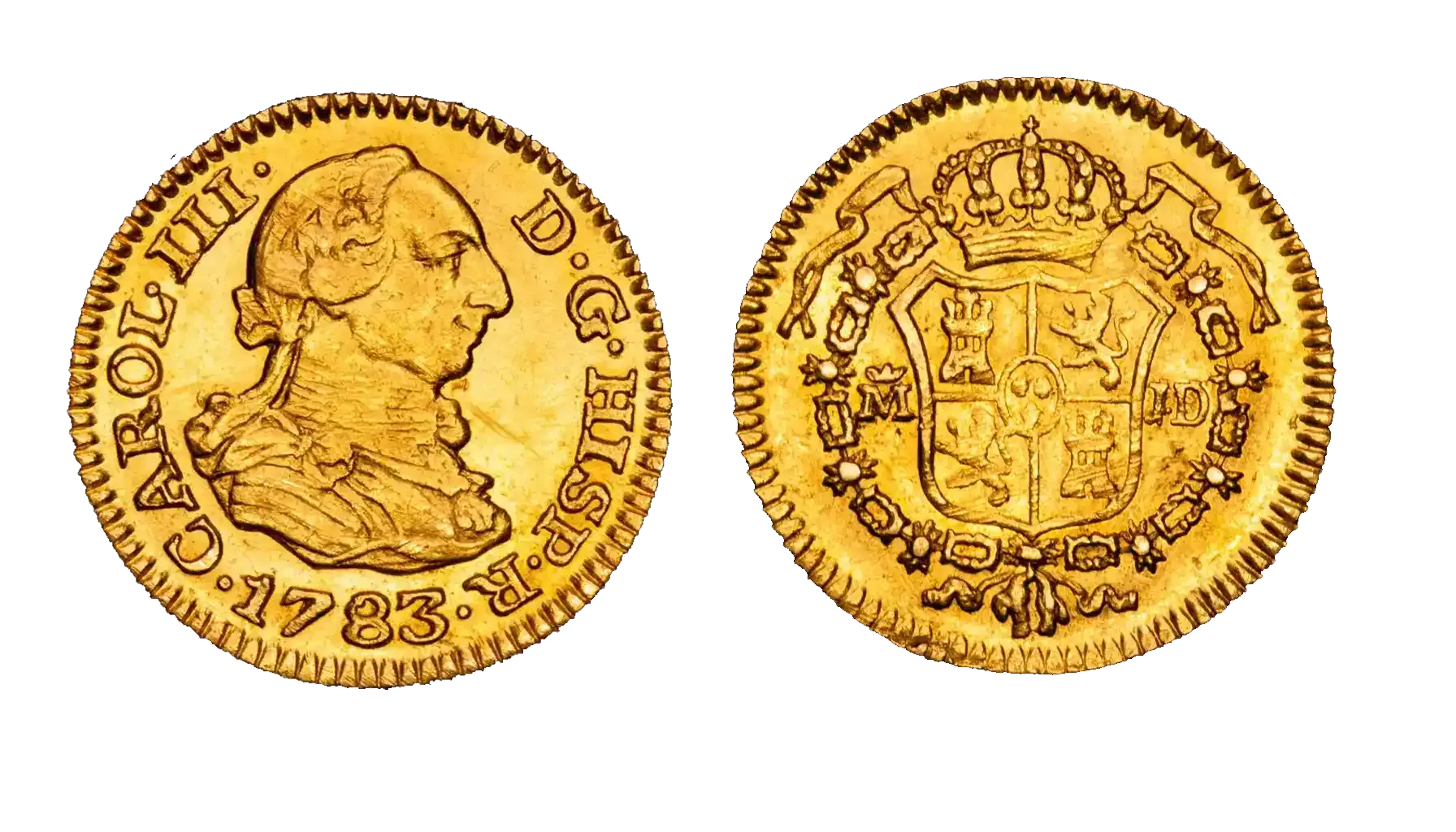
Year of minting – older issues may increase coin collection value, depending on rarity and condition.
Material and composition – gold, silver, or alloys influence both aesthetic and investment potential.
Condition (grade) – assessed by the professional coin grading service using international standards.
Mint mark – explains where the specimen was minted and affects its value.
Step 3: Choose the Right Pieces for Your Collection
For now, you know the main things, but how to start collecting coins if you are not sure which ones to gather? Well, decide on your main direction. Beginners often choose affordable pieces that are easy to find.
Professionals focus on historical value, rarity, and unique varieties such as minting errors, while investors prefer pieces made of precious metals that can bring profit over time. Let’s consider some examples for each strategy to help you plan and organize coins collected over time.
Best Coins to Collect for Beginners
1914-D Lincoln Wheat Cent
This cent is an ideal starting point: it is not something you’ll find in everyday change, but it’s affordable and easy to buy from reputable dealers. This penny has strong historical value and helps beginners practice grading and identifying mint marks.
1943-P Jefferson Nickel
This nickel was struck in silver during World War II. This one is accessible, has a unique wartime background, and allows beginners to understand how composition affects market price and demand.
Examples for Interested in Rare Coin Collecting
1909-S VDB Lincoln Cent
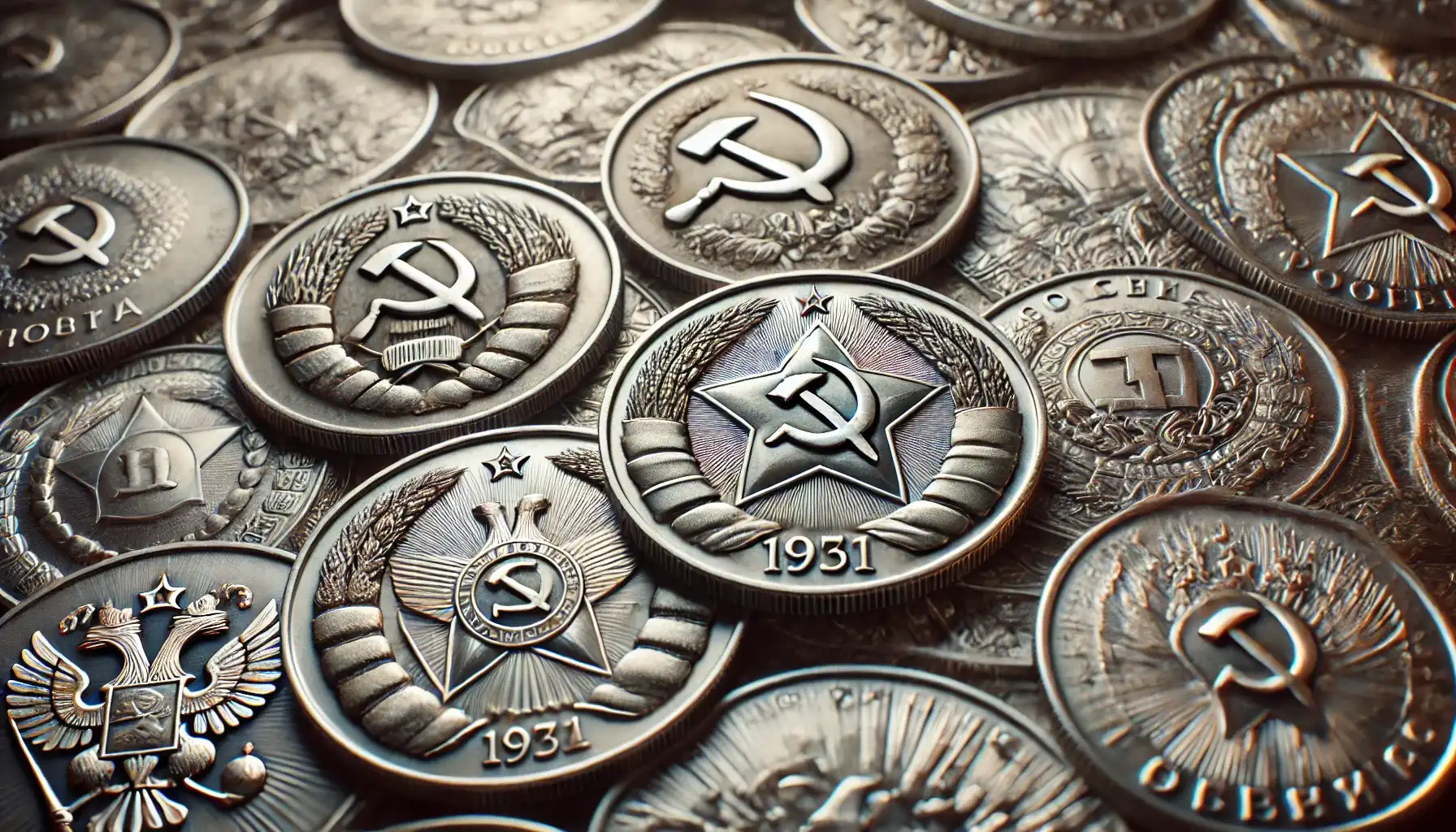
This is a well-known rarity among U.S. specimens, issued in limited quantity (484,000 copies) and withdrawn shortly after release because of the designer’s initials. This piece shows how mintage and small design details can create and increase collector value.
1937-D Three-Legged Buffalo Nickel
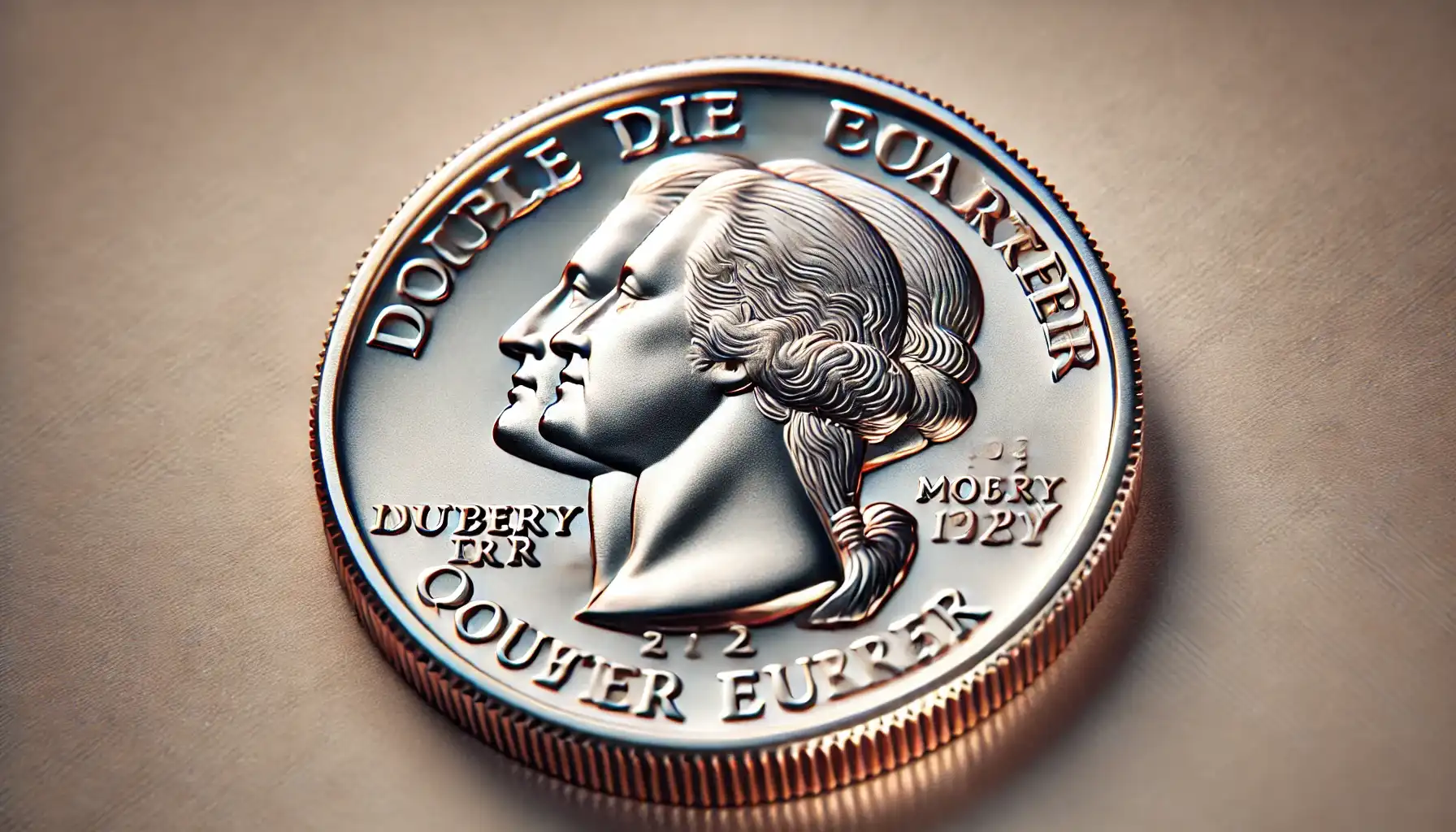
This error one was created thanks to an over-polished die and the missing design element (buffalo’s leg) made the coin very recognizable and turned a regular issue into a rare and valuable collectible.
Top Examples for Investment Value
1986 American Gold Eagle
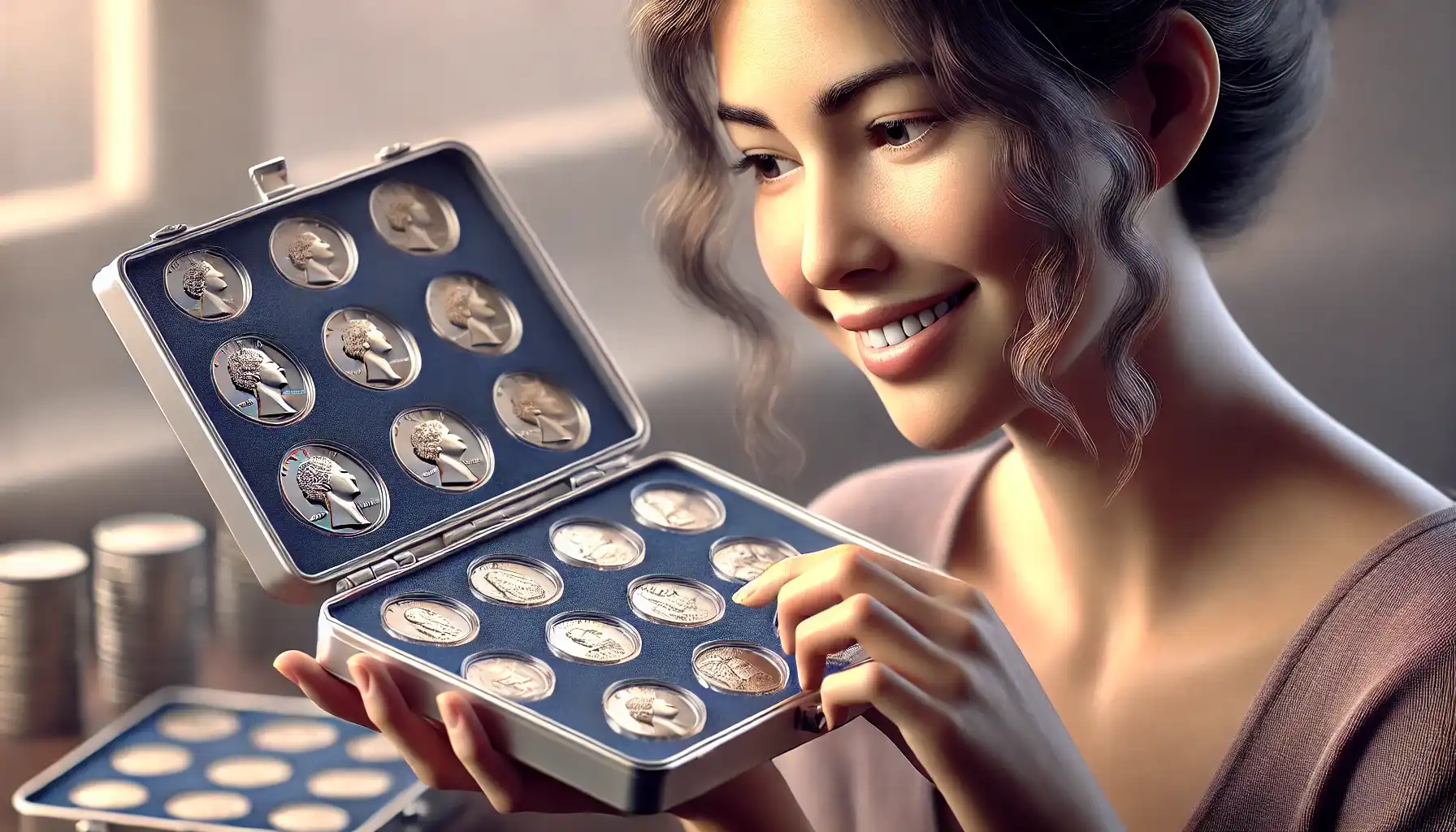
A modern bullion specimen made of 22-karat gold, that is valued for its metal content and government guarantees. The piece is widely traded, easy to authenticate, thus it fits well for investors looking for stable long-term growth.
Canadian Silver Maple Leaf
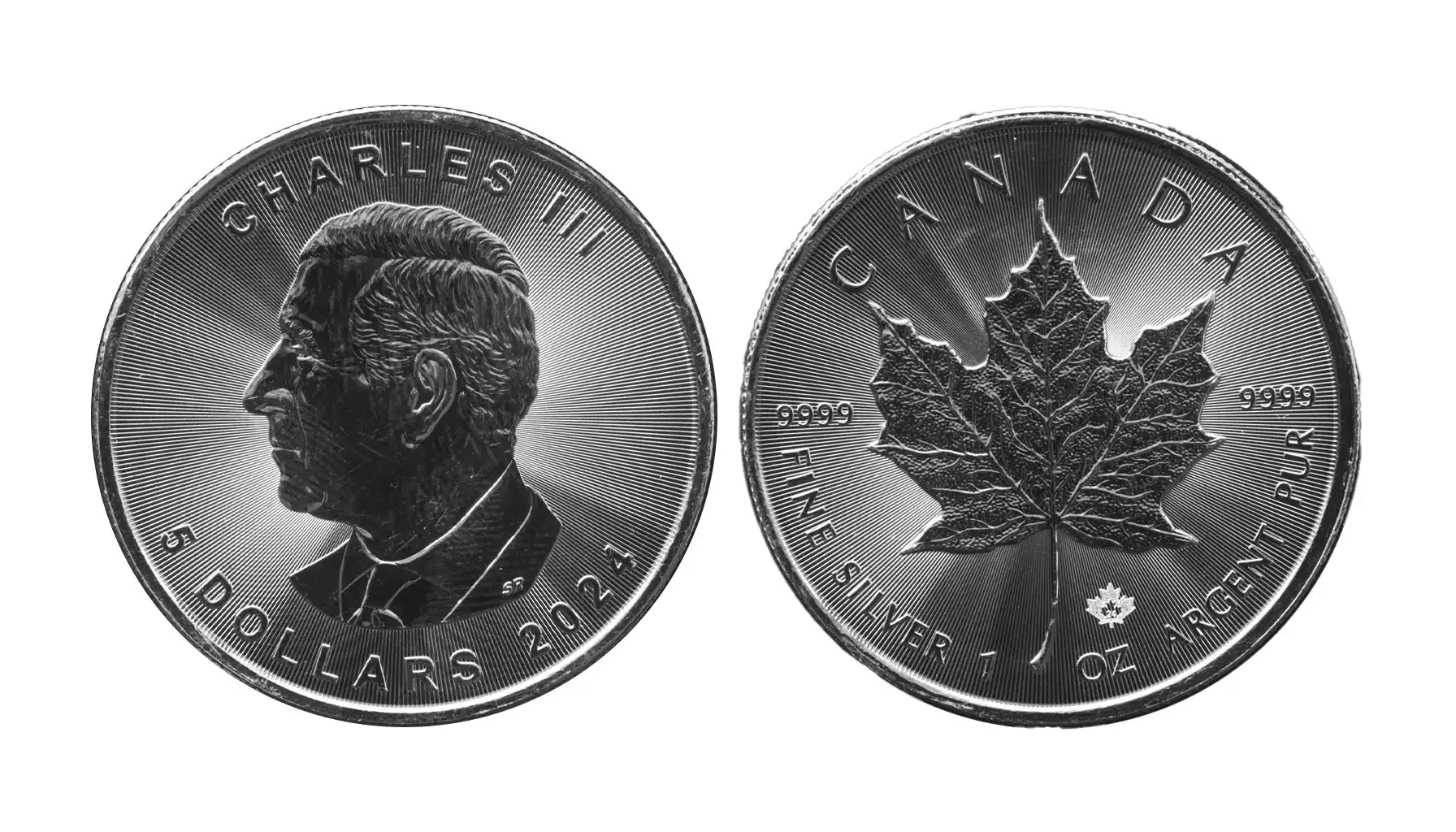
It is known for its high silver purity and global demand. This one is a good choice because of its beauty, liquidity, and solid investment potential (one of the most reliable options for experienced collectors focused on investment coins and long-term funds).
Step 4: Know How and Where to Find Coins from Your List
Now you need to find some sources to look for the collectibles you are willing to buy. The right place helps you avoid counterfeits, compare fair prices, and build a collection that keeps its value over time.
Where to Find Old Coins for Beginners
Safe and accessible sources include:
Local coin shops that offer verified pieces and honest advice from experienced dealers.
Thematic fairs and shows that let you inspect coins in person and meet other collectors.
Online marketplaces that let you choose sellers with high ratings, clear photos, and detailed descriptions.
Estate sales and flea markets that sometimes hide overlooked historic or silver pieces.
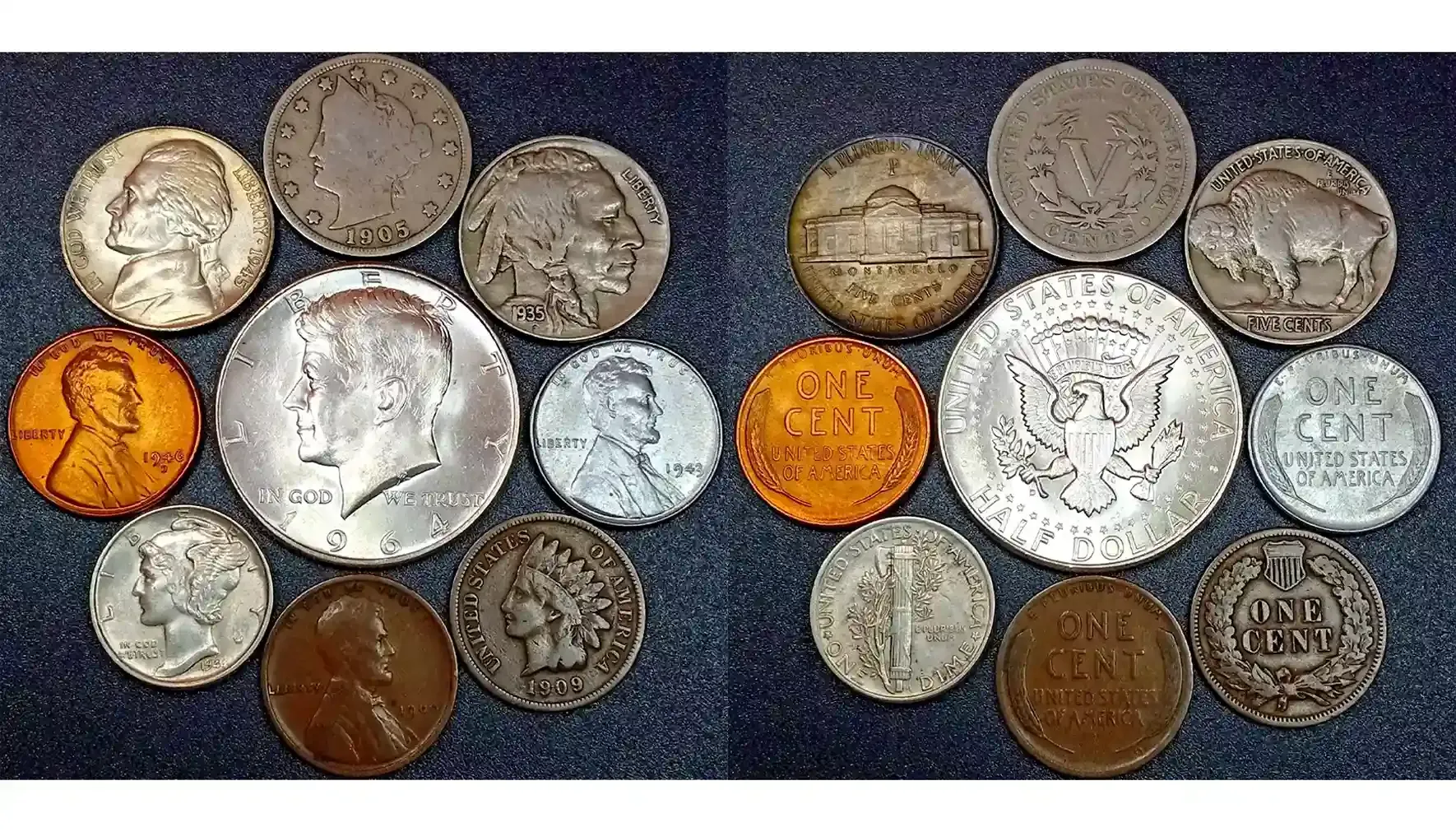
How to Find Rare Coins for Advanced Collectors
For people who already have some experience and want to expand their collection, professional channels work best. Among them are best trustworthy auctions like Christie's, Sotheby, Stephenson's or Heritage that offer certified pieces with documented provenance and grading reports.
You can also refer specialized dealers and museum partners to access high-value or limited pieces that rarely appear online. If you still haven't found what you're looking for, then refer to the additional options:
Membership in collector clubs or associations gives early access to private sales.
Networking with other advanced collectors to exchange duplicates or learn about rare finds before they reach the public market.
Step 5: Store Your Collection Right to Preserve Their Condition
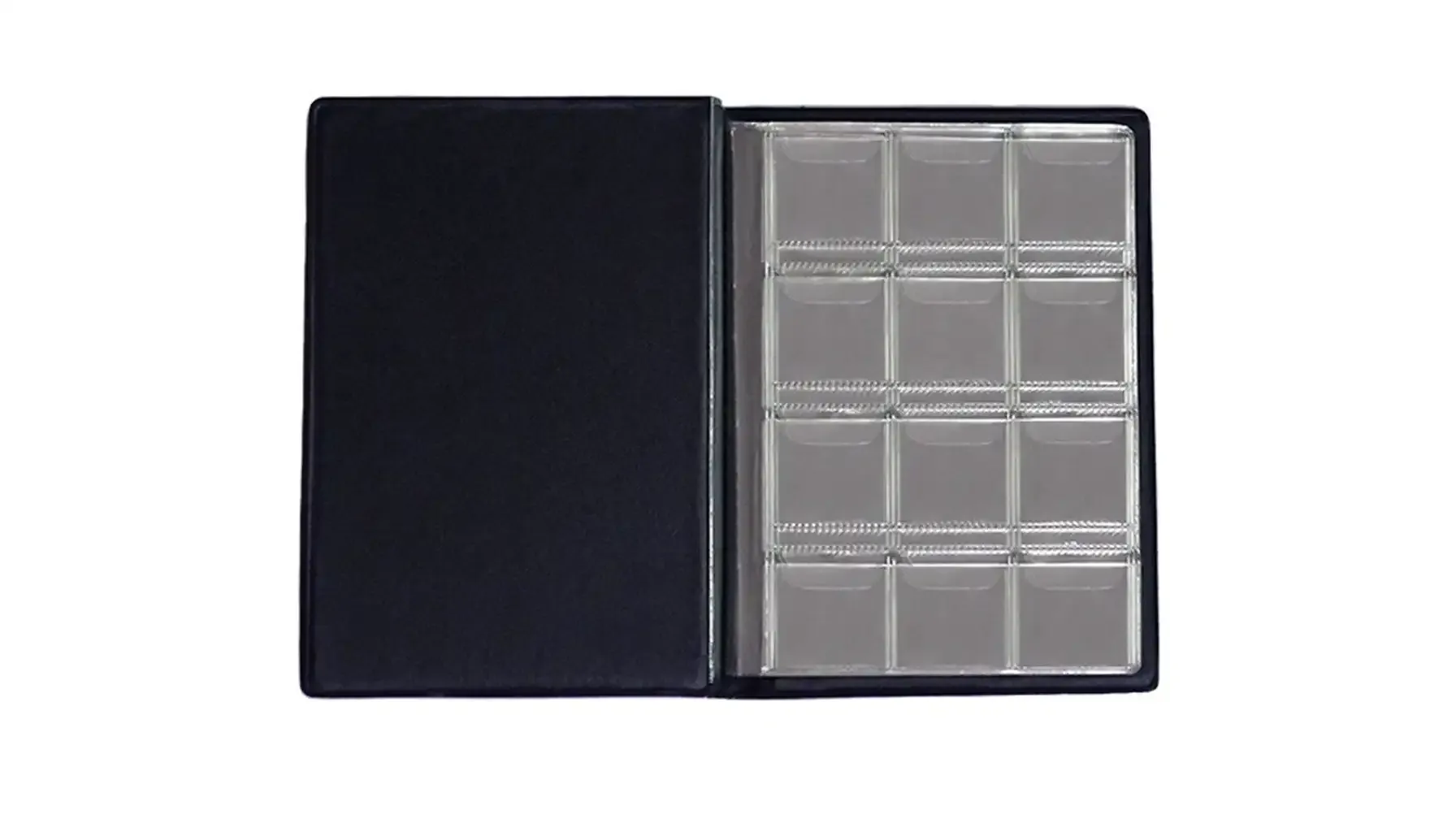
Here you should remember the most important rule for every collector: proper storage is extremely important to keep collectibles in the best condition. Even the slightest impact of moisture, air, or temperature can damage the surface and reduce the value of your piece.
The best way to store coins depends on their materials and rarity, but several universal rules are common:
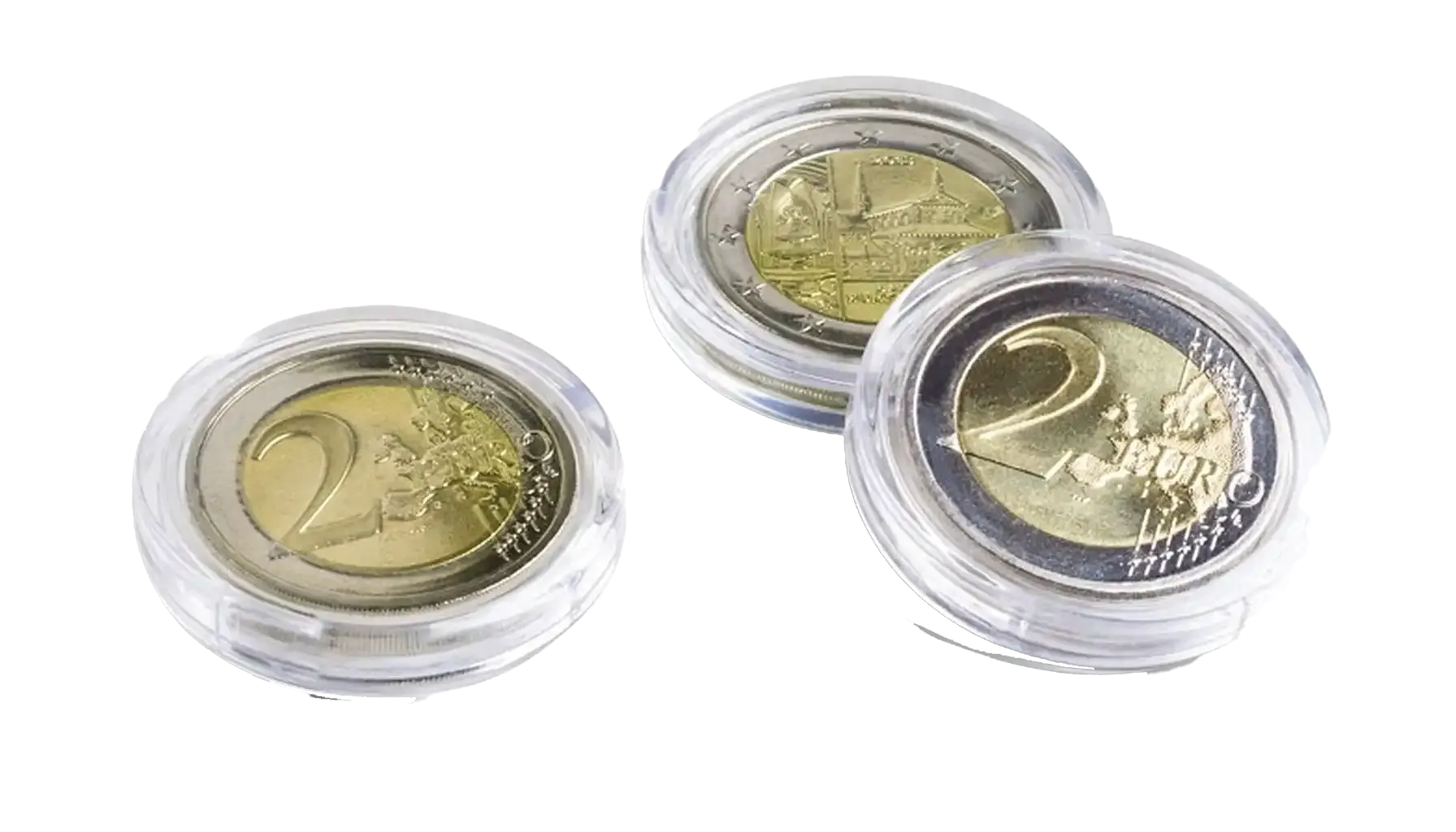
Use protective capsules or flips made of inert plastic (mylar or acrylic) and avoid PVC, which can leave stains over time.
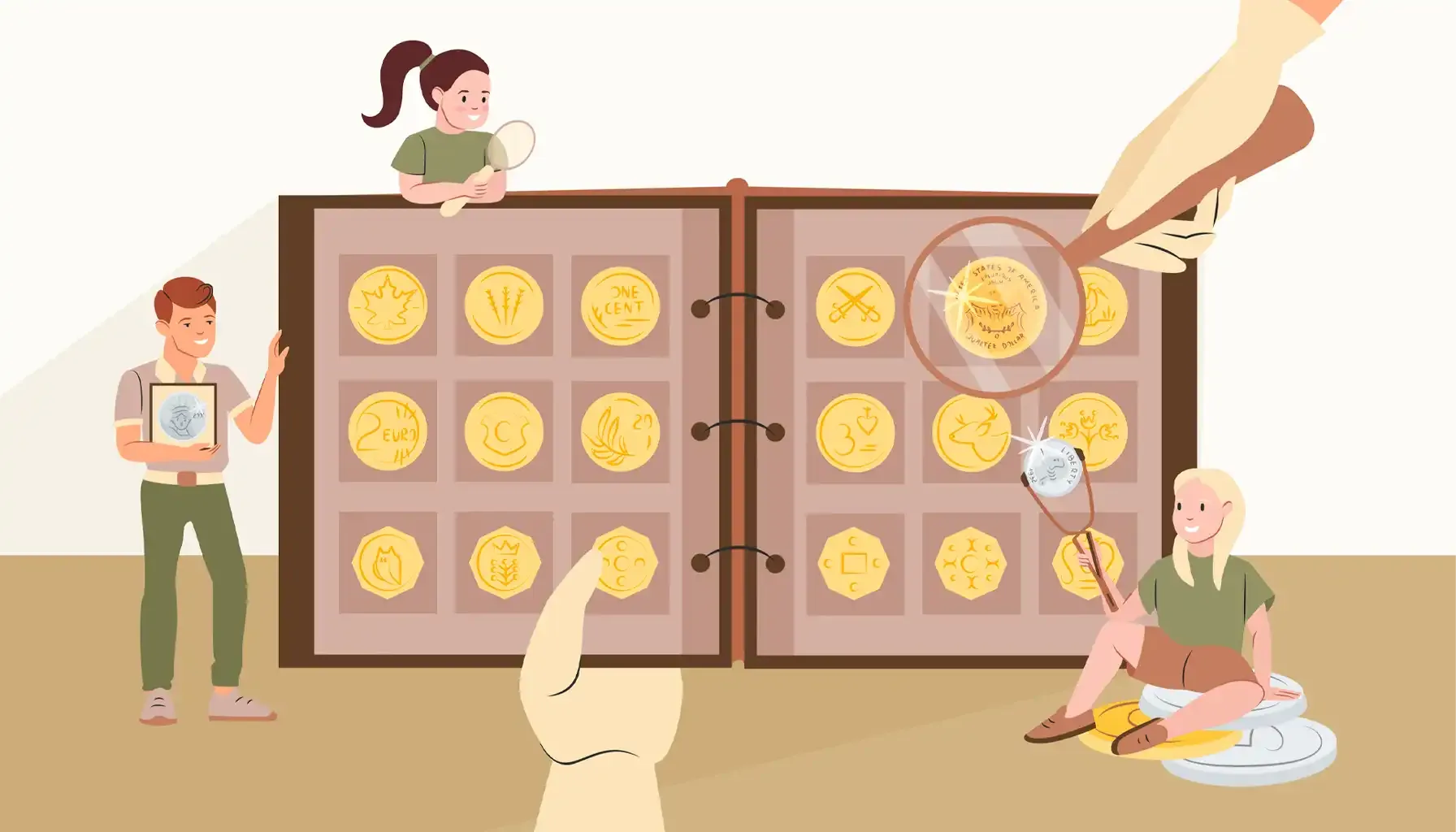
Store coins vertically in albums or holders to prevent scratches.
Try to maintain a stable temperature and humidity. Suitable conditions are around 20°C and 40–50% humidity.
Don’t touch specimens with bare hands. Always use cotton or nitrile gloves, so that grease and dirt from your fingers do not get onto the surface.
Additionally, you can label your sets by year, mint mark, and grade to manage the condition and provenance of each item easily.
Step 6: Buy Essential Tools for Every Collector
Every collector, beginner or advanced, needs a set of reliable tools and supplies to work efficiently. These instruments help inspect, measure, and document each specimen accurately.
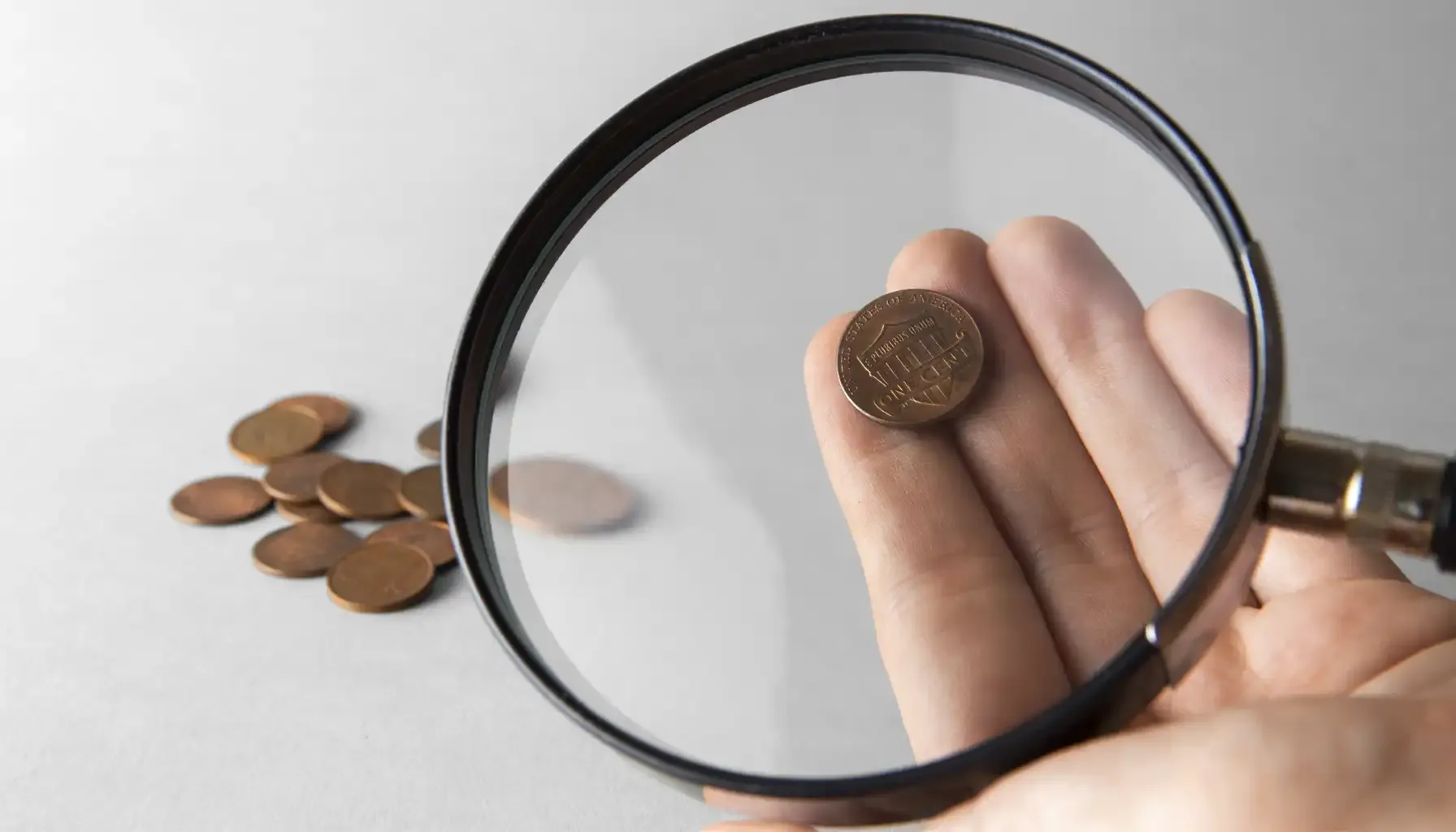
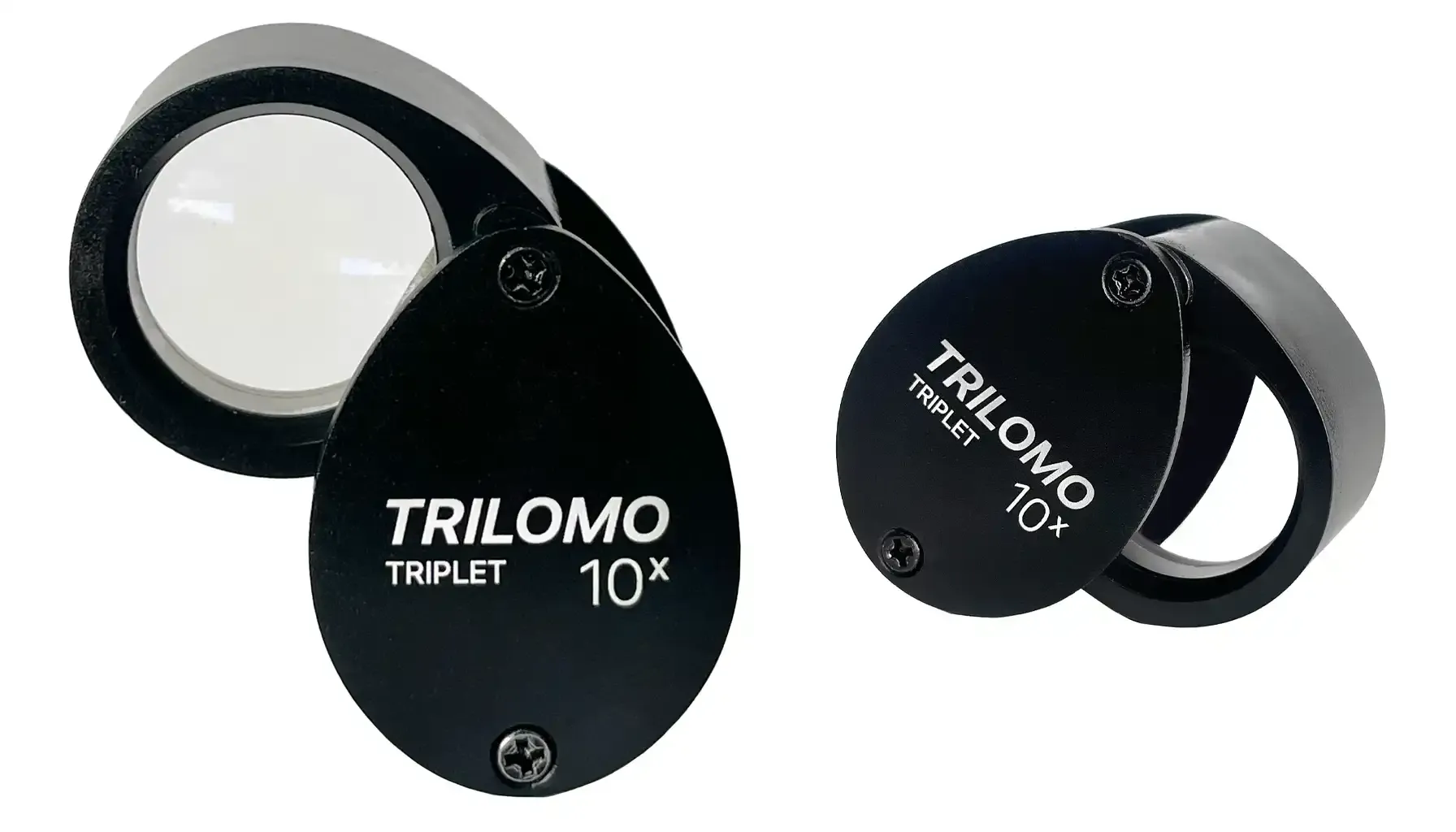
Magnifying Glass (Loupe). A 10x jeweler’s loupe is the standard choice for numismatists. It allows you to check fine details, mint marks, and micro-scratches. Popular models among U.S. numismatists include the BelOMO 10x Triplet Loupe and the Eschenbach 7x Illuminated Loupe.
Tweezers. You should use non-metallic or soft-tipped tweezers to handle a specimen safely. They prevent slipping and protect edges from damage when moving coins in or out of holders.
Digital Scale. A precise scale (accurate to 0.01 grams) helps you to check and confirm the weight of collectible and then authenticate it or even detect counterfeits.
Protective gloves and soft cloth. Gloves can save your collection from dirt, while lint-free cloth will be useful for gentle cleaning of holders or work surfaces. But don’t forget — you should never clean or polish your pieces yourselves.
Coin ID Scanner — Smart Tool for Modern Collectors
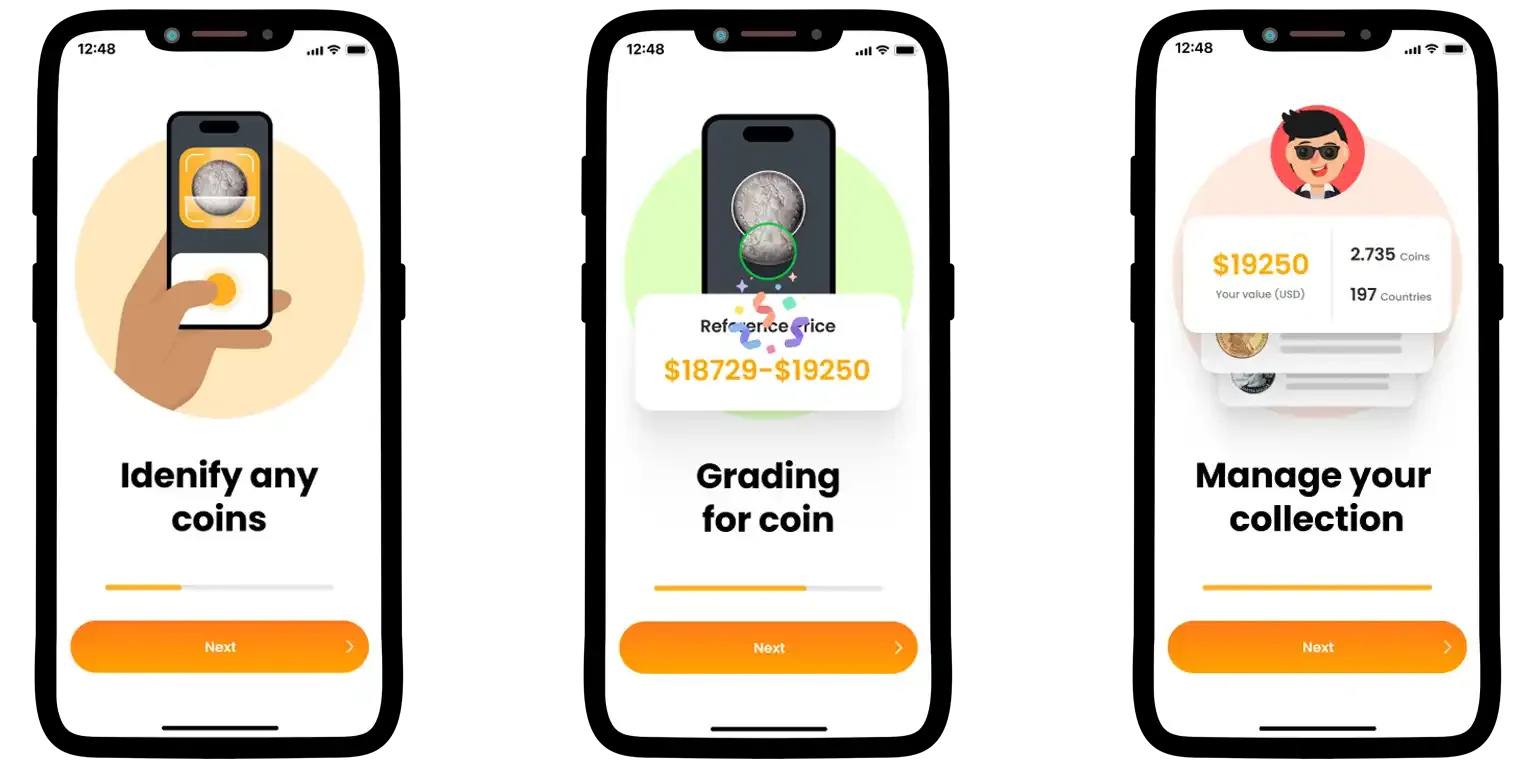
Digital tools also simplify the work of today’s collectors. Take, for example, the Coin ID Scanner app. It helps beginners and advanced users work with their collections more efficiently: quickly recognizes coins, checks their value, and keeps all data organized in one place. Download the app to try:
Quick recognition to take or upload a picture to see full information: country, year of minting, composition, weight, and diameter.
Smart filters and access to an extensive database to search through a catalog of more than 187,000 entries to find matching or similar specimens.
Price check to view current market values to understand what each specimen is worth.
Digital collection management to add your collectibles, sort them by type or country, and store photos and notes securely.
The app saves time, improves accuracy, and supports both beginners just exploring nuances of a new hobby and experienced users who are looking for rare variants.

 Facebook
  X (Twitter)
  Pinterest
  LinkedIn