Contents:
In the history of the United States of America, bimetallism was an important topic in the economic and political debates of the late 1800s, a time called the Gilded Age.
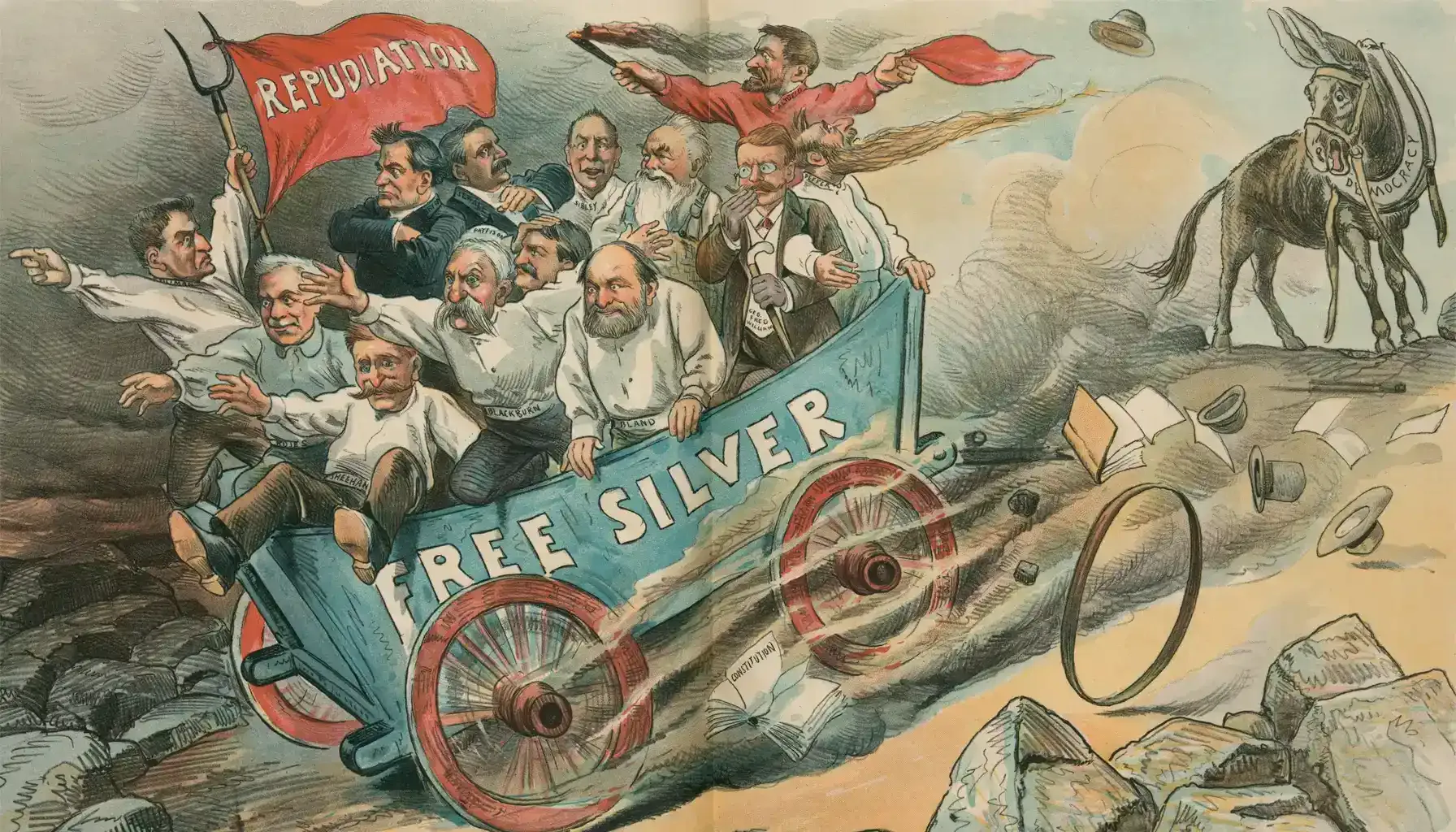
This period was a time of rapid factory growth, increasing social inequality, and a serious crisis in agriculture, and it turned into a battleground between people who supported the gold standard, usually rich people who lent money, and factory owners, and who supported bimetallism — mostly farmers and people who They owed money.
And before being able to check coin value, let's figure out the answer to the question: What is bimetallism in U.S. history? And why many people began to perceive its support as a political conviction, so that we could better understand the American history of that time.
The Idea of Gresham's Law
Bimetallism Simple Definition
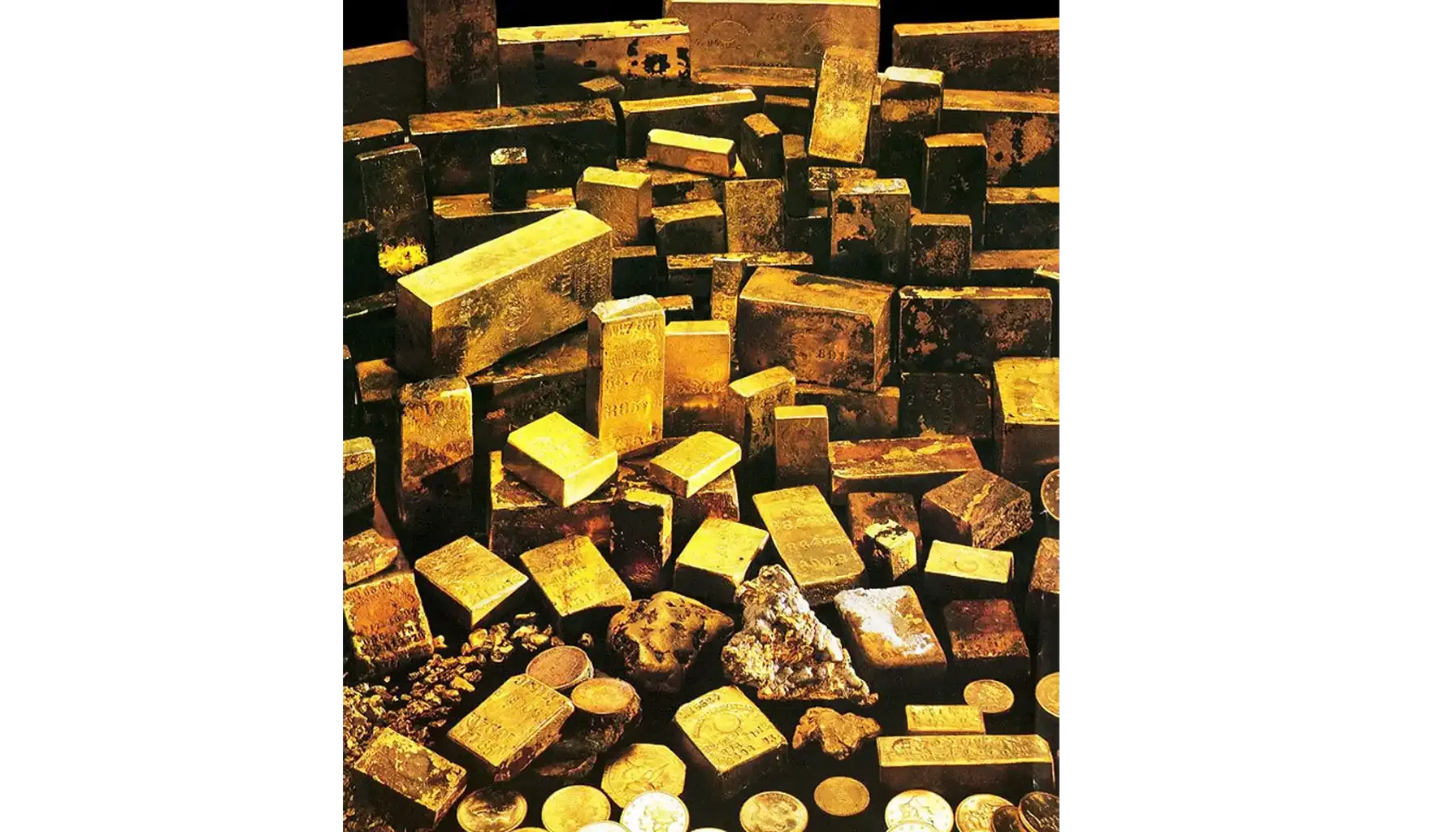
It is a money system where the money supply is supported by using two metals, gold and silver coins.
The most important part of this system is the fixed ratio set by the government, which is the legal exchange rate between gold and silver — for example, 16 grams of silver equal 1 gram of gold.
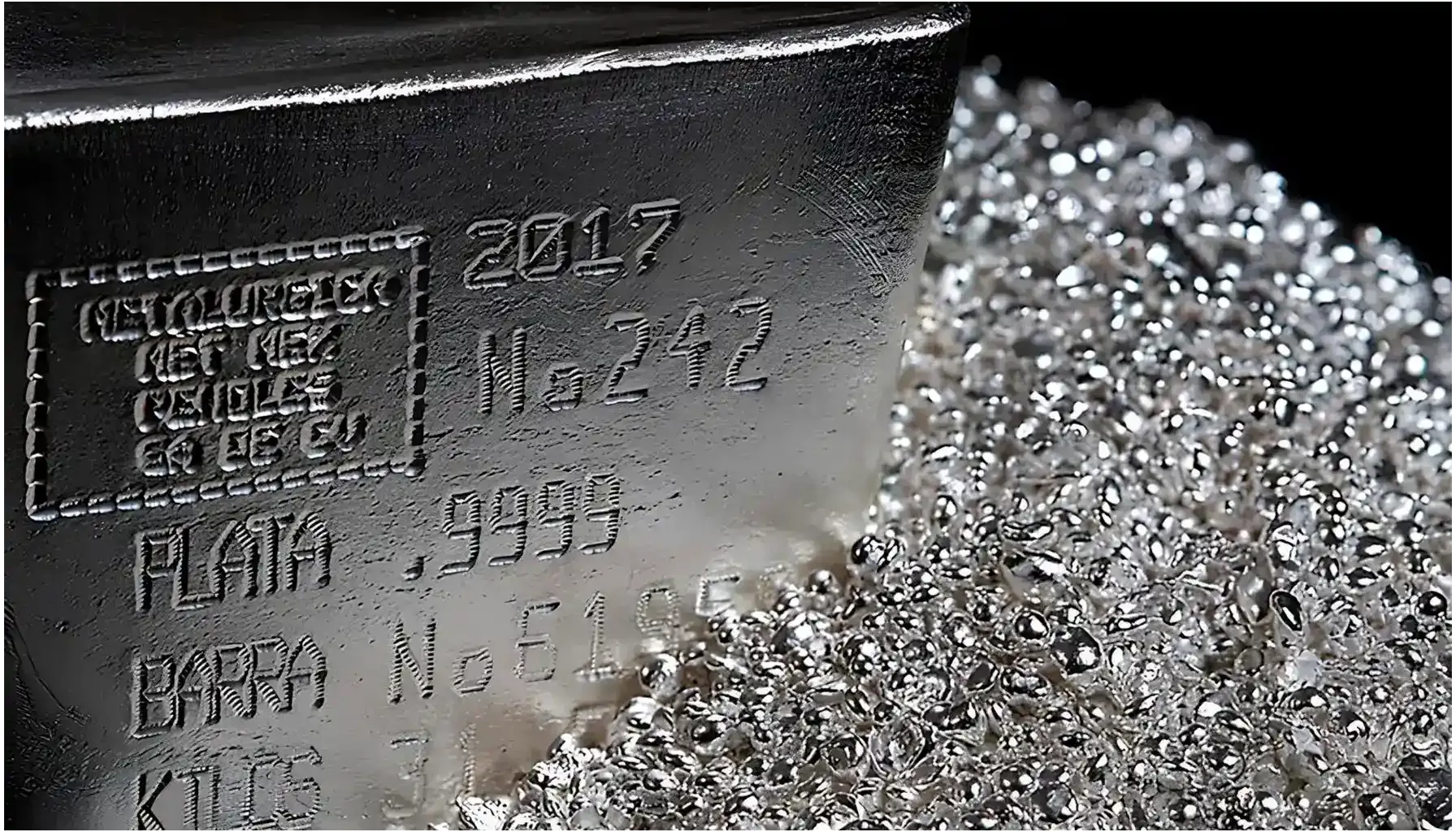
The government also promises free coinage, meaning that any private person can bring a lot of gold or silver to the mint and get coins back at the set rate.
And before people were to define bimetallism, they thought that a bimetallism meaning should make the money supply more stable and more flexible than a single-metal standard, because the money would depend on two different sources of valuable metals.
The Problem Inside: Gresham's Law
However, in real life, the definition of bimetallism always had a basic problem, which is known as Gresham's Law.
"Bad money drives out good"
This problem starts because the legal rate set by the government is different from the market rate of the metals' value.
If the market price of silver goes down, then the legal ratio, for example, 16:1 becomes bad for the people who have silver. These people will take their cheaper silver to the mint to get heavy gold coins, and they will keep the gold for themselves, or they will take it to other countries where its value is higher at the market rate.
Because of this, the money system actually becomes a single-metal system either gold or silver, but it uses the "bad" metal that the government overvalued.
This happened in the 1800s in the US, where the country mostly worked only with silver before 1834 or only with gold after 1834, even though bimetallism was officially in place.
Bimetallism Definition US History
The First Leaders and the Coinage Act of 1792
The US Congress first encouraged bimetallism with the Coinage Act of 1792. Alexander Hamilton, who was the first Treasury Secretary, set the ratio of gold to silver at 15:1.
This rate was not right compared to the market prices in Europe, and this immediately caused Gresham's Law to happen: gold was undervalued and quickly went out of use, leaving only silver coins in circulation.
People tried to fix this problem in 1834 and 1837 by changing the ratio to 16:1, but this caused the opposite problem: now silver was undervalued and went out of use, leaving only gold in circulation.
So, by the middle of the 1800s, the US was actually using the gold standard.
The Crime of '73
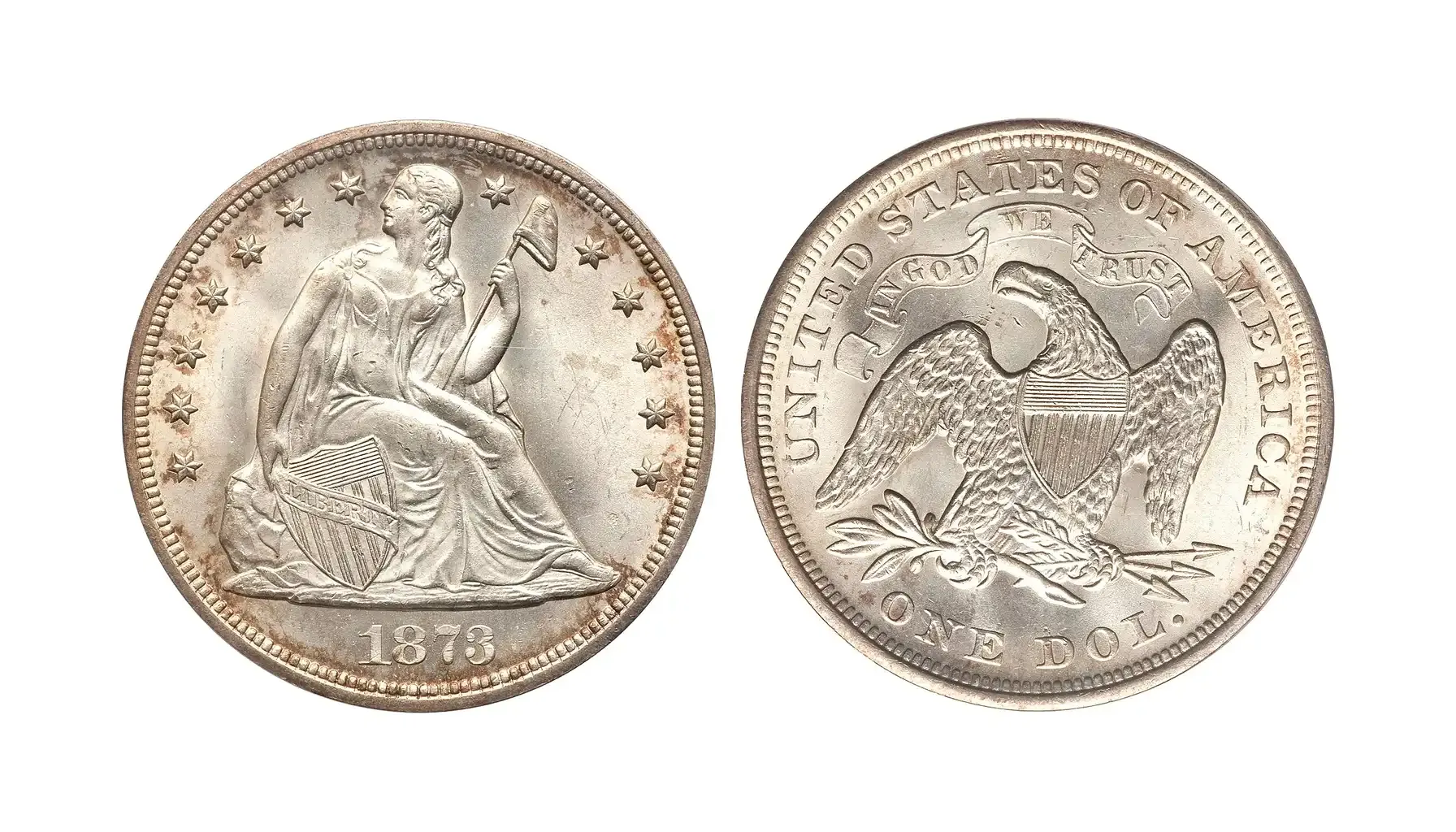
A very important change happened with the Coinage Act of 1873, which was not well-known when it was passed, actually stopped the free coinage of silver.
The law made silver no longer legal money and made gold the only metal that decided the value of the dollar.
Stopping silver from being used as money did not let this happen, which made the strict money policy stronger, and this later caused farmers to greatly support bimetallism.
The Economic Fight of the Bimetallism Gilded Age
Gold Standard vs Bimetallism
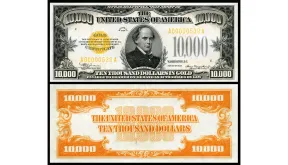
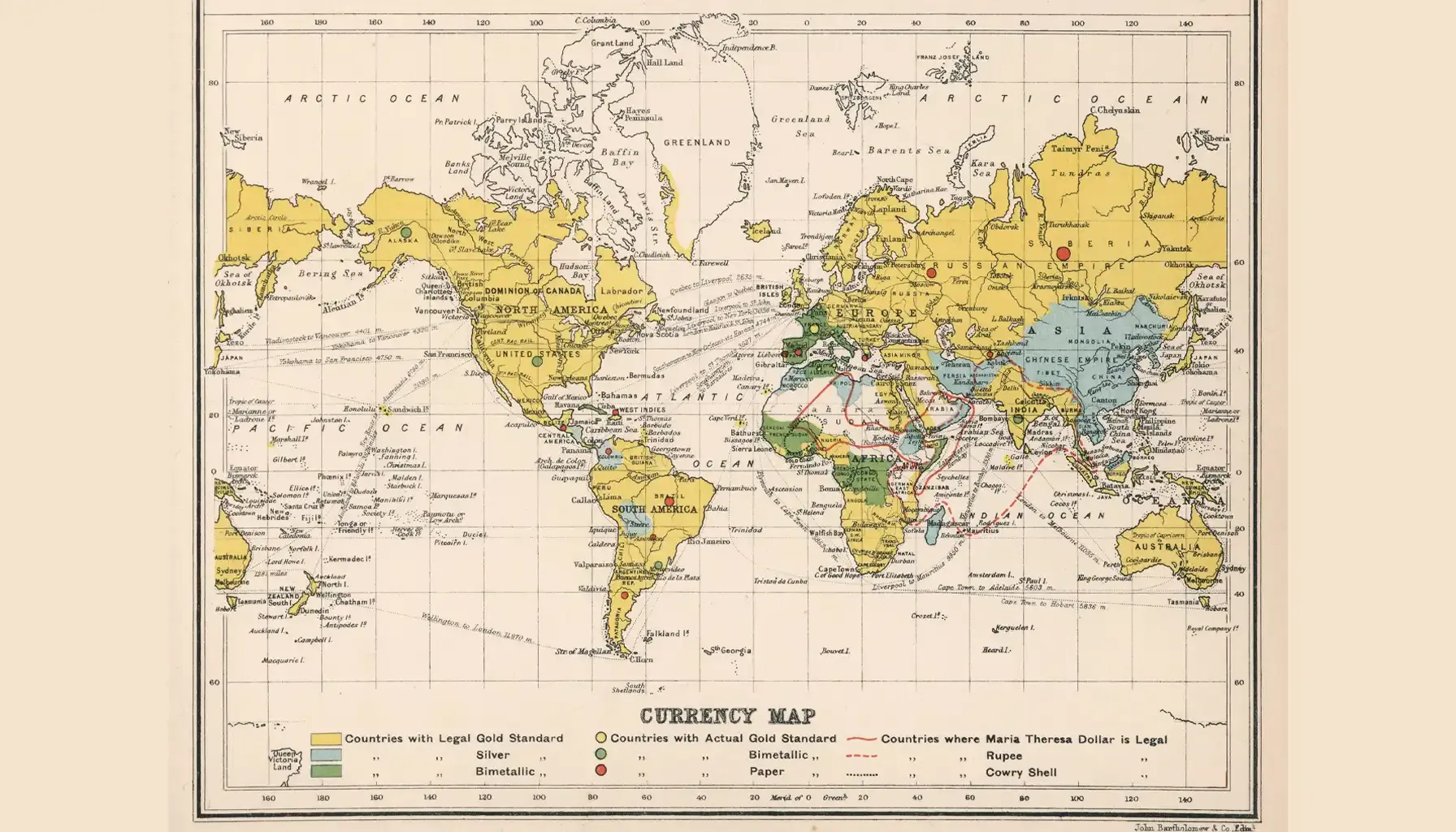
When the US fully moved to the gold standard in the late 1800s and which was officially confirmed by the Gold Standard Act of 1900, it meant that the amount of money that people could use was directly connected to the amount of gold that the US Treasury had.
The Gold Standard gave stable prices for a long time and made international investors trust the US, but it had a big problem: deflation.
During a time when the economy and population were growing quickly, the amount of trade and goods being made grew faster than the amount of gold available. And this made the money supply tight — the dollar's buying power went up, and as a result, the prices of goods went down.
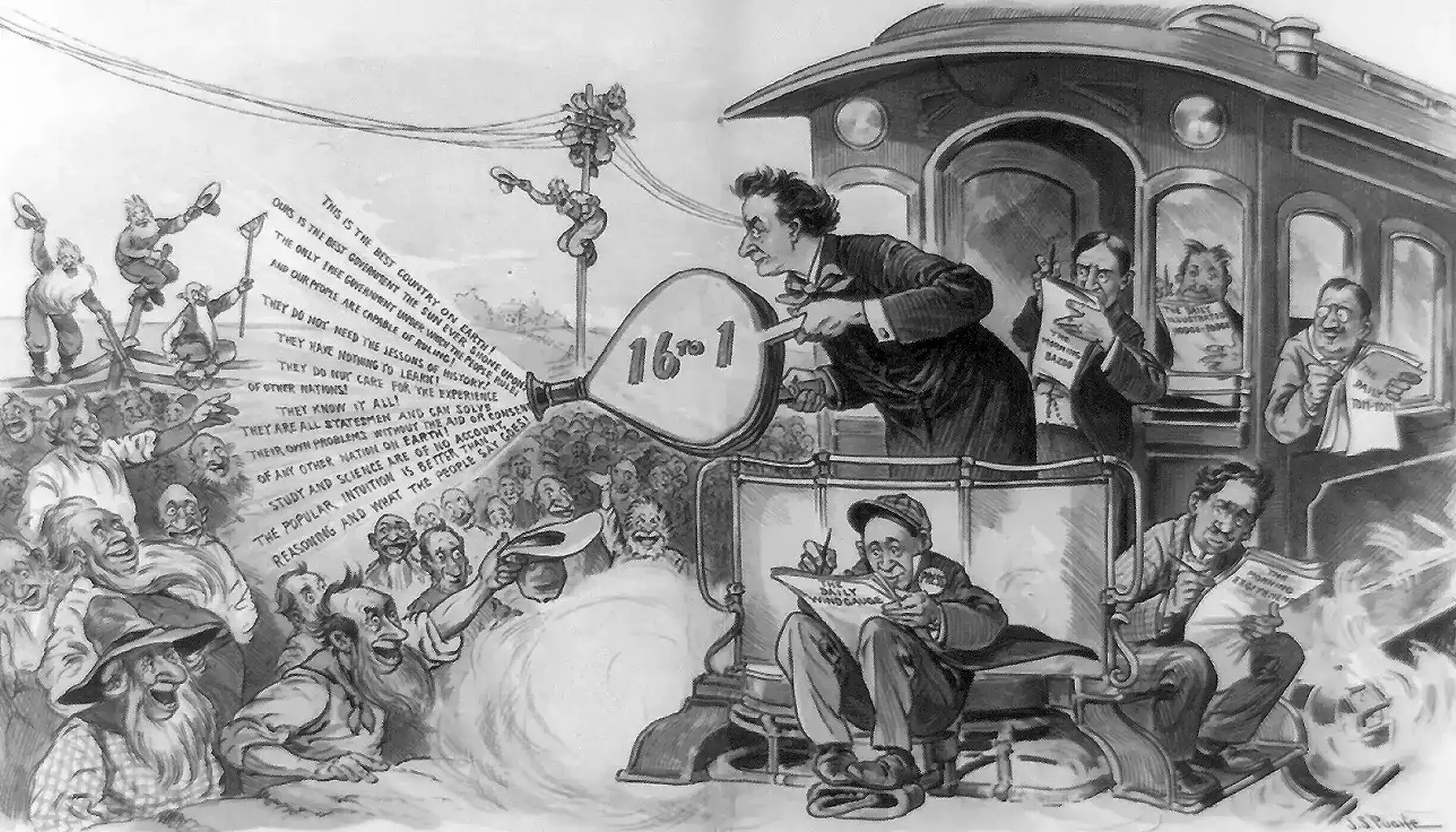
Bimetallism was suggested as a way to fix this problem, because Bimetallism vs Gold Standard supporters asked for the return of the 16:1 ratio, which they believed would suddenly make the money supply much bigger by using the newly found silver.
How Would Bimetallism Help the Economy?
The people who supported bimetallism believed that it would help the economy by solving the main problem of that time, which was the long-term deflation and the lack of available money.
Bimetallism was supposed to:
Increase the Money Supply: More silver going into the system would make the money rules less strict.
Cause Inflation: This would make the prices of goods go up, which would make farming more profitable and make the economy more active.
Make Debt Easier: This was the main reason for the support, because inflation makes the real value of fixed debts go down.
Farmers and the Call for Free Silver
The Problem of Debt and Falling Prices
The most important group that strongly supported bimetallism was the farmers in the South and West.
In the Gilded Age, American farming had a serious crisis, even though people around the world wanted more food. There were many reasons, such as making too much food, new machines that made more crops like steel plows, and competition from other countries.
The biggest problem for farmers was debt, because they had to borrow money from banks in the East to buy land, machines, and seeds.
For example, if a farmer borrowed when a bushel of wheat cost one dollar in 1870, by 1890, when the bushel cost 50 cents, the farmer had to sell 2000 bushels, not 1000, to pay back the same debt.
Because of deflation, every dollar the farmer earned was worth more than the dollar he borrowed, which meant that the farmers were really paying back much more to the people who lent them money than they had borrowed in the first place.
How Bimetallism Would Help Farmers
Farmers believed that returning to free silver would give them quick and noticeable help:
Higher Prices for Crops: A bigger money supply would cause inflation, and this would raise the prices for wheat, cotton, and corn — farmers would get more dollars for their products.
Easier Debt Repayment: Because the debts were a fixed number of dollars, the higher crop prices would let them pay off the debt by selling fewer of their goods, which would mean that the dollar's value went down, making the burden of the debt lighter.
For the farmers and the new Populist Movement, bimetallism APUSH definition was not only about money rules; it was a moral demand for fairness against what they believed was unfair treatment by the rich financial people in the East.
Defeat and the Gold Standard Act of 1900
In the end, McKinley won the election, which ended the "free silver" movement. This defeat happened because production workers and people in the Northeastern states voted for the stability of the gold standard.
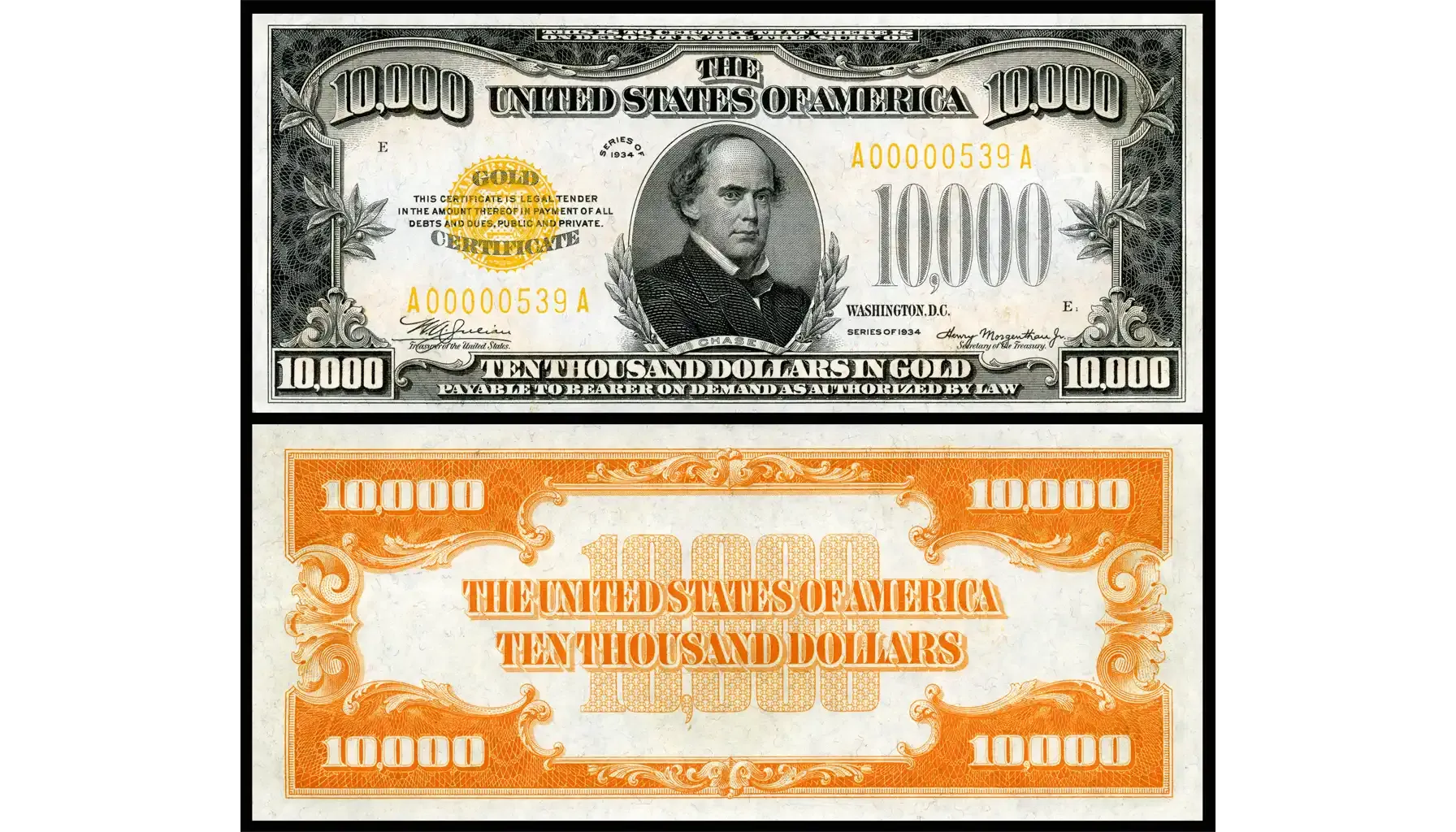
McKinley's win was made official by the Gold Standard Act of 1900, which officially made gold the only thing backing the US dollar.
Although new gold discoveries and better mining methods later increased the world's gold supply, and the resulting inflation helped the farmers, bimetallism US history definition as a political goal was finished forever.
FAQ
What was bimetallism?
A monetary system where the government simultaneously used both gold and silver as legal currency at a specific, fixed exchange ratio like 16:1.
What group supported bimetallism?
Primarily farmers from the South and West, along with other debtors. Their political voice was the Populist Movement.
Why did farmers support bimetallism?
They sought to reverse severe deflation, lowered the prices of their crops.
How would bimetallism benefit farmers?
Introducing "free silver" would cause inflation, which would increase crop prices and make it significantly easier for them to pay off their fixed debts with cheaper dollars.
How does bimetallism help the economy?
People believed that this would dramatically increase the money supply, end deflation, and stimulate the economy — that is, encourage spending and production through moderate inflation.

 Facebook
  X (Twitter)
  Pinterest
  LinkedIn