Contents:
Collectors often end up wondering what a coin is actually made of and whether it’s genuine, and white-metal quarters tend to raise those questions more than most.
Before getting into why the metal changed, it helps to use services that can identify rare coins and compare your piece with known pre-war examples. This makes the first appraisal quicker and gives you a clear baseline when the coin is new to you.
When Did the U.S. Stop Making Silver Quarters?
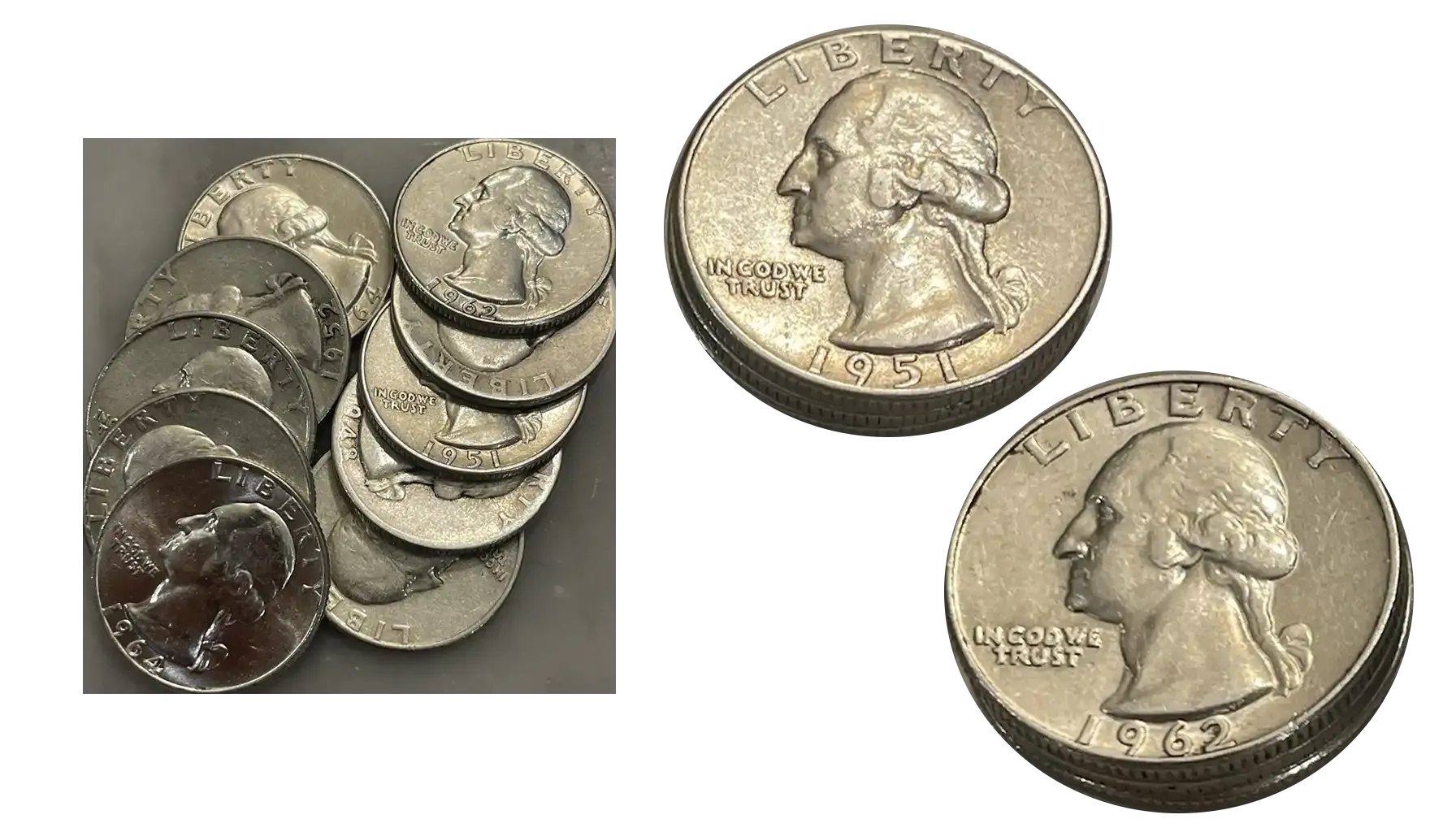
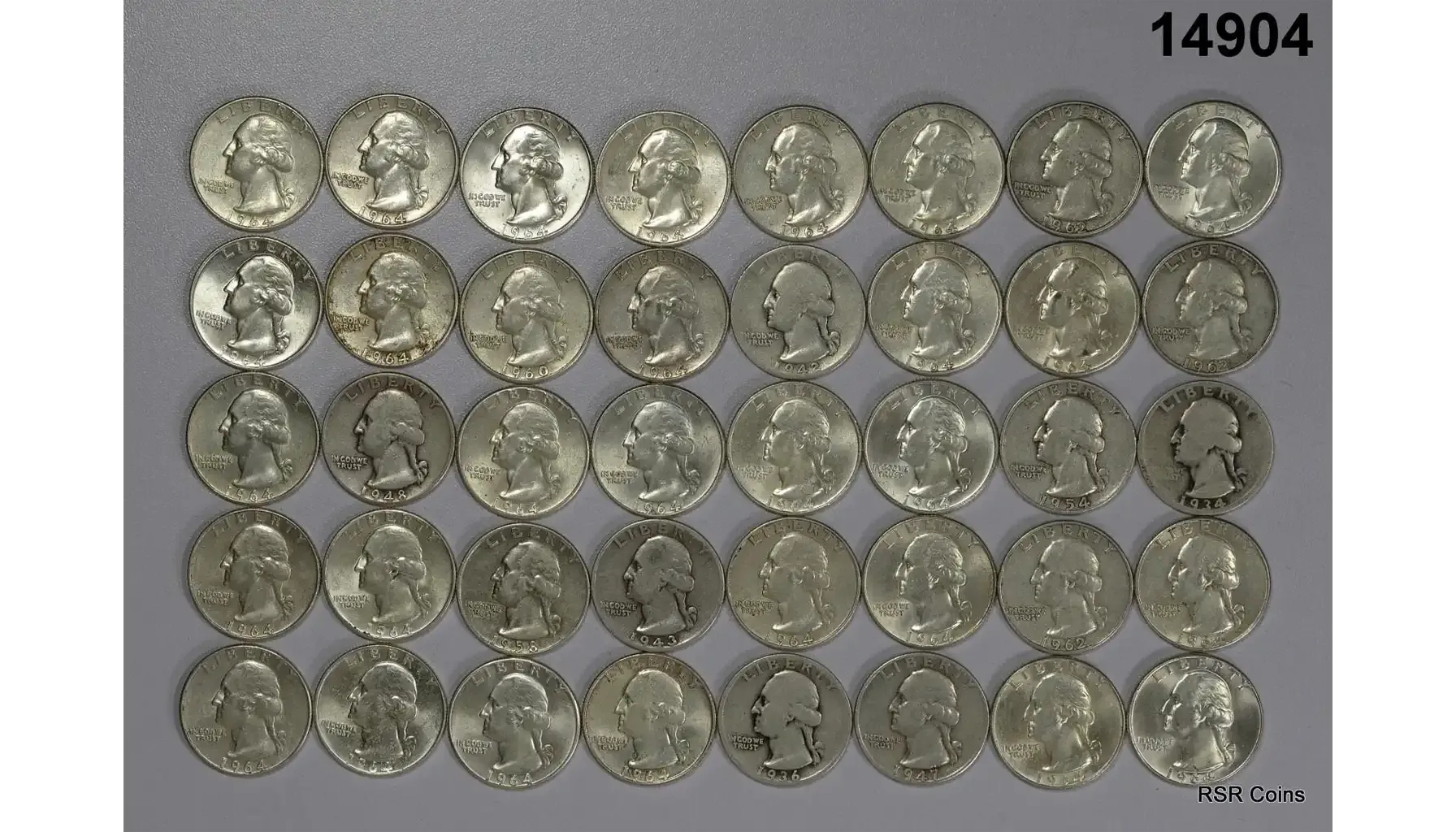
When did they stop making quarters silver? The line is clear here—the last year of circulation with a white-metal composition was 1964. The following year, the Mint moved quarters to a copper-nickel mix, since precious metal had climbed past the coin’s own face value.
Sometimes, they ask a different question: When did they stop making quarters out of silver? This refers to the complete elimination of metal from regular minting. An important nuance: circulation ceased precisely in 1964, but white-metal versions continued to exist as part of collector sets, without entering regular circulation.
“All coins and currencies of the United States…regardless of when coined or issued, shall be legal tender for all debts, public and private, public charges, taxes, duties, and dues.”
— Coinage Act of 1965
Fraser website
Newcomers often assume the phaseout was gradual and ask: When did they stop making quarters with silver? In reality, the transition happened instantly. The Mint was forced to end the minting of the old standard to stop the mass withdrawal of precious-metal quarters from circulation—banks and the public began holding on to them as bullion rather than as a medium of payment.
Why Silver Was Removed From U.S. Quarters
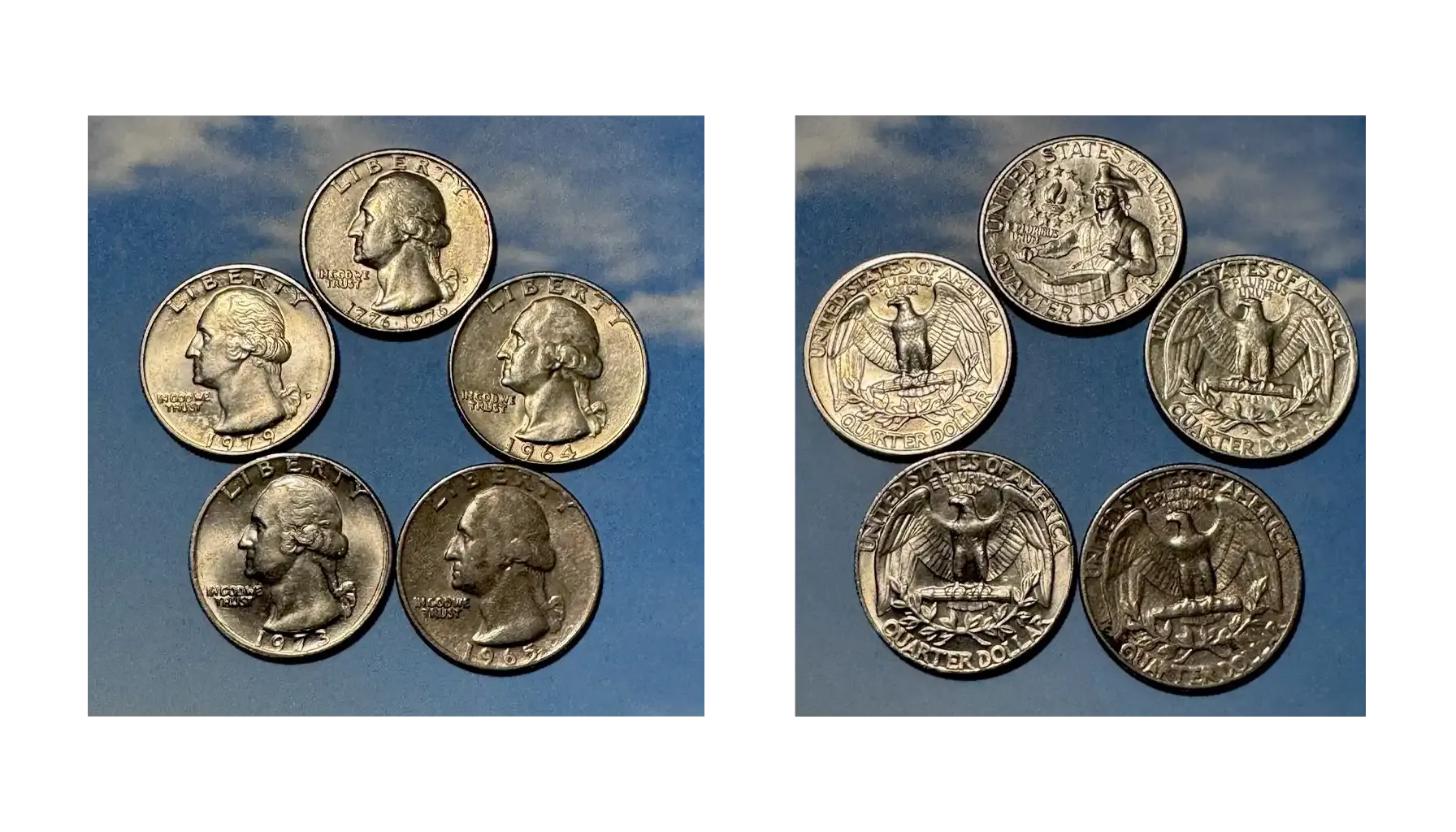
In the 1960s, white metal became a strategic resource. Due to rising global demand, the industry, photography, and the investment sector began absorbing large volumes of the metal. Therefore, a logical question arose that still arises today: When did they stop making all silver quarters, and what was the reason?
Main reasons for the phaseout:
The market price of silver rose. The cost of a coin became higher than its face value.
Coins disappeared from circulation. People held on to silver quarters as a store of value.
Risk of a monetary crisis. Bank vaults thinned out, and the number of coins moving through everyday circulation dropped fast.
Burdens on the state budget. Coin production became economically unsustainable.
Some ask another clarifying question: When did they stop producing silver quarters because of technological difficulties? In truth, the problem was purely economic—the technology remained the same, but the price of the metal rose.
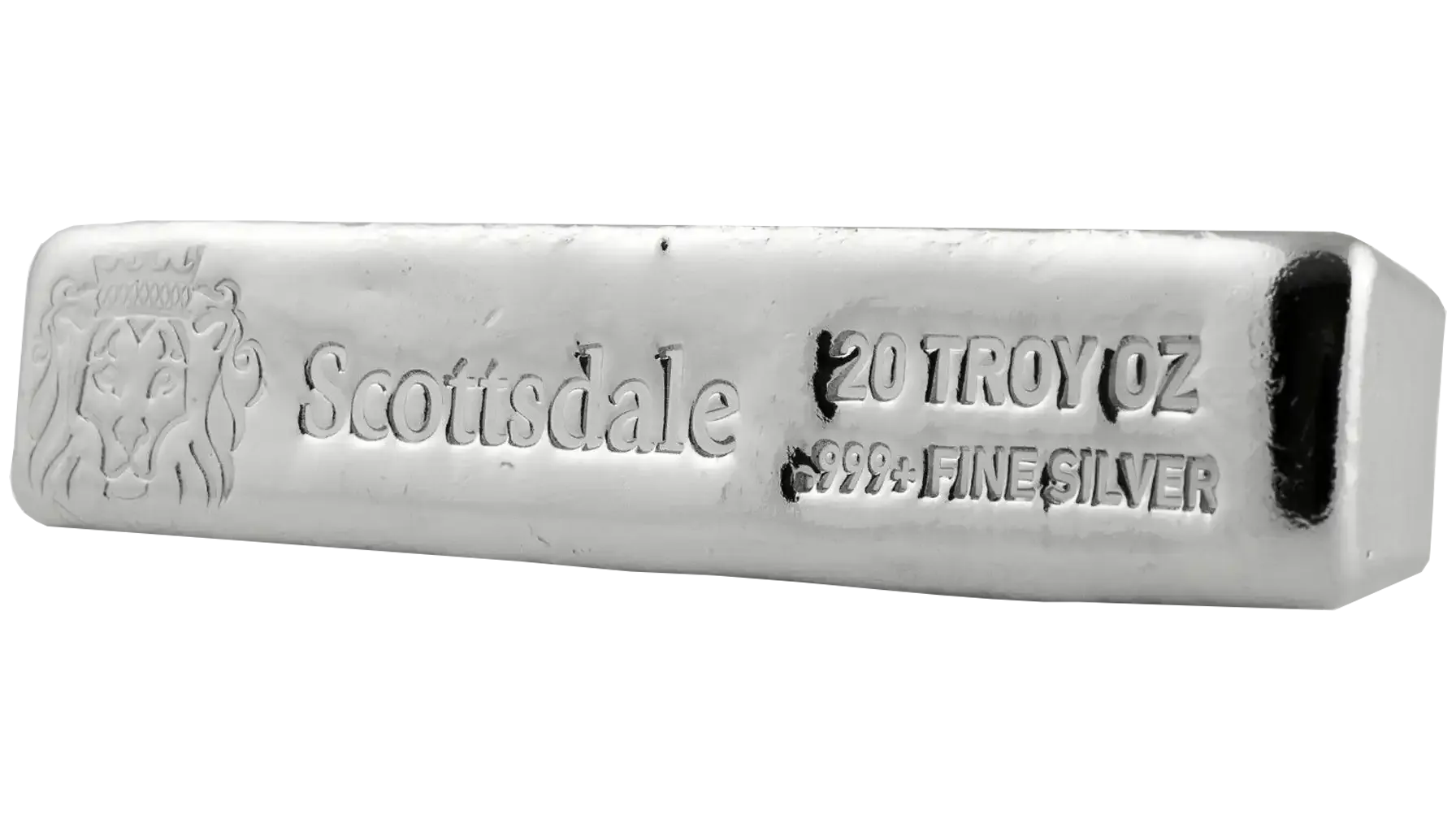
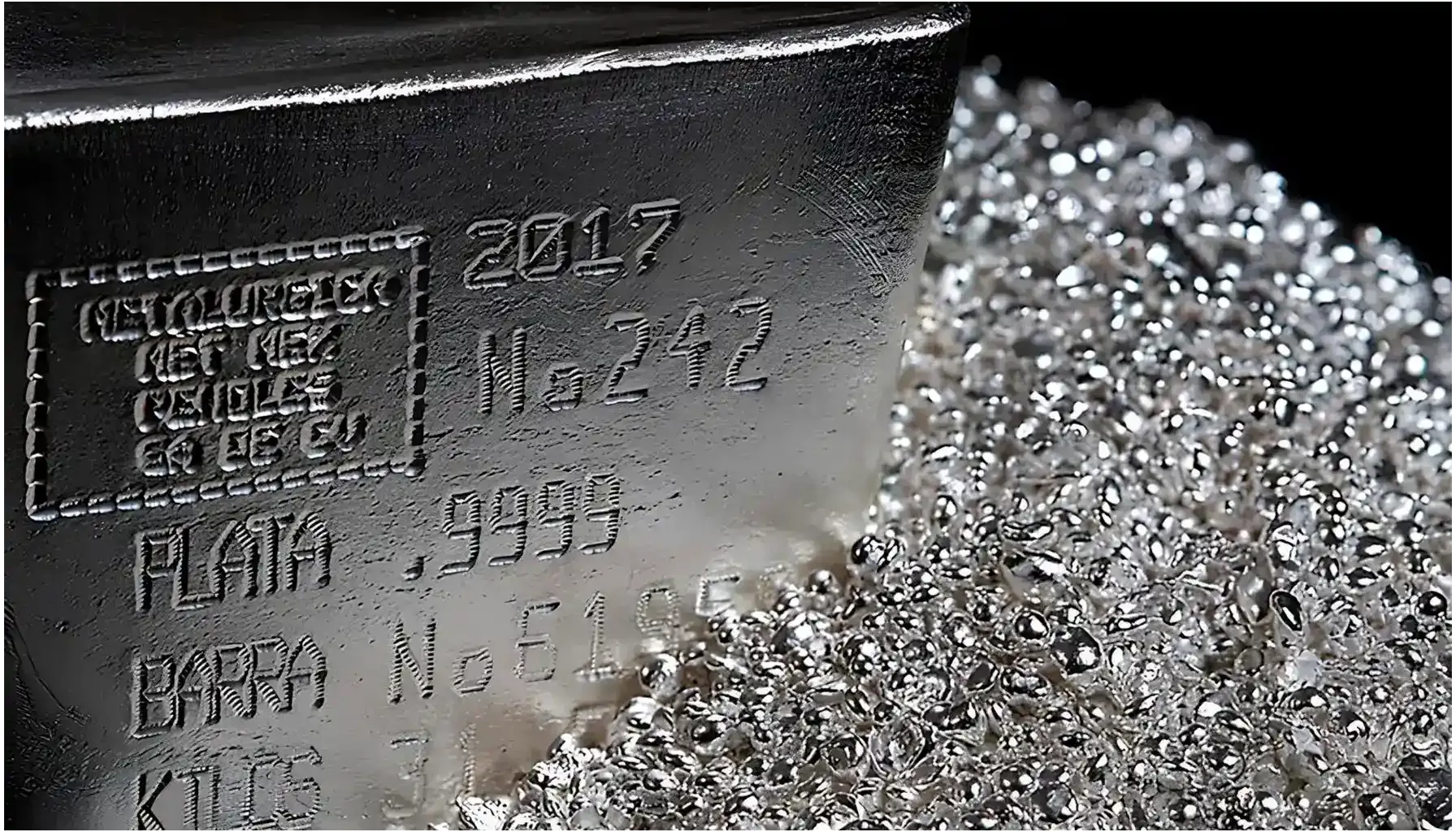
These events shaped the later precious-metal market. Modern investment products, such as the Lady Liberty white-metal bar, partially continue the interest in pure bullion that grew during the era of noble-metal coinage.
The 1965 Coinage Act and Its Impact
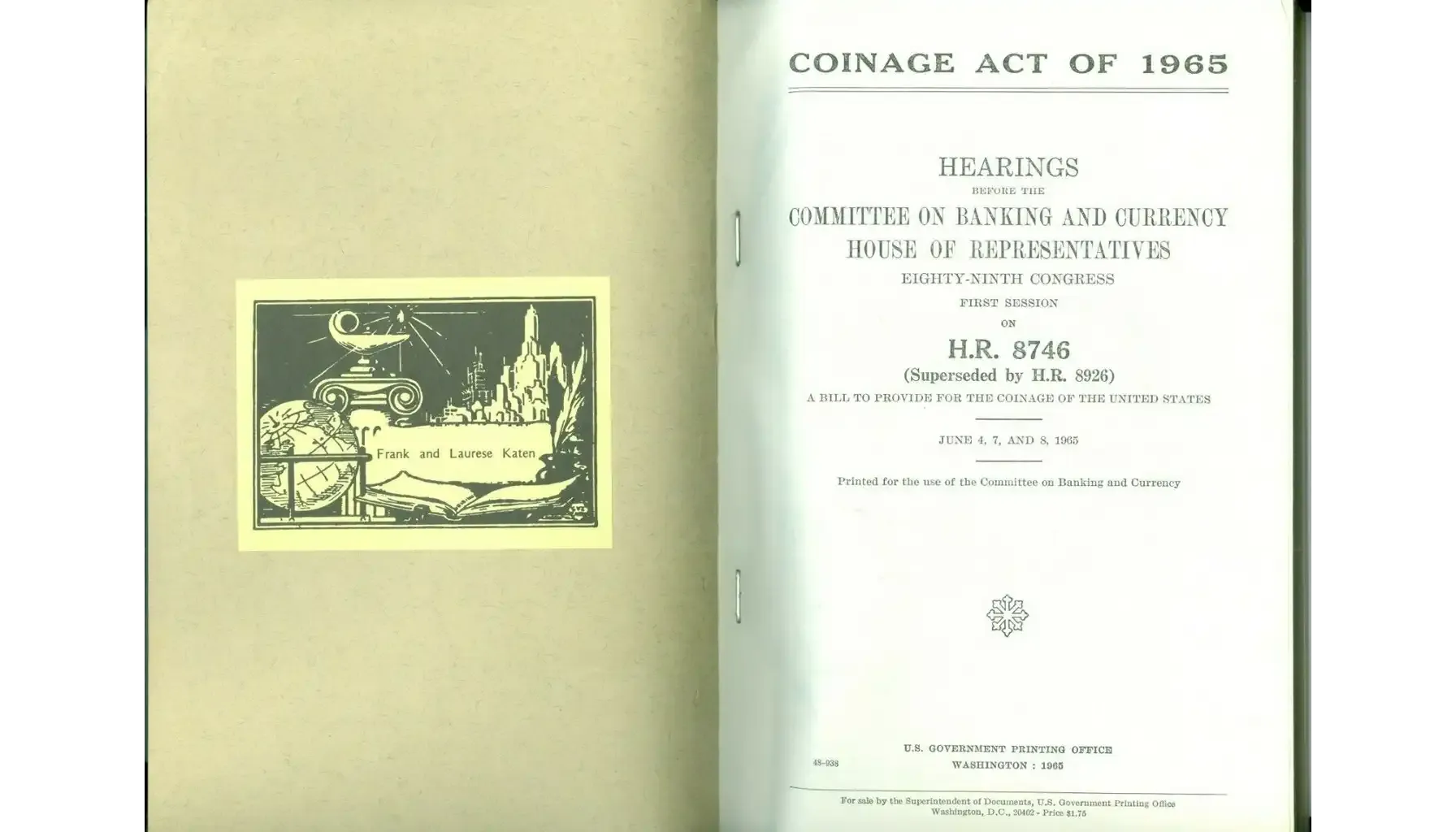
To stabilize coin circulation, Congress passed the Coinage Act of 1965. The law completely repealed the previous silver content requirements for small coins.
The law established:
Replacement of silver with copper-nickel alloy in quarters and dimes.
Silver was retained in the half dollar, but silver completely disappeared from dimes and quarters, and its share of the half dollar dropped to 40%, remaining only until 1970.
Ban on reminting old-style coins for circulation.
Granted the Secretary of the Treasury broad powers to organize the transition to clad coins (procure equipment, materials, and conclude contracts).
The sharp decline in silver's share in circulation led to a shift in demand toward bars and collectible series. Demand later shifted to investment coins, and programs like Silver Eagle production became a direct extension of interest in silver as an asset.
Another question that arises is: When did they stop making pure silver quarters? There were no pure (.999) white-metal quarters in circulation. For 20th-century precious-metal quarters, the standard alloy was 90% silver and 10% copper.
Another point: When did they stop making quarters in silver for special sets? The precious metal was used in collector sets later, but such quarters never entered circulation.
How to Identify Authentic Silver Quarters
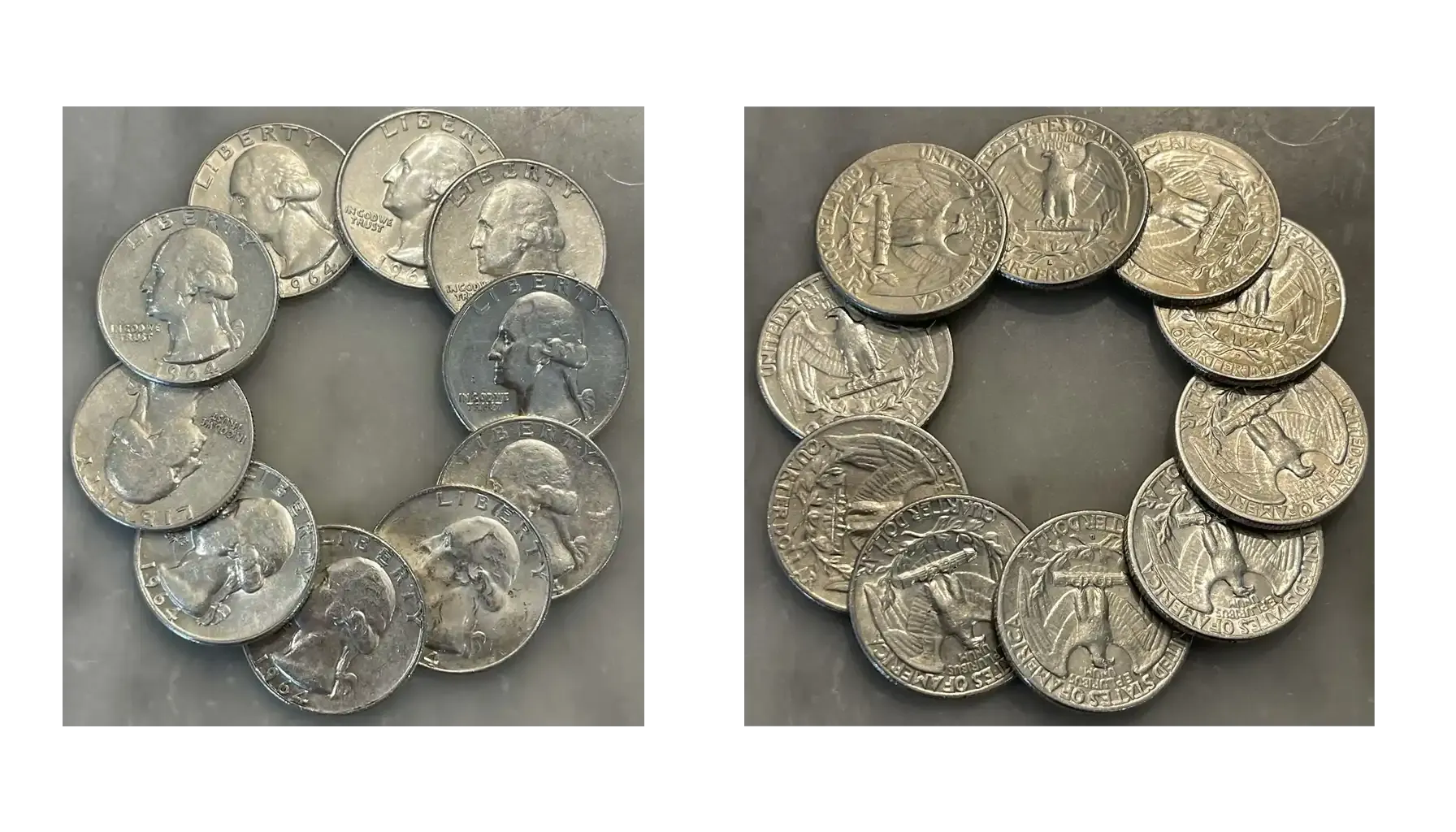
There are several quick ways to identify a pre-war quarter:
Year of issue: any quarter dated 1964 or earlier is silver.
Edge check: the edge shows no copper layer, so there’s no orange stripe at all.
Metal color: the surface looks colder and cleaner, without the usual gray cast of clad pieces.
Weight: 90% silver coins come in at 6.25 g.
Sound: tapped lightly, silver gives off a clear, sharp ring.
Value and Collectibility of Pre-1965 Silver Quarters
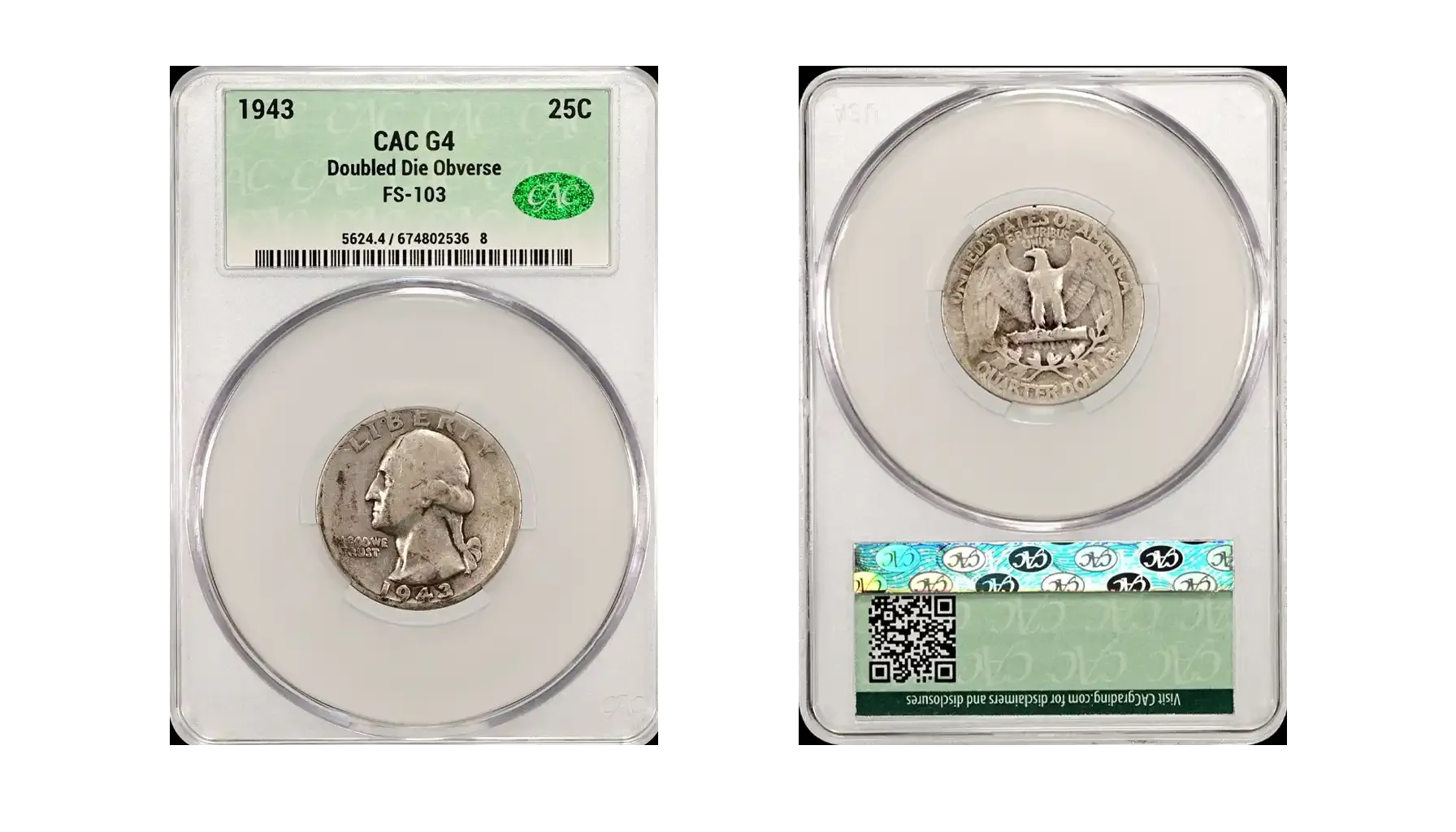
A coin’s collectible value comes down to its condition, the year it was struck, and how rare it is. Even ordinary pieces keep some value because of their metal, while certain issues stand out thanks to their history and how often they actually turn up.
Approximate values for popular years:
Year | Good | AU | MS |
1932 | $7–$10 | $25–$60 | $150+ |
1941 | $5–$12 | $15–$25 | $60+ |
1964 | $5–$10 | $10–$18 | $40+ |
If you want to quickly determine the authenticity or estimated value of coins, use the Coin ID Scanner app. The service compares the coin's image with verified examples, opens a profile with mintage years, type, composition, and parameters, supports digital collection management, and AI Coin Helper.
What Affects the Value of Pre-War Quarters
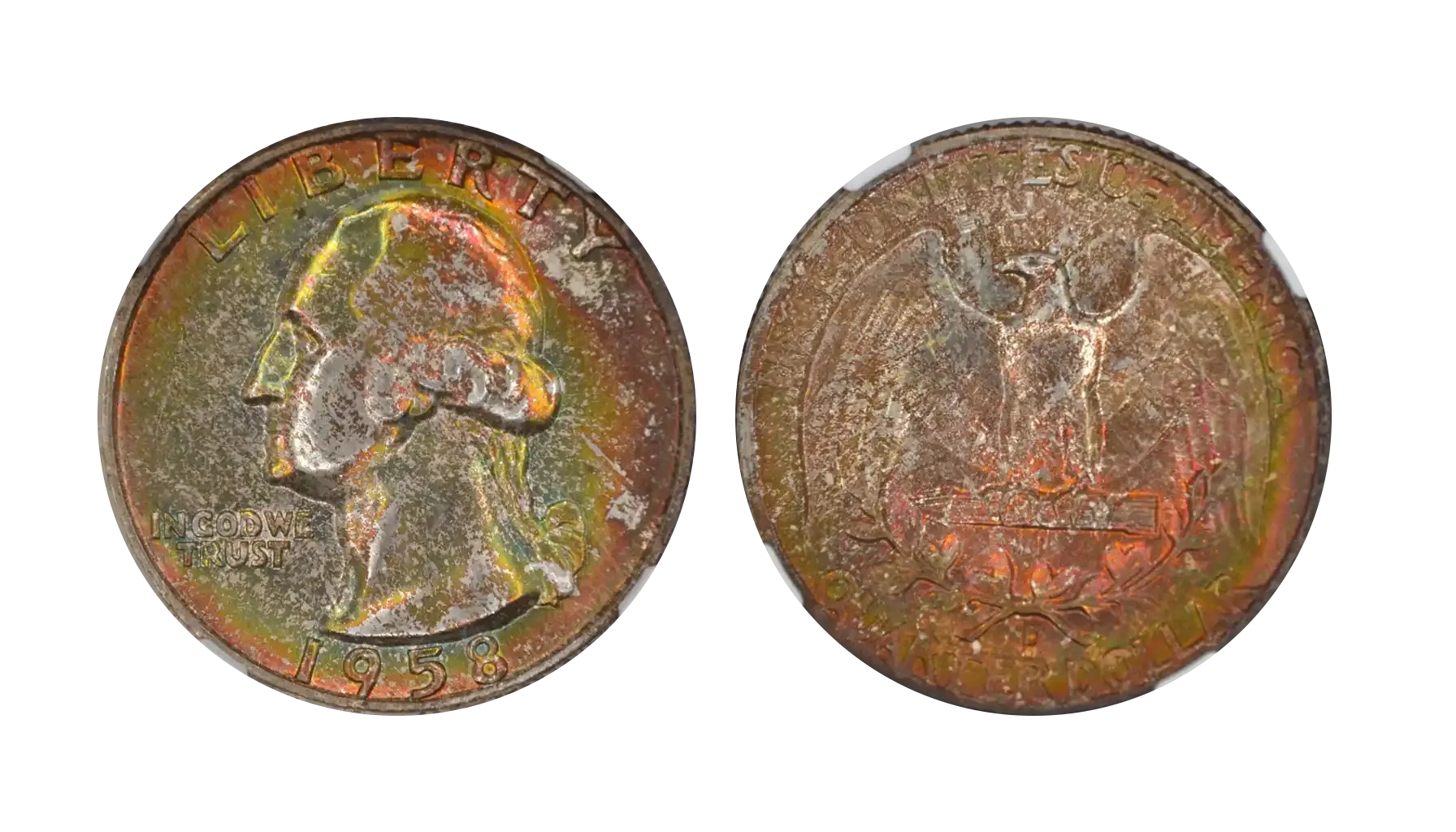
It is important to consider:
Surface and relief condition: this shows how the piece has been handled and whether any details were lost over time.
Demand for a particular year: some dates gain interest because of historical events or shifts in collecting trends.
Rarity of stamped varieties: small differences in dies or mint errors can move a coin into a completely different price range.
The composition of the collector market in the current period: interest can rise or fade depending on how active buyers are and which segments they focus on.

 Facebook
  X (Twitter)
  Pinterest
  LinkedIn