Contents:
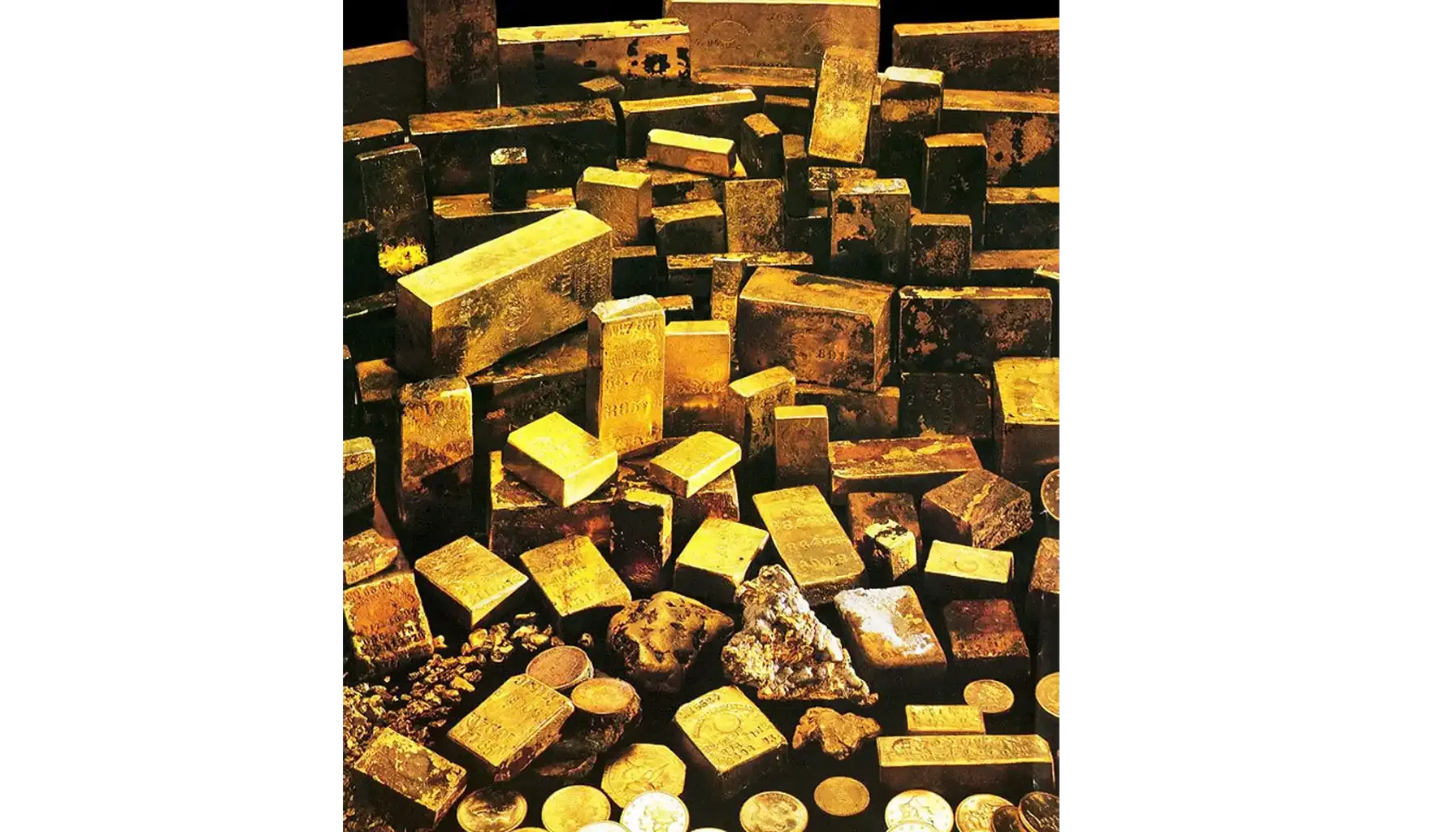
The definition of Sherman Silver Purchase Act is the main topic of financial and political conversations in the United States from the 1870s to the 1890s — because this law was an attempt to solve the silver problem and find a political agreement between powerful groups such as silver miners and farmers who had debts and wanted more money.
On the one hand, people who liked the strict gold standard, who were mostly bankers and big business owners from the East, on the other hand.
But in the end, this Sherman Silver Purchase Act of 1890 did not lead to what was expected, so before define Sherman Silver Purchase Act, it may be interesting for fans of history and numismatics to find out the period of evaluation of precious metals: not only to check coin value, but to know what led to it.
Historical Context: From Two Metals to Low Prices
To understand the Sherman Silver Purchase Act Definition US History, it is necessary to look at the economic time after the Civil War — Gilded Age.
The Crime of 1873
What was the purpose of the Sherman Silver Purchase Act?
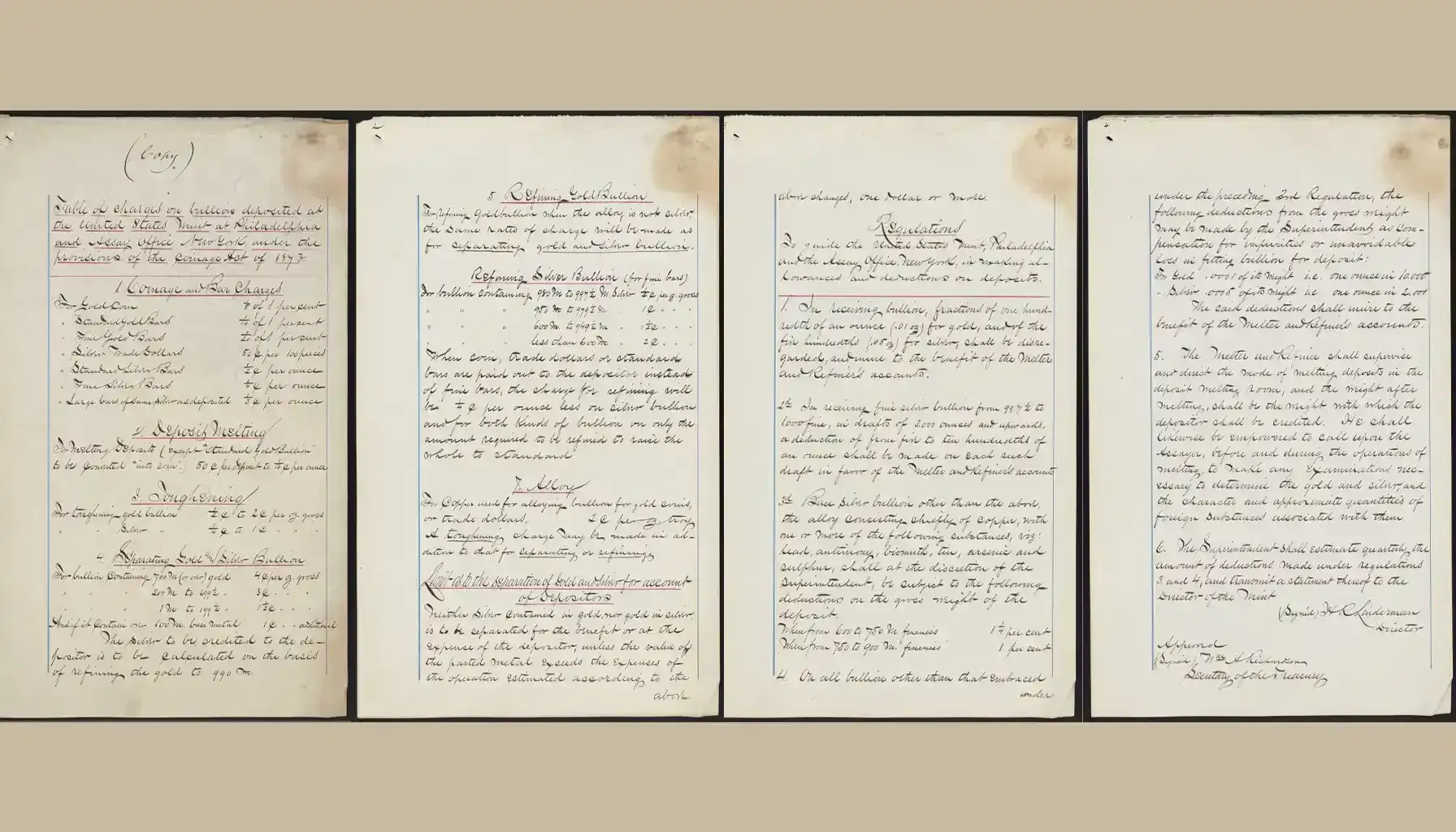
The start of the "Silver Question" was in 1873 when Congress passed the Coinage Act of 1873, because before this law, the USA had two metals as money with a fixed amount of 16 parts of silver for 1 part of gold, but because the market price of silver was higher than this law price, it was almost never used to make coins.
The 1873 law stopped the free making of silver dollars, which actually made the gold standard the only money system, so when big silver mines like Comstock Lode were found in the Western states, a lot of cheap metal came to the world market.
And its price fell below the fixed ratio of 16:1, so the mine owners found that the 1873 law stopped them from selling silver to the government bank for the old, high price.
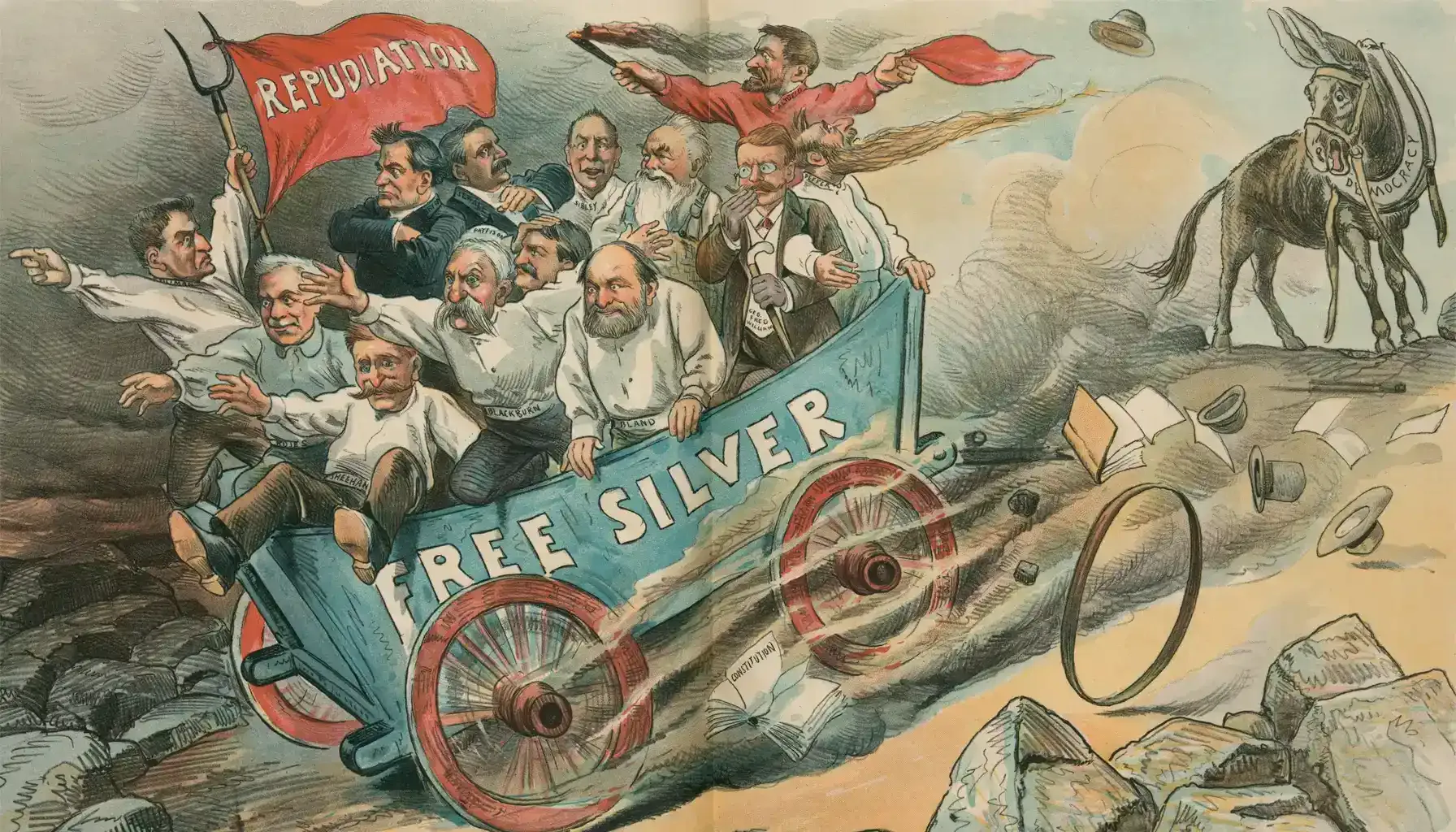
Pressure from Debtors and Populists
The lower prices, which were caused by only using gold for the money supply, were very bad for two main groups:
Farmers and Debtors: Because the prices for food from the farms were falling, the farmers, who had big bank loans for their land and homes, had to sell much more food to pay back their loans that were counted in gold coins, they asked for inflation so that their food prices would go up and their debts would be cheaper.
Silver Barons: The owners of the silver mines in the West needed the federal government to make a steady and artificially high demand, so the government would buy all they dug up.
These interests caused a powerful political movement for "Free Silver," which became the main idea of the new Populist Party.
The Earlier Compromise: The Bland-Allison Act (1878)
The first time they tried to solve this fight was in 1878 with the Bland-Allison Act, which made the government bank buy silver for a value between $2-$4 million every month to make coins from it, but this amount was too small to really make prices go up or to stop the deflation, so it did not make the miners or the farmers happy.
Reasons for Adoption: The Political "Deal of 1890
The Sherman silver Act 1890 was passed in 1890 not because it was a good idea for the economy, but because it was a political move that came from a deal between two strong groups of the Republican Party during the time of President Benjamin Harrison.
The McKinley Tariff Compromise
In 1890, the Eastern Republicans, who represented the big factories, wanted to pass the McKinley Tariff through Congress, which was a very high tax on goods from other countries, and this tax was meant to protect American factories from foreign competition.
However, they did not have enough votes in the Senate to pass this tax, because the votes were held by the Western Senators, who were silver supporters and would not vote for the tariff without getting something in return about the money problem.
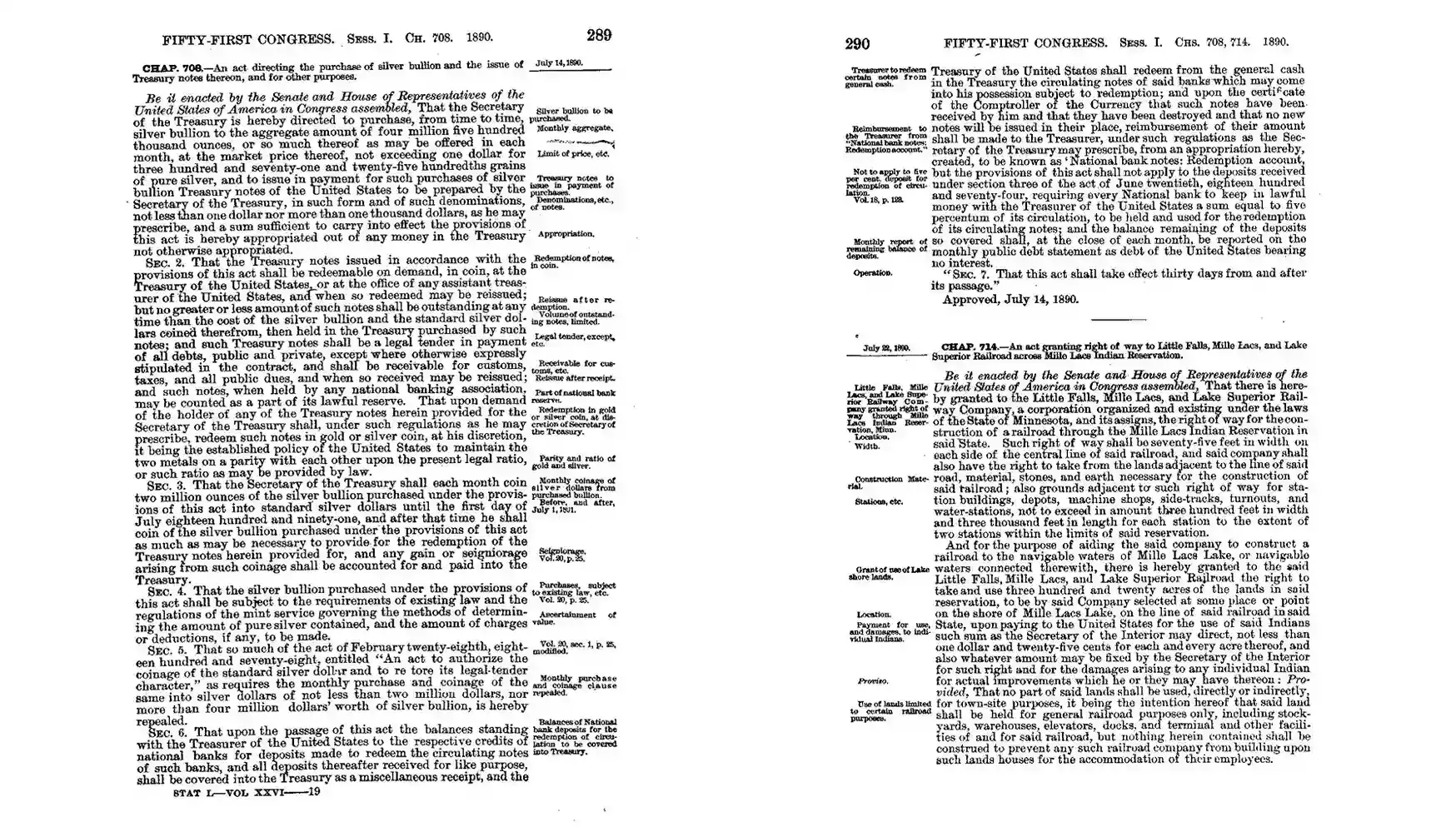
So, a political trade was made: the Eastern Republicans who wanted the high tax agreed to support the new law that bought much more silver, in return for the Western Senators supporting the McKinley Tariff, and the 1890 Sherman Silver Purchase Act was passed only two weeks after the separate Sherman Antitrust Act.
What Was the Sherman Silver Purchase Act? The Economic Goal
Increase the Money Supply: Putting more money into the economy by using silver was supposed to cause inflation, which would help the farmers and people who had debts.
Support the Price: Why was the Sherman Silver Purchase Act passed? The government buying a lot of silver was supposed to keep the market price high or make it higher, which would give money to the mine owners.
The Mechanism of the Sherman Act
The Sherman Silver Purchase Act Definition U.S. history was much bigger in its rules than the Bland-Allison Act:
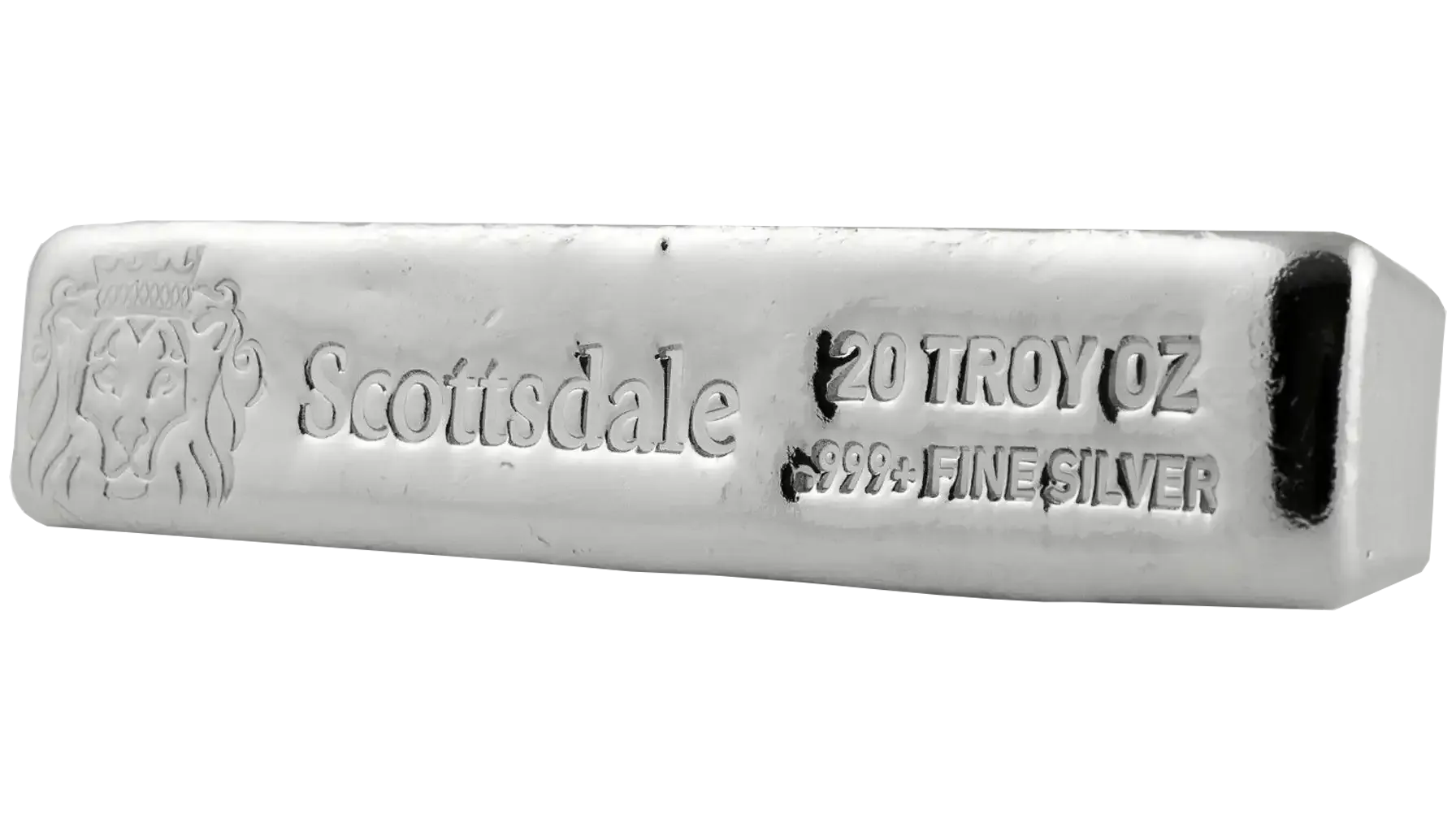
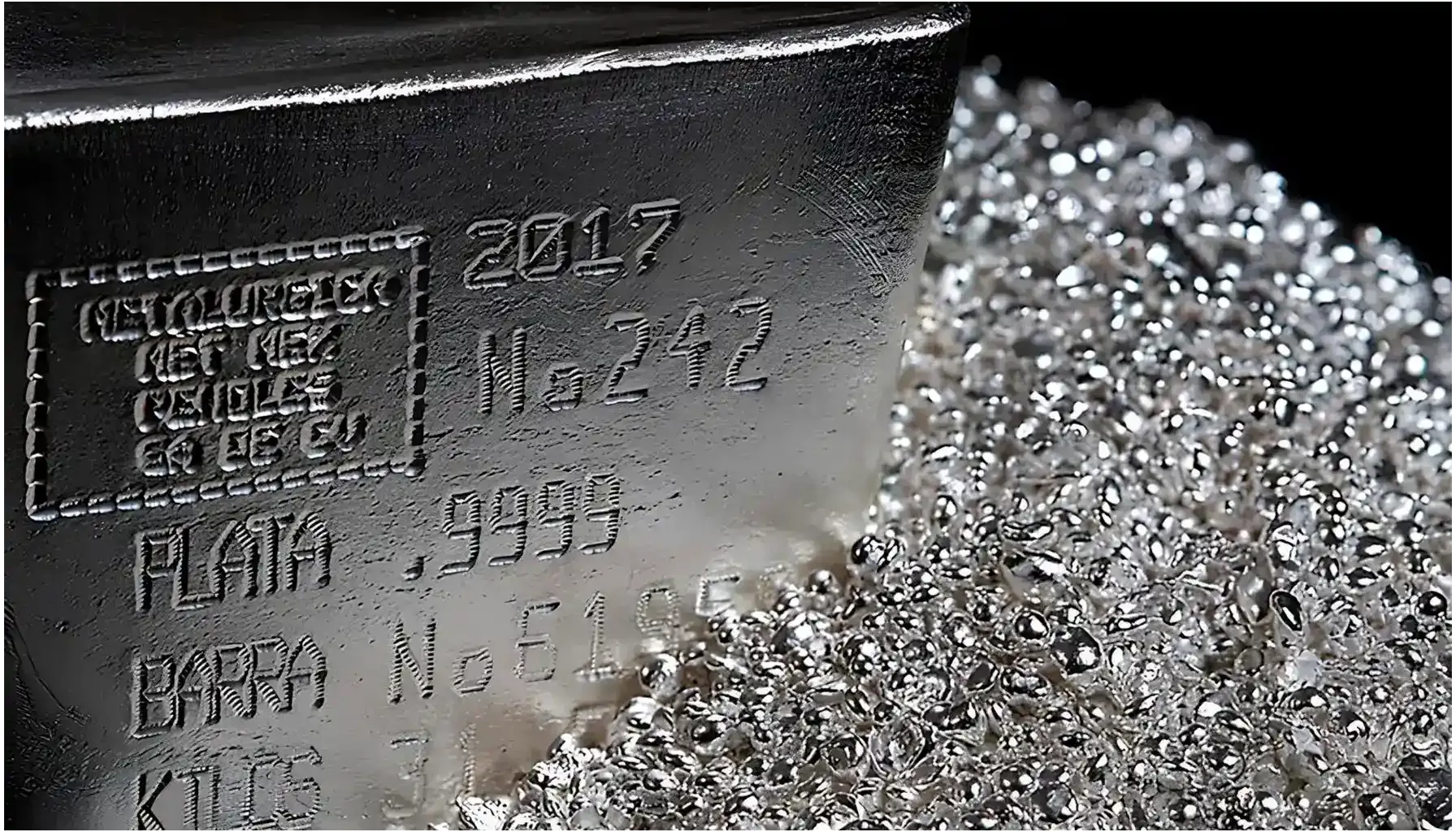
Mandatory Monthly Amount: The US Treasury had to buy 140 million grams of silver in bars every month at the market price, and this amount was almost all the silver that was being dug up in the United States every year, so the government became the second-biggest buyer of silver in the world, after India.
Issuing Treasury Notes: To pay for this silver, the Treasury created special paper money called Treasury Notes of 1890.
The Fatal Mistake: The most important and bad part of the law was that these Treasury Notes could be exchanged for gold or silver when a person asked for it, and though the law said the government must keep the value of gold and silver the same, in real life this meant the Treasury felt it had to give gold when the note claimants asked for it.
Economic Consequences: the Panic of 1893
Even though the law was supposed to be a compromise, the Sherman Act created a money system that was sure to fail because it did not respect the basic rules of the economy.
Gresham's Law in Action
Soon after the law was passed, Gresham's Law started to work:
The market price of silver kept falling compared to gold
The Treasury Notes were backed by both silver and gold, but because gold was seen as more valuable and safer, the people who had the paper notes, especially investors from Europe and the East, chose to exchange them for gold, and not for the less valuable silver
This caused the endless chain problems:
The Treasury printed notes to buy silver
These notes were given back to the Treasury to get money
The Treasury, wanting to keep the value the same, paid them with gold
The gold reserve of the USA became smaller and smaller
How the Repeal of Sherman Silver Purchase Act Began: the Panic of 1893
The national gold reserve, which usually had to be at least $100 million to keep people trusting the money, started to disappear very fast:
Banking Panic: Investors were afraid that the US government would have to stop using the gold standard and start using the less reliable silver standard, so they started taking their gold out of the country and the banks very quickly.
Credit Crisis: Banks started giving less money for loans — many companies like railroads and factories, as well as many banks, went bankrupt.
Depression: The biggest and worst economic problem in US history at that time began, which was the Panic of 1893, and the number of people without jobs grew very fast.
Most money experts and President Grover Cleveland said clearly that the Sherman Act was the main reason for the crisis, because it made people lose faith in the government's ability to pay its bills with gold.
Repeal of The Sherman Silver Purchase Act
Because of the terrible economic disaster, the new President, the Democrat Grover Cleveland, made stopping the Sherman Act his most important goal.
Cleveland called Congress to meet for a special session, and in his message, he strongly asked them to immediately stop the law, saying that it was the root of all the nation's money problems.
“Unless Government bonds are to be constantly issued and sold to replenish our exhausted gold, only to be again exhausted, it is apparent that the operation of the silver-purchase law now in force leads in the direction of the entire substitution of silver for the gold in the Government Treasury...Given over to the exclusive use of a currency greatly depreciated according to the standard of the commercial world, we could no longer claim a place among nations of the first class.”
(From Grover Cleveland’s message to Congress, August 8, 1893)
Political Fight and the Split of the Democratic Party
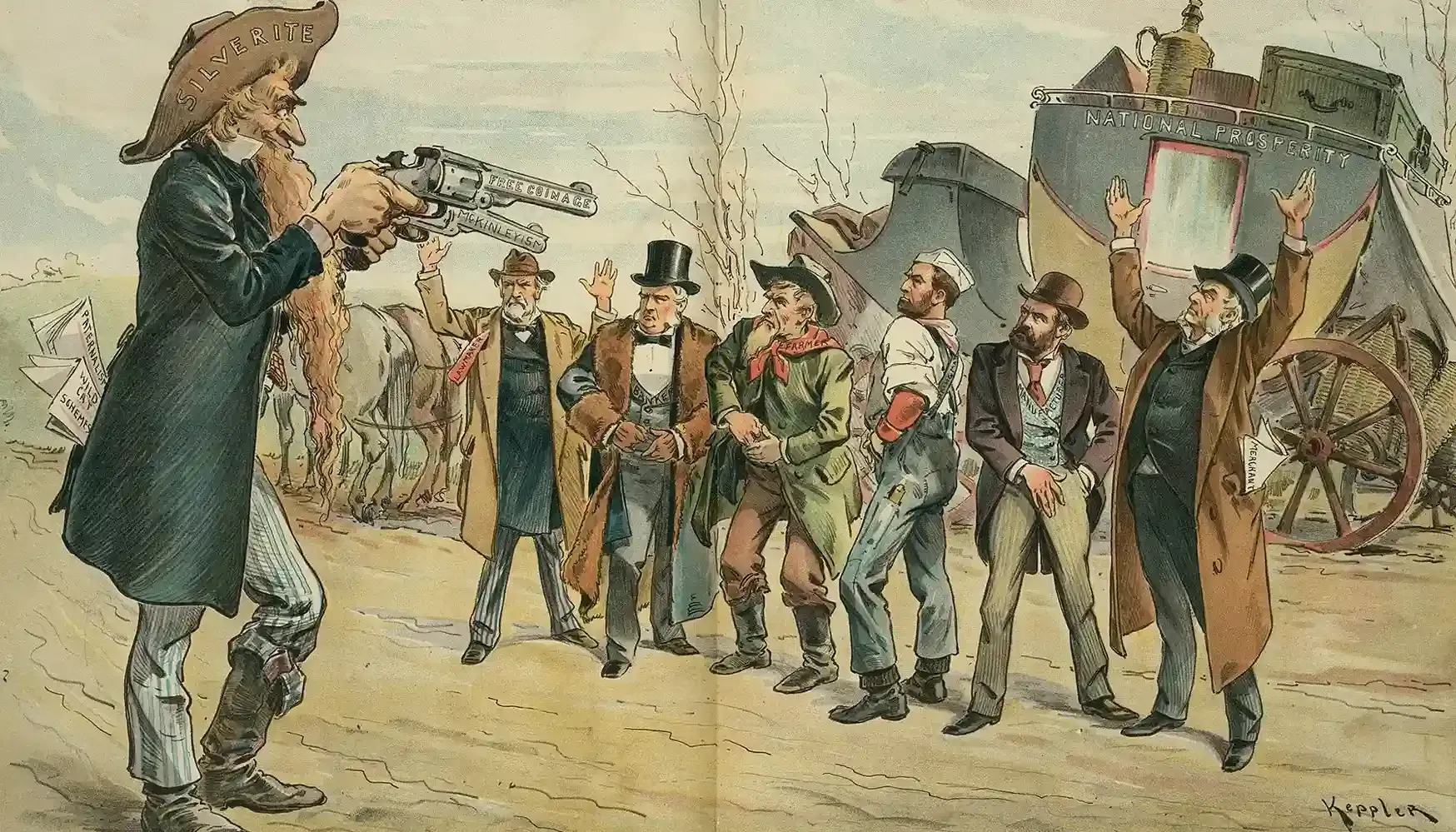
Cleveland's idea caused a fierce three-month fight in Congress, because the "Free Silver" group, which included Democrats from the West and South and the Populists, strongly said "No," and they said Cleveland was only working for the rich people on Wall Street and in London.
Cleveland had to use all his power to convince the gold-supporting Democrats and get help from the Eastern Republicans, so the stopping of the law was passed by the House of Representatives and, after long and dramatic talks, was passed by the Senate on October 30, 1893.

 Facebook
  X (Twitter)
  Pinterest
  LinkedIn