Contents:
Change is often treated with a certain disdain. Coins are forgotten in self-service machines, dropped off at banks, and lost in sofas. But the pandemic has demonstrated that minted units are a real infrastructure for retail transactions. When the usual cash flows were cut off, talk of a piece shortage began across the country.
Now, many are accustomed to keeping coin apps free on hand—it's easy to open the camera, check the piece, and immediately understand whether it's worth paying attention to.
But even with a quick check in the app, one thing doesn’t change: the units have to move through the economy without getting stuck; otherwise, the system can’t work the way it should across the country.
Is the U.S. Currently Experiencing a Coin Shortage?

The first serious coin shortages occurred in the summer of 2020. Due to lockdowns, people went out to stores less and actively switched to contactless payments. Cash velocity in the U.S. then fell to record lows.
As a result, many stores, laundromats, and vending machines were unable to give change. Every day, they were essentially asking themselves: Is there a coin shortage in the US?
Meanwhile, the Federal Reserve and analysts emphasized from the outset that there was a sufficient supply of coins in the country; the problem was that they were "stuck" in households. According to the FDIC and other studies, tens of billions of dollars in change are sitting in American homes, not being returned to circulation.
By 2023, the situation had improved:
It was noted that there are sufficient coin reserves in the system, but weak circulation remains.
The Federal Reserve stated that “as of July 2023, there is no longer a coin shortage,” which refers to the national picture. Local disruptions still appear now and then.
By 2025, discussions about ending penny production were still moving along, and mentions of a coin shortage 2025 kept the topic in circulation. The U.S. Mint had not officially stopped making the penny.
So, is there a coin shortage right now? The correct answer is:
There is no national shortage.
But circulation issues and localized gaps in the supply of small change for certain regions and industries still exist.
Why Is There a Coin Shortage?

The main reasons for the shortage can be summarized as follows:
Lockdowns and restrictions. People went to physical stores far less often and shifted much more toward online shopping and delivery.
Fear of cash. Recommendations to minimize contact with physical cash pushed people toward cards and smartphones.
Decreased supply. The mint temporarily adjusted its operational processes, which reduced the issuance rate during certain periods.
Home storage. Approximately $48.5 billion in coins is held in more than 120 million households and is not in circulation.
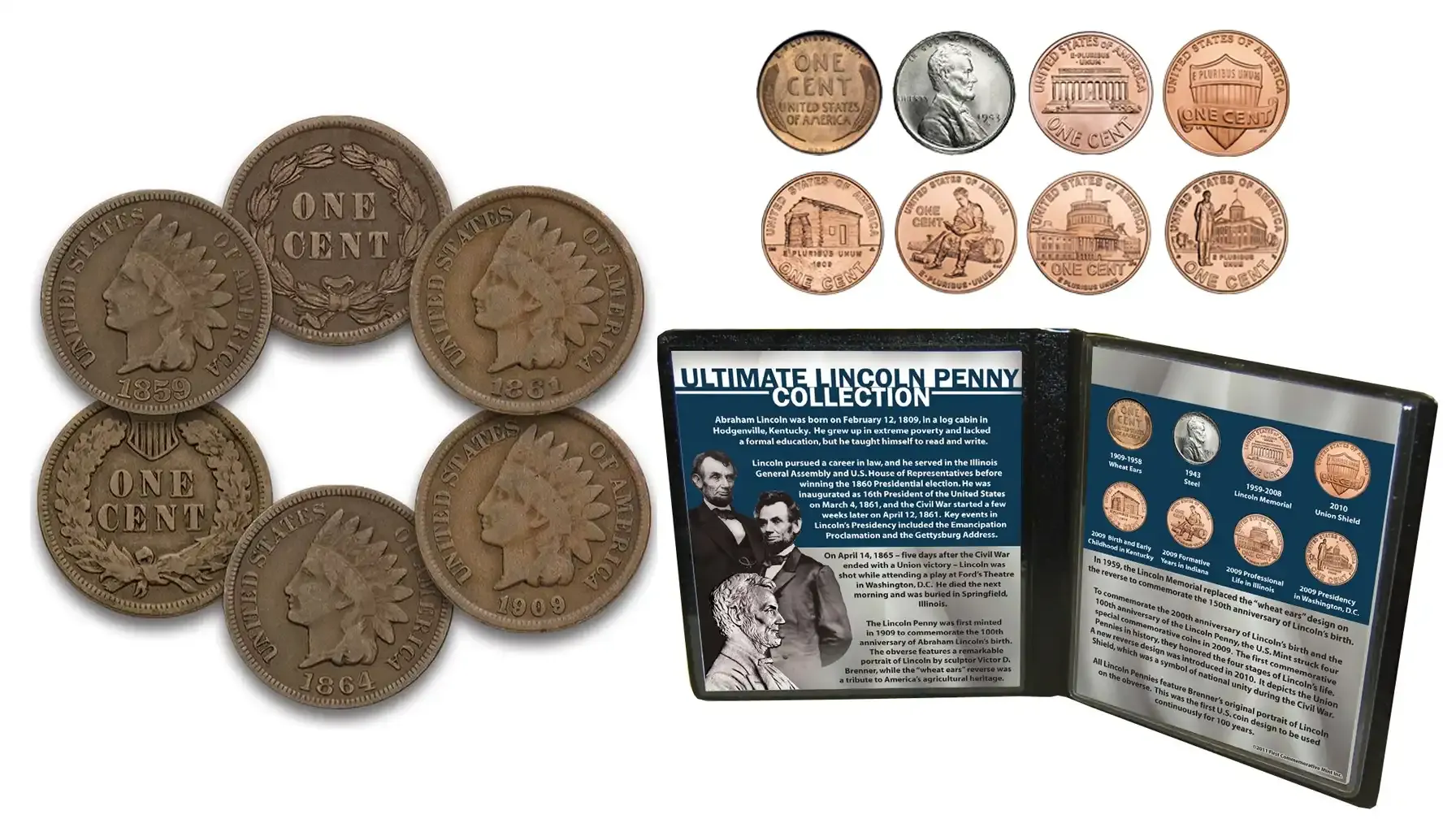
The intense media buzz surrounding rare specimens added fuel to the fire. Headlines about "million-dollar pennies" prompted many to rummage through their piggy banks—partly because of this increased interest in dates like the 1965 Lincoln Penny.
“There are million-dollar pennies, but there are no $100 million pennies”.
— Donn Pearlman, numismatist of the Professional Numismatists Guild
Coshocton Tribune website
There are very few truly valuable examples, and most 20th-century coins are worth their face value or slightly more, especially when the coins are worn.
Is There a National Coin Shortage Right Now?

The widespread shift to cashless payments has complicated the picture even further. According to the Federal Reserve, only about 16% of household payments in 2023 were made with cash. A separate Pew study adds another detail: around two-fifths of Americans go through a regular week without using cash at all.
Against this backdrop, people are naturally asking: Is there still a coin shortage?
Regulators and market participants:
The Federal Reserve and the Mint assess coin reserves as sufficient—the national inventory covers the needs.
The Task Force and industry associations emphasize that the problem is not the reserves, but rather weak circulation and localized imbalances in supply and demand.
According to Coinstar, the average transaction at their terminals yields about $38 in change, and about 76 million transactions annually.
It's important to distinguish:
National level. From the Federal Reserve's perspective, a national coin shortage does not apply to the United States.
Local level. Individual states, certain cities, and sectors like laundromats, vending machines, and small retail still run into shortages of small change when demand jumps.
Those most affected by the shortage were:
Small and cash-oriented businesses. Some were forced to turn away customers because they simply couldn't give them change.
Unbanked households. About 7.1 million households don't have bank accounts, and another 24 million use banking services only partially.
Retailers and banks. They were forced to impose limits on unit withdrawals, implement discounts on change, and change their cash handling processes.
Coin Shortage Explained — How It Really Works
To truly understand the underlying principles of cash circulation, we need to look at what actually happens within the system.
How Does a Coin Circulate Under Normal Conditions?
In normal years, the chain works like this:
The Federal Reserve distributes them to banks.
Banks issue pieces to businesses (laundromats, stores, cafes) and take back any surplus.
Businesses receive units with their proceeds and give them to customers as change.
Households spend the items or take them home to piggy banks.
The key here is the constant return of pieces to banks.
What Exactly Has Changed During COVID-19?
Three key factors stand out:
Businesses closed. The chances of a coin being returned to a bank dropped sharply.
Health and fears. Cash began to be seen as a potential carrier of the virus, and people switched even more actively to “plastic”.
Decreased supply. The mintage itself temporarily declined, which exacerbated the market downturn.
Even after the economy reopened, people's habits didn't fully return to their previous cash payment habits—card payments proved more convenient.
And among such a large number of coins, some "random" sets occasionally feature interesting dates and mint marks—from rare varieties to mass-produced but significant issues like the 1965 Jefferson Nickel in high grades.
How Does this Affect Collectors and Numismatists?
Changing attitudes toward cash are also affecting the hobby:
Fewer coins are passing through people's hands, making it harder to "catch" interesting finds from circulation.
Increased interest in rare dates and errors is creating a flood of inflated expectations (especially around older issues and "hyped" themes).
Collectors are more likely to use online platforms than face-to-face exchanges.
If you’re going through a purse or a coin jar hoping to spot something rare, it helps to balance curiosity with a clear look at what’s actually there. The Coin ID Scanner app can sort this out quickly by matching your photos with previously sold coins, pushing the common ones aside and pointing you to the pieces that stand out.
Interest in other well-known dates has also picked up, and 1965 quarters are a good example. Many new collectors still check them for silver, even though the composition switched to copper-nickel that year, and most pieces sit close to face value unless they reach the highest grades.
How Сan the Сoin Сirculation Situation be Improved?
What can consumers do:
Pay with cash where it's convenient and safe.
Periodically return accumulated coins to a bank or vending machine like Coinstar.
Use change for charitable collections and donations.
What can banks and retailers do:
Hold coin acceptance campaigns—with bonuses, lotteries, or donations to local charities.
Train staff on handling cash and coins to reduce operational losses.
Use cash management solutions that help predict change needs and simplify orders.
The history of the coin shortage in US from 2020 to 2025 shows how sensitive the retail payment system is to changes in consumer behavior and infrastructure.
For numismatists and those who enjoy rummaging through their change to find interesting dates, this is yet another reason to pay closer attention to change. For businesses and regulators, the lesson is clear: the coin remains an important tool in the financial ecosystem.

 Facebook
  X (Twitter)
  Pinterest
  LinkedIn