Contents:
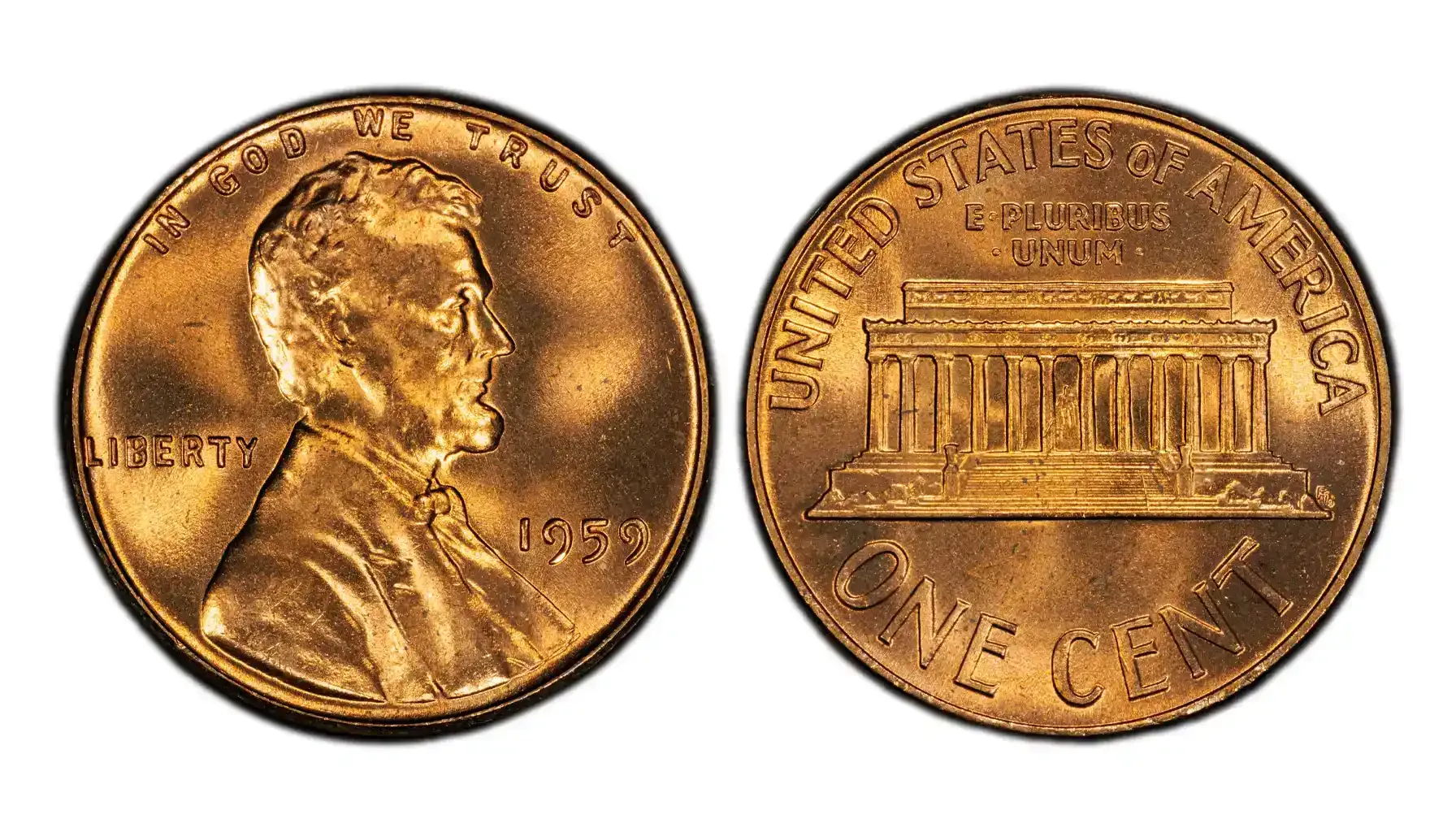
BREAKING: After more than a century in American pockets, the penny has officially been discontinued. The U.S. Mint halted production of circulating cents in late 2025, so nationwide questions arose: Are pennies going away?
The penny is being discontinued for general production, but not eliminated as legal tender. The Treasury’s move (announced during the Trump administration) stopped new pennies from being struck for circulation. Until lawmakers make a final ruling, millions of existing coins remain spendable. But the signs of a shrinking supply are already appearing.
So if you have any pennies left, they are probably the last specimens of their kind you are going to see. But who knows? From now on, the Mint stated that this kind of coin is not profitable to make.
Pennies Are Gone: What the End of Penny Production Means Now
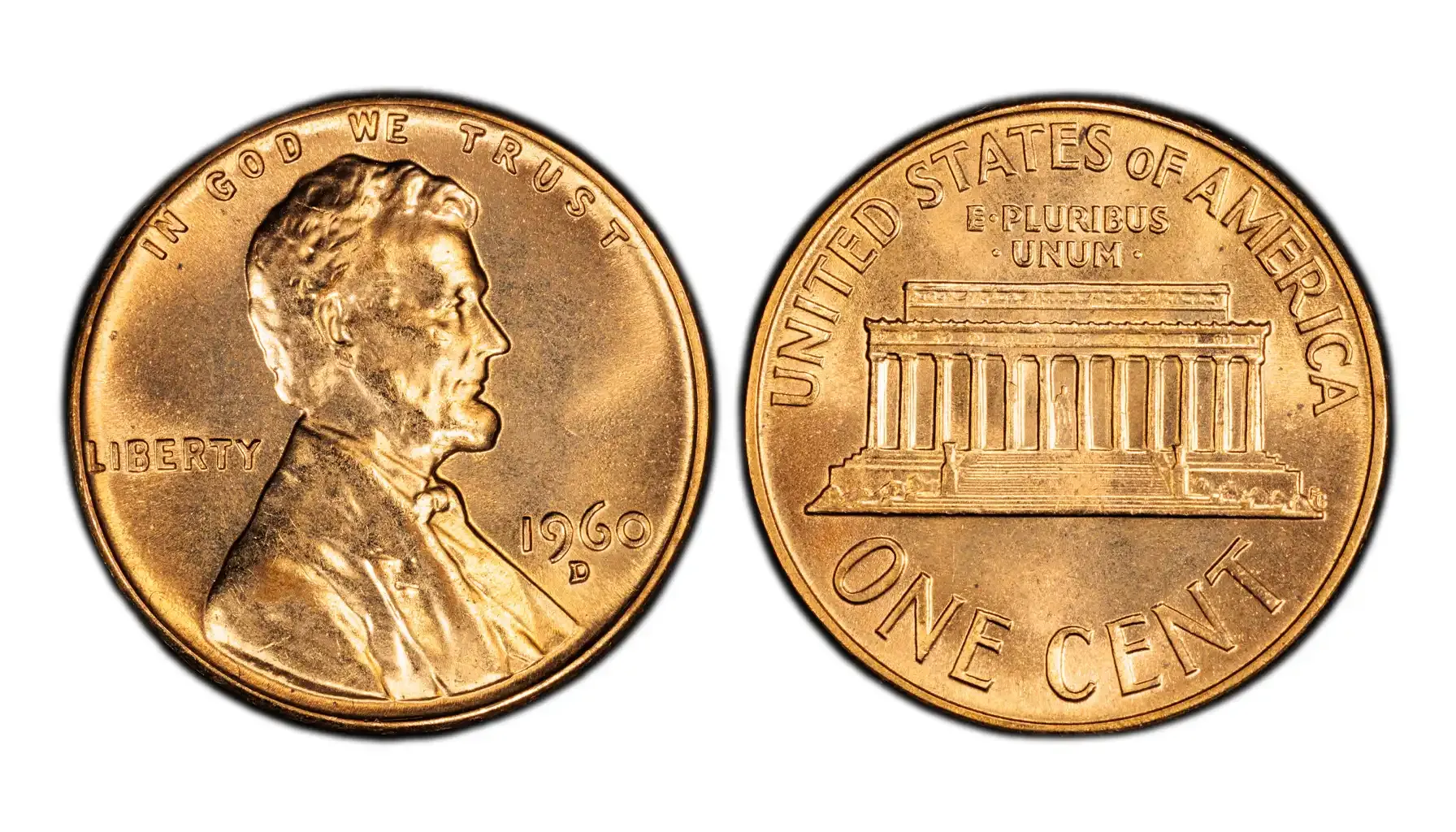
Each one-cent coin costs nearly four cents to mint. Out of pure economic necessity, is it profitable to make them? No, so now the country is operating without fresh pennies for the first time since the 1800s. Got any curious specimens? From now on, they would be even more precious. Check them with an app to identify coins to know for sure.
So the reason it “disappears” from parts of the 1800s record isn’t that it stopped existing; it’s because it became expensive to produce, unpopular in daily use, and was temporarily replaced by private money and alternative small-change systems until the smaller cent solved the problem.
Why Did the Penny Appear?
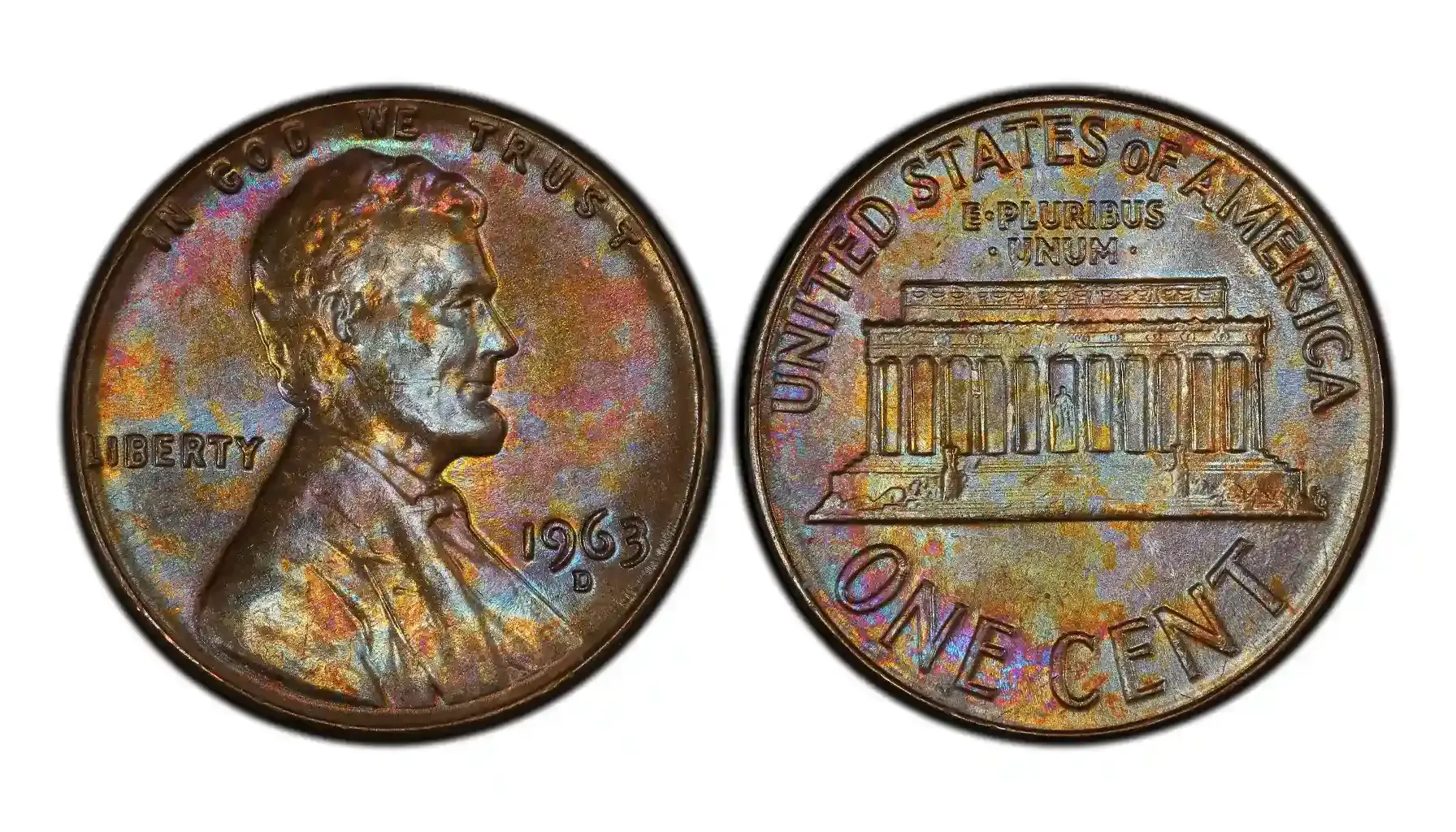
The penny appeared because the young United States needed a small denomination coin to make everyday transactions possible. When the country created its own decimal currency in 1792, people were still using British, Spanish, and colonial money. It was not good for the trade, because it was messy and inconsistent.
Prices at that time were much lower than today, so a single cent actually had real purchasing power. You could buy small goods or pay wages that weren’t in round dollar amounts. Without a low-value coin, making exact change would have been difficult.
The idea wasn’t unique to America. Europe already used small copper coins for minor purchases. So a one-cent coin fit the common monetary structure of the era. The penny also helped the federal government standardize currency nationwide and gradually replace foreign coins and privately minted tokens still circulating after independence.
Should the Penny Stay or Go?
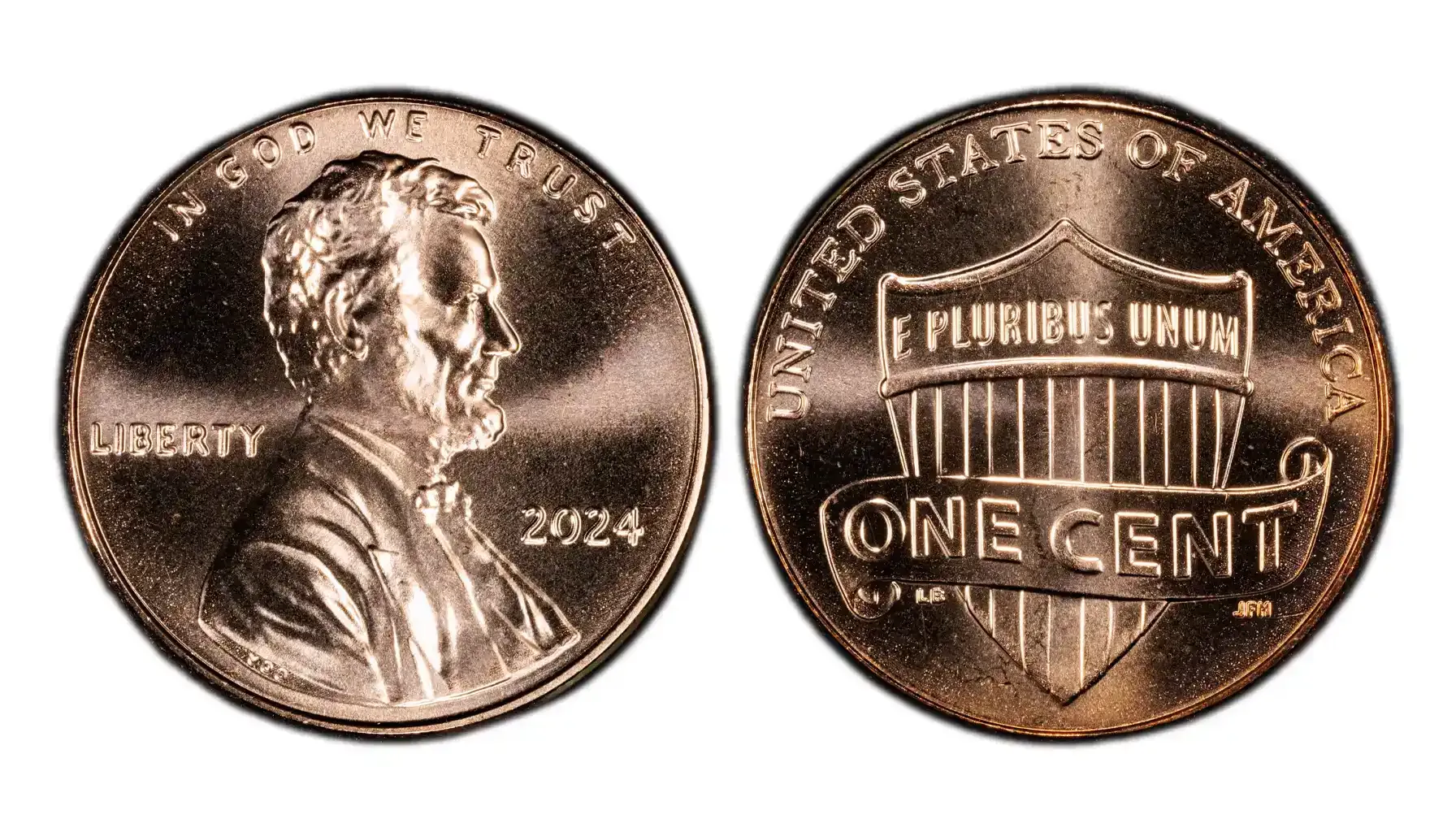
Lawmakers have repeatedly proposed bills to end production, beginning with Rep. Jim Kolbe’s efforts in the 1990s and 2000s, then resurfacing with later proposals like the C.O.I.N.S. Act in 2017, and most recently the Common Cents Act in 2025.
The Treasury officials confirmed that there are no new orders for cent planchets, but will the penny be discontinued permanently? The U.S. Mint’s final batch of circulating pennies rolled off the presses in November 2025.
Stores that rely on cash are now dealing with dwindling supplies, banks are rationing rolled coins, and some cities are shifting toward rounding policies because the discontinued penny can no longer be replenished.
Pros of Keeping | Cons of Keeping |
It has cultural value, “take a penny, leave a penny,” penny loafers, and fountain traditions | Each penny costs about 4 cents to produce, causing tens of millions in government losses every year |
It stays legal tender and still works for exact-change transactions | Pennies are heavy, costly, and inefficient to transport, count, sort, and roll for banks, retailers, and armored carriers |
Some consumers who rely on cash prefer exact pricing down to the cent | Most pennies are discarded, hoarded, or ignored, forcing the Mint to produce billions more simply to replace lost coins |
Pennies are more familiar to older adults and unbanked households that still use cash | Pennies aren’t accepted by most vending machines, parking meters, or toll systems, reducing their practical usefulness |
Removing pennies saves banks and armored-car companies significant labor and logistics costs | |
Eliminating the penny reduces friction in cash handling for big retailers and financial institutions | |
Cash transactions will be rounded to the nearest nickel, creating “rounding tax” effects that may hurt small businesses and cash-dependent customers | |
Small merchants may face higher card-processing fees if more customers switch to plastic | |
The penny has extremely low purchasing power and adds time, cost, and inefficiency to daily transactions |
What is Going to Change?
For the everyday consumer, nothing changes legally; the coin still counts as money. This piece continues to exist, but it is no longer entering circulation. The coins you see today are steadily aging, disappearing, and slowly shrinking the national supply.
“The last penny produced for circulation was minted at the U.S. Mint in Philadelphia on November 12, 2025. This move to halt production would not eliminate the penny or remove it from circulation.”
— Chris Isidore
from CNN: "So what happens to America's 114 billion pennies once the US stops making them?"
Smaller stores are responding by asking for exact change or rounding totals up or down. Larger retailers, with bigger reserves, are managing the transition better.
Meanwhile, banks and armored carriers are welcoming the reduced cost and weight that used to come with hauling millions of nearly worthless coins. For most Americans, pennies are going away faster than many realize.
When pennies disappear, and stores can’t make exact change, cash purchases will be rounded to the nearest nickel (and you may still find a rare one, if you have no pennies left). In theory, rounding goes both up and down, but because many prices end in .99, rounding will often go up, not down. Economists call this effect a rounding tax, and estimates suggest it could add up to millions of dollars in extra costs each year.
How Does it Affect Businesses?
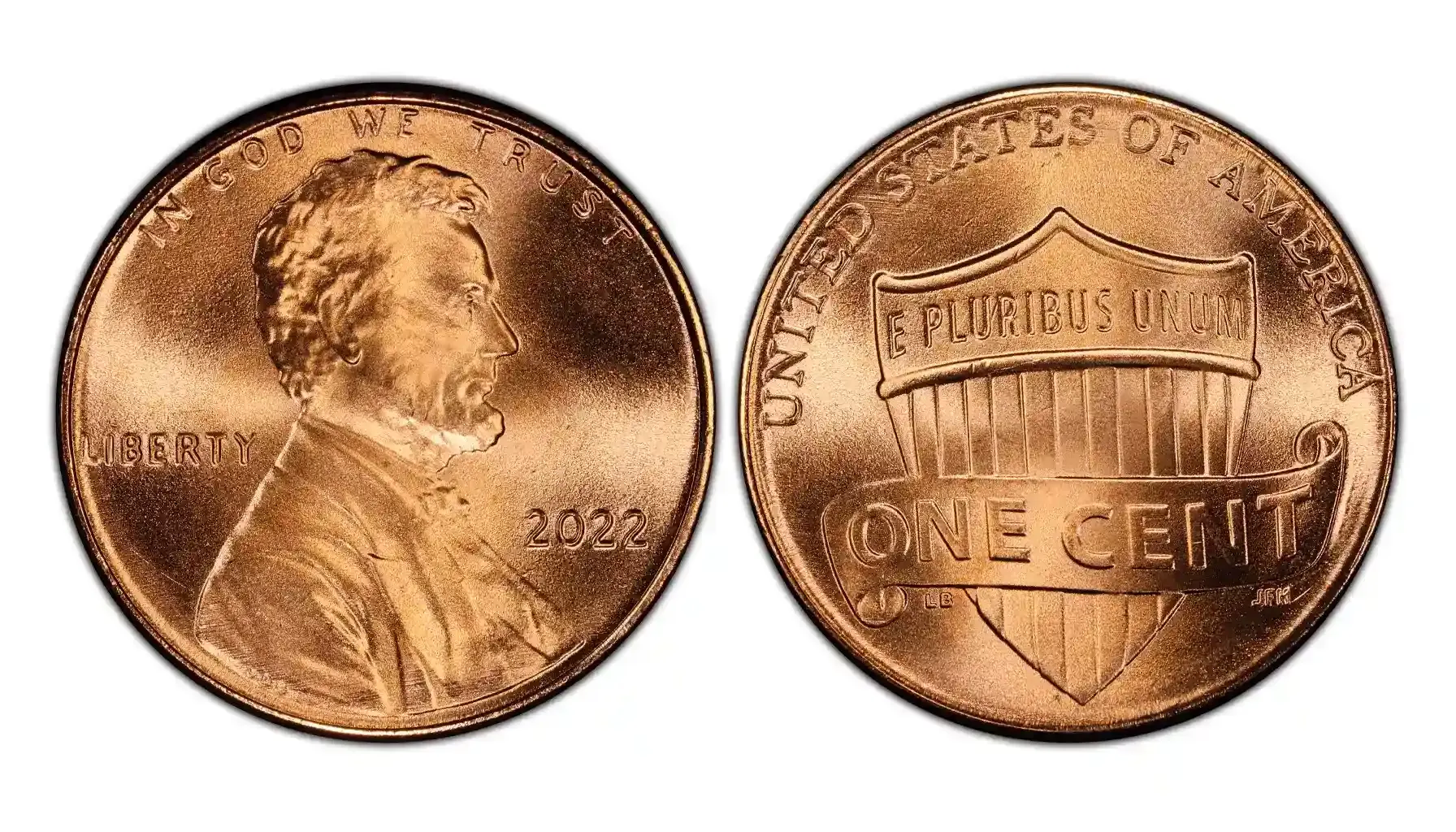
You might think the solution is for people to stop using cash and pay with cards instead, but that brings a different problem. Small businesses pay fees every time a card is used. These fees include charges from card networks, payment processors, fraud protection, terminals, and other services. In total, small businesses often lose 2.5%–3.5% of each sale to processing costs. For cheap items, like a $10 sandwich or a $3 coffee, those fees cut deeply into profit.
Handling cash also has costs: counting, storing, transportation, security, and bank deposits. Studies show (like “The Hidden Costs of Cash” by Bhaskar Chakravorti), it’s not free, but it’s typically still cheaper than accepting cards for many small businesses.
Because of all this, small shops face a difficult balance. Cards cost money. Cash rounding may upset customers or slowly raise prices. Upgrading equipment to new payment options, like contactless systems or mobile wallets, costs money too.
Meanwhile, the people most affected are those who use cash: older adults, low-income families, and people without bank accounts. These customers feel rounded directly. A few cents might seem small, but when you buy food or essentials regularly, tiny increases add up.
Why the Penny Was Discontinued — Key Reasons Behind the Decision
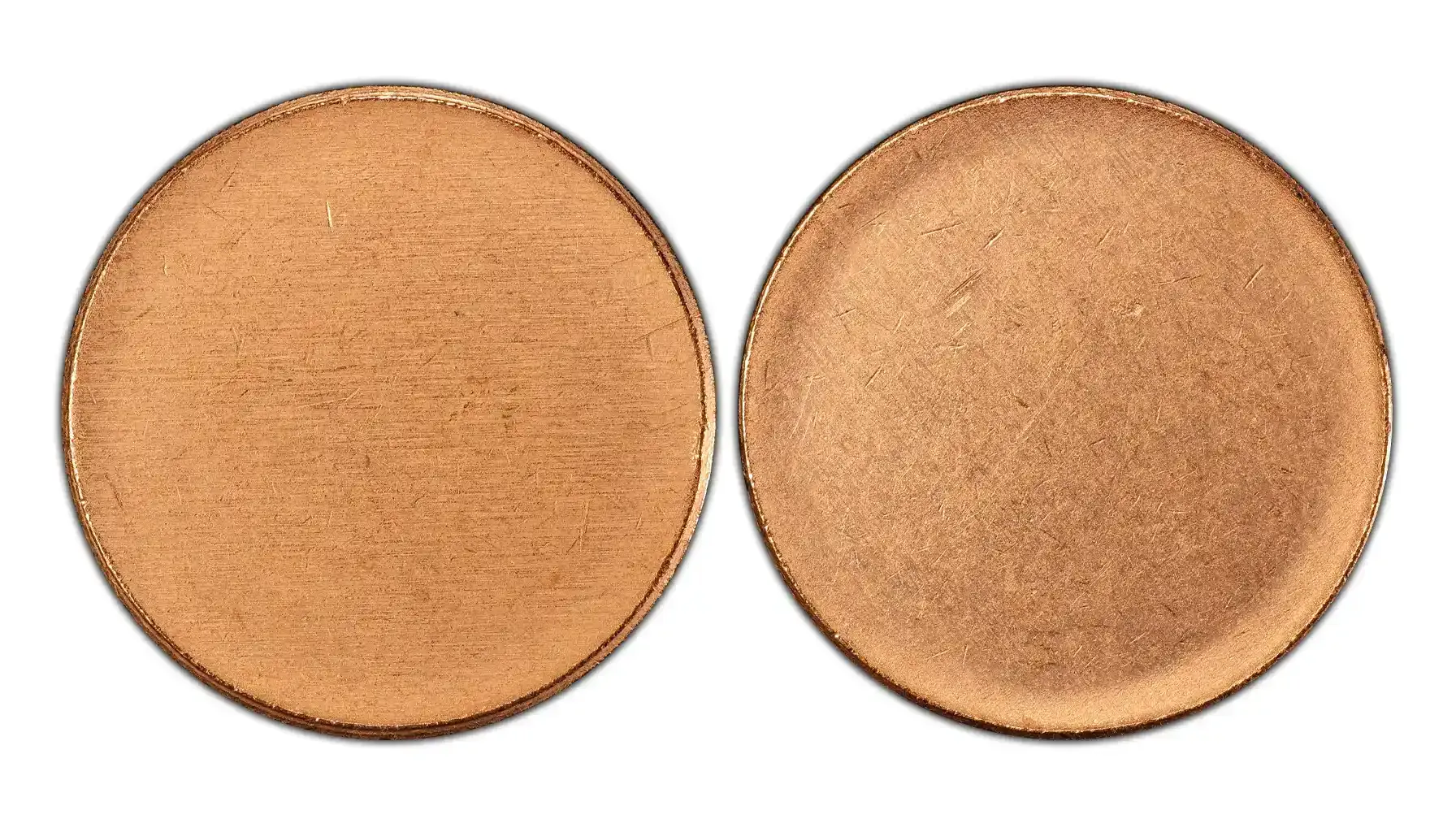
Producing a cent at a loss became politically difficult to justify. The Mint reported tens of millions in taxpayer losses each year. The situation led many to ask bluntly: Why is the penny being discontinued if it still technically exists?
Producing a penny costs more than the coin is worth; it is an annual loss for the Mint
Cash use keeps declining, and the penny is less relevant in everyday transactions
Most vending machines, meters, and toll systems don’t accept pennies, so they are less useful
Many Americans toss pennies aside or store them in jars, so the Mint creates billions more just to replace coins that never re-enter circulation
Congress has questioned whether the penny still fits a modern economy where small denominations hold little purchasing power
Countries like Canada, New Zealand, and Australia have eliminated their lowest coins without major problems, influencing U.S. discussions
The penny being discontinued is no longer speculation. It’s already happening in practice, even if the law hasn’t caught up yet.
Rarity Alert: How the Penny’s Discontinuation Is Changing Availability
Collectors are watching the supply shrink in real time. So, are the pennies going away is turning into a visible trend as banks report fewer deposits and circulation rates continue to fall.
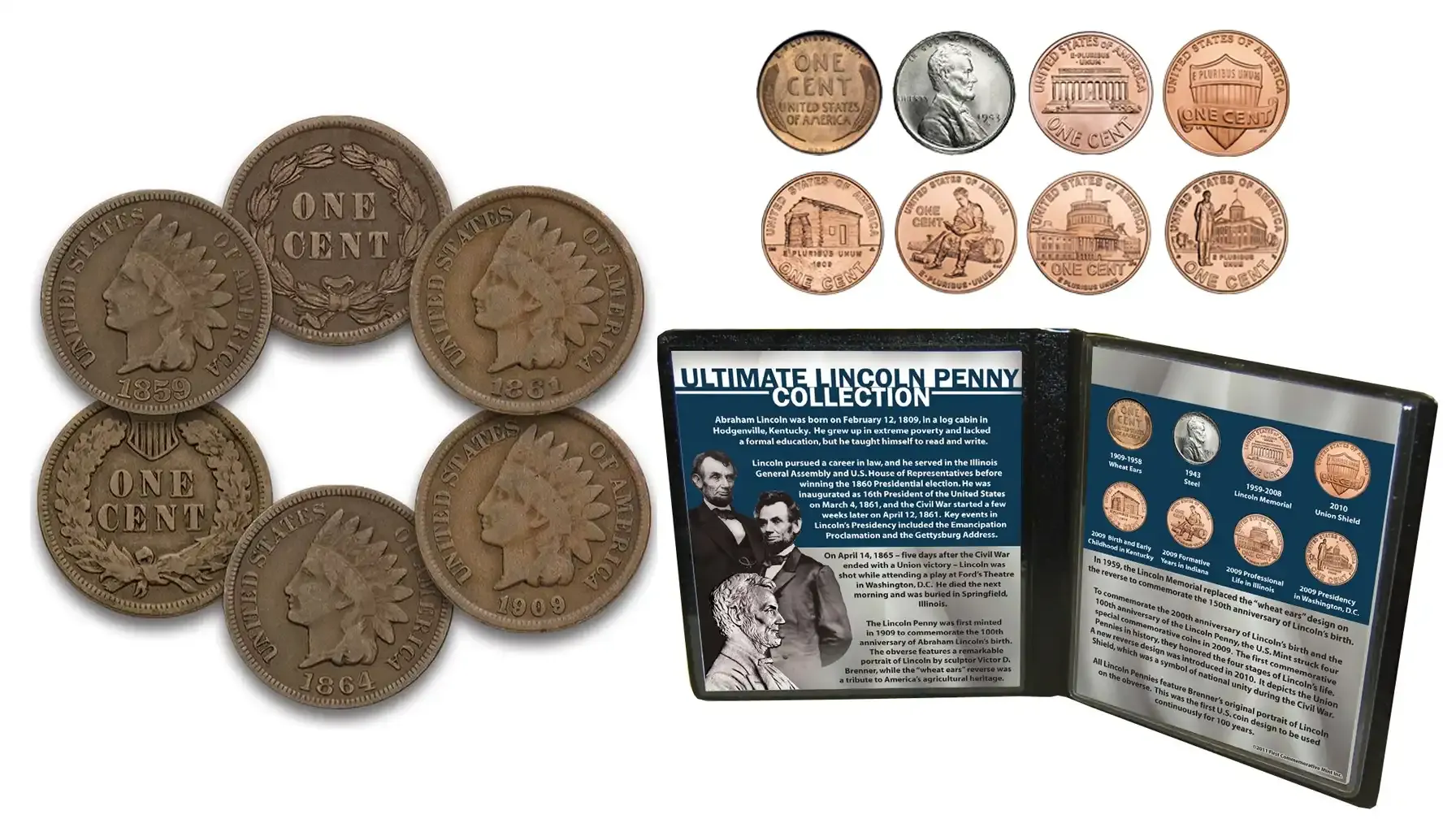
Older copper cents from before 1982, like the 1943 Copper Penny, are already being pulled aside by collectors, and late-date shield cents are harder to find in change. For now, the Mint will keep making proof and collector-only pennies, but those will never reach cash registers. That means the coins currently in circulation are the final generation of everyday U.S. pennies.
The bigger unknown is when will the penny be discontinued formally. Congress must make the final call. Yet the trend is unmistakable: with no new coins entering circulation, every cent you handle is part of a closed system that’s only getting smaller.

 Facebook
  X (Twitter)
  Pinterest
  LinkedIn