Contents:
- When Was the First Penny Ever Made?
- When Was the First Penny Made in the United States?
- What Was the First U.S. Penny Called?
- Timeline of U.S. Penny History (1793–Today)
- Why the U.S. Penny Changed Designs Over Time
- What Materials Were Used in Early Pennies?
- Are Early Pennies Valuable Today?
- Key Differences Between Early U.S. Pennies
The penny is the oldest American coin. The coin originated at the US Mint in 1793. Over time, everything about the coin has innovations – from its design to its composition. But its value and uniqueness have remained unchanged.
When Was the First Penny Ever Made?
When was the first wheat penny made? In the 18th century, the young American republic needed its own currency. Before that, mostly foreign coins from the world were in use, which, of course, did not add to independence.
"The chain design [1793 Flowing Hair] is functional, holds up to wear well, and worked within the skill sets of the earliest workers at the U.S. Mint."
– Dennis Tucker, author and numismatist
American Numismatic Association
What year was the first penny made? Formally, the first penny was created in 1792, but these were trial copies. Mass production began a little later, in 1793. The historical context and a lot of controversy surround its appearance.
There was a serious debate around the creation of the first penny.
They argued about the material, design, weight of the coin, and even how it should reflect the ideals of the new country.
There were concerns that the coin would be too expensive to produce or would not be trusted by the public, and when was the first American penny made?
When Was the First Penny Made in the United States?
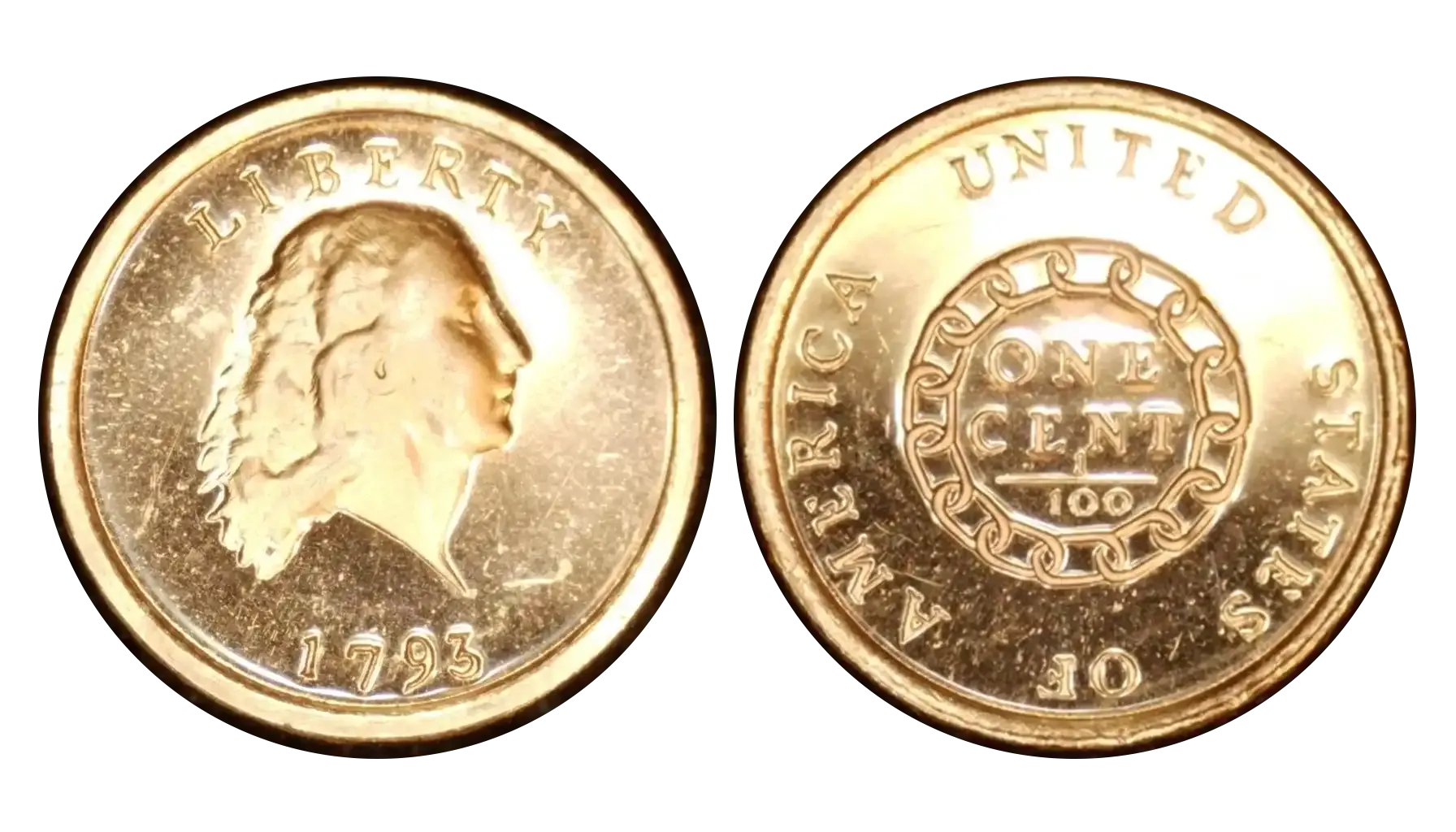
The United States Mint started the first official production of cents in 1793. This event marked an important milestone in the development of American currency. A precise historical question is: in what year was the first penny issued? It came out this year.
Year | 1793 |
Item Issue | Chain Cent |
Original Design Conception | Symbol of Freedom |
The first pennies of the United States were born at a difficult time in the formation of the state. The newly independent country, which had gained freedom from British rule, required its own currency system to support and strengthen economic independence.
The concept was reasonable, but the design received a mixed public reaction. Many people interpreted the chain image as a symbol of slavery instead of a symbol of freedom.
Overall, the design was not successful, and authorities replaced it with a new design after a short period when was the US penny first made.
What Was the First U.S. Penny Called?
The when was the first penny made in the US question connects directly to what these coins were called. The Coinage Act of 1792 designated the denomination as a cent. Thomas Jefferson and Alexander Hamilton divided the dollar into 100 equal parts.
Americans continued to use the familiar term "penny" out of habit and tradition. Trade in the colonies had relied on British pennies as a form of currency. The habit of using this terminology continued for a long time and proved to be persistent.
The coins themselves displayed "ONE CENT" on the reverse, but everyday speech maintained the older terminology. This dual naming continues today – the United States Mint produces "cents," while Americans call them "pennies."
The year when was the first Lincoln penny made would come much later in 1909. However, the first cents of 1793 carried no presidential portrait. Instead, they featured stylized representations of Liberty, the classical tradition of European coinage.
Timeline of U.S. Penny History (1793–Today)
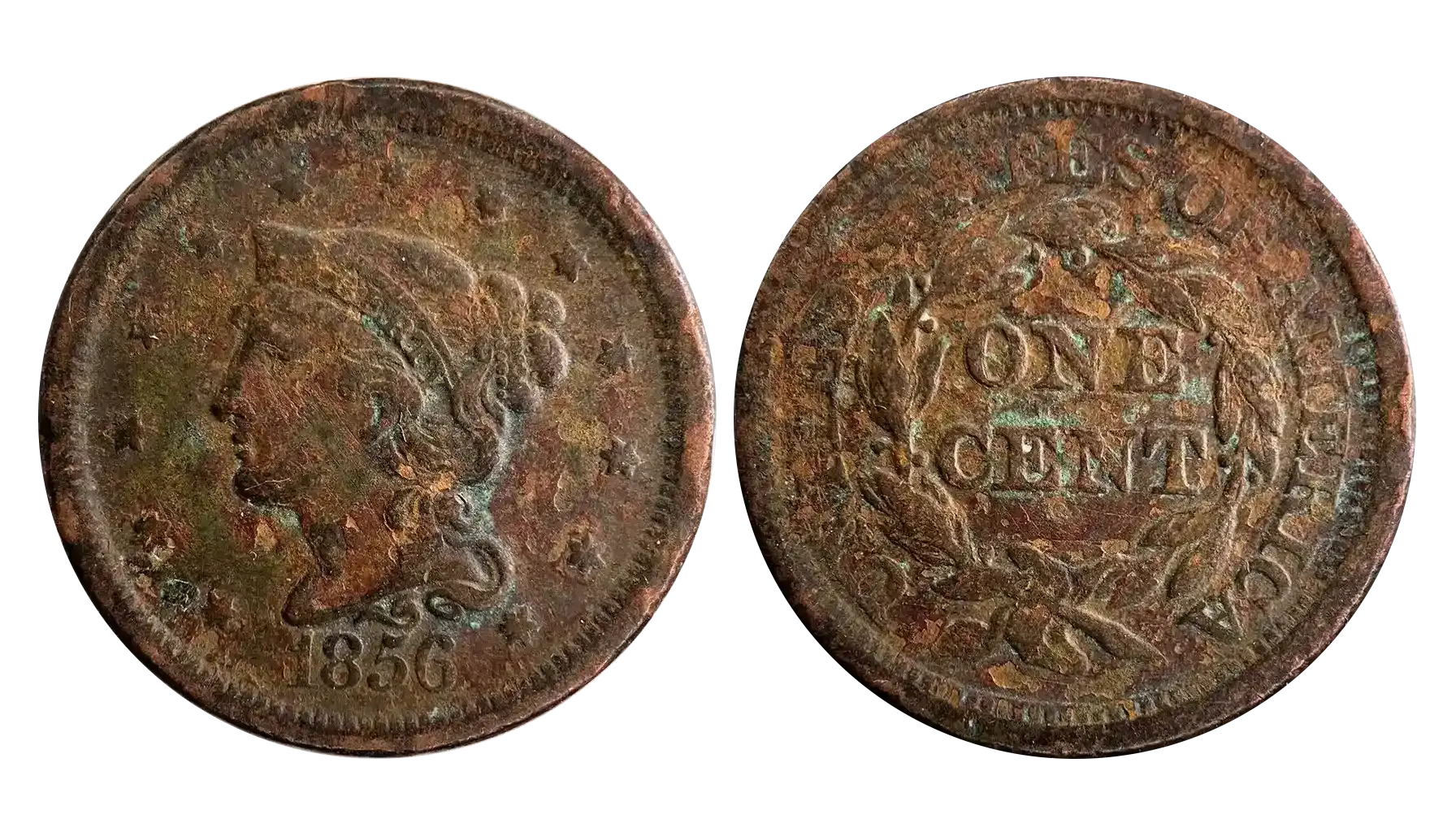
What was the first wrapped penny candy in America? Five periods through Pennies' history you can see. The Large Cent era, the Small Cent, the Indian Head, the Lincoln Wheat era, and the Modern era.
Years | Material | Weight |
1793–1857 | 100 % Copper | 13.48 g / 10.89 g |
1856–1864 | 88 % Copper, 12 % Nickel | 4.67 g |
1864–1982 | 95 % Copper, 5 % Tin / Zinc | 3.11 g |
1943 | Zinc-Coated Steel | 2.70 g |
1982–Today | 97.5 % Zinc, 2.5 % Copper | 2.50 g |
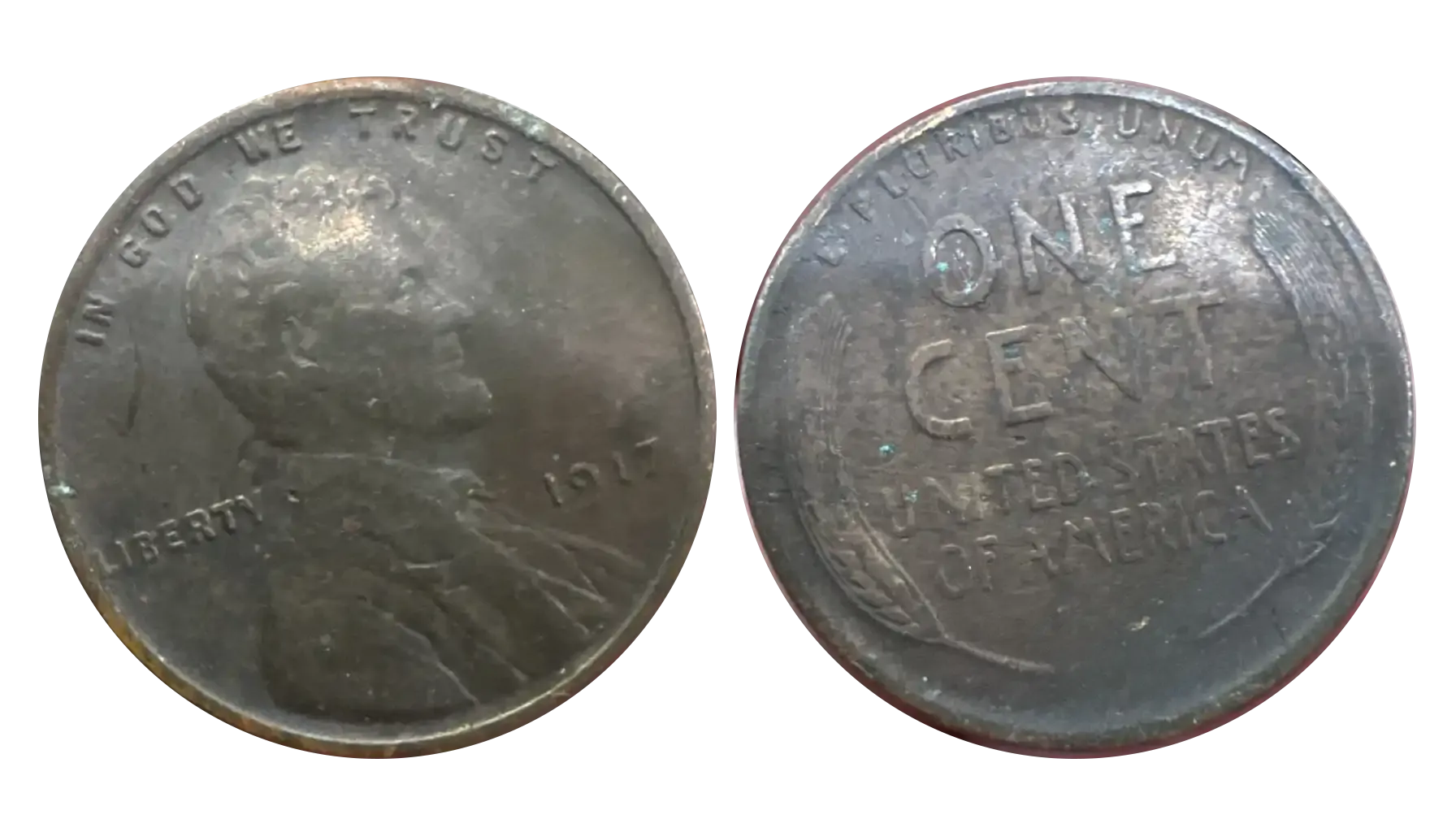
When was the Lincoln penny first made? The United States marked the 100th anniversary of Abraham Lincoln’s birth with a unique item. To do this, the country broke the tradition and placed the image of a real person on an item.
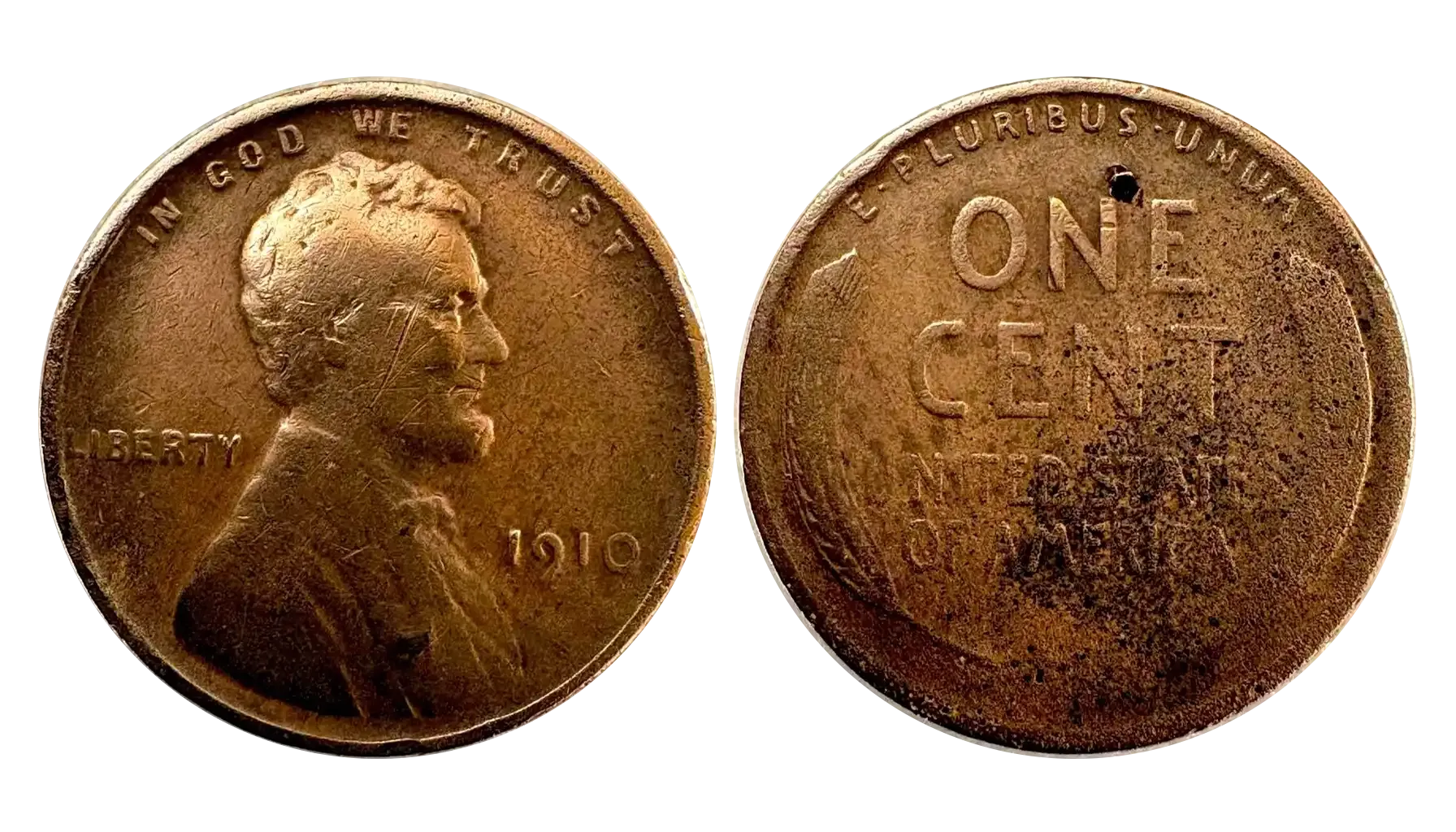
The Lincoln Wheat Cent was designed by Victor David Brenner. The United States Mint released this coin in 1909. The rare "V.D.B." initialed versions from San Francisco become instant collectibles.
1943: The Steel Cent is struck for one year only to save copper for shell casings during WWII.
1944–1946: Shell Casing pennies are made from recycled brass from the war effort.
Attention: The World War Lincoln item could be worth $15 million.
Why the U.S. Penny Changed Designs Over Time
When was the first U.S. penny made? American pennies changed designs for multiple reasons spanning:
High Technology
Economic changes
Artistic preference
When was the first penny made in America? The item design of 1793 lasted only months because the chain reverse drew public criticism. The Large Cent designs evolved through:
Liberty Cap
Draped Bust
Classic Head Image
Coronet
Braided Hair Image
Each image type reflects contemporary artistic tastes and mint capabilities. The shift from Large to Small items in 1857 is a practical response to rising copper prices and their influence on commerce.
The when was the first Abraham Lincoln penny made in 1909, transformed American coinage by placing a historical president on a circulating coin for the first time. Victor David Brenner's portrait was so detailed and naturalistic that it established a new standard for U.S. coin artistry. The Lincoln cent gained significant popularity among the public.
What Materials Were Used in Early Pennies?
The year when was the first copper penny made is essentially the same as when the first U.S. penny was made – 1793. Early American pennies used nearly pure copper sourced from mines in New Jersey and Connecticut. The large cents of 1793 through 1857 weighed between 13.48 grams and 10.89 grams, depending on the specific emission.
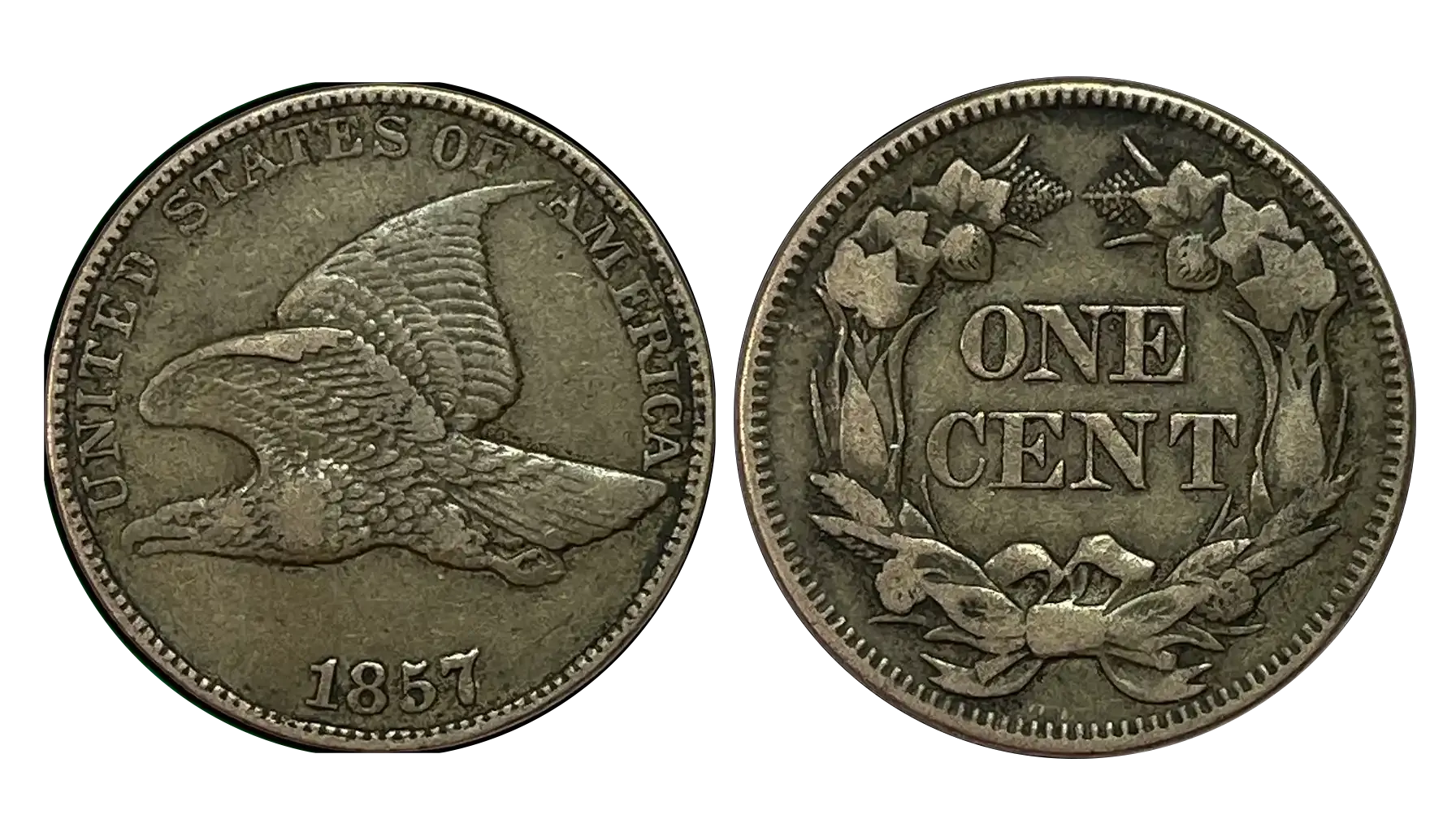
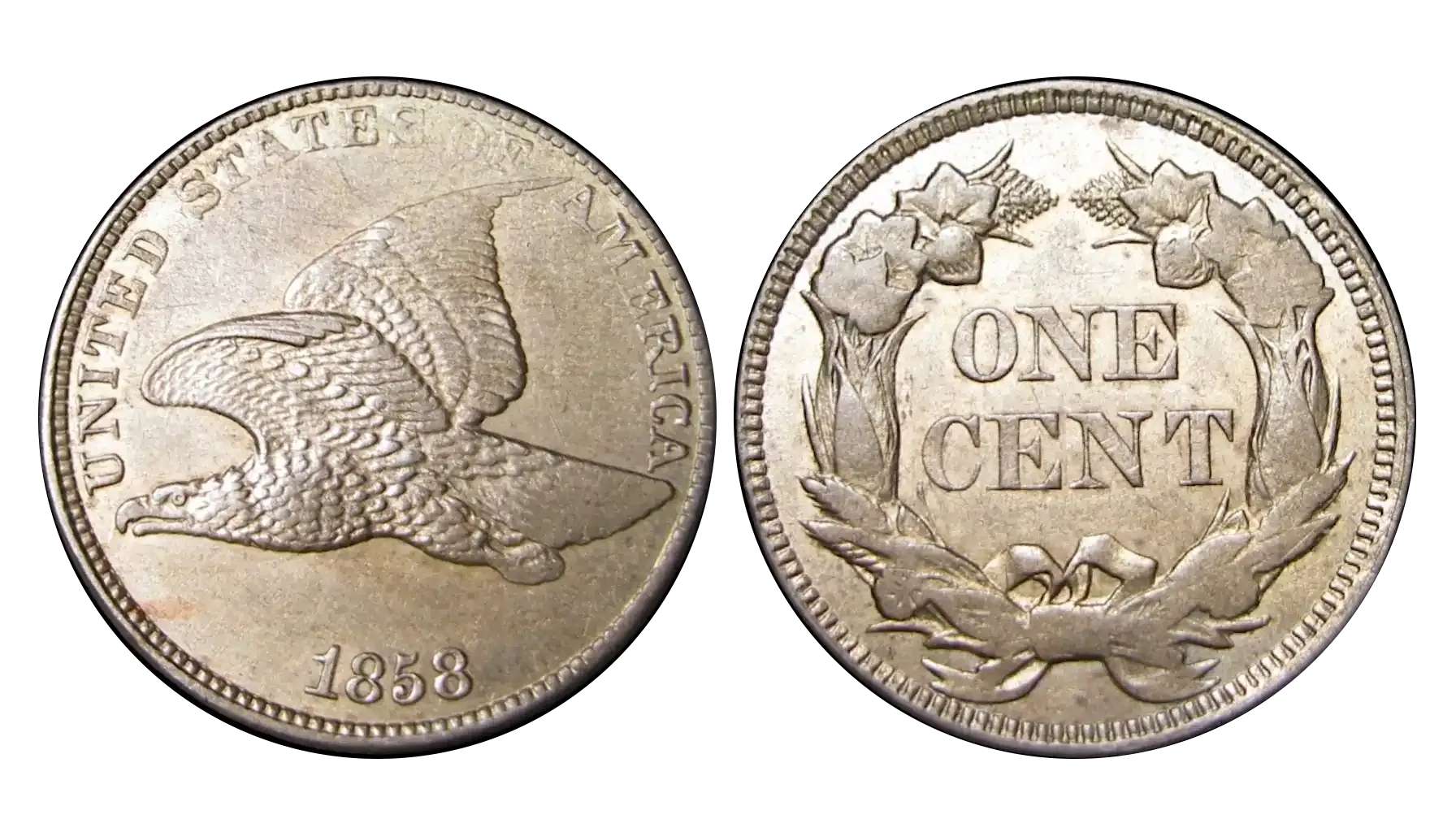
The time when was the first us penny made with a different composition came in 1857 with the introduction of the Flying Eagle cent. The coin’s composition includes an alloy with 88 % copper and Ni.
Because of this mix, the coin has a lighter and whiter color than the previous cents. The new coin weighs 4.67 grams. This weight is nearly one‑third of what the large cents weighed before they were replaced. The composition changed in 1864 during the Civil War.
When was the penny first made with the modern zinc composition came in 1982, when rising copper costs finally forced the Mint to transition. Since that year, cents have consisted of a copper-plated zinc core weighing 2.50 grams.
Are Early Pennies Valuable Today?
Large Cents
When was the first penny made in USA? As the earliest official U.S. coins, these are highly coveted. Even in poor condition, most are worth at least $15–$25. The Top 1 is 1793 item value because these were only made for one year in three distinct styles, and they are incredibly valuable.
The value of Chain Cents varies depending on their condition. Coins that show heavy wear can have a value of approximately $3 500. Examples that are in pristine condition can sell for more than $1 500 000.
The Strawberry Leaf Wreath Cent is recognized as one of the rarest varieties of early cents. A specimen in top condition can achieve a price of over $750 000 at auction.
Early Small Cents
The small items replaced the large copper coins with the smaller diameter we use today. Flying Eagle (1856–1858) is the 1856 is the crucial, often selling for $6,500+. Common 1857 or 1858 issues are typically $25–$50.
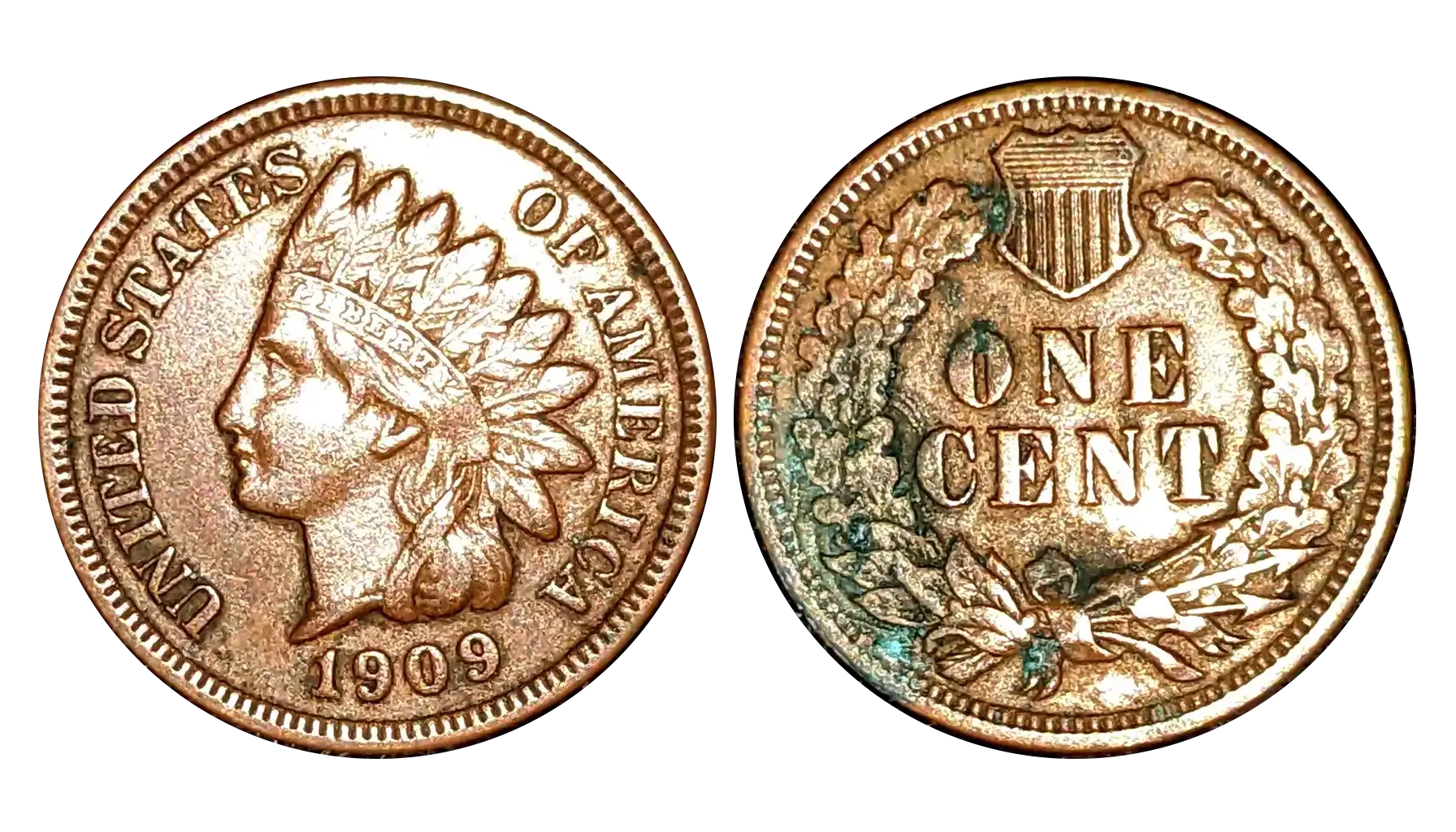
When was the first Indian Head penny made? The 1877 Indian Head is the most famous date, worth $900–$1,000 even in Good condition. 1909-S is also distinct among others and minted in San Francisco; it is worth roughly $450–$600 in average condition.
Lincoln Wheat Cents
The 1909-S carries the designer's initials and a low mintage from San Francisco. Current 2026 values range from $800 to over $150,000 (perfect condition).
1914-D & 1931-S: Other major key dates worth $100–$500 in circulated grades. The 1943 copper item is a famous error because of the steel issue.
Key Differences Between Early U.S. Pennies
When was the very first penny made? The first year of production saw three distinct designs as the Mint struggled with public relations and technical execution. Below is the table with three main item types.
Item Type | Obverse | Reverse | Difference |
Chain | Flowing Hair Liberty image | 15 interlocking chain links | The controversial chain |
Wreath | Liberty’s hair is more defined | A circular wreath of laurel and berries | Symbol of victory and peace |
Liberty Cap | Liberty now faces right with a Phrygian cap on a pole | A leaner, more delicate wreath | Symbol inspired by Roman tradition |
Liberty Evolution
When was the first ever penny made? Draped Bust features Liberty with a ribbon in her hair and drapery at her neckline. This is considered the most elegant of the early designs.
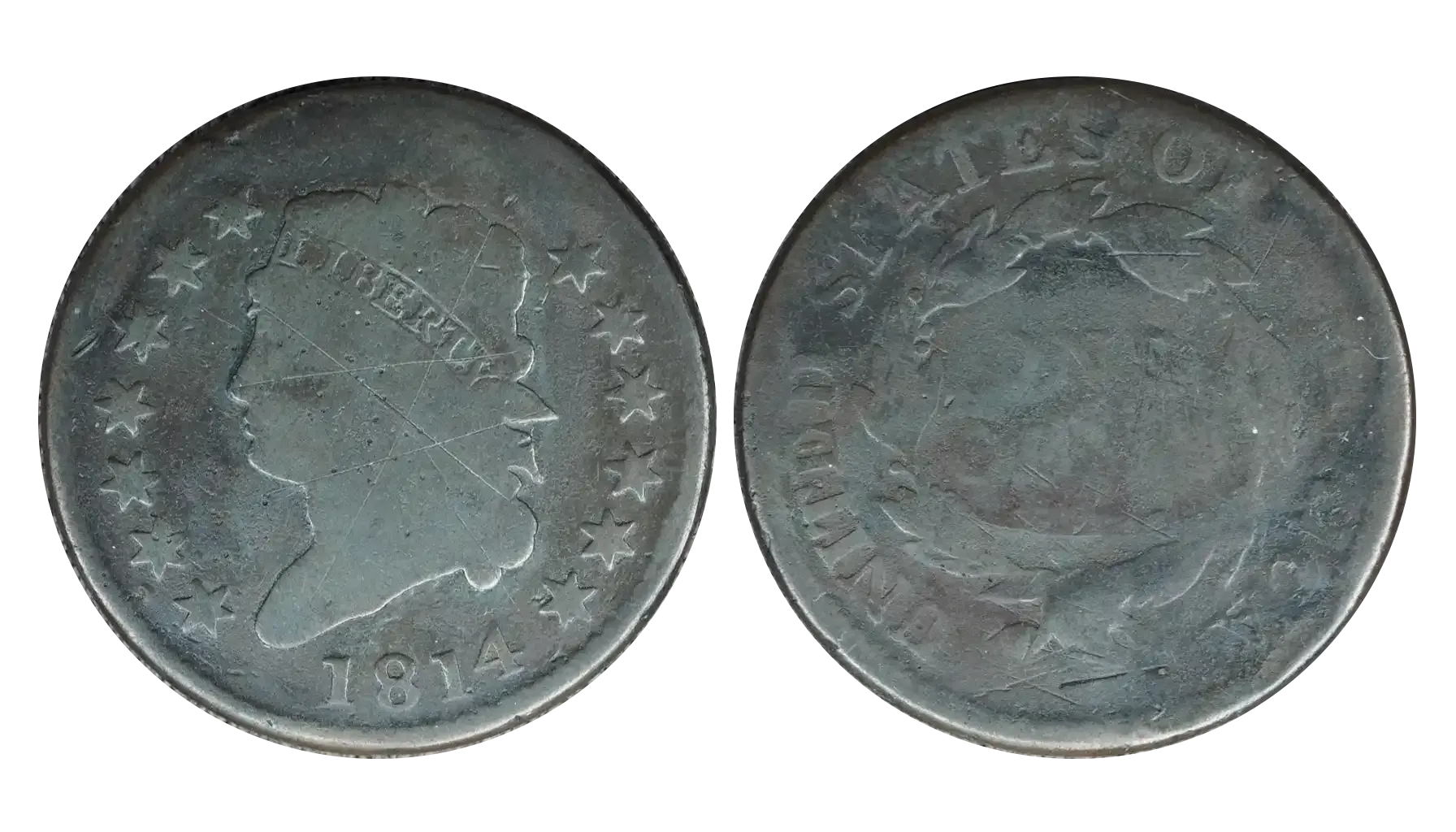
1808–1814: Classic Head Liberty faces left for the first time, wearing a headband (fillet). These are often found in lower grades because the copper used was softer and more prone to wear. When was the first United States penny made?
1816–1839: Coronet / Matron Head a much more mature, older-looking Liberty with a coronet. These are the daily coins of early American commerce.
1839–1857: Braided Hair is the final large cent design. Liberty’s head is tilted forward, her hair is in a bun, and the overall engraving is much sharper and more uniform.

 Facebook
  X (Twitter)
  Pinterest
  LinkedIn