Contents:
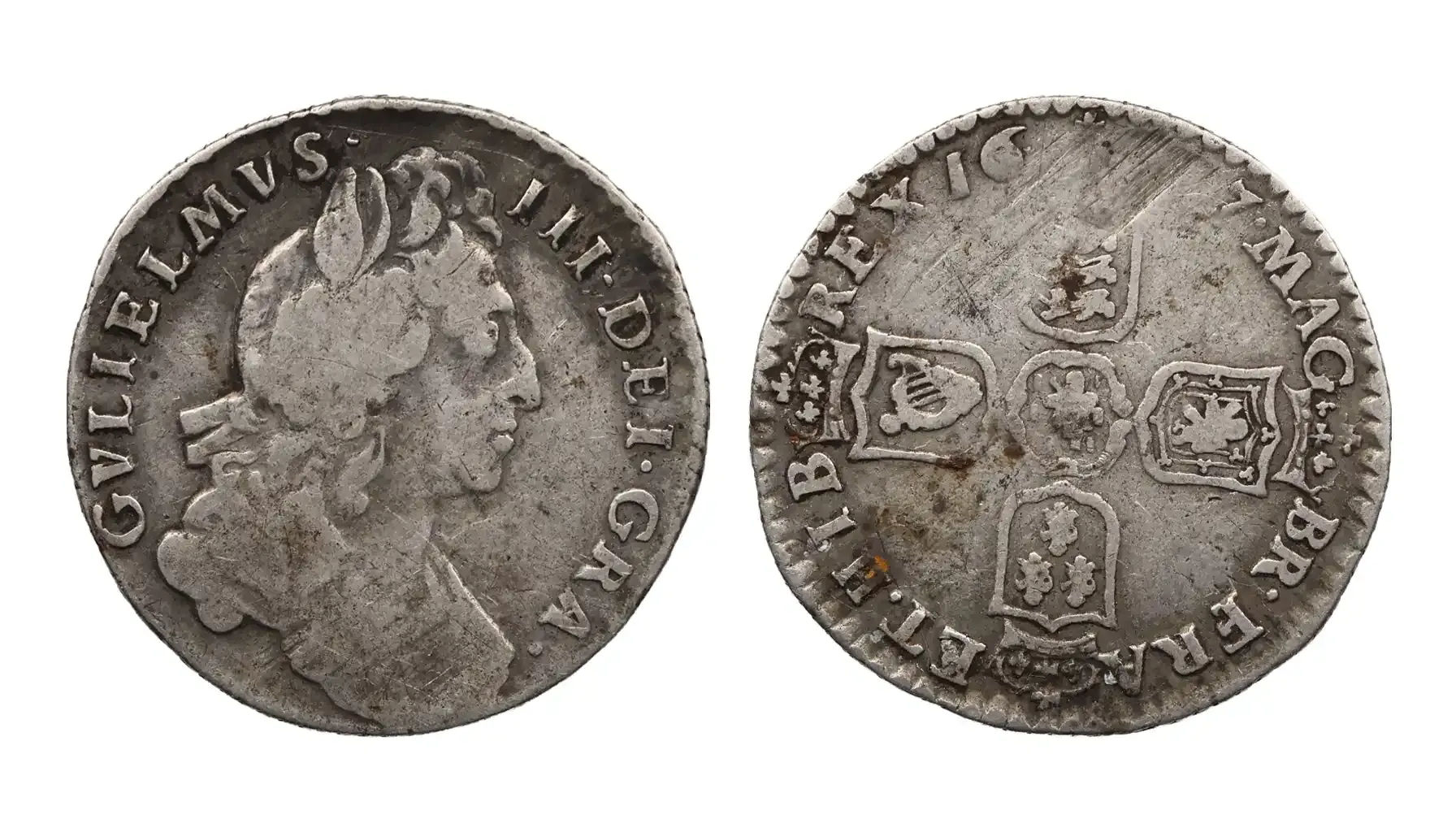
The sixpence coin equaled a value of six old pence and served in Britain’s monetary system for over four centuries. It functioned as a convenient currency for everyday trade and a symbol of tradition.
Do you have it and need more information? – Download the best coin value checker app.
The Legacy of the British Sixpence
“The sixpence was introduced during the reign of Edward VI and remained a common feature of British coinage for more than 400 years.”
– Tony Clayton, a numismatic expert
Coins of the UK
From Tudor England through Victorian industry and up to modern times, the six pence value has remained an important currency. It has become important in cultural customs through wedding traditions and Christmas surprises.
The Evolution of the Sixpence Coin
Year | Silver Content | Valuable Coins Features |
1558–1714 | 92.5% | The monarch portrait |
1714–1830 | 92.5% | The monarch portrait, typically with a laureate bust |
1838–1901 | 92.5% | A youthful and older portrait of the Queen with ribbons in her hair |
1901–1970 | 50%-0% (cupronickel) | The monarch portrait |
Tudor and Stuart Era (1558–1714)
The item first appeared in 1551 during the reign of Edward VI. It replaced the older testoon when silver content and valuations changed. Under the Tudors and Stuarts, coinage often carried portraits of kings and queens, shields or heraldic symbols.
Hand-hammered issues and early machine-struck variants show how minting technology grew. Civil war and mint location variations make some of these early ones highly collectible.
Georgian Period (1714–1830)
Under the Hanoverian kings the 6 pence coin value entered an era of larger output and more consistent silver quality. Britain’s empire expanded, and small species circulated widely. The Great Recoinage of 1816 set new standards: became lighter and smaller as alloy composition and striking improved.
Victorian Designs (1838–1901)
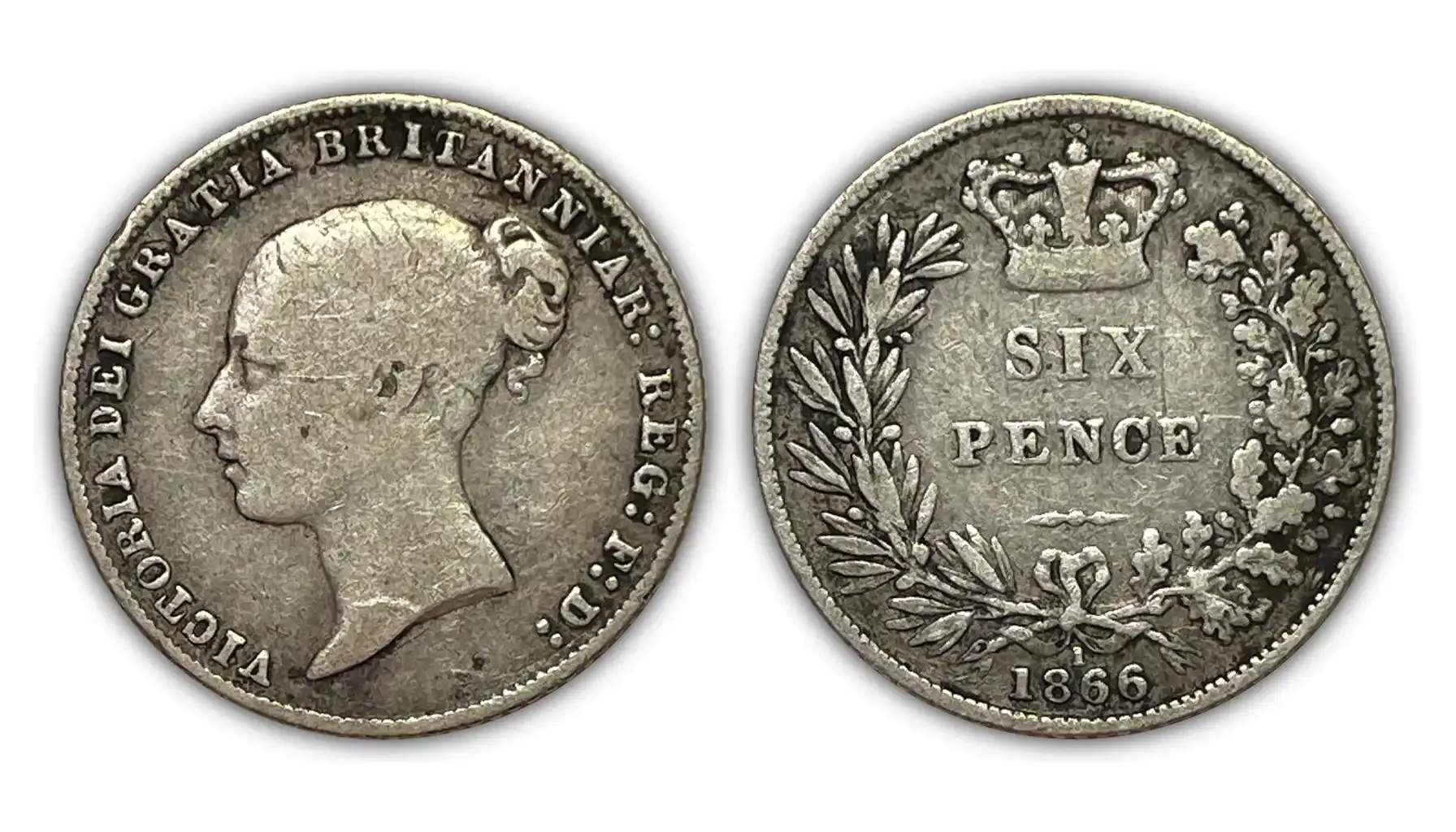
Queen Victoria’s long reign brought refined imagery. The item featured her Young Head design early, then later the Old Head. Victorian ones remained sterling silver (92.5%) until the 1920s. These currencies reflect the industrial era, high minting volumes, and global trade of Britain’s empire.
Edwardian to Modern Issues (1901–1970)
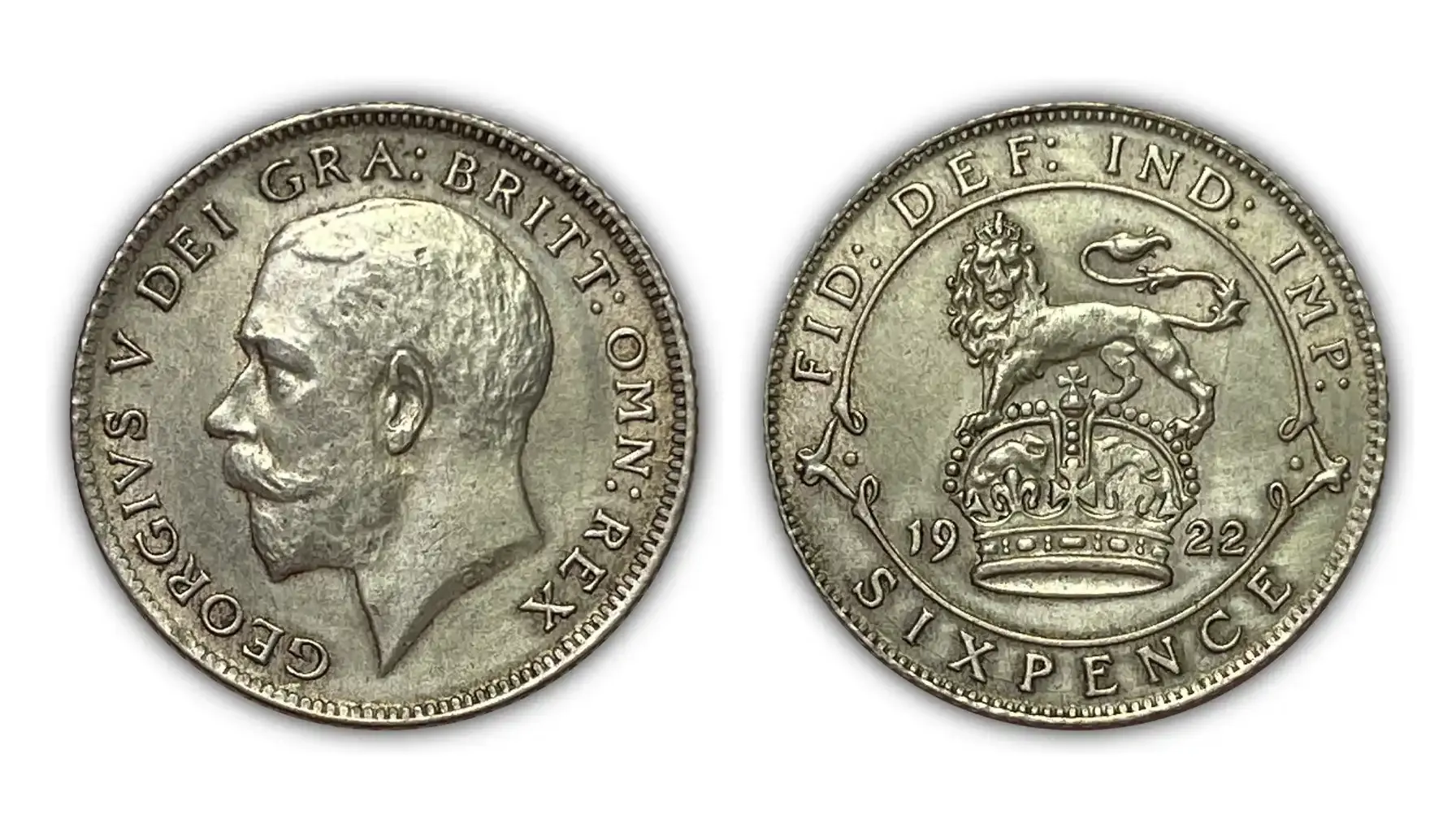
In the 20th century it underwent changes in metal content, size, and usage. Silver content fell from 92.5 % to 50 % in 1920, and after 1946 used cupronickel. The item continued in circulation until 1970 and remained legal tender until 1980.
The Silver Sixpence
The Royal Mint and numismatic experts continue to document varieties of the silver item. Their records include mint marks, portraits and their possible defects. In modern markets and auctions - silver sixpence value attracts buyers who value historical authenticity.
Early Silver Content and Minting
Originally ones appeared in sterling silver (92.5%). This high silver content gave the currency utility in commerce.
Post-1920 Alloy Changes
Rising silver prices forced a change in composition. From 1920 onward the silver content dropped to 50 %. After 1946 it lost silver entirely and used cupronickel. These changes make silver content a major factor in value for modern collectors.
Identifying Genuine Silver Sixpences
A genuine silver pre-1920 will carry hallmarks of silver weight and purity. Later issues may show different mintmarks or alloy indicators. Collectors verify some factors to assess value accurately:
Year
Composition
Condition
Rare Sixpence Years and Collector Favorites
Year | Auction Price | Features |
1551 Edward VI | $1,000+ | First year item |
1561 Elizabeth I | $500+ | The first milled technique currency |
1887 Victoria Jubilee | $200-$400 | Special design |
1952 George VI | $4,000+ | Low mintage for Jamaica |
1970 Elizabeth II | $600+ | Never circulated |
Key Dates to Look For
Are sixpences worth anything? Some issues carry strong premiums because of low mintage, errors, or historic significance. Victorian jubilee issues, Edward VIII tokens, and early hand-hammered items stand out. The 1952 item under George VI is highly sought after because of its limited issuance
Error Coins and Special Editions
Errors such as mis-dates, mis-strikes, or rare die variations raise interest. Special editions or proof sets attract premium prices. These variants often remain scarce in high grades.
Factors That Affect Rarity and Price
Mintage numbers
Survival rate in good condition
Metal content
Design change
Demand
Example: A silver one from 1551 in fine condition may exceed many shillings in value.
Sixpence Coin Value
Originally it held the nominal value of six old pence. After decimalisation it equated to 2.5 new pence. Collector value often far exceeds face value where condition, rarity or silver content come into play.
Face Value vs. Collector Value
Face Value = government value (worth six old pence, later 2.5 new pence)
Collector Value = numismatic value (errors in coins directly affect the cost)
How to Appraise a Sixpence
How much is a silver sixpence worth? Appraisal involves assessment of year, monarch, mint mark, metal, condition (grade), and rarity. Silver content adds intrinsic value. Condition categories span from Good through Fine and Very Fine to Mint State. Certified coins carry greater market confidence.
Current Market Trends
Grade | Range |
Common 1947–1967 cupronickel | $4–$13 |
Silver, 1920–1946 | $13–$67 |
Pre-1920 sterling | $53–$665+ |
Rare date or error | $665–$5,320+ |
Cultural Significance of the Sixpence
In a new marriage the coin represents future happiness, luck and financial stability. Traditionally, the father of the bride places the specie in her left shoe before she walks down the aisle. An Irish variant has a similar shoe ritual for the couple.
The Wedding Tradition
“Something old, something new, something borrowed, something blue—and a silver sixpence in her shoe.”
– Unnamed author, the popular tradition
The Victorian-era
That custom gave the coin symbolic value beyond currency. Brides carried a specie for good fortune, making the coin part of social ritual and memory.
The Sixpence as a Good-Luck Symbol
The item entered holiday tradition. People concealed the coin in Christmas puddings or gave it to newborns. Even after it left circulation, its symbolic use continued. The coin transformed from everyday money into a keepsake of heritage.
FAQ
What is a sixpence coin?
This item is a former British monetary unit equal to six pennies.
How much is a sixpence worth today?
This coin is very popular among collectors. The auction price varies depending on the coin condition.
Which sixpence years are the rarest?
The rare ones are – 1551 Edward VI, 1561 Elizabeth I, 1887 Victoria Jubilee, 1952 George VI, 1970 Elizabeth II.
Are all sixpences made of silver?
No. The earliest coins consist of 92.5% purity, but in 1901–1970 period – 50% or less.
When did the UK stop making sixpence coins?
Production ended in 1970 and the coin lost legal tender status in 1980.
How can I tell if my sixpence is valuable?
Check year, monarch, metal content, condition, and any special variety. Silver content and rare dates raise value significantly.
What is the difference between a silver sixpence and a later issue?
Six pence coin values carry both metal value and numismatic interest; later cupronickel ones hold mostly nominal or collectible value.
Where can I sell or buy collectible sixpence coins?
Reputable numismatic dealers, auction houses, and specialist online marketplaces list coins. Certificates and condition reports aid confidence in trade.

 Facebook
  X (Twitter)
  Pinterest
  LinkedIn