Contents:
Queen Victoria ruled for a total of 63 years and seven months. Her reign began in 1837 and ended in 1901. Naturally, this could not help but affect the numismatic world. This era, a period of tremendous industrial and political transformations, is reflected with striking clarity on the most valuable UK coins.
Where to check old coins value?
Coins of Queen Victoria
“Victoria’s coins were struck by steam-powered machines at the Tower Hill Mint in London.”
– Unnamed opinion piece “Queen Victoria”
The Royal Mint Museum
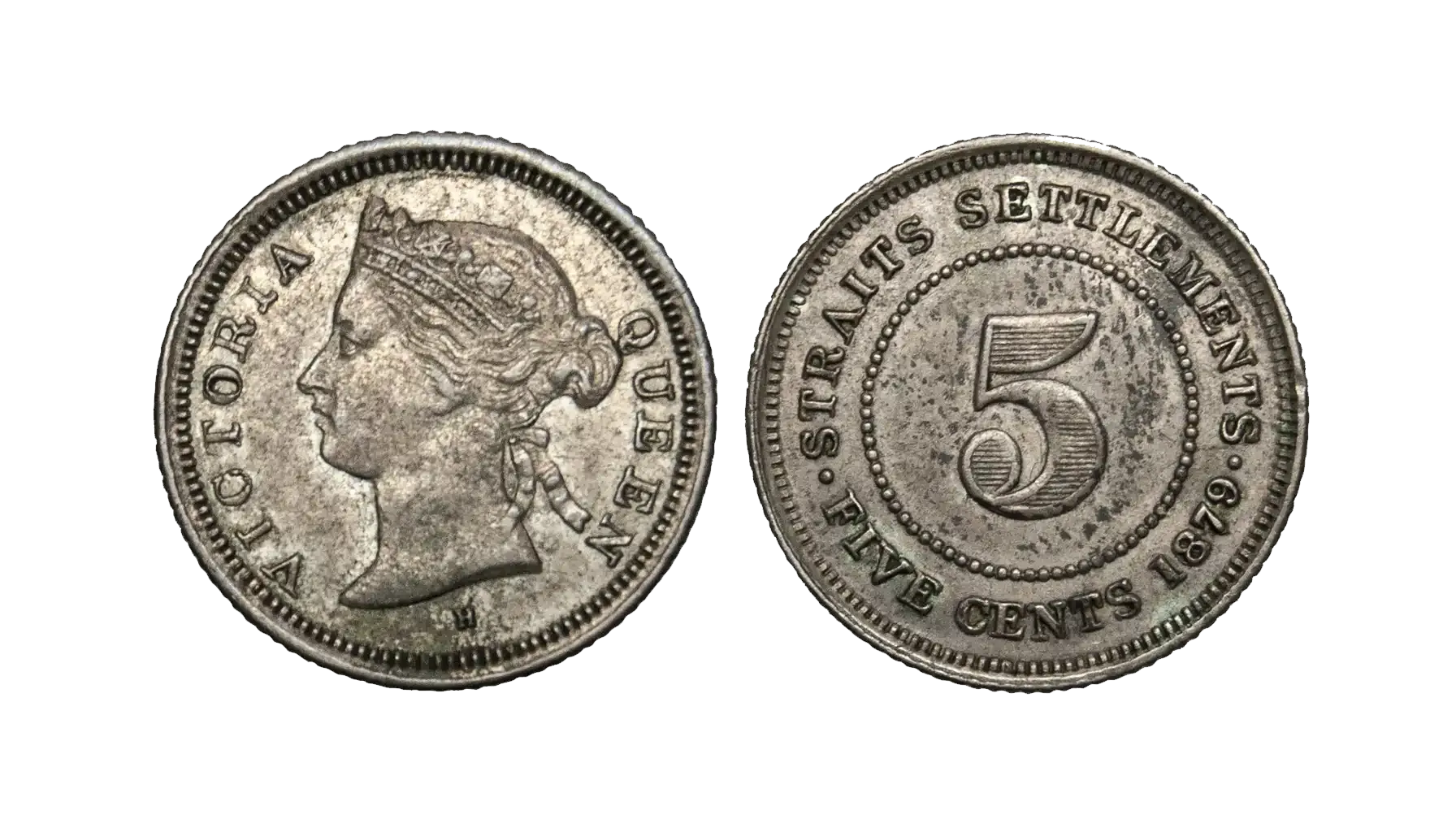
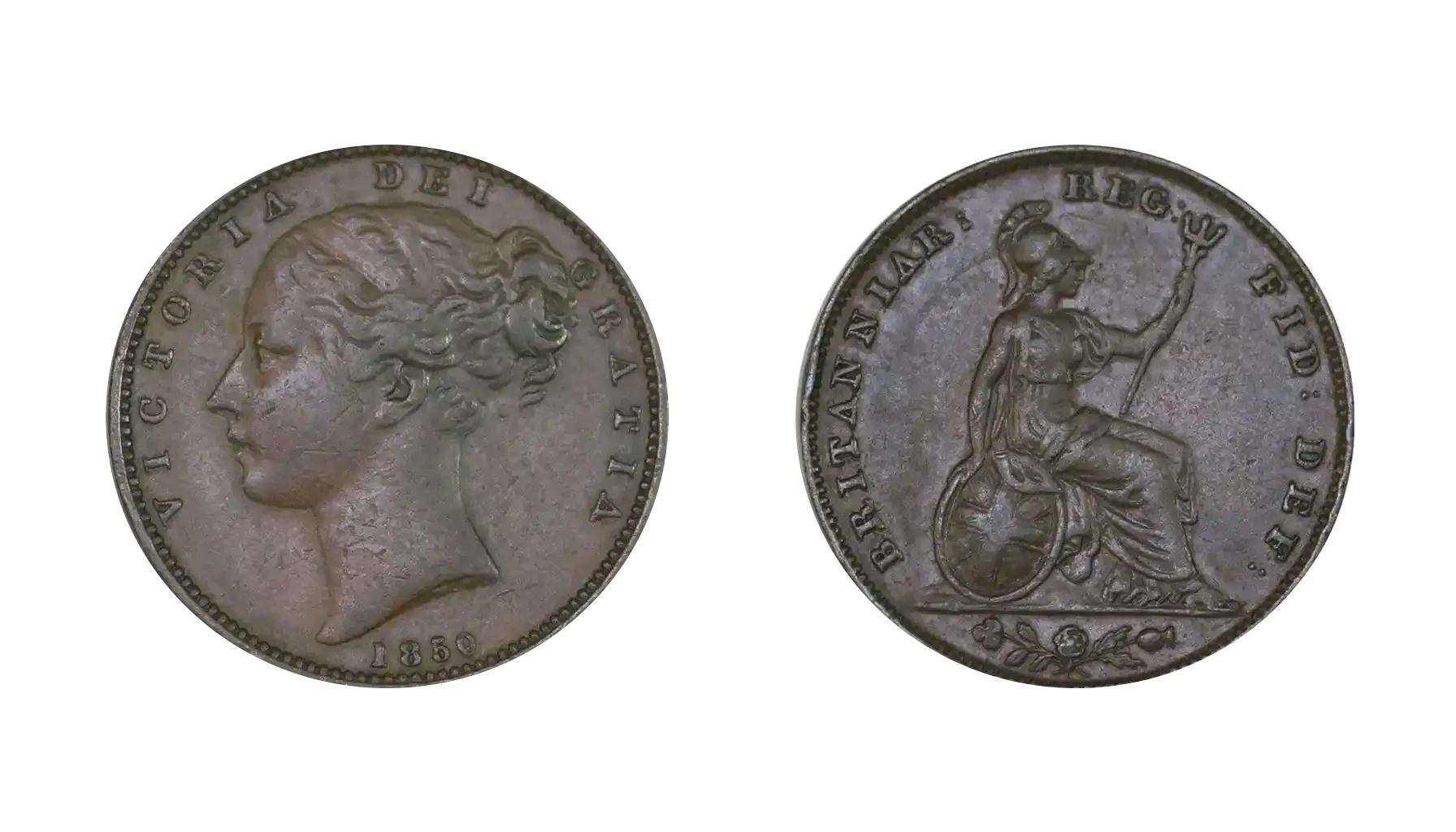
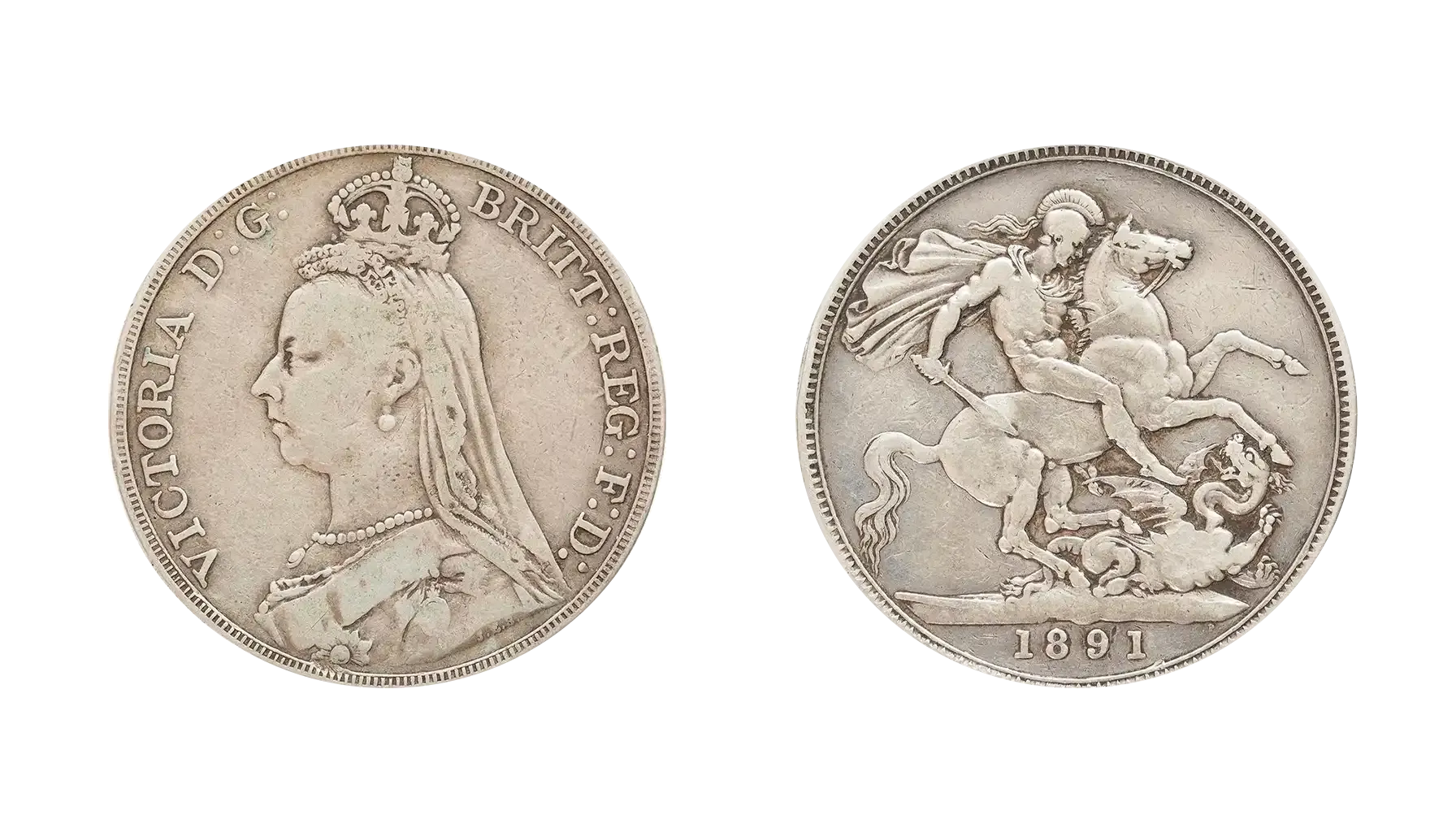
During the reign, several differences could be seen in the items. Unlike her predecessors, the image has been updated several times to reflect her age and status, resulting in four different types of portraits.
Portrait Type | Period | Designer | Details |
Young Head | 1838–1887 | William Wyon | Youthful bun with ribbons |
Gothic | 1847–1887 | William Wyon | Ornate crown and medieval font |
Jubilee | 1887–1893 | J.E. Boehm | Small perched crown |
Old | 1893–1901 | Thomas Brock | Mourning veil and coronet |
It is amazing that the historical chronology of the queen's formation can be seen from the things that people of that time carried in their pockets every day.
The evolution of coinage also reflects the technological achievements of the Royal Mint, which has moved from traditional screw presses to modern steam-powered equipment, which has allowed the mass production of items of more complex and consistent designs.
The Victorian Age History
Two main periods are:
1837–1861
1861–1901
The first one started when Victoria was 18. She moved into Buckingham Palace and became the first monarch to use it as an official residence. In her early years, she was heavily influenced by her first Prime Minister, Lord Melbourne, and later by her husband, Prince Albert, whom she married in 1840.
This period saw the Railway Mania and the Great Exhibition of 1851, a massive display of British industrial might held in the Crystal Palace. The Queen and Albert had nine children, most of whom married into European royalty, earning her the nickname The Grandmother of Europe.
The second period came with the death of Prince Albert in 1861 at age 42, devastating the Queen. She retreated from public life for decades. She wore black for the remaining 40 years of her life and largely lived in seclusion at Osborne House and Balmoral Castle.
In 1877, under the guidance of Prime Minister Benjamin Disraeli, she was named Empress of India, cementing the British Empire's status as a global superpower.
Her popularity recovered late in life, culminating in the Golden (1887) and Diamond (1897) Jubilees, which were massive celebrations of her longevity and the Empire.
Pillars of the Era
Theme | Major Developments |
Imperialism | The British Empire covered 25 % of the world’s land |
Social Reform | Significant acts were passed (child labor, factory safety, etc.) |
Science and Tech | The birth of the telegraph, the telephone, etc. |
Moral Code | Society was defined by Victorian Morality |
Note: The Victorian Morality was a rigid set of values emphasizing family, respectability, and social class.
Queen Victoria Gold Coins
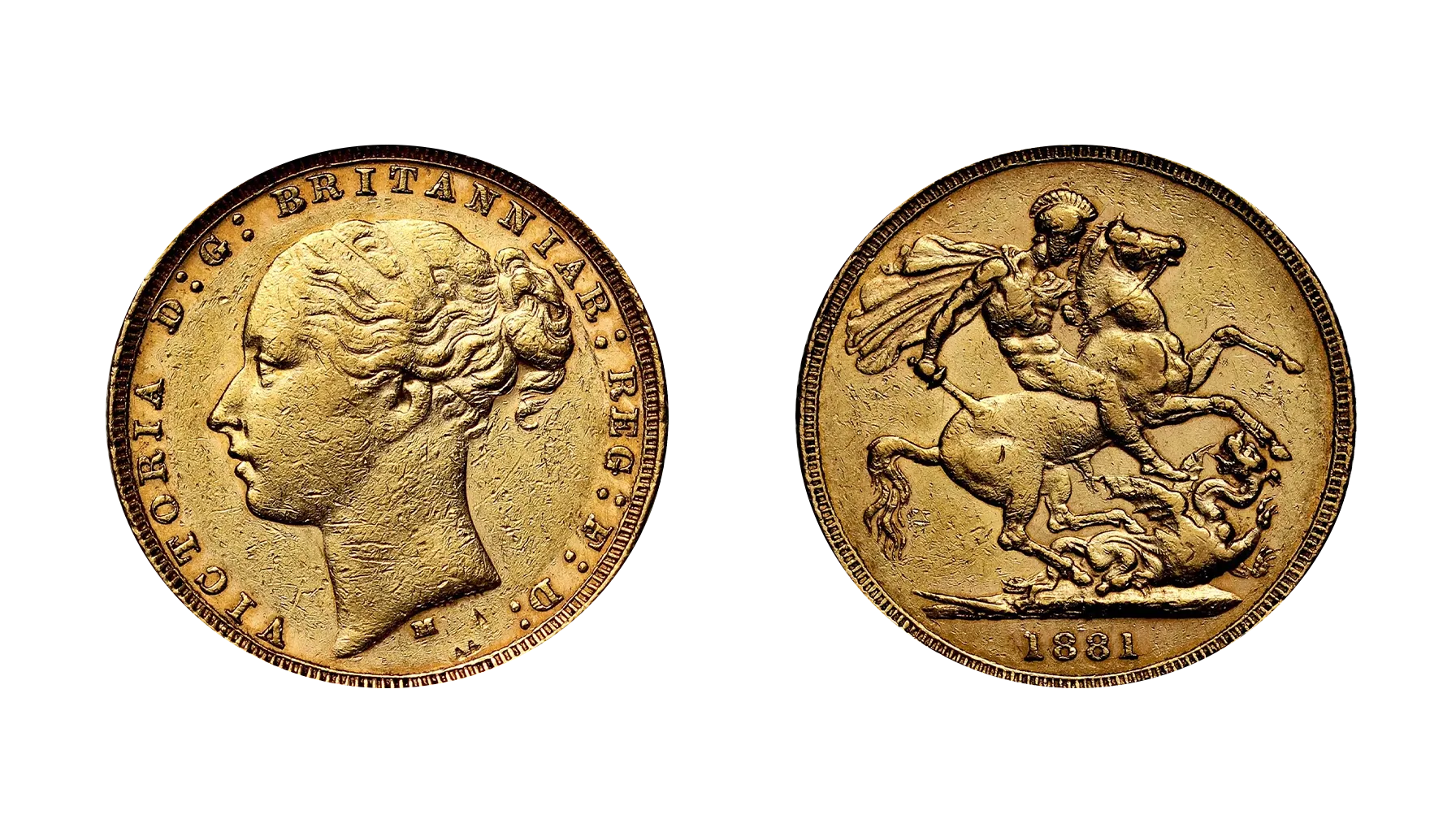
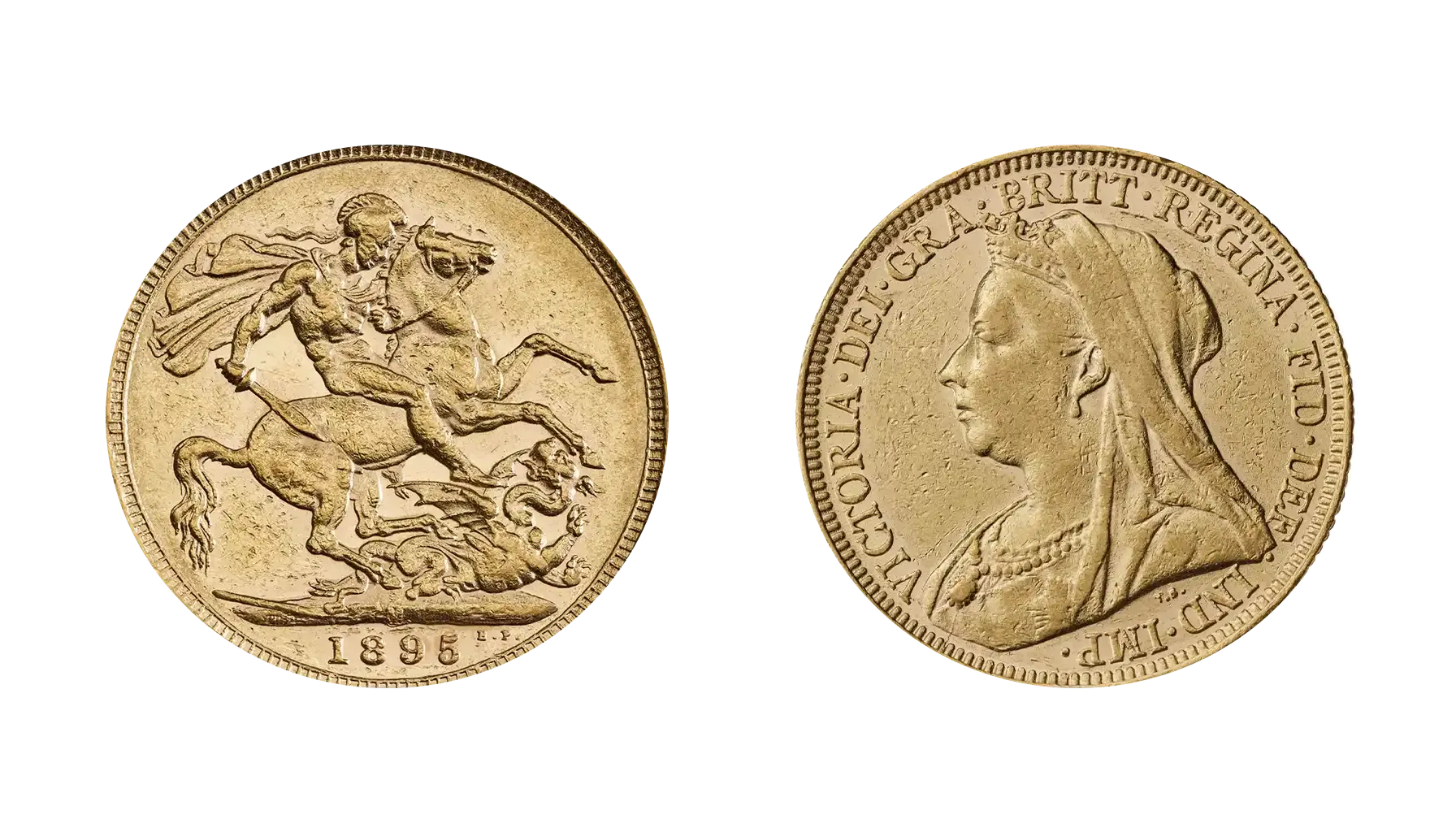
The foundation of the economy, and indeed the world economy, was built on valuable UK gold coins. The primary item of this system was the sovereign, a 22-carat gold coin with Queen Victoria worth one pound.
Millions of them came from the Royal Mint in London. In subsequent years, the branch mints began to issue their own millions of the same type of coin.
South Africa
Australia
Canada
The sovereign was a symbol of British financial stability, a design so powerful that it has been used on and off for over 200 years.
Item Details
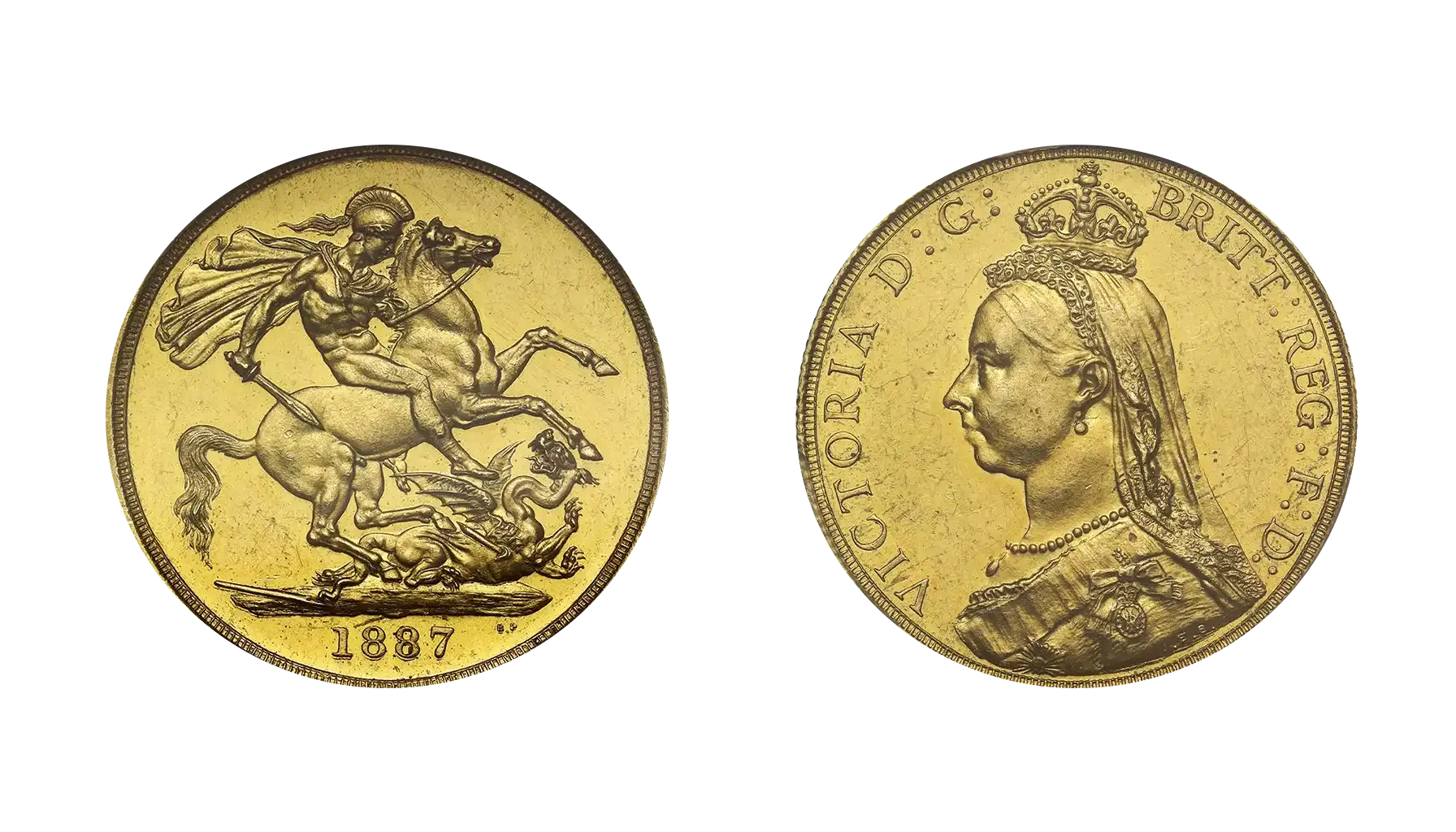
Beyond the standard London issues, the British gold coins Queen Victoria from the colonial branch mints are particularly fascinating. The design celebrated the gold wealth of the Australian colony.
Soon after, the mints in Melbourne and Perth introduced their own sovereign variations. These colonial issues were fully legal tender in Britain. They circulated alongside sovereigns from London for many years.
Today, the Victoria Queen gold coin from a specific Australian mint often carries a premium over a common London piece.
The Half Sovereign
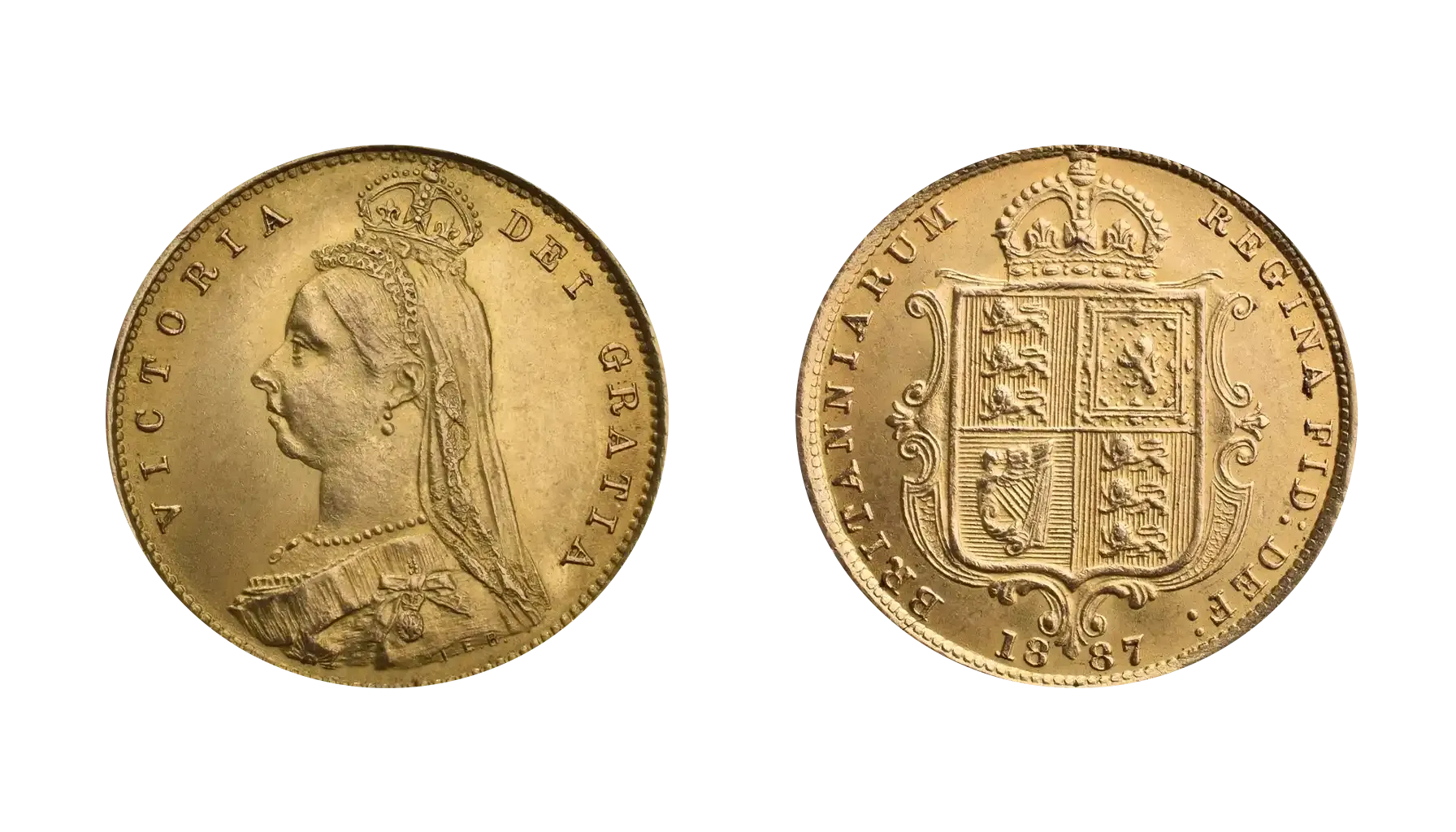
The item with a face value of ten shillings was the other principal gold denomination. These smaller items were just as important for commerce. Some dates and mintages have become legends in the collecting world. For example, the 1838 half sovereign at auction in 2025.
A gold coin with Queen Victoria was melted down during periods of high gold prices, for example, in 2011. Be Aware: This constant cycle of minting and melting is a central theme in the lifecycle of any gold coin Queen Victoria.
List of the Gold Items
Half Sovereign – Young, Jubilee, and Old Head – $630–$890
Sovereign – Young, Jubilee, and Old – $1,270–$2,000+
Two Pounds – Jubilee and Old Head – $3,800–$4,800
Five Pounds – Jubilee and Old – $7,000–11,000+
Queen Victoria Silver Coins
The silver coinage of Victoria's reign offers an even greater variety of designs and denominations than gold, making these UK silver coins a rich field for exploration. For example, the florin was a particularly interesting Victorian innovation. It was introduced in 1849 as a step towards decimalization, though this goal would not be realized for another 120 years.
The Gothic Crown of 1847 ranks among the most beautiful Victorian coins. Although it was a pattern of the Queen Victoria Crown coin that officials did not intend for general circulation, enough pieces were struck for collectors to include it in their series.
The design shows four crowned shields within a Gothic quatrefoil on the reverse and a young Queen in a medieval‑style gown on the obverse.
Table of the Silver Items
Values for Bullion Grade (heavily worn) items are generally just 20-30% above their silver melt value. Symbols in the table: Young – Y, Gothic – G, Jubilee – J, Old – O.
Type | Portrait | Price (Unc) |
Threepence | Y / J / O | $34–$62 |
Sixpence | Y / J / O | $55–$110 |
Shilling | Y / J / O | $82–$170 |
Florin | G / J / O | $163–$300 |
Half–Crown | Y / J / O | $218–$480 |
Crown | Y / J / O | $410–$1,365+ |
Note: Double Florin has the Jubilee portrait and costs $88–$164 in Very Fine condition and $198–$340 in Extremely Fine.
Rare Queen Victoria Coins
The hunt for such items contributes to the movement and change of the numismatic market. The 1839 gold five-pound, Una and the Lion, is perhaps the most famous and desired of all the rarities.
Gold Ones
1839 Una and the Lion, Five Pounds – $682,465–$1,023,697+
1841 Young Head Sovereign – $20,470–$47,770
1855–1870 Sydney Mint – $2,050–$5,460
1887 Low & Jubilee Sovereign – $1,640–$2,460
Silver Ones
1847 Gothic Crown – $7,165–$61,420
1849 Godless Florin – $205–$545
1852 MS-63 Gothic Florin – $245–$682
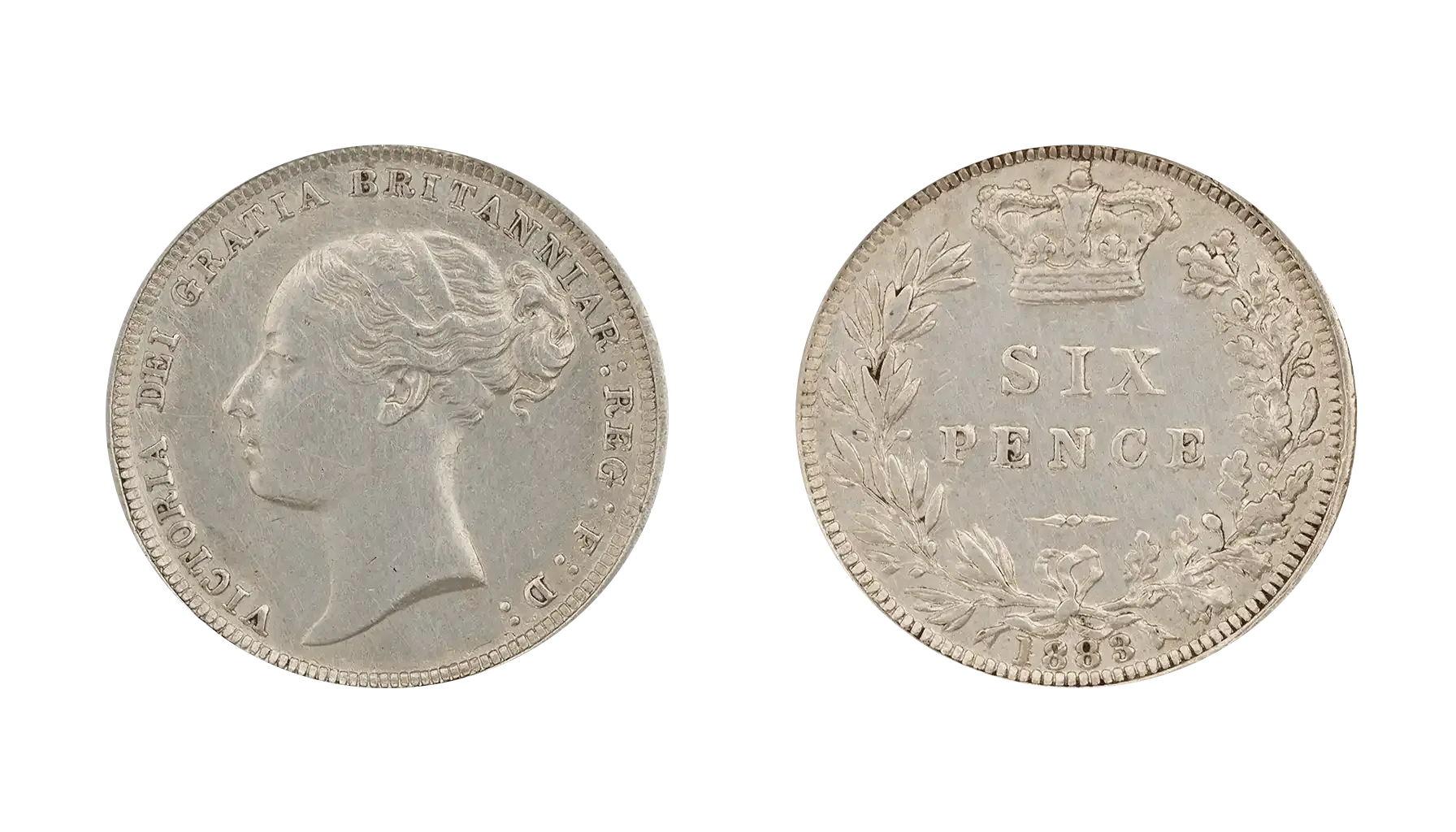
1887 Withdrawn 6d – $60–$130
1893 Proof Set (Silver) – $1,640–$3,400
Are Queen Victoria Coins Worth Anything Today?
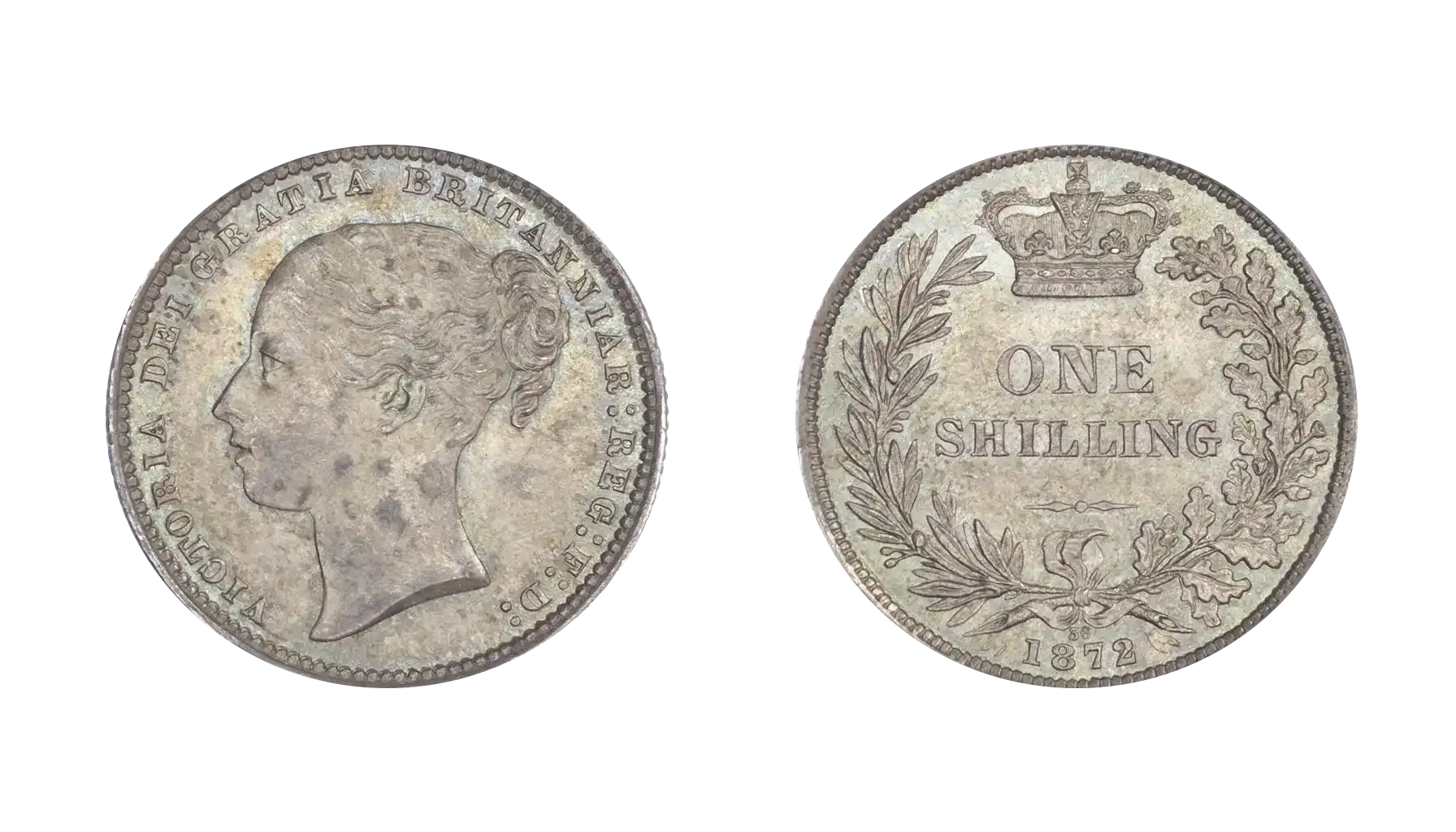
A common, worn Victorian silver shilling from the 1890s may only be worth a small premium over its silver value, $6-$10. In stark contrast, an exquisite, Uncirculated 1838 gold half sovereign can command $2,180 or more.
The wide variance in Queen Victoria coins value is what makes the market so dynamic. How much is a Queen Victoria coin worth today?
You should assess three primary attributes that precisely determine Queen Victoria coin value:
Condition
Rarity
Demand
Market 2026
In 2026, even common sovereigns have a high price floor because the 22-carat gold content (7.32g of pure gold) is worth nearly $1,230 on its own. Items graded MS62 or higher by services like NGC or PCGS can double the prices listed above.
The 1887 Withdrawn silver sixpence is currently one of the fastest-moving items for entry-level collectors. An 1849 Florin in Uncirculated condition has seen a massive jump in 2026, often fetching over $1,910 if professionally graded (MS-64+).
To mark the 125th Anniversary of Victoria's death (1901-2026), the Royal Mint released a new Silver 5-pound item.
2026 Queen Tribute, Modern 125th Anniversary – $8,300 (gold)
2026, 125th Anniversary – $190–$230 (silver)

 Facebook
  X (Twitter)
  Pinterest
  LinkedIn