Contents:
Copper coins are almost the oldest monetary systems on the planet. They have different forms like circulating cents, collectible errors, bullion rounds, and commemorative strikes.
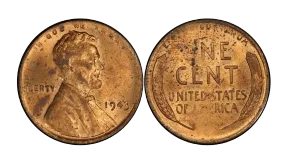
Copper has its own niche, and some rare pieces have sold for thousands. For example, the 1943 bronze Lincoln penny (struck by mistake during wartime steel production) sold for more than $1.7 million at auction. A piece worth one cent in the 1940s became one of the most expensive pennies ever sold.
Perhaps you have this kind of piece; there is a chance to check it with a coin value checker online.
What Are Copper Coins?

Copper coins are coins either fully made of copper or struck from copper-based alloys. They were used because they were affordable, durable, and easy to mint.
“Copper is used as a conductor of heat and electricity, as a building material, and as a constituent of various metal alloys, such as sterling silver used in jewelry, cupronickel used to make marine hardware and coins, and constantan used in strain gauges and thermocouples for temperature measurement.”
— Unknown author
from the Wikipedia Copper page
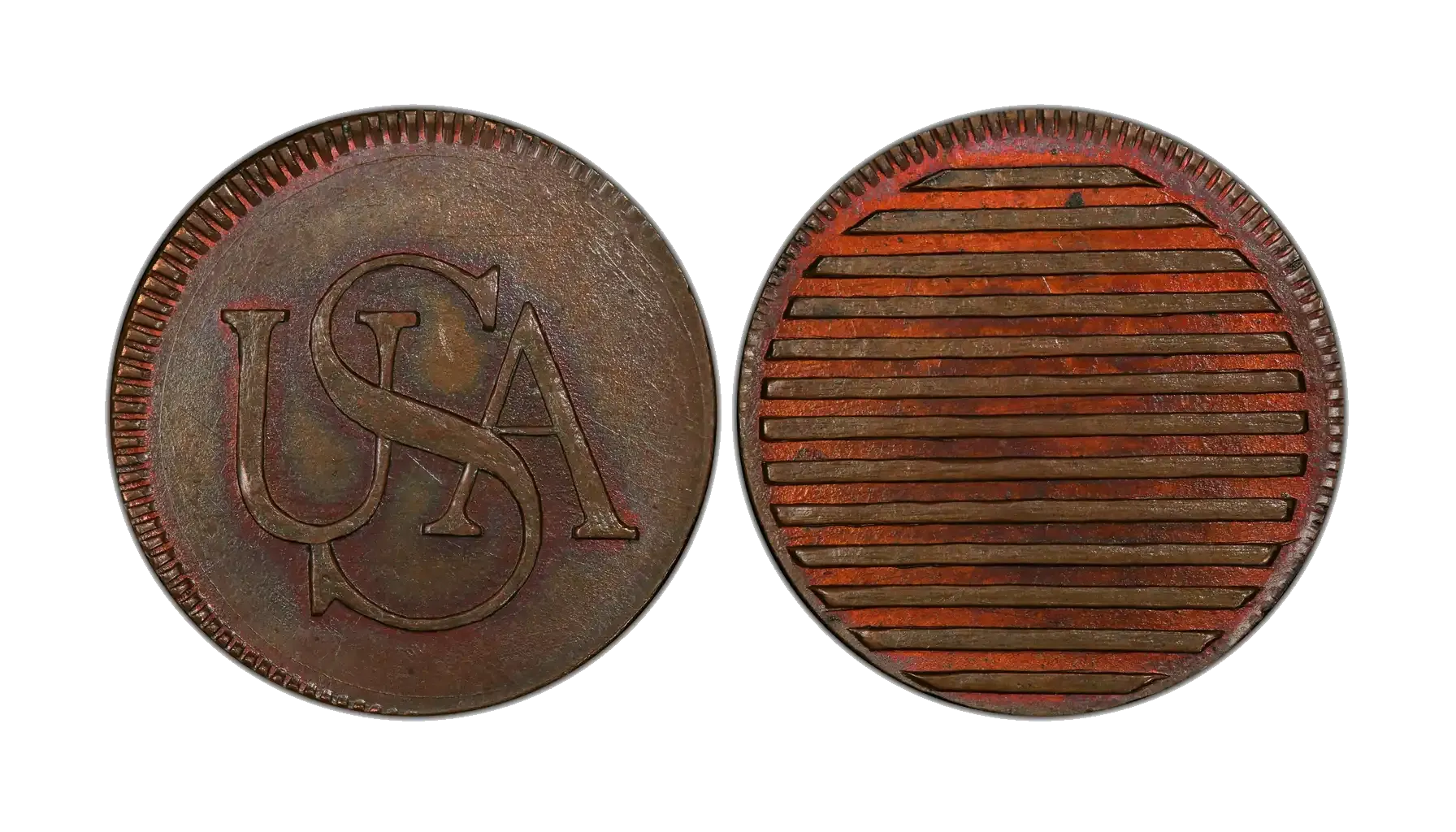
In the United States, early one-cent pieces were minted from nearly pure metal, so there are lots of expensive pieces today, like the Copper Liberty coin, early half cents, and large cents.
Modern circulating pennies aren’t the same. The shift to zinc means many collectors ask: why is the penny the only copper coin? Well, it is because of the production cost. There was a period when metal prices rose, and pure cents became too expensive to manufacture. Today, U.S. cents are mostly zinc with a thin metal coating.
The market now has modern themed copper rounds, like the one ounce copper coin or copper dollar coin, designed for bullion stacking. These are not legal tender.
A Bit of History
Silver and gold were reserved for higher-value transactions. For a long time, rulers resisted the idea of issuing coins made purely from this metal. Queen Elizabeth I refused a copper currency outright, but she allowed limited token money near the end of her reign. They were used in businesses and communities when small change was scarce.
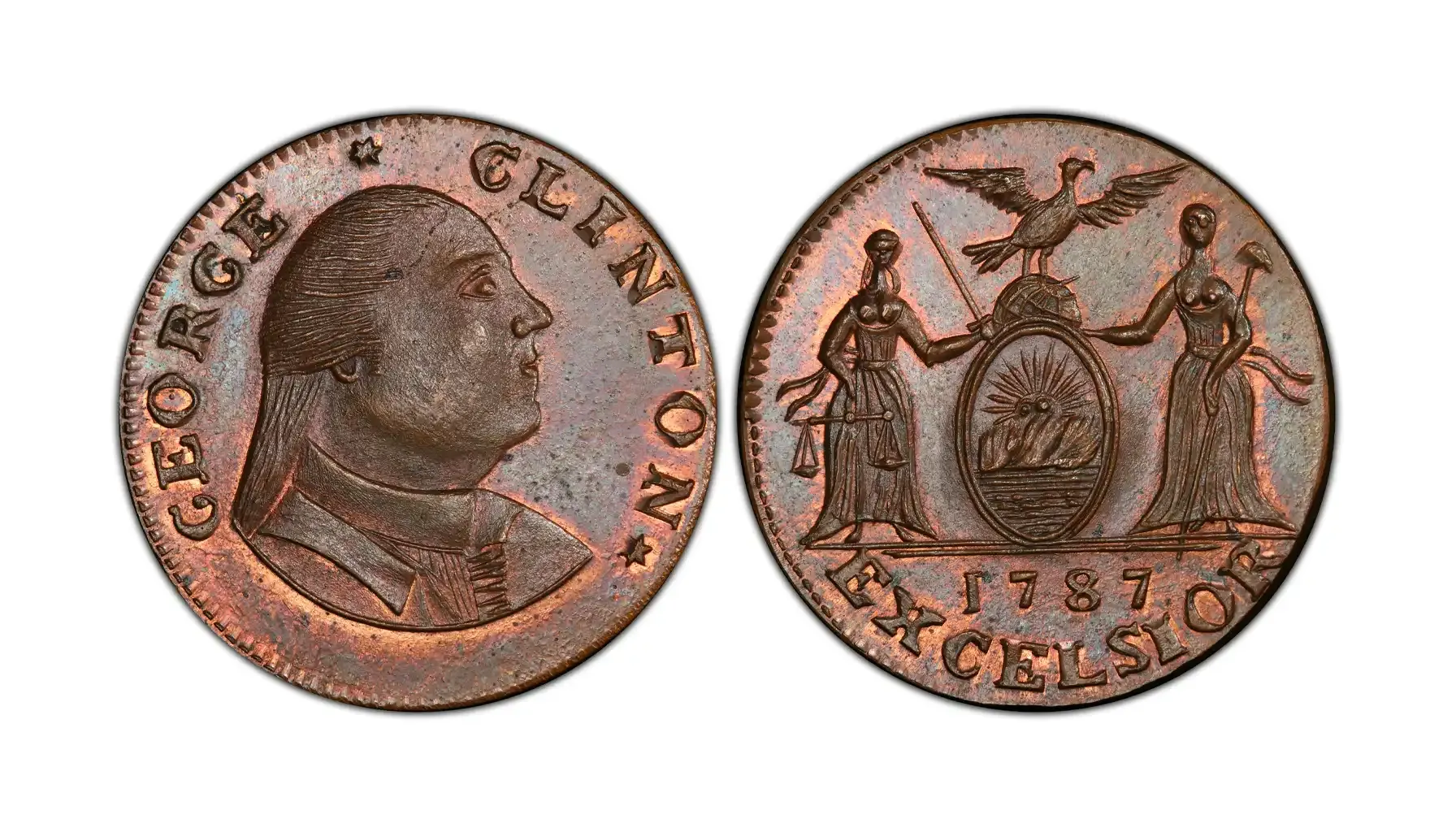
Counterfeiting was a persistent problem. Those coins were cheap to replicate, and during the 1700s, England had plenty of illegal production. The punishment was harsh: a public hanging.
In 1797, the British government contracted Boulton to produce large pennies and twopences. These coins finally had a consistent size and industrial precision. Industrialization changed coin production:
Matthew Boulton developed advanced steam-powered minting machines
His system allowed coins to be made with uniform weight, diameter, and edge features
These improvements made counterfeits easier to detect
Matthew Boulton’s 1797 British penny weighed 28.3 grams, so heavy people nicknamed it the “cartwheel coin.” It was intentionally large to match its metal value and discourage fraud.
By the mid-1800s, many countries changed the alloy to bronze or other alloys. The metal prices rose in the 20th century, so many nations reduced or eliminated content:
Earlier U.S. pennies were 95% copper
Post-1982 U.S. pennies are mostly zinc with a thin copper coating
Prices rise because metals are finite resources. Metals become harder to source.
Mining isn’t unlimited, and costs increase as easily accessible deposits are used up. Inflation is also important here because the value of currency changes, so production costs go up even if metal demand stays the same.
Types of Copper Coins (Historical, Modern, Bullion)
Copper coins exist in several categories:
Early U.S. issues such as Liberty Cap, Draped Bust, Indian Head, and early Lincoln cents
Modern copper has transitional pieces and errors like the famous bronze 1943 wheat cent. These are rare because they were never meant to exist
Bullion copper has 1 oz rounds produced for stacking and collecting. These pieces have designs inspired by U.S. classics, pop culture, or historical themes
Alloy-based coins, such as the copper nickel coin category, helped transition mints toward cheaper and harder-wearing materials as economies evolved.
There are plenty of shops for you to buy copper coins, like SD Bullion, Golden State Mint, APMEX, or Copper State Coin and Bullion. Copper State Coin and Bullion reviews, for example, talk about affordability, fast shipping, and a wide product range. But all the aforementioned shops are pretty good in such a category.
Copper Coins Value: What Affects Pricing
The market has one-cent circulation finds, rare pieces valued in the tens or hundreds of thousands. Factors that influence price are:
Rarity and historical significance
Surviving population in top condition
Mint errors or unusual strikes
Metal value (especially for bullion rounds)
Eye appeal and tone
A 1 ounce copper coin value is tied to market spot prices and production demand. Freshly minted copper has a bright reddish-orange tone. Over time, it oxidizes and turns brown, dark chocolate, or even green, a chemical reaction similar to the Statue of Liberty’s patina.
Copper Coin Value Chart
Coin Type & Date Range | Example Low Grade Value (G–VG Range) | Mid-Grade (VF–XF Range) | Mint State Range (MS-60 to MS-63) | High-Grade Premium (MS-65+) |
Liberty copper coin (Liberty Cap Half Cent) (1793–1797) | $650–$3,500 | $5,000–$25,000 | $40,000–$100,000+ | $135,000–$575,000+ |
Draped Bust Half Cent (1800–1808) | $110–$375 | $1,200–$1,850 | $4,000–$11,500 | $27,500–$60,000 |
Classic Head Half Cent (1809–1836) | $85–$150 | $200–$675 | $1,000–$2,200 | $3,250–$13,500 |
Braided Hair Half Cent (1840–1857) | $65–$120 | $315–$575 | $1,125–$2,250 | $6,750–$17,500 |
Flowing Hair Large Cent (1793–1796) | $2,100–$5,250 | $11,500–$40,000 | $55,000–$150,000 | $240,000–$1,250,000 |
Draped Bust Large Cent (1796–1807) | $140–$840 | $1,600–$7,250 | $21,000–$35,000 | $60,000–$120,000 |
Classic Head Large Cent (1808–1814) | $110–$475 | $2,100–$4,850 | $15,000–$25,000 | $38,000–$450,000 |
Coronet Head Large Cent (1816–1839) | $37–$110 | $290–$450 | $750–$2,200 | $3,950–$12,000 |
Braided Hair Large Cent (1839–1857) | $30–$85 | $185–$260 | $425–$1,500 | $1,650–$9,500 |
Flying Eagle Small Cent (1856–1858) | $27–$95 | $325–$500 | $1,000–$1,900 | $9,500–$26,500 |
Indian Head Small Cent (1859–1909) | $2–$22 | $85–$275 | $160–$1,550 | $900–$100,000 (key dates) |
Lincoln Wheat Cent (1909–1958) | Face value–$11 | $25–$150 | $50–$450 | $250–$3,150 (varies sharply by year/error) |
Lincoln Memorial & Shield (1959–Present) | Face value | Face value | $5–$14 | $20–$500+ (mostly registry-driven pricing) |
What is So Unique About the 1943 Bronze Lincoln penny?
Because it wasn’t supposed to exist. In 1943, the U.S. Mint switched from copper to zinc-coated steel for penny production because copper was needed for ammunition and military equipment. Every penny that year should have been made of steel.
But a small number of 1943 cents were accidentally struck on leftover bronze (copper-based) planchets from 1942. These pieces slipped into circulation unnoticed.
Because so few exist (rough estimates range from 15 to 25 known across all mints), the 1943 piece is now really expensive. Values are different depending on the condition and which mint struck it (Philadelphia, Denver, or San Francisco). The Philadelphia examples are the most well-known, but the 1943-D bronze penny is considered the rarest of the group.
Some documented prices:
A circulated example selling for over $280,000
A certified high-grade piece selling for $1.7 million
Counterfeit attempts, of course. A non-magnetic coin still needs professional grading, because there are fake planchets and altered dates.
How to Clean Copper Coins Safely
Even light polishing can destroy coins made of copper because it damages natural patina. So, cleaning should not be attempted.
The safest approach is simple:
Store coins in archival holders
Avoid moisture, skin oils, and abrasive materials
If a coin has important value, financial or historical, professional conservation is the only safe cleaning option
If you have bullion rounds or novelty pieces, cleaning approaches can be done because value here is not based on originality. But many modern “copper coins” aren’t really from this metal anymore.

 Facebook
  X (Twitter)
  Pinterest
  LinkedIn