Contents:
The US Mint Denver is one of the most popular and main coin organisations in the USA. It is known for its regular strikes and much more. Often, people are interested in how to identify rare coins, specifically from Denver.
Overview of the Denver Mint
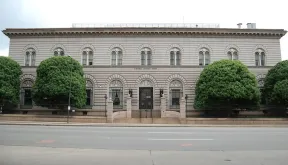
So, the Mint House Denver is one of the main branches of the United States Mint. They are involved in the mass coinage of regular strike US coins. They manufacture blanks, auxiliary dies, and tools. The mark is the letter D.
The Denver US Mint has existed since the late 19th century and continues to operate to this day. It has been known as an official assay office since 1863, and was then upgraded to a full-fledged branch mint in the early 20th century.
The Mint Denver has a large press department, its own blank line, quality control, and packaging department. They also work in coordination with the Philadelphia Mint and other branches for circulation distribution.
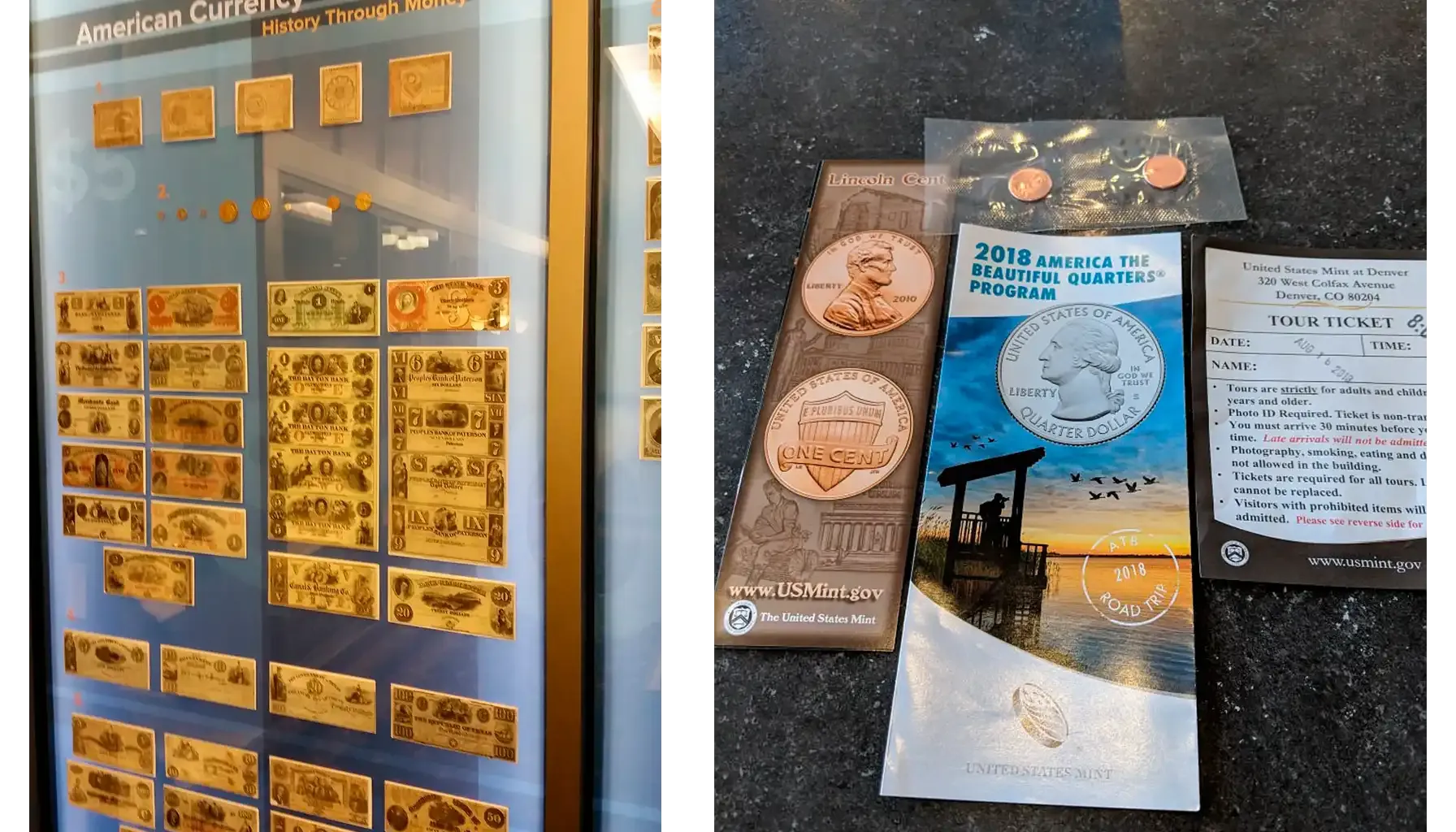
There is also a museum at the mint, and the US Mint tour Denver is conducted there for anyone interested.
History of the Denver Mint
The history of the United States Mint Denver began in 1863. A federal assay office was established in Denver. That is, initially, it was an organization that monitored the compliance of precious metal products with the fineness indicated on them. It was a state assay laboratory.
Here, local gold and other metals were checked and evaluated during the Colorado gold rush era. However, in the late 19th and early 20th centuries, its functions expanded. From an assay office, the organization gradually grew into a federal branch of the Mint, and its official status as a branch was formalized in the early 20th century.
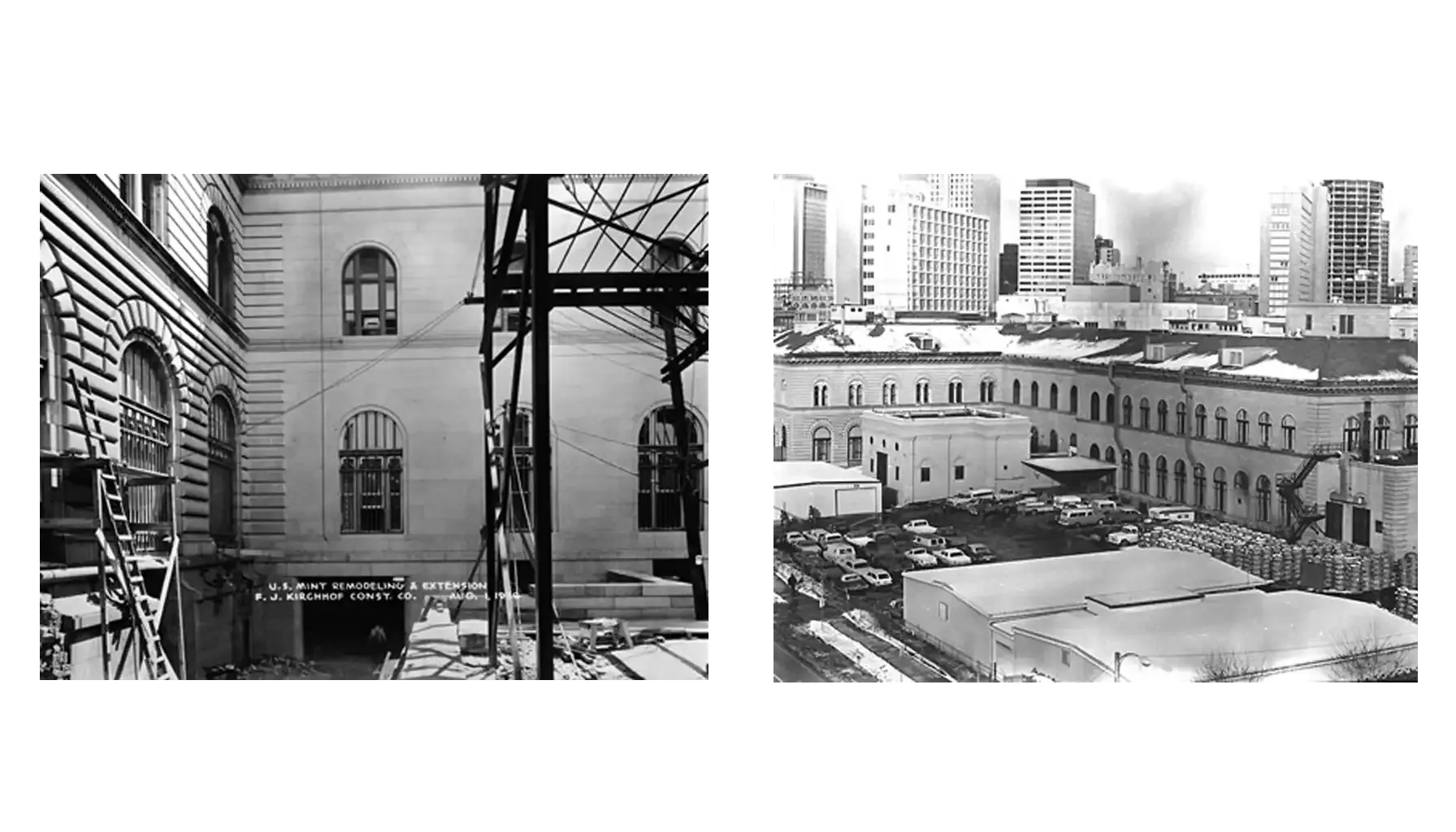
From that moment, regular production and coinage with its own V-stamp began. In the 1930s, active coining of gold and silver coins and circulating denominations took place.
The building was also gradually expanded and modernized to increase production areas, as tasks became more complex and demand for coins also grew. With the onset of the Great Depression and World War II in the 1930s-1940s, changes began in the volume and composition of coinage. Overall, World War II coins have become quite rare due to these changes.
War years required alloy adaptation, and closer to the beginning of the 21st century, in the 1960s-2000s, automated lines were modernized. That is, new safety and control standards were introduced, and production was redistributed among branches. And Denver became one of the key producers of circulating coins.
“Within the context of local history, however, the Mint has played an equally significant role, symbolizing continuity in the development of Denver from a frontier mining center to a major metropolitan area.”
– unnamed page about Denver Mint
U.S. Department of the Treasury official website
Now, Denver produces the main share of coinage for circulation, on par with Philadelphia. It continues to issue coins with the D mark, but they are not the main center for some investment bullion series. Most often, these series are minted in the Mint of Washington or Philadelphia.
What Coins the Denver Mint Produces Today
Currently, the main tasks are the minting of regular strikes. These are rare Lincoln penny coins, Jefferson Nickels, Roosevelt Dimes, and also quarters, half dollars, and dollar coins by order. Regarding quarters, various programs are involved here, such as State Quarters, America the Beautiful, and all subsequent ones that will be published.
Denver usually produces the majority of the annual mintage of regular strikes. And together with the Philadelphia branch, the volume is distributed. Coins are minted for the Federal Reserve System. As for collectible proof versions, the San Francisco Mint is most often used, rarely Denver.
And to find even the rarest specimens, we recommend using the Coin ID Scanner app. This is a professional tool developed specifically for numismatists. It features the most convenient and useful functions, with nothing superfluous.
This app will help you identify even the rarest Denver Mint Coins, as well as foreign specimens.
As for investment and bullion types, such as American Eagle Bullion, they have been produced in most cases in West Point or other mints in recent decades, but usually not in Denver.
In addition to regular minting, the branch also manufactures dies, performs operations with blanks, and is involved in auxiliary technological stages of coin production.
Notable Denver Mint Coins
1916-D Mercury Dime
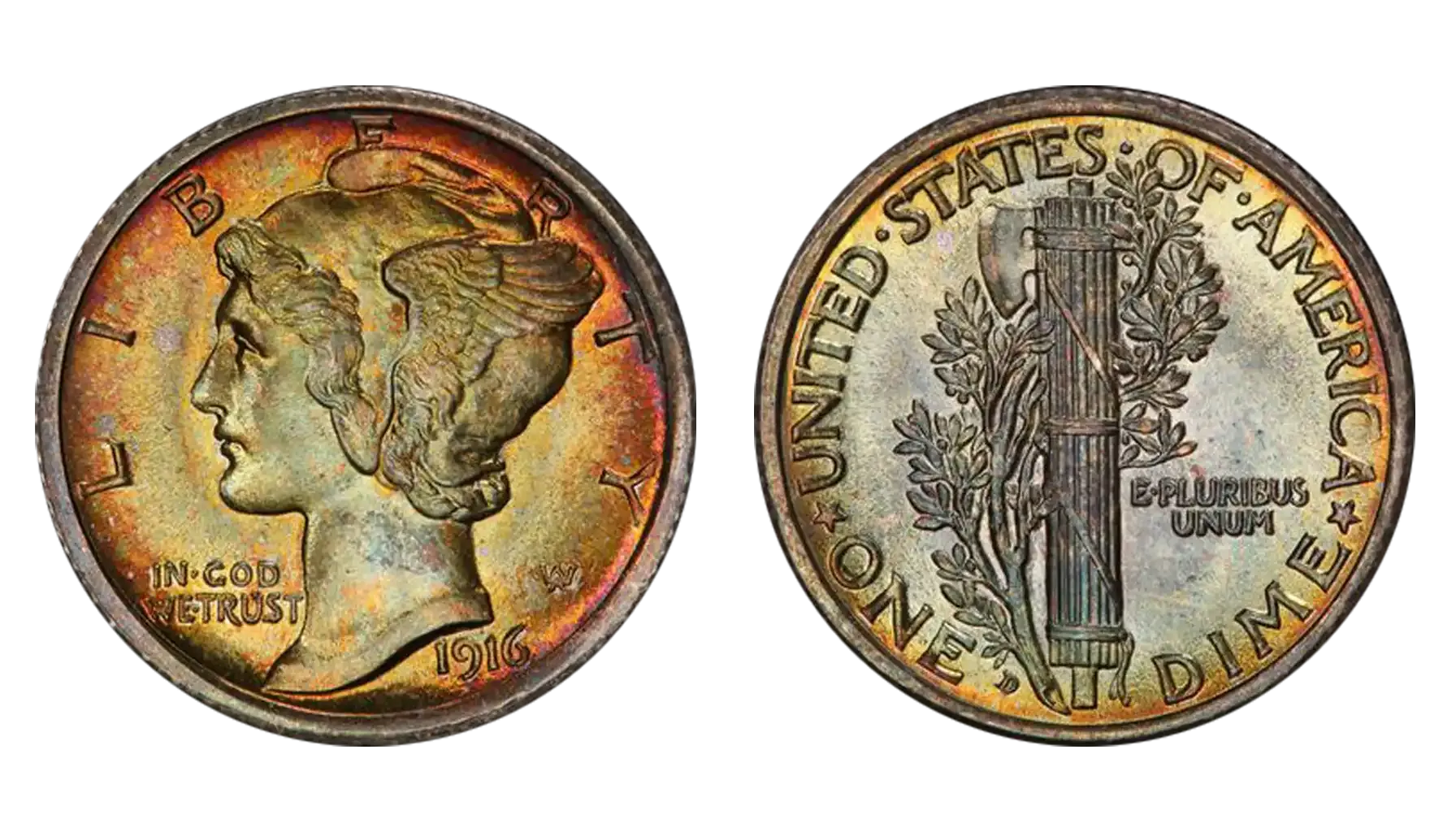
This is actually a classic important date for the Mercury Dime series, and that's why it's rare, as well as the fact that Denver had a low mintage this year, and that's why, in high grades, it has such, it has great collectible value.
1932-D Washington Quarter
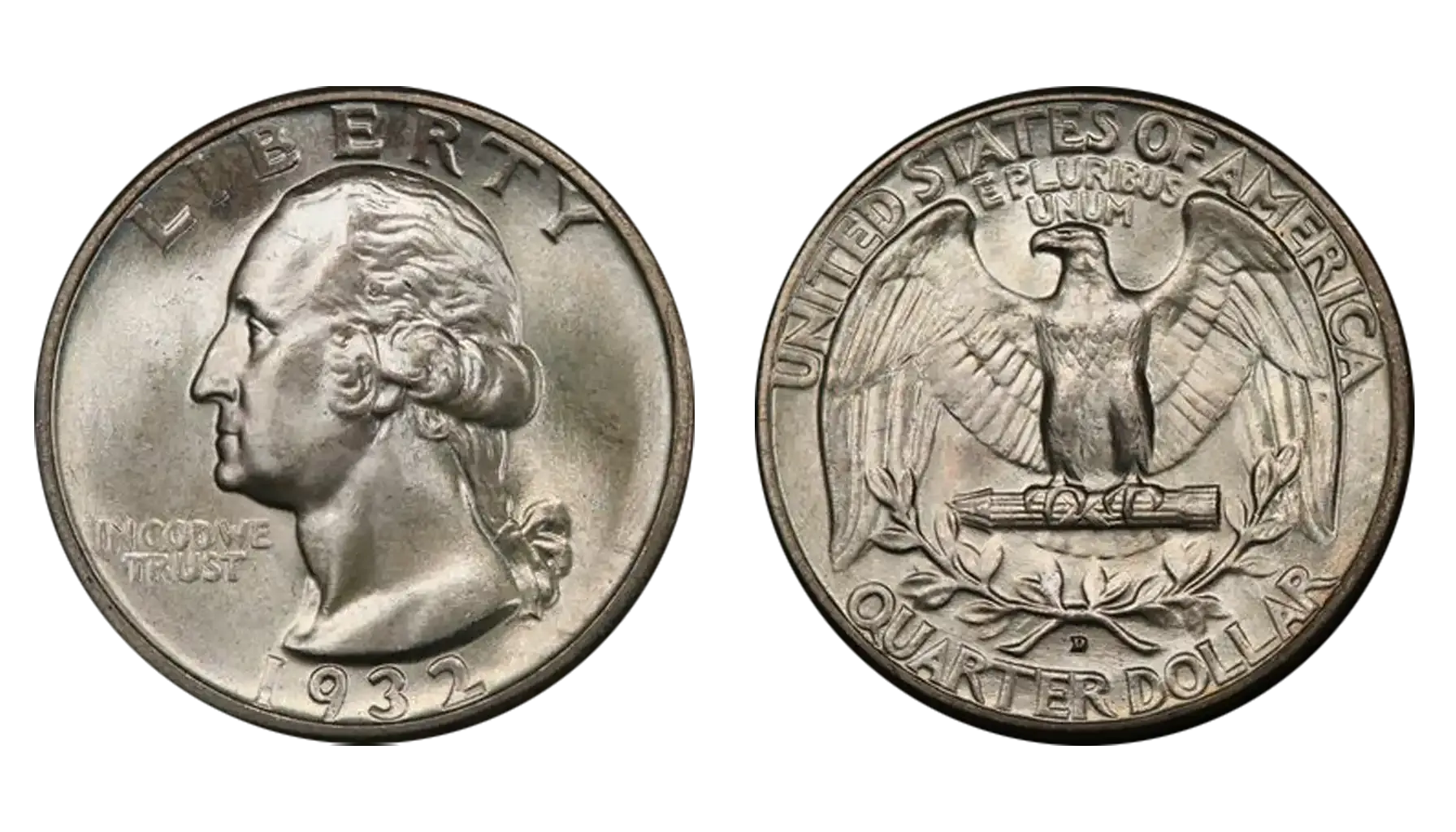
This is also one of the most important dates for this series. The Denver issue is rare because it was quite difficult to preserve, and therefore, it is now very popular among collectors.
1921-D Morgan Dollar
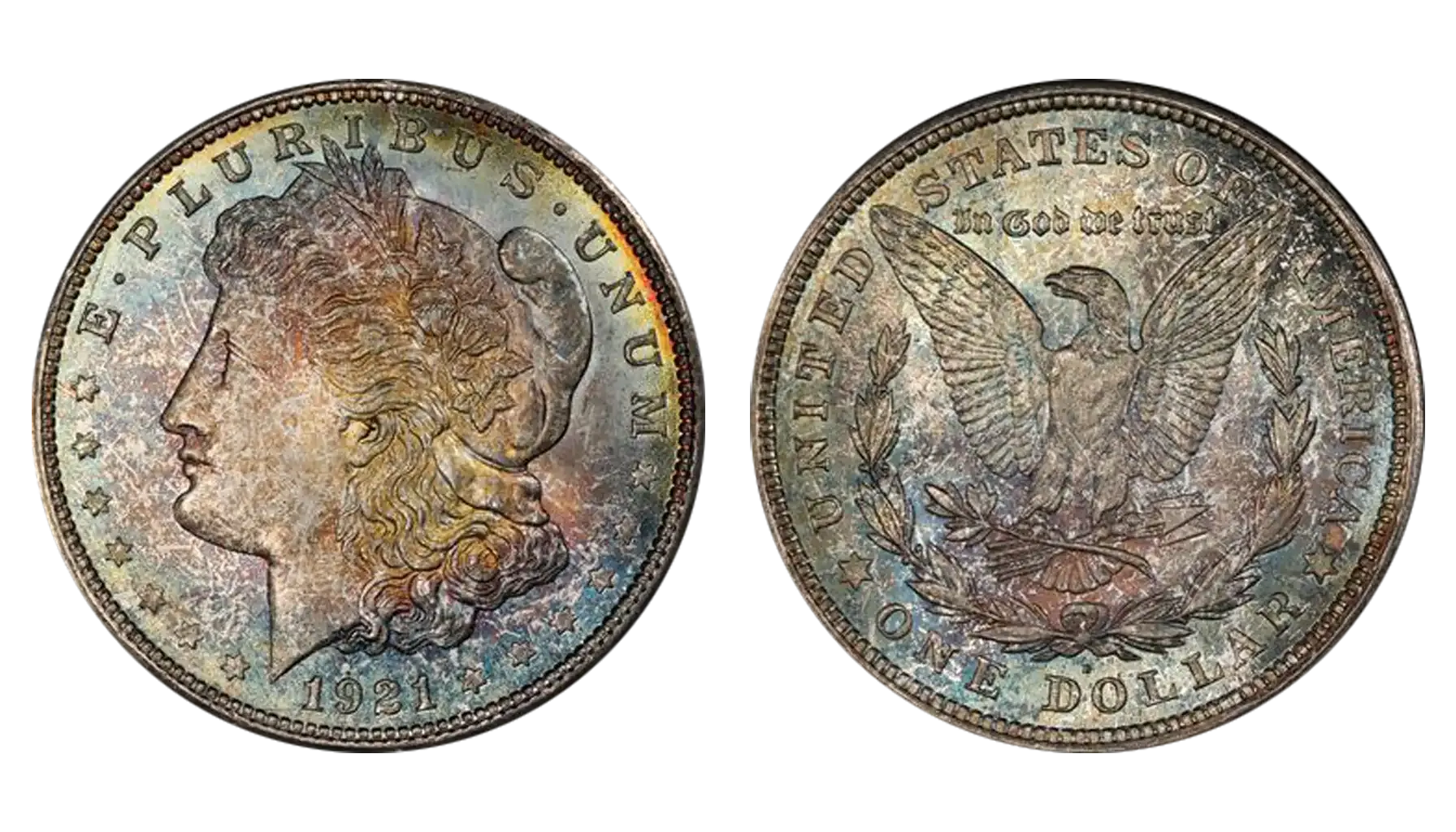
1921 is the last year of the Morgan series, and minting took place specifically in Denver. What's important here is that it was a transition to the Peace Dollar, and that's why it's so interesting from the perspective of different die variations and grades.
FAQ
Does the Denver Mint still exist?
Yes, it still exists, coinage continues there to this day, and it is generally one of the main minting branches in the USA.
Can you still tour the Denver Mint?
Yes, tours are arranged in Denver for anyone interested, and unlike San Francisco, which has several buildings, the Denver building remains unchanged, and you can visit it, experiencing its entire great history.
Are Denver Mint coins rare?
Coins with the letter D are quite rare because they are part of regular circulation, and consequently, it is difficult to find a specimen in a good, high grade. This is why they are rather rare and are of interest to numismatists.
Is the Denver Mint free?
Yes, visiting the Mint tour is free; however, you cannot just show up and walk in. You need to obtain a ticket beforehand; you simply need to reserve it. Also, free tickets are limited in number. Only 5 tickets per person are available, and they can only be booked through a single tour reservation system.

 Facebook
  X (Twitter)
  Pinterest
  LinkedIn