Contents:
Coin rolls are the pre-organized "collections" of currency units, wrapped together in paper or plastic sleeves and united by the same denomination, the metal composition, or the occasion/figure/event the coins are devoted to.
Their values are typically predetermined, based on the fixed amount of coins and the nominal value of each piece. However, the numismatic prices may differ due to rarity levels, condition, mintage, special packaging, and the presence of errors, precious metals, and/or commemorative coins within the roll.
There are seven typical types of Canadian coin rolls today, for they should include toonies, loonies, half-dollars, quarters, dimes, nickels, and pennies, respectively. Nonetheless, the categorization of numismatic creation from Canada may actually vary, depending on the feature considered. So, how many coins does each wrapper contain? How to check coin value, and where to get coin rolls Canada in 2026?
What Are Coin Rolls in Canada?
Coin rolls in Canada represent a fine and productive way to obtain bundles of coins in special packaging, i.e., sleeves, in a standardized order. The idea behind each roll is a consistency in the denomination (in most cases) and total face value, which should not be altered. That said, keeping or gaining coins in wrappers makes them easier to count, store, transport, and deposit at a bank.
There are a few approaches in categorization of such a numismatic arrangement, i.e., by denomination, by circulation status, by source, and by collector type. Sometimes, however, these groups are mixed.
“Keep in mind that coin roll hunting is not as popular as it was in the past. This is because banks are now more likely to remove rare or valuable coins from circulation before rolling them. Still, the Royal Canadian Mint regularly releases commemorative coin rolls for collectors and enthusiasts...”
— Unknown author, “WHAT IS COIN ROLL HUNTING AND HOW DOES IT WORK?”
Colonial Acres Coins
Rolls by Denomination
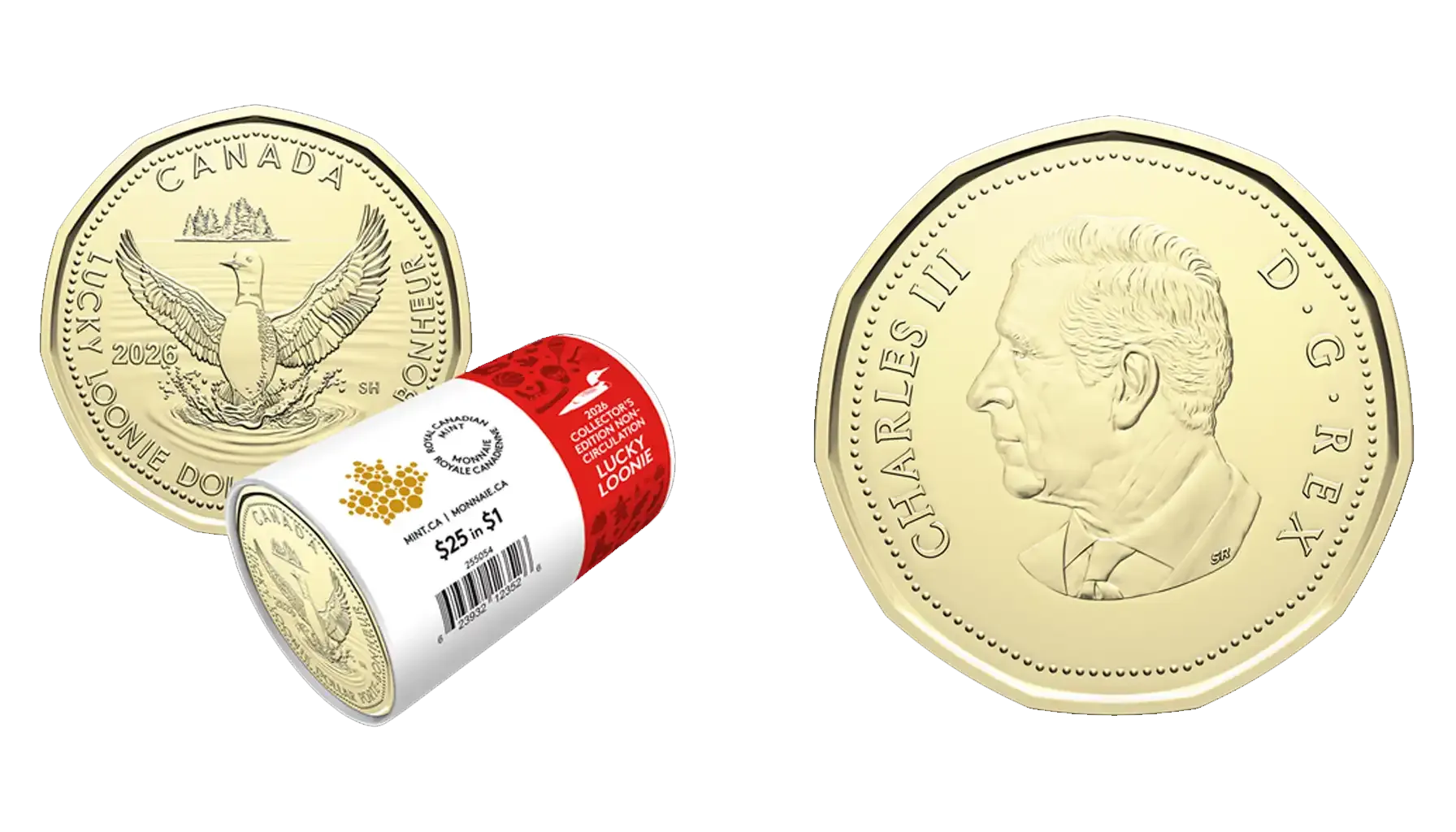
Example: Lucky Loonie – Collector’s Edition Non-Circulation $1 Special Wrap
The most basic way to classify rolls is by their denomination (as the official Royal Canadian Mint does). Each type has a standard number of coins and a fixed total value as well.
Denomination | Quantity of units | Total Face Value |
Penny (1C) | 50 | $0.50 |
Nickel (5C) | 40 | $2.00 |
Dime (10C) | 50 | $5.00 |
Quarter (25C) | 40 | $10.00 |
Half-dollar (50C)* | 20 or 25 | $10.00 or $12.50 |
Loonie ($1) | 20 or 25 | $20.00 or $25.00 |
Toonie ($2) | 25 | $50.00 |
*Canadian 50-cent coins may not be widely present in circulation, but the Mint still continues to distribute 50-cent special wrap circulation rolls.
Rolls by Circulation Status
Example: 30th Anniversary of the Toonie – Collector’s Edition Non-Circulation $2 Special Wrap
The circulation status, i.e., the original purpose of the coin, is another factor that may contribute to the formation of coin wrappers:
Circulated rolls may only contain numismatic creations that have already been in circulation once. To obtain one, it is possible to appeal to the banks, retailers, or returned customer deposits. The worth of such an assortment cannot exceed the face value (combined).
Uncirculated rolls, in turn, contain units that show little to no wear at all. They are usually formed of uncertified, yet uncirculated pieces, and the price of each has no limits.
Rolls by Source
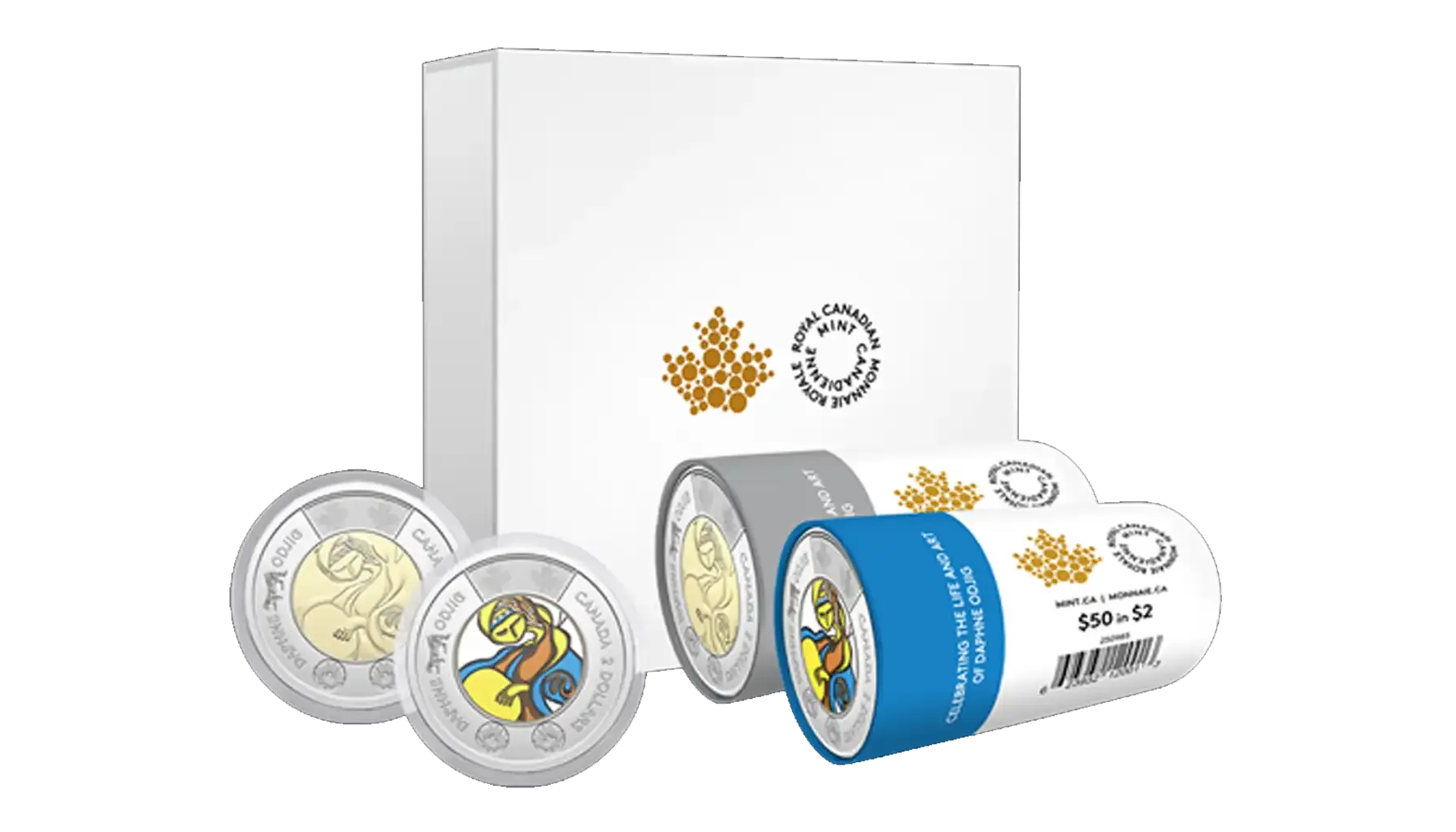
Example: Any wrap distributed via the official website of the Royal Canadian Mint
Canadian coin rolls can also be grouped by where they come from, i.e., the source.
Bank-wrapped or retail: These are standard types prepared for cash handling and exchange. Their main purpose is convenience, and a bank or retailer typically provides them for business floats, deposits, or change-making.
Customer-wrapped: In turn, there are rolls prepared by private collectors/casual cash users to store cash conveniently. However, these do not usually include collectible items as their contents are rather mundane.
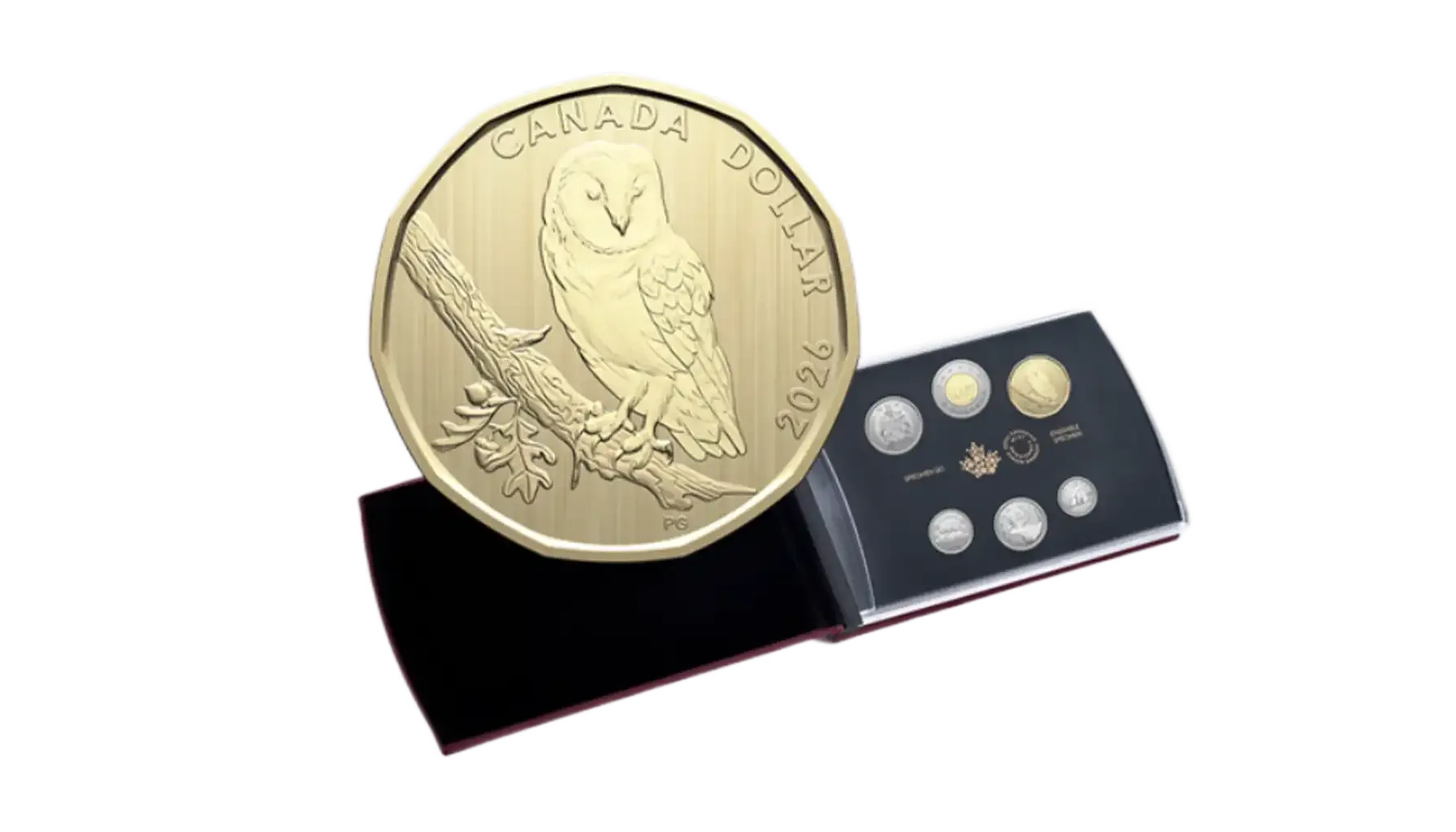
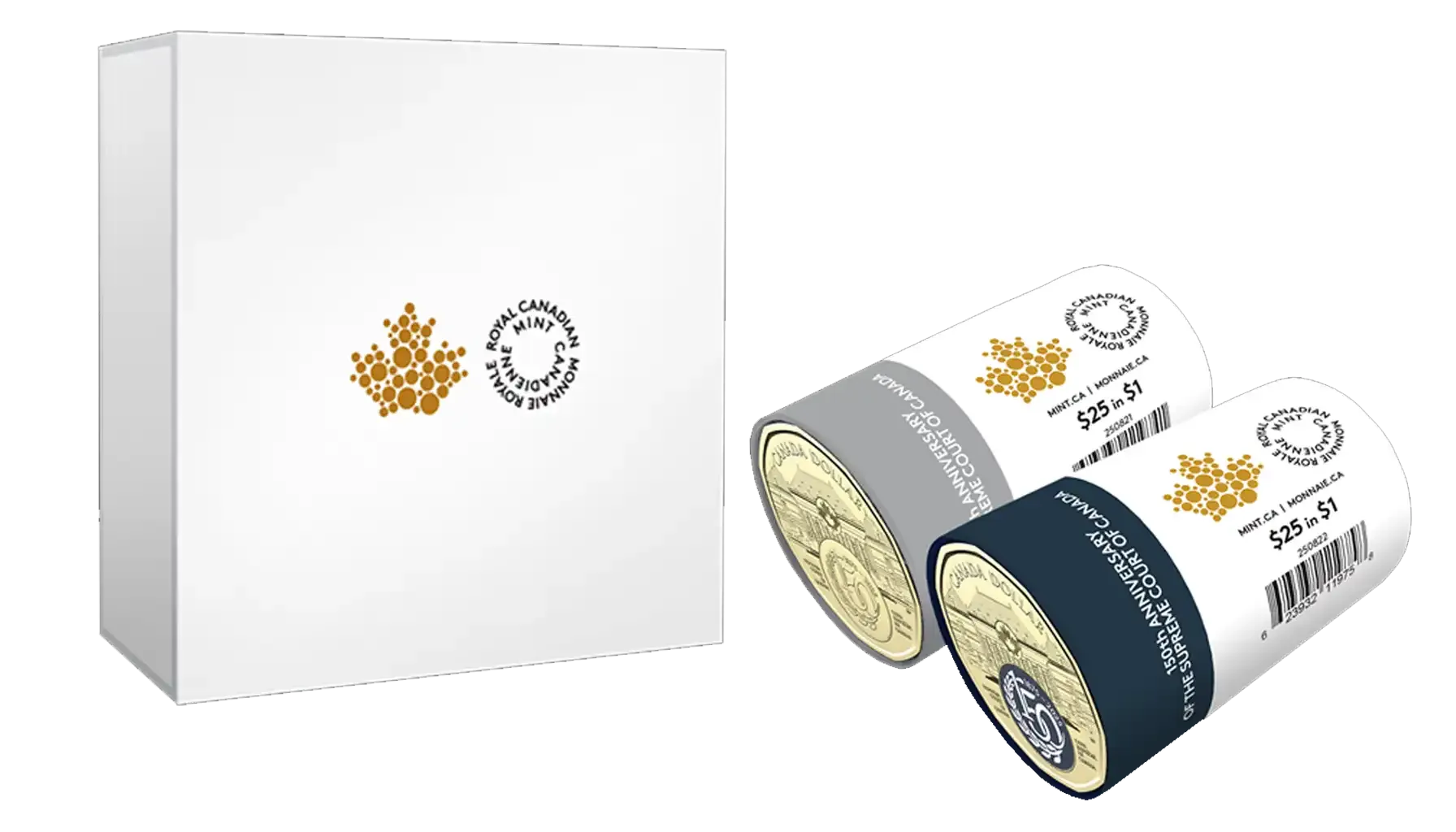
Mint-issued: The Royal Canadian Mint sells special wrap circulation rolls and sets that are considered genuine collector products. Recent Mint listings include 50-cent special wrap circulation rolls (e.g., for 2026), as well as commemorative $1 and $2 roll products (e.g., the one honouring Canada’s unknown soldier).
Rolls by Collector Type
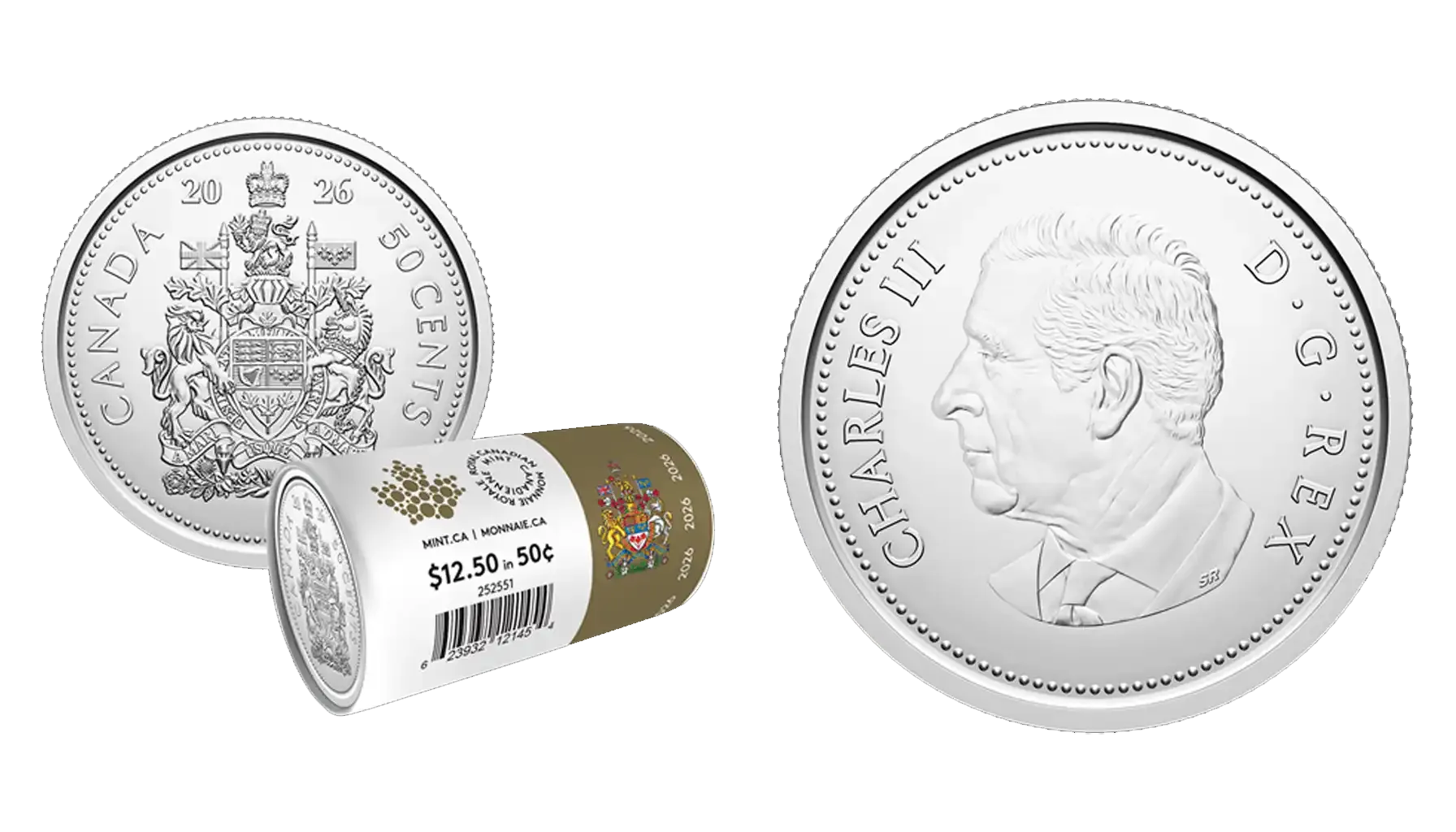
Example: 2025 $2 Honouring Canada’s Unknown Soldier Colourized Special Wrap
Finally, each numismatic creation should be characterized by its type (naming may differ, though, yet the overall pattern should be internationally accepted).
As such, standard denomination rolls are the most common types; commemorative editions are issued specifically to perpetuate the legacy of the given events, figures, cultural themes, etc.; special wrap rolls are collector-oriented products, sold in branded packaging, sometimes in colourized and non-colourized versions, and sometimes as sets; date-specific options focus on a specific date rather than any other factor.
Canadian Coin Rolls Value
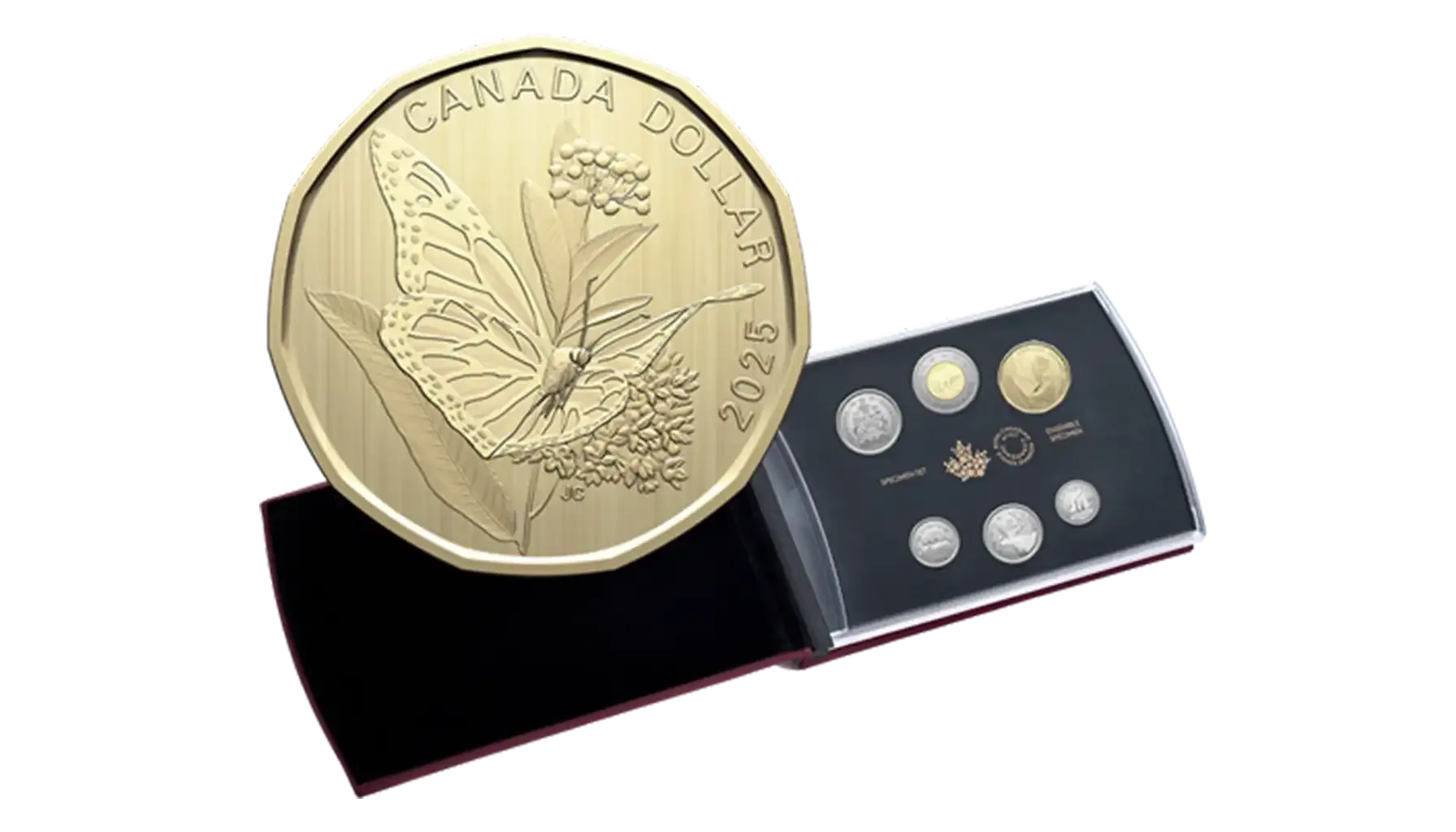
Just like the U.S. coin rolls, the ones made and distributed in/by Canada are measured, according to the face value and the numismatic appeal (the added price).
To be more precise, face value is the total nominal amount of the coins, determined by denomination and the number of coins inside (this can be easily calculated). This is the base value, which can be used as a reference, on which the added values are formed, compared, and evaluated.
The numismatic added worth, by contrast, may depend on certain collector-focused factors, such as rarity, condition, mintage, packaging, and demand. For instance, a regular Canadian dime roll, which is generally worth only $5, may eventually grow in value and sell for over $50.
What Could Increase the Worth?
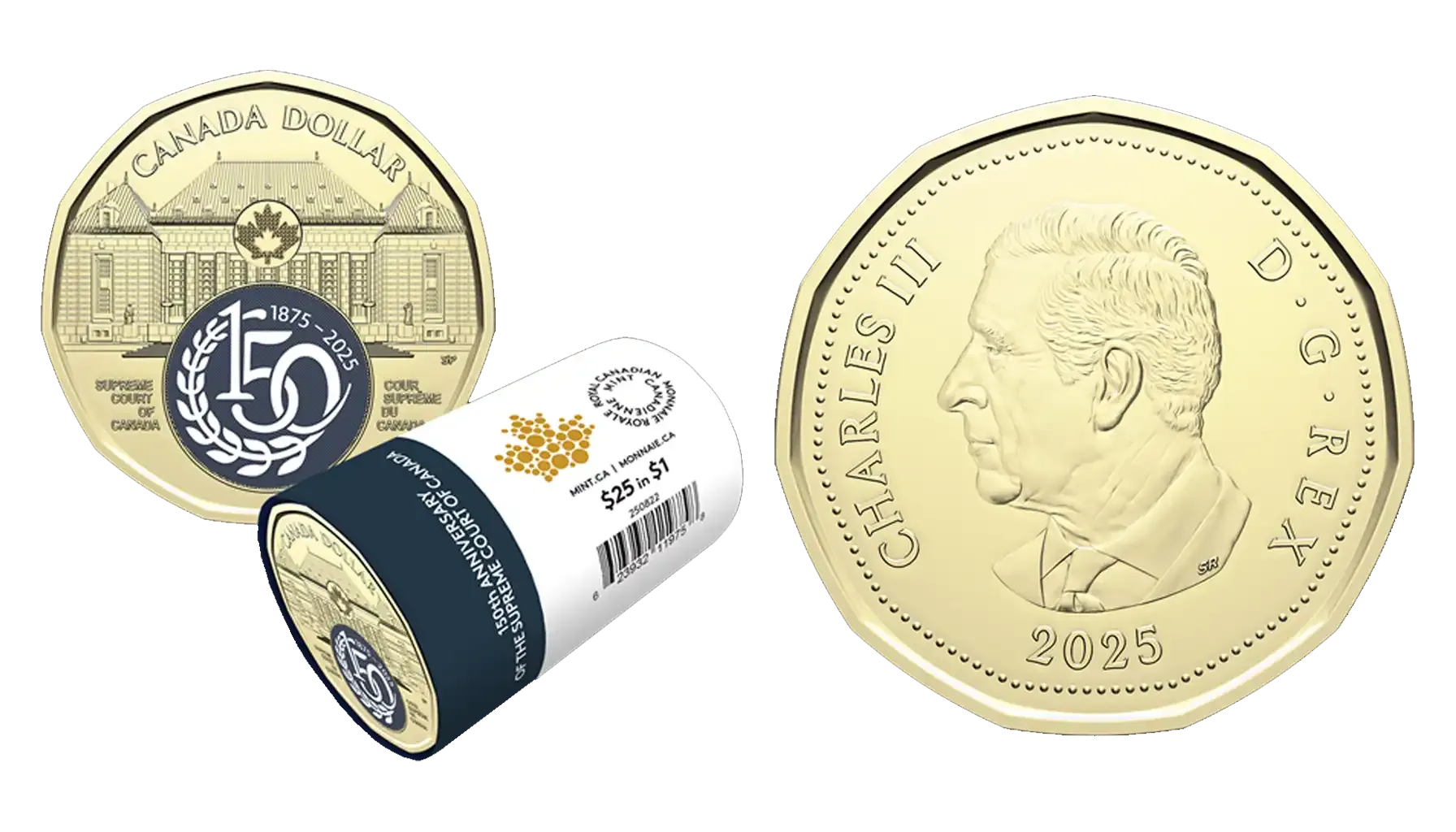
Rarity: The scarcer the coins included in the wrapper, the greater the potential price. The most valuable pieces are those with limited mintages or extremely low survival rates.
Condition: The condition (or the grade, at best) indicates how high the level of preservation is. That said, heavily circulated pieces are not usually valuable, but well-preserved units, whose beauty is still pristine, tend to be more attractive by nature.
Original packaging: Rolls issued by the Royal Canadian Mint or preserved in original bank or Mint wrapping are often considered more collectible than loose or rewrapped rolls. Original packaging means authenticity.
Precious-metal content: Some older Canadian coins were struck in silver and gold, which is why the bullion value of these pieces is initially higher. In those cases, the metal value itself may become part of the wrapper’s worth.
Are Canada Coin Rolls Worth Collecting?
In most cases, yes, but one should see it as a storage form rather than a collectible item itself. The real value is inside the wrapper, and those that include attractive units are the ones you should get in the first place. But why is it worth looking for?
Reason | Why It Matters |
Chance to find collectible items | Some rolls may contain older dates, commemorative issues, error coins, silver pieces, or better-preserved examples, and this inclusion may not be intended (mystery box in numismatics). |
Affordable way to collect | These arrangements make it possible for collectors to acquire multiple coins at the same time without immediately paying the high prices. |
Convenient storage and organization | Rolls keep coins grouped by any attribute, which makes them easier to sort, store, transport, and manage. |
Access to uncirculated coins | Some types, especially Mint-issued or unopened ones, may contain coins with little to no wear. This is a true rarity today. |
Investment potential | Even though many rolls stay at face value, certain ones may gain extra value over time because of rarity, condition, packaging, or collector demand. |
How to Store Coin Rolls Properly
Proper storage is the most important factor in preserving the value of the coins wrapped, as numismatic creations inside the roll can be affected by moisture, heat, friction, dust, and poor-quality packaging materials either way.
The Main Rules of Keeping
Keep rolls in cool, dry places. Try to protect coins from humidity and temperature fluctuations, for warm moisture can encourage tarnish, spotting, corrosion, and damage. No basements, attics, or garages should be involved.
Use safe materials. In fact, these should be acid-free and PVC-free to reduce the risk of chemical reactions that may damage the surface of the coins over time. Cheap plastics and poor-quality paper products are the real enemies.
Avoid extreme handling. If a wrapper is unopened and in good condition, it is usually better to leave it the way it is unless you have an objective reason to inspect the contents.
Store rolls upright. Coin rolls should be stored in a way that prevents crushing, tearing, or loosening. Keep them upright in storage boxes, tubes to maintain their shape. If they are stacked, the weight should be distributed carefully.
Label and organize. Create a system of rolls to make it easier to track what you own and prevent unnecessary opening or searching later.
Should you wish to craft your own wrapped arrangement, try looking for appropriate packaging (e.g., search for Canadian Tire coin rolls) and reliable tools that would make the process more profitable.
Coin ID Scanner, for example, may help identify the coins you plan to sort, analyze their basics, see their potential prices, and make it easier to decide which pieces are worth wrapping and which ones are not.

 Facebook
  X (Twitter)
  Pinterest
  LinkedIn