Contents:
The dime is one of the most recognizable symbols of the Canadian currency system. Though smaller than a nickel or a penny, the Canadian dime often attracts more attention from collectors. This tiny coin has a lot to say — about the country’s economy, its technological progress, and the changes within society.
From the silver strikes of the 19th century to today’s nickel-plated steel, its design has evolved with every new chapter of Canada’s history.
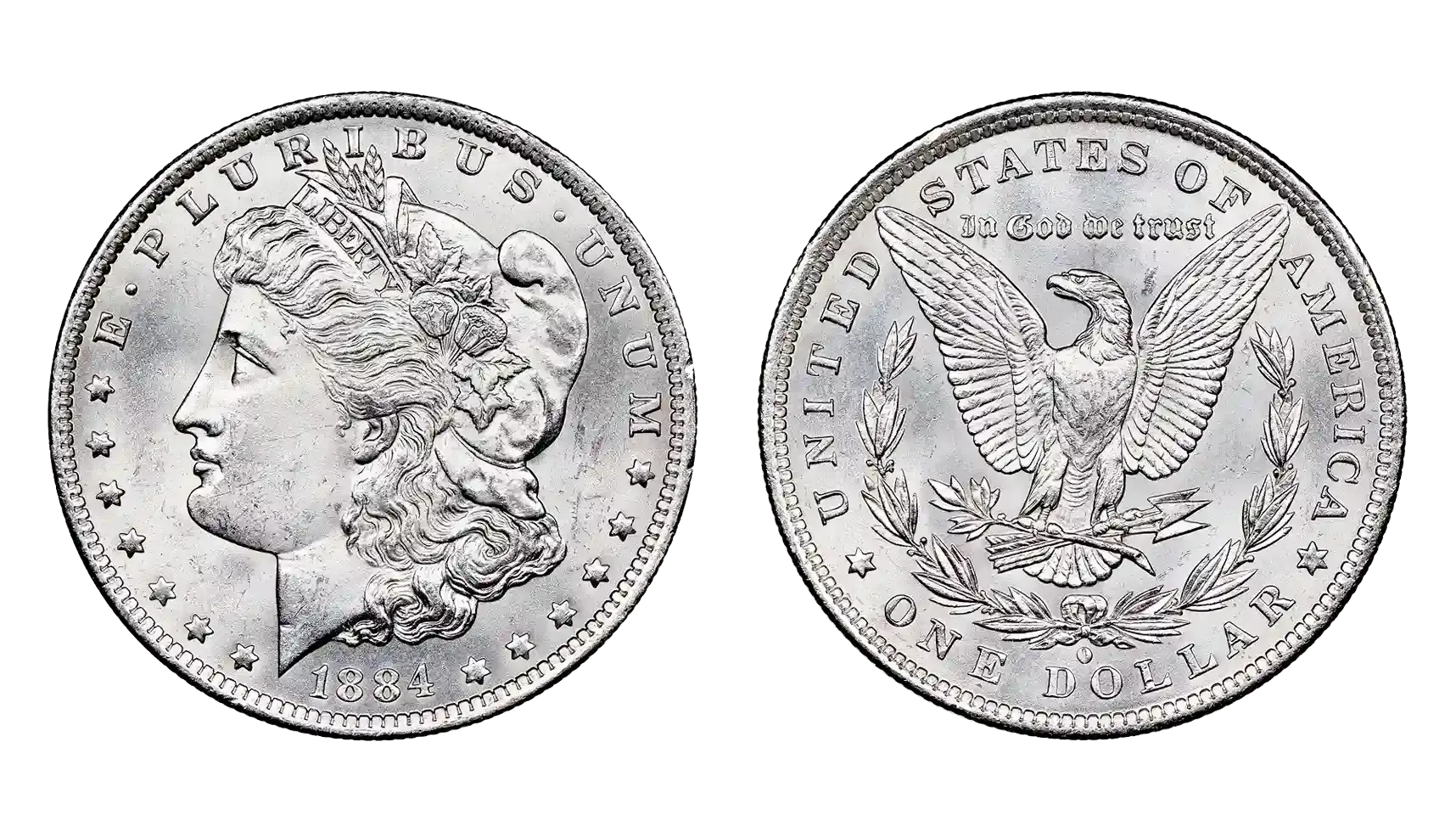
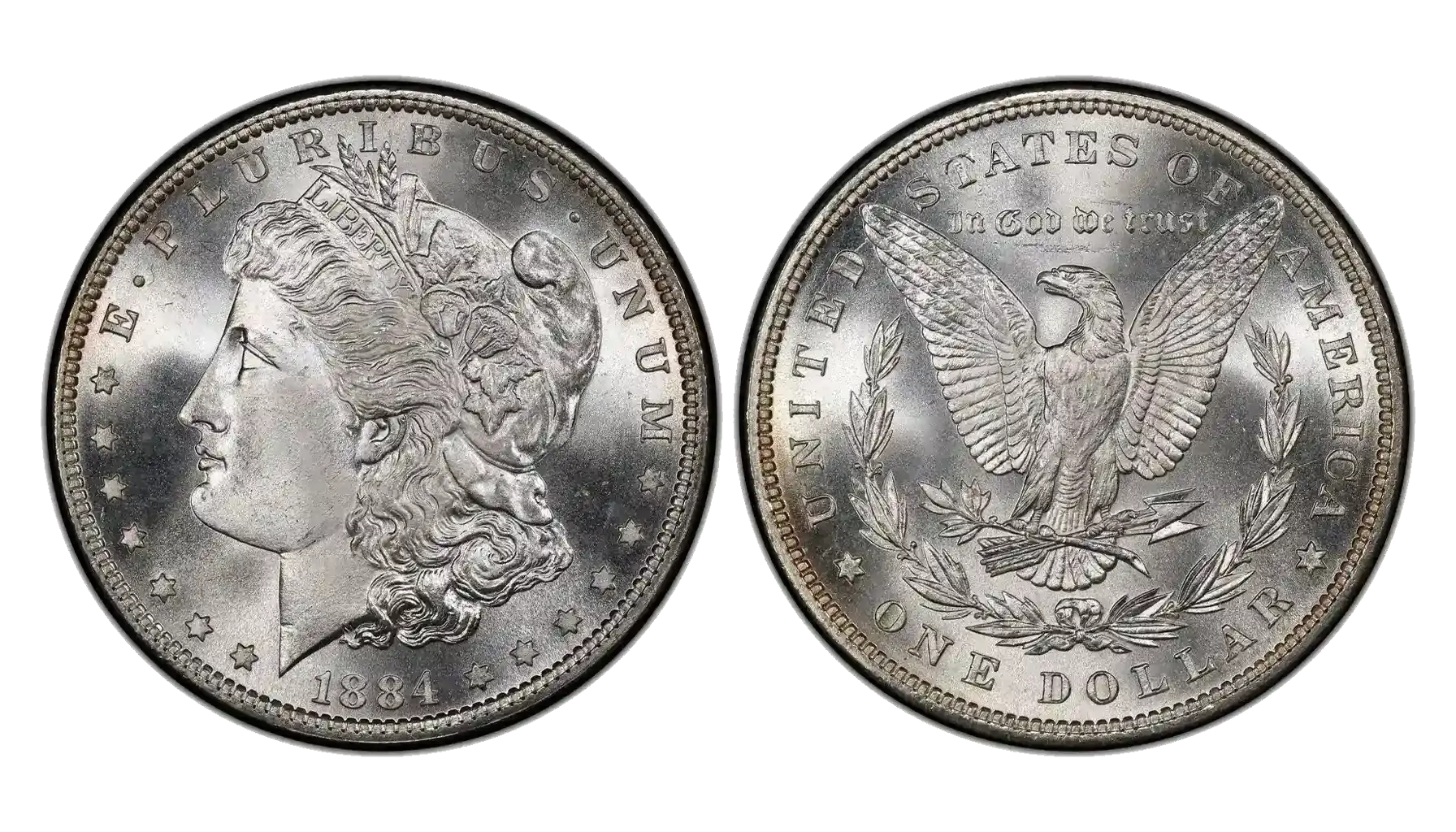
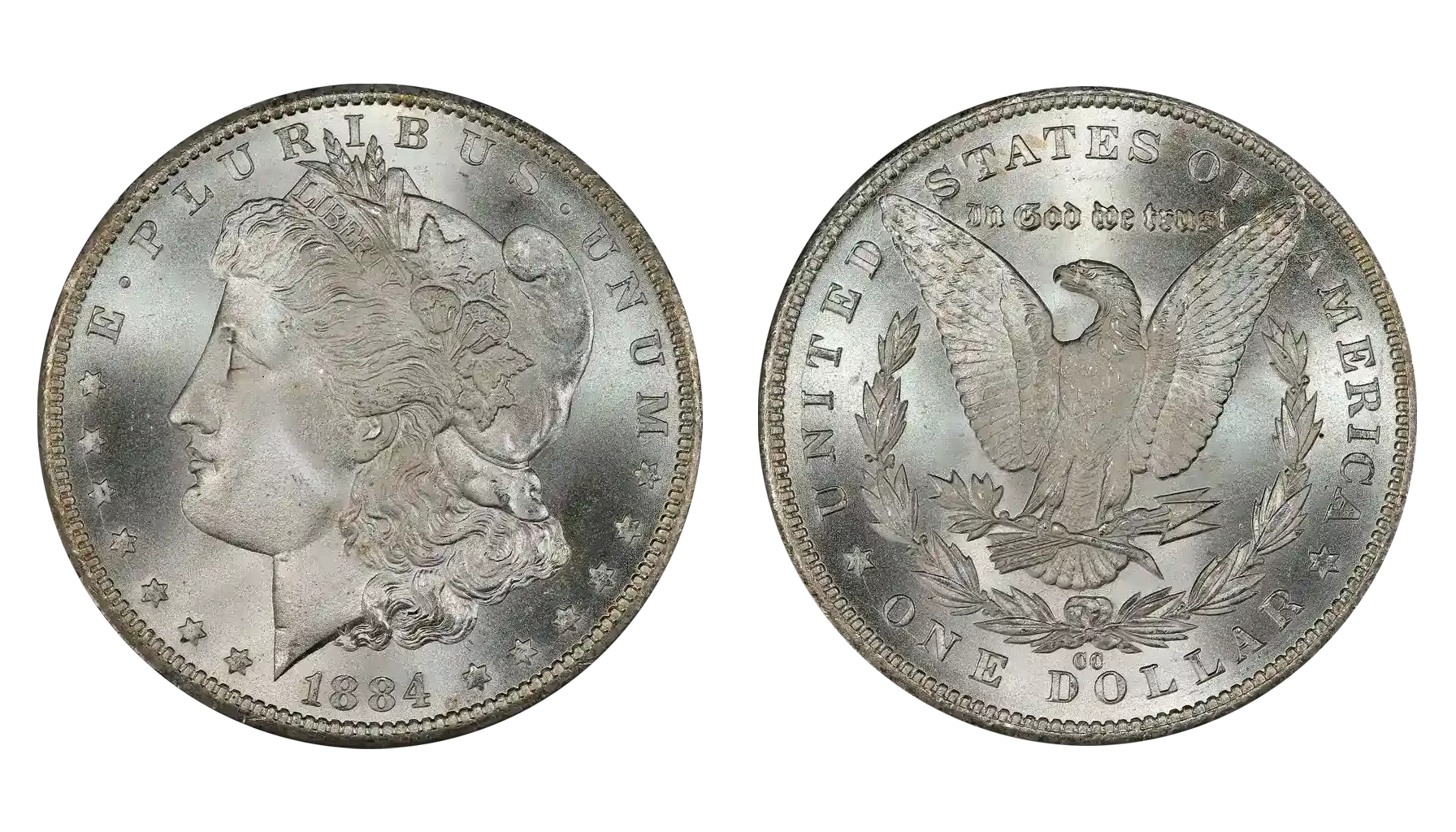
Some examples, like the legendary 1921 Mercury Dime (a U.S. issue often compared to rare Canadian dimes), are worth fortunes, while others can still be found in circulation. You can determine a coin’s rarity and its approximate dime coin value using a coin checker free, where you can compare photos, die details, and condition.
Introduction – The Canadian Dime
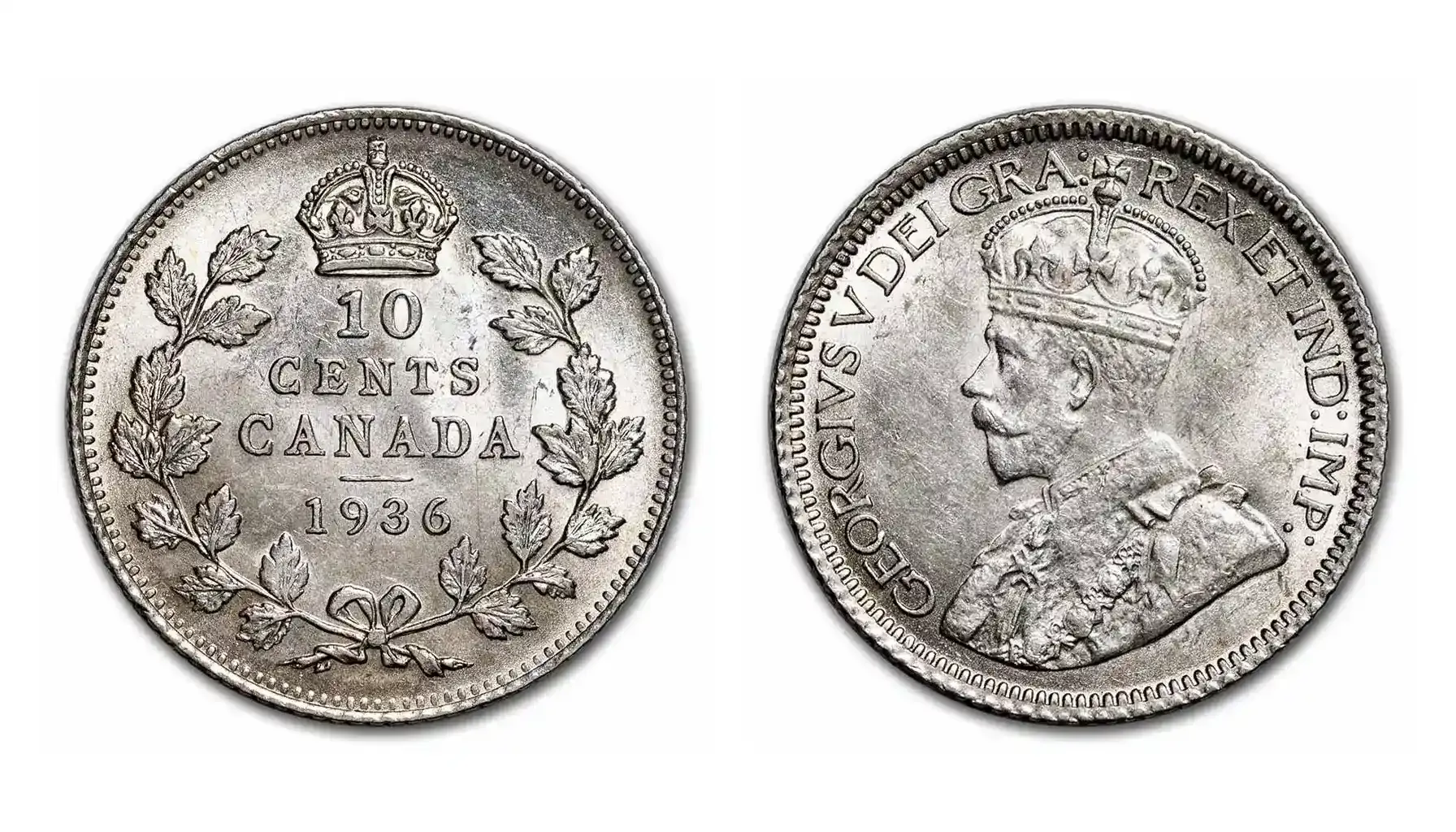
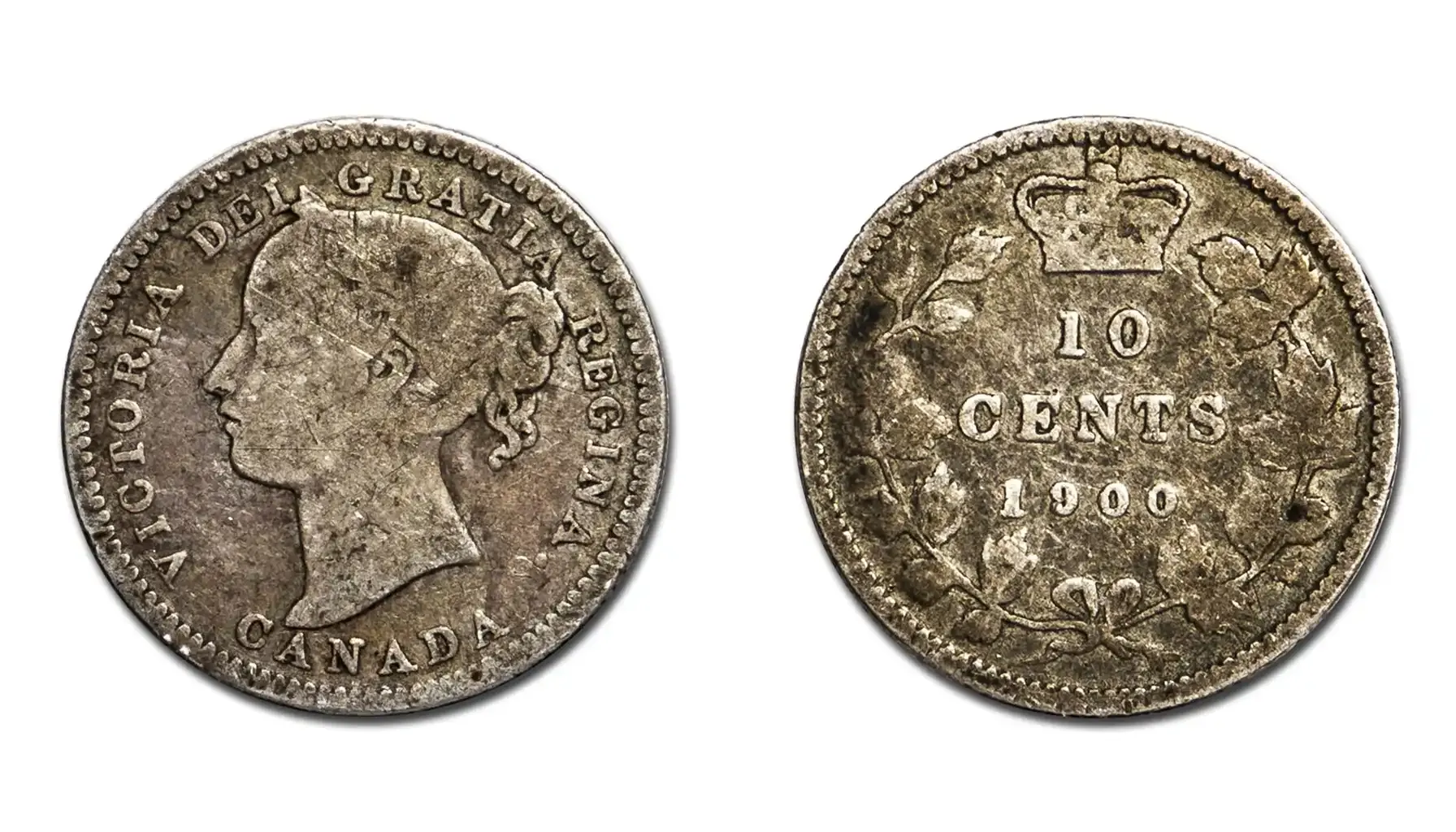
The Canadian dime coin was introduced in 1858, when Canada first introduced its own decimal-based monetary system. This was an important step in strengthening the country's economic independence, as Canadians had previously used British and even Spanish coins.
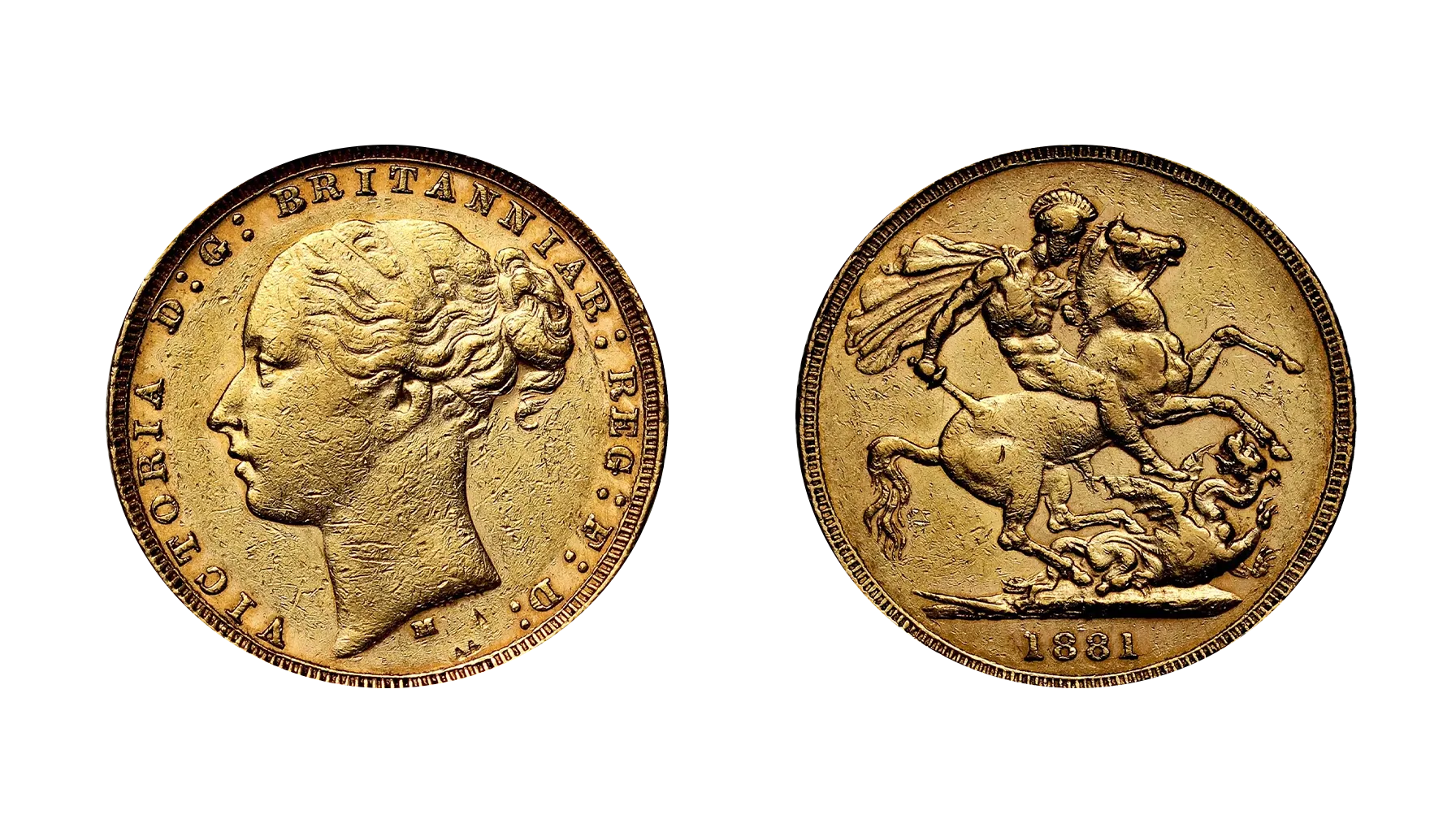
The first dimes were minted in London at the Royal Mint and were made of nearly pure silver. Their obverse featured the profile of Queen Victoria, a symbol of the stability of the British Empire, while the reverse was adorned with simple yet graceful maple branches.
With the development of national production in the late 19th century, coin production moved to Ottawa. This marked the beginning of Canadian coin art, a period that gave rise to its own symbols, style, and artistic identity.
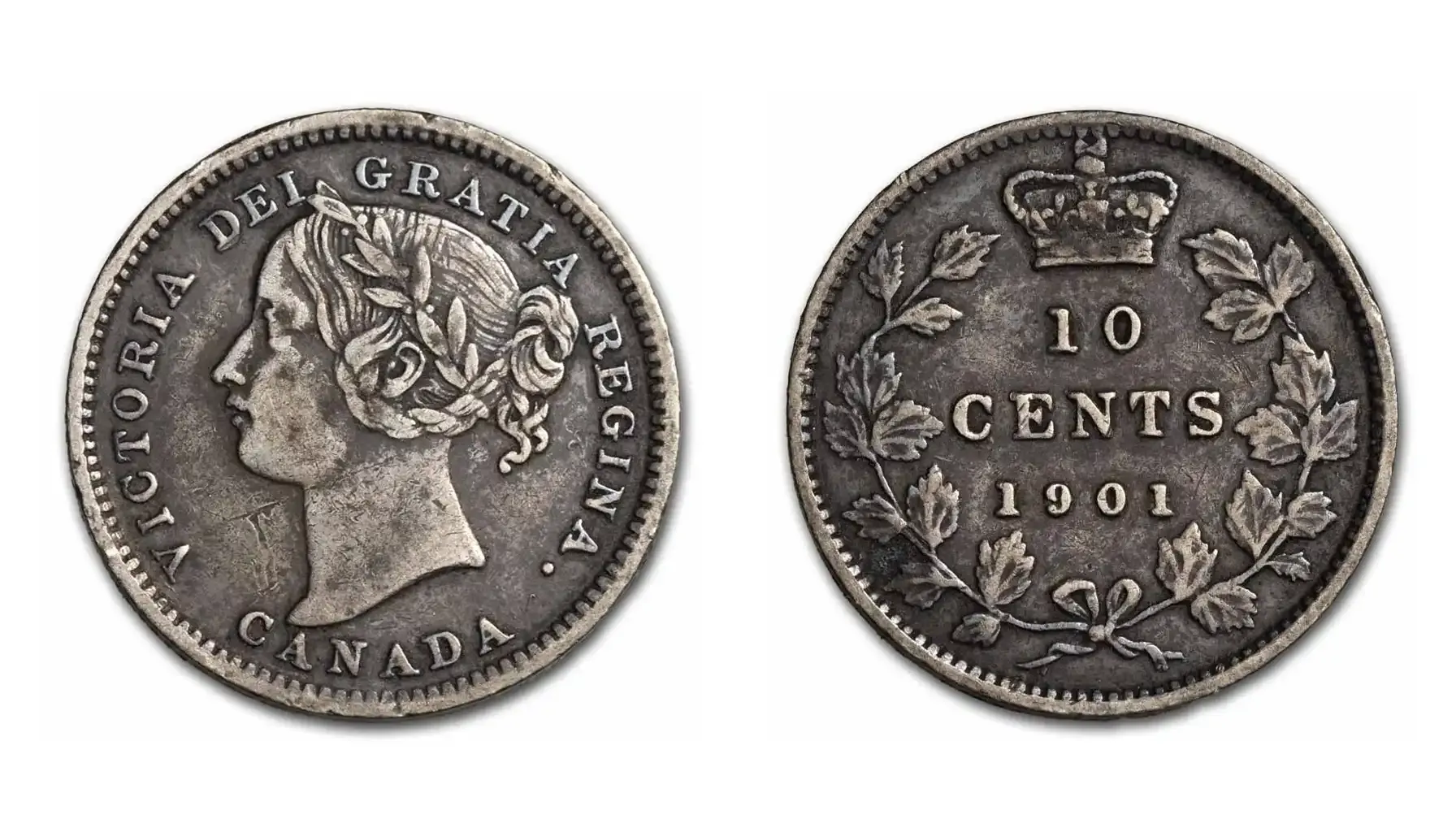
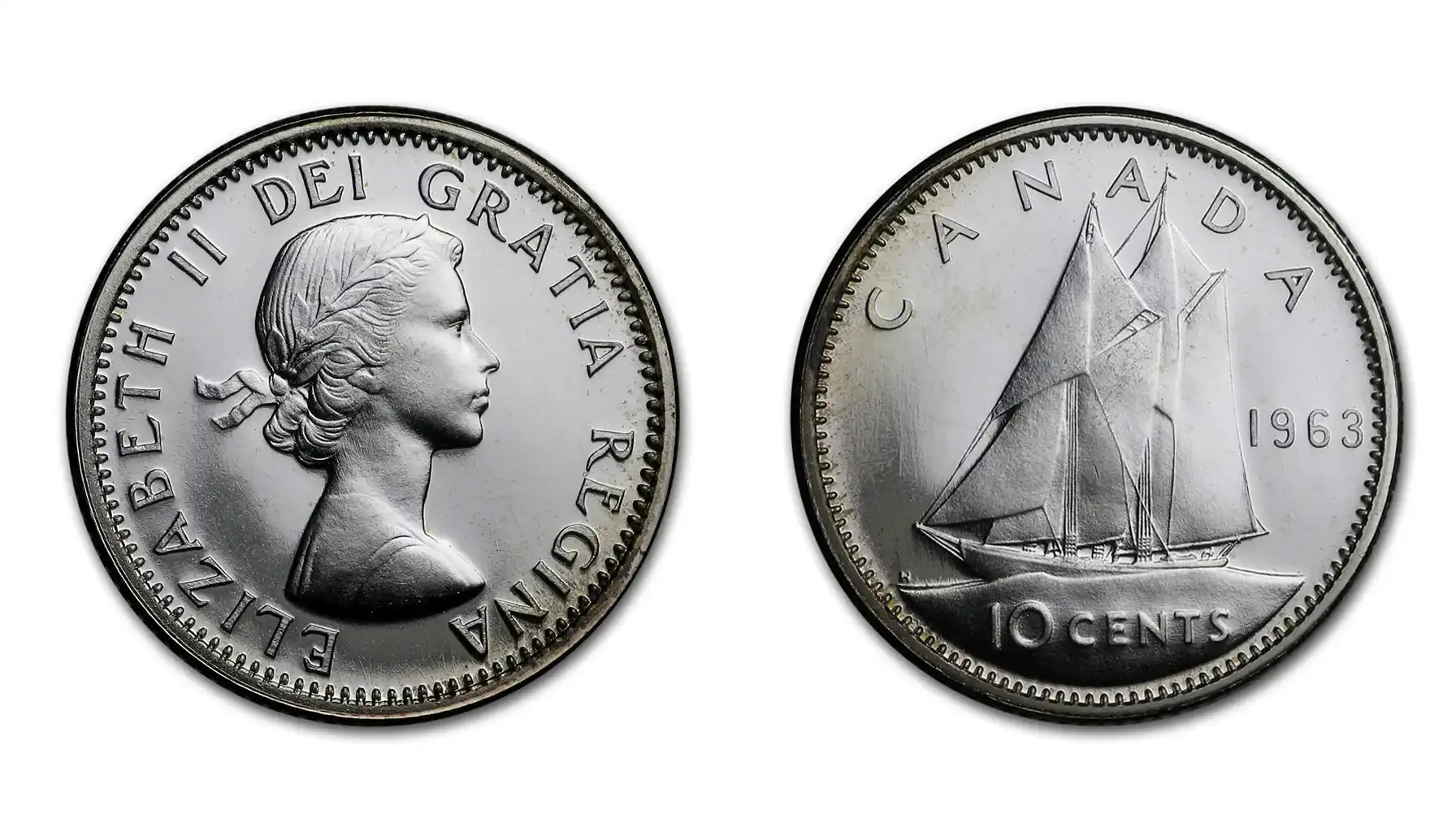
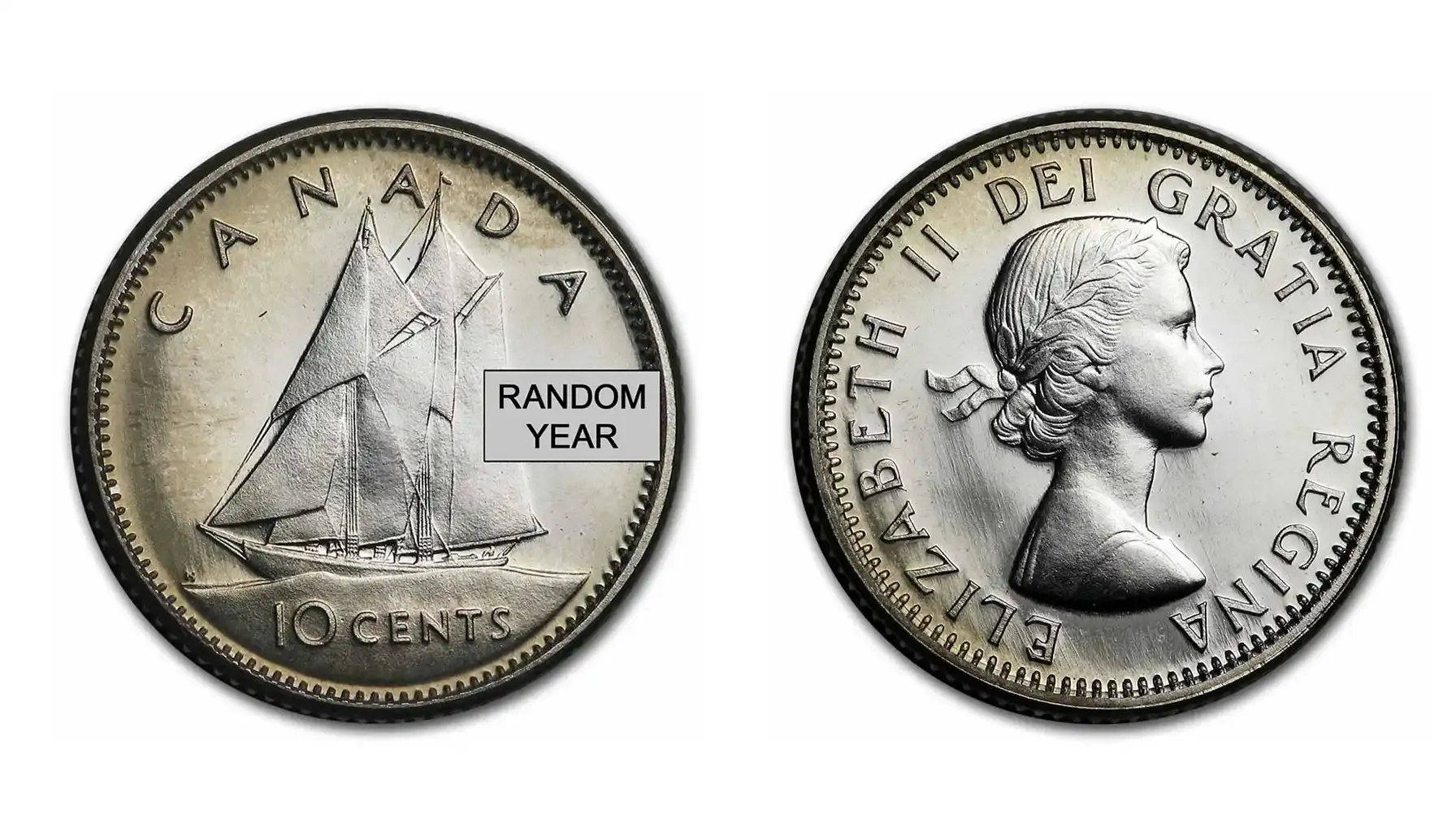
In 1937 Canada renewed its coinage, and artist Emmanuel Hahn introduced the Bluenose, a racing schooner from Nova Scotia, on the reverse side. The image quickly became more than decoration. It came to stand for the talent of Canadian builders, the strength of sailors, and national pride in maritime tradition. Almost ninety years later, the Bluenose still appears on the dime, linking modern Canada to its history.
Over the decades of minting, the dime's composition and production technology have repeatedly changed:
1858–1919 — high-purity silver (92.5% Ag);
1920–1967 — lower-purity silver (80%), introduced after World War I due to rising metal prices;
1968–present — nickel or nickel-plated steel, which allowed for lower costs during mass production.
During the Great Depression a lot of silver dimes ended up melted down for industry, so not many survived. The few that did are now collector favorites, and some early silver pieces count among the Canadian dimes worth money, trading for hundreds of times their original value.
How Many Dimes Are in a Roll?
In Canada, as in the U.S., coin packaging standards are regulated by the Royal Canadian Mint. Newcomers often ask: how much is a roll of dimes? The answer is simple: one roll contains 50 dimes, with a total value of $5 CAD. This packaging is known as a roll of dimes and is used not only by banks but also by collectors.
Collectors use "roll hunting"—searching for rare coins in bank rolls. Here are some things to consider:
Older coins made before 1968 often contain silver, so it’s worth checking both the year and the metal’s color carefully;
Weighing the roll helps identify possible precious metal impurities—even a fraction of a gram can be telling;
Banks (RBC, TD, CIBC) use uniform packaging standards, but sometimes you come across old rolls that haven't been revised for decades;
Lamp inspection allows you to spot minor differences in the minting, which can increase the value;
Keep records of your finds—organization helps you understand the dynamics of rare issues. This method remains one of the most accessible for beginning numismatists: many rare dime (Canadian coins) have been found this way.
Technical Specifications – Weight, Size, and Composition
The modern dime Canadian coin has the following characteristics:
Parameter | Value |
Diameter | 18.03 mm |
Weight | 1.75 g |
Thickness | 1.22 mm |
Metal | Steel, nickel-plated |
Edge | Reeded |
Knowing these parameters makes it easy to determine the coin type. For example, early silver coins weigh around 2.33 grams—a small but significant difference.
Sometimes, minting errors occur that make a coin rarer and more valuable:
Off-center strike—a displacement of the image, where part of the design extends beyond the edge of the coin;
Die cracks—cracks in the die, leaving fine raised lines on the surface;
Filled die—a partially filled die, causing individual elements to become blurred;
Uneven plating—uneven metal coating, creating color differences and stains.
Particularly interesting examples were minted in the 1930s and 1940s, including the 1934 Mercury Dime (a U.S. issue), which now serves as an example of the high artistic quality of coins of that era.
Canadian Dime Value – Common and Rare Coins
The value of dimes depends on several factors:
Year of issue—the older the coin, the higher the chance of being rare.
Metal composition—silver is valued higher than steel or nickel.
Condition—coins in MS65+ condition are worth tens of times more than their circulating counterparts.
Minting errors—misalignments, double strikes, cracks, and missing plating.
Year | Metal | Condition | Price, CAD* |
Up to 1919 | Silver 92.5% | VF–MS65 | $20–$600+ |
1920–1967 | Silver 80% | XF–MS65 | $5–$200+ |
After 1968 | Nickel / Steel | XF–MS65 | $0.10–$5 |
Prices are current at the time of writing and represent average estimates.
Some issues featured limited mintages or rare reverse designs. For example, coins with unusual luster or metal color mismatches often sell for more than their face value.
The 2025 dime is also popular among collectors, continuing the tradition of modern design and serving as a benchmark for beginning collectors. The better the condition, the higher the value of a particular dime coin Canada, especially if the coin has original luster and flawless relief.
“Many gold and silver experts will recommend you buy numismatic coins — rare and old coins. If you are not a rare-coin expert, I’d encourage you to stay away from them.”
— Robert Kiyosaki, American investor and author
Brainyquote website
Interestingly, in popular culture, there is a finding dimes meaning—coming across a dime on the street is seen as a sign of luck and protection. The coin itself often symbolizes inner strength and serves as a reminder of life’s small but meaningful moments.
Conclusion – Why Canadian Dimes Are Valuable to Collectors
There are several reasons why collectors around the world collect Canadian dimes:
historical continuity and recognizable design;
the inclusion of rare silver issues and minting errors;
accessibility for beginners—even one find can kickstart a collection;
high liquidity in the numismatic market.
If you want to check the authenticity and approximate price of your find, try the Coin ID Scanner app—it recognizes the year, condition, and metal from a photo.
Collecting is both about profit and attention to details. Each coin is a witness to its era, and the more you learn about them, the greater the chance you have of finding a truly rare specimen that will tell its story better than any textbook.

 Facebook
  X (Twitter)
  Pinterest
  LinkedIn