Contents:
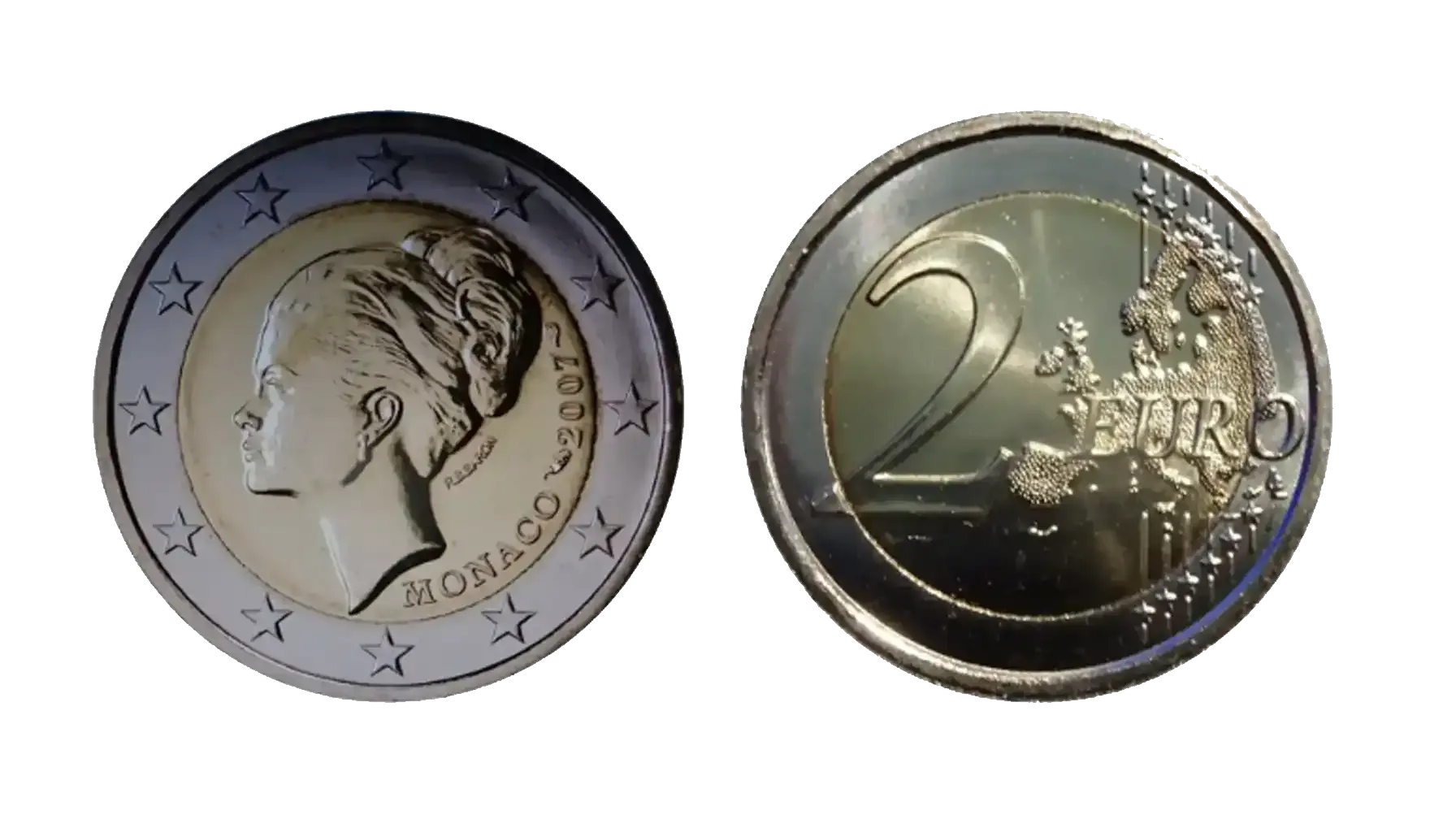
Coin collecting is one of the oldest hobbies in the world. Some people enjoy it casually, but you can study currency deeply and build high-value collections. No matter the approach, the hobby attracts new collectors every year.
What Numismatics Means
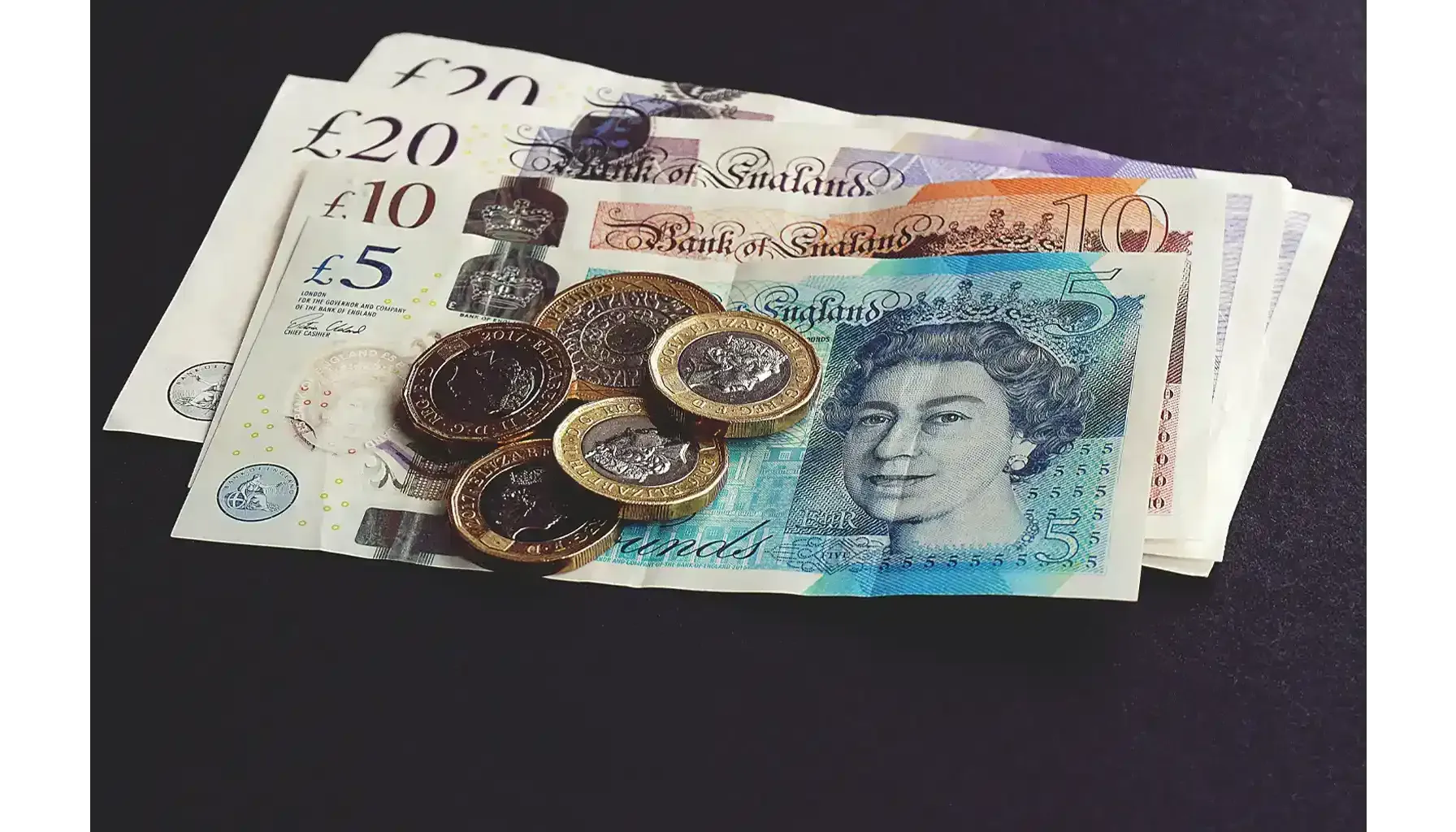
Numismatics is the study or collection of coins, medals, paper money, tokens, and related forms of currency. Someone who studies or collects these items is called a numismatist. You may read news, talk on forums, or use a coin identifier online. The numismatic definition is both research and hands-on collecting.
“Coin collecting may have possibly existed in ancient times. Augustus gave ‘coins of every device, including old pieces of the kings and foreign money’ as Saturnalia gifts.”
— Unknown author
from the Wikipedia Numismatics page
This hobby is sometimes referred to as the hobby of coin collection, but numismatics is more about history, minting, rarity, and long-term preservation.
The word comes from the Greek term for “current coin” and has been used in English since the early 1800s. To be a numismatist, you could be interested in ancient currency, modern mint releases, or even both. There is no limit on which aspect you should be focusing on in particular.
Why People Collect Coins
Collectors are drawn to different elements of the hobby. Some enjoy the historical stories behind each piece, but many people are motivated by potential numismatic value and investment.
Common reasons:
Interest in history or archaeology
Appreciation for metalwork or engraving
Completing themed or dated series
Enjoying the challenge of finding rare pieces
Long-term value growth and investment potential
The hobby is simply enjoyable and relaxing, something meaningful to build over time.
Types of Coins Collectors Look For
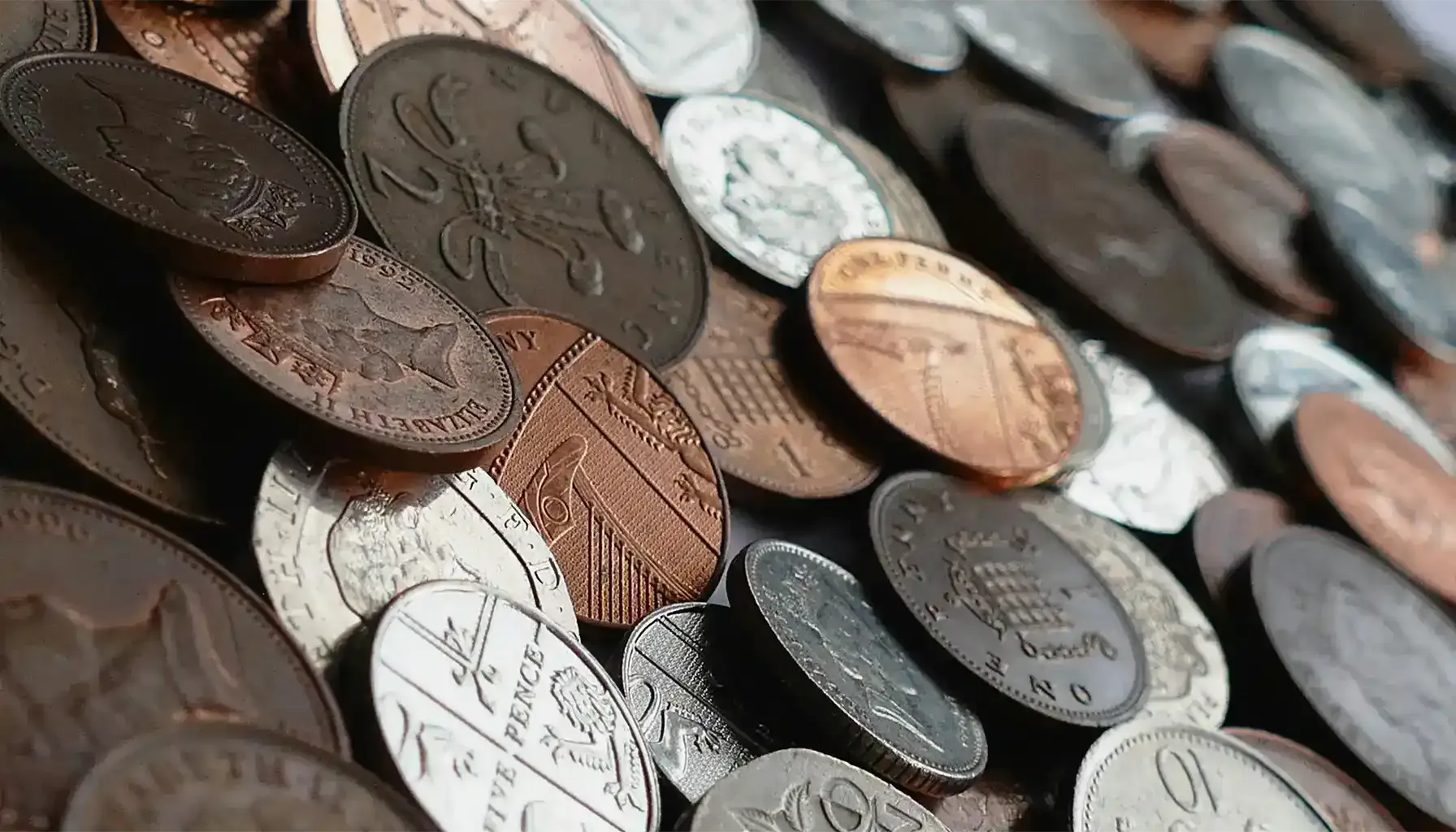
There are many areas of interest, and most collectors eventually choose a focus. Some popular categories are:
Ancient coins
There is a possibility to collect pieces come from ancient civilizations: Greece, Rome, Byzantium, China, and other historic empires. Many are over 1,500–2,000 years old, and designs often have emperors, gods, animals, or important symbols. Of course, don’t expect a low price here.
U.S. or world circulation coins
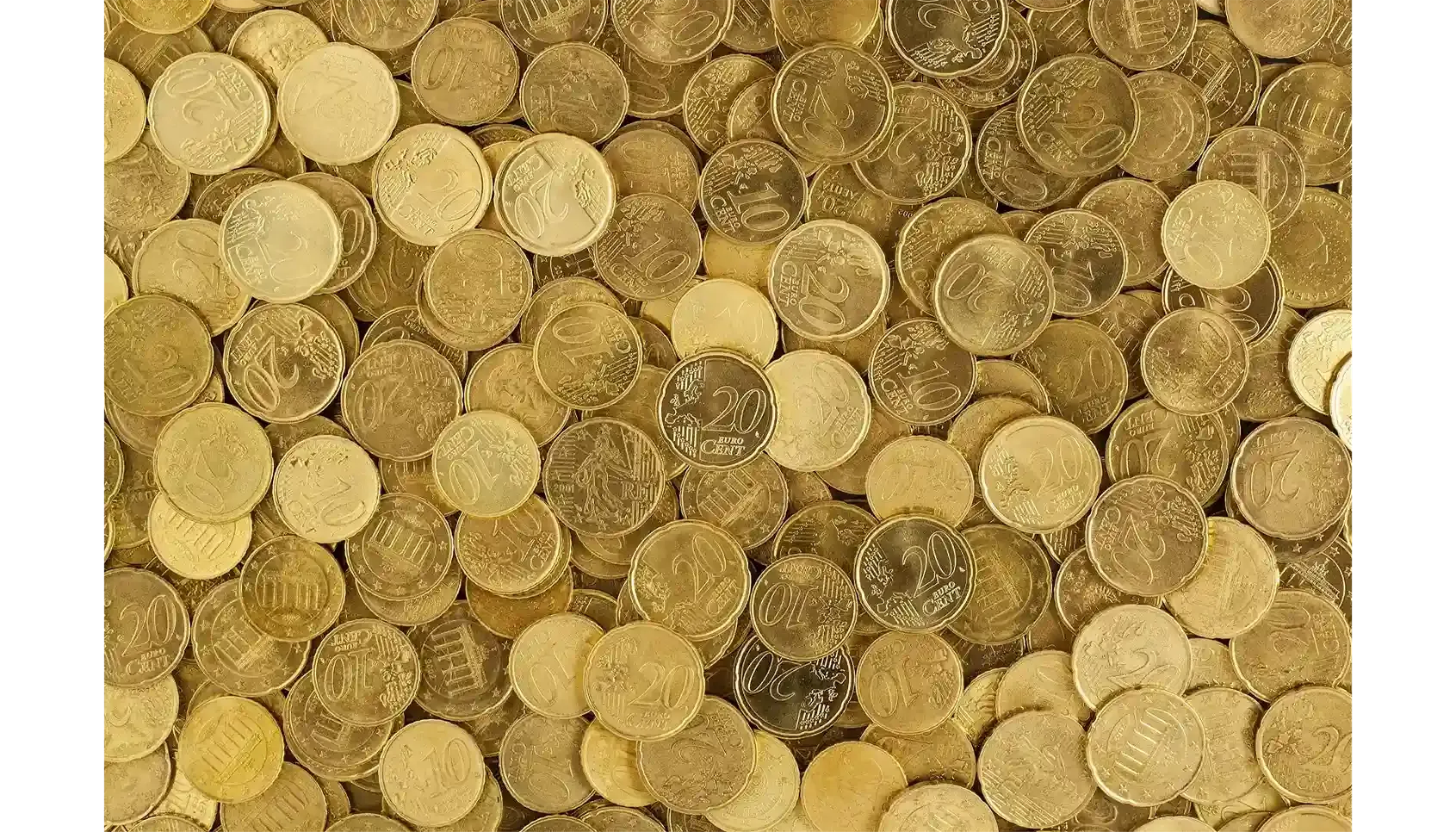
These are coins that were made for everyday use in shops and banks. Many collectors start here because they are easy to find and cheap. You can sort by country, year, mint mark, or design. There is a chance for anyone to slowly build sets from circulation or small purchases.
Proof and mint sets
Proof and mint sets are sold directly by mints for collectors. Proof has a special finish and sharp details. Mint sets have regular, uncirculated coins from that year. These are a good way to get clean, well-preserved examples without searching through change.
Commemorative releases
Commemorative items are made to honor events, people, or anniversaries. They may be sold in limited numbers with certificates and cases. Some are affordable, but many have a high value if demand is strong or the subject is popular.
Bullion coins made of gold or silver
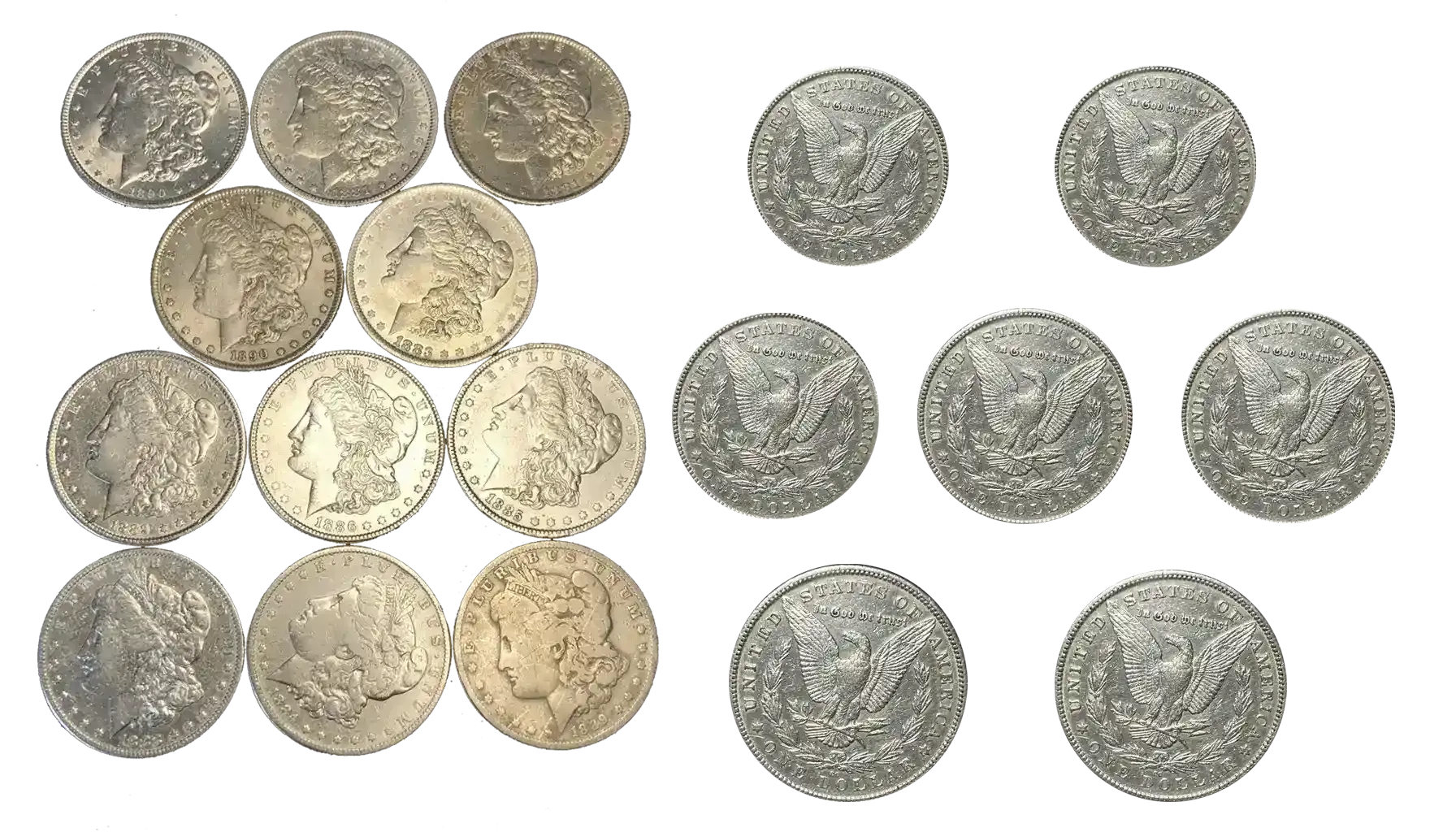
Bullion has metal content, such as 1 oz silver or gold coins. Collectors and investors like them because they have a piece design and precious metal value. Prices change with the gold or silver market.
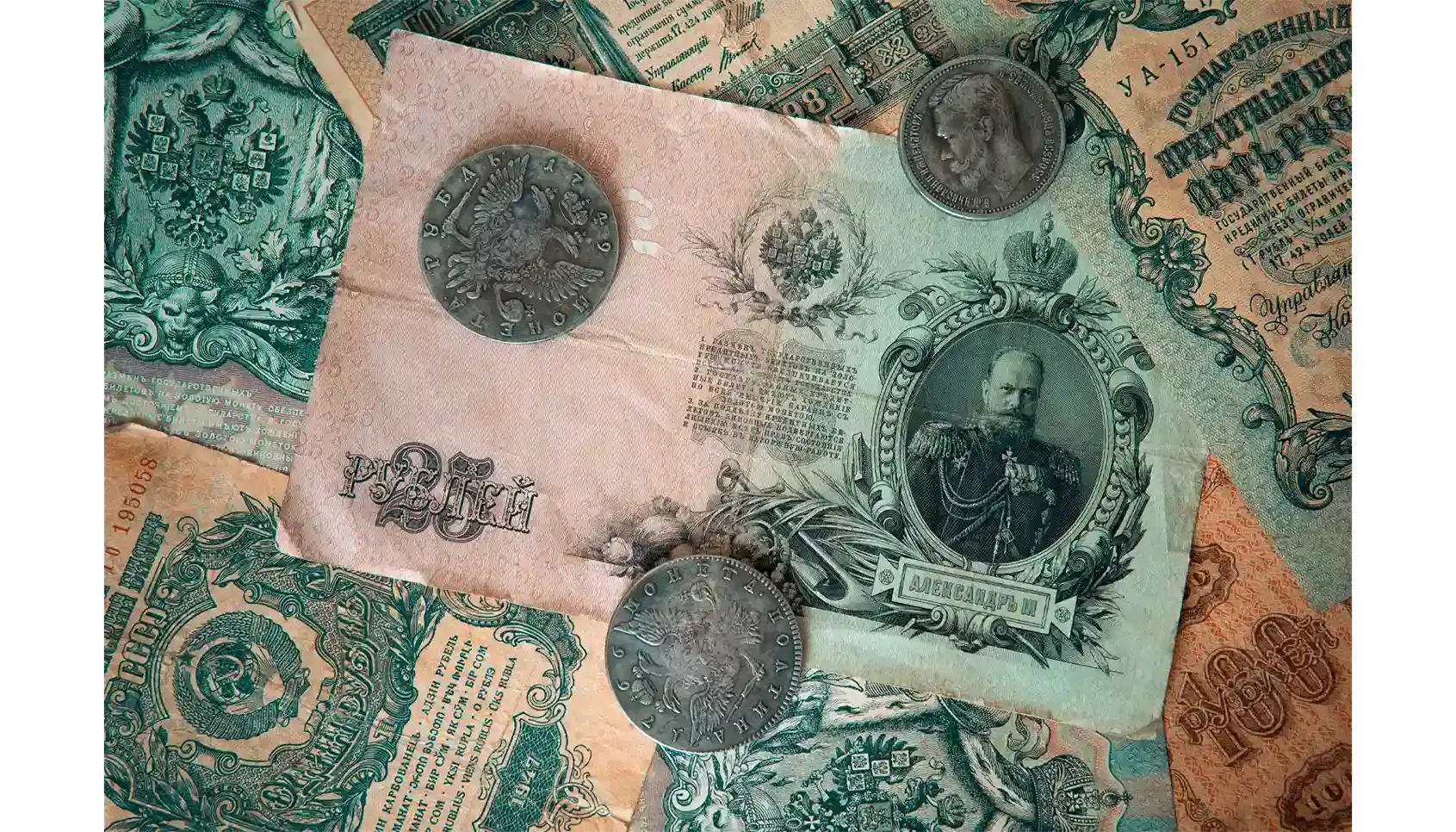
Mint error coins
You may meet pieces with off-center strikes, double images, missing elements, or wrong planchets. Good errors are usually rare and can be worth much more than regular coins from the same year.
Limited-edition collector releases
These are special issues with fixed low mintages, unique finishes, or themed designs. They might sell out quickly when released and later become harder to find. Many collectors focus on these to build sets around specific themes or series. Values vary.
Common Collecting Niches
Collecting Style | Description | Typical Value Range |
Circulation | Coins were once used in everyday transactions | Low to medium |
Mint Error | Coins with striking or printing mistakes | Medium to high |
Bullion | Gold, silver, or platinum coins are valued by metal weight | Medium to high |
Commemorative | Limited-edition coins honoring events or milestones | Low to high |
Ancient | Coins from Greek, Roman, or early civilizations | Medium to very high |
Proof / Mint Sets | Special polished collector strikes with packaging | Low to medium |
Where to Read Coin Collecting News
As a collector, you should always stay informed. It helps with buying, valuing, and identifying trends. Reliable numismatic news sources are:
Numismatic News
Coin Week
Coin World
The American Numismatic Association publications
US Mint and Royal Mint updates
They have market insights, auction highlights, and new release announcements.
Useful Websites for Collectors
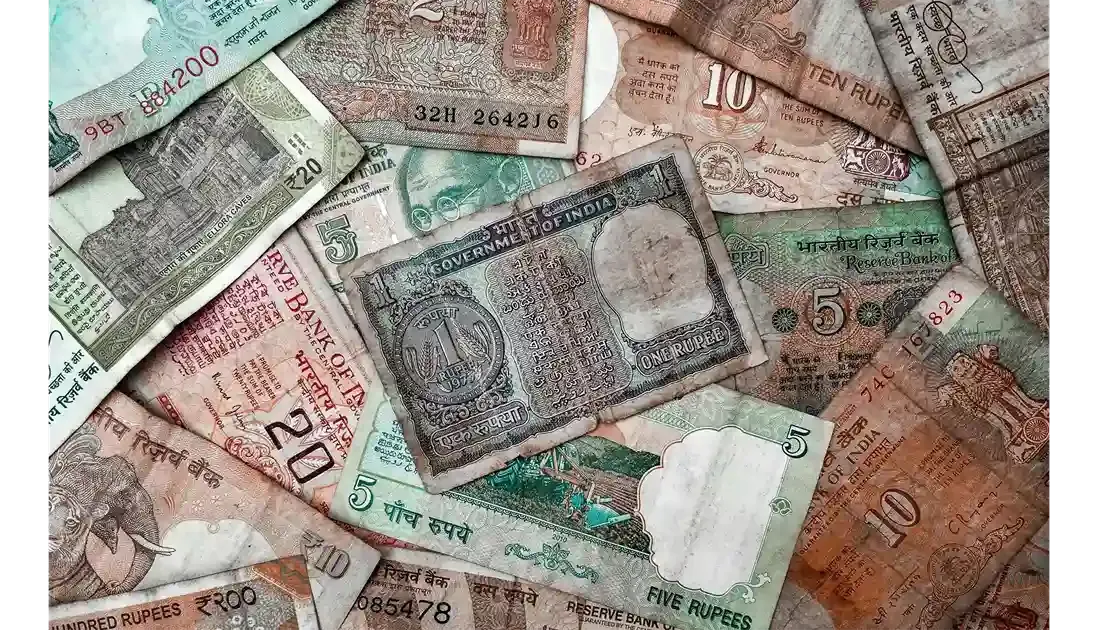
There are many coin-collecting websites designed to support research, authentication, or pricing:
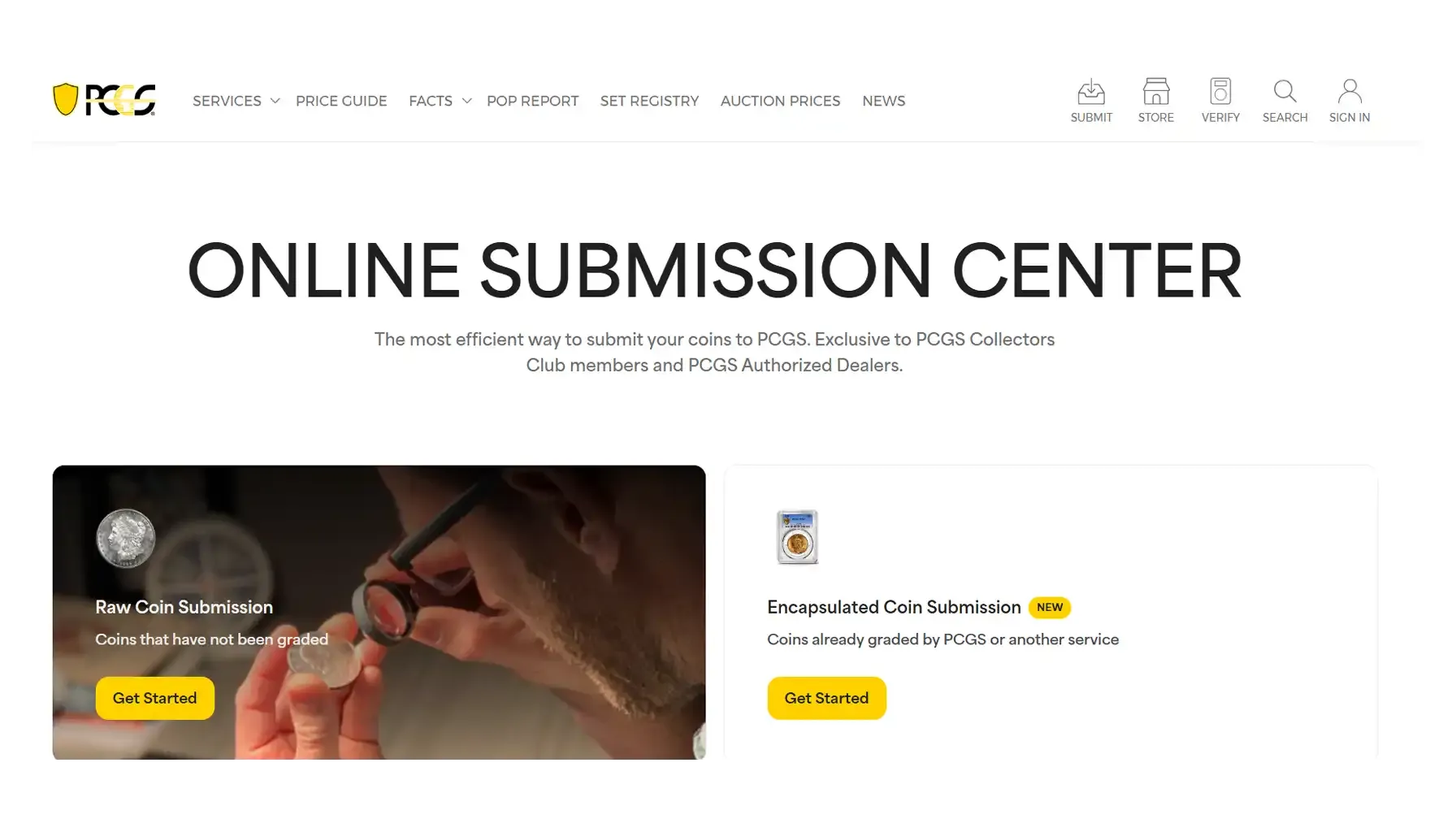
PCGS. Home of one of the main grading services. You can check certified ones, use the price guide, see population reports, and read basic articles on grading and U.S. series
NGCcoin. Similar to PCGS but for NGC-graded coins. Has certification lookup, price, and census data, world catalogs, and educational resources on types and grading
CoinsWeekly.com. An online magazine focused on numismatic articles and numismatic news. Good for learning about history, auctions, museum collections, and broader stories
USMint. Official website of the United States Mint. You’ll find information on current and past U.S. programs, new releases, mintage details, and the online shop for modern products
CoinTalk.com forums. Large discussion forum where collectors ask questions, share photos, and get help with IDs and coin collecting values. Great for learning from more experienced hobbyists.
Handy Apps for Coin Collecting
A coin collecting app can simplify organizing and identifying coins for beginners. Many apps include value guides, scanning tools, and grading references.
Useful options:
Coin ID Scanner. Image-based collecting app that lets you take a photo of a piece to get a quick match, basic details, and an estimated value range. Handy for sorting big mixed lots or checking unfamiliar world coins
PCGS CoinFacts. Great for U.S. pieces. Has photos of certified examples, price guides, auction records, and population data, so you can see how rare a piece is in a specific grade
NGC App. Pairs well with NGC-certified pieces. It lets you verify certification numbers, check grades, and access price and census info. Also useful for tracking your slabbed collection
CoinSnap. Uses AI to identify them by photo and pull up quick facts and approximate values. Good for beginners who want simple, fast answers without digging through catalogs
Tips for Beginners
A coin collection hobby is called coin collecting, and it doesn’t need rare or expensive pieces at first.
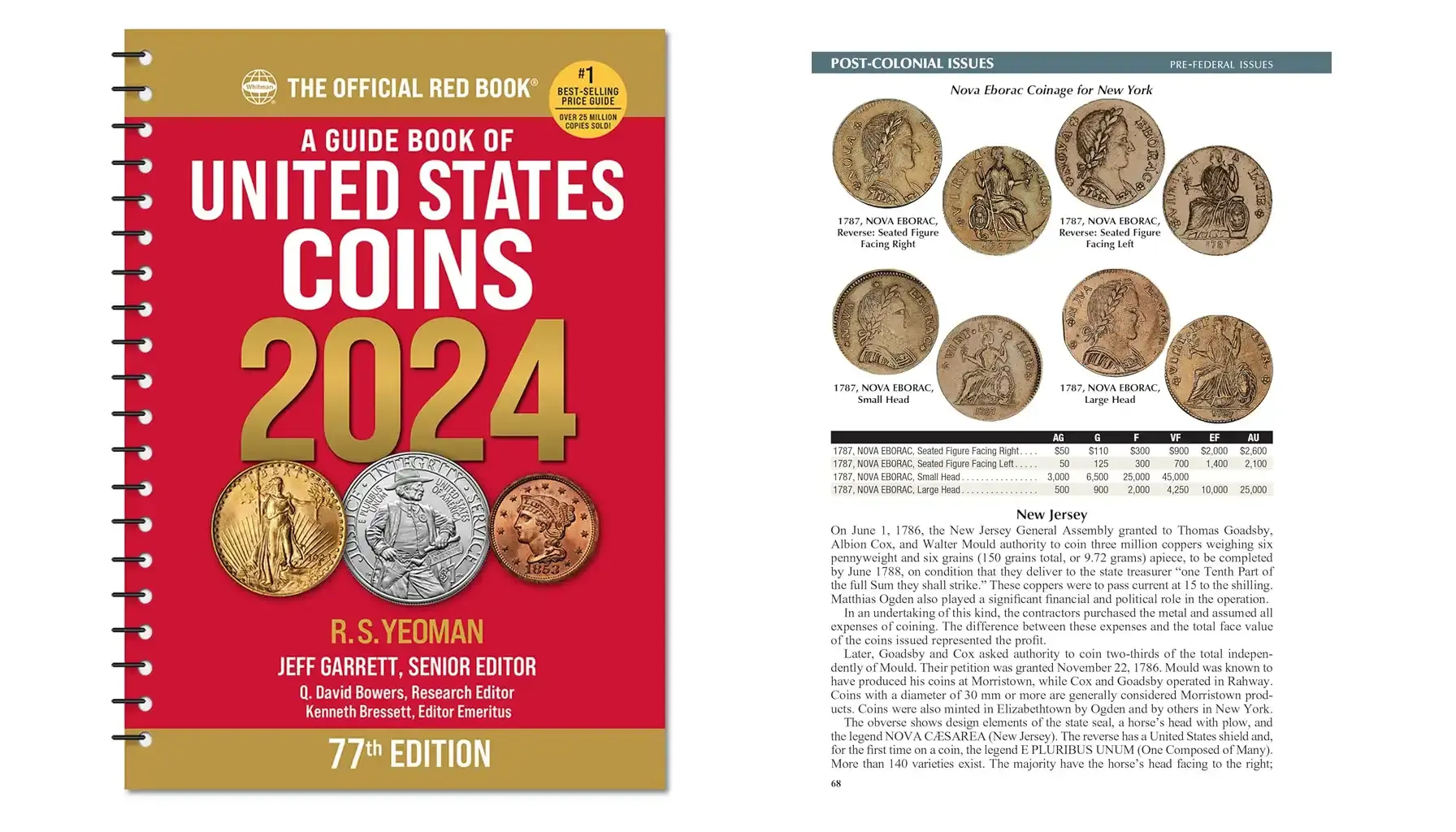
Begin with the ones you already have or inexpensive finds. Go through your pocket change, old jars, or any pieces you inherited. Then add low-cost pieces from shops, markets, or online. This way, you learn without risking a lot of money
Learn how grading works. Spend some time looking at grading guides and comparison photos so you can spot scratches, wear, and damage
Never clean pieces; it lowers their value. Cleaning can scratch the surface, strip the original color, and make them look unnatural. Even “gentle” polishing can make a piece worth less to collectors and dealers, so it is better to leave them as they are
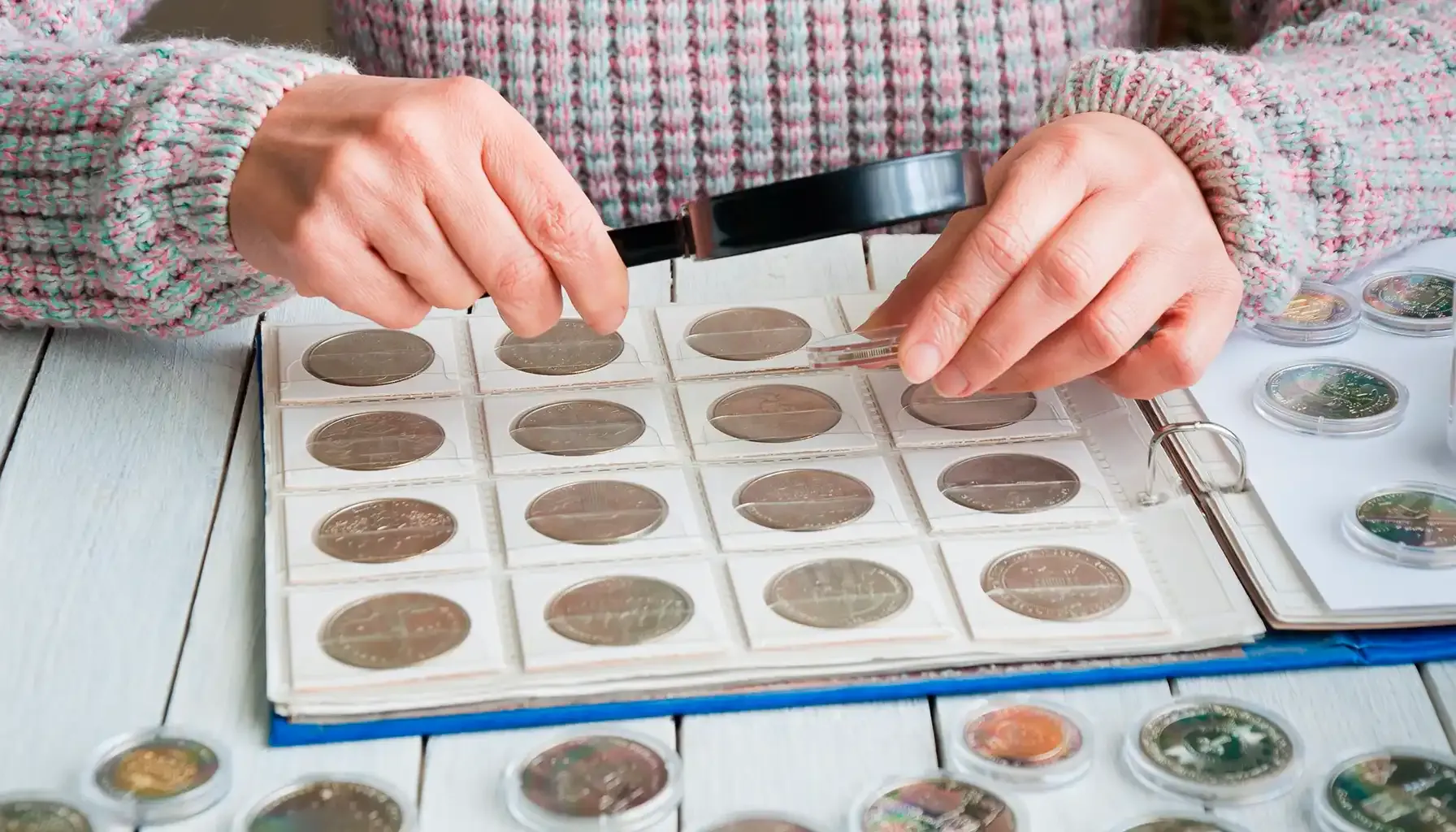
Use safe storage like flips, albums, or archival holders. Good storage protects them from fingerprints, moisture, and scratches. Look for acid-free materials and avoid PVC plastics, which can damage metal over time
Research before purchasing high-priced pieces. If a deal feels too good to be true, compare it with other offers and ask more experienced collectors for feedback
The more you learn about dates, mint marks, grading, and history, the better your choices will be. That knowledge helps you enjoy the hobby more and avoid costly mistakes.

 Facebook
  X (Twitter)
  Pinterest
  LinkedIn