Contents:
For those studying US monetary history or examining rare finds through a coin checker free, the topic of the free coinage of silver always raises questions. It's not a narrow numismatic concept, but an entire political and economic conflict that shaped the course of the American monetary system in the late 19th century.
Definition of Free Coinage of Silver
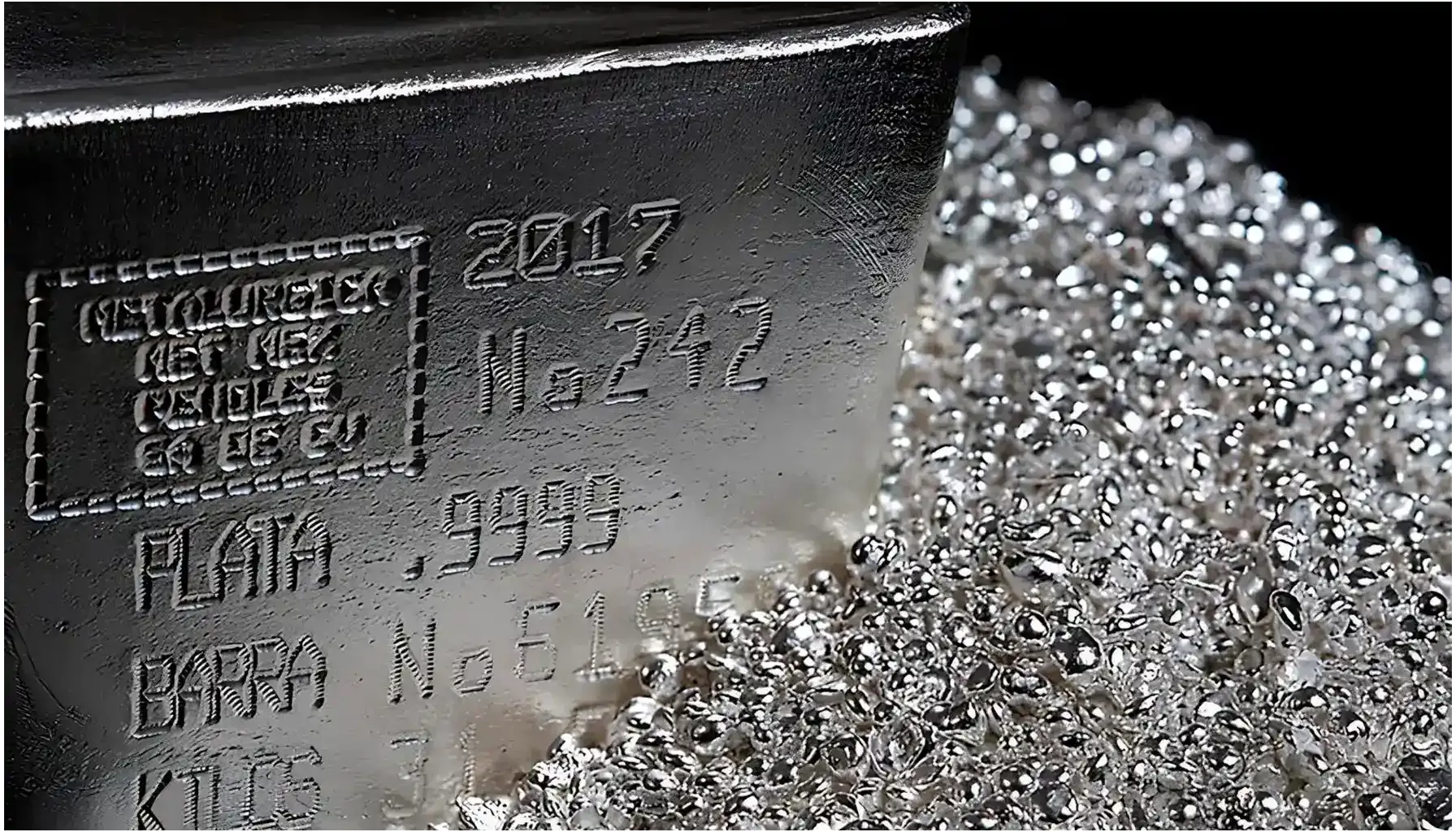
To understand the free coinage of silver definition, it's important to understand how government monetary policy worked at the time. This implied the ability to bring any amount of unlimited silver to the mint and receive back money without restrictions on volume and with virtually no commission.
This is exactly how the classical free coinage of silver meaning was formed—a system in which privately mined precious metal was directly converted into currency.
What is free coinage of silver for economists? A mechanism that allows metal to automatically become money without government control over the volume of supply.
This model was indeed linked to the tradition of the two-metal system, later discussed within the framework of bimetallism, but in the late 19th century, silver began to sharply lose market value, which is what made the idea of free coinage so explosive.
How Free and Unlimited Silver Coinage Worked
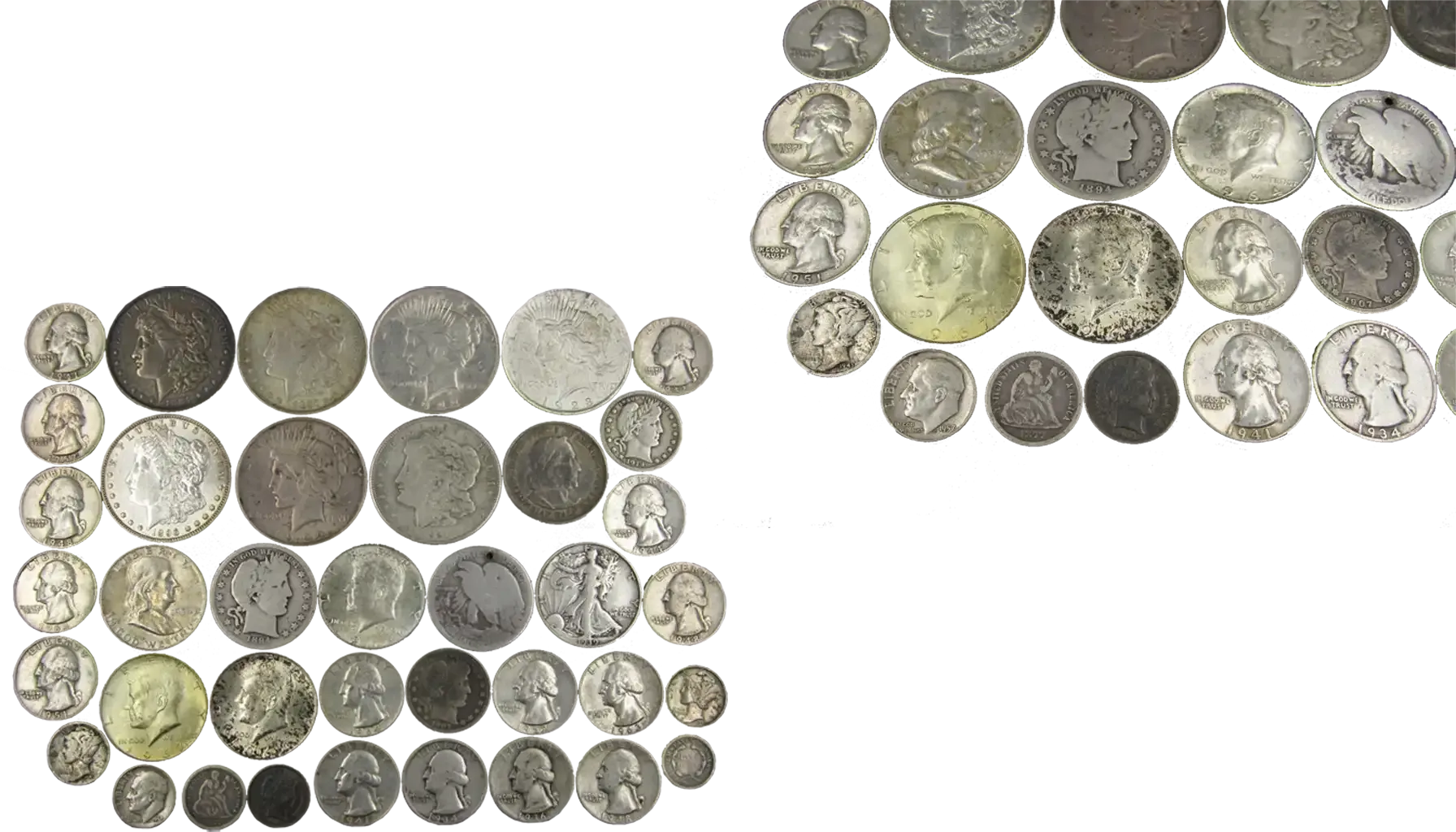
In practice, free and unlimited coinage of silver meant that any bars brought by private individuals had to be converted into coins of fixed denominations.
A number of documents contain clarifications emphasizing that the state has no right to refuse silver acceptance, and that the price of the metal is determined by law.
Against the backdrop of falling metal prices, such mechanisms would lead to inflation, and opponents of the movement repeatedly asked: What does free coinage of silver mean? This was in the context of monetary stability.
“Gold is money. All else is credit.”
— J.P. Morgan, American financier
Investors Alley website
Why Farmers and Miners Supported Free Silver
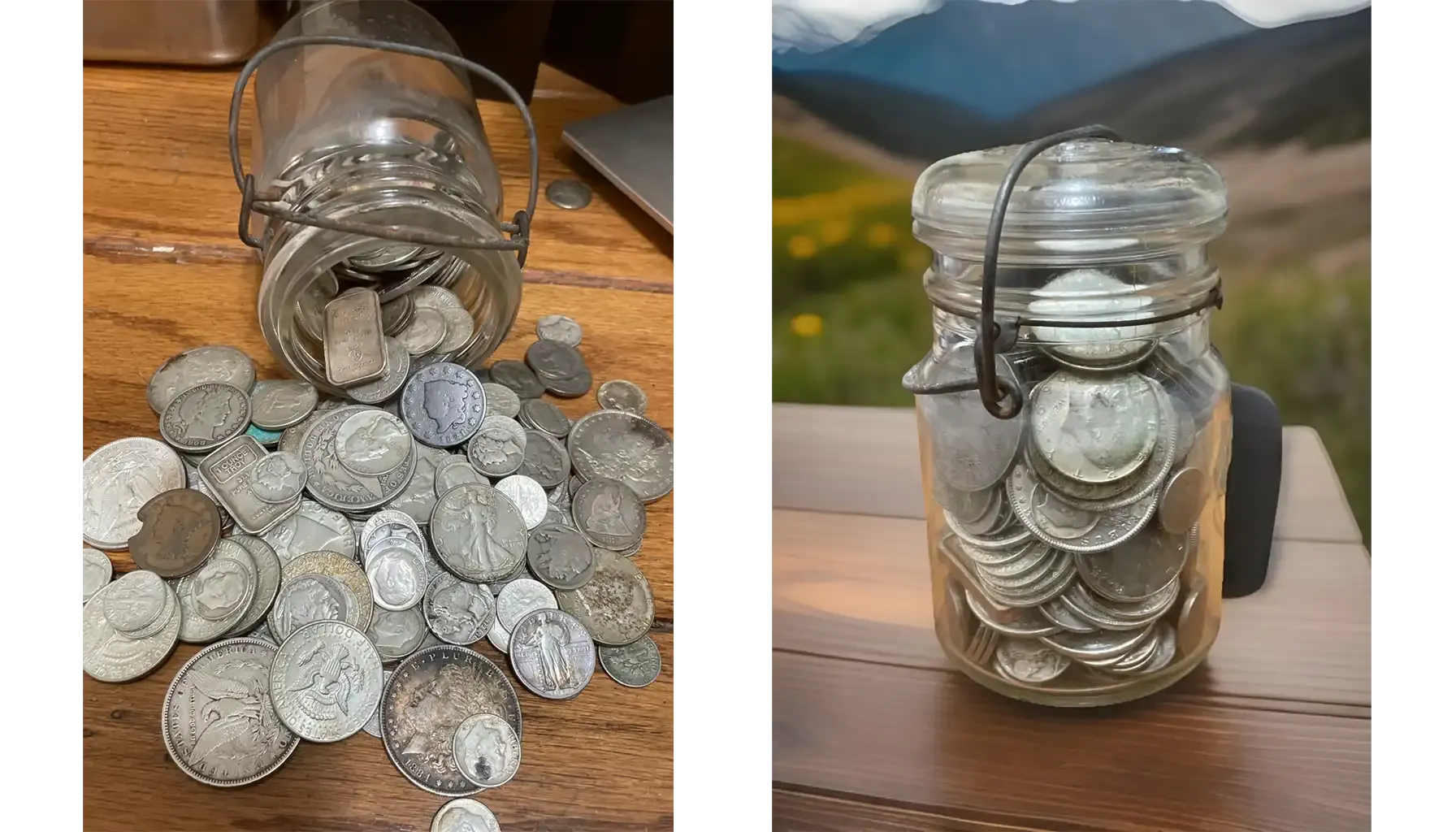
The reasons were entirely practical:
Falling global white-metal prices reduced mining profitability;
Inflationary policies would make it easier to repay debts;
An expanded money supply allowed agriculture greater access to capital;
Silver-mining regions depended on a free market in the metal and saw it as a way to revive the industry.
Against this backdrop, the gold standard was gaining strength, and its proponents—especially representatives of financial centers—insisted that the value of the currency should be stabilized through this standard, not through a mechanical expansion of the bullion money supply.
Legislation and Attempts to Implement Free Coinage
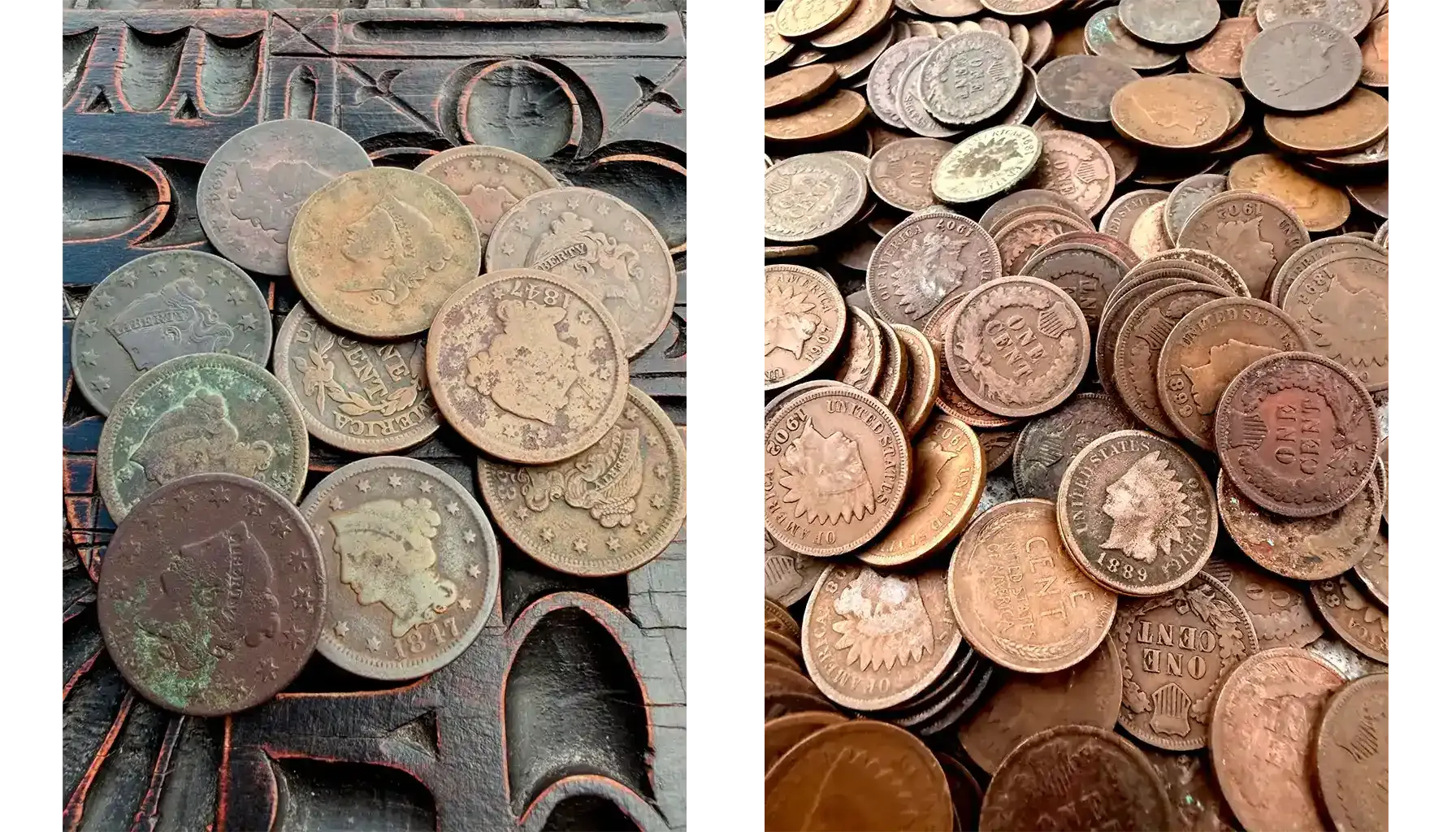
Legislative initiatives that influenced the movement:
The Bland–Allison Act (1878) obliged the government to buy silver and put a controlled number of white-metal dollars into circulation.
The Sherman Silver Purchase Act (1890) raised the required silver purchases, giving the movement a short-lived boost.
Several later proposals tried to bring back full free coinage, but none of them passed.
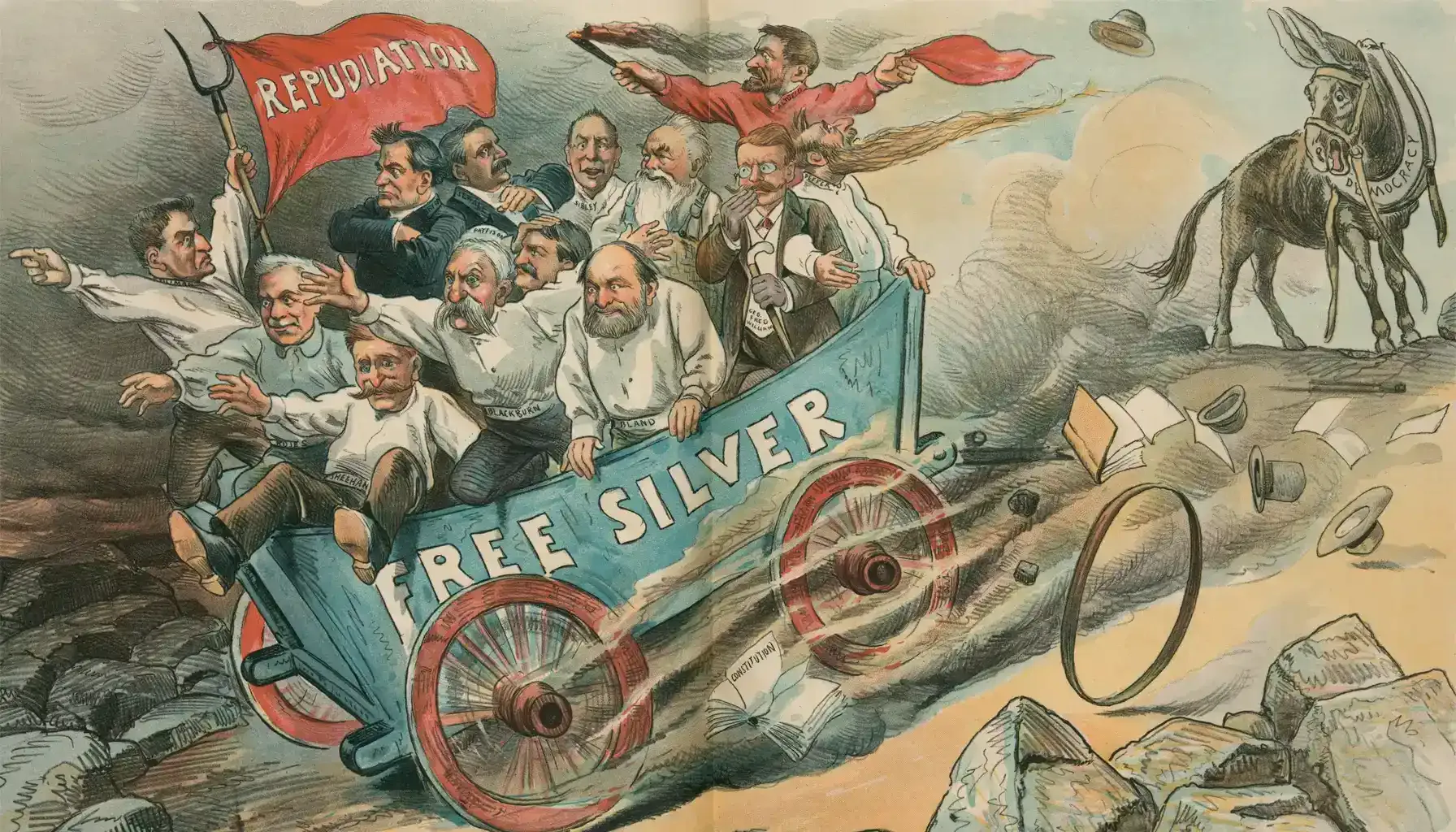
What is the free coinage of silver? It is a political protest by Western and rural states against the financial policies of the East Coast.
If you work with historical coins and want to determine their authenticity or approximate market value, the most convenient app is Coin ID Scanner.
End of the Movement and Long-Term Legacy
By the late 1800s, support for free silver coinage was slipping, and the movement wasn’t shaping policy the way it once had. The political battles around it kept going, but in everyday practice, the system was moving in a different direction. Gold ended up carrying the weight of the monetary framework, and silver advocates couldn’t turn that tide anymore.

 Facebook
  X (Twitter)
  Pinterest
  LinkedIn