Contents:
Silver was and remains one of the world’s most traded and historically important precious metals. Even though it attracts less attention than gold, it is still appealing as an investment, widely used and, at the end, beautiful.
Find out what is silver worth today to start building your strategy as a coin collector and investor, or find out a bit more about how modern markets operate, what is the spot price of silver today, and how to identify coins with high melt value.
What is Silver? Scientific and Historical Overview
Scientifically, it is a soft, white, and highly lustrous transition metal. It has the highest electrical and thermal conductivity of any element and reflects light better than any other metal. Its properties make it vital in electrical systems, optics, and chemical processes.
Atomic Structure
What is the symbol for silver: Ag (from Latin argentum)
Atomic number: 47
Density: 10.49 g/cm³
What is the melting point of silver: 961.8°C (1,763°F)
Historical Significance
This shiny metal has been used for over 5,000 years. Ancient civilizations in Mesopotamia and Egypt valued it as a medium of exchange and decoration. The Greek and Roman minted coins defined early monetary systems. In the Age of Exploration, vast silver deposits in Mexico and Peru transformed global trade and finance, and the importance continues today.
Major Sources and Production:
Top Producers: Mexico, Peru, China, Australia, and Poland.
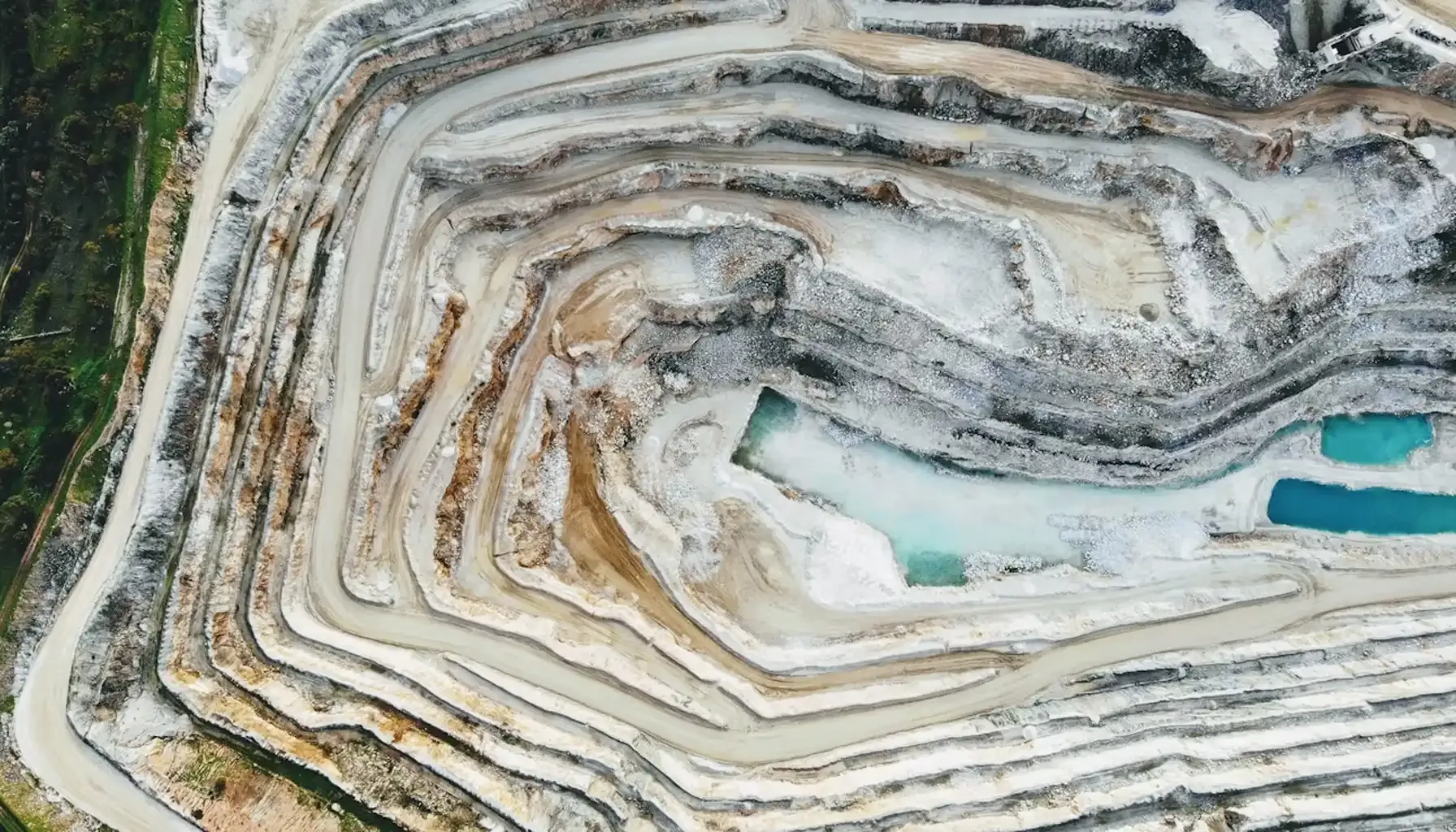
Mining Context: Often found as a byproduct of lead, copper, zinc, or gold mining.
Recycling Contribution: Approximately 20% of annual metal supply comes from recycled sources, including electronic waste and old jewelry.
Its abundance relative to gold keeps it more affordable, while its versatility ensures enduring global demand.
Types of Silver
Silver exists in several grades and alloys, each suited to different purposes. For beginner-level collectors, investors, or jewelers, it is necessary to understand this typology to analyse what is the price of silver per ounce today.
1. Pure (Fine)
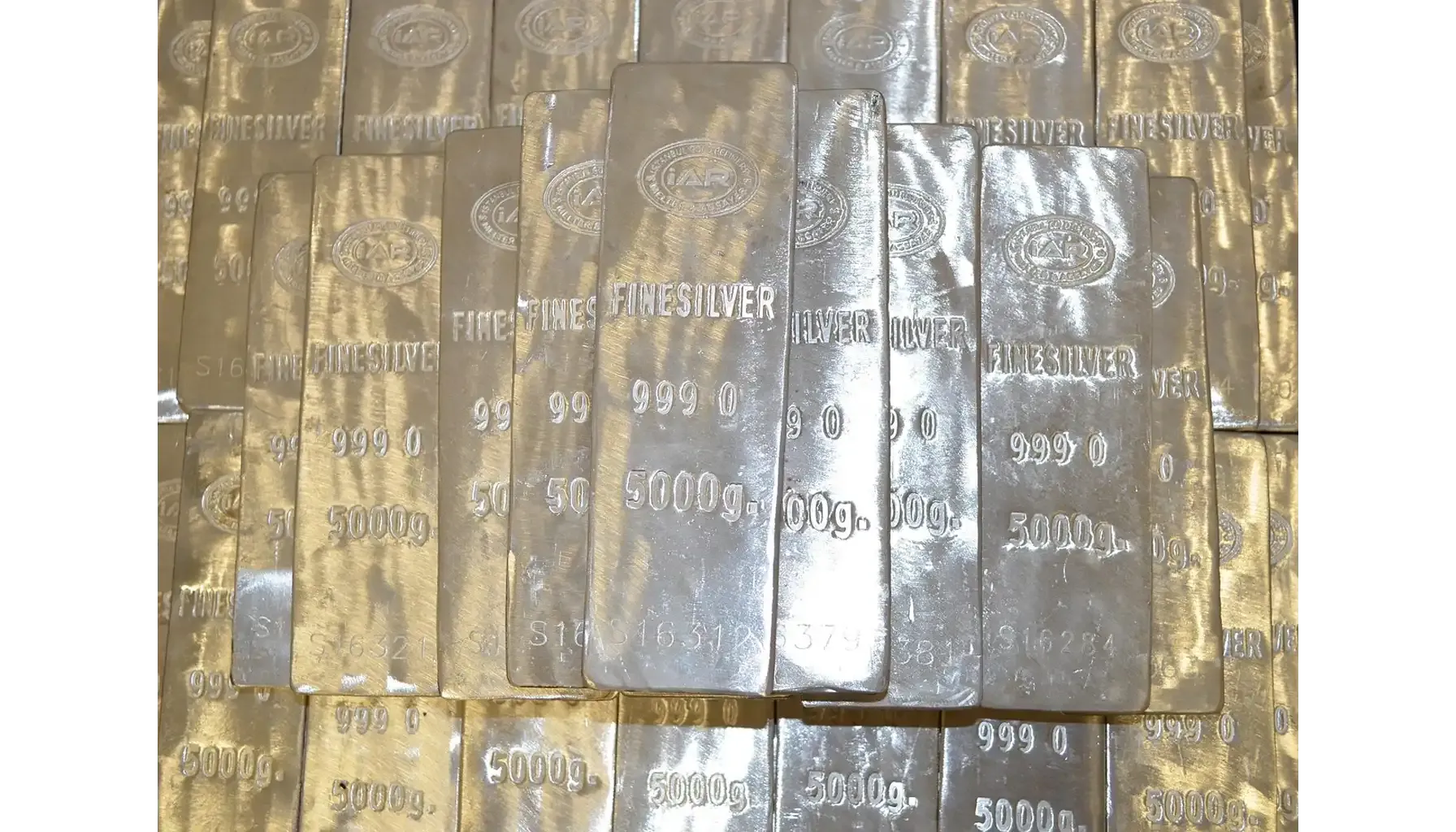
Also known as .999 fine, it contains 99.9% elemental argentum. Its softness makes it easy to shape but impractical for items requiring strength. Fine silver is mainly used for:
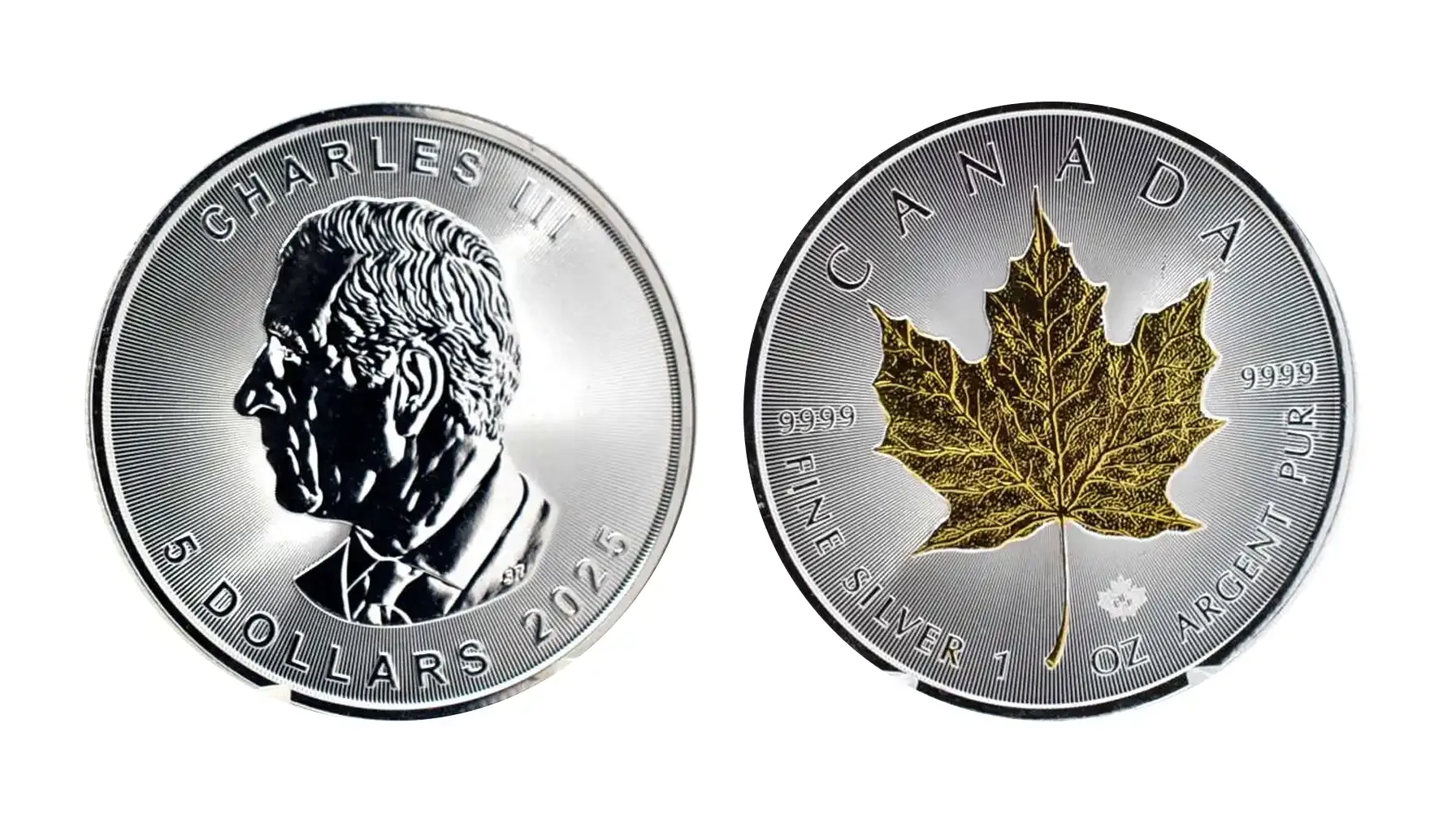
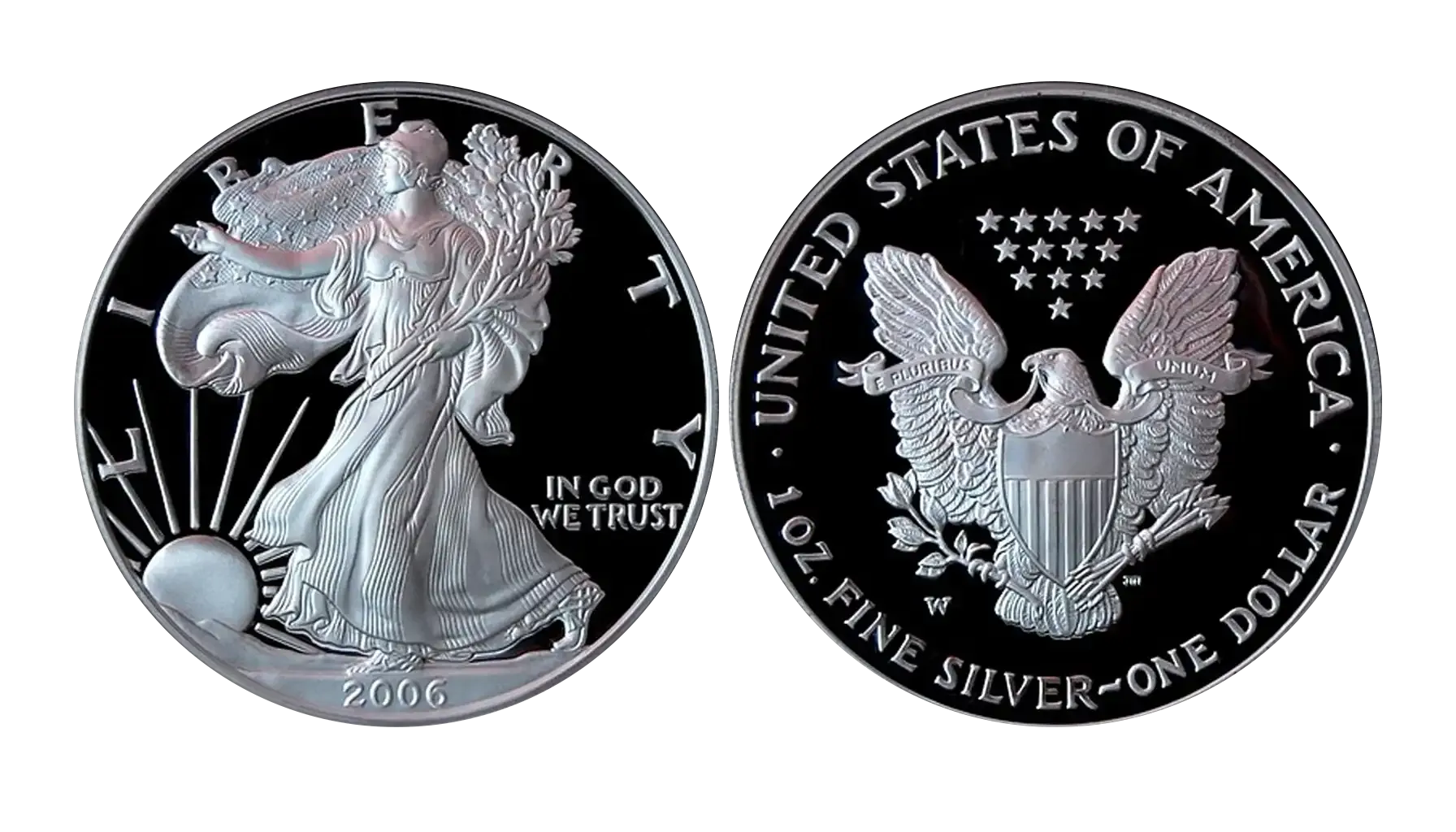
Bullion coins and investment bars (e.g., American Silver Eagle, Canadian Maple Leaf).
High-purity laboratory and industrial applications.
Collectors value .999 for its purity and melt value, though it requires careful handling to prevent bending or scratches.
2. Sterling Silver
The most common alloy in jewelry and tableware, and what is sterling silver made of is 92.5% argentum and 7.5% copper. This blend increases hardness and durability while retaining silver’s brilliance.
Hallmarks: Genuine sterlings are stamped with “925”, “.925”, or “STERLING.”
Uses: Jewelry, flatware, art objects, coins, and collectibles.
Properties: Excellent polish and wear resistance, but prone to tarnish due to copper content.
Sterling’s balance of strength and shine makes it the global standard for functional and decorative items.
3. German (Nickel)
Despite the name, German silver (or nickel one) contains no actual silver. Otherwise, what is German silver if not true Argentum? It is an alloy of copper, nickel, and zinc, designed to mimic the appearance of real precious metal at a lower cost.
Composition: Typically 60% copper, 20% nickel, 20% zinc.
Uses: Musical instruments, decorative hardware, and budget jewelry.
Important Note: Unscrupulous coin sellers sometimes market nickel silver as genuine, so buyers should verify authenticity and prove the true value using hallmarks or testing tools like Coin ID Scanner.
What Is Silver Used For?
Beyond its monetary and aesthetic appeal, silver plays a critical role in modern industry and technological innovation. Its conductivity, antibacterial qualities, and reflectivity make it a cornerstone in science and technology.
1. Electronics and Energy
Silver’s unmatched electrical conductivity makes it indispensable for circuit boards, RFID chips, connectors, and solar panels. As renewable energy expands, photovoltaic demand has become one of this metal’s fastest-growing sectors.
2. Medicine
It has long been recognized for its antimicrobial properties. It’s used in wound dressings, surgical tools, and hospital coatings to prevent infection. However, agencies such as the NCCIH note that colloidal silver supplements lack evidence for internal health benefits and may pose risks if misused.
3. Photography
Before digital imaging, silver halides were essential in photographic film. While this use has declined, it still plays a role in specialized imaging and archival materials.
4. Mirrors and Glass
The fantastic reflective ability makes it ideal for mirrors, telescopes, and high-end glass coatings that reflect heat and light efficiently.
5. Chemical Production and Batteries
Argentum acts as a catalyst in producing chemicals like ethylene oxide and formaldehyde and is used in high-performance silver-zinc batteries, known for stability and long life.
The Role in Investment and Bullion Markets
Silver has maintained its role as both a precious metal and a store of value for centuries. While gold dominates headlines, silver attracts a broad base of investors thanks to its affordability, liquidity, and industrial relevance. It’s traded worldwide in various forms — coins, bars, rounds, and exchange-traded funds (ETFs).
Popular Investment Forms:
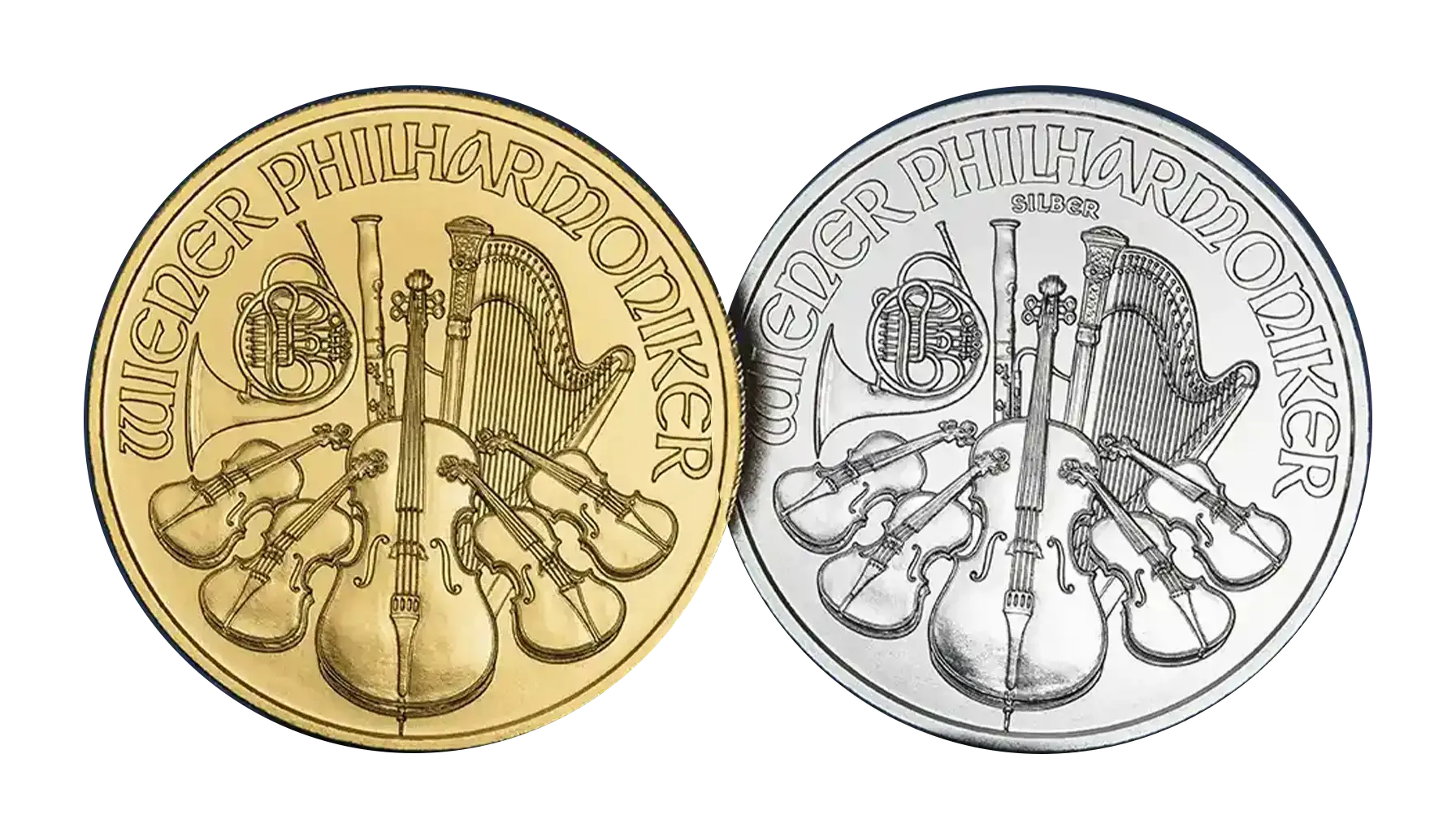
Bullion Coins: For example, the American Silver Eagle, Canadian Maple Leaf, Austrian Philharmonic, and Mexican Libertad. These coins are government-issued and carry a guarantee of weight and purity.
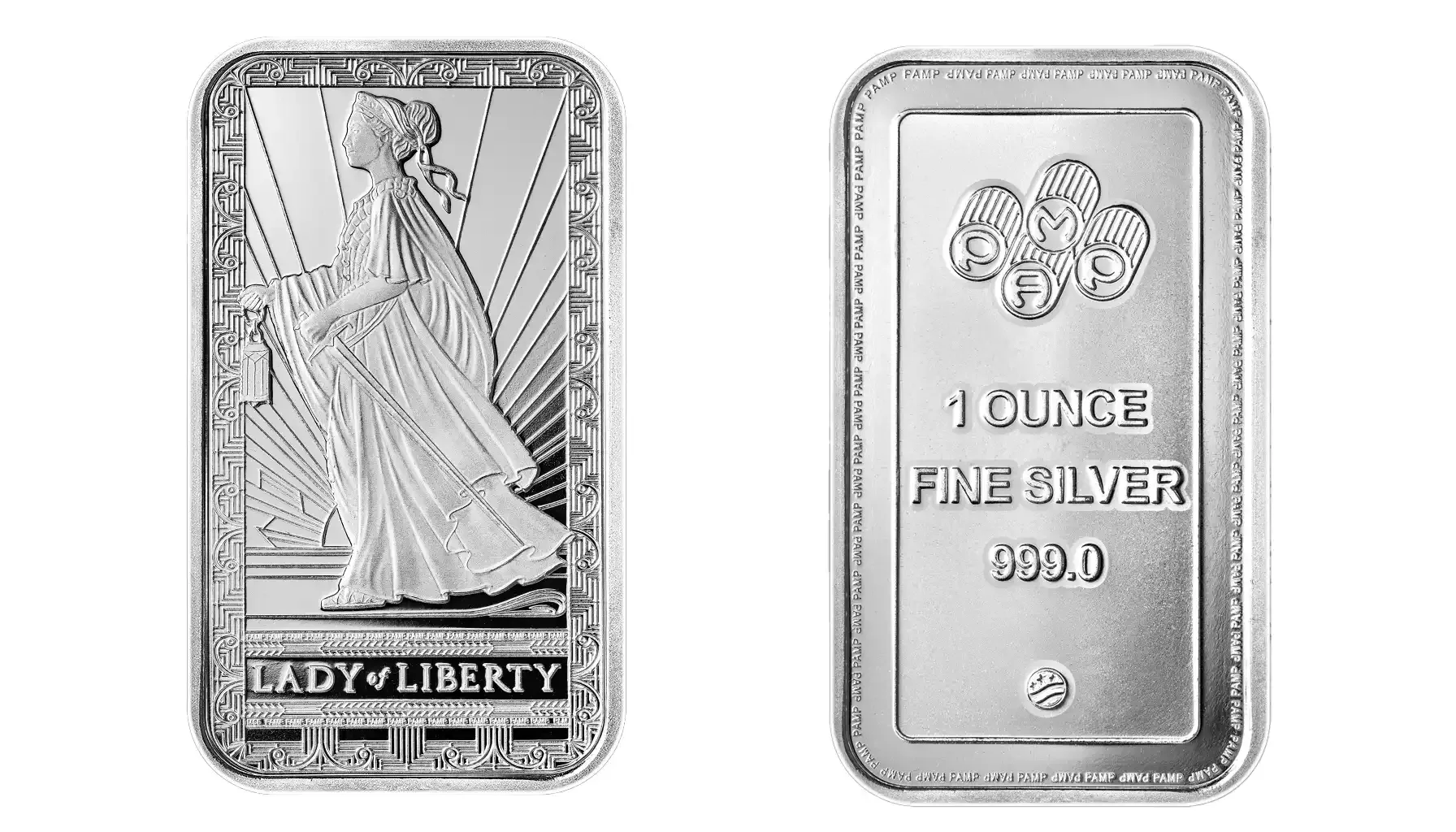
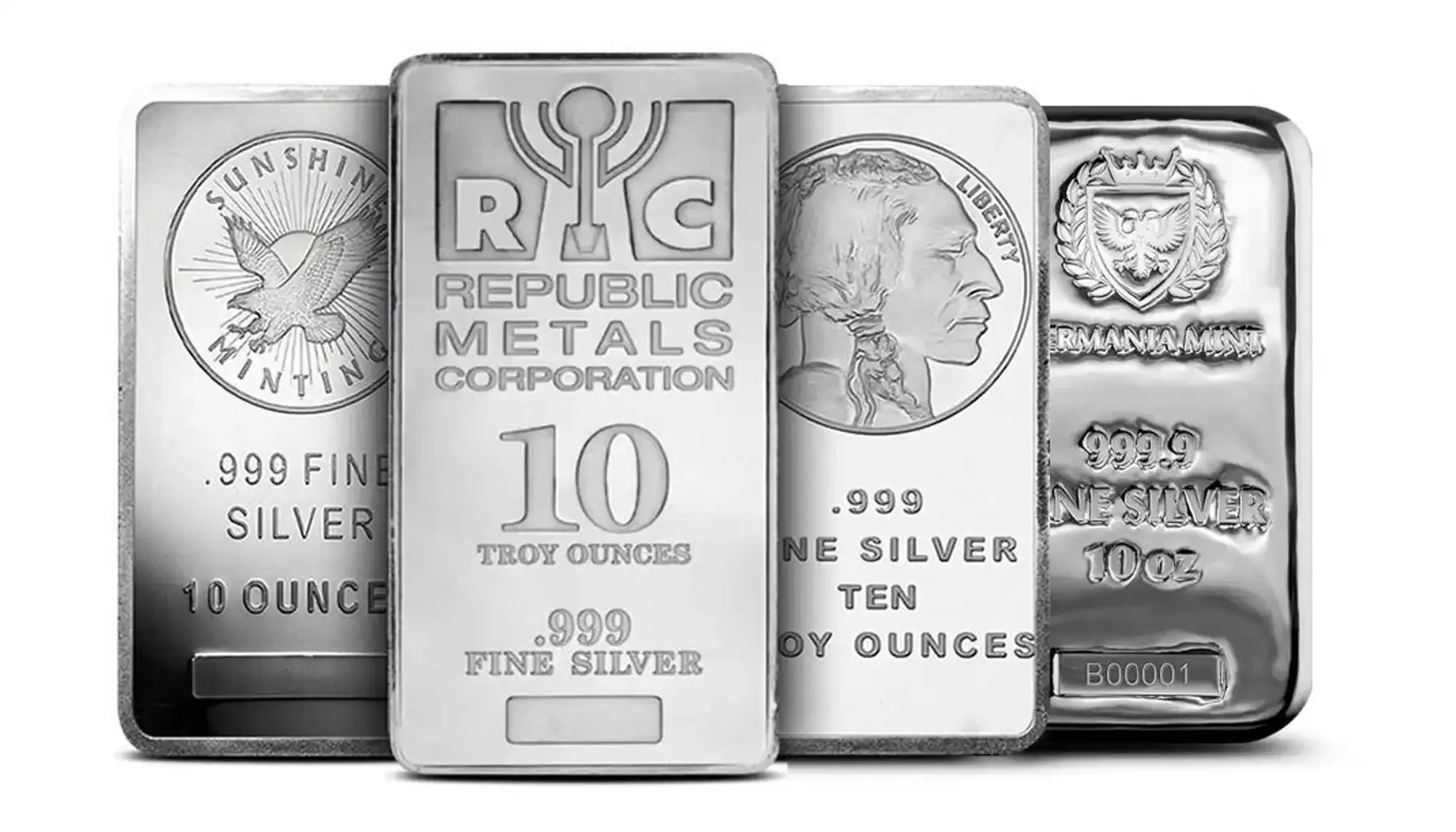
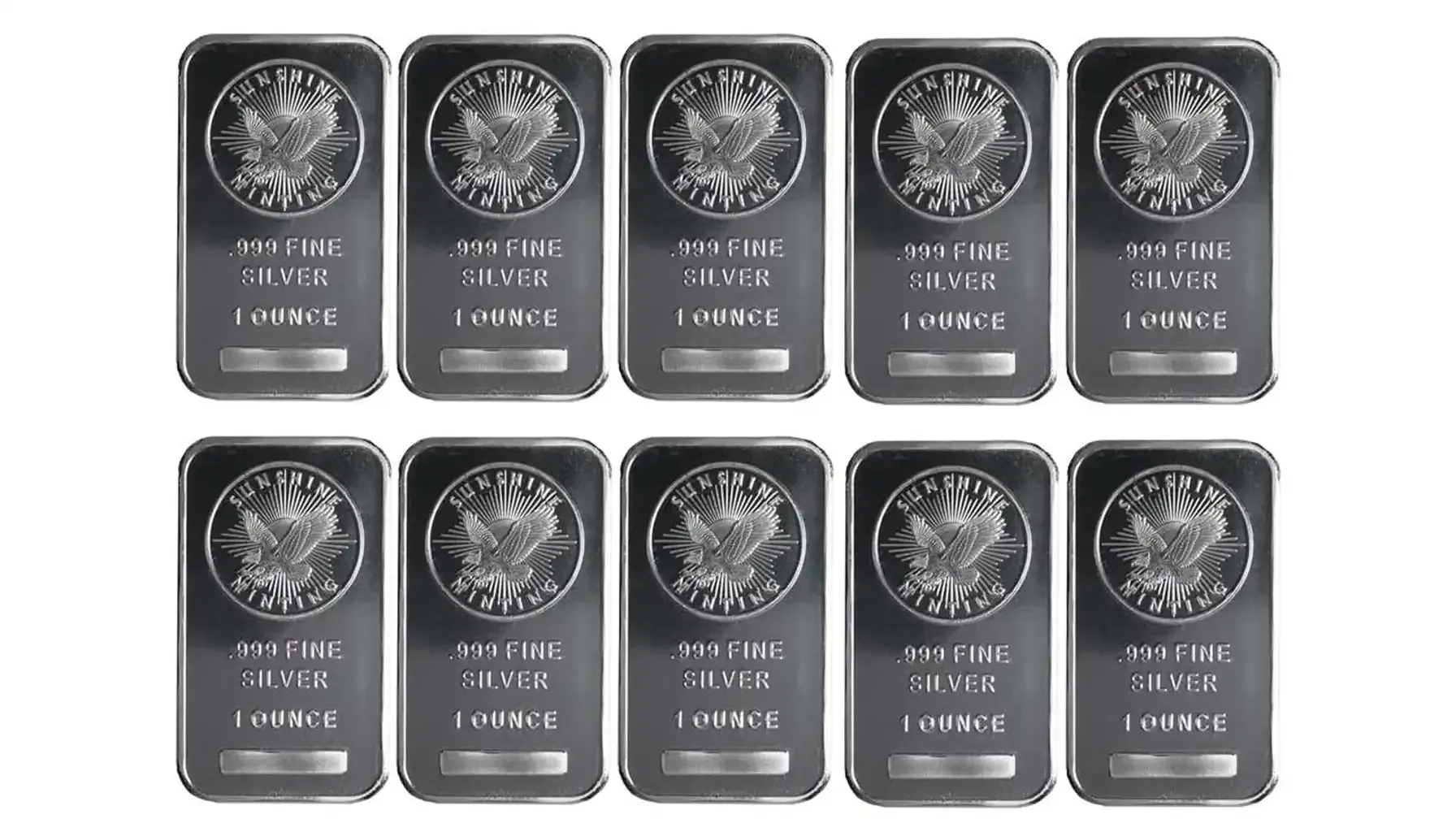
Bars & Rounds: Favored by bulk investors seeking lower premiums and constantly monitoring what is the price of gold and silver today. Common weights range from 1 oz to 100 oz bars.
Collectible Coins: Classic issues such as Morgan and Peace dollars are sought for both their numismatic and metal value.
For collectors and investors, it offers an entry point into tangible wealth preservation or deeper interest in numismatics. With digital tools like Coin ID Scanner, users can authenticate coins, verify purity, and explore detailed historical and market data instantly.
What Is the Price of Silver Now
What is the price of silver today is determined primarily by the spot market, where global exchanges such as APMEX, COMEX (New York) and LBMA (London Bullion Market Association) set prices based on real-time trading activity. These rates are expressed in ‘what is an ounce of silver worth’ and fluctuate throughout the trading day.
Recent Snapshot on What Is Silver Price Today (as of Q4 2024):
What is the current spot price of silver: Around $28.50–$29.20 per ounce
1 kg Bar (Retail): Approximately $950–$980, depending on premiums
Silver/Gold Ratio: Averaging 85:1, meaning Ag remains significantly undervalued compared to gold historically
Factors Impacting What Is Silver Trading at Today
The definition of what is price of silver today moves through a complex interplay of production, demand, and investor sentiment.
1. Supply and Demand Balance
Mining accounts for roughly 75% of new metal supply, while recycling covers the rest. Demand from electronics, solar panels, and jewelry keeps consumption strong. As renewable energy technologies grow, analysts expect industrial use to climb over 10% by 2030.
2. Economic and Currency Trends
What is the current price of silver per ounce often rises during economic uncertainty or high inflation, acting as a hedge against depreciating fiat currencies. When the U.S. dollar weakens, spot prices typically rise.
3. Investment Speculation
Institutional investors and ETFs amplify short-term volatility. Periodic buying surges can drive a significant spike in what is the price of silver right now—mirroring gold but with higher percentage gains due to its smaller market size.
4. Technological Shifts
Silver’s conductivity makes it essential for the latest sustainable technologies, such as green hydrogen, solar cells production, and 5G electronics. The raising interest in some of these industries may change the overall price rate.
Collecting and Identifying Silver
You can be interested in silver not only as an investor, but as a collector and a history enthusiast as well. For any of your purposes, it requires some competence in identifying real silver and dividing it from alloys and forgeries.
Authentication Methods
Identifying real precious metal requires precision and awareness of alloys. Common methods include:
Hallmark Inspection: Genuine items bear marks like “999” for fine silver or “925” for sterling.
Magnet Test: Real Argentum is non-magnetic—if it sticks, it’s likely plated or fake.
Weight and Dimension Check: Authentic coins follow strict mint specifications. Deviations suggest counterfeits.
Acid or Electronic Tests: Verify purity through controlled testing kits or digital scanners.
Tip for collectors: Coin ID Scanner simplifies this process by analyzing design, composition, and minting details instantly. Collectors can catalog coins, verify authenticity, and track what is a silver dollar worth trends within a single platform.
Collector Tips:
Buy only from reputable dealers or certified marketplaces.
Store it in anti-tarnish cloths or airtight containers to prevent oxidation.
Avoid direct contact with rubber or acidic materials that can stain or corrode.
Consider insurance or safe-deposit storage for valuable bullion and rare numismatic pieces.
Environmental and Sustainability Aspects
Like all mined resources, silver production comes with environmental challenges. Usual problems include energy use, habitat disruption, and chemical runoff. With the latest sustainability trends, the industry starts to function more environmentally-friendly.
Recycling and Recovery: Around 20–25% of annual supply comes from recycled materials, particularly electronics and old jewelry. Modern refiners now recover argentum from solar panels and circuit boards to meet demand ethically.
Responsible Mining: Leading producers in Mexico, Peru, and Australia are adopting cleaner refining methods and carbon-reduction programs.
Ethical Sourcing: Jewelers and technology firms increasingly require traceable silver to ensure environmental and labor standards are met.
As the world transitions toward renewable energy and sustainable manufacturing, recycled metals will play a key role in reducing reliance on new mining, aligning what is the price of an ounce of silver with ecological responsibility.
FAQ
What is silver made of?
It is a pure chemical element (Ag) with atomic number 47. In alloys like sterling, it’s combined with copper for durability.
Where is silver found naturally?
It occurs in ores with lead, zinc, and copper, mainly mined in Mexico, Peru, China, and Australia.
Does silver stick to a magnet?
No. Real precious metal is non-magnetic, so it will not stick to magnets—making this a simple authenticity check.
How is silver used in medicine?
It’s used in antimicrobial dressings, coatings for medical instruments, and hospital surfaces to prevent bacterial growth.
What is a troy ounce of silver?
Troy ounce (or oz t) is the most common weight to measure the amount of any precious metal. It equals 31.1034768 grams and is used widely as a measurement in trade and production.

 Facebook
  X (Twitter)
  Pinterest
  LinkedIn