Contents:
When they were first discovered, they didn’t attract enough attention. This is how they’ve got their name — platina is translated as ‘little silver’ from Spanish. However, in today’s markets, catalysts and platinum-group metals deals turn out to be the most important for various industries from medicine to electronics.
Today we will cover the basics about PGMs as an investment option and help you identify coins that deserve collector’s attention.
Platinum Group Metals List
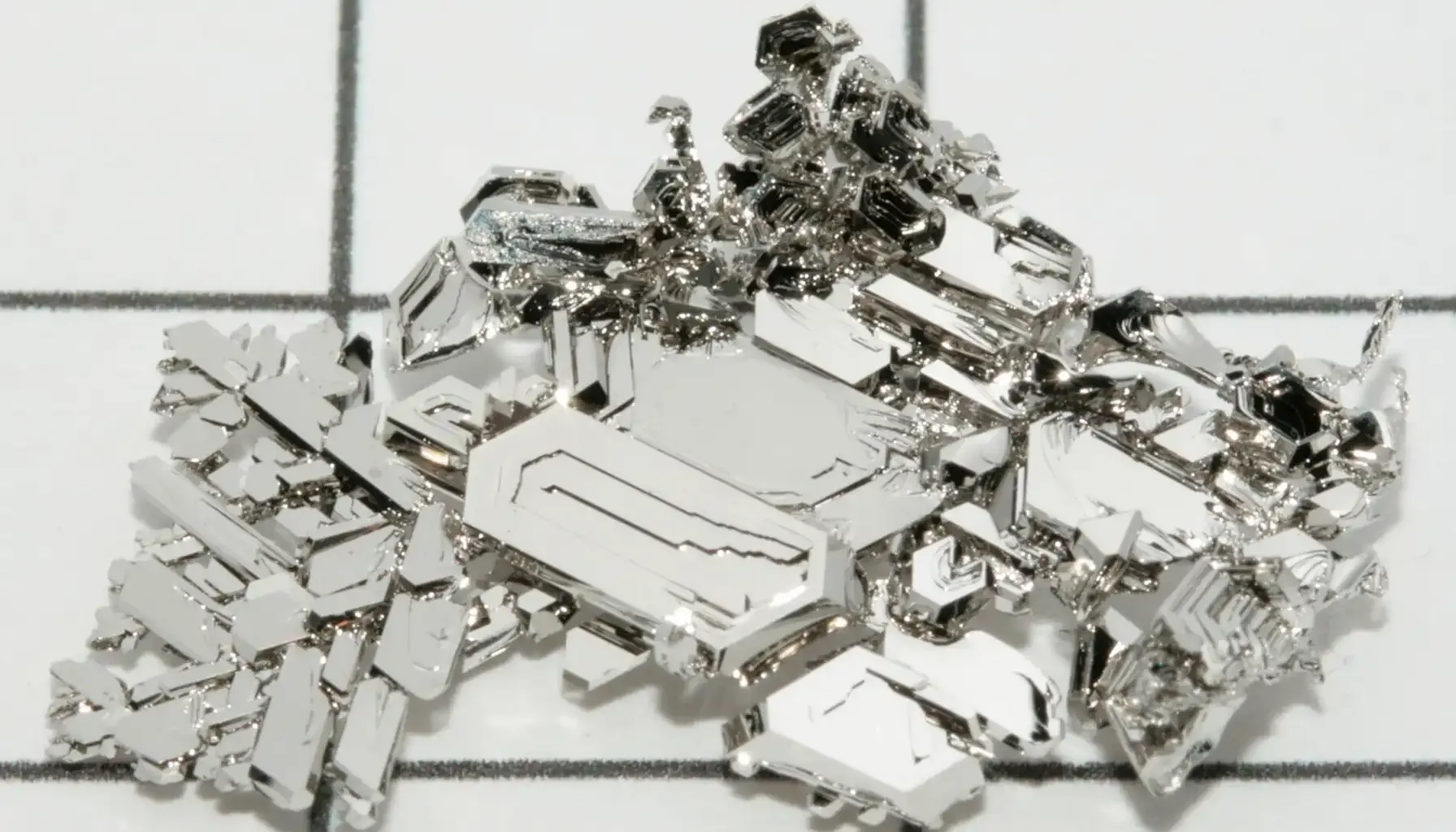
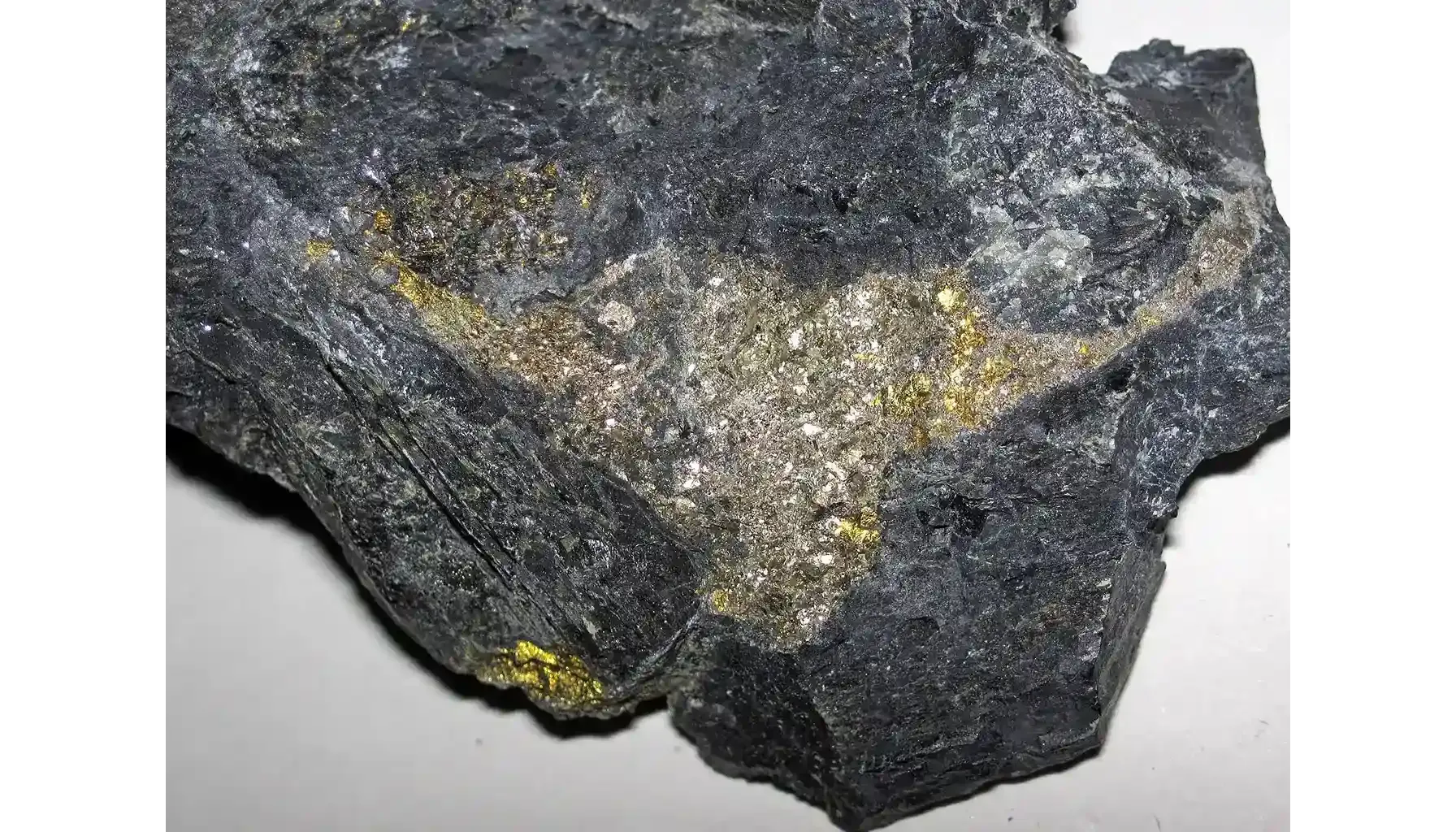
Platinum metals group shares similar chemical structures and is often found together in nature, typically as byproducts of nickel and copper mining. The extraction of platinum group metals is possible in a few key regions (primarily South Africa, Russia, and North America) making their supply vulnerable to geopolitical and labor disruptions.
Each metal has its own distinct character and catalysts and platinum-group metals use-cases.
Platinum (Pt)
Recognized for its silvery-white luster, density, and exceptional corrosion resistance, platinum is highly ductile and durable. It’s vital in catalytic converters, jewelry, fuel cell technology, and investment bullion for its beauty, reliability, and unique physical assets.
Palladium (Pd)
Lighter than platinum but equally bright, palladium is one of the most efficient catalysts known. Its versatility extends to automotive converters, hydrogen purification systems, and electronic components, making it one of the most in-demand catalysts and platinum-group metals innovation materials.
Rhodium (Rh)
The rarest and most expensive PGM, rhodium is famed for its mirror-like shine and superior reflective quality. It’s widely used in plating, emission control systems, and luxury jewelry, where it enhances both appearance and longevity.
Iridium (Ir)
Extremely hard and brittle, iridium has the highest corrosion resistance of all metals. It’s employed in spark plugs, medical equipment, and electronic contacts, where durability under extreme conditions is essential.
Osmium (Os)
With its deep blue-gray tone, osmium holds the record as the densest natural element. It’s found in instrument bearings, fountain pen tips, and specialized metal alloys that demand extraordinary hardness.
Ruthenium (Ru)
A whitish metal valued for its ability to strengthen alloys and resist wear. Ruthenium plays a crucial role in electrical contacts, chip resistors, and chemical catalysts, particularly in the electronics sector.
Platinum Group Metals Market Overview
The global platinum group metals stock is defined by limited supply and intense demand across multiple industries. Together, these six metals account for only a tiny fraction of annual global mining output, yet their value rivals or exceeds that of gold and silver due to specialized industrial use.
Annual Global Production (approx.):
Platinum: ~180 tons
Palladium: ~210 tons
Rhodium: ~25 tons
Iridium, Ruthenium, Osmium: Combined under 10 tons
Leading Production Countries:
South Africa – Dominates the catalysts and platinum-group metals sector, supplying over 70% of global platinum and nearly 40% of palladium.
Russia – Major source of palladium and rhodium.
Zimbabwe, Canada, and the USA – Smaller yet stable contributors.
Market Demand by Sector:
Automotive Industry (≈40–45%) – PGMs serve as the core catalysts in emission-reducing converters.
Industrial Uses (≈30%) – Electronics, petroleum refining, and glass manufacturing.
Jewelry (≈20%) – Especially platinum and rhodium for high-end products.
Catalysts and platinum-group metals investment (≈5–10%) – Coins, bars, and exchange-traded funds (ETFs).
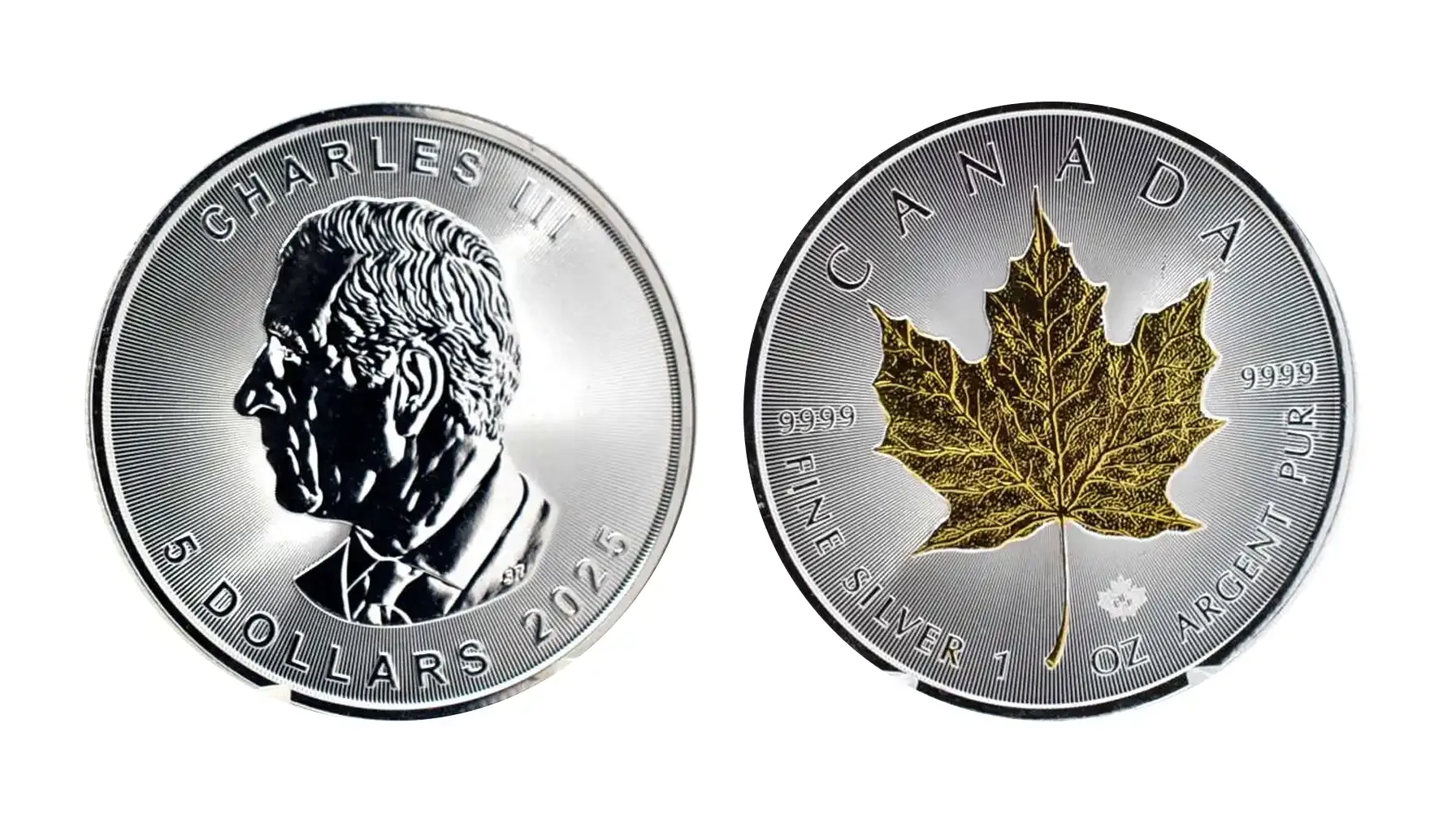
Collectors’ Note: Platinum and palladium coins, such as the American Platinum Eagle or the Canadian Palladium Maple Leaf, remain attractive to investors seeking diversification beyond gold and silver. Their lower mint numbers and industrial relevance contribute to long-term appeal and scarcity value.

Platinum Group Metals Price Dynamics
Raw platinum group metals are among the most volatile precious metals due to limited supply, concentrated mining regions, and unpredictable demand shifts. PGMs prices on APMEX often move faster than gold or silver, reflecting both industrial cycles and investor sentiment.
Key Price Influences:
Supply disruptions: Strikes or geopolitical tensions in South Africa and Russia cause sharp price swings and bring more intense catalysts and platinum-group metals regulations.
Technological changes: Transition to electric vehicles reduces the number of possible platinum group metals mining use-cases, while hydrogen fuel cell growth supports demand.
Investment activity: Institutional buying, USA platinum group metals recycling statistics, and ETF demand drive periodic spikes, most notably seen in rhodium’s dramatic surges.
Recent Spot Price Ranges (2024 averages):
Platinum: $950–$1,050/oz
Palladium: $1,200–$1,400/oz
Rhodium: $4,000–$5,500/oz
Iridium & Ruthenium: Typically under $500/oz
PGMs often outperform traditional metals during industrial upswings, yet their scarcity and dual role in clean energy make them long-term strategic assets.
Industrial and Commercial Uses
Platinum group metals mining funding is essential across industries where performance, precision, and purity matter.
Automotive: The largest consumer sector—platinum, palladium, and rhodium are core catalysts in emission control systems, converting toxic gases into harmless emissions.
Electronics: Used in sensors, capacitors, connectors, and hard drives for stability and conductivity.
Chemical & Energy Industries: PGMs act as catalysts in fertilizer, petroleum refining, and hydrogen fuel cell production, which helps to advance green energy technology.
Jewelry & Coinage: Platinum’s durability and luster make it a premium metal in fine jewelry and collectible coins, while palladium offers a lighter, modern alternative.
Medical & Scientific Applications: PGMs contribute to medical and research innovation in fields like anti-cancer drugs (cisplatin) production, precision instruments, and dental alloys.
Combination of durability, purity, and catalytic power ensures platinum group metals ltd stock remains large, active, and usable for both traditional and emerging technologies.
Sustainability and Recycling
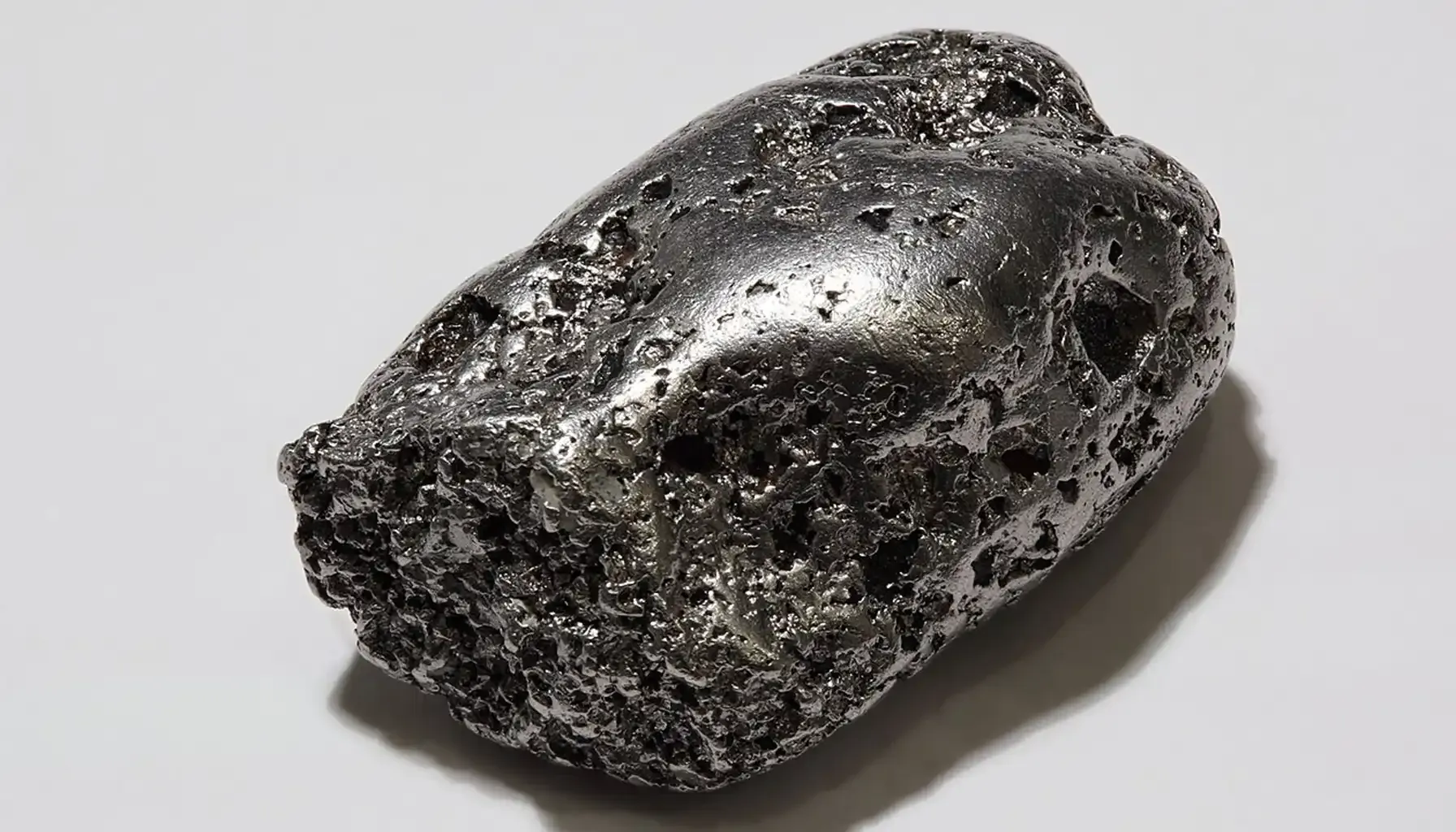
With growing environmental awareness, recycling has become a key part of platinum group metals news. Around 30–35% of platinum and palladium now come from reclaimed sources, mainly spent catalytic converters.
Recycling not only reduces mining pressure but also lowers carbon emissions. Major refiners invest in closed-loop recovery systems to extract PGMs efficiently from automotive, electronic, and industrial waste.
The industry of catalysts and platinum-group metals funding also faces increasing scrutiny over ethical sourcing and mine transparency, driving new initiatives toward sustainable certification and responsible production standards.
Future Outlook
Catalysts and platinum-group metals future outlook is shaped by clean energy innovation and industrial evolution:
Hydrogen fuel cells are expected to raise platinum demand sharply.
Stricter emission standards continue to support palladium and rhodium markets.
Medical and tech applications will expand as PGMs enable microelectronics and advanced therapies.
Risks remain—volatile prices, geopolitical instability, and the global shift toward electric vehicles may redefine demand balance. Still, experts forecast steady to moderate growth, especially for platinum in the green energy sector.
FAQ
What are platinum group metals?
A family of six rare elements—platinum, palladium, rhodium, iridium, osmium, and ruthenium—known for their strength, rarity, and catalytic properties.
Where are PGMs used?
Mainly in automotive converters, electronics, jewelry, chemical production, and emerging hydrogen fuel technologies.
Which countries produce platinum group metals?
South Africa leads global output, followed by Russia, Zimbabwe, Canada, and the United States.
What are 5 uses for platinum?
Catalytic converters, jewelry, fuel cells, medical devices, and investment coins or bullion.

 Facebook
  X (Twitter)
  Pinterest
  LinkedIn