Contents:
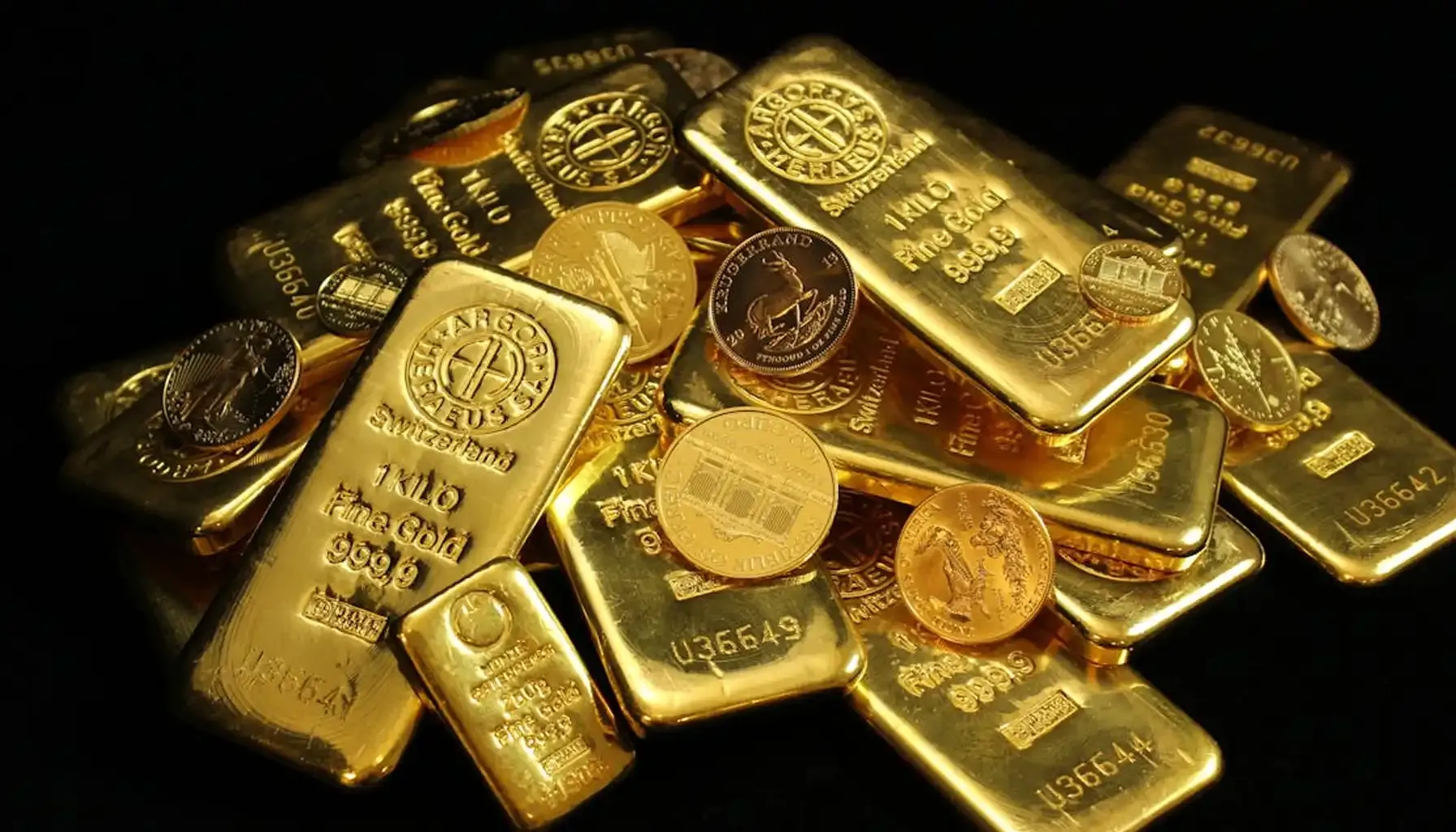
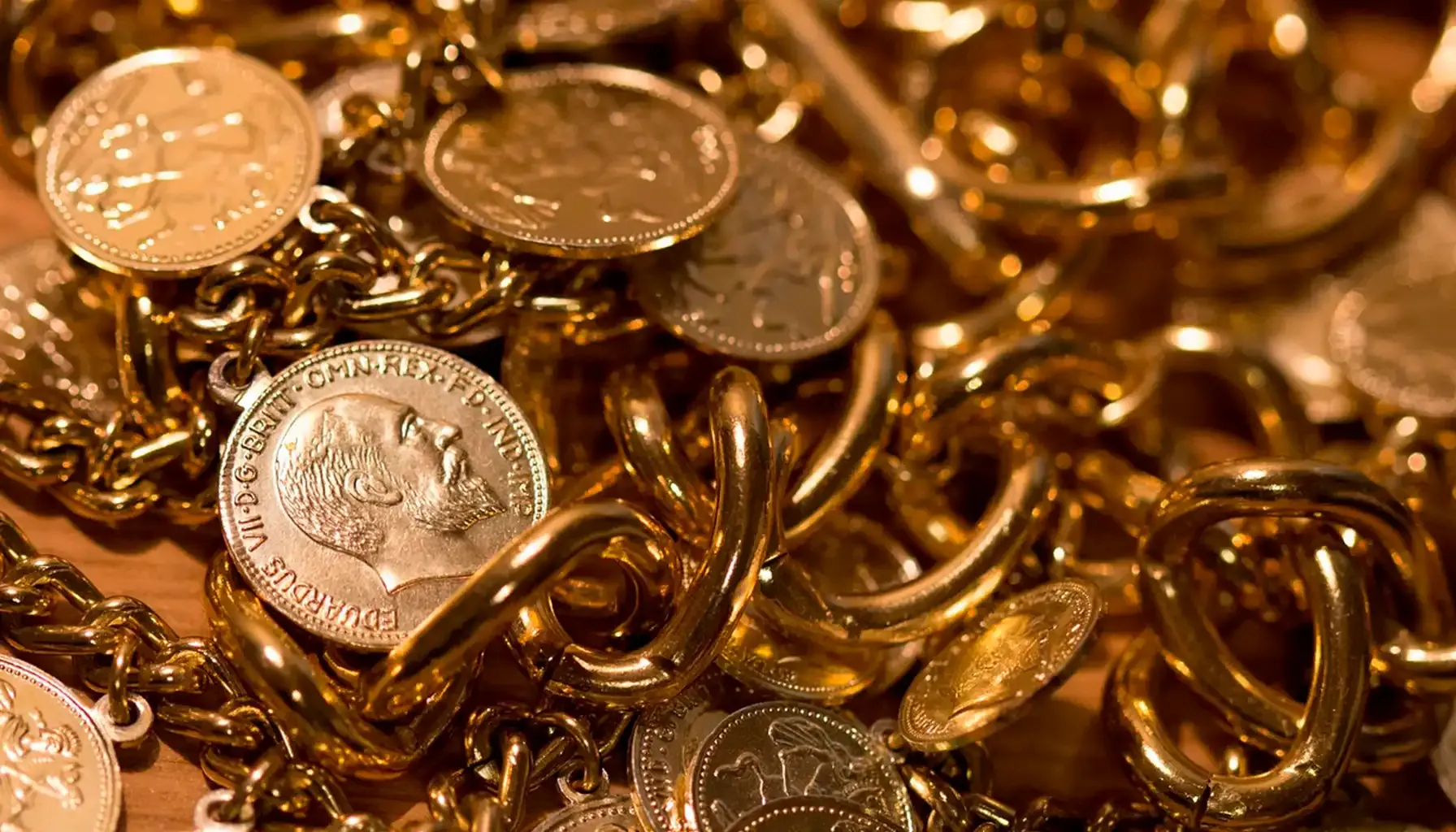
There’s something about this yellow metal that we, people, adore. Gold has served us well throughout the years, from jewelry and coins to electronics and aircraft. It makes you wonder, how is gold formed in nature? Where does it come from? That’s what we are here to answer.
You will learn how gold is formed step by step, and what exact geological processes help this precious metal form.
You can find gold coins all around the world. A foreign coin identification app can help you recognize these gold pieces.
What Is Gold?
Let’s start with a little chemistry lesson.
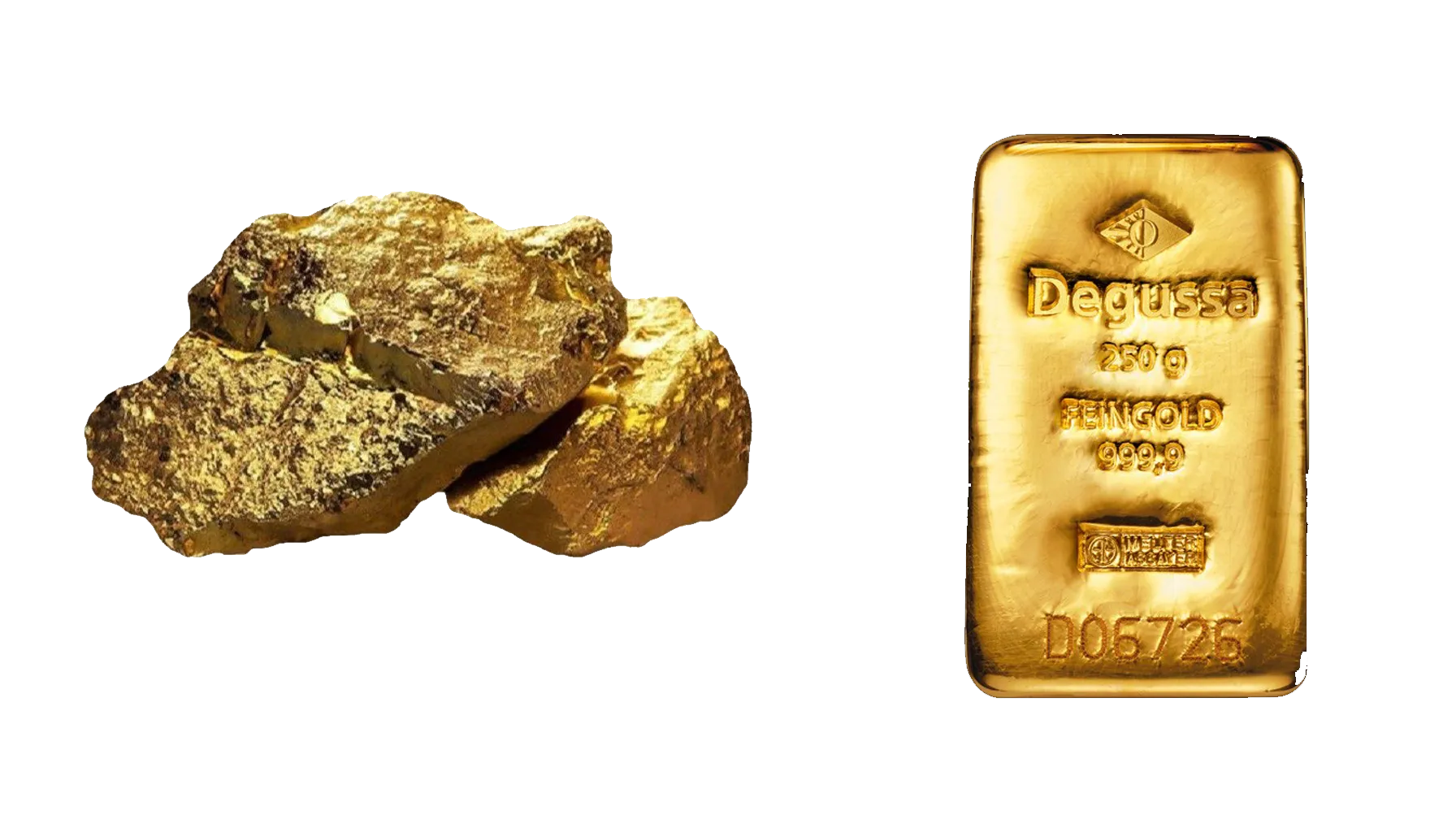
Gold is a chemical element. It bears the symbol Au (from the Latin Aurum) and atomic number 79. It’s one of the heaviest naturally occurring elements and belongs to the group of metals. Gold is famous for its bright yellow color, plasticity, and resistance to corrosion, which means it doesn’t rust or tarnish.
Of course, resistance to corrosion doesn't mean you can just throw your hypothetical Gold Quarters in some corner of the room and expect that everything goes alright. Just like any asset, gold requires care, just not as much as iron, for example.
How does gold further distinguish itself from other metals? If you want a deeper look, here you go:
Physical: Soft, dense, shiny, and very malleable (can be hammered into thin sheets).
Chemical: Extremely unreactive. It doesn’t oxidize easily, which is why gold objects can last for thousands of years without degrading.
Uses: Jewelry, electronics, dentistry, aerospace, and as a monetary standard (bullion coins like special edition Kennedy Half Dollar and others).
Gold Origin: Arrival
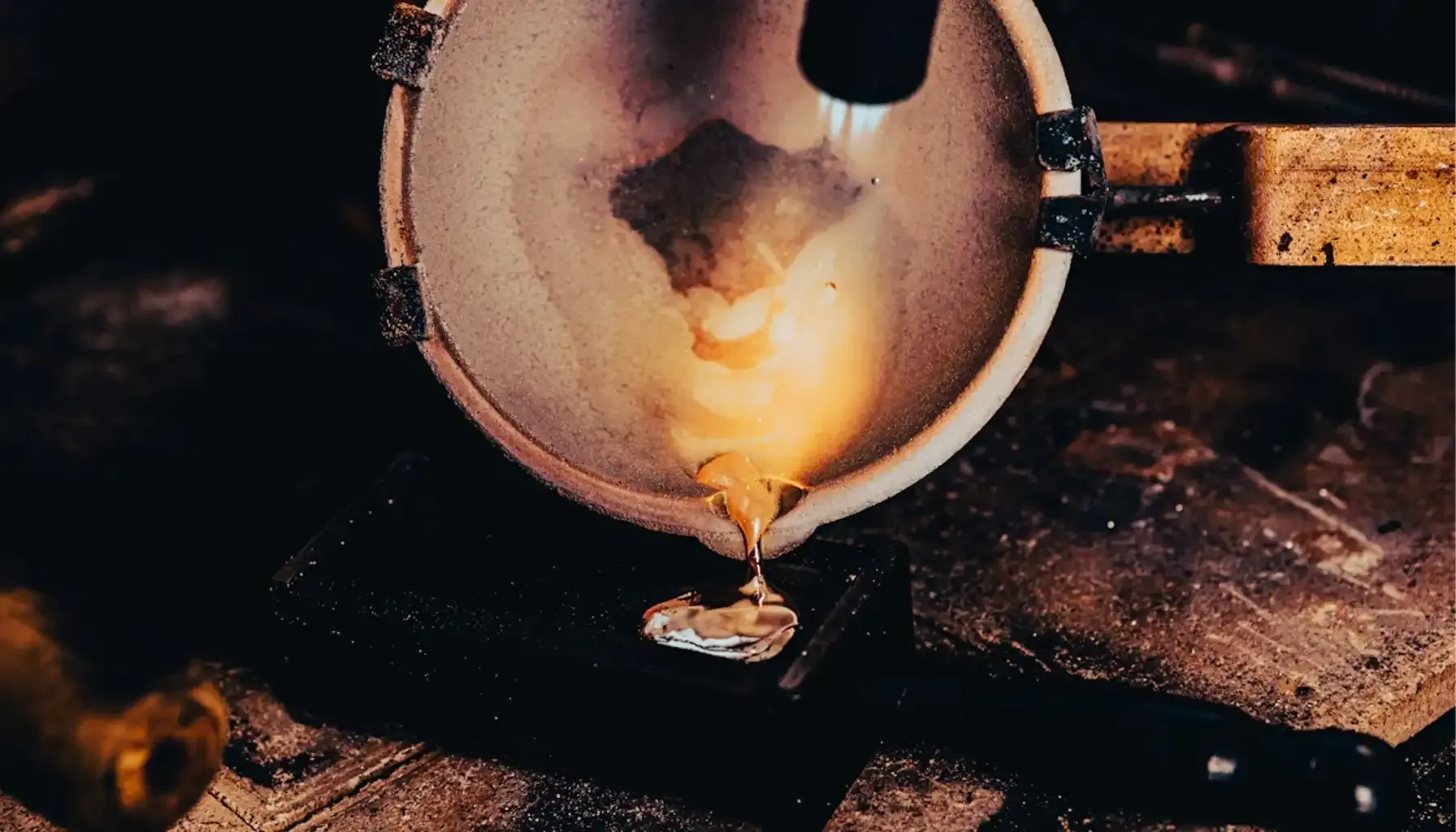
Time to see the most interesting part… how is gold formed naturally? This precious metal actually came to us… from space! How is gold formed in stars and makes its way to our planet? Let’s take this process step-by-step.
Stars grow: Stars are made of hydrogen and helium, the gases. Massive stars need to grow, and therefore go through nucleosynthesis, where lighter elements (hydrogen and helium) fuse under extreme heat and pressure to create heavier elements, like iron.
Stars explode: When a massive star reaches the end of its life, it explodes in a supernova. The explosion releases enormous energy. Heavy elements, like iron, get a boost of energy, and further fuse into heavier elements like silver and… gold!
Metals scatter across Space: Gold atoms are then scattered across space with the power of an explosion. The dust cloud with leftover gases, gold, and silver travels across space until it reaches a planet. In this case, the Earth.
Gold reaches Earth: About 4.5 billion years ago, when the Earth was forming, these gold-containing cosmic dust clouds became part of the planet’s matter. As the planet’s crust and core were developing, the gold became embedded in it.
This is how we have this yellow metal today on Earth! Although most was melted in the planet's core, some is still left for us to uncover.
Now, while we know how gold is formed, we don’t really know how the deposits we’re digging out appeared. How did these dust clouds form space turn into solid pieces? Let's find out.
How Is Gold Formed in the Earth: Formation
Gold hit the Earth, but now it has to go through a billion years before we, people, uncover it. What happened during these to turn a dust cloud into solid, rounded pieces?
Gold in the Earth’s crust typically exists in small amounts. It’s often dissolved in rocks or magmas, and is too inert to easily form into big deposits. Gold is often combined into chloride complexes and sulfide complexes (Au(HS)₂⁻), turning it into one hot stream.
These hot streams travel under the earth’s crust until a specific reaction stops the flow and lets the gold cool down and turn into the precious metal we all know:
Temperature drop: When fluids rise closer to the surface, cooling reduces gold solubility (the ability to dissolve), and the liquid turns more solid.
Pressure drop: Boiling or sudden decompression can trigger precipitation, leaving particles behind the stream.
Chemical reaction with host rock: Changes in pH can cause the metal to come out of solution and petrify.
Mixing with other waters: Interaction with cooler groundwater can reduce solubility, and solidify it.
This info might be a bit hard to take in. You can use some “how gold is formed diagrams” showing how these streams formed, but the key takeaways are:
The star exploded. Gold particles fell on the Earth.
Gold particles melted in big streams with different metals.
The metal is left out of the stream, or the whole stream solidifies, leaving the ore behind.
Formation Spots: Location
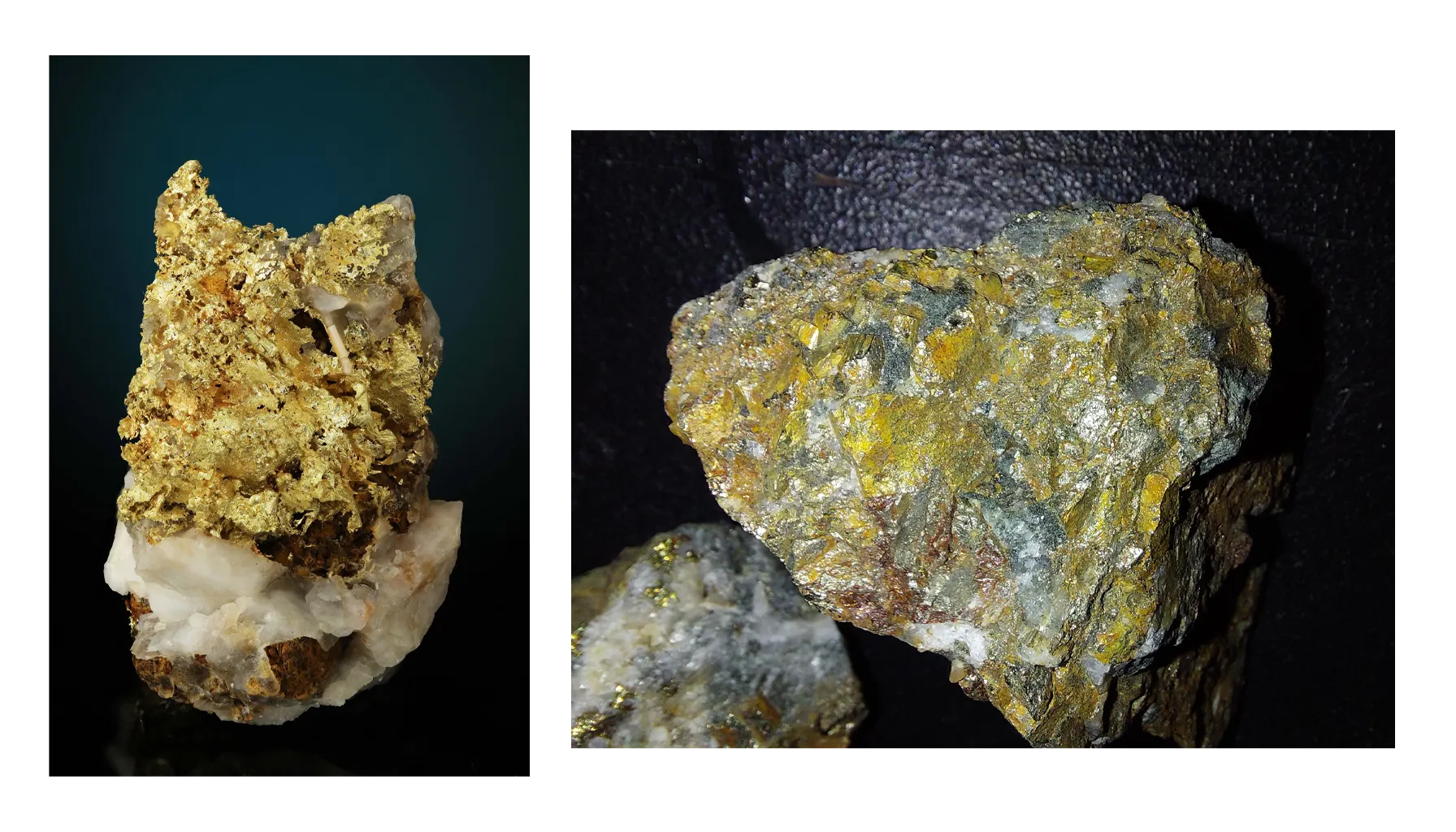
We know the answer to the question of How is gold formed geologically.
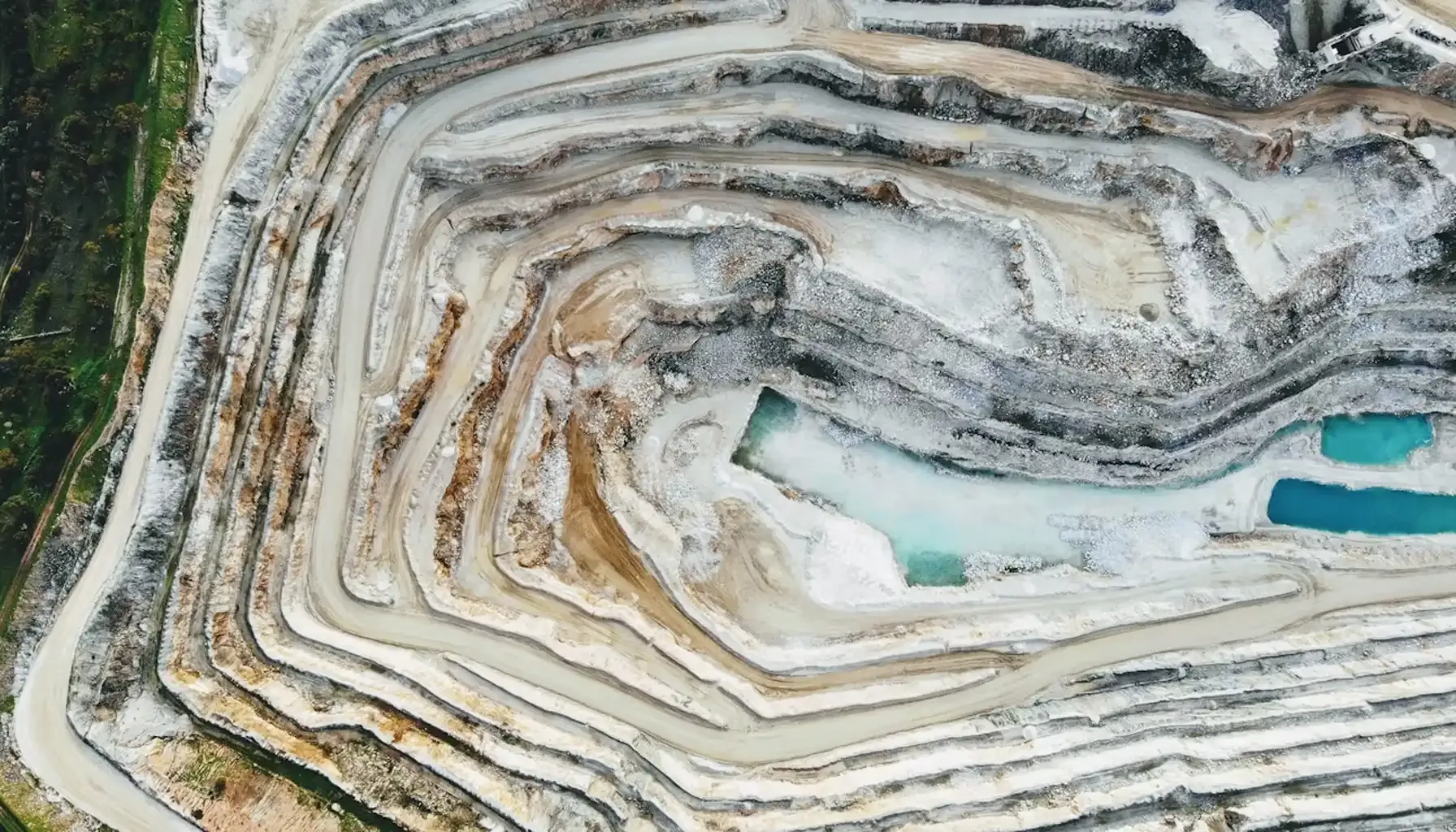
Now, where is it formed when the stream turns solid? A few sweet posts exist, from stunning quartz to simple rocks.
Deposit Type | How It Forms | Examples / Locations |
Quartz Veins | Hot, mineral-rich fluids deposit gold and quartz in fractures as they cool. Both have similar structures and are therefore found together | California (USA), Kalgoorlie (Australia), South Africa |
Placer Deposits | Erosion releases gold from bedrock, and heavy particles settle in riverbeds and gravel bars | Klondike (Canada), Otago (New Zealand), Alaska (USA) |
Volcanic Deposits | Hot geothermal fluids near volcanoes carry dissolved metal that precipitates as the magma cools | Hishikari (Japan), Taupo Zone (New Zealand) |
Skarn & Porphyry Systems | As magma contacts rocks, it cools off and leaves both copper and gold behind. | Chile, Indonesia, Australia |
Famous Gold Coins
Most associate this metal with the monetary system. You can find gold coins in the UK, the US, and all over the world! Nations like Britain use Sovereigns, the US has Double Eagles, and France has Napoléons. They were all used at one point as standard currency until the 20th century.
Today you can still find them, albeit they are sold in a limited way, and more of a collector’s item, rather than a currency.
The British Gold Sovereign

This piece was first issued in 1489 under King Henry VII, but then vanished, and was reintroduced in 1817 after the Napoleonic Wars. This coin is still minted today by the Royal Mint as a bullion and collector’s coin. Moreover, it is one of the most valuable coins in the UK.
Metal content: 7.322 g pure gold (22 karats / 91.67%).
Weight: 7.988 g total.
Diameter: 22.05 mm.
The obverse often changed and featured the portrait of the reigning monarch (e.g., Victoria, Elizabeth II, Charles III). The reverse, however, stayed the same since 1817 (though three were limited editions with different back designs), featuring St. George slaying the dragon, designed by Benedetto Pistrucci.
The American Double Eagle

This piece was first issued in 1849, following the California Gold Rush. Unlike the Sovereign, this series has long stopped its mintage in 1933, but remains extremely precious.
Metal content: 0.9675 troy oz (30.09 g pure).
Weight: 33.436 g total (90%).
Diameter: 34 mm.
This coin has several designs, but the most popular one is Lady Liberty wearing a coronet on the obverse and an eagle with a shield on the reverse.
The French Gold Napoléon
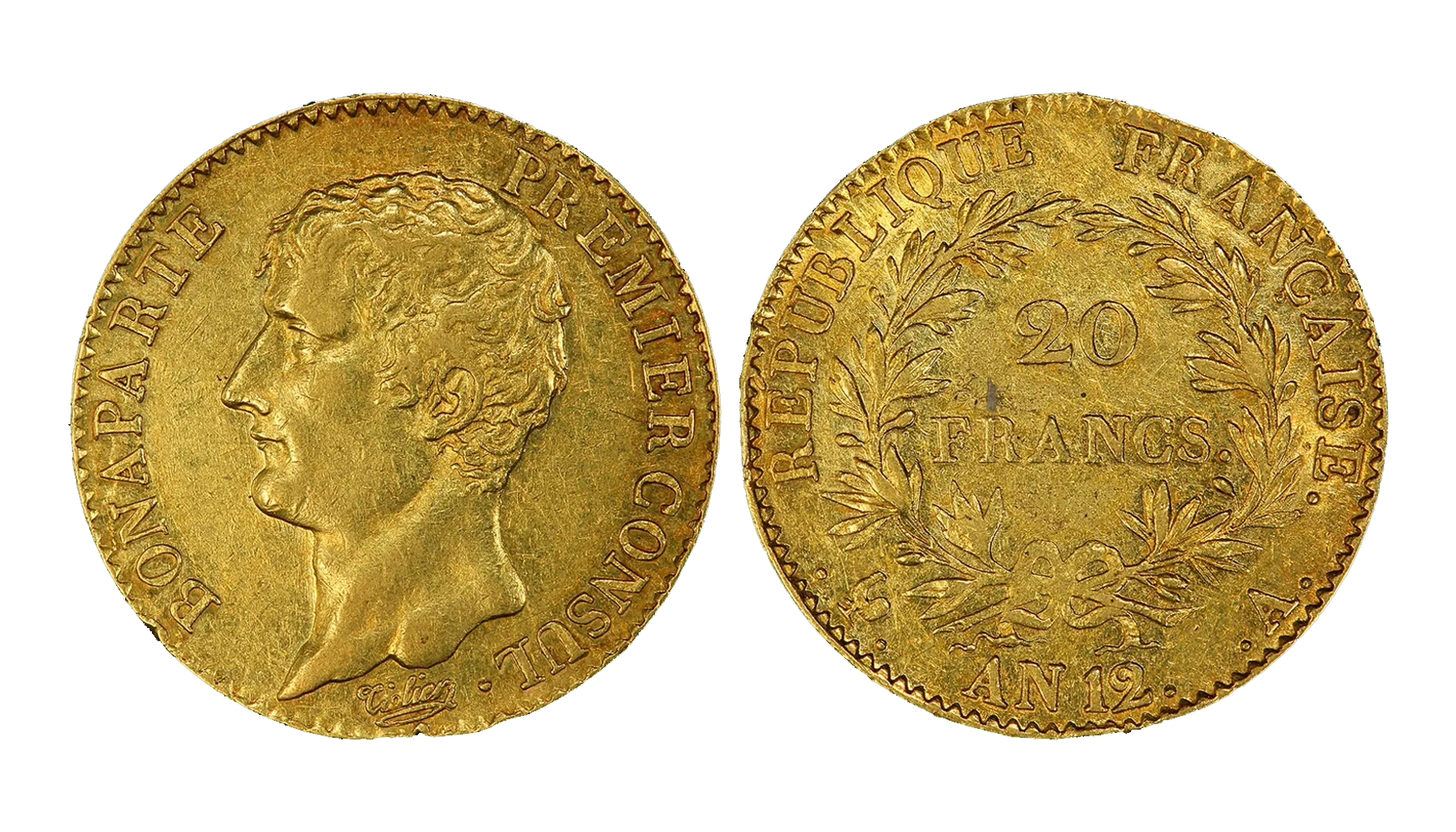
This coin was first minted in 1803 under Napoléon Bonaparte's reign, hence the name. It was a globally influential piece, which established gold standards and influenced the same standards across other European countries. Its mintage stopped in 1914.
Metal content: 5.81 g pure.
Weight: 6.45 g total (90%).
Diameter: 21 mm.
The obverse features a Bust of Napoléon (or later French rulers like Louis XVIII, Louis-Philippe, and Napoleon III). The reverse featured a wreath with multiple inscriptions.
About Gold Coins
While you have a platform like APMEX to check the values of precious metals, what app can help you identify and assess many gold coins? We know of one such app.
Coin ID Scanner
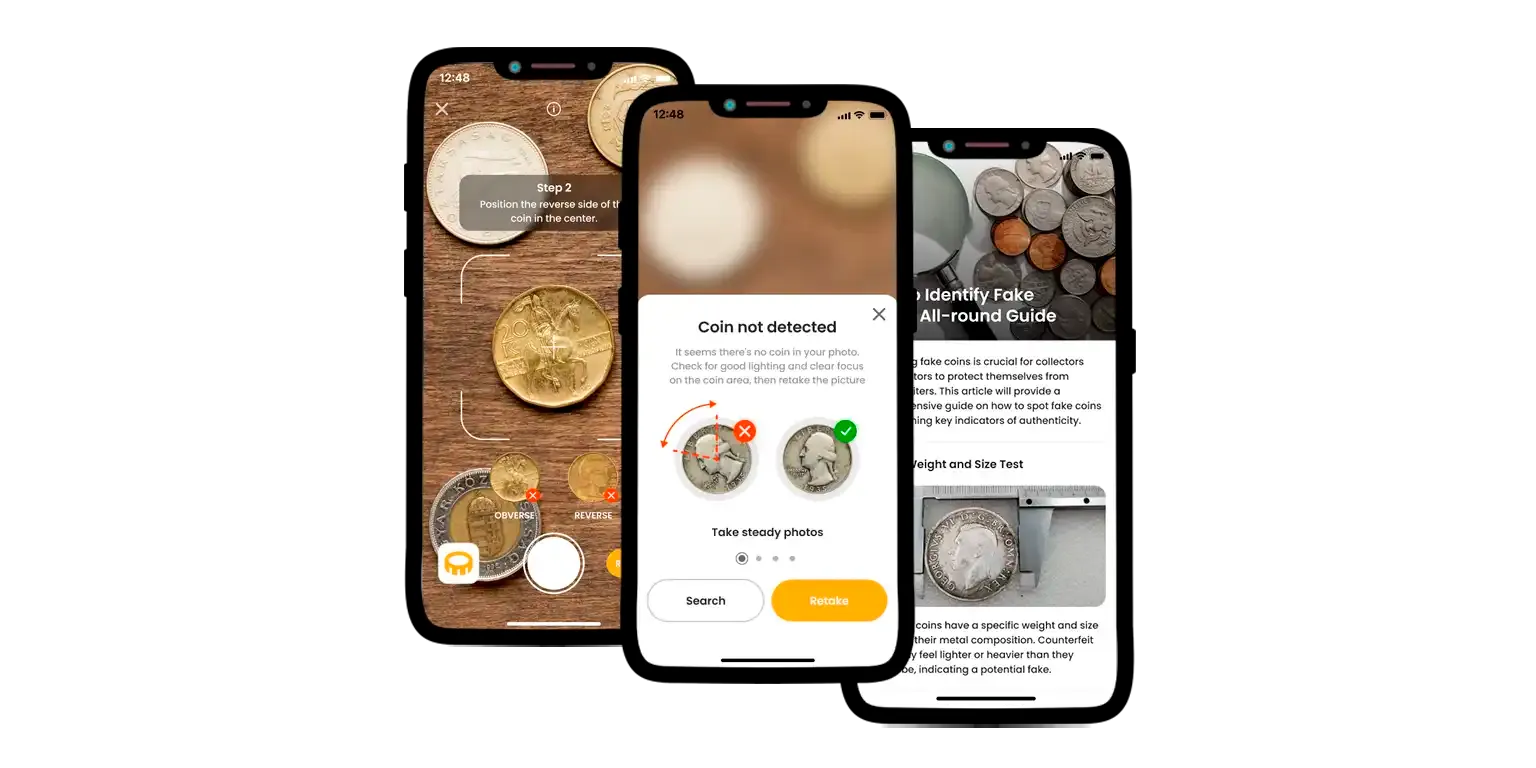
Coin ID Scanner is an app that lets you take or upload photos of coins to identify them using AI image recognition.
After a quick scan, the app provides such details about the coin as country, denomination, year, metal composition, rarity, and estimated value.
On top of that, the app includes a collection manager, allowing users to save images, track their collections, and monitor values.
Collecting has never been easier. You can download Coin ID Scanner for free on your Android or iPhone device. Perhaps now you’ll reach new heights as a collector.

 Facebook
  X (Twitter)
  Pinterest
  LinkedIn