Contents:
- Overview of Indian Head Pennies
- When Were Indian Head Pennies Made? Full Minting History
- Are Indian Head Pennies Worth Money Today?
- How Much Are Indian Head Pennies Worth? Value Explained
- Indian Head Pennies Value Chart by Year and Condition
- Top 25 Most Valuable Indian Head Pennies
- Rare Indian Head Pennies and Why They Are Valuable
- Grading Indian Head Pennies: How Condition Impacts Value
- Do Indian Head Pennies Have Mint Marks? What to Know
- Indian Head Pennies for Sale: Where Collectors Buy and Sell
- FAQs About Indian Head Pennies
Let us get straight to the point without any boring introduction or academic lecture. Old American cents represent a highly profitable asset class today.
What Indian Head pennies are valuable? Our charts show accurate prices while highlighting rare errors. Expect no fluff or pathetic descriptions here.
Only hard facts and actual prices matter.
Overview of Indian Head Pennies
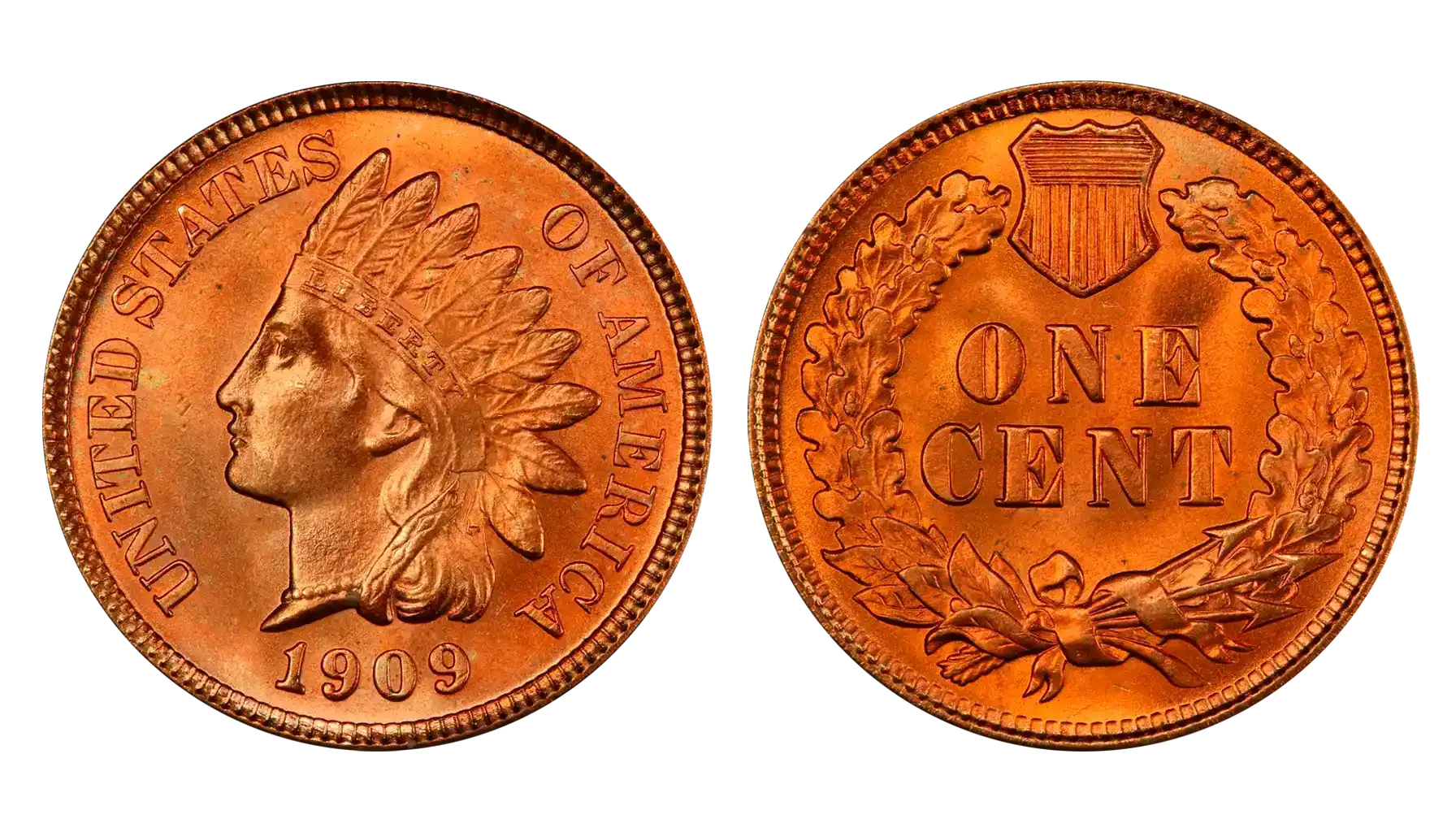
James Longacre, serving as the chief engraver of the United States Mint, designed these beautiful cents. A representation of Liberty wearing a traditional Native American feathered headdress features on the obverse.
These coins entered circulation to replace the heavy flying eagle cents.
What are Indian Head pennies made of?
Parameter | Value |
Diameter | 19.05 mm |
Weight of early coins minted from 1859 to 1864 | 4.67 grams |
Weight of late coins minted from 1864 to 1909 | 3.11 grams |
Metal of early issues | Copper 88 percent, nickel 12 percent |
Metal of late issues | Copper 95 percent, tin and zinc 5 percent |
Edge | Plain |
Checking every parameter on a highly accurate digital scale prevents buying counterfeits.
Any weight deviation exceeding one-tenth of a gram usually reveals a cheap fake.
The Philadelphia Mint produced almost the entire run of this series.
The San Francisco branch joined the production only at the very end of the series.
Analyzing the metal alloy represents the first crucial step in manual coin verification.
When Were Indian Head Pennies Made? Full Minting History
When did they start making Indian Head pennies? Production of these small cents started in 1859. Manufacturing continued without any interruption until 1909.
Alloy structures changed significantly during this fifty-year period.
A new collector might pluck a 1872 from circulation, but there were not many new collectors in the 1870s. What is the result? Look at Coin Market. Some of the proofs are actually priced lower than MS-65 business strikes. That should tell us something.
Today, interest in the series is primarily in dates from the early 1870s. The slightly later dates, such as 1876, receive relatively little attention.
– Numismatic News staff
Numismatic News
Early issues, made of a copper-nickel composition, had a distinct light appearance. U.S. Mint authorities suddenly transitioned to pure bronze in 1864.
Outbreak of the American Civil War caused this rapid change in production. Severe metal shortages forced the administration to alter the technological process. But what years were Indian Head pennies made?
Copper-Nickel Period from 1859 to 1864
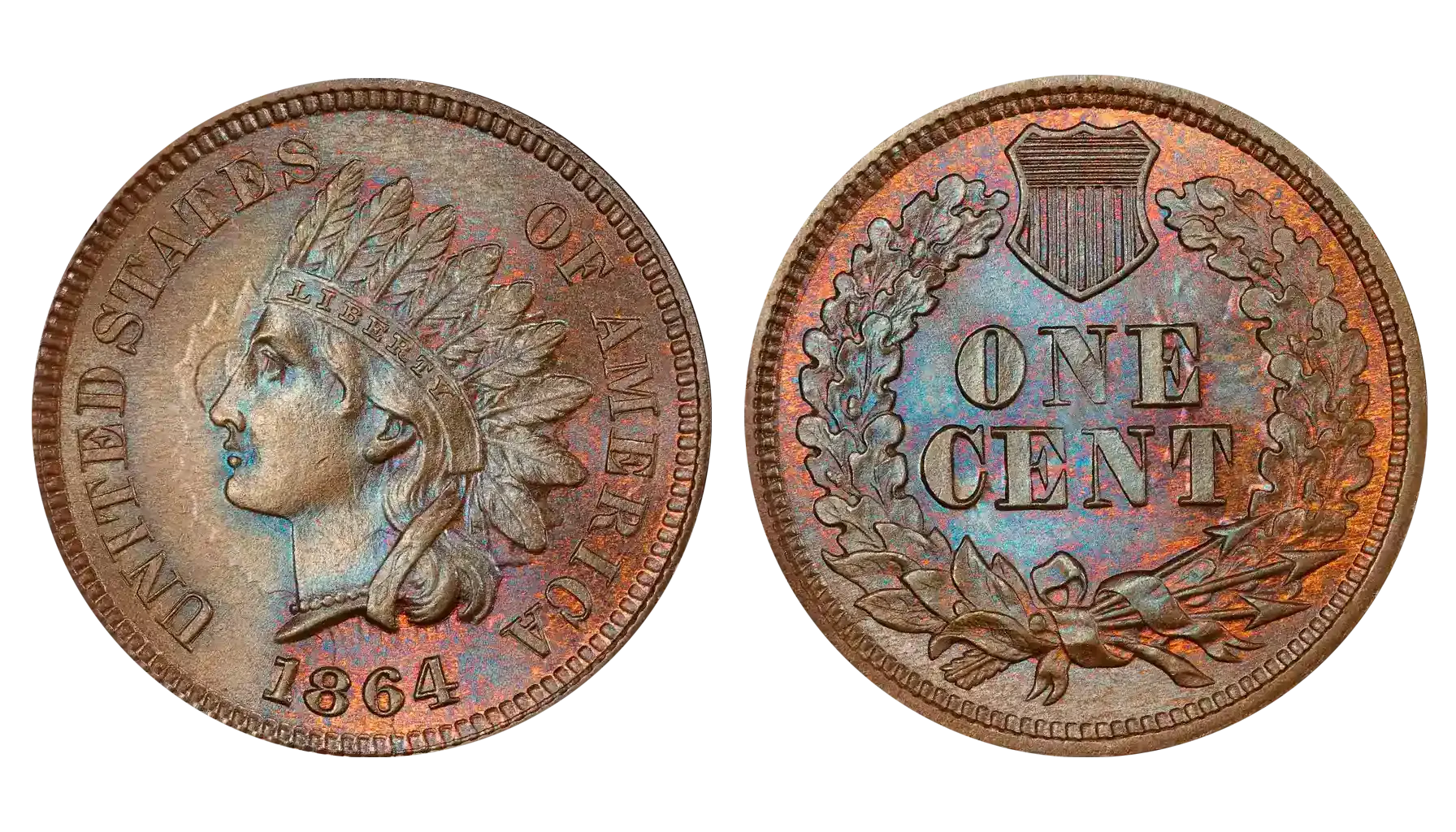
Mint workers used thick planchets during these initial years. Light color of the alloy led to the popular nickname white cent.
Early mintages remained massive to cover the shortage of small change in trade.
Bronze Era from 1864 to 1909
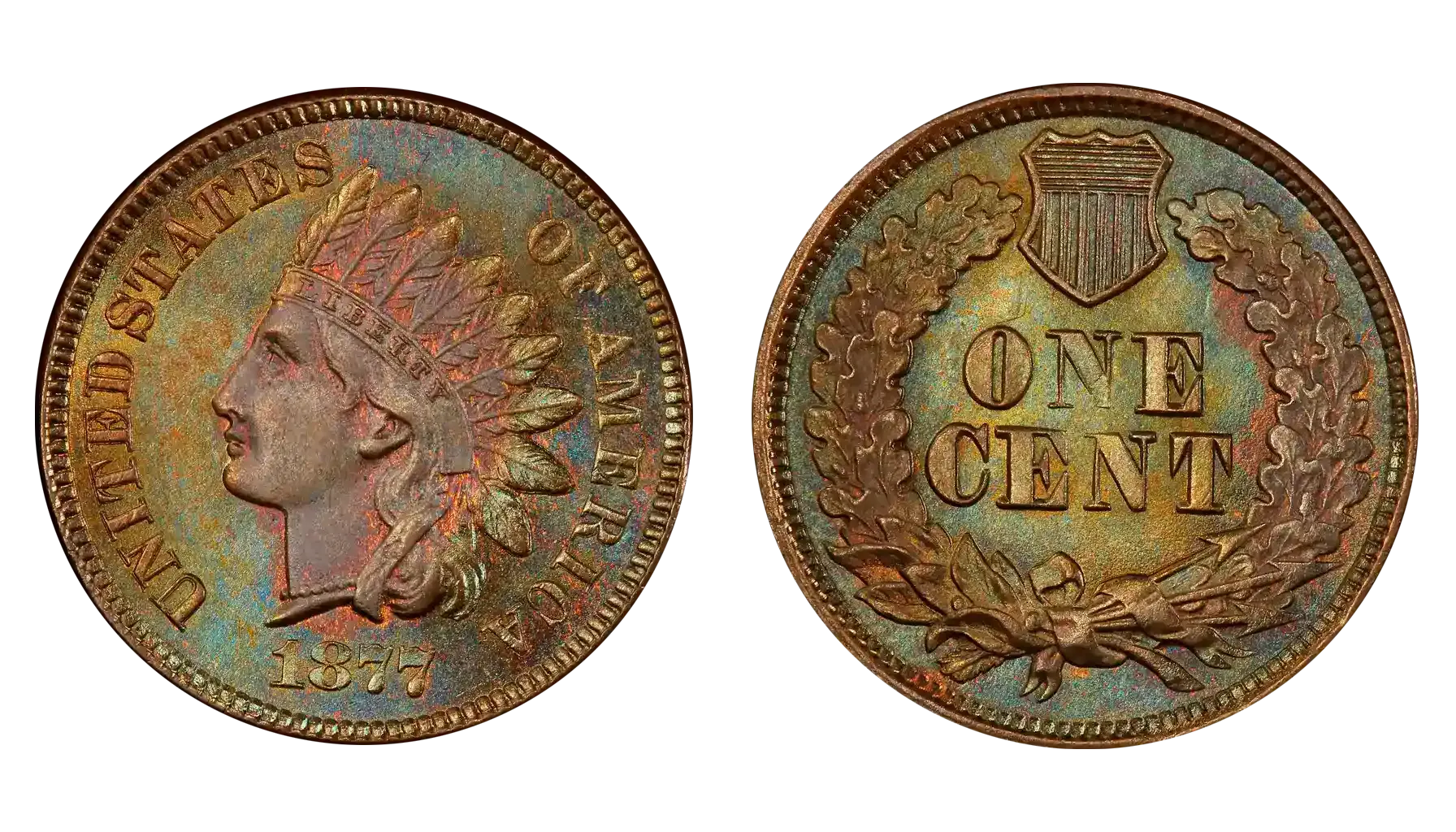
A new coinage act changed the official weight standards. Cents became significantly thinner and lighter. Engravers placed a tiny letter L on the ribbon of Liberty during this transition.
1859 to 1864 → Copper-nickel alloy → Weight of 4.67 grams
1864 → Transition period → Introduction of bronze coins
1864 to 1909 → Bronze alloy → Weight of 3.11 grams
Adopting bronze allowed the mint to lower manufacturing costs. When did they stop making Indian Head pennies? Production of this design ended permanently in 1909.
A new design featuring Abraham Lincoln replaced the feathered Liberty.
Are Indian Head Pennies Worth Money Today?
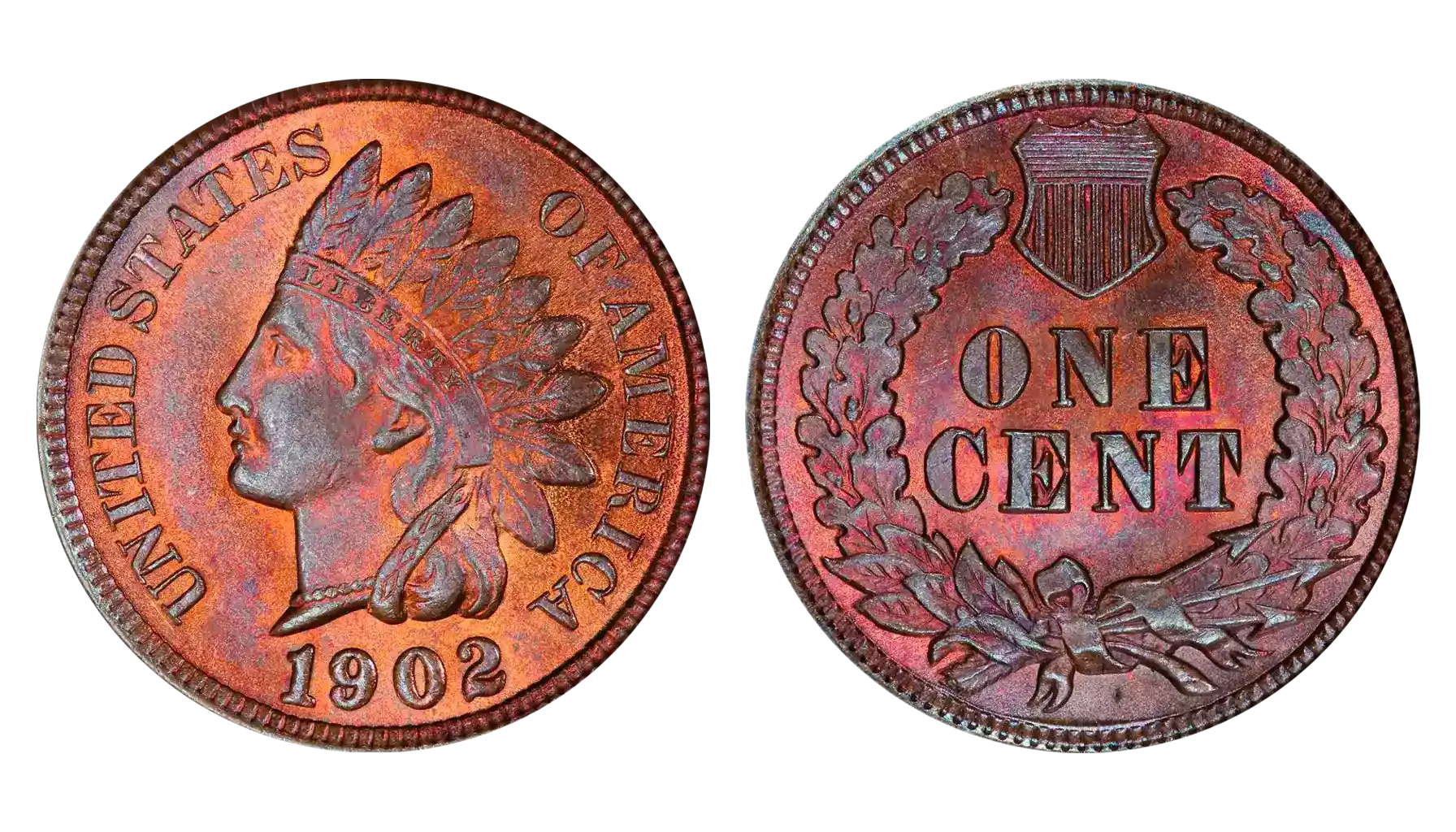
Every surviving specimen carries guaranteed material value Indian Head pennies.
Even common dates in worn condition sell for much more than one cent. Minimum price for any authentic coin starts at $2.00 today.
Factors determining the final price include mintage numbers and preservation levels. Available supply of high-grade coins decreases every single day. This shrinking supply naturally causes the price of Indian Head pennies increases for rare dates.
Market dynamics show a steady upward trend for key issues.
Average Price Trends for Common Dates
How much are Indian Head pennies worth today?
In 2024: $2.10
In 2025: $2.30
In 2026: $2.50
Annual price appreciation averages around ten percent. Specimens in uncirculated condition show even faster growth. Steady demand in American numismatics supports these stable numbers.
Every major auction transaction sets a higher benchmark for the entire market.
How Much Are Indian Head Pennies Worth? Value Explained
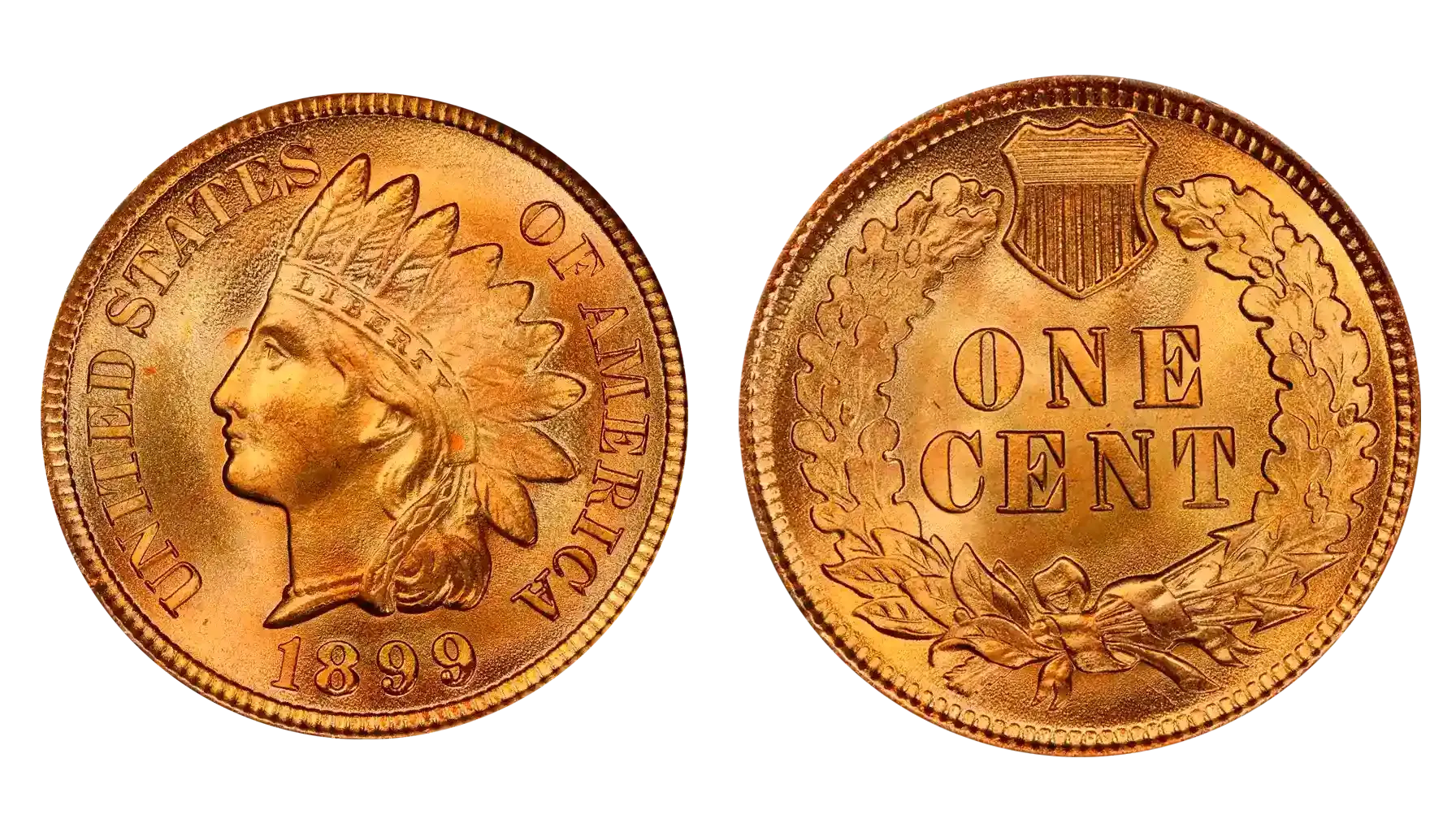
Individual value depends heavily on the physical condition of the metal.
Numismatists use the standard Sheldon grading scale ranging from 1 to 70 points. Heavy wear on high relief elements drastically reduces the final price.
Original mint luster increases the total coin value several times over. Understanding the pricing of bronze cents requires checking the natural patina.
Professionals distinguish three color categories.
Brown patina is designated as BN.
Red and brown patina is designated as RB.
Red patina is designated as RD.
Coins carrying the RD designation command the highest prices. The breakdown below shows price percentages based on color.
Patina BN → Base value of 100 percent
Patina RB → Value increase up to 150 percent
Patina RD → Value increase up to 300 percent or more
This color classification applies exclusively to uncirculated coins. Patina color does not play a significant role for heavily worn pieces. Traces of cleaning or artificial coloring cut the coin value in half.
Cleaned coins completely lose their appeal to serious buyers.
Indian Head Pennies Value Chart by Year and Condition
Values represent average market rates for the four primary 25 most valuable Indian Head pennies today grades.
Year of Issue | Value in Good | Value in Fine | Value in Extremely Fine | Value in Uncirculated |
1859 | $15 | $25 | $110 | $200 |
1860 | $10 | $20 | $65 | $100 |
1861 | $25 | $45 | $110 | $175 |
1862 | $10 | $20 | $50 | $75 |
1863 | $10 | $20 | $50 | $75 |
1864 Copper-Nickel | $20 | $40 | $100 | $150 |
1864 Bronze No L | $12 | $25 | $75 | $110 |
1864 Bronze with L | $65 | $150 | $300 | $500 |
1865 | $12 | $25 | $45 | $65 |
1870 | $80 | $220 | $400 | $500 |
1871 | $130 | $325 | $575 | $650 |
1872 | $100 | $370 | $575 | $700 |
1877 | $900 | $1550 | $2500 | $3000 |
1879 | $8 | $20 | $70 | $80 |
1885 | $8 | $15 | $65 | $80 |
1890 | $3 | $5 | $16 | $30 |
1900 | $2 | $5 | $10 | $20 |
1908-S | $90 | $125 | $175 | $250 |
1909-S | $450 | $600 | $750 | $850 |
These Indian Head pennies values represent wholesale price estimates subject to market changes.
Certified coins regularly sell for higher premiums. Rare varieties easily exceed these base values. Experts evaluate physical condition individually for every single transaction.
Top 25 Most Valuable Indian Head Pennies
Record auction prices belong to coins in superb condition. So, what Indian Head pennies are worth money?
Rank | Year of Issue | Mint Mark | Variety or Grade | Record Price | Auction Date |
1 | 1905 | None | Struck on a gold planchet | $253000 | 2010 |
2 | 1859 | None | Double-headed obverse | $195500 | 2008 |
3 | 1864 | None | L on Ribbon Proof 65 | $161000 | 2011 |
4 | 1877 | None | MS66 Red | $149500 | 2007 |
5 | 1900 | None | Struck on a gold planchet | $141000 | 2014 |
6 | 1872 | None | MS66 Red | $126500 | 2007 |
7 | 1899 | None | MS68 Red | $108000 | 2019 |
8 | 1897 | None | Proof 67 Plus | $108000 | 2021 |
9 | 1909 | S | MS67 Red | $97750 | 2006 |
10 | 1890 | None | MS67 Plus Red | $91062 | 2020 |
11 | 1862 | None | Type 3 MS66 | $86693 | 2022 |
12 | 1869 | None | MS66 Plus Red | $84000 | 2019 |
13 | 1888 | None | 88 over 87 MS63 | $74750 | 2020 |
14 | 1868 | None | MS66 Plus Red | $72000 | 2019 |
15 | 1873 | None | Doubled Liberty MS65 RB | $69000 | 2005 |
16 | 1864 | None | Bronze Proof 65 | $18739 | 2021 |
17 | 1866 | None | Proof 66 | $15860 | 2022 |
18 | 1875 | None | Proof 65 | $19463 | 2023 |
19 | 1871 | None | Proof 65 | $8398 | 2020 |
20 | 1859 | None | Proof 65 | $8183 | 2022 |
21 | 1867 | None | Proof 65 | $7200 | 2019 |
22 | 1874 | None | Proof 65 | $7156 | 2021 |
23 | 1861 | None | Proof 65 | $30500 | 2021 |
24 | 1870 | None | Shallow N MS65 | $6146 | 2020 |
25 | 1894 | None | Doubled Date MS65 | $6000 | 2019 |
Major US auction houses handle these premium transactions. Most key dates for Indian Head pennies possess official certificates from top grading services.
Verifying coin authenticity without professional slabbing remains impossible. Buyers gladly pay enormous sums for pristine metal surfaces.
Rare Indian Head Pennies and Why They Are Valuable
This section details the primary key dates of the series. Each major variety has a unique historical background.
1877 Indian Head Penny
This coin represents the ultimate key date of the entire series. Economic depression after the Civil War caused mintages to plunge.
Philadelphia Mint released a mere 852500 pieces. Most coins quickly wore down during active circulation. Are Indian Head pennies valuable?
In 2024: $900 in low-grade
In 2025: $950 in low-grade
In 2026: $1000 in low-grade
Annual value increase remains around five percent. High collector demand drives this continuous price growth. Uncirculated examples are practically non-existent on the open market.
1909-S Indian Head Penny
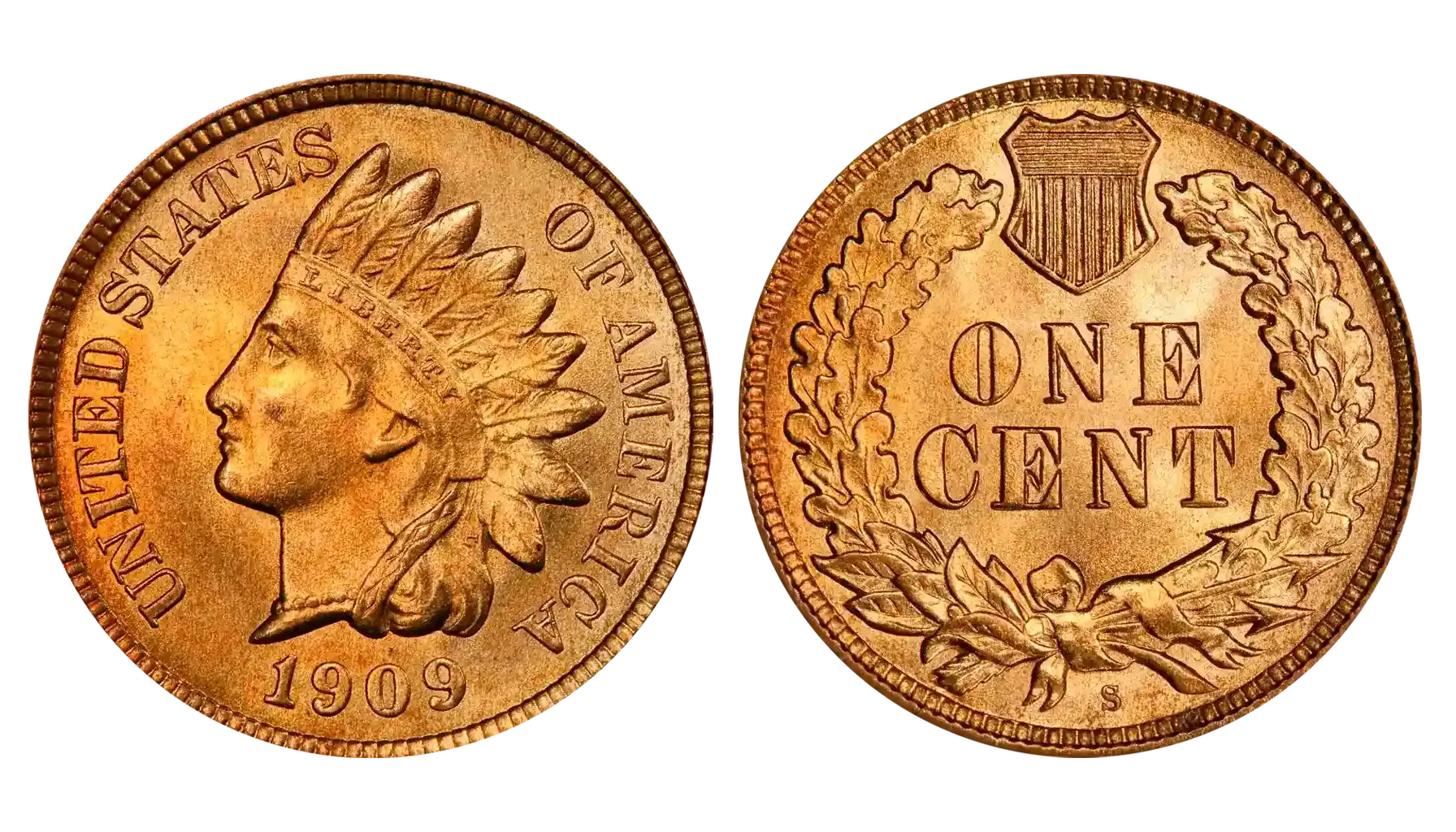
The final year of production included a tiny run in San Francisco.
Mintage reached only 309000 pieces. This represents the lowest official mintage for any regular issue in the series. A tiny letter S on the reverse makes this coin highly sought after.
In 2024: $450 in Good grade
In 2025: $480 in Good grade
In 2026: $510 in Good grade
Annual price appreciation holds steady at six percent. Historical status as the final branch mint issue keeps demand high.
MS65 Red examples easily command tens of thousands of dollars.
1864 L on Ribbon
James Longacre placed his initial letter L on the ribbon in late 1864. This microscopic detail wears away very quickly during use.
Clear visibility of the letter L multiplies the coin value. Using a strong magnifying glass or Coin ID Scanner is necessary to spot the initial.
In 2024: $280 in Extremely Fine grade
In 2025: $310 in Extremely Fine grade
In 2026: $340 in Extremely Fine grade
Strong popularity of this variety generates a ten percent annual value growth. Sharp details on the headdress bring the highest bids.
1873 Doubled Liberty
A major hubbing error created a prominent doubling of the word LIBERTY. Defective dies caused this distinct visual anomaly. Using a loupe makes the doubling easily visible.
In 2024: $250 in average condition
In 2025: $270 in average condition
In 2026: $300 in average condition
Mint State examples sell for massive sums at public auctions. Value growth for error coins consistently outpaces regular business strikes.
1888/7 Overdate
An extremely rare variety features an 8 punched over a 7 in the date. Mint workers used a leftover 1887 die to produce the next year's coins.
Traces of the underlying 7 are visible near the bottom of the final 8.
In 2024: $1200 in Fine grade
In 2025: $1350 in Fine grade
In 2026: $1500 in Fine grade
Annual price growth averages eleven percent. Finding this variety in raw coin lots is exceptionally difficult.
Grading Indian Head Pennies: How Condition Impacts Value
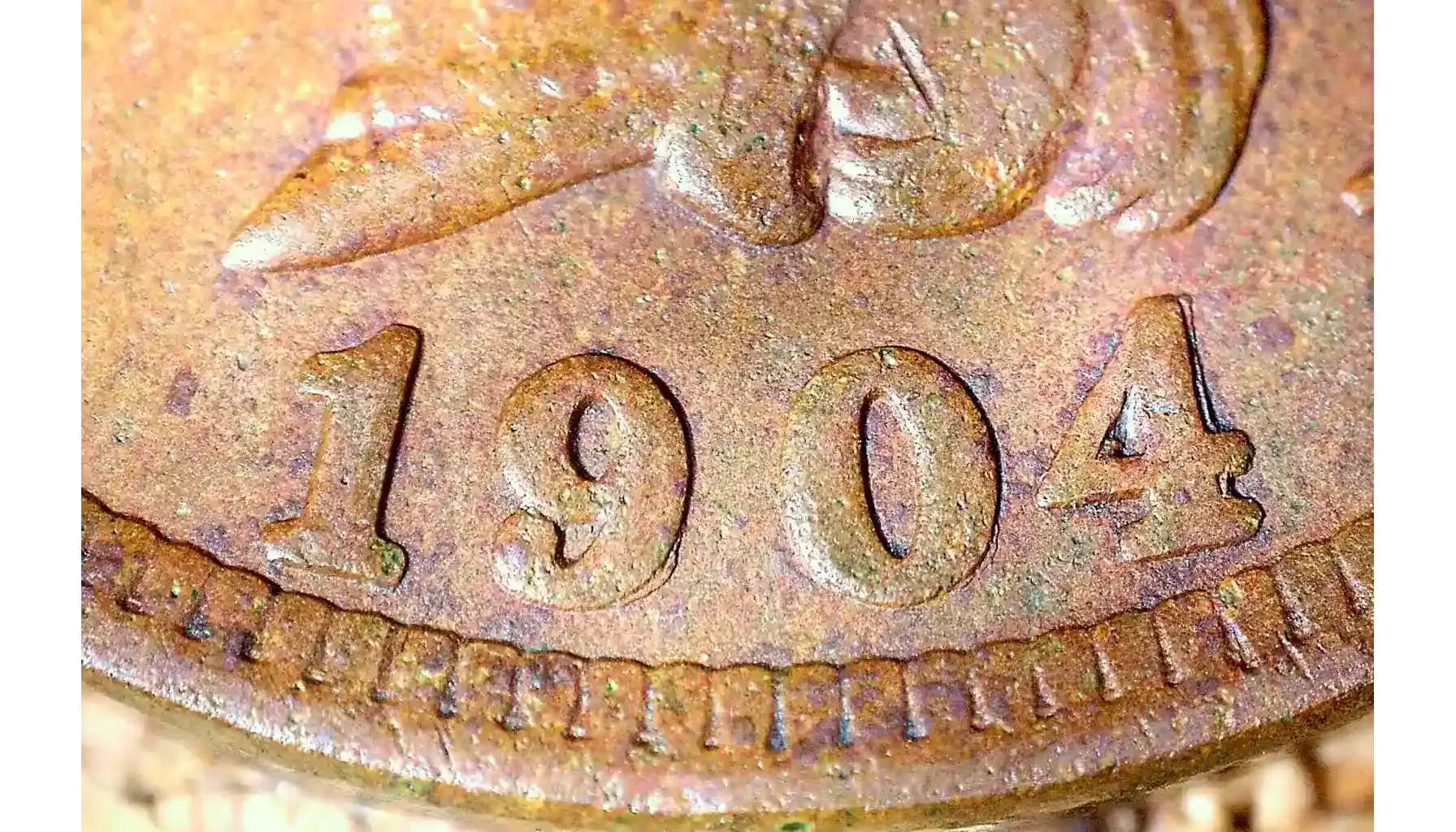
Accurate valuation requires objective determination of physical wear. Numismatists call this evaluation process grading.
Grading relies on standardized visual criteria.
Good G-4 Grade
Heavy wear covers the entire surface. Most design details have merged together.
Date and legends remain completely readable. Rims might show partial merging with the fields.
Fine F-12 Grade
Even wear shows across all raised areas. Feathers on the headdress show clear separation. Letters of the word LIBERTY remain partially readable.
Details show slightly rounded edges.
Extremely Fine EF-40 Grade
Only light wear shows on the highest points of the design. Feather tips and hair strands remain sharp. Every letter of the word LIBERTY shows clearly with sharp edges.
Traces of original mint luster remain visible in protected areas.
Mint State MS-60 and Above
No trace of wear exists on the coin surface. Full original mint luster covers the fields.
Minor bag marks or hairline scratches are acceptable. Value reaches maximum levels for these pristine pieces.
Do Indian Head Pennies Have Mint Marks? What to Know
Where is the mint mark on Indian Head pennies? Most coins in this series lack any mint marks. Philadelphia Mint produced almost the entire run.
Regulations of that era did not allow mint marks on Philadelphia issues. A legislative change near the end of the series altered this rule.
A new law passed in 1906 permitted minor coin production at branch mints. San Francisco Mint immediately began producing bronze cents.
Mint marks appeared on issues of 1908 and 1909. A tiny letter S represents the branch mint mark.
Finding the S requires looking under the oak wreath on the reverse. The S mint mark dramatically increases coin value.
Check this price comparison for Fine grade:
1908 without mint mark: $2.00
1908-S with S mark: $125.00
Low mintage of the San Francisco issue explains this massive price difference. This historic branch mint production makes these issues highly collectible.
Indian Head Pennies for Sale: Where Collectors Buy and Sell
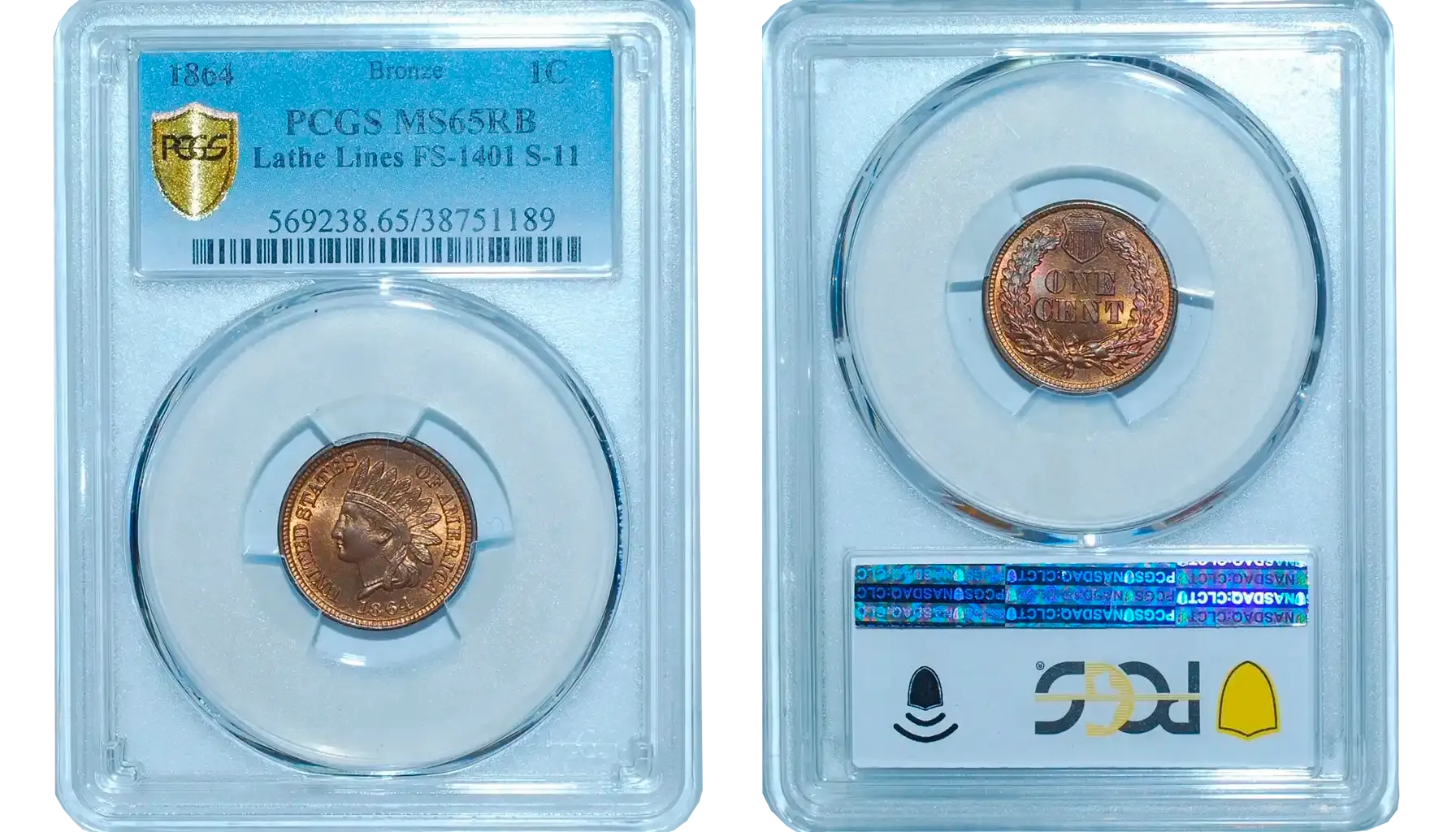
Trading historic coins requires using verified commercial venues. This minimizes the danger of acquiring counterfeit pieces.
Specialized Auctions
High-value transactions happen through major auction firms. Heritage Auctions and Stack's Bowers represent the industry leaders.
Auctions guarantee the authenticity of every listed lot. Professional numismatists examine all coins before bidding starts.
Certified Coin Dealers
Buying from established dealers offers excellent safety. Members of professional organizations value their market reputation.
Dealers offer lifetime authenticity guarantees on sold items. Retail prices usually align with current catalog values.
Online Marketplaces
The Indian Head pennies for sale on eBay serve as a popular venue for inexpensive coins.
Checking seller feedback is essential before making purchases. To buy Indian Head pennies housed in certified plastic slabs is highly recommended.
Slabs must come from respected grading services. Professional Coin Grading Service and Numismatic Guaranty Company are the top choices.
Determining coin grades from raw photos often leads to financial losses.
FAQs About Indian Head Pennies
How much are Indian head pennies worth?
Common worn pieces sell for around $2.00. Key dates in pristine condition easily exceed $100000 at auction.
What year Indian Head pennies are valuable?
The 1877 and 1909-S issues represent the most valuable years. Early civil war era issues also carry premium values. Error varieties like the 1873 and 1888 overdates are highly prized. Proof issues enjoy special status among elite buyers.
What makes an Indian Head Penny rare?
Low survival rates of high-grade specimens also create scarcity. Die errors during production create additional scarce varieties. Poor storage conditions easily destroy original mint surfaces
What are the most common grades for Indian Head pennies?
Most existing coins fall into Good or Very Good grades. Long circulation periods caused this widespread wear. Mint State examples are incredibly difficult to find. Locating an uncirculated piece represents a major success for any collector.
What year do Indian Head pennies have mint marks?
Only issues of 1908 and 1909 carry branch mint marks. The letter S denotes production at the San Francisco Mint. All other issues in the series have no mint marks. Philadelphia Mint produced all unmarked cents.
What year did they stop making the Indian Head penny?
Production of this design ended permanently in 1909. The U.S. Mint transitioned to the Lincoln design mid-year. Both designs were struck during that transitional year. This change ended a fifty-year era of the Indian Head design.
What are the key dates for Lincoln Wheat pennies?
The 1909-S VDB and 1914-D represent the primary key dates of the next series. The 1931-S issue also commands high prices.
What are the different varieties of Indian Head pennies?
Type 1 was struck only in 1859, featuring no shield on the reverse. Type 2 copper-nickel cents with a shield were struck from 1860 to 1864. Type 3 bronze cents were manufactured from 1864 to 1909.

 Facebook
  X (Twitter)
  Pinterest
  LinkedIn