Contents:
The gold content in coins is monitored by entire companies of collectors in order not to miss a valuable specimen.
And while some are tracking rare collectible American tokens, others are going further and searching among the global currency.
History buffs know who had the most gold at one time and immediately narrow down the search to gold dirhams, and if there is not enough knowledge and it is generally difficult to understand how to work with such coins, then you can find out all the details through a coin scanner online.
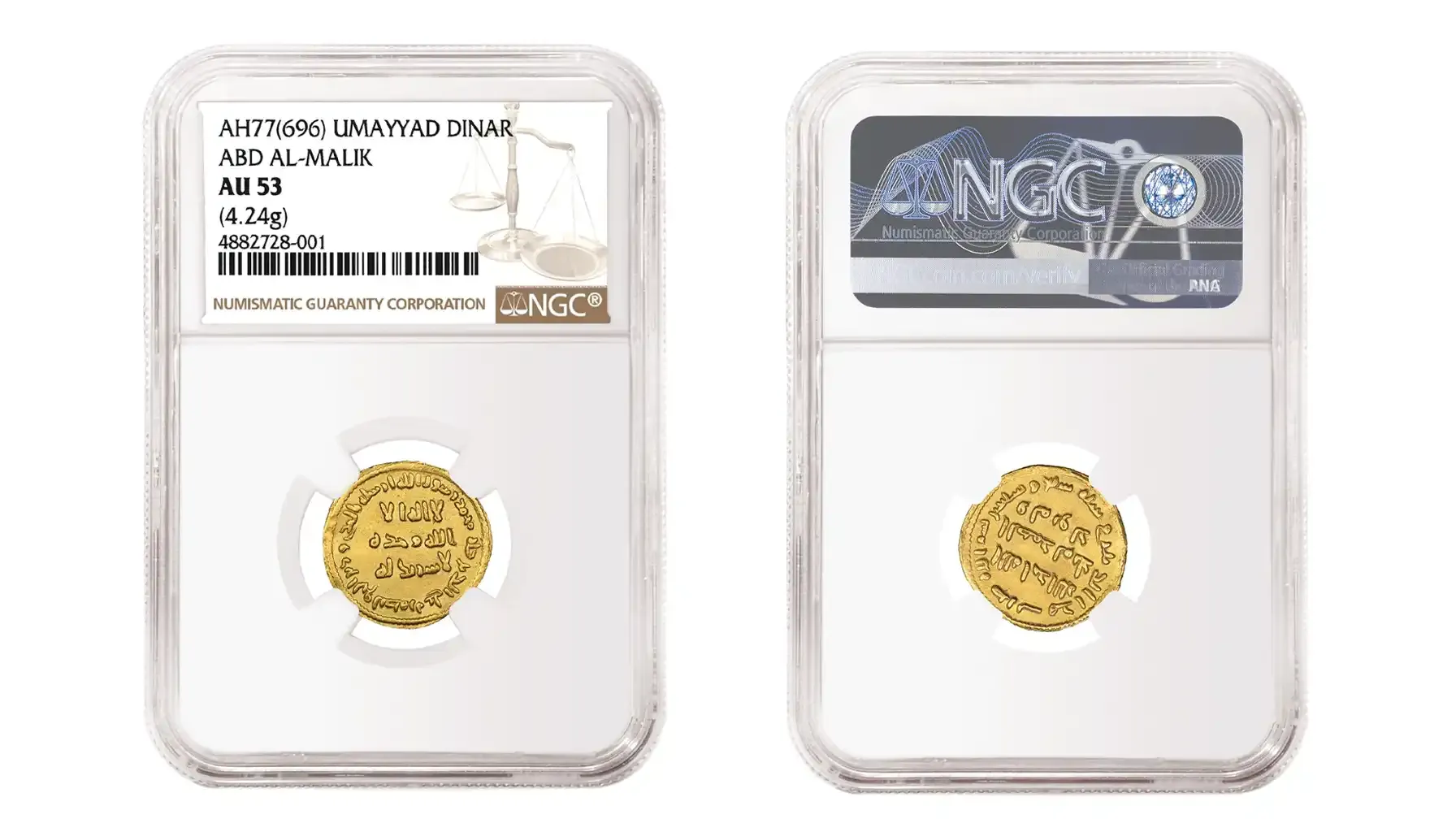
What Is a Gold Dinar?
The word "dinar" comes from the Latin Denarius — an ancient Roman silver coin.
The main features were strictly fixed weight and high level of gold purity; this strict control ensured its wide acceptance and stability in the economy.
Political Significance: Religious words and the name of the governor on gold pieces, attesting to the independence of the state.
Historical Origins of the Gold Dinar
The golden dinar history is closely linked to how money was used in the Mediterranean and the Middle East before the Islamic State was fully formed.
Pre-Islamic Money Forms
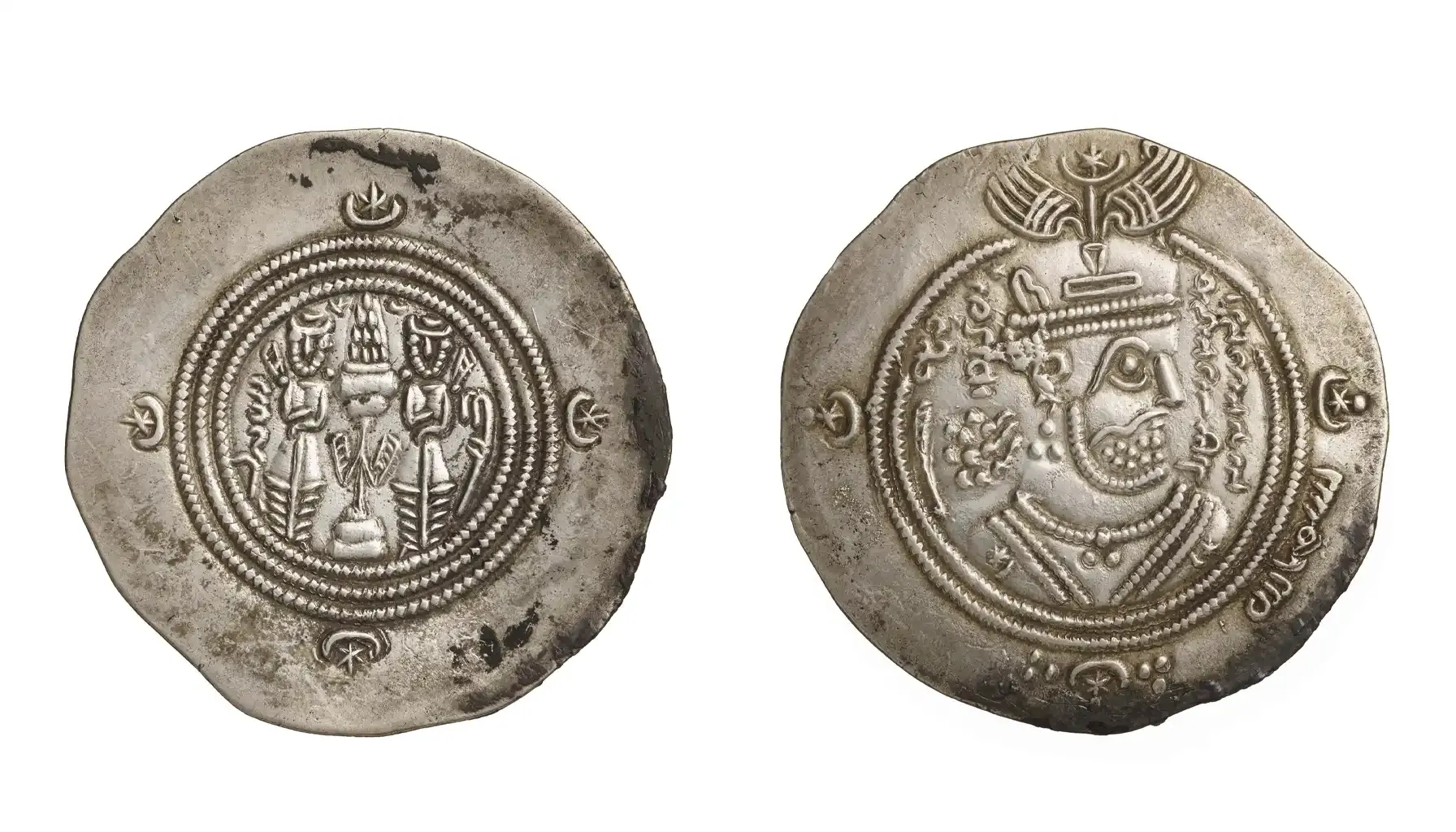
Until the 7th century, the lands of the Arab Caliphate used the currency of two major powerful states: the Byzantine Empire and the Persian Sassanid Empire.
The Byzantine one was the Solidus, depicting the Byzantine emperors and Christian symbols.
The Sassanid Empire used a system of silver pieces — Drachmas for the Islamic silver dirhams.
Early Islamic Use
In the first decades of the caliphate, Muslim rulers did not immediately start minting their own coins and instead continued to use used coins.
On Byzantine Solidus coins, early caliphs sometimes added Arabic script or Islamic symbols such as the Bismillah.
However, the images of the emperors and Christian crosses did not remain on the coins for long — these early coins, called "Arab-Byzantine" and "Arab-Sassanian".
The need to produce a fully Islamic coin, which should not have images of non-Muslim rulers, became a great religious and political need under the rulers of the Umayyad dynasty.
The Umayyad Gold Dinar
The complete transition to the fully Islamic dinar gold occurred during the reign of the fifth caliph of the Umayyad dynasty, Abd al-Malik ibn Marwan.
Abd al-Malik's Reform (696–697 AD)
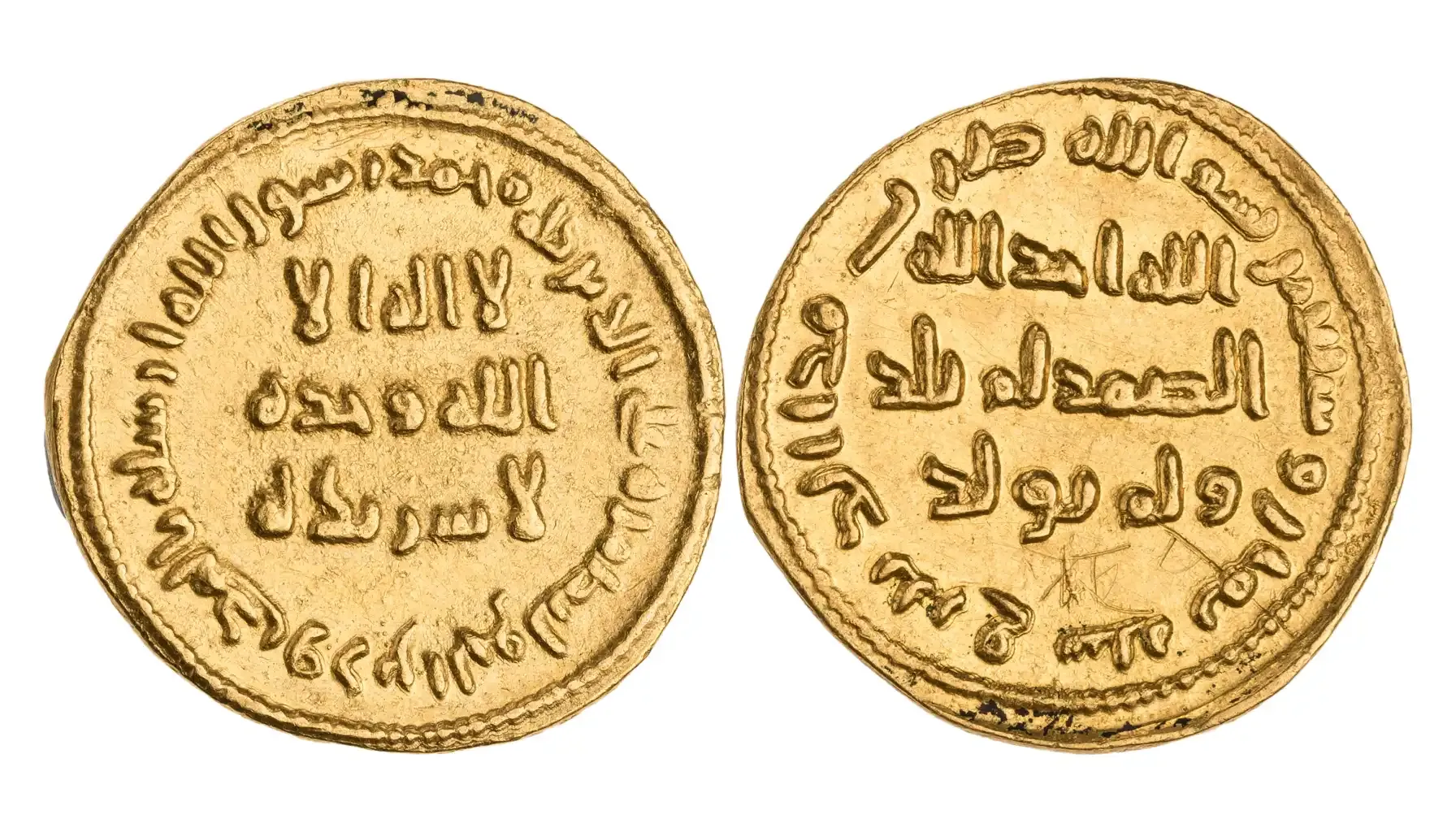
Caliph Abd al-Malik ordered the manufacture of a new set of gold coins that were completely different from the old Byzantine and Persian designs.
The biggest change was the complete removal of all images of people and animals from coins — it is forbidden to use images of living beings for public use.
Instead of drawings on the dinars, only inscriptions in Arabic were applied — fragments from the Koran.
The strict rule of the official weight is 4.25 grams, and the weight of each coin had to be accurate so that people would trust the money.
On the obverse — Shahada, on the reverse was the name of the Сaliph, as well as the place and year of manufacture of the coin.
Value of the Gold Dinar
The value of an Islamic State Gold Dinar was determined by three main factors: the accuracy of its weight, the purity of the metal, and how it compared to a silver dirham.
“We have recently learned that one of the world’s rarest and most highly-prized of all Islamic gold coins, or any coin, was sold by specialist auctioneers Morton & Eden in London on Thursday, Oct. 24 for an outstanding £3,720,000 million (over $4 million USD.)
Measuring a mere 20mm across, about the size of a modern £1 piece, the gold coin, an Umayyad dinar, dated 105h (723CE) from the first dynasty of Islam, was bought after fierce bidding by an anonymous bidder over the telephone.”
— Numismatic News Staff
Numismatic New
Weight and Purity
The basic weight of such dinar was 4.25 g.
Any slight difference from this was considered a very serious problem.
Gold dinars were made of very high-grade gold, usually weighing from 22 to 24 karats, the ideal coin would have a gold purity of 96-98 percent.
Relation to the Dirham
In a two-metal-based monetary system, the value was pegged to the value of a silver dirham — the religious laws set the ratio between gold and silver at 1:10 or 1:12 by weight.
For example, if the ratio was 1:10 by weight, then one dinar was about 14 dirhams.
Uses in the Economy:
The dinar was used to purchase large properties and pay large government taxes.
The dinar was the standard monetary unit used to calculate and pay Zakat, and this money was used to help the poor.
Gold dinars accounted for most of the government's monetary savings.
Conclusion
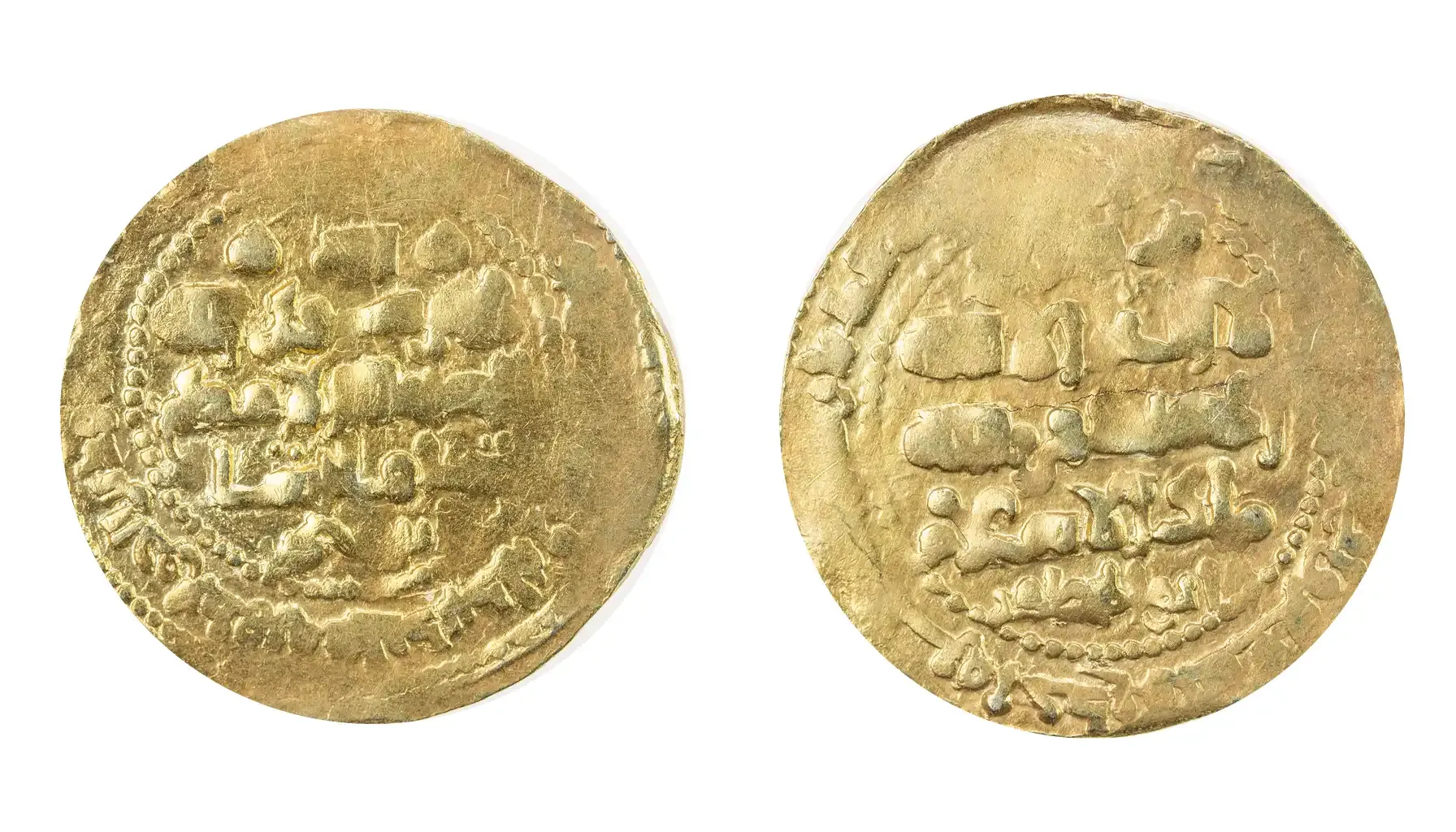
So, now you may not be surprised when you see the high price tag on a collectible coin because these dirhams are sold for a lot of money.
Let's be honest, the probability of finding such tokens on the local market is unlikely, but nevertheless, anything can happen, and if you see such a gold currency for a pleasant price — buy it soon.

 Facebook
  X (Twitter)
  Pinterest
  LinkedIn