Contents:
Gold remains one of the most attractive and durable materials in the history of mankind. It underlies finance, technology, art, and culture. Civilizations have revered it as a symbol of wealth, power, and divinity throughout history.
The Egyptians, Greeks, and Romans used metal extensively in jewelry, art, and as a medium of exchange. Its scarcity and durability made it an ideal form of currency and a store of value.
What is the chemical symbol for gold? Are the most valuable coins made of this material? The best coin value checker app will help you answer all your questions about this precious metal.
Metal: Nature’s Most Precious Element
This precious metal refers to a chemical element. Its chemical symbol for it is equals Au (from Latin aurum). It belongs to group 11 and has atomic number 79.
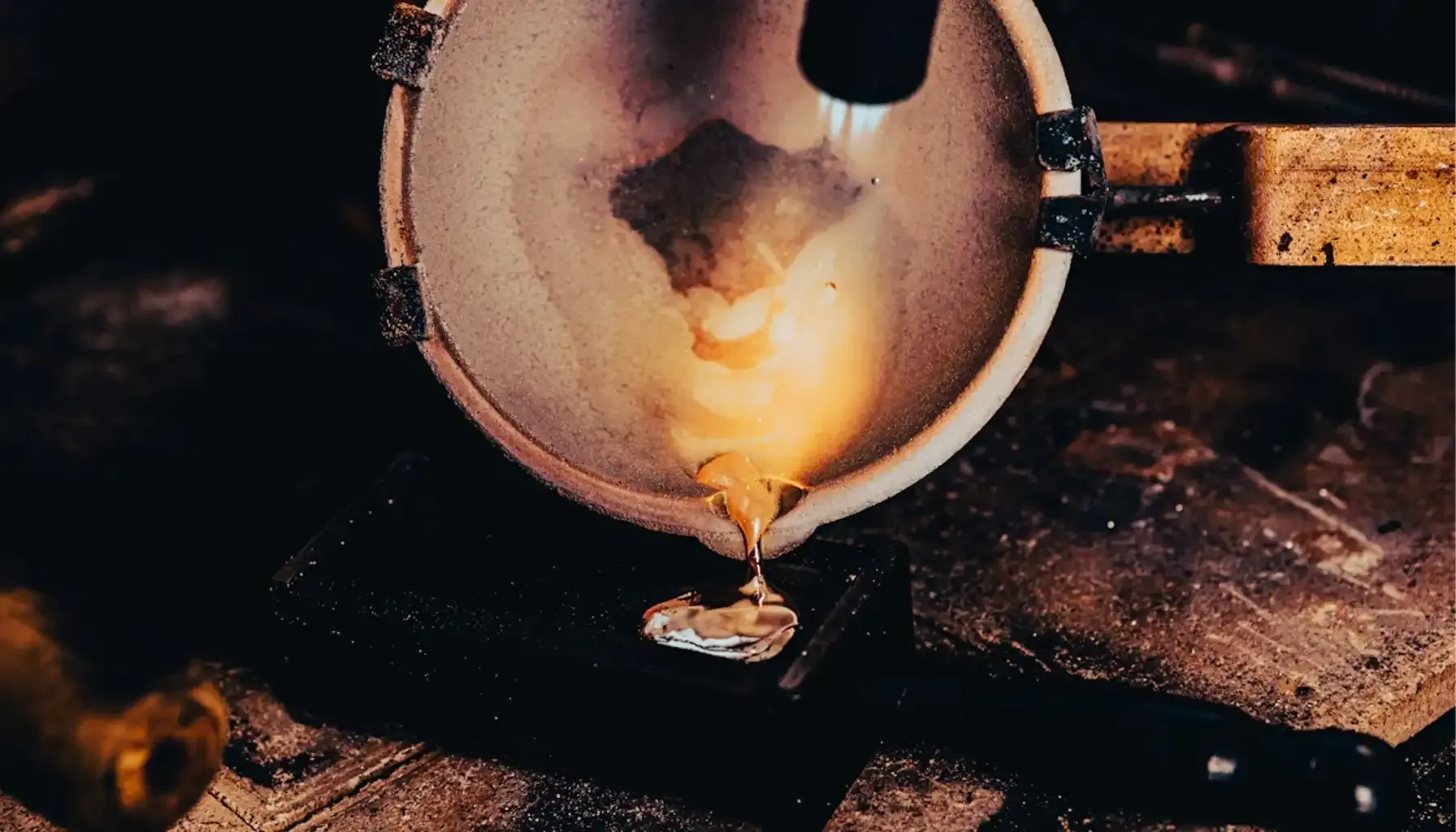
Pure material carries a bright orange-yellow color. It contrasts with metals that oxidize and darken. In its pure state it resists corrosion, reagents, and air. It remains malleable and ductile, so a small piece bends or stretches rather than breaks.
Melting Point | 1.064.18 °C (1.947.52 °F) |
Boiling Point | 2.970 °C (5378 °F) |
Density | 19.283 g/cm3 at 20 °C |
Atomic Weight | 196.967 u |
What is gold made of? In elemental form, it is pure atoms bonded in a metallic crystal. In real objects, artisans sometimes alloy it with Silver or Copper for hardness and color variation. For example, 18-Karat often contains 75% gold and 25% other metals. These characteristics influence what is the gold price today.
Because it resists reaction under ambient conditions, it acts as a stable reference. It dissolves only in aggressive mixtures (e.g. aqua regia).
Historical Impact
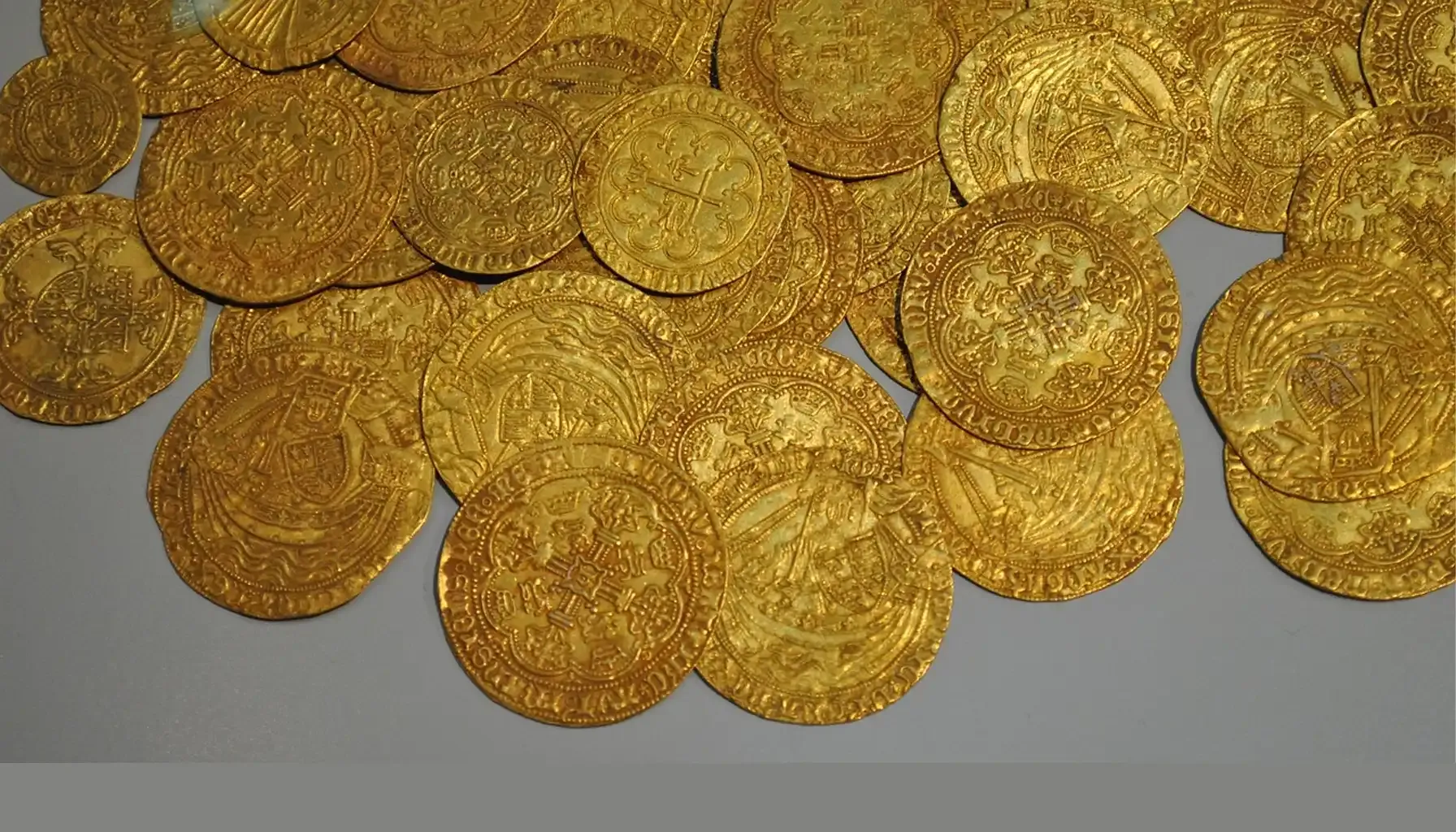
Gold shaped human civilization from its earliest recorded history. Ancient societies in Mesopotamia, Egypt, and the Indus Valley mined and traded it long before the invention of coinage.
From the pharaohs to new explorations and conquests, empires expanded trade routes to find new sources of it. Spanish expeditions crossed the oceans in search of jewelry, which became the basis of early monetary systems.
A gold standard emerged that anchored global finance for more than a century. It has profoundly influenced politics, culture, and what is price of gold in the economy.
Metal Types
Pure (24-Karat): contains 99.9% gold, naturally deep rich yellow color, very soft. Uses in investment bullion and high-end jewelry where maximum purity matters.
Alloyed (Less than 24K): To improve hardness and change color, it is mixed with other metals such as silver, copper, nickel, or palladium.
Karat | Percent | Uses |
22K | 91.6% | Jewelry, coins |
18K | 75% | Fine jewelry, watches |
14K | 58.3% | Everyday jewelry |
10K | 41.7% | Budget jewelry |
Colored: Different alloys create distinct colors. To know what is the price of gold right now – look at your valuable item.
Yellow – Gold, Copper and Silver.
White – Gold, Nickel or Palladium.
Rose (Red) – Gold and Higher Copper content.
Green – Gold and Silver.
Gold-Plated and Filled
Gold-Plated: Thin gold layer electroplated onto a base metal; inexpensive but wears off over time.
Gold-Filled (Rolled Gold): Thicker gold layer bonded to base metal; more durable than plating.
Vermeil: Sterling silver coated with gold; used for premium decorative pieces.
Investments
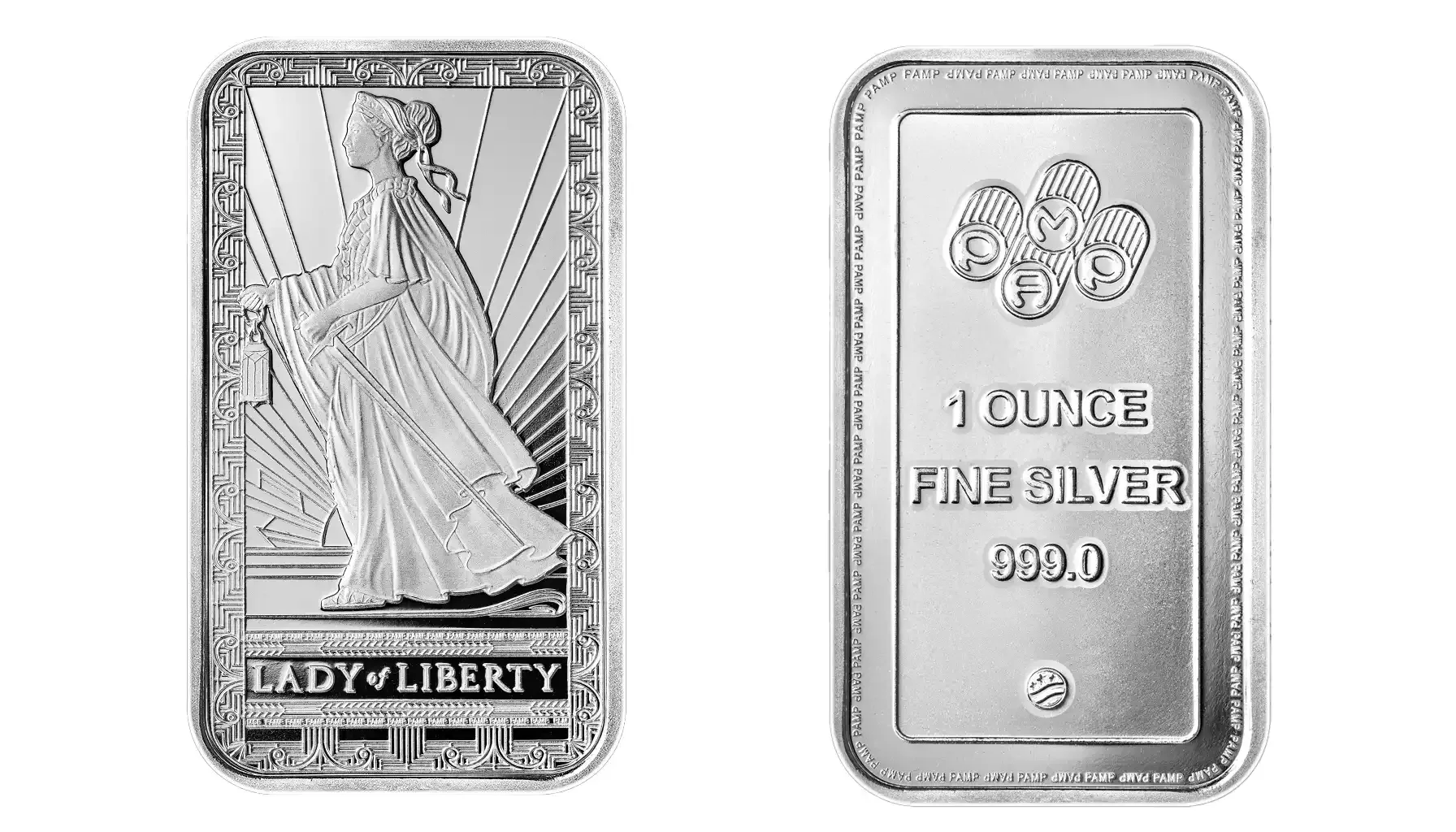
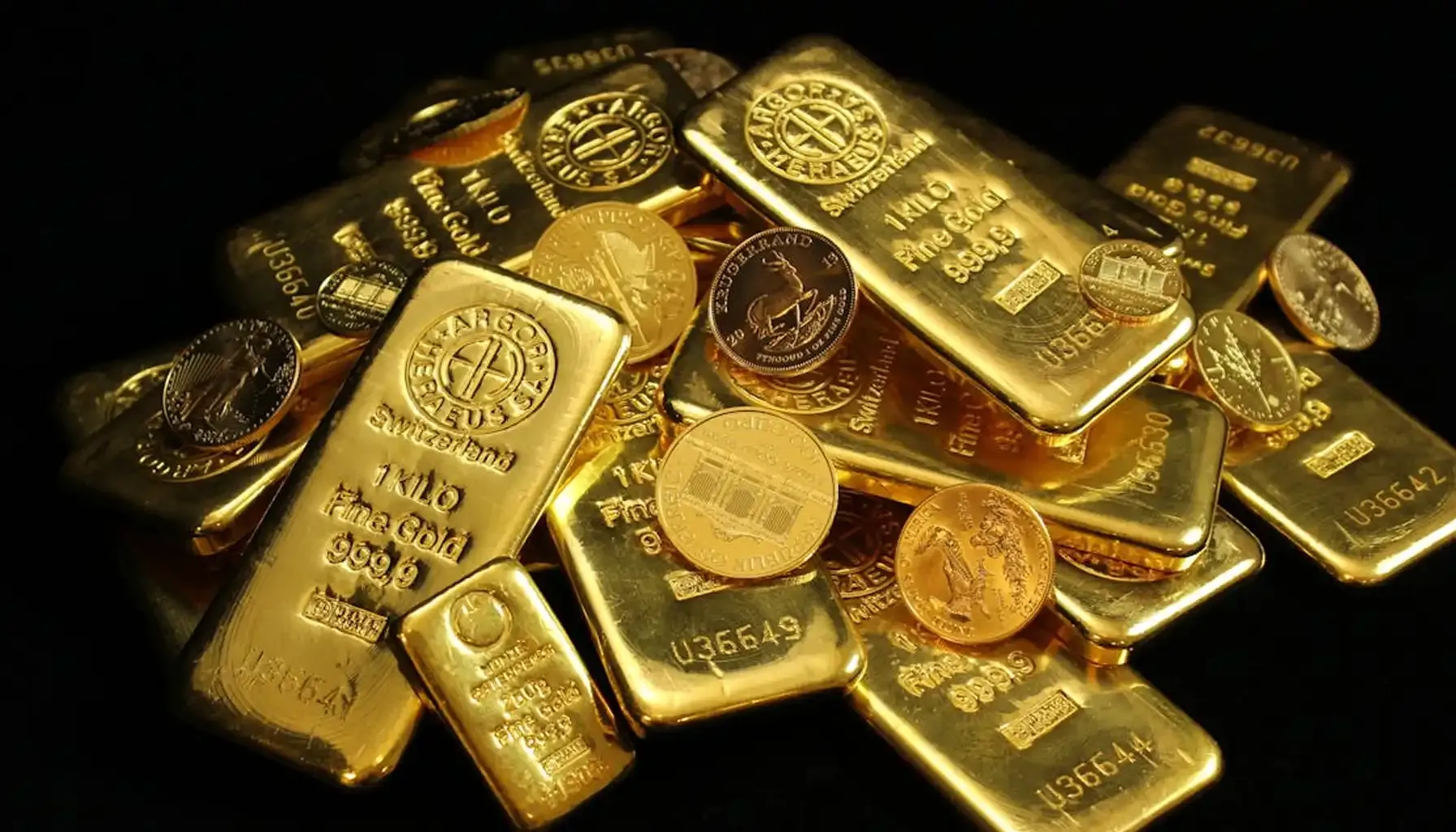
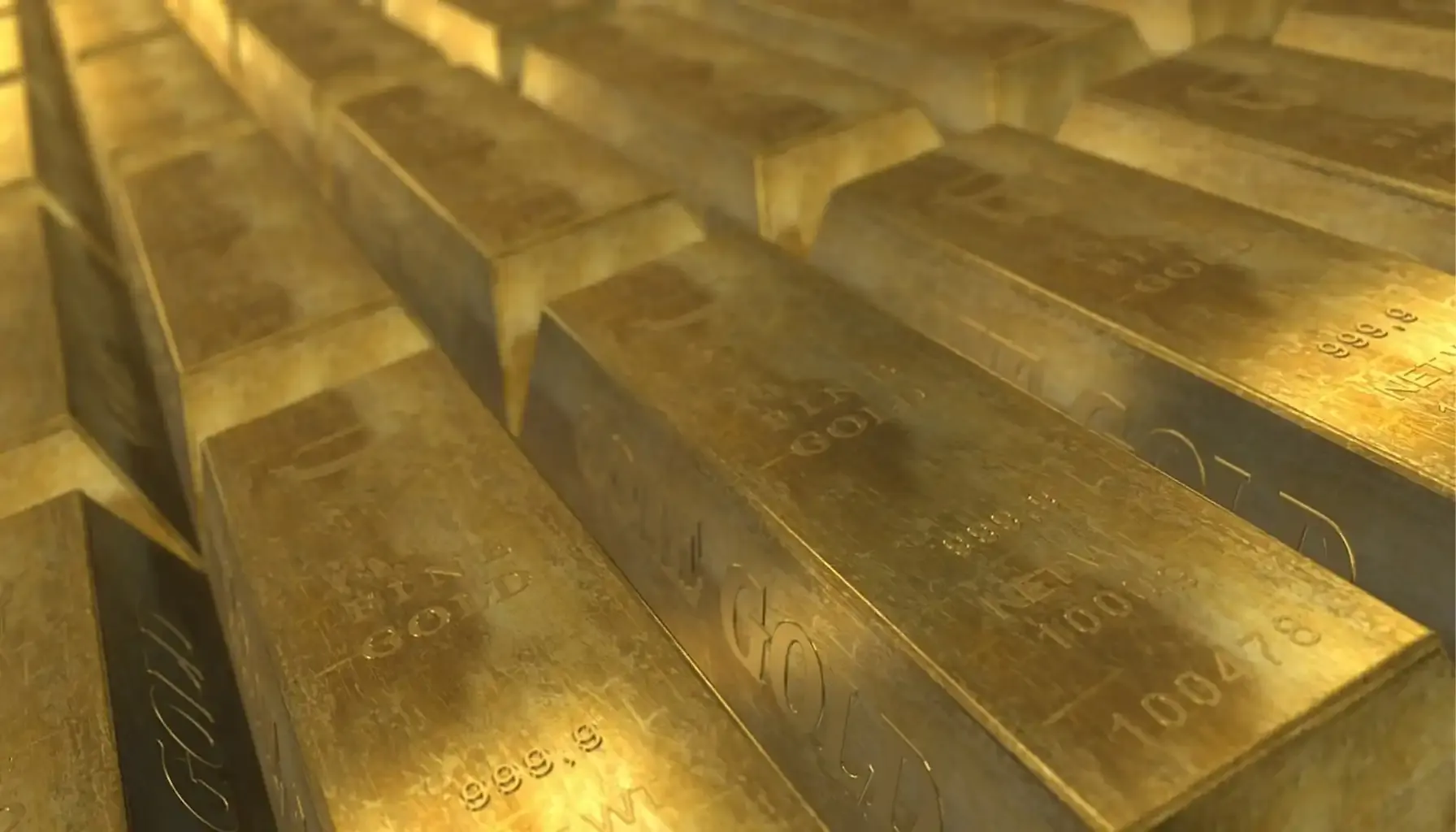
Bullion: Refined bars or ingots meeting purity standards (usually 99.9%).
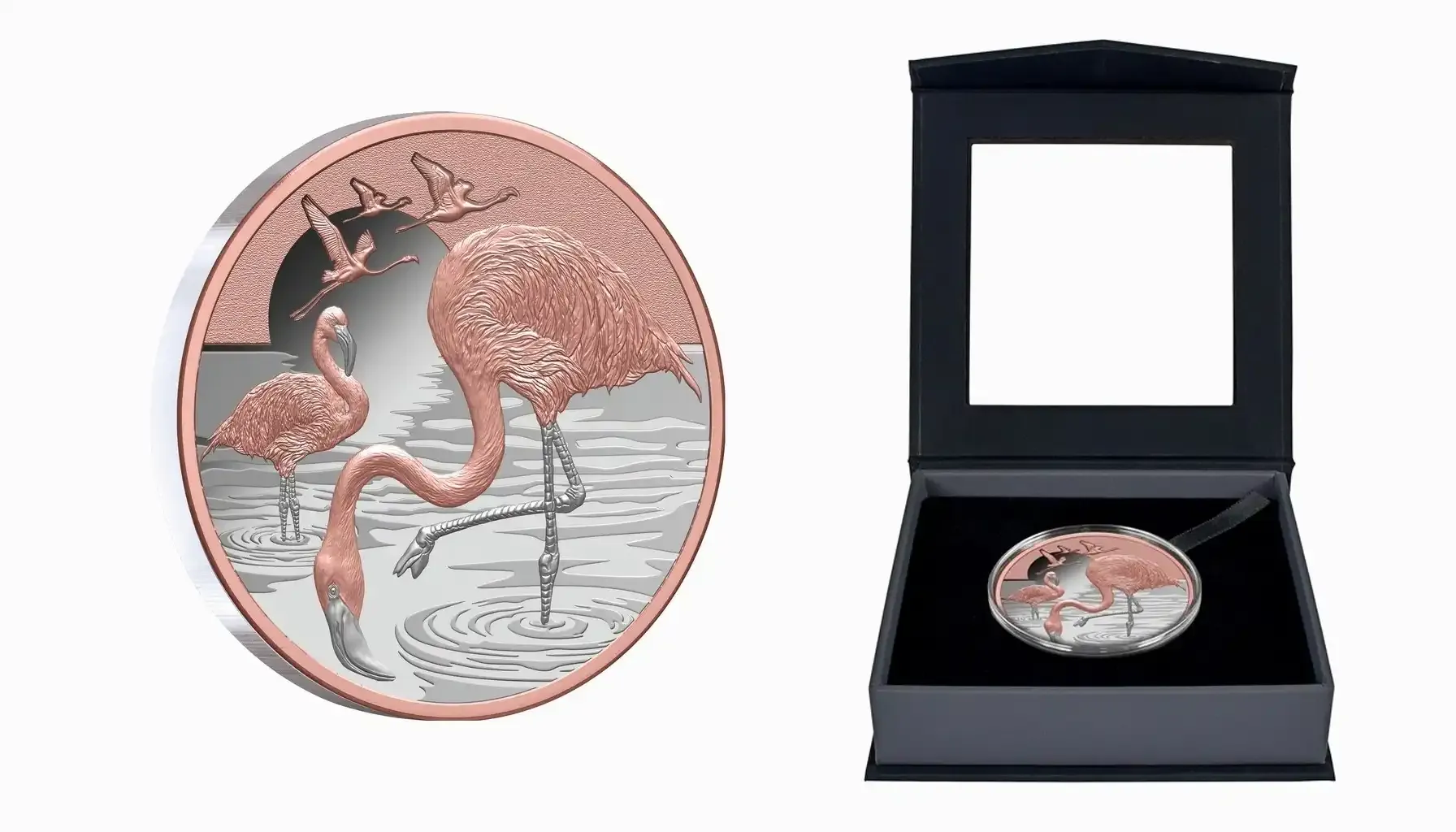
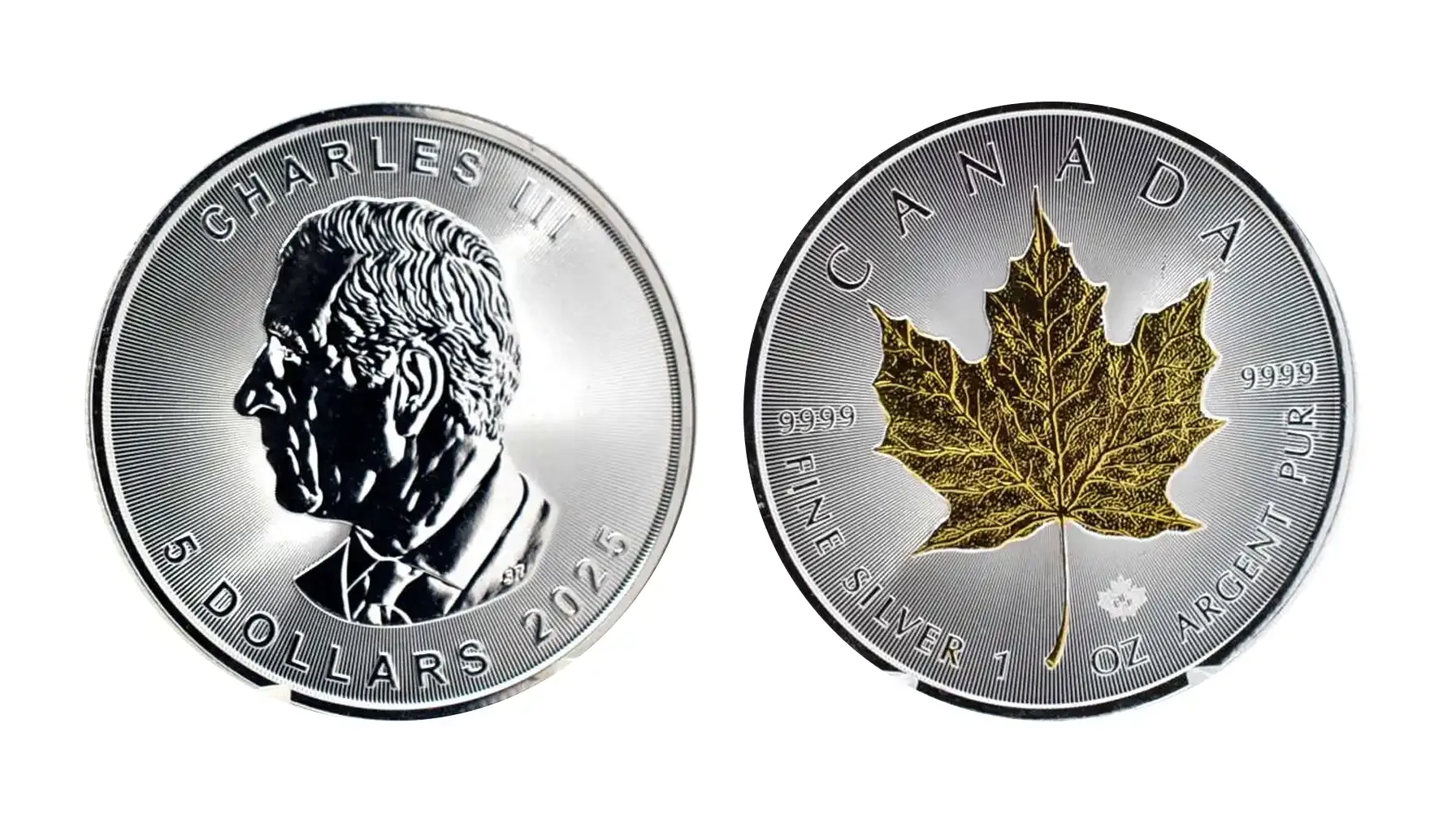
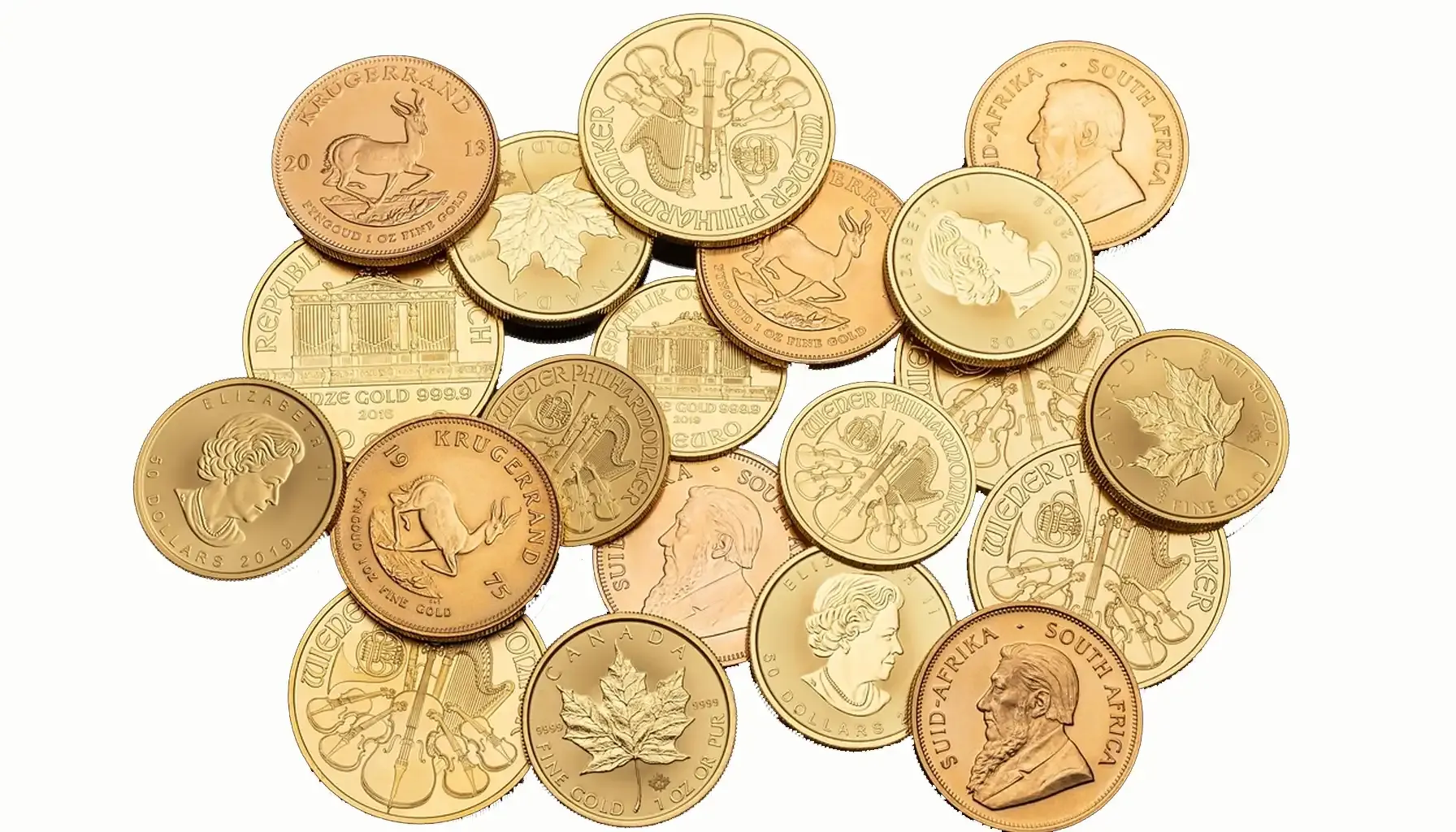
Coins: Minted and often carry collectible or legal tender value. Check your coins and find out what is the value of gold today.
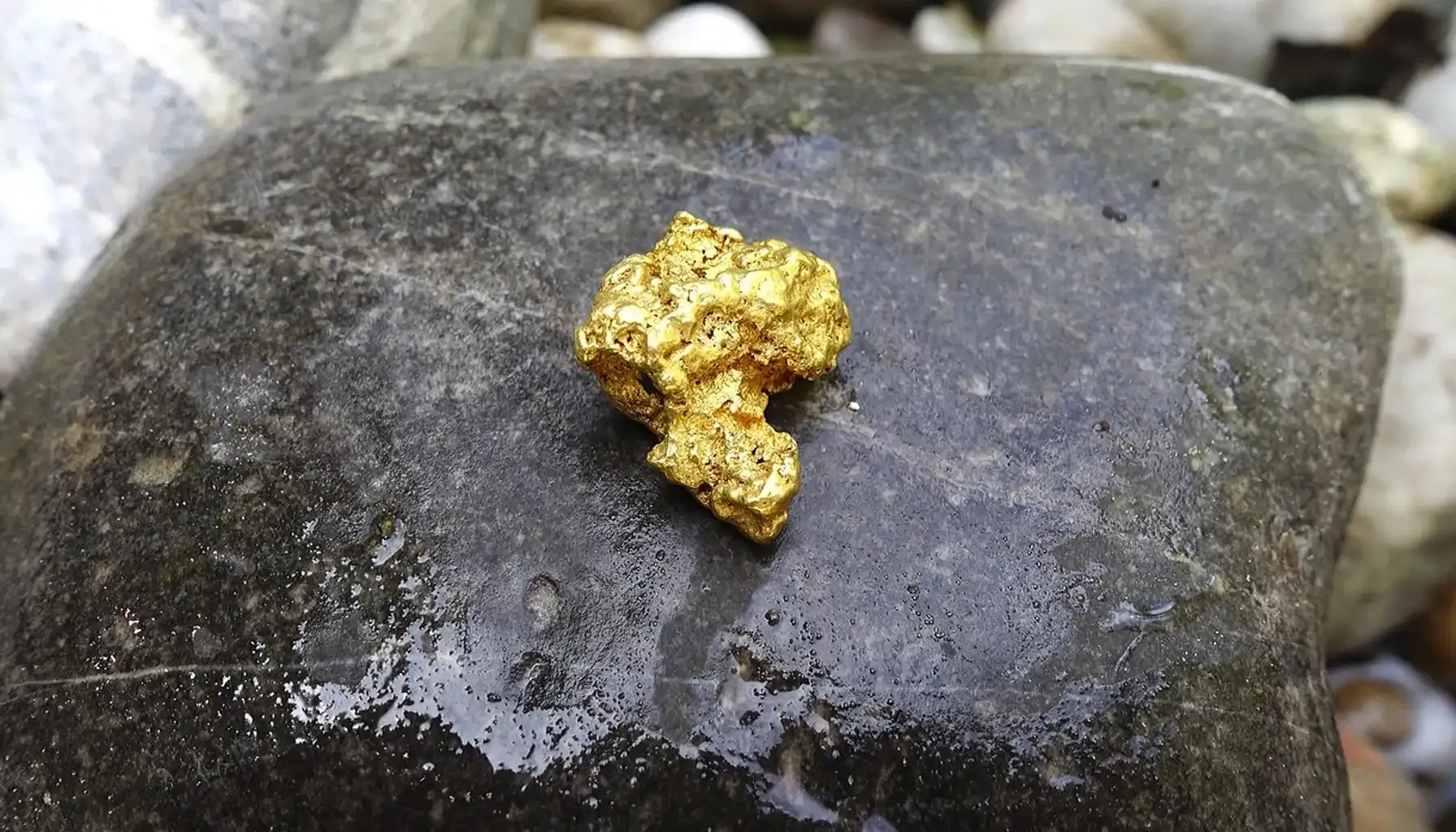
Dust or Nuggets: Naturally occurring it found in rivers or ore deposits.
Metal Uses
What Is gold Used For? The answer is practical, decorative, industrial, and monetary uses.
Medicine: The metal alloys serve in dental crowns, bridges, and implants because of biocompatibility and durability.
Currency: Historically, states minted coins. Today some private mints produce coins that act partly as currency substitutes or collectible items.
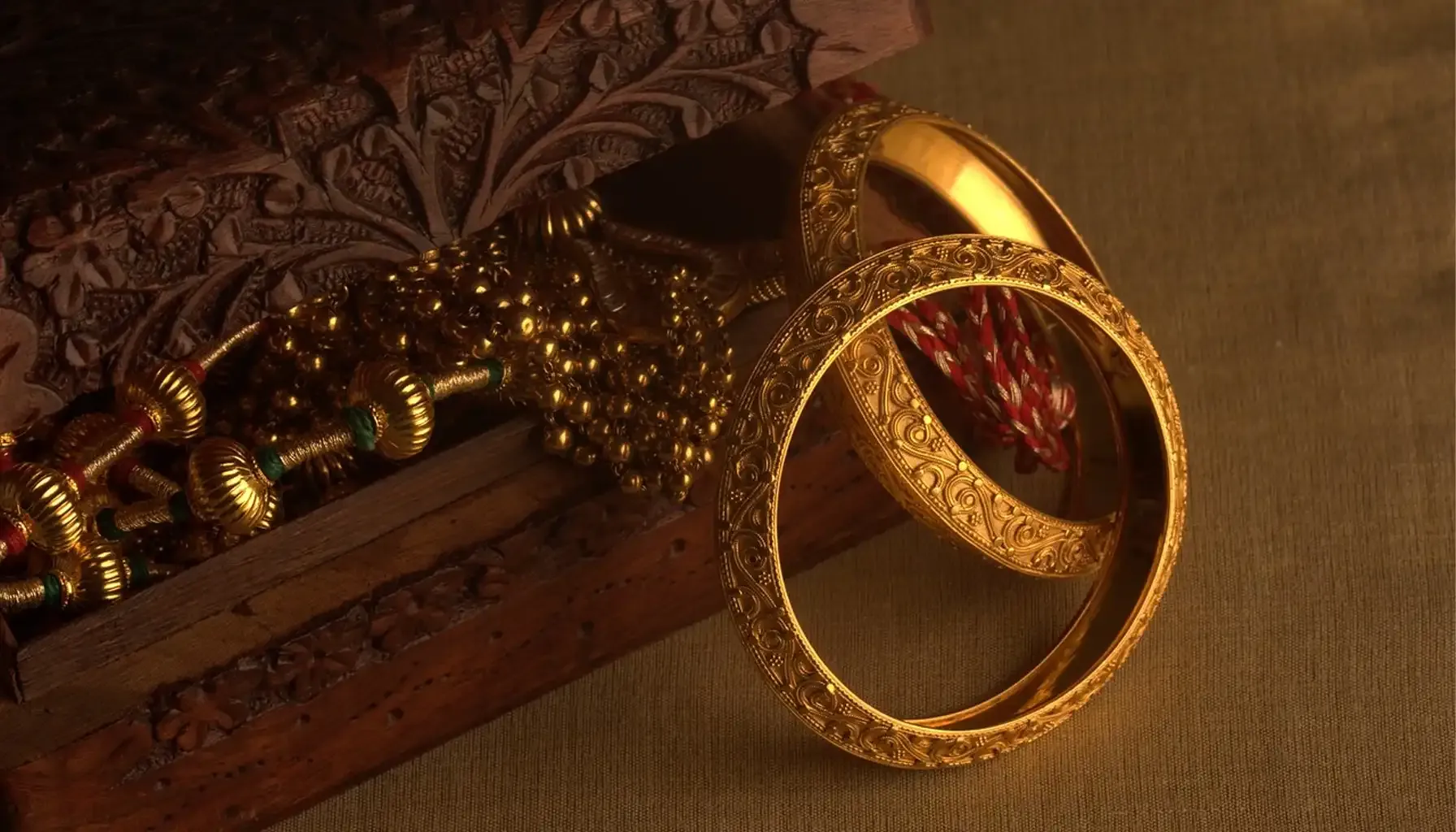
Jewelry and Ornamentation: Gold retains luster, resists tarnish, and communicates value. Artisans craft rings, necklaces, watches, and decorative items.
Electricity: It conducts electricity and resists corrosion. Engineers use contacts, connectors, and wiring in high-reliability systems (spacecraft, smartphones, precision devices).
Industrial Applications: Thin films appear in glass coatings, optics, radiation shielding, and sensors.
Reserve Asset and Sovereign Holdings: Central banks and sovereign funds hold it as reserve assets, balancing currency and deposit exposure.
What Is the Price of Gold Today?
Over decades, its role evolved. Investors track what is the price of gold today in real time, compare it to historical trends, or use it as a store of value.
The metal often reacts inversely to real interest rates and to the strength of the dominant currency. When real yields decline or inflation rises, Gold often attracts more demand. People call gem a “safe haven.”
Analysts and historians link it to political or fiscal stress. As one economist said: “In the absence of the gold standard, there is no way to protect savings from confiscation through inflation. There is no safe store of value.” — Alan Greenspan.
What Is the Gold Standard?
The Gold Standard is a process where governments peg their currency to a fixed weight of gold. Their paper currency becomes convertible into gem at a fixed rate but many nations abandoned it in the 20th century. Nowadays, the term lingers to refer to any high standard or anchor in monetary policy and affect on what is the current price of gold.
What is Gold Bullion?
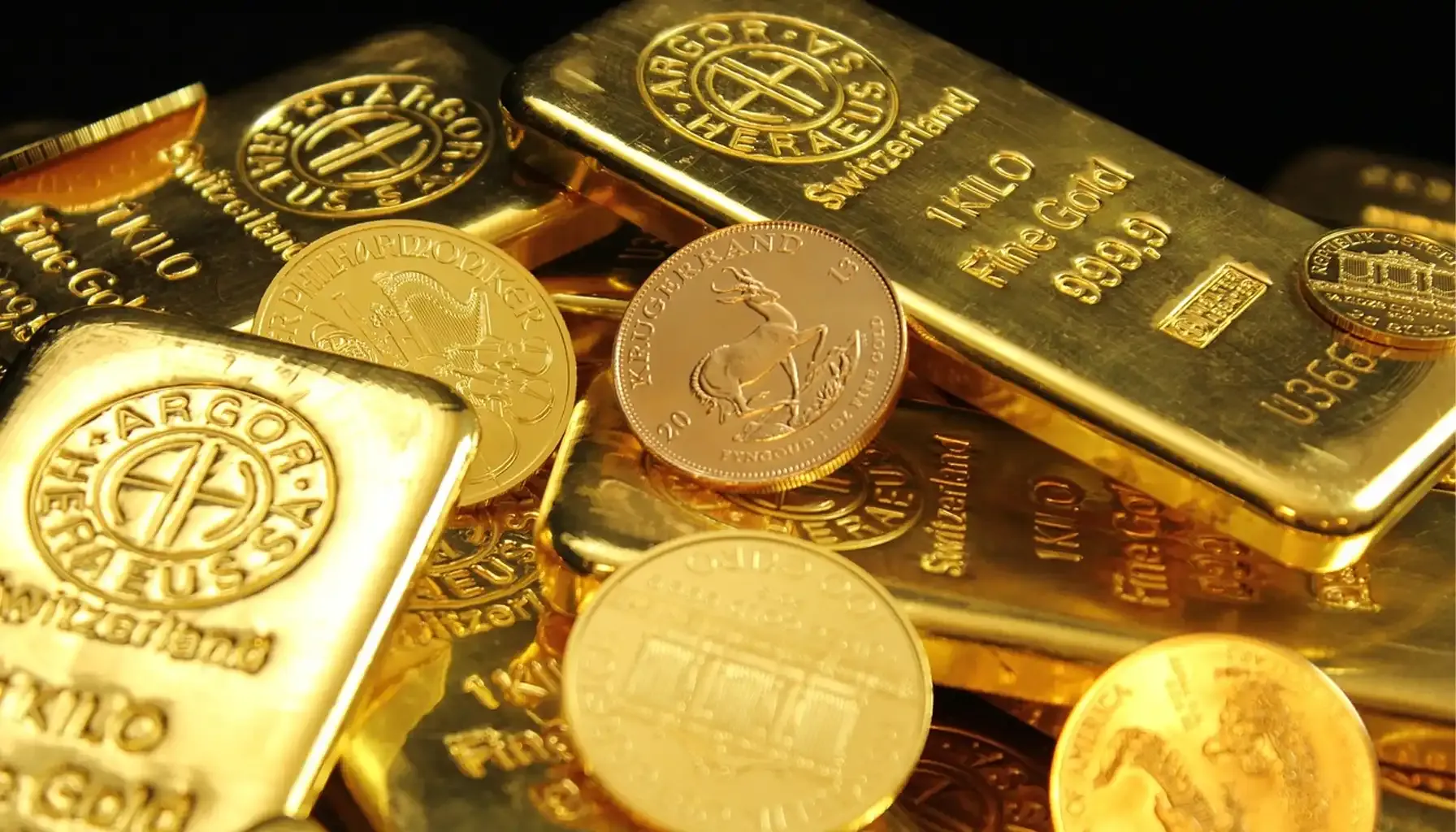
Gold bullion means refined metal stored in bar or coin form for investment or reserve holdings. Bullion often meets strict purity and weight standards.
The National Coin & Bullion Association (NCBA) is a US-based trade association dedicated to the numismatic and bullion communities. The United States Mint issues American bullion coins that must meet specific standards.
Globally, the London Bullion Market Association (LBMA) decides what is gold price today. LBMA sets the international standard for bullion, which is typically at least 99.5% pure. This percent establish quality standards for refiners and assayers.
What Is the Spot Price of Gold Today?
Traders buy and sell it in over-the-counter markets worldwide. Exchanges and brokers report a spot figure, which becomes a benchmark. LBMA sets two official benchmarks daily (10:30 am and 3:00 pm London time).
What Is the Price of Gold Now (as of Q4 2025)
Spot Prices | Price USD |
Per Ounce | $4,078.80 |
Per Gram | $131.13 |
Per Kilo | $131,125.53 |
Remember: Market forces such as supply, demand, interest rates, currency strength, inflation expectations, and geopolitical risk drive fluctuations. Investors often buy gems as a hedge or safe asset when uncertainty rises.
Market Risks
Markets carry risk. Price may swing, especially under macro shifts. Collectible coins add additional variables: mint year, rarity, certification, condition.
For a collector, coin condition, provenance, and scarcity may outweigh raw content. A rare variant can command a premium over melt value. Professionals use models (e.g. forward curves, carry costs, opportunity cost) to value what is the current gold price derivatives or bullion holdings.
Remember: Some suppliers embed premiums or fees above spot. Those markups reflect manufacturing, shipment, certification, or dealer margin.
What is gold worth? The answer refers either to melt value (spot times weight) or the market value for that piece (which may include a numismatic premium).
Authenticity Issues: Coins, Bars & Jewelry
Surface/Luster: Real gold displays a smooth, metallic sheen and uniform brightness. Under magnification, its surface should appear fine-grained, not rough or pitted. Uneven or dull areas may indicate plating, wear, or improper cleaning.
Design Details: Compare all visible design elements against known reference images – lettering, numbers, and mint marks.
Relief/Borders: Authentic coins have precise relief and well-defined edges. Blurry or flattened relief could signal casting or counterfeiting.
Edges: Edges should match official specifications — reeded, smooth, or inscribed depending on the type. Missing or irregular reeds often signal tampering or misstrike.
Verify Documentation/Certification: Compare serial numbers, assay marks, or mint certificates with official databases. Reputable mints like the Royal Mint, Perth Mint, or PAMP Suisse maintain serial records for authenticity verification.
Weight: Compare weight and diameter with published standards for that coin or bar.
Coin Type | Standard Weight (g) | Diameter (mm) |
1 oz Gold Coin | 31.103 | 32-34 |
7.98 | 22.05 | |
10 g Bar | 10 | Typically around 15.5 x 25.5 |
If you need an AI assistant to know what is today’s spot price for gold – take a photo of the coin in the Coin ID Scanner app. You will get all the answers and distinguish real collectible coins from fake ones.
What Color is Gold?
Genuine gem should appear rich yellow to deep orange-yellow depending on purity. A greenish or reddish tone may suggest alloy differences, while a grayish hue might indicate Silver or Nickel plating.
Remember: Always cross-check with a verified sample image.
FAQs
What is the symbol for Gold?
Its symbol is Au, atomic number 79.
What is an ounce of Gold worth?
In current conditions, one ounce might cost about USD 4,000+ in many markets.
How to detect forgery?
True mint errors show crisp raised lines or doubled details. Counterfeits often show blurry or inconsistent marks. Authentic bars or jewelry display sharp, standardized markings. Blurred or misaligned stamps raise concern.
What is the price of Gold and Silver today?
Silver trades similarly but at a much lower value per ounce. The ratio of gems fluctuates.
What is the melting point of Gold?
The melting point is 1.064.18 °C (1.947.52 °F).

 Facebook
  X (Twitter)
  Pinterest
  LinkedIn