Contents:
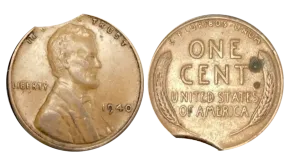
Coins can come in a variety of errors, and clipped planchets are one of the recognizable errors in the list.
We will learn what clipped planchet quarters, pennies, and other coins look like. We will observe the value of this error and ways to identify error planchets.
There is a new free coin app. It can scan your coins, tell their values, and even guide you on your collecting journey.
How Clipped Planchet Errors Occur
Let’s remember how the coins are made. To make a coin, we need a blank metal disk. This disk is called a plachet. Usually, a sheet of metal goes through a blanking press. This press cuts the circles out of the sheet, and then we imprint a design.
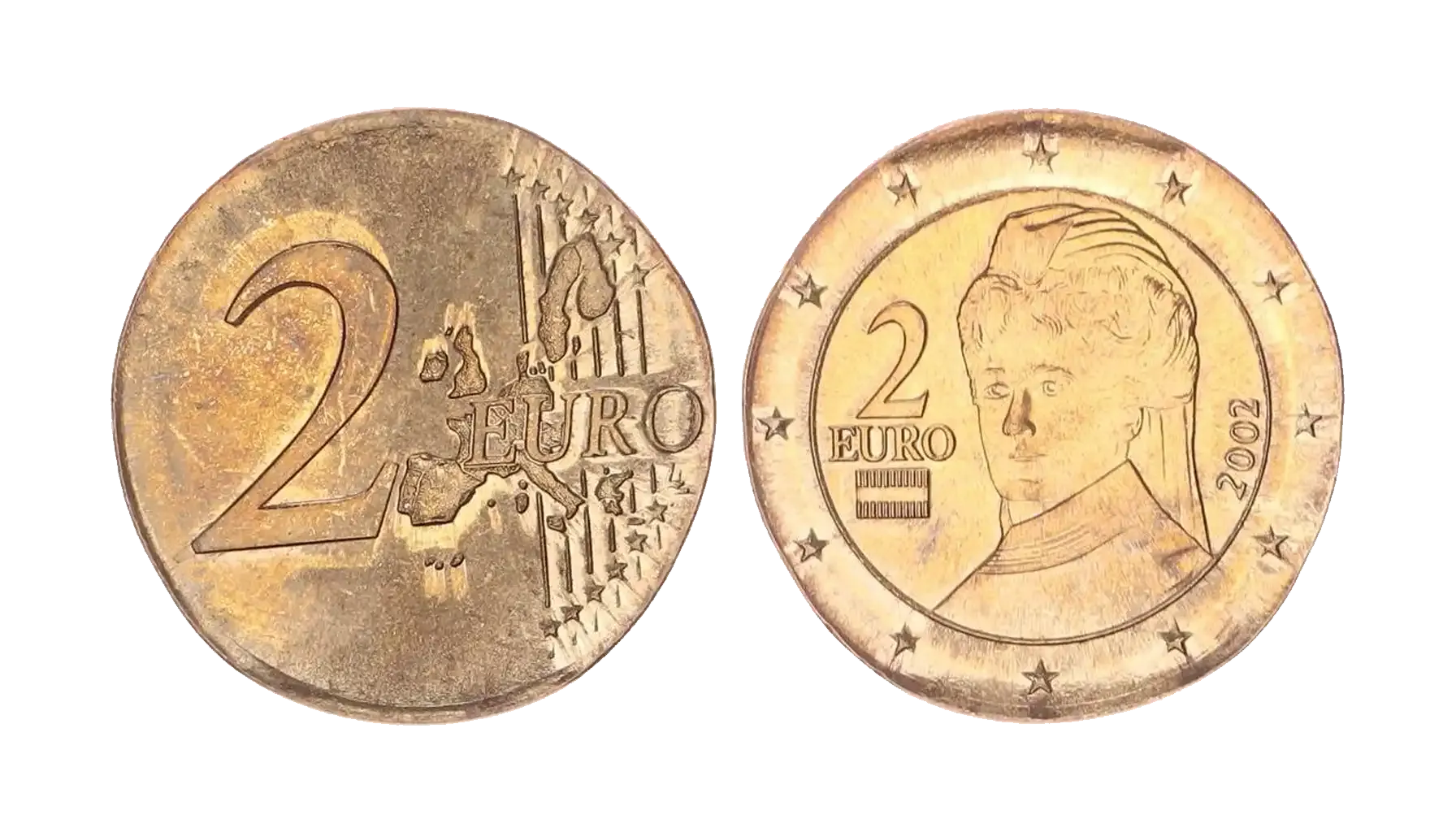
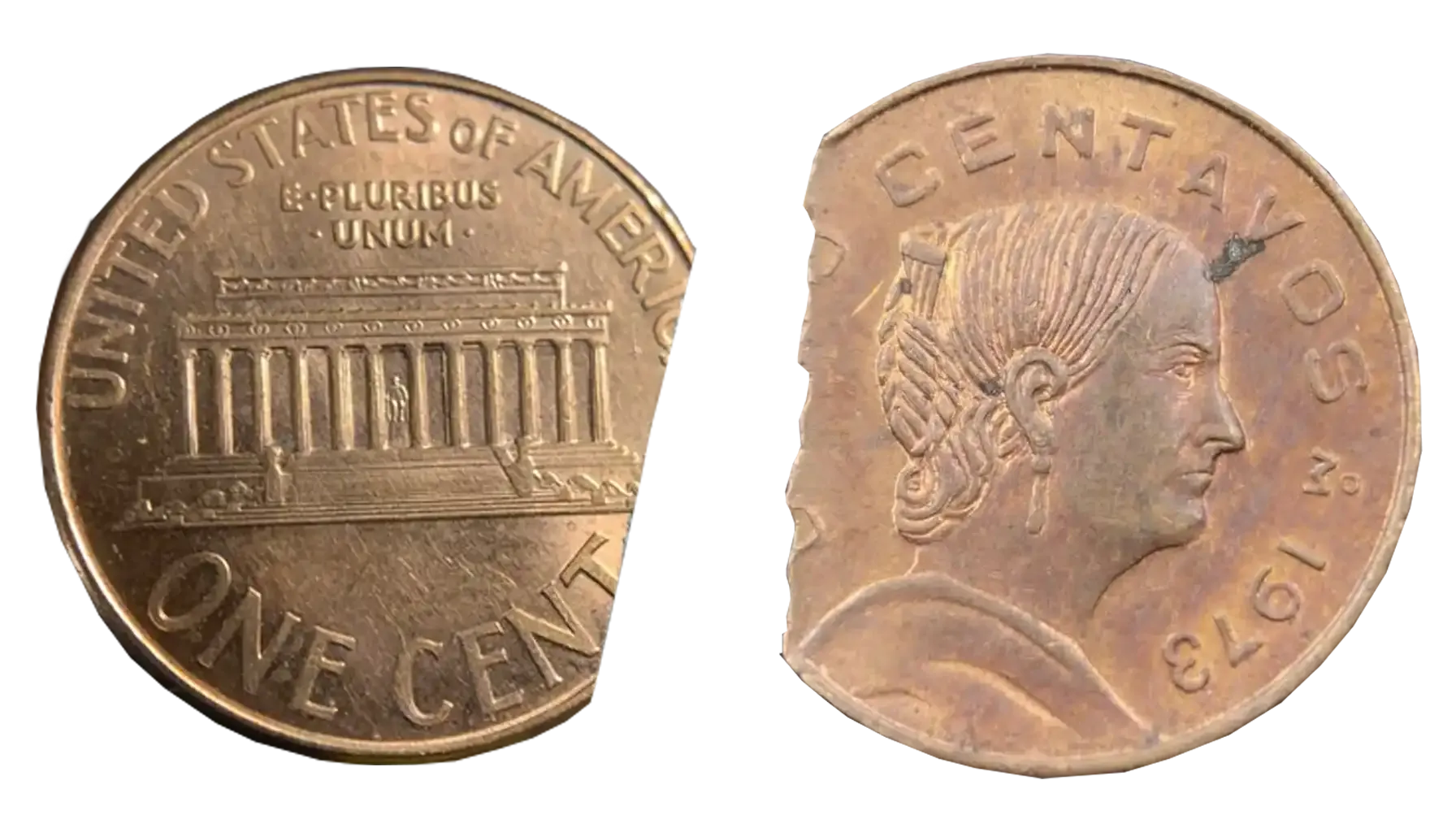
In rare cases, though, the press gets misaligned, and it cuts the metal strip in a way that we do not get a perfect circle. Instead, we have only a piece, a clip. That is what we call a clipped planchet error.
What could lead to this error? What made the press cut more than it should have? Several conditions could contribute to the clip:
Overlapping metal strips: When strips (sheets of metal) aren't placed perfectly side-by-side, the punch may overlap a previously punched area.
Punching the edge: The press could strike near the physical end of a metal sheet.
Timing issues: A sudden shift in the press can cause a punch with bad timing.
Types of Clipped Planchets (Straight, Curved, Ragged)
Clipped planchets have three main patterns:
Type of Clip | Rarity | Appearance | How It Occurs |
Curved | Common | A smooth, crescent-shaped missing piece. | The punch overlaps an area where a previous blank has already been struck. |
Straight | Moderately rare | A straight, flat missing section. | The press punches the straight outer edge of the metal strip. |
Ragged | Very rare | A jagged, torn appearance. Looks irregular. | The punch reaches the rough, torn end of a metal strip. |
Curved clips are often worth at least $50. The ragged cuts are worth $250+.
How to Identify a Genuine Clipped Planchet Coin
Often, people try to make counterfeit clips. They cut a part of a perfectly normal coin and present it as a coin with an error.
These signs point to a real error:
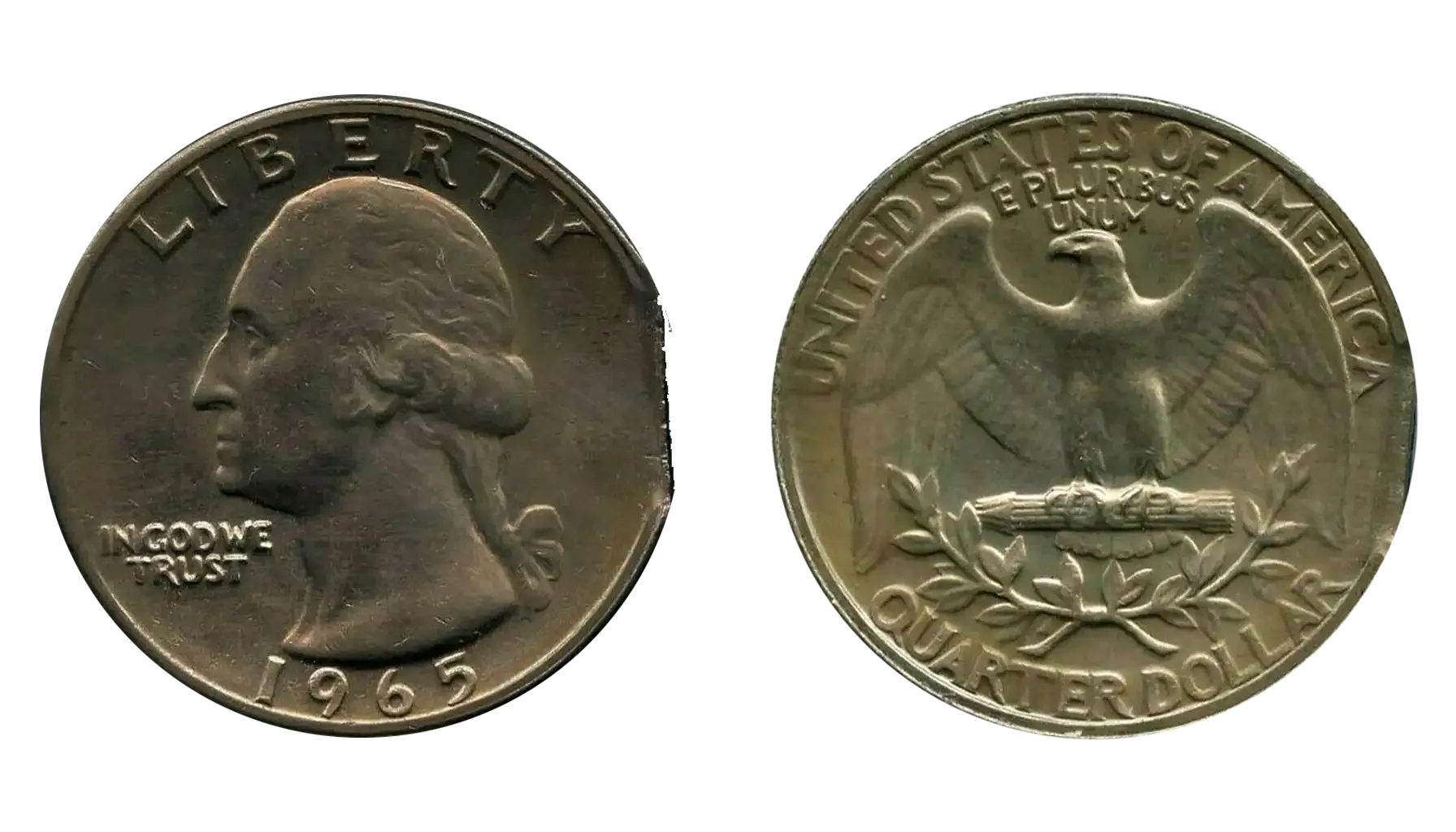
The Blakesley effect: The side opposite to a clip should appear dull. It happens because during the incorrect punch, the metal is disrupted. If the rim opposite to a cut is clear, then it’s likely a fake case.
Uniform patina: Authentic clipped planchets are uniform. They have the same color, luster, and wear across the entire coin. A freshly cut fake “clip” often reveals bright, raw metal that does not match the naturally aged bit.
Matching shape and curves: This method only works for curved cases. The curves usually have the same diameter as the punch used on the coin. Fake cases rarely match the diameter.
Factors Affecting Clipped Planchet Value
Sometimes bits with a clipped planchet become the most valuable error coins. But to enter such ranks, the bit needs to have:
A large clip. Generally, larger cuts are rarer and more desirable.
A rare type. If the piece itself is rare, an error boosts its value further. A clipped planchet penny value, for example, will often be lower than the clipped planchet Roosevelt dime value, because pennies are cheaper than dimes.
Great condition (Grade). A bit in mint condition is rare to see and looks great. Services like NGC can grade your coins.
“Most clipped planchets are worth more the larger and more visible they are, and also the higher the grade of the coin.”
— Jon Sullivan
PGC Official Website
Conclusion
Any collector needs to hold an error coin at least once in their life. It’s a rare find, but a pleasant one.
Coin ID Scanner is an app that can identify coins, rare or common. The app even comes with guides to help you identify many errors, with photos and descriptions.

 Facebook
  X (Twitter)
  Pinterest
  LinkedIn