Contents:
Modern German currency is based on the euro. But what was before? Are there any old coins worth money that were produced there?
Nowadays, the country’s uniform system contrasts with its earlier coinage, which included the Deutsche Mark and many older imperial and regional issues made in different metals and styles.
Let’s discover the true world of foreign money in this German coin price guide together.
Overview of German Coins
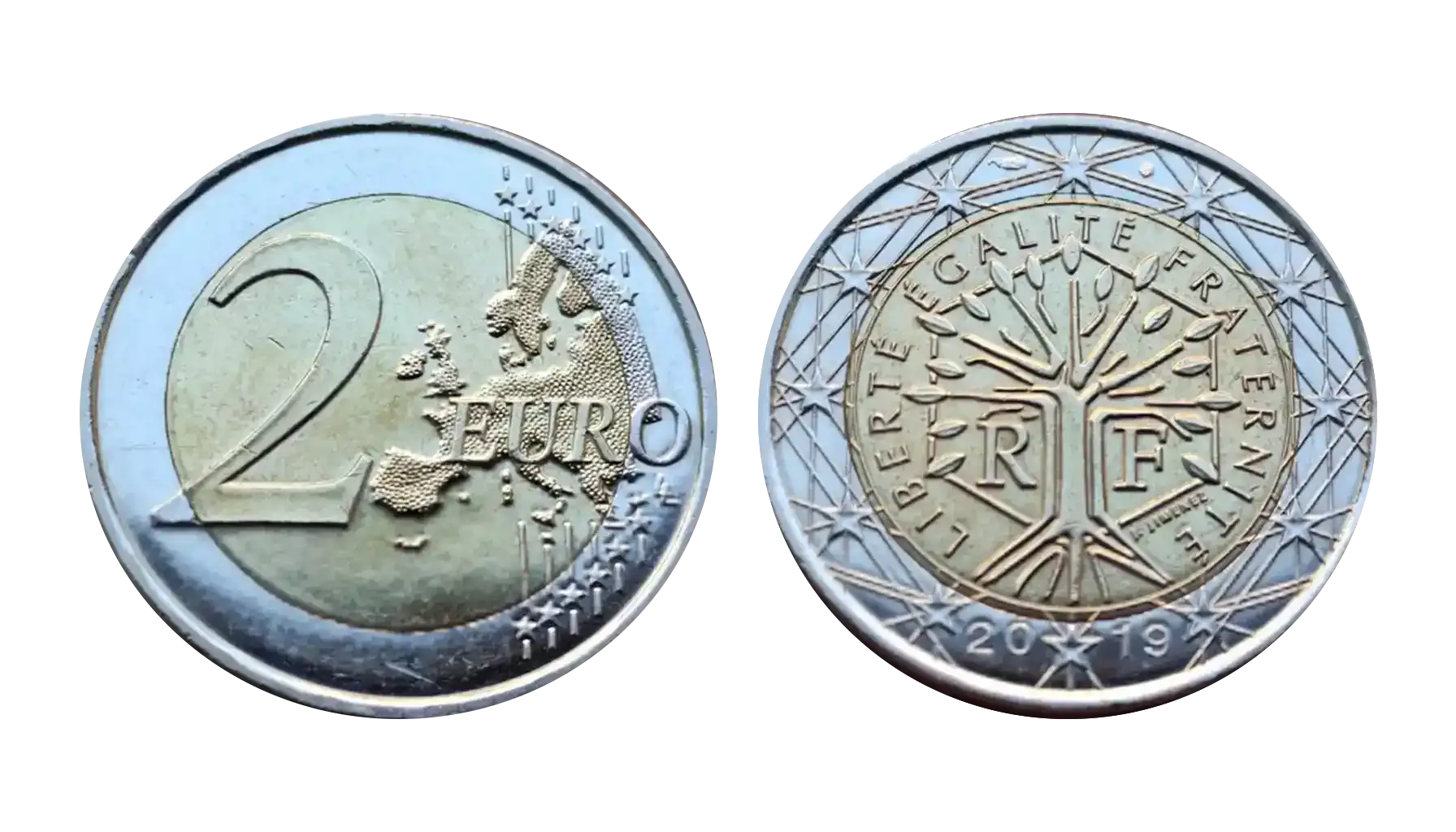
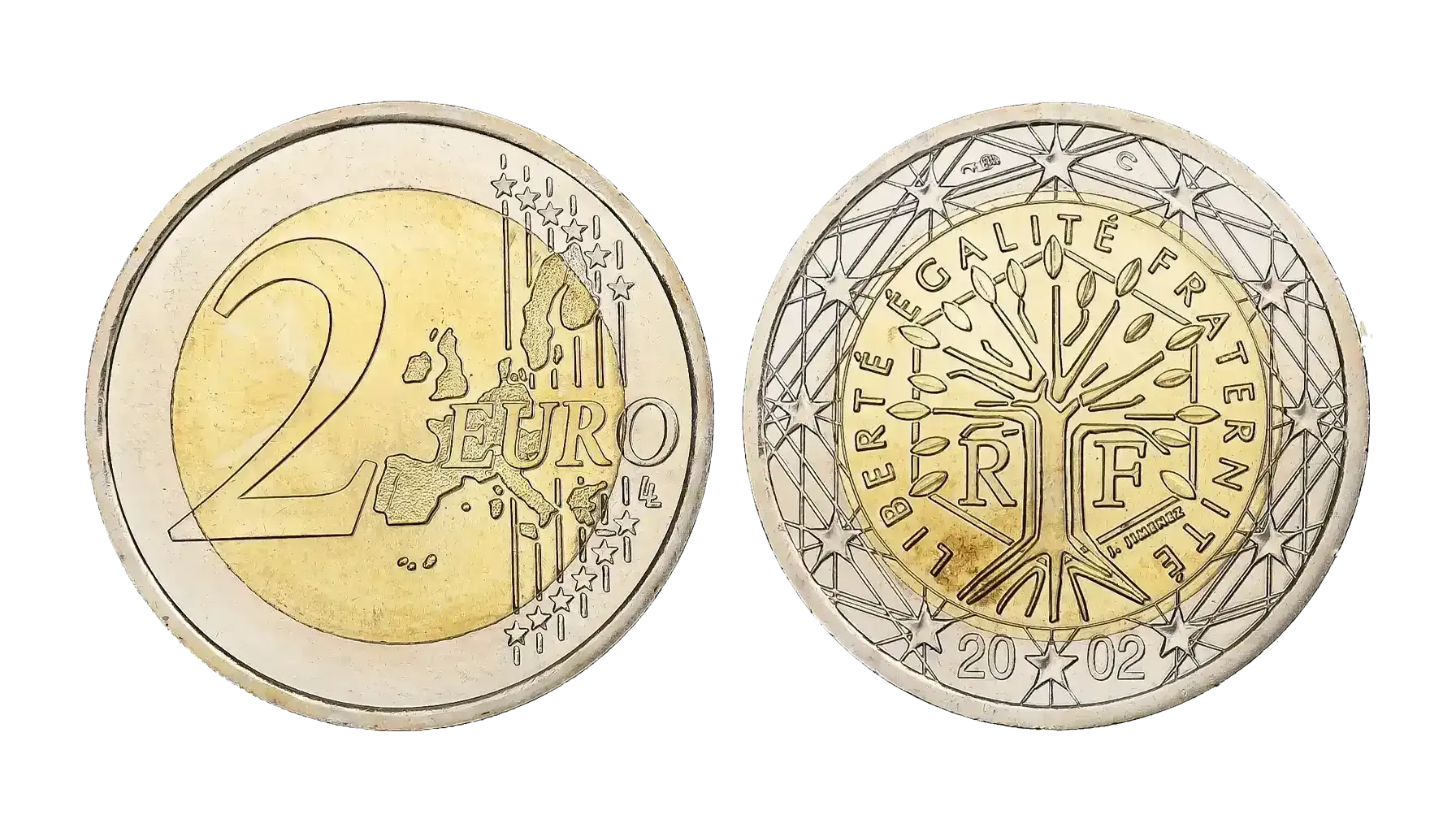
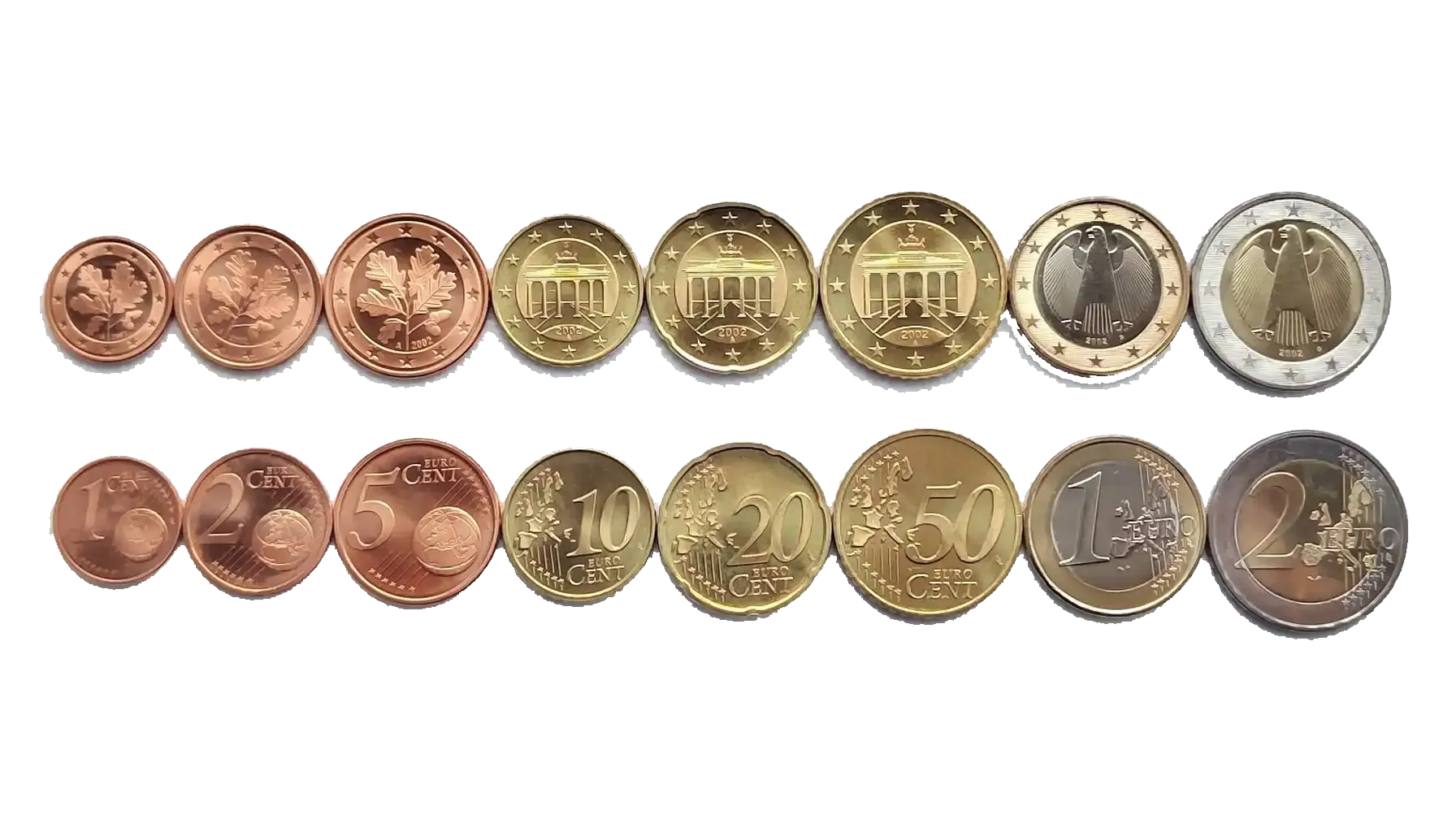
Germany uses the euro, introduced in 2002. It replaced the Deutsche Mark after more than five decades of circulation.
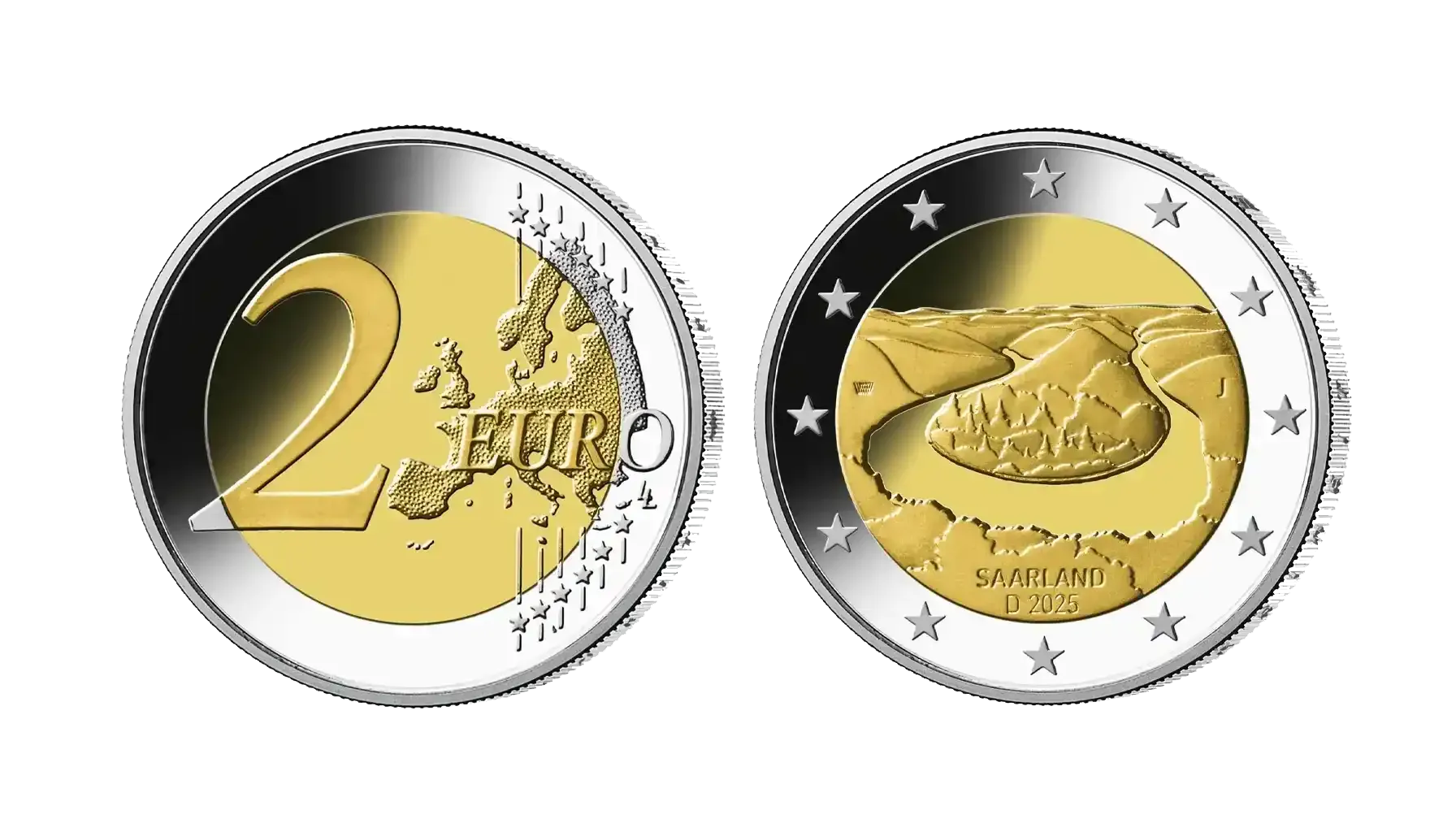
The euro metal series includes eight denominations: 1, 2, 5, 10, 20, 50 cents, and 1- and 2-euro coins. Each piece combines a common European reverse with a unique German obverse.
Germany’s designs feature the federal eagle, the Brandenburg Gate, and a rotating set of Bundesländer commemorative specimens that show each federal state’s landmarks.
Production takes place at five mints, identified by the letters A (Berlin), D (Munich), F (Stuttgart), G (Karlsruhe), and J (Hamburg).
“Anyone familiar with American and German coins knows that German coins of the 19th and 20th centuries are still highly undervalued compared to US coinage.”
— CDN Publishing
Greysheet
Old German Coins and Their History
Germany’s older coinage stretches across several clear periods. Each has its own metals, designs, and monetary rules.
Deutsche Mark (1948–2001)
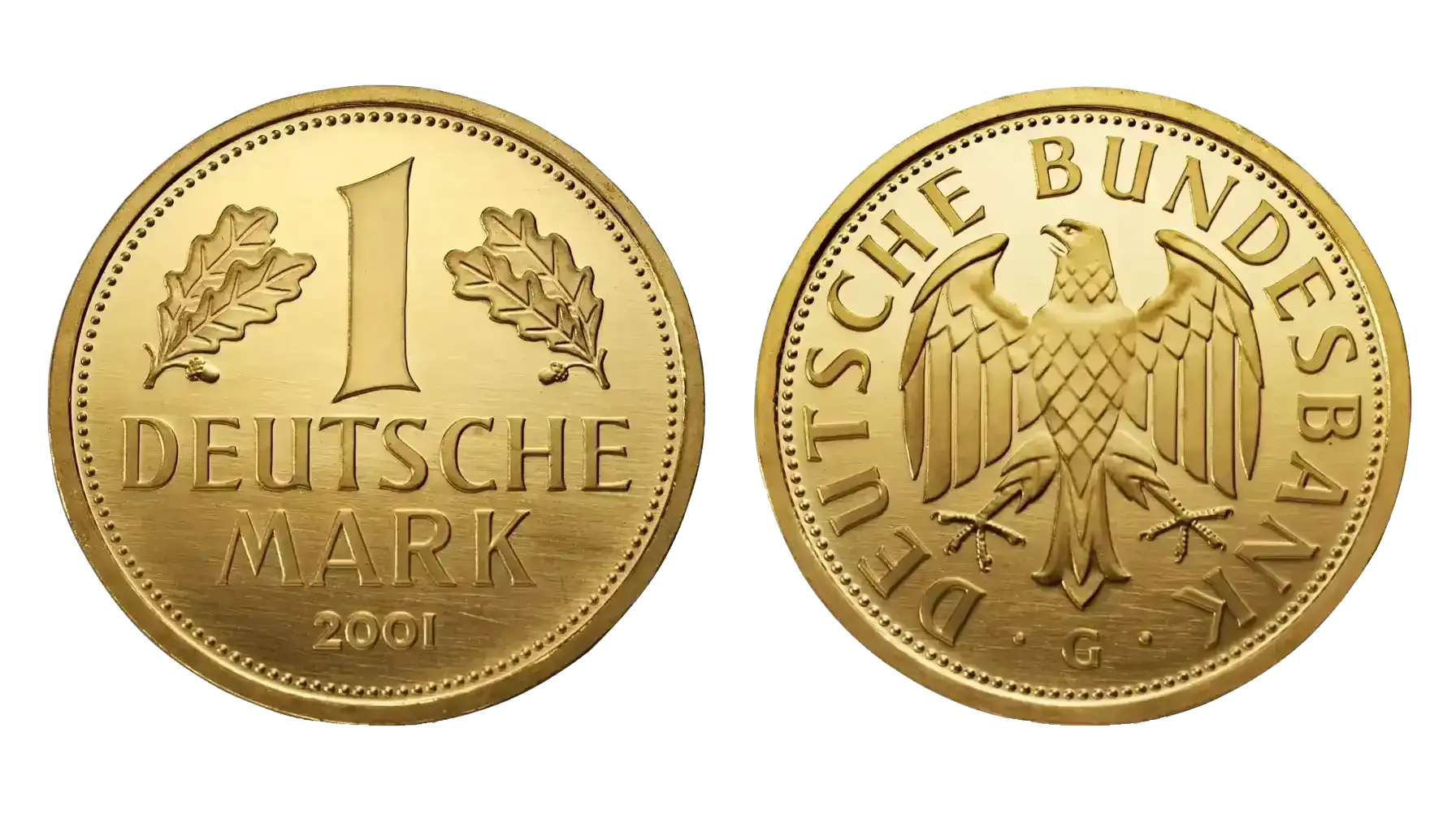
After the war, Germany introduced the Deutsche Mark. Everyday pieces were made from aluminum and copper-nickel, while commemoratives later used silver. Designs were simple and focused on national symbols. Mint letters A, D, F, G, J stayed in use and still help identify where each coin was struck.
Weimar and Third Reich (1919–1945)
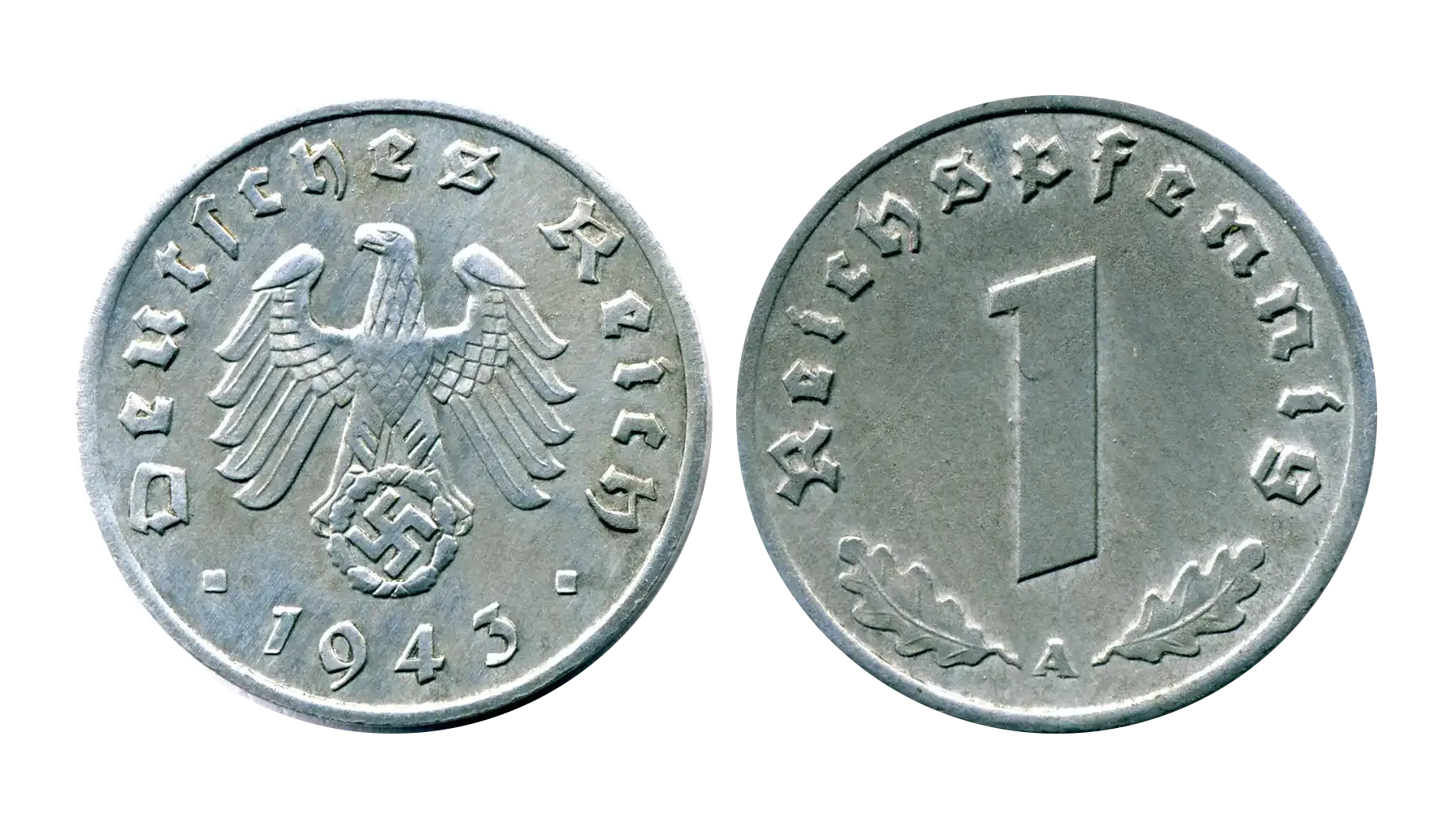
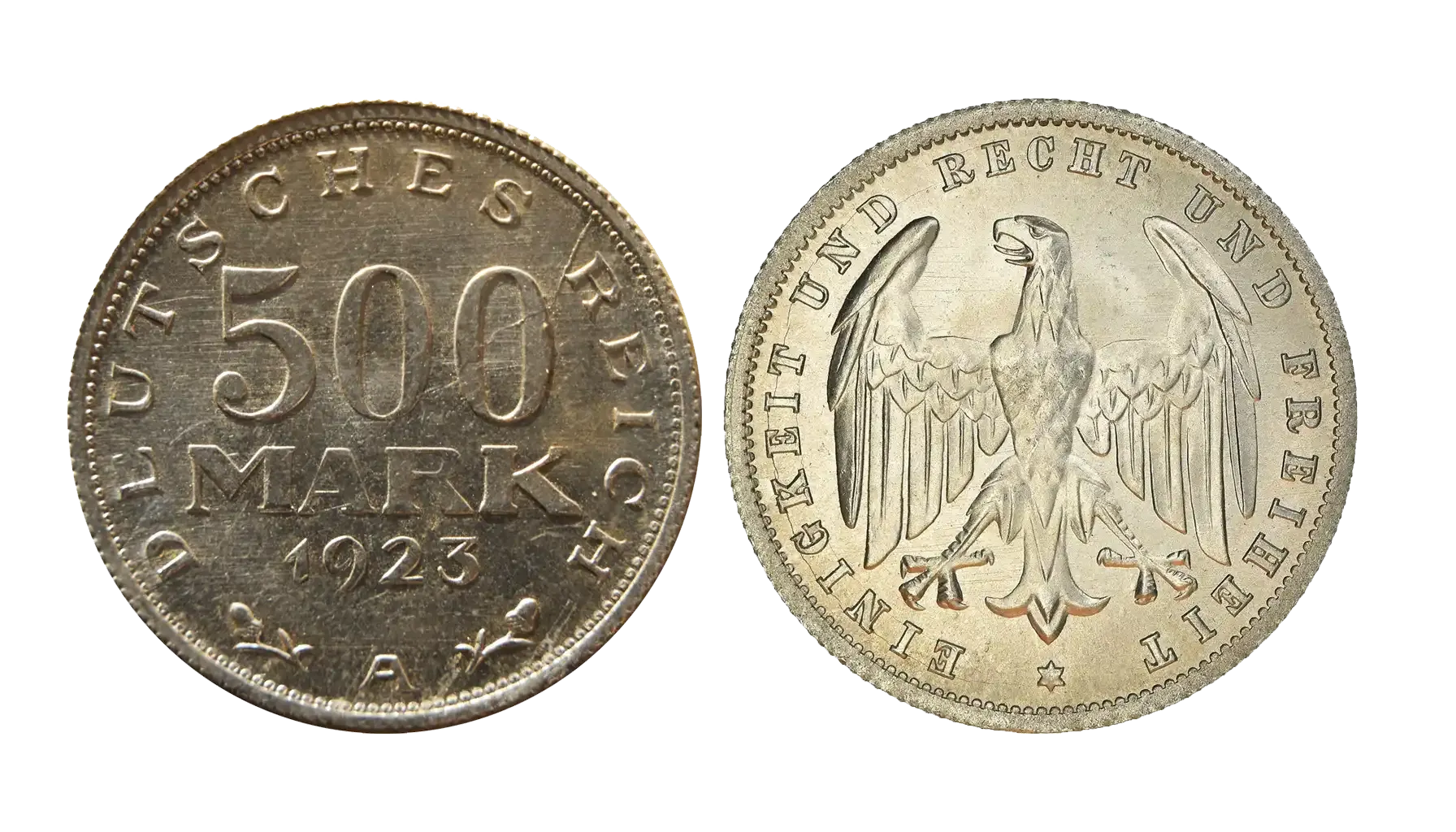
The Weimar years brought constant changes in denominations and metals because of inflation. Specimens appeared in aluminum, nickel, and silver. Under the Third Reich and during Nazi times, designs were replaced, and many were struck in zinc and aluminum due to shortages. These pieces often show heavy wear or corrosion today.
German Empire (1871–1918)
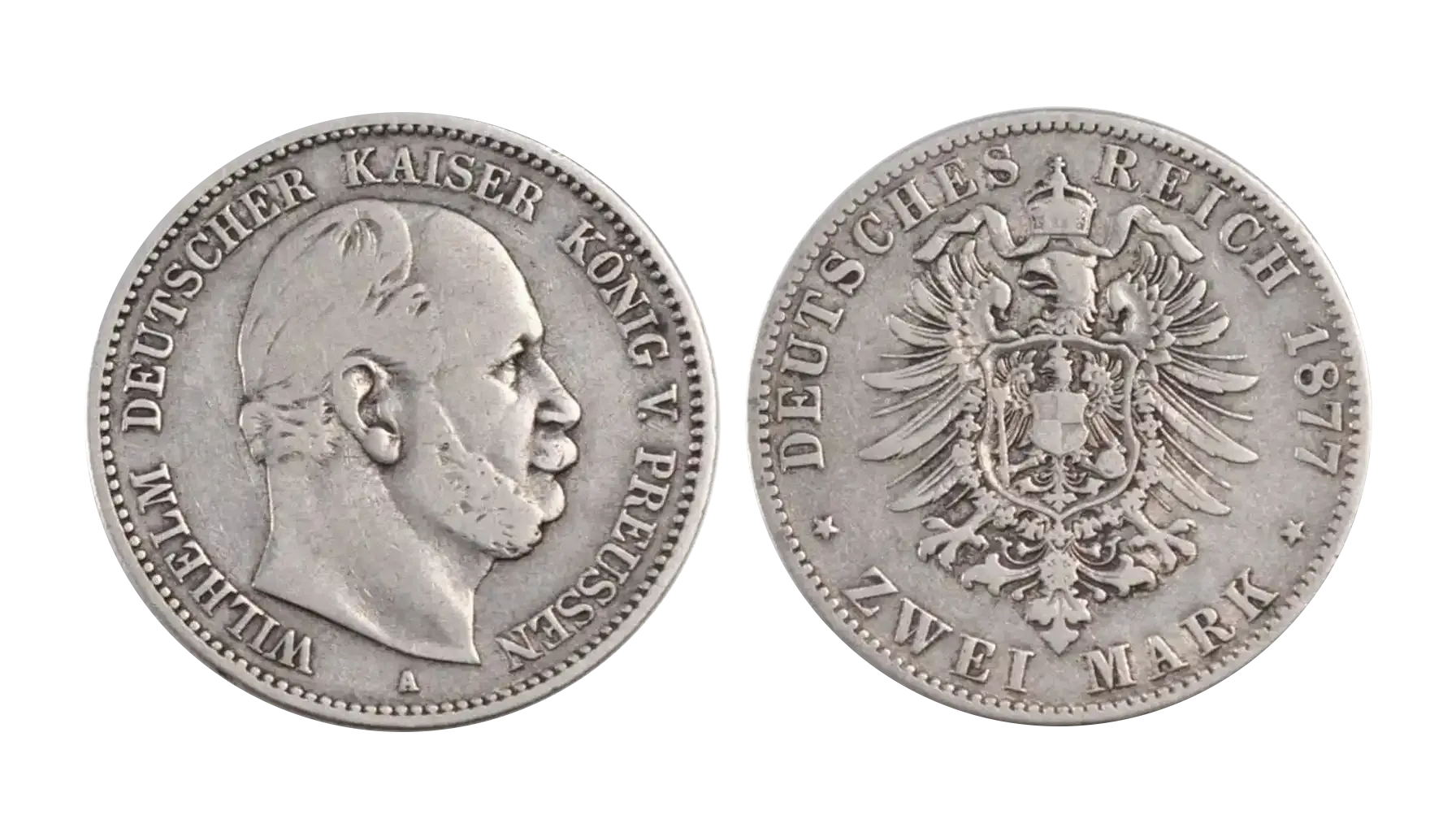
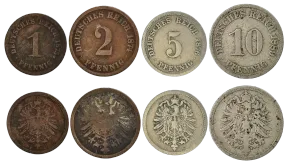
Imperial ones followed a unified system based on the German silver coins and gold mark ones. States within the empire issued coins with their own rulers. Common pieces include silver 1-, 2-, and 5-marks and gold 10- and 20-marks.
Before Unification (pre-1871)
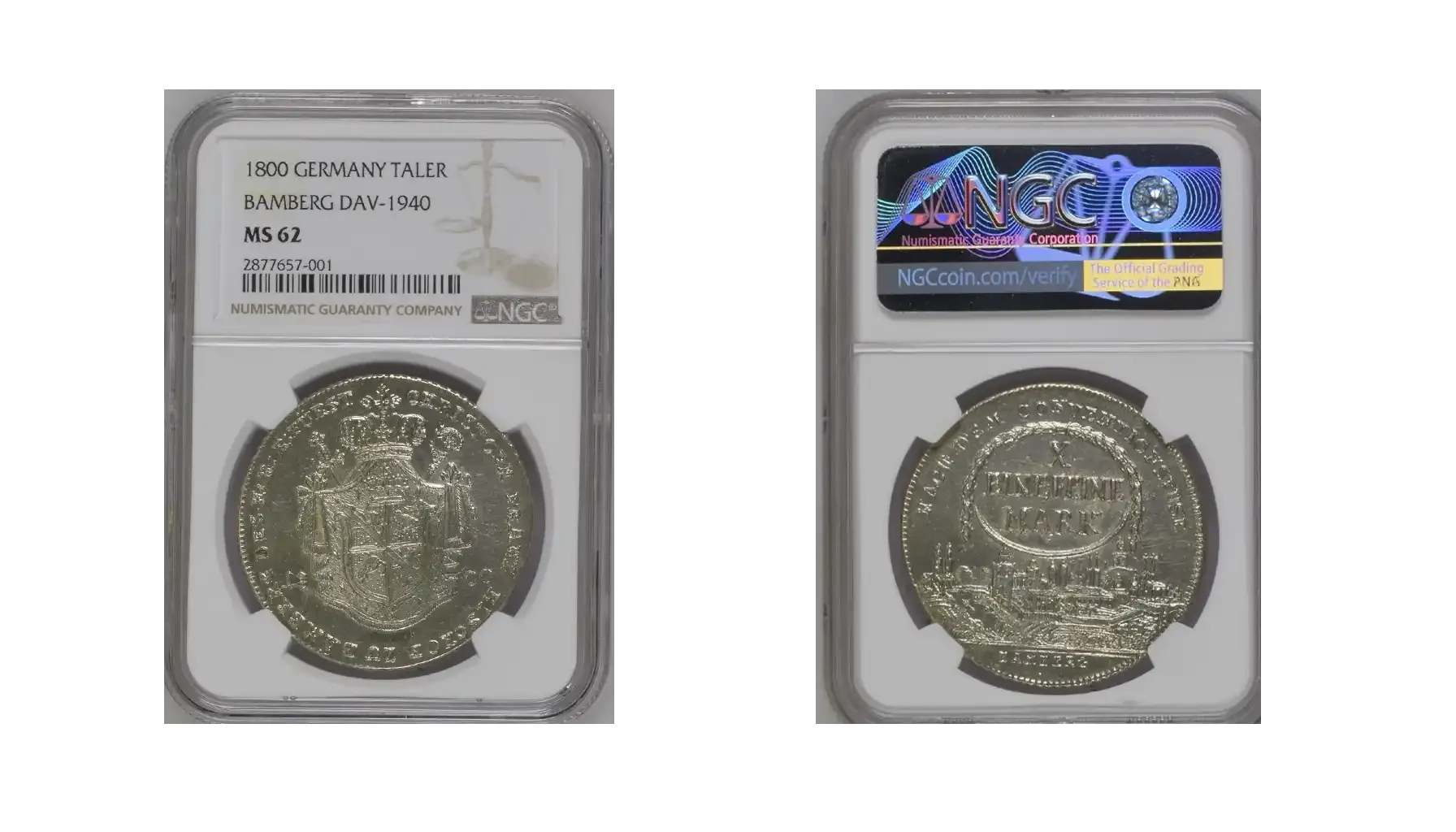
Earlier, German territories used their own currencies. Prussia, Bavaria, Saxony, and many free cities minted thalers, pfennigs, and gulden. Designs varied and often showed coats of arms or local rulers.
Holy Roman Empire and earlier issues
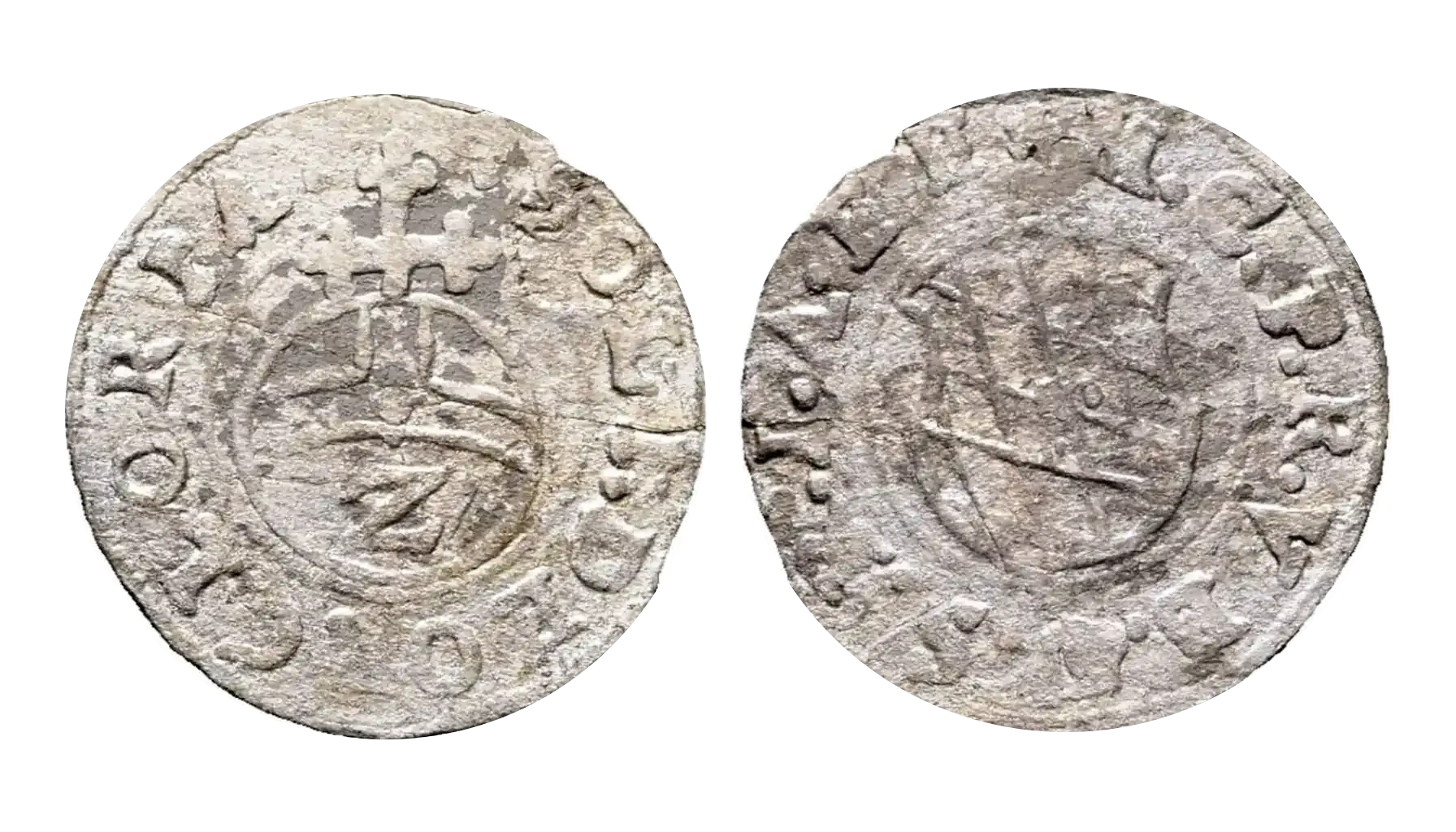
Medieval German lands produced pfennigs, bracteates, and early thalers. Bracteates were thin, single-sided silver coins used for several centuries. Later, the thaler became a major silver standard across many regions.
Valuable German Coins and What Makes Them Special
German Coins Name | Era | Composition | Why Valuable | Approx. Value |
20 Mark “Wilhelm II” | German Empire | 90% gold | Stable demand, German gold coin | $600–$900 |
20 Mark “Prussia Wilhelm I” | German Empire | 90% gold | Early imperial issue | $650–$950 |
20 Mark “Bavaria Ludwig II” | German Empire | 90% gold | Scarcer ruler, strong collector demand | $900–$1,600 |
20 Mark “Hamburg City Arms” | German Empire | 90% gold | State-specific issue, lower mintages | $650–$1,200 |
20 Mark “Württemberg Wilhelm II” | German Empire | 90% gold | Regional rarity | $700–$1,200 |
10 Mark “Prussia Wilhelm II” | German Empire | 90% gold | Popular small German gold coins | $350–$550 |
3 Mark “Saxony Death of Friedrich August III” (1917) | German Empire | 90% silver | Lower issue volume | $180–$400 |
2 Mark 1951 “G” | FRG | Copper-nickel | One-year type, scarce | $200–$500 |
100 Euro Gold (UNESCO series early 2000s) | Euro Era | 99.99% gold (½ oz) | Pure gold + collector premium | $1,100–$1,300 |
Are German coins worth money?
They may be valuable in some cases, but not always.
Gold marks (10 Mark and 20 Mark) trade close to melt value + moderate premium. Values above reflect real average market pricing in mid-grade condition.
German Empire silver (1–5 Mark, 90% silver) varies by state, date, and condition. Values listed are typical for collectible but not uncirculated pieces.
Weimar and Third Reich silver (especially 5 Reichsmark) generally fall in the modest collector range unless extremely high grade or rare mint marks.
Early Federal Republic pieces (especially 1949–1951) include several low-mintage pieces that can be rather valuable.
Each modern euro German silver coin and gold one follows bullion value with small collector premiums.
How to Identify an Old German Coin
Start with the basic elements printed on the coin. Most older German pieces clearly show who issued them, the year, and the denomination.
1. Issuing State or Authority
Imperial ones often name regions, e.g., Preussen, Bayern, or Sachsen. Earlier pieces may show city arms or local rulers. Coins from the Weimar and Third Reich periods usually carry national titles instead of regional names.
2. Denomination
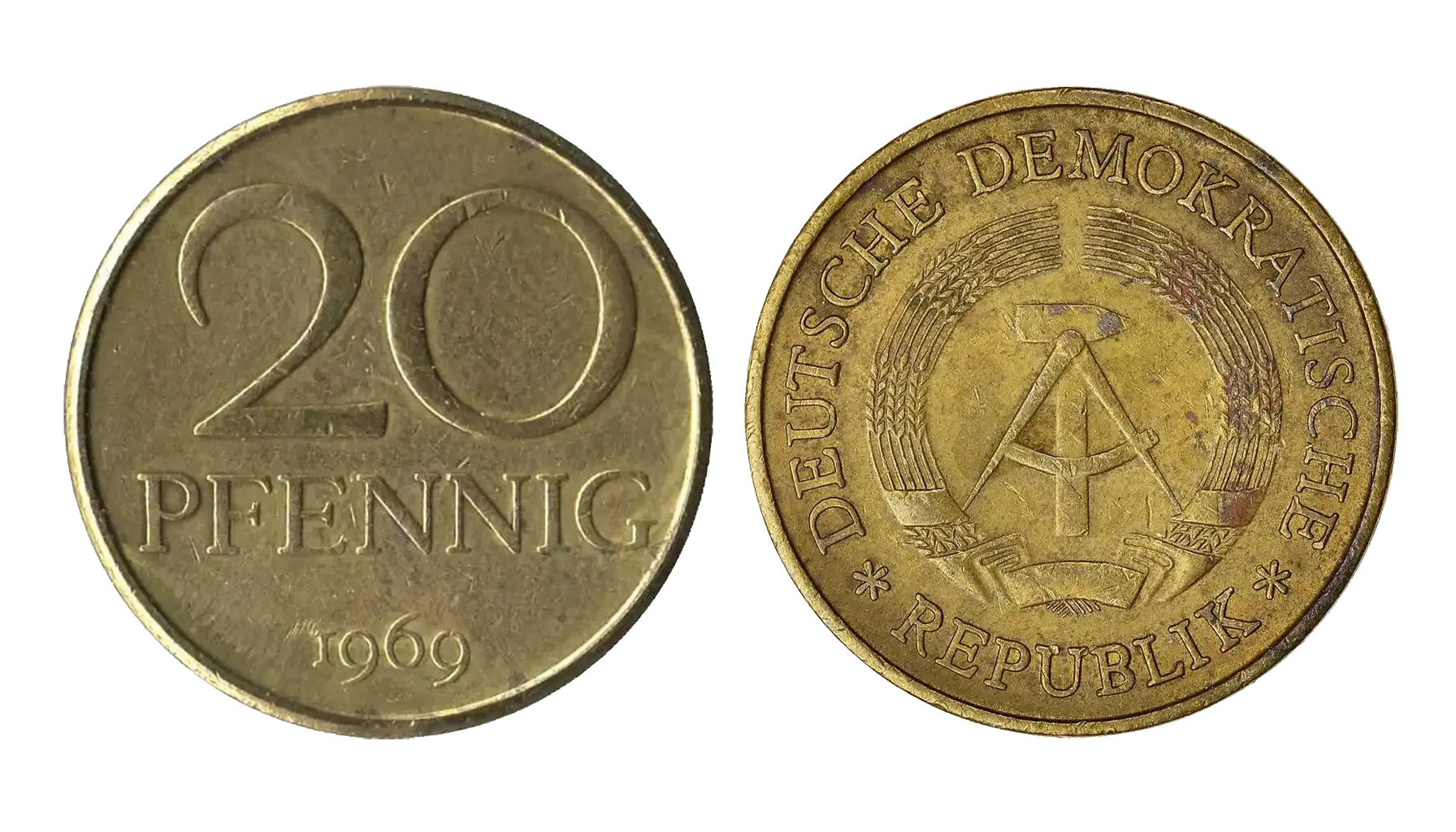
Words like Pfennig, Mark, Reichsmark, Gulden, or Thaler point to the period the piece belongs to. This helps narrow down the era quickly.
3. Date
The year is usually placed on the reverse or near the edge of the design. Once you have the date, you can classify the coin into Imperial Germany, Weimar, Third Reich, FRG, or earlier state issues.
4. Mint Mark
Letters such as A, D, F, G, and J show where it was made. Earlier state coins may use different letters. Mint marks often influence German coin values and rarity.
5. Metal
Gold and high-silver specimens point to Imperial issues. Zinc and aluminum are common for wartime pieces. Copper-nickel and bronze help identify later dates. The metal gives a good indication of the historical moment.
6. Design Features
Portraits, coats of arms, eagles, city symbols, and commemorative motifs make identification easier. Each era has its own style, so the artwork often confirms the time period.
7. Compare with Known Types
Once you have the ruler or state, year, mint mark, denomination, and metal, matching the it to catalog images becomes straightforward.
Coin ID Scanner
This app makes the process faster by identifying coins from a photo and showing main details like country, type, years of issue, metal, weight, and standard market ranges. It helps confirm the basic information of your rare German coins and allows you to organize your finds in a digital collection.

 Facebook
  X (Twitter)
  Pinterest
  LinkedIn