Contents:
Krone is the name of a currency used in several countries.
The word literally means “crown”, which is why it was historically chosen in monarchies.
In the modern world, you can even identify coins with your phone. The progress is undeniable. The same is with modern currencies.
Countries that use Krone money today:
Country | Currency Name | Code |
Denmark | Danish Krone | DKK |
Norway | Norwegian Krone | NOK |
Sweden | Swedish Krona (same word, different grammar form) | SEK |
Iceland | Icelandic Króna | ISK |
Czech Republic | Czech Koruna (same origin, different spelling) | CZK |
What Is the Krone Currency?
The Krone is a national currency that is used in several European countries. The name comes from the word “crown”. It became common in states that had monarchies. Each country issues and manages its own version of the currency, so there is not one single Krone, but several separate currencies.
The Krone is decimal-based:
1 Krone = 100 smaller units
Names of the smaller units differ:
øre in Denmark and Norway
öre in Sweden (no longer in circulation, but still used in price calculation)
heller formerly in the Czech Republic (not minted anymore)
Why are there different spellings? The variations come from language differences:
krone (Danish, Norwegian)
krona (Swedish)
króna (Icelandic)
koruna (Czech)
All trace back to the same meaning: the symbol of a crown.
Danish Krone (DKK)
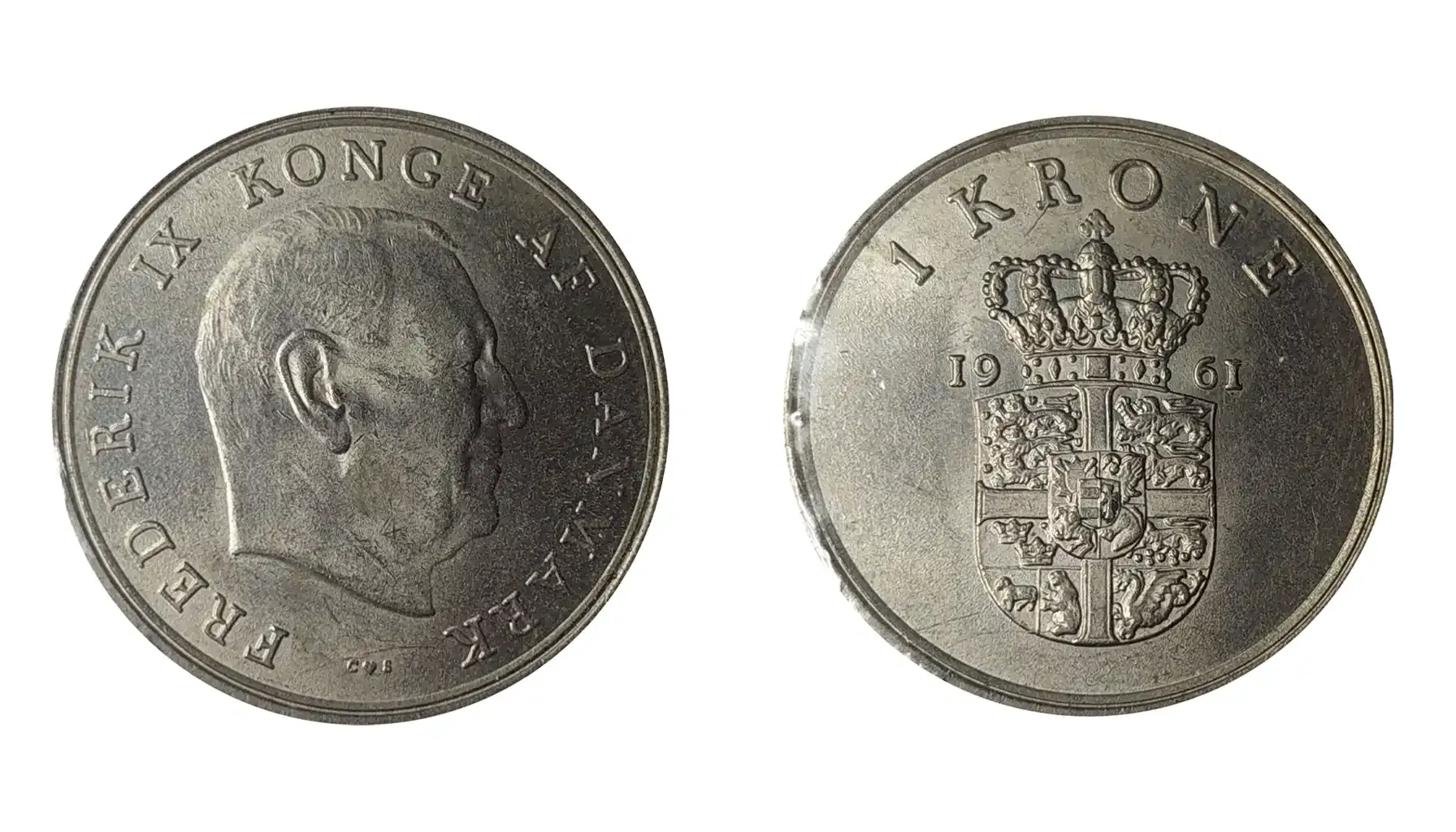
It is the official currency of Denmark, as well as Greenland and the Faroe Islands. It has been in use since 1875, when it replaced the rigsdaler. The name means crown and reflects Denmark’s monarchy.
The Danish Krone symbol is “kr” as for the rest ones.
Historical Background
The Krone was introduced during the Scandinavian Monetary Union, in which Denmark, Sweden, and later Norway used similar currencies that were based on the gold standard. The union ended during the First World War, but Denmark continued with the Krone as its national currency.
When the Euro was introduced, Denmark chose not to adopt it. Instead, the Krone is kept closely tied to the Euro through the European exchange rate system:
1 EUR ≈ 7.45 DKK
This keeps the Krone stable and predictable.
Coins and Banknotes
Danish coins often feature:
The monogram of the reigning monarch
Traditional Nordic decorative patterns
A center hole on some pieces (1, 2, and 5 kroner), which makes them easy to recognize by touch and weight.
Common denominations are 1, 2, 5, 10, and 20 kroner.
Smaller øre pieces are no longer used in everyday payments; prices are rounded to the nearest 50 øre.
The current banknote series shows major Danish bridges together with archaeological objects.
Norwegian Krone (NOK)
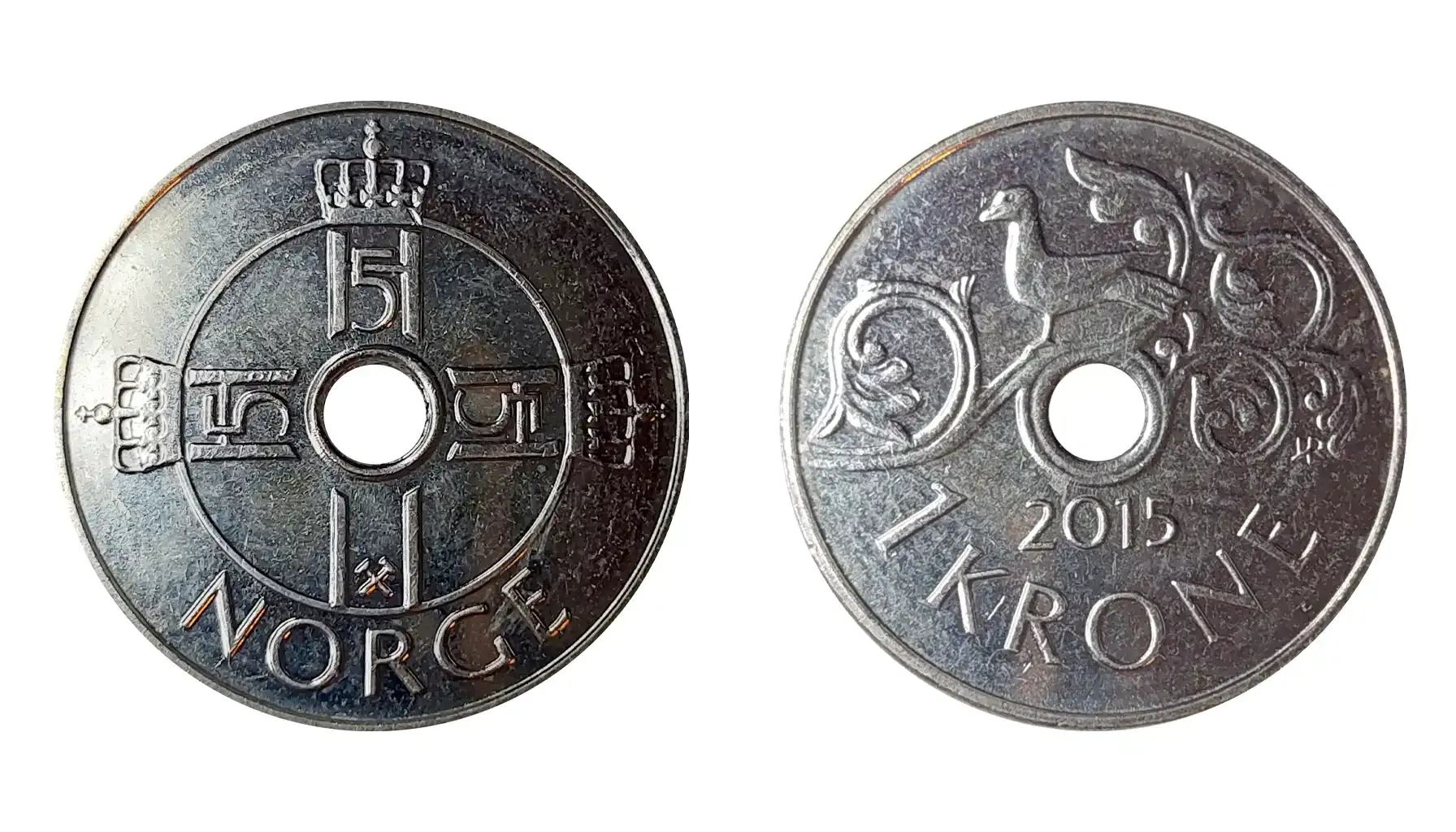
It is the official currency of Norway. It has been in use since 1875. The name means “crown” and reflects Norway’s royal heritage. The Krone replaced the speciedaler when Norway joined the Scandinavian Monetary Union together with Denmark and Sweden.
Historical Background
When the Scandinavian Monetary Union was formed in 1873, its members agreed to base their currencies on the gold standard. It made trade and finance easier across the region. Norway formally adopted the Krone two years later, in 1875.
The monetary union dissolved during World War I. Norway, however, kept the Krone as its national currency. Unlike Denmark, Norway does not peg its currency closely to the Euro. The Norwegian Krone floats freely and is influenced by:
The country’s oil and gas economy
International trade conditions
Global currency markets
Norwegian Krone news
The value of the currency can rise or fall; it depends on economic trends.
“Movements in the krone exchange rate reflect changes in global conditions and in Norway’s terms of trade.”
— Øystein Olsen, Governor of Norges Bank 2011–2022
Annual Address, Oslo, February 2020
Coins and Banknotes
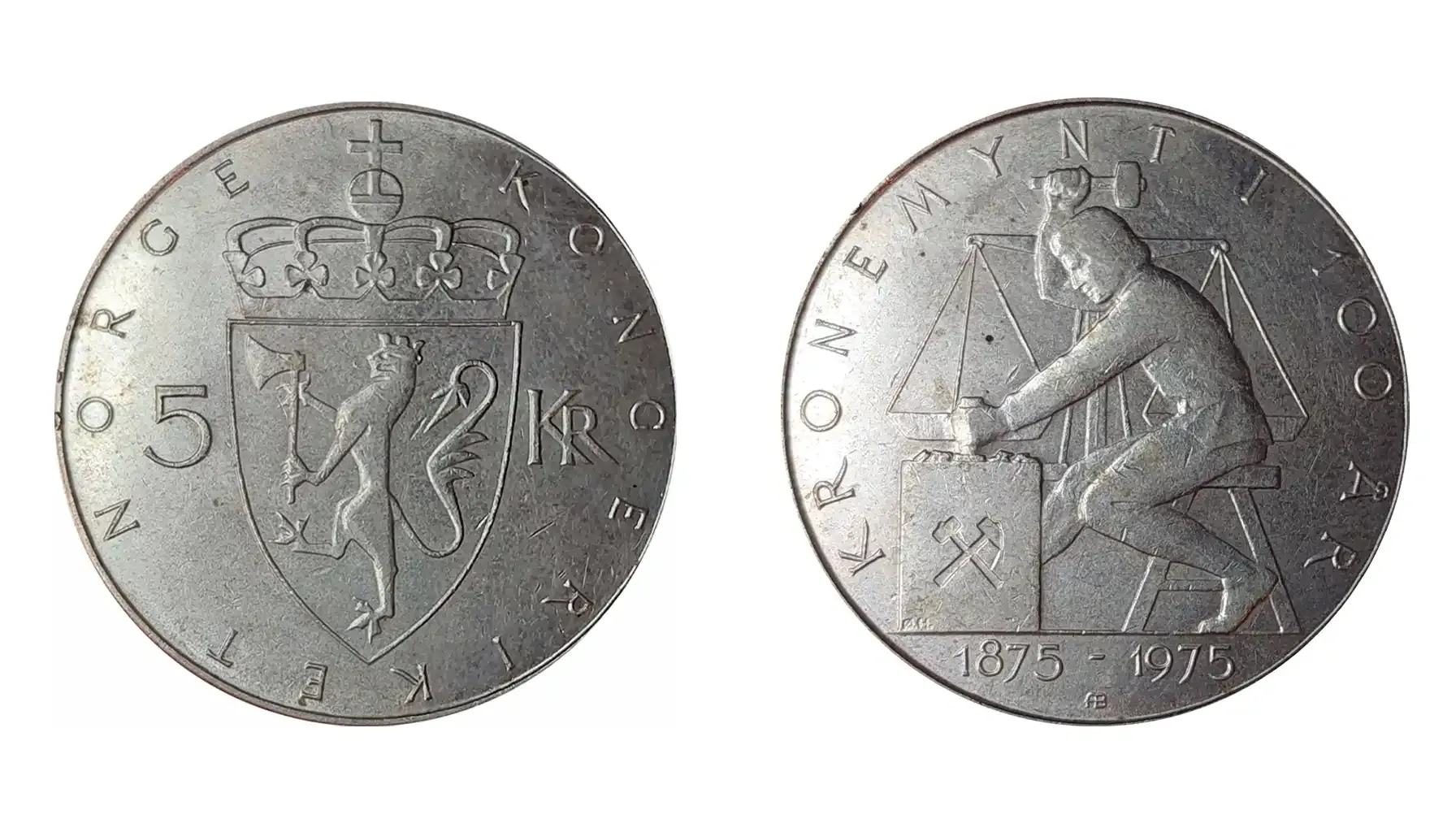
Norwegian coins usually feature:
The royal monogram of the reigning monarch
Traditional Nordic motifs
A circular hole in the center of several denominations.
Common denominations include 1, 5, 10, and 20 kroner.
Norwegian banknotes have gone through different design series. The most recent ones show Norwegian coastlines, maritime history and cultural artifacts.
Krone Symbol and Coins
Currency Symbol
It is written with the symbol “kr”, used in several countries. The meaning is the same across languages: the Krone definition refers to the crown, a symbol of the monarchy.
Valuable Specimens
Not every Krone coin is valuable. Collectors focus on those that have:
Low mintage numbers
Historical or commemorative themes
Silver or gold content
Very good preservation
Clear minting errors
Denmark (DKK)
Type | Years | Why It’s Valued | Value |
10 Kroner, Frederik IX (silver) | 1960s | Silver content | ~€10–40 |
20 Kroner commemoratives | Various issues | Limited production | ~€15–80 |
Older gold 10 and 20 Kroner | Late 19th–early 20th century | Gold content + history | often €250+ |
Norway (NOK)
Type | Years | Why It’s Valued | Value |
1 Krone, Haakon VII (silver) | Until 1951 | Silver content | ~€8–35 |
2 Kroner commemorative issues (silver) | Various | Lower mintage | ~€20–150 |
10 and 20 Kroner gold coins | Late 19th–early 20th century | Gold + royal history | From gold value, often €300+ |
Sweden (SEK)
Type | Years | Why It’s Valued | Value |
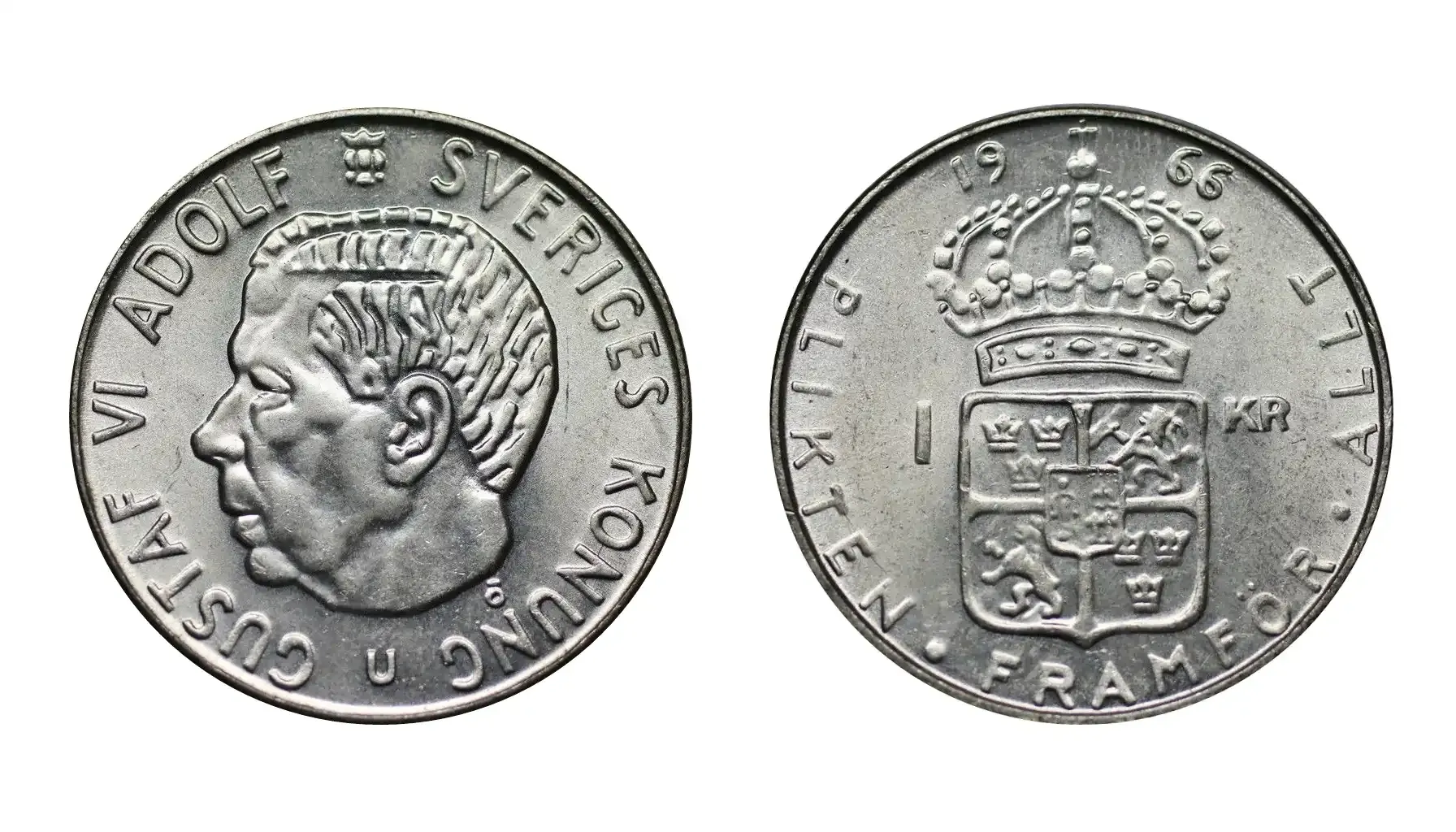
1 Krona (silver) | Until 1968 | Silver alloy | ~€5–25 |
2 & 5 Kronor (silver commemoratives) | 19th–20th century | Small mint runs | ~€15–120 |
10 Kronor (gold) | Earlier issues | Gold content | Gold value + collector premium |
Czech Republic (CZK)
Type | Why It’s Valued | Value |
50 Kč Proof | Small collector market | ~€5–30 |
Misstruck or errors | Actively collected | ~€20–200+ |
How to Check Krone Coins
When you sort the pieces, a few basic steps help you see whether one is common or worth setting aside.
Look at the Country
The national side shows where it comes from.
This matters because each country has its own mint history and rare years.
Denmark: royal monogram and crown
Norway: royal monogram or coat of arms
Sweden: “SVERIGE” and royal symbols
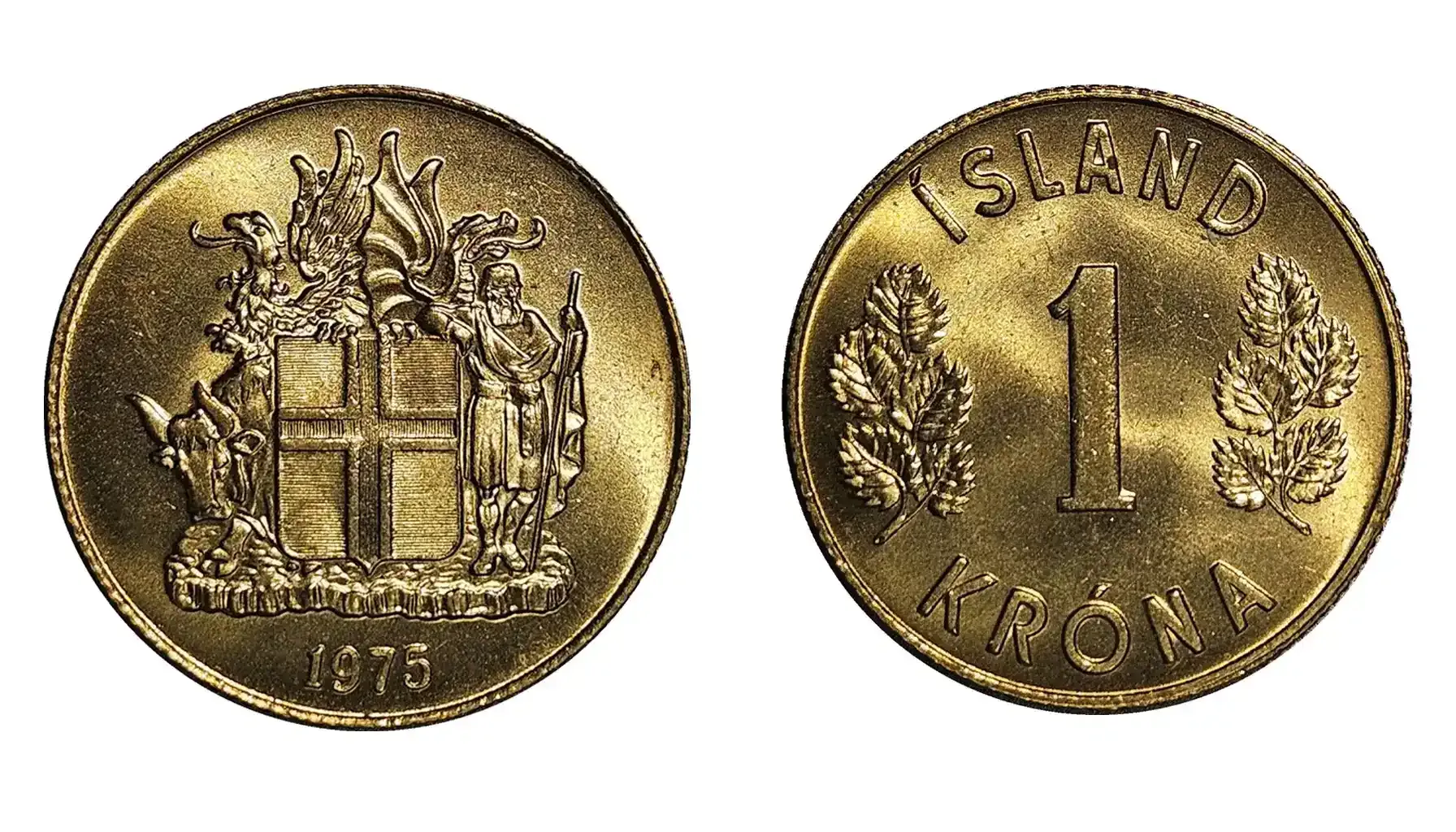
Iceland: national guardians and emblems
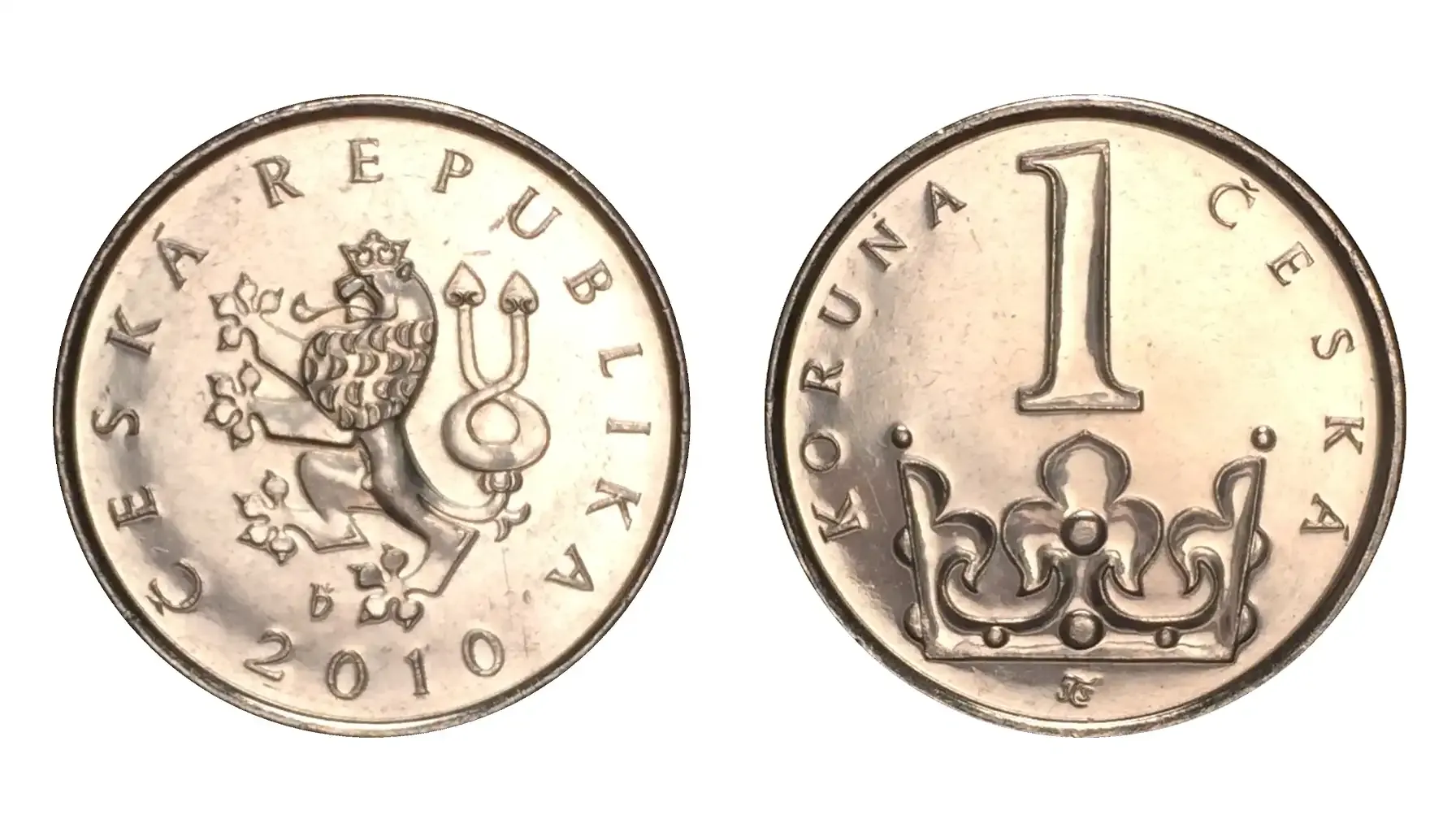
Czech Republic: lion crest or modern stylized designs
Check the Year
The date usually tells you whether the it might be worth more attention.
Coins from earlier decades (especially before the 1950s) often have lower mint numbers and were sometimes made of silver or gold.
Identify the Metal
Metal alone can give a value:
Gold coins are always more valuable than face value.
Silver coins can be worth more even if worn.
Modern base-metal coins are usually common unless they are a rare year or a mistake.
Do not clean the coin—cleaning lowers value immediately.
Check the Condition
Collectors pay more for specimens in good shape. Sharp details, strong edges, no scratches or dull surfaces matter.
A common one in excellent condition can be better than a rare coin in poor condition.
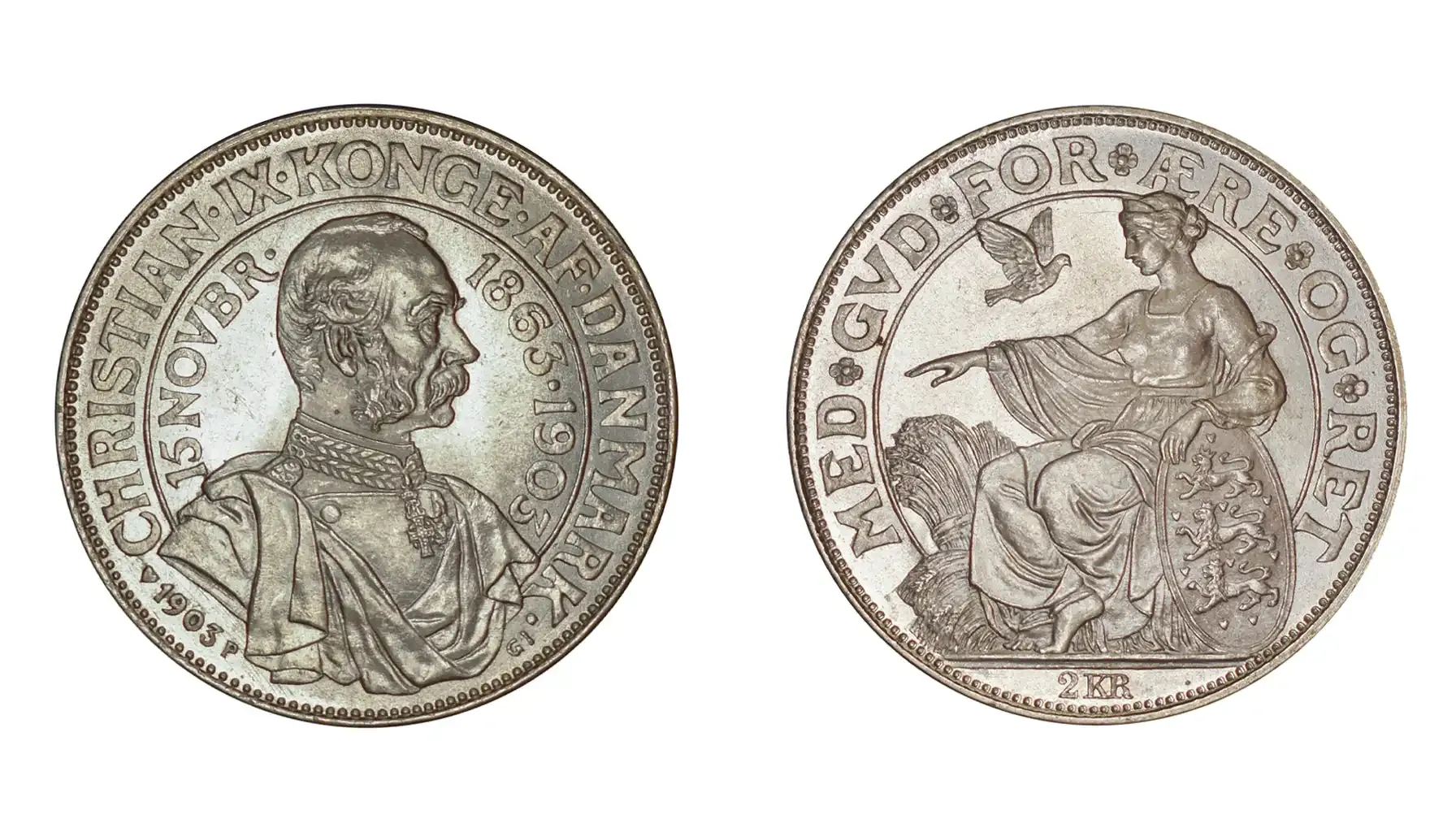
Look for Special Issues
Some of them were made to mark:
Royal anniversaries
National events
Historical occasions like 1981 Charles & Diana Royal Wedding Coin features
These commemoratives often had shorter mint runs. This makes them more interesting to collectors.
Watch for Minting Errors
A real mint error can raise value. Look for:
Off-center designs
Doubled text or images
Wrong metal blank
Parts of the design missing
Damage from circulation is not an error.
Conclusion
Krone coins combine history, tradition, and practical value. They reflect the development of the countries that issued them, from monarchy to modern state. Because of this, they are interesting not only for collectors, but also for people who trade or invest in physical assets.
For collecting, the strongest focus remains on:
Silver and gold issues from earlier decades
Commemorative coins with small mint numbers
Those kept in excellent condition
These pieces hold value because they are limited and recognized on the numismatic market.
For trading, these coins offer a clear price structure. Older silver and gold specimens follow the international metal market; certain commemorative and low-mintage pieces follow collector demand. This has its benefits for both short-term trading (reacting to metal prices) and long-term holding (waiting for increasing collector interest).
The best way is to:
Keep silver and gold pieces as a stable core.
Trade modern commemoratives and sought-after issues when market demand rises.
Watch auction results to see where interest is actually growing.
Krone coins can be collected for their history and traded for their market value. They are suitable for people who appreciate tangible assets and want something more meaningful than numbers on a screen as well.

 Facebook
  X (Twitter)
  Pinterest
  LinkedIn