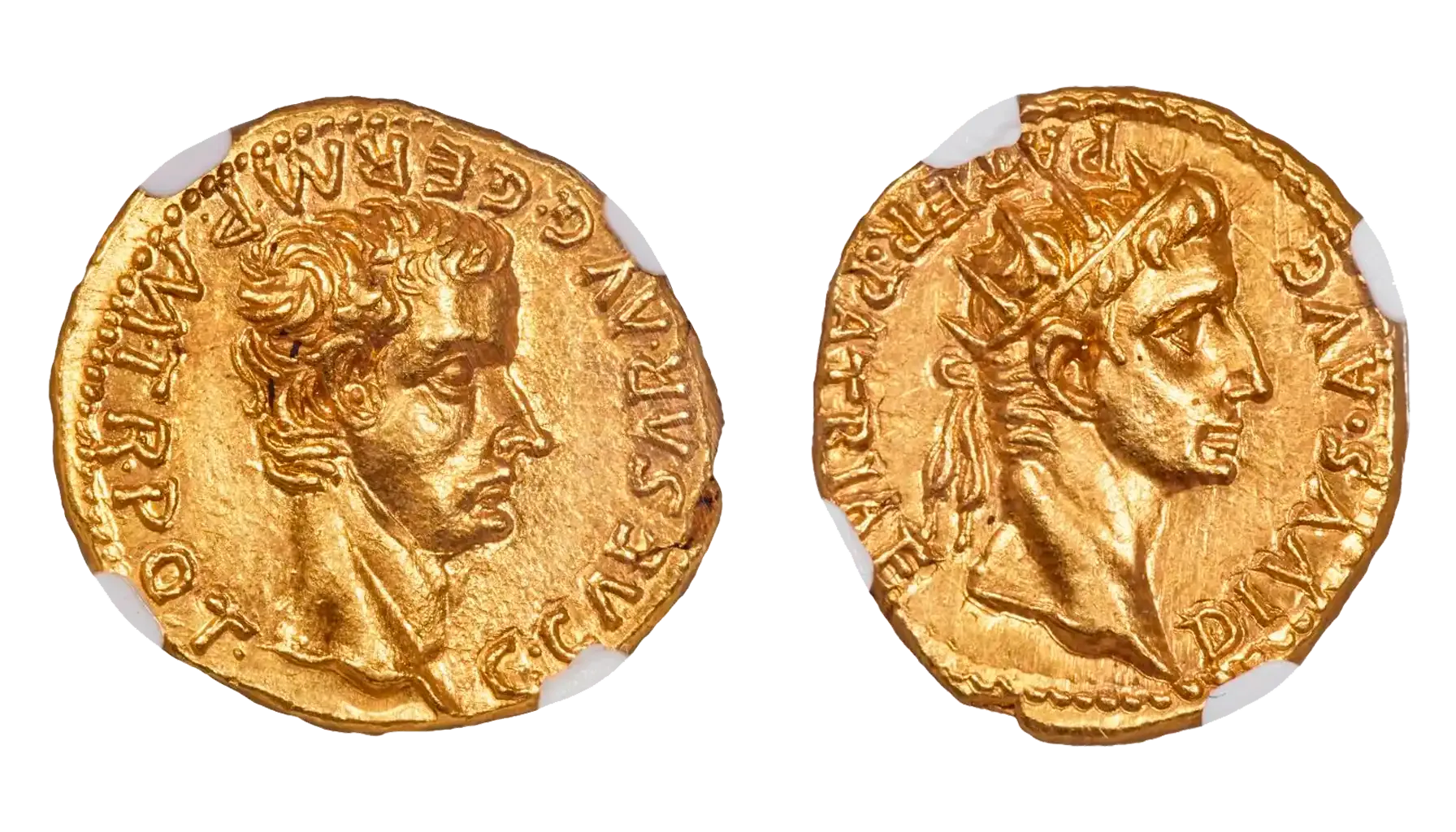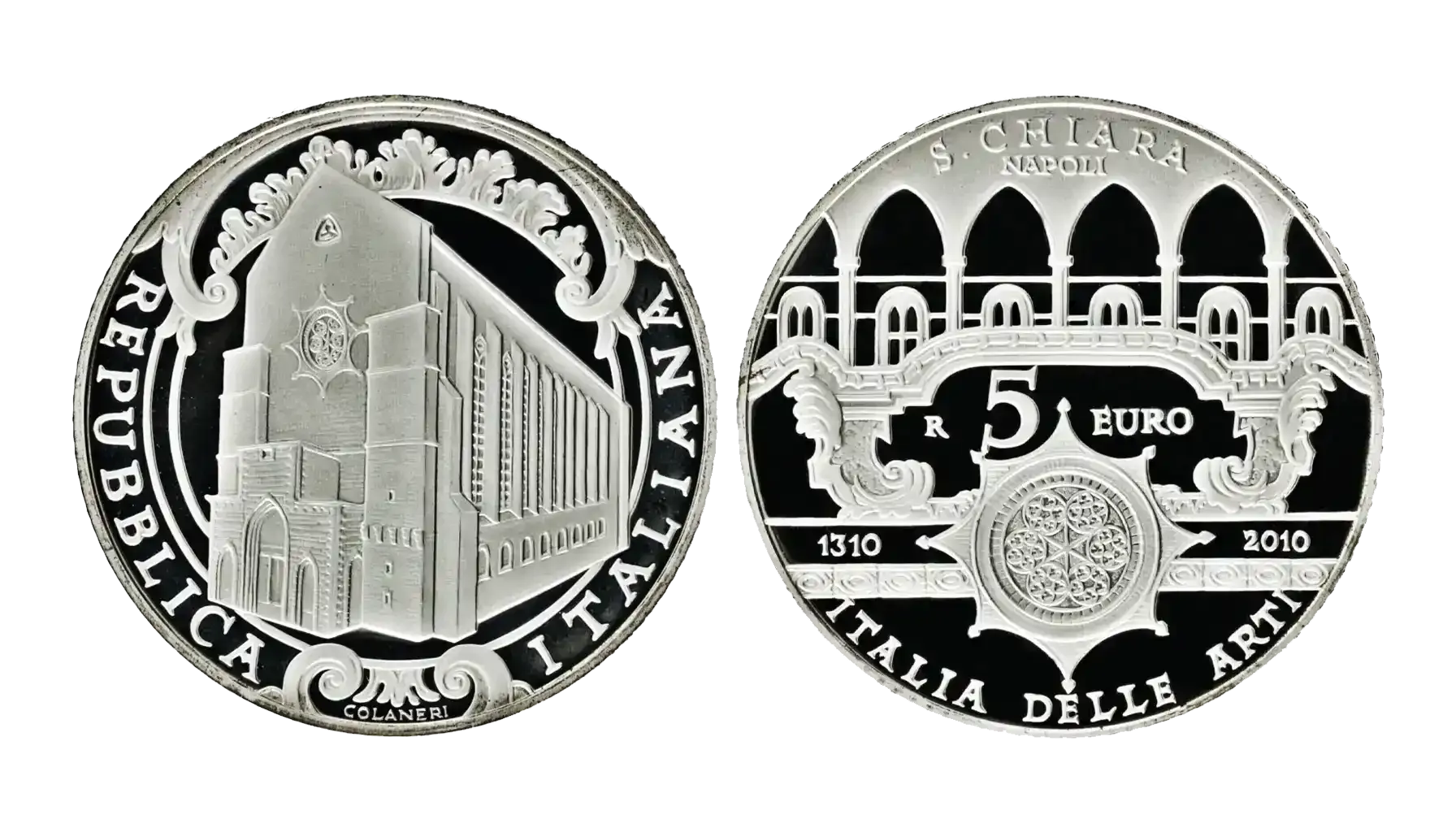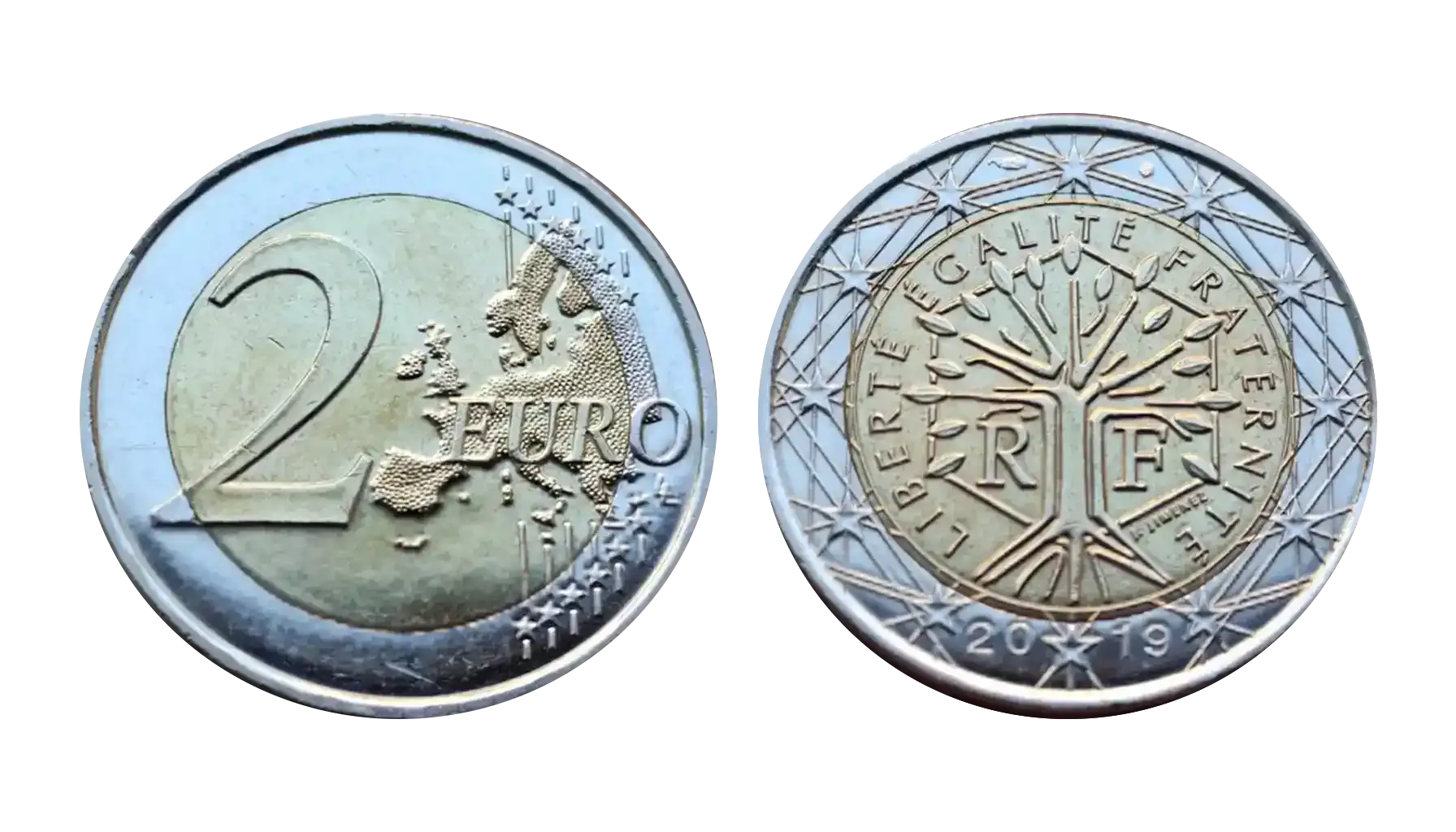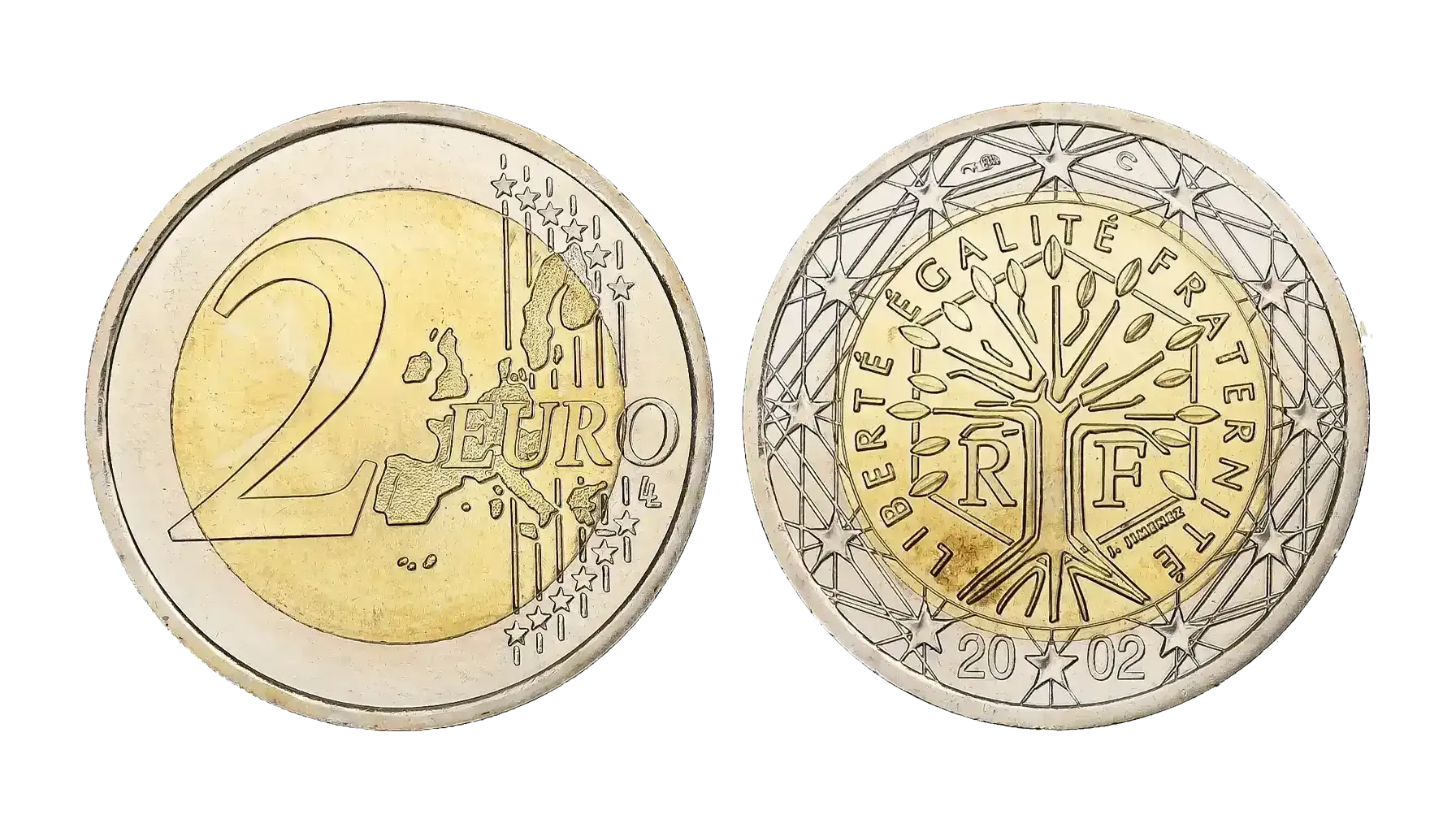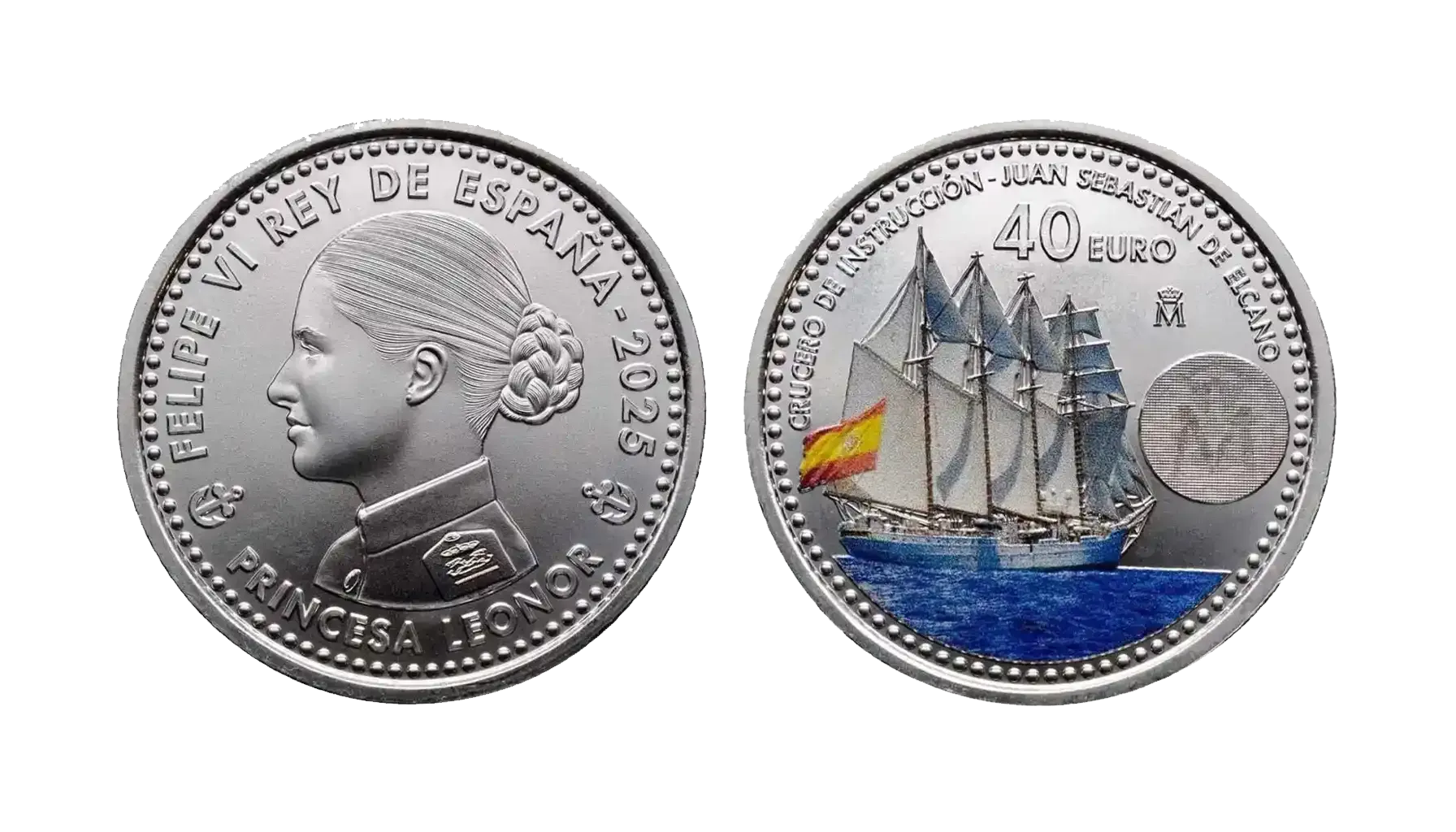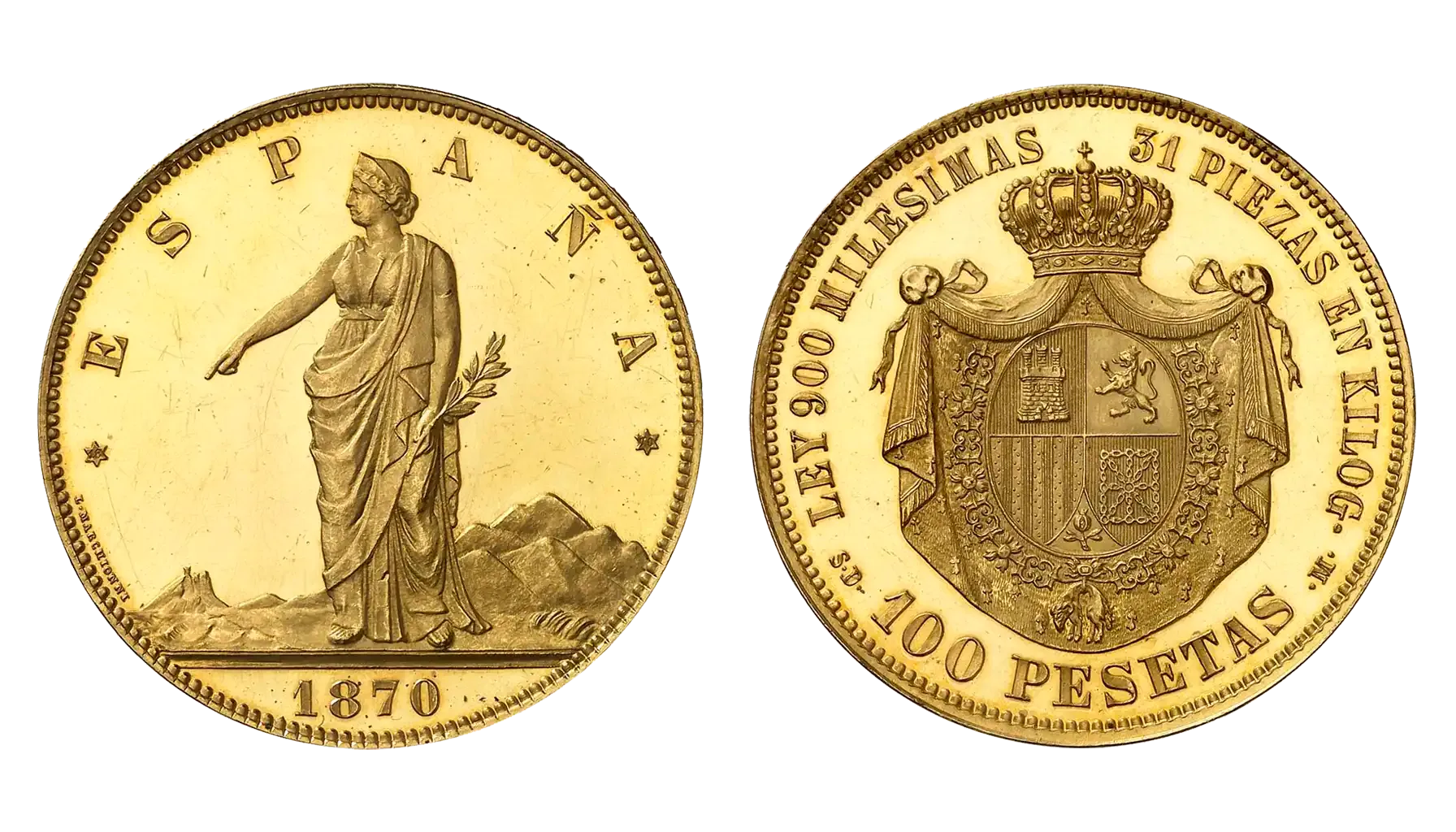
Some coins are made of silver because the metal combines durability, scarcity, and intrinsic value. This metal is resistant to corrosion, easy to mint into detailed designs, and recognized as a universal medium of exchange throughout history.
Its measurable metal content gives coins a stable store of value that doesn’t depend on government credit. Even after base metals replaced silver in circulation, it remained the preferred choice for bullion and commemorative issues because of its long tradition as “honest money.”
Are silver coins a good investment? They can be when used strategically. They offer tangible value, high liquidity, and affordable entry costs compared to gold. People often buy them as a hedge against inflation and currency depreciation, since Argentum tends to move with broader precious-metal trends.
However, silver prices can be volatile, and premiums or storage costs may reduce short-term returns.
To identify rare coins made out of this metal, try Coin ID Scanner app!
Top Silver Coins to Invest in
American Silver Eagle
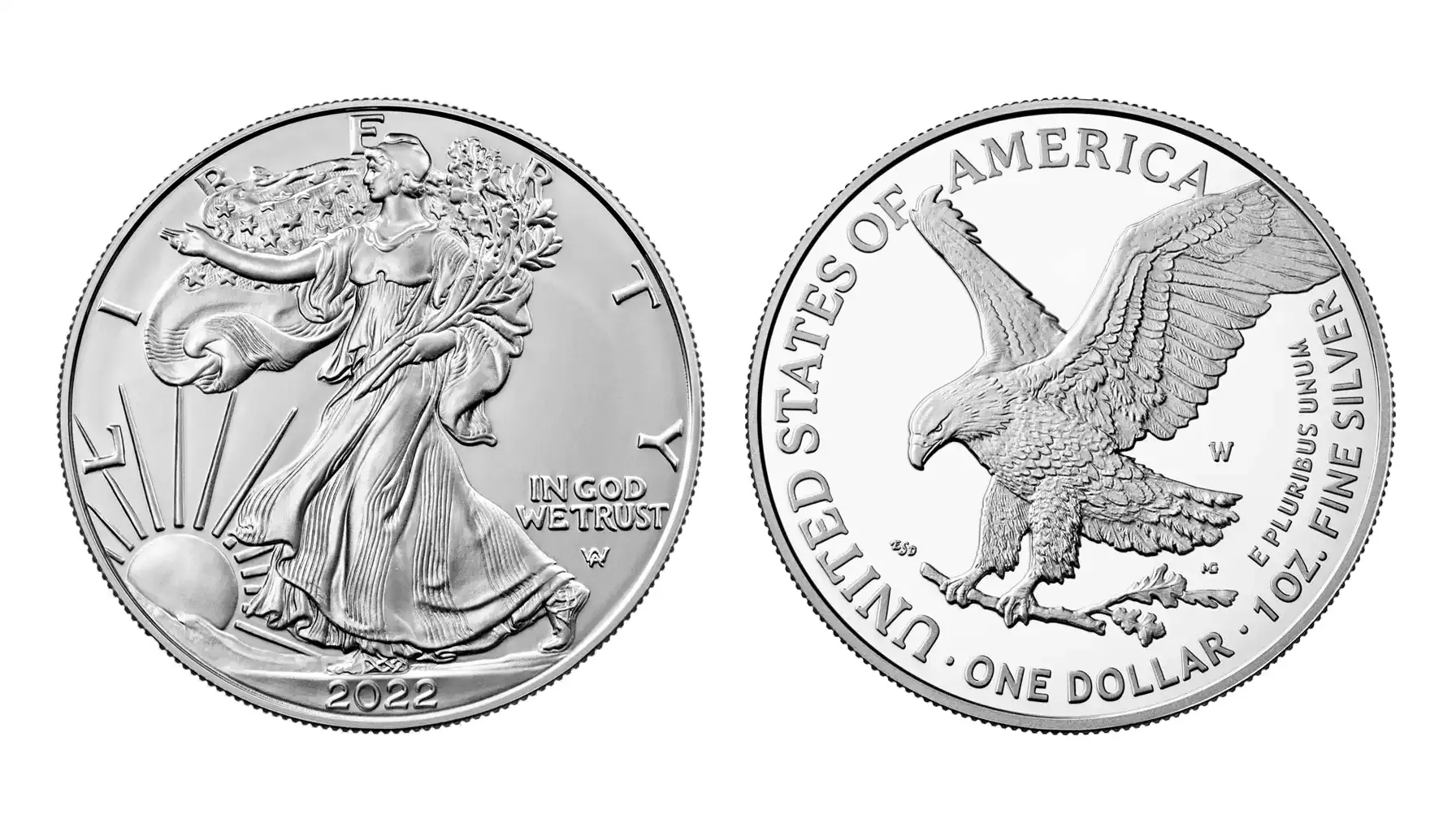
Country: United States
Purity: .999 fine silver
Weight: 1 troy ounce
Denomination: $1
First Year: 1986
“Silver Eagles feature one of the most beautiful designs of any United States coin. … The series is very collectible in MS 69 and has been struck since 1986.”
— Jeff Garrett, American numismatist, coin dealer, author
CoinWeek, 2019
The American Silver Eagle is the official bullion coin of the United States Mint and one of the best silver coins to buy right now.
It carries the Walking Liberty design by Adolph A. Weinman and an eagle on the reverse.
Each coin is guaranteed by the U.S. government for weight and purity, which secures its liquidity in any major market. These most valuable silver coins trade with tight premiums and are accepted by both investors and institutions around the world.
Read more about its 2021 issue: 2021 Silver Eagle Type 1 vs Type 2.
Canadian Maple Leaf
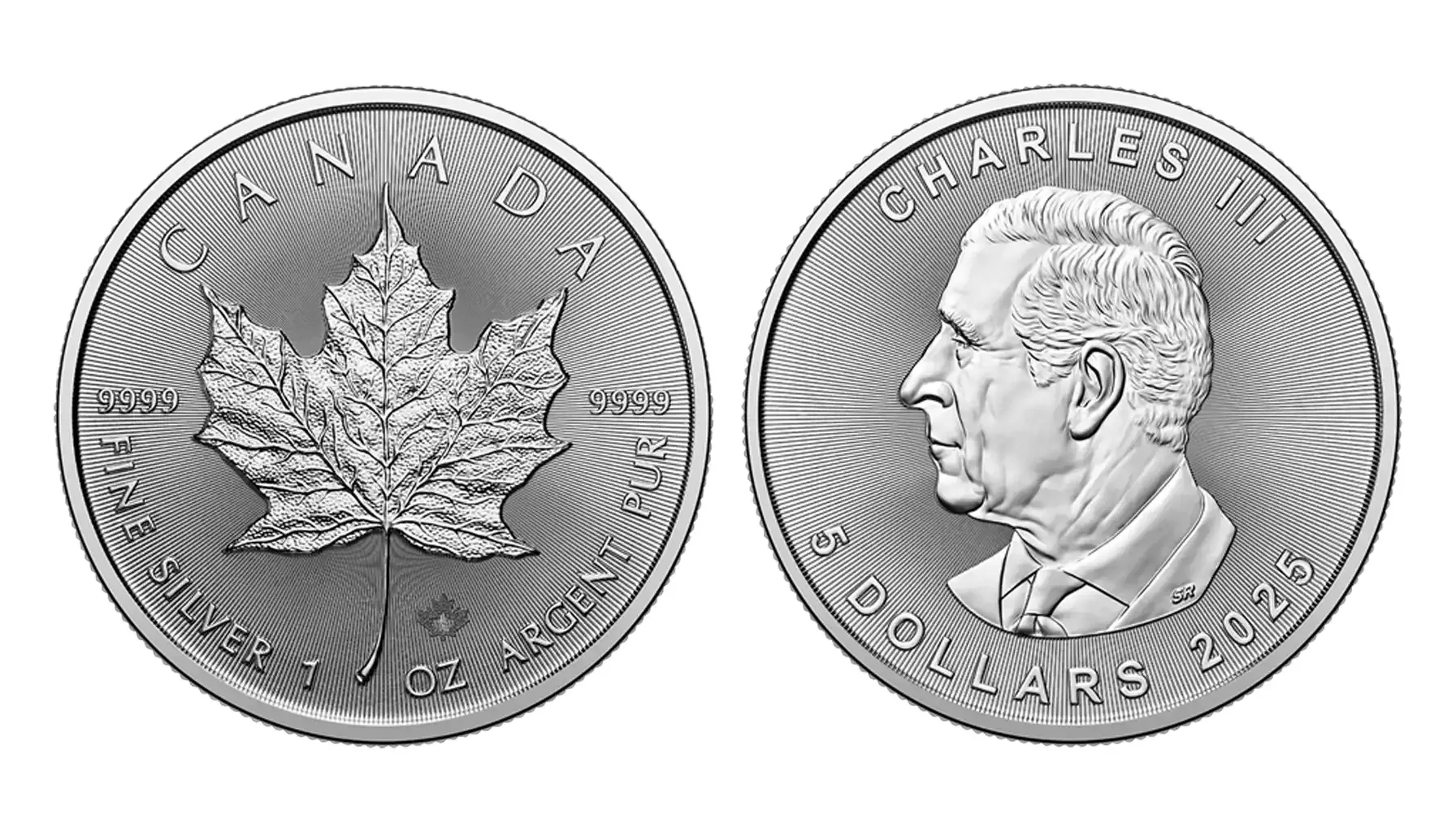
Country: Canada
Purity: .9999 fine silver
Weight: 1 troy ounce
Denomination: 5 dollars
First Year: 1988
The Canadian Silver Maple Leaf is produced by the Royal Canadian Mint and noted for its exceptional purity.
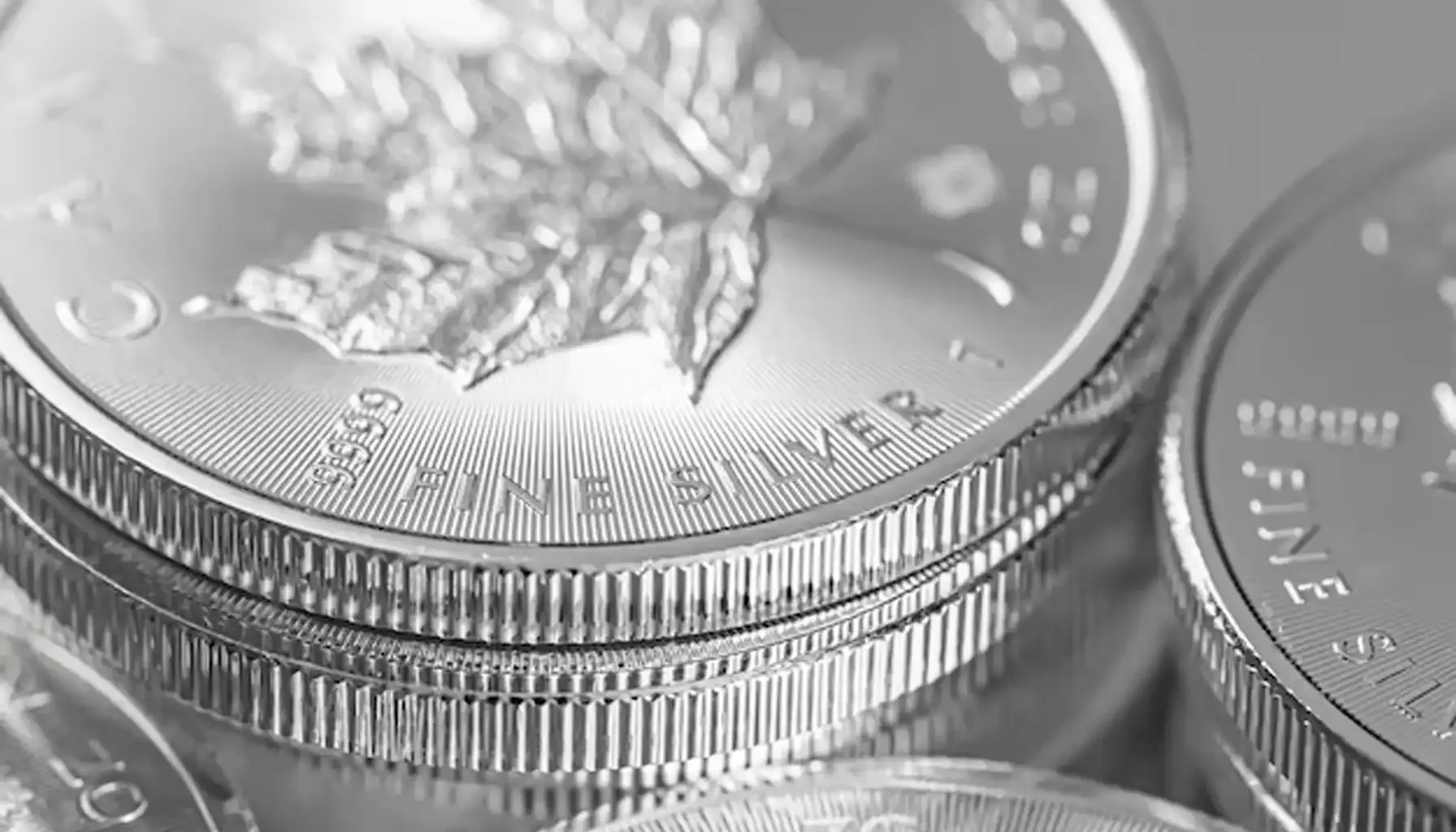
The coin features a detailed maple leaf and the portrait of Queen Elizabeth II. Modern issues include radial lines and a micro-engraved security mark. So, it’s one of the most counterfeit-resistant numismatic pieces available.
The Canadian Silver Maple is one of the best coins to collect for investment favored for its consistent quality, strong secondary market, and minimal premium over spot silver.
Austrian Philharmonic
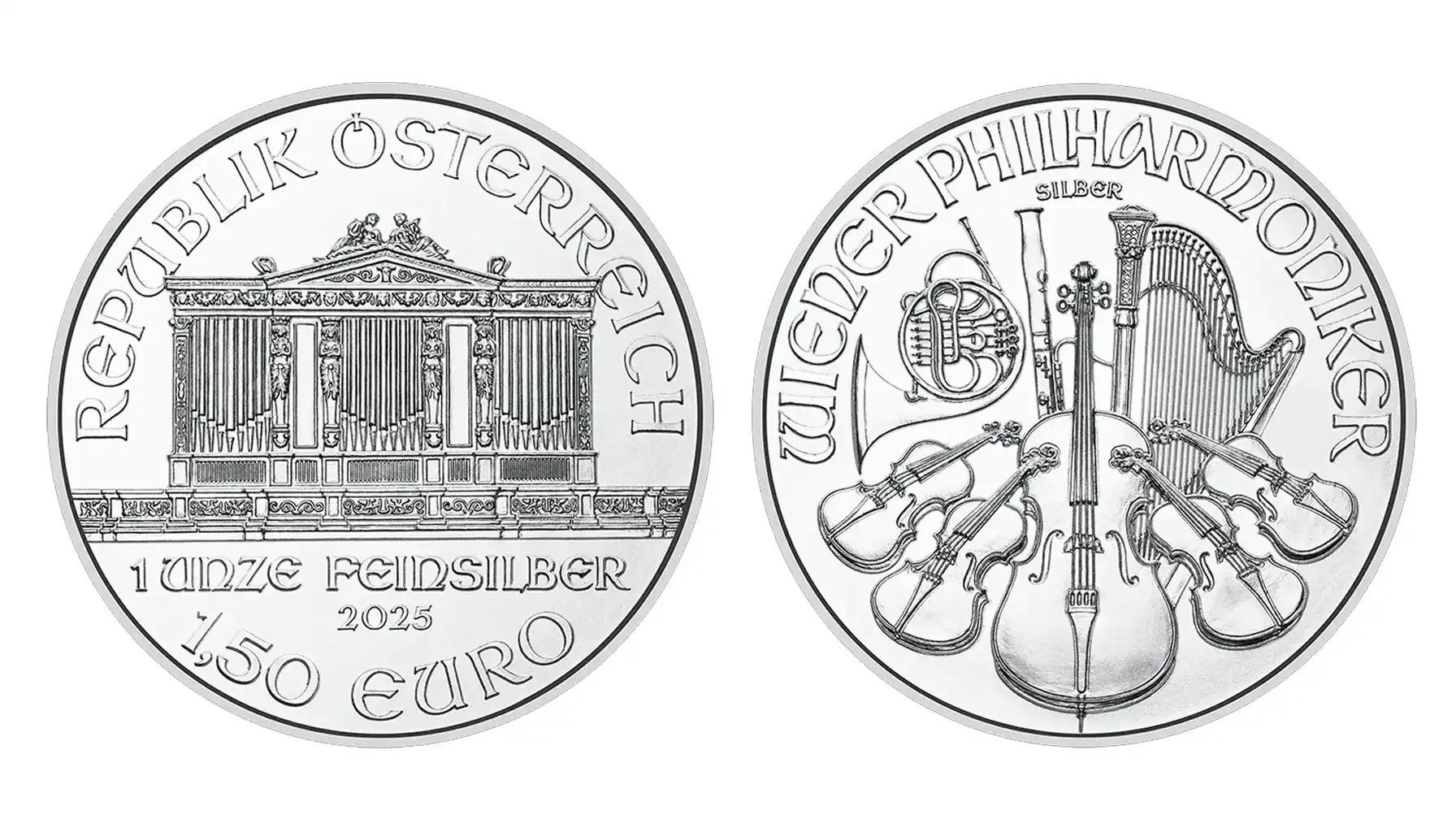
Country: Austria
Purity: .999 fine silver
Weight: 1 troy ounce
Denomination: 1.5 euros
First Year: 2008
The Austrian Silver Philharmonic is struck by the Austrian Mint. It celebrates Vienna’s Philharmonic Orchestra.
The reverse shows a collection of musical instruments; the obverse depicts the great organ of the Musikverein concert hall.
As the only specimen from the silver bullion coins for sale denominated in euros, the Austrian Philharmonic appeals to European collectors. Its craftsmanship, legal tender status, and stable production volume ensure consistent demand in both local and international markets.
British Britannia
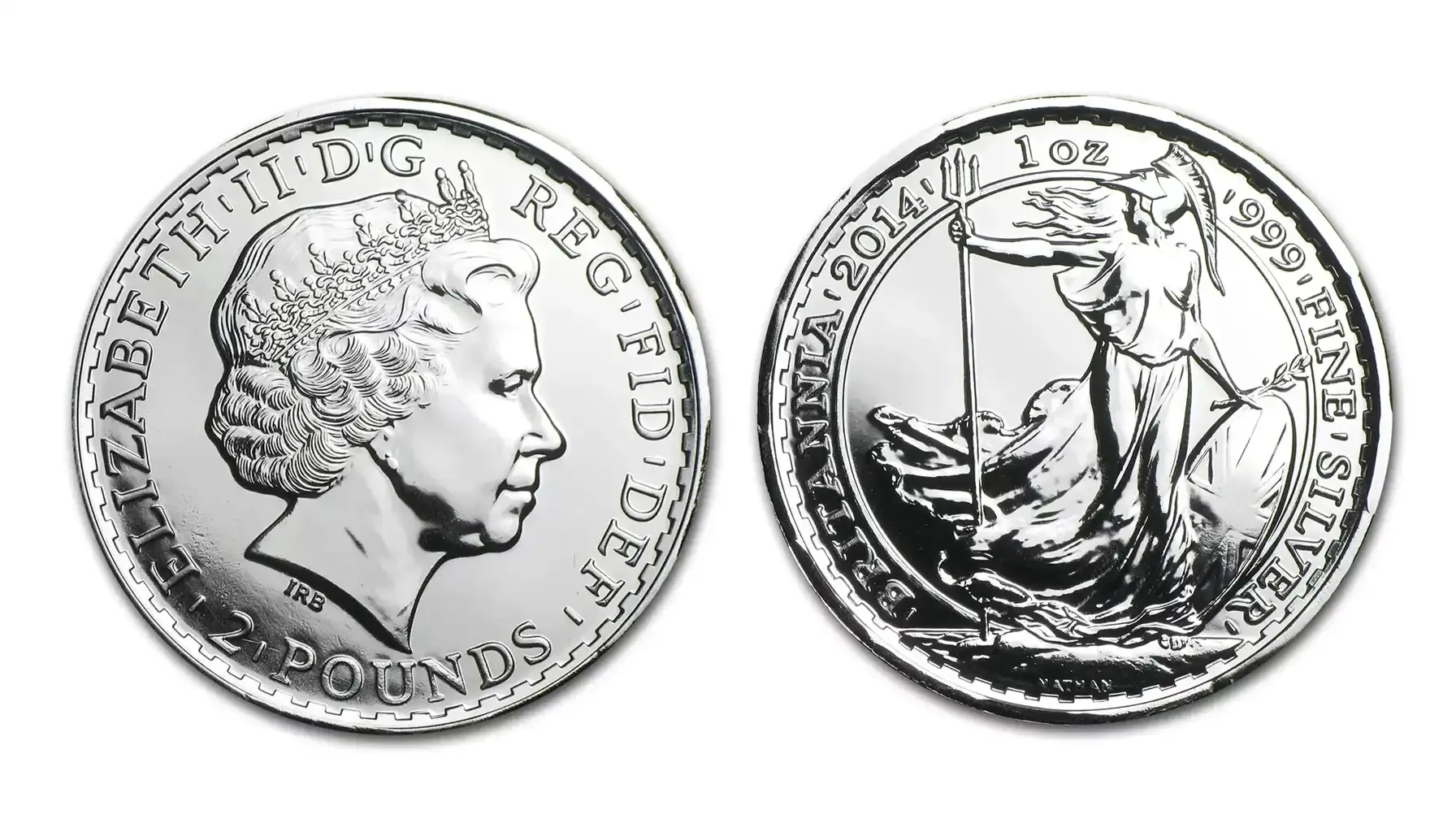
Country: United Kingdom
Purity: .999 fine silver
Weight: 1 troy ounce
Denomination: 2 pounds
First Year: 1997
The Silver Britannia is issued by the Royal Mint and features the allegorical figure of Britannia. It’s a symbol of national resilience and maritime strength.
Since 2021, the coin has included security elements, e.g., a latent image and micro-text for authentication.
Are coins a good investment if taken these ones specifically? The Britannia is known for its balance of bullion price and design appeal. It is the United Kingdom’s principal silver investment coin and trades actively throughout Europe and Asia.
Morgan Silver Dollar
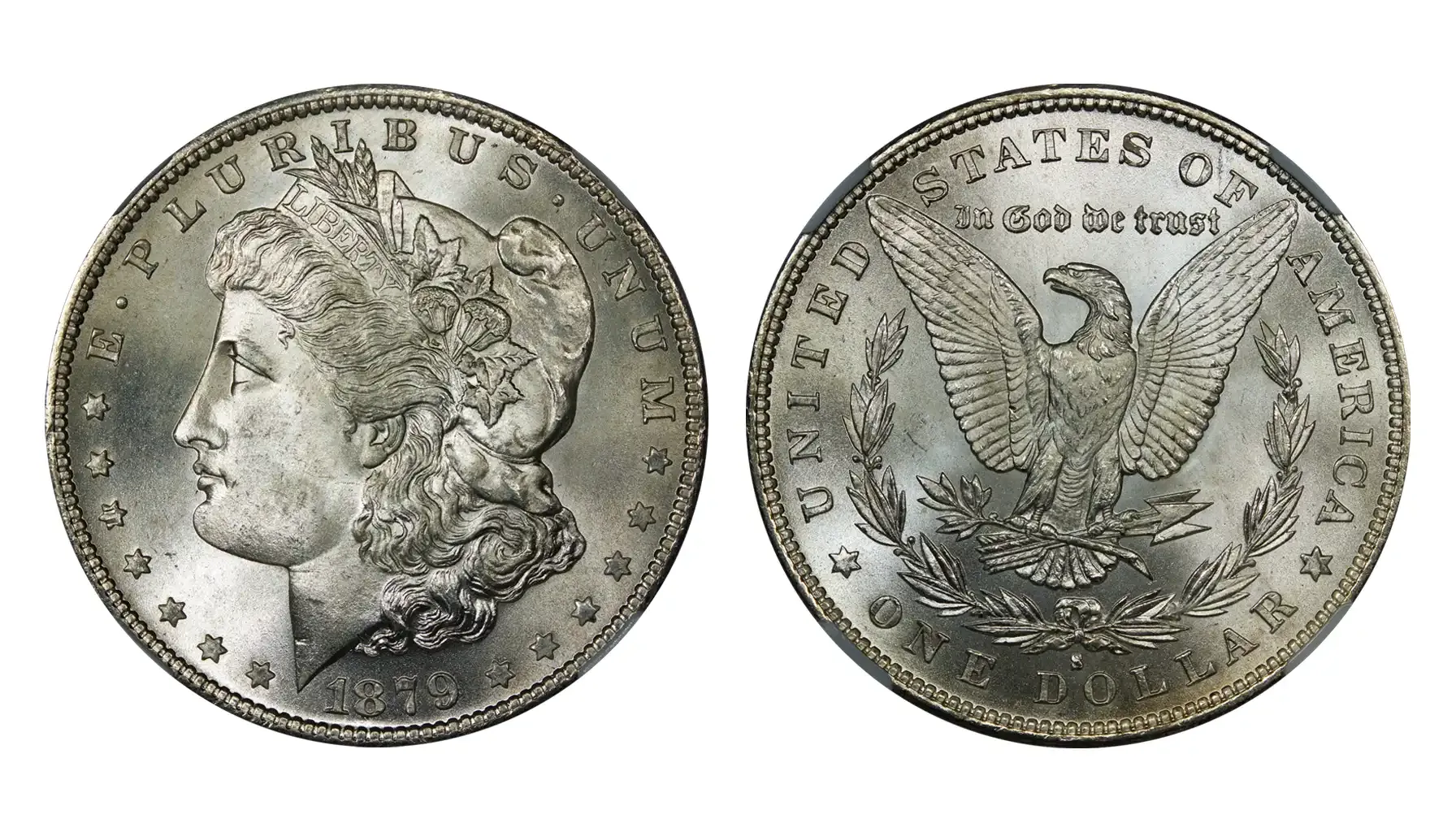
Country: United States
Purity: 90% silver (0.7734 troy oz ASW)
Weight: 26.73 grams
Denomination: $1
Years Minted: 1878–1921
The Morgan Silver Dollar is a historical U.S. coin named after its designer, George T. Morgan. It was minted from Ag mined in the American West, and became a symbol of industrial expansion and the nation’s silver policy. It circulated widely during the late 19th century and remains highly collectible today.
Are Morgan silver dollars a good investment? Professionals love these pieces for their content, strong numismatic market, and demand across generations of collectors.
Compare Morgans with Peace dollars in our next guide.
The Smart Way to Invest in Silver
Is Silver a Good Investment Right Now?
The metal remains one of the most efficient ways to gain physical exposure to precious metals. Its lower price per ounce compared to gold allows for broader market participation and higher trading volume. Industrial demand from renewable energy, medical technology, and electronics continues to expand; this tightens supply and supports long-term appreciation.
Is silver worth investing in? From a trading standpoint, it behaves as both a commodity and a monetary asset with correlation benefits within diversified portfolios. Volatility is higher than gold, but so is leverage potential during upward price cycles.
“For purposes of this subsection, the term ‘collectible’ means any work of art, rug or antique, metal or gem (with certain exceptions), stamp or coin.”
— 26 U.S.C. § 408(m)(2)
Internal Revenue Code
Factors to Consider Before Buying Silver Coins
An experienced trader evaluates silver specimens with the same rigor as any other physical asset for their investment experience.
The first element is purity and standardization—coins must meet or exceed .999 fine silver to ensure global liquidity.
Consistency of origin is next; established producers such as the U.S. Mint, the Royal Canadian Mint, and the Royal Mint guarantee exact weight and metallurgy, which supports resale premiums.
Pricing differentials, or premiums over spot, require close attention, since they represent the true acquisition cost. Coins with high recognition and narrow spreads allow tighter entry and exit points.
Traders also account for market depth—how quickly a position can be liquidated without price distortion.
Taxation, import duties, and reporting thresholds must be reviewed in advance, especially for cross-border transactions or holdings within investment vehicles such as IRAs.
In addition, portfolio context matters: bullion ones offer liquidity and standardized pricing, while numismatic pieces introduce speculative and illiquidity risk. Professionals treat the two as distinct asset classes.
Silver Bars vs. Silver Coins: What’s the Best Silver to Buy
What is the best silver to buy for investment? Factors | Silver bars | Silver coins |
Premium over spot | Low; ideal for bulk purchases and institutional stacking | High; includes minting and distribution costs |
Liquidity | Slightly limited; resale usually via dealers or refineries | High; recognizable and easily tradable worldwide |
Size range | 1 oz to 1,000 oz; flexible for portfolio scaling | Mostly 1 oz; standardized for retail investors |
Storage efficiency | Compact; stackable for vault storage | Bulkier due to capsules or tubes |
Authentication | Requires assay verification for large bars | Self-verifying by appearance and mint marks |
Market audience | Institutional, hedge funds, and large private investors | Retail and private collectors |
Best use | Long-term holdings, cost averaging | Tactical trading, liquidity management |
For portfolio balance, institutional investors often hold bars as the core metal reserve and coins as the liquid segment of their physical allocation. Bars minimize friction costs; coins provide exit flexibility during short-term market adjustments.
How to Store and Protect Your Silver Investments
Protecting your holdings is part of risk management. Proper storage preserves both metal integrity and resale cost; reducing exposure to theft, oxidation, or documentation loss. Investors handle this through structured systems used in the metals trade.
1. Storage Options
The safest method for institutional and high-net-worth investors. Assets are stored under individual account numbers in LBMA-approved facilities, fully insured and auditable.
Bars and coins remain part of a shared vault pool but are recorded in the investor’s name. Lower cost than segregation, but slightly less control.
Private depository or bank safe boxes are suitable for smaller holdings but require verification of insurance coverage and access rights.
Home storage is acceptable for limited quantities only. Use a fire- and water-resistant safe with fixed anchoring and maintain off-site insurance documentation. However, we recommend that you ask yourselves: What are silver coins worth, and is this price suitable for home storage, especially for rare coins?

2. Environmental Control
Maintain dry, stable temperature conditions.
Avoid exposure to humidity, sulfur, or industrial air pollutants that cause tarnish.
Use airtight capsules, plastic tubes, or Mylar sleeves to prevent oxidation.
Limit handling—always use cotton or nitrile gloves to protect surfaces.
3. Insurance and Documentation
Insure holdings for their current replacement value, not purchase price.
Keep copies of purchase invoices, serial numbers, and assay certificates in both physical and digital form.
Review coverage annually and confirm inclusion under “precious metals” clauses.
Maintain an updated inventory record to simplify audits and estate transfers.
4. Security Practices
Install motion-sensor alarms and surveillance if storing at home, especially if you have the best silver coins to collect possible.
Keep locations undisclosed to non-essential parties.
Conduct regular audits—monthly for large positions, annually for smaller private holdings.
Use tamper-evident seals when transporting or shipping your specimens.
If you think about long-term maintenance, remember to reassess storage providers and insurance terms yearly; perform physical verification against documentation after every transfer; rotate older packaging materials that may release acids or chemicals over time, especially if you own an expensive piece like the Canadian Maple Leaf.

 Facebook
  X (Twitter)
  Pinterest
  LinkedIn