Contents:
Each coin is an illustration of its host, i.e., the country it was born in, the mint it was issued by, and the artists it could be attributed to. However, there are certain markers that appear on the majority of the designs – consistency of the national currency is always vital!
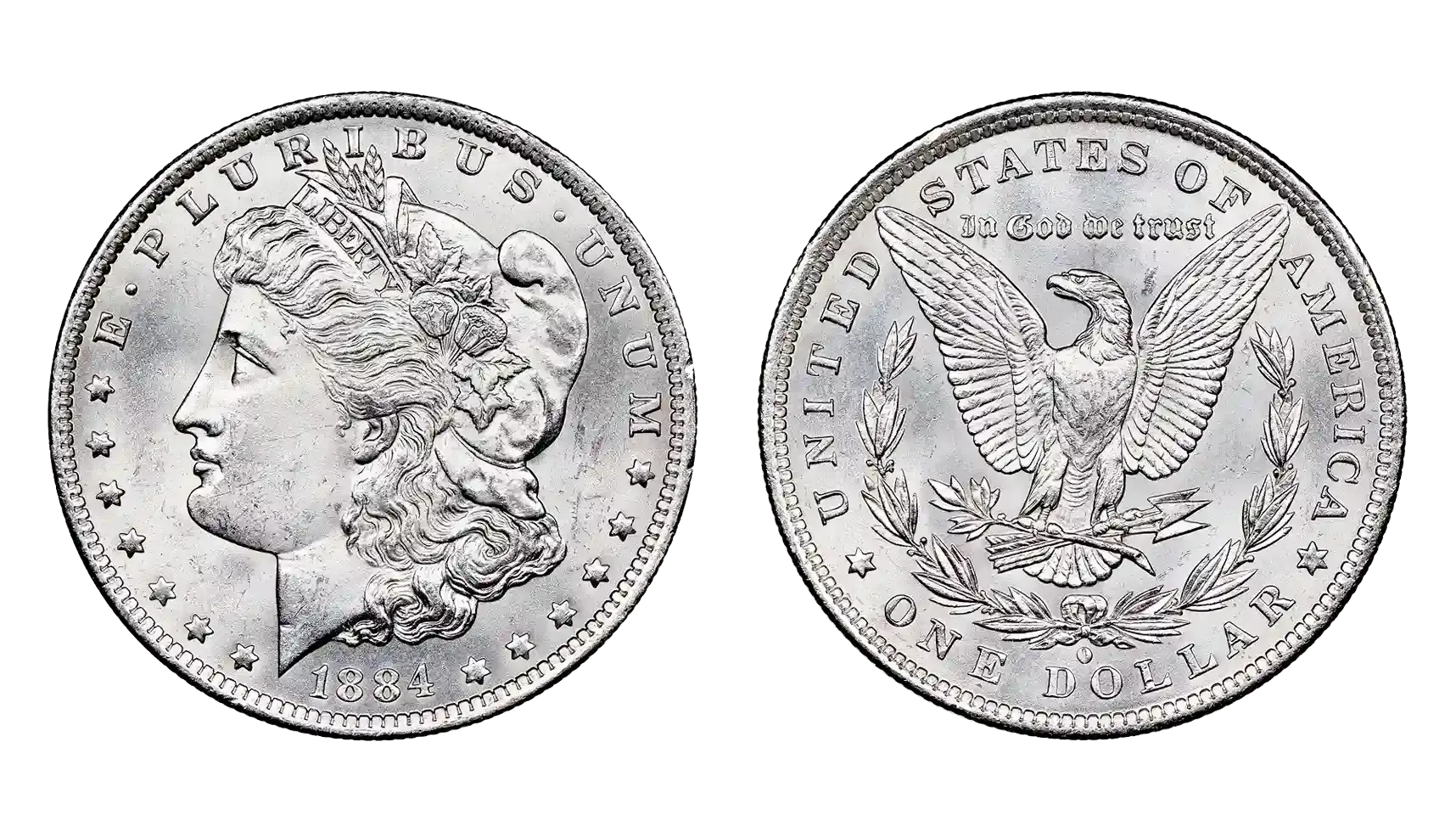
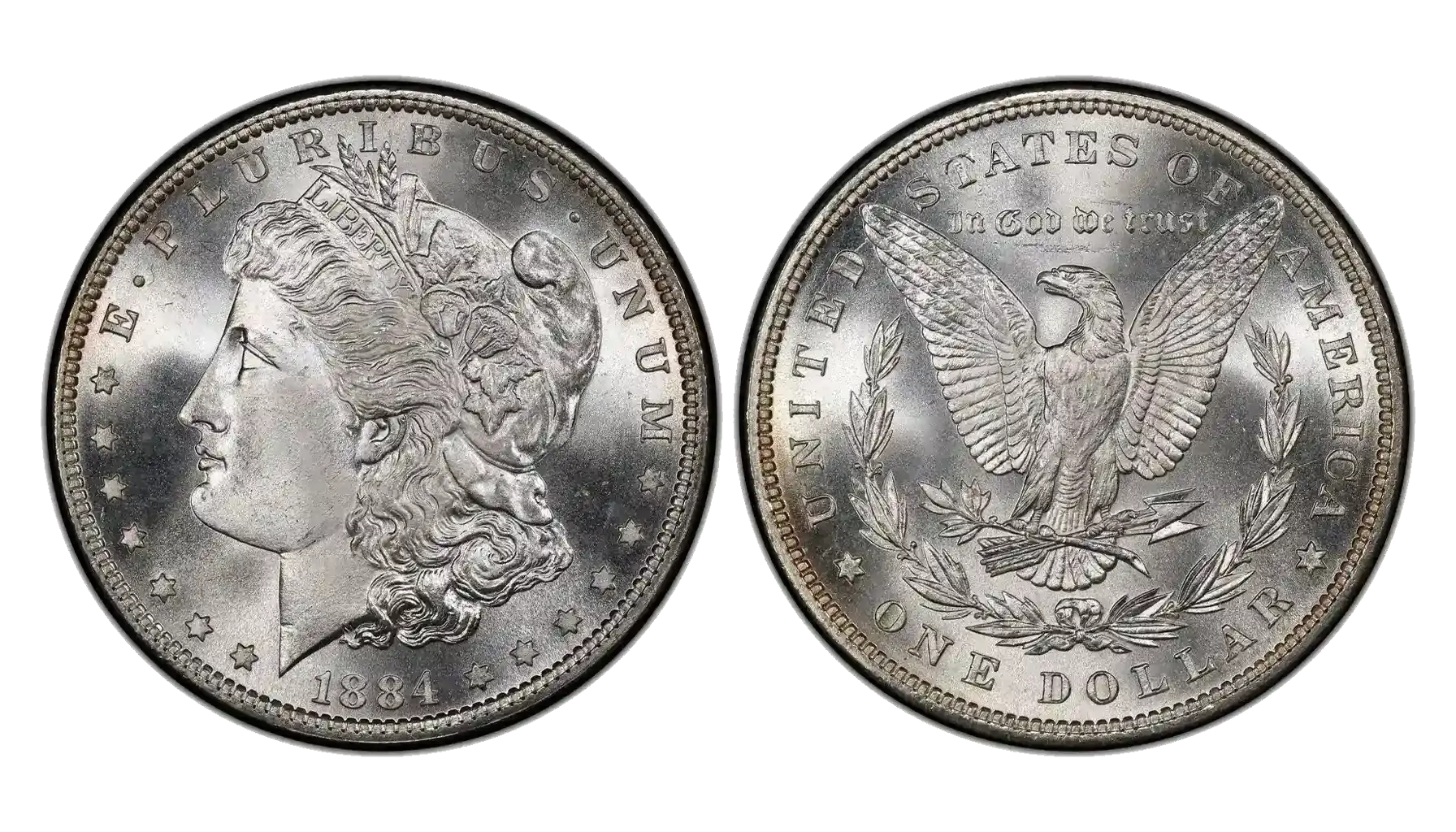
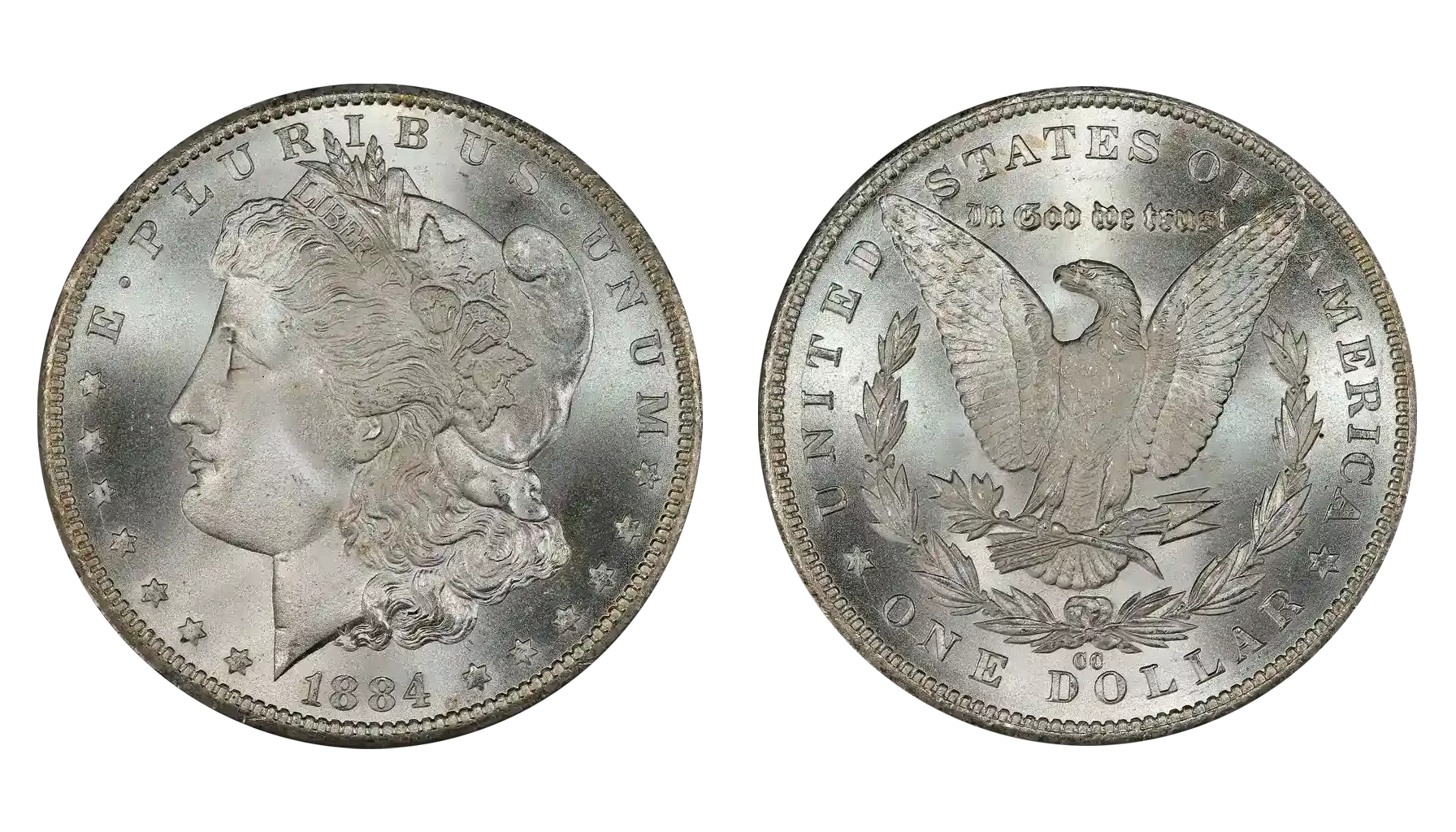
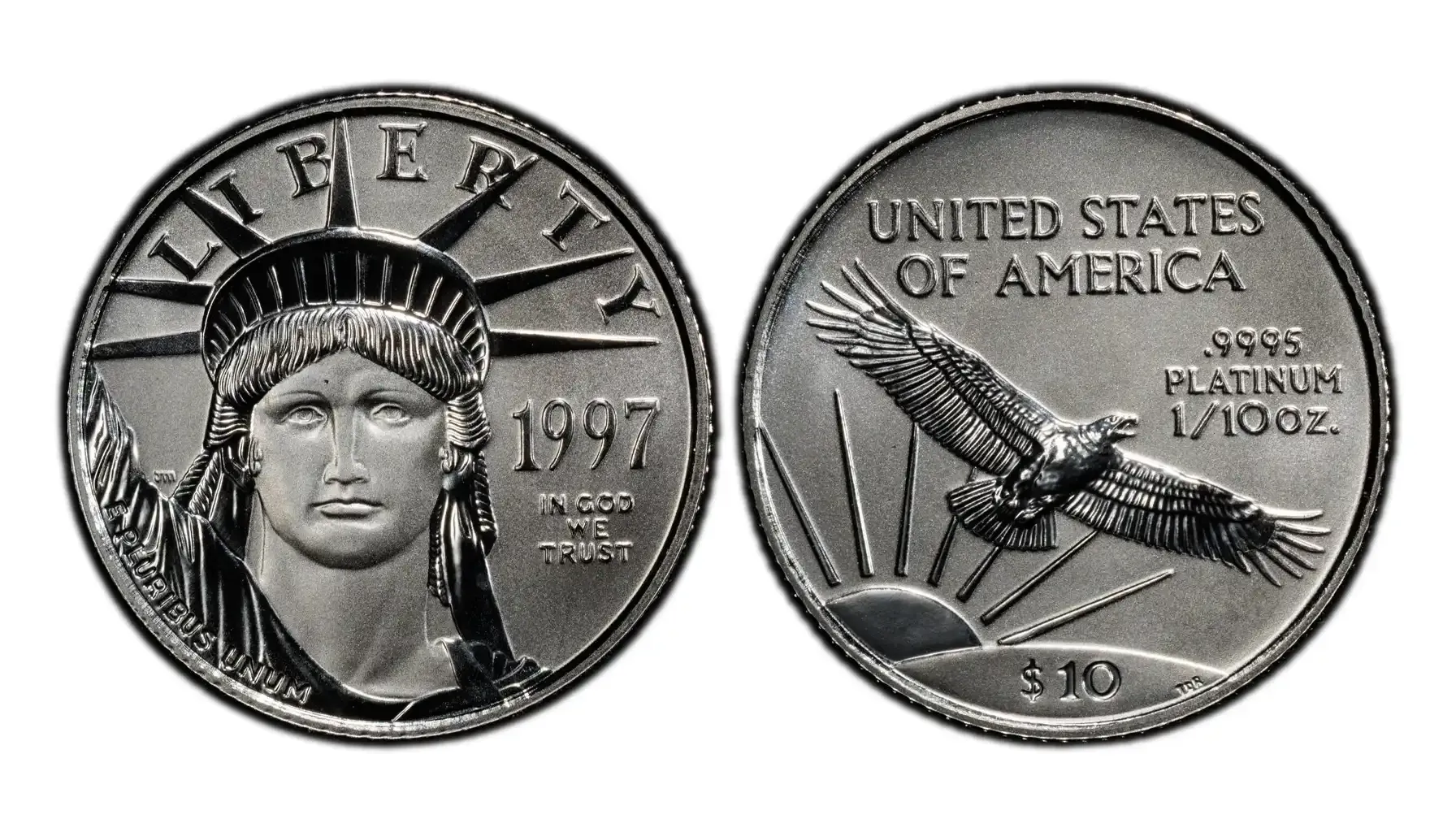
"E Pluribus Unum" is honorably considered one of the most recognizable verbal representations of the nation of the United States. And little could one doubt that it would take its place on the national numismatic creations, along with other notable inscriptions like “IN GOD WE TRUST” and “LIBERTY”. Nonetheless, many are still unaware of the E Pluribus Unum meaning in English and its origins within the monetary field.
So, what lies behind the motto many have ever heard of? How to identify rare coins exhibiting this phrase, and which ones are worth collecting?
Meaning and History of E Pluribus Unum on Coins
When one observes American units of currency, it is quite logical to notice certain patterns in design formation. However, elements like the one we are going to discuss frequently remain neglected, for they are seen as consistent and dismissed as routine features with nothing unique to express. But what is E Pluribus Unum, and is it really so?
Terms Come First: What Does E Pluribus Unum Mean in English?
The phrase comes from the Latin language and literally translates as "Out of many, one” or, more eloquently, as "The one is made up of all things, and all things issue from the one" (a paraphrased translation of a fragment attributed to Heraclitus). The meaning of E Pluribus Unum is rather obvious: behind its lingual form is the idea of unity, cohesion, unification, i.e., the things that once defined the identity of a newly emerging nation. Nonetheless, it is a matter of historical transformations.
History of E. Pluribus Unum on US Coins
Originally, the phrase was not associated with American coinage, for its roots can be traced to classical literature of Ancient Greece and Rome. One of the most notable variations, for instance, appears in the poem Moretum, attributed to Virgil, as follows: “color est e pluribus unus”. Like many other famous expressions of the past, it traveled through European scholarly and heraldic traditions. This is how its major meaning was reinforced: unity may come from diversity as it is.
Although the path it took to enter the American cultural sphere was long and entangled, by the late 18th century, the phrase (in this case, borrowed from the Gentleman's Magazine, based in London) was officially proposed for the Great Seal of the United States in 1776 and adopted in 1782. Its appearance on coinage was inevitable.
1786 – The First Appearance on Early American Coinage: Several state-issued coins, notably New Jersey coppers, adopted the motto to express the ideals of unity of the new republic.
1795 – The Motto’s Debut on Federal US Coins: The $5 gold half eagle became the first federal numismatic creation to carry the phrase, as it featured imagery from the Great Seal.
1834–1837 – Temporary Removal from Many Designs: Design standards changed, and so did the “requirements” (the motto was deliberately left out of various denominations, but only during this period).
1873 – Introduction of the Coinage Act of 1873: The United States Congress passed the Coinage Act of 1873, which presupposed the mandatory inclusion of E Pluribus Unum on the designs from then on. That was the rule.
“SEC. 18. That upon the coins of the United States there shall be the following devices and legends: <...> and upon the reverse shall be the figure or representation of an eagle, with the inscriptions "United States of America" and "E Pluribus Unum," and a designation of the value of the coin.”
— United States Congress
Coinage Act of 1873 (effective April 1, 1873)
E Pluribus Unum Coin Value for Collectors (by Issues)
Even though the number of coins that bear the motto cannot be precisely expressed (as well as the values that differ from type to type), it is worth paying attention to the definitive issues whose introduction was determined by the fate of this phrase.
Year | Coin | Metal | Motto Placement |
1795 | $5 Half Eagle | Gold | Reverse |
1798 | $1 Large Eagle | Silver | Reverse |
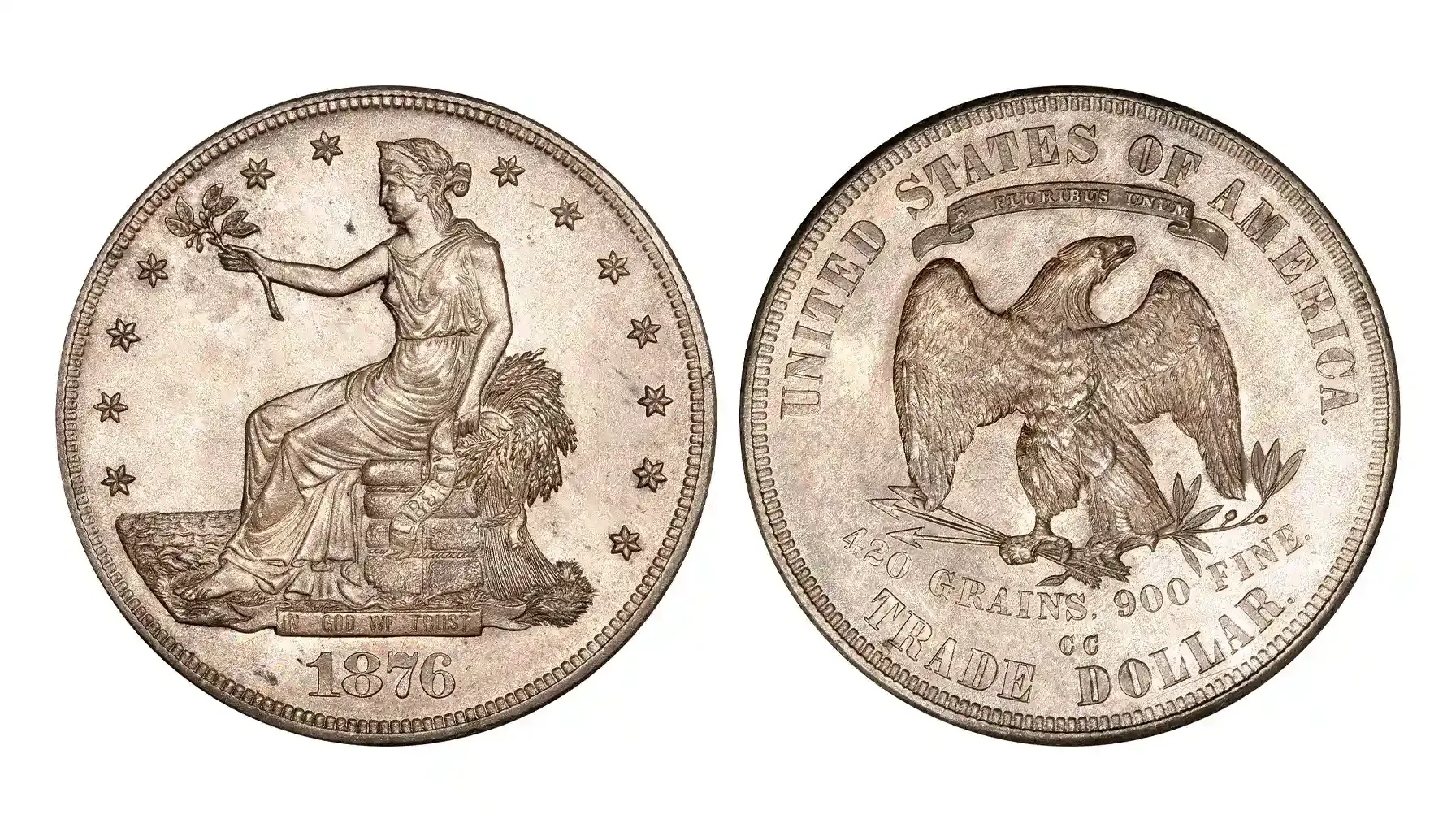
1873 | T$1 Trade Dollar | Silver | Reverse |
2007 | $1 George Washington | Copper-Nickel | Edge |
1795 $5 Large Eagle
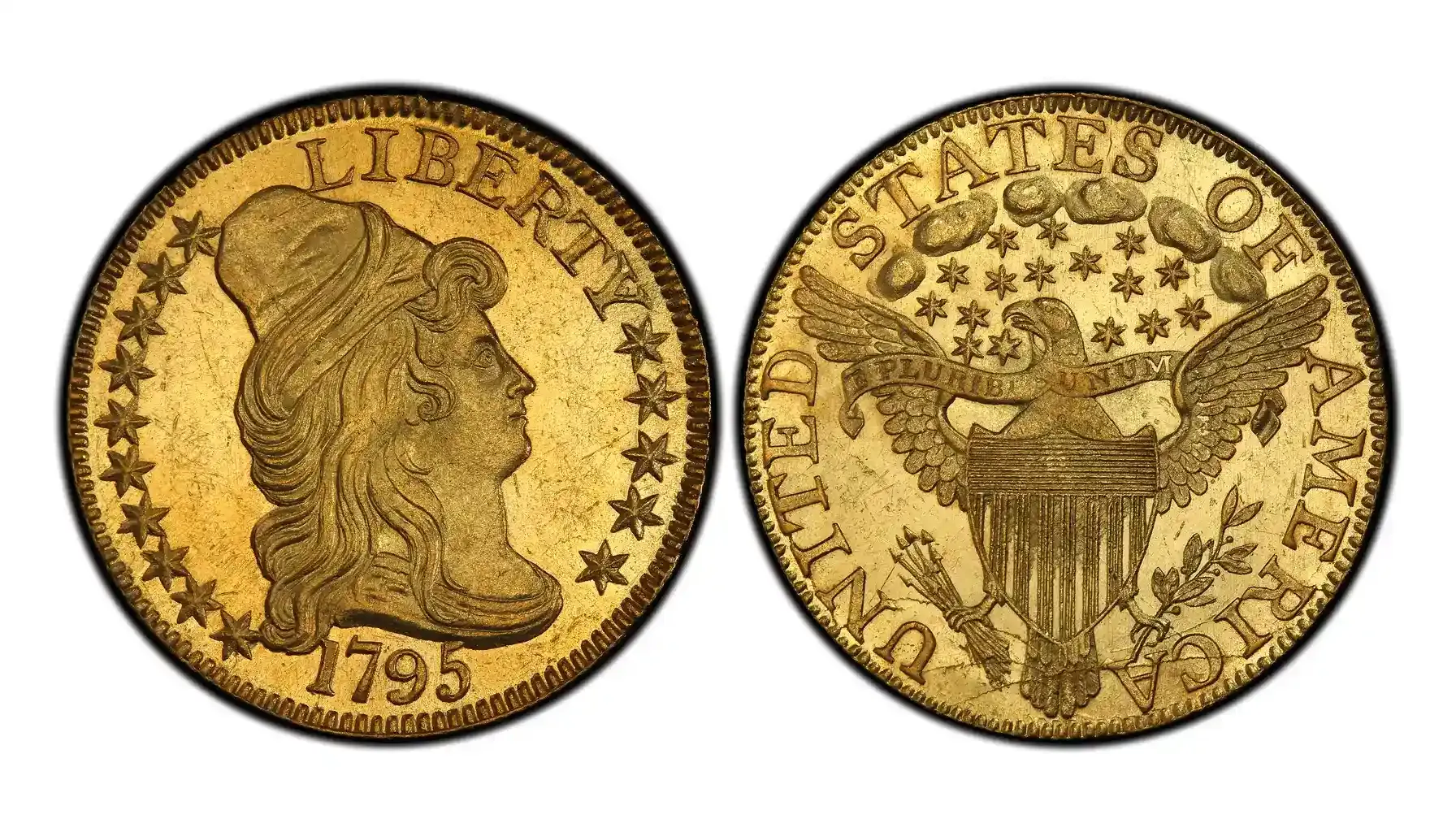
Series: Draped Bust $5
Composition: 91.7% gold, 8.3% copper
Auction Record: $241,500 for MS64
This is one of the rarest instances of early American gold that celebrates the first appearance of E Pluribus Unum on US coinage.
The date is surrounded by contradictions: despite the numerical reference, the 1795 Large Eagle was struck no earlier than 1797, since Tennessee had not been admitted to the Union until June 1, 1796, yet it still displayed 16 stars on the reverse. As for the surviving instances, only 35 to 40 pieces are known to exist, and many of them remain in Extremely Fine or better grades, which is quite rare for numismatic creations that are so old.
1798 $1 Large Eagle
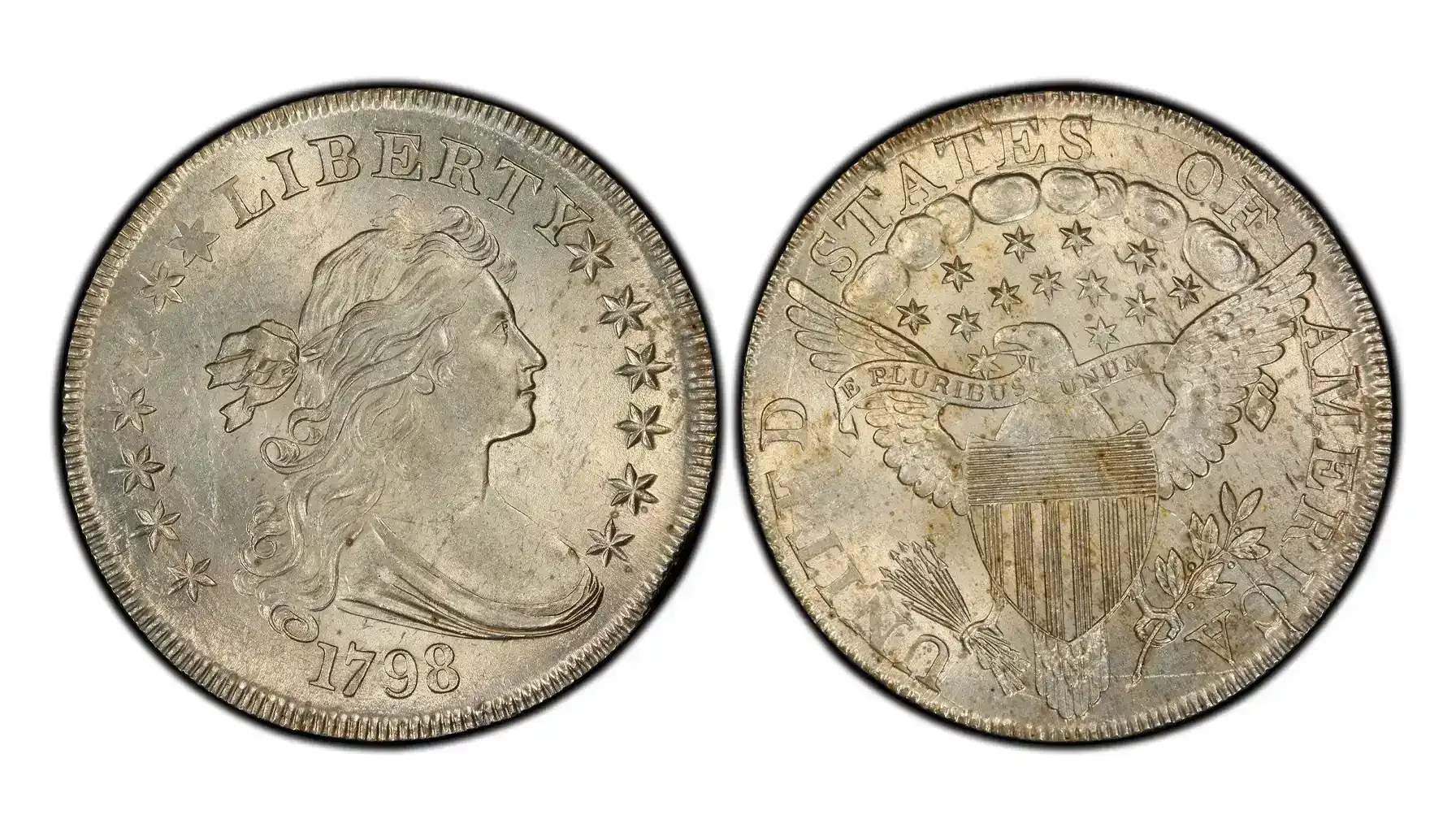
Series: Draped Bust Dollars
Composition: 90% silver, 10% copper
Auction Record: $90,000 for MS64
Among the first silver coins released by the US Mint (with the motto inscribed) was the 1798 Draped Bust Dollar. In fact, it was also the first year of the Large Eagle dollar production, which featured the heraldic eagle (i.e., the Great Seal of the United States) on the reverse and Ms. Liberty on the obverse side. Indeed, it is desirable to own as one of the earliest federal silver dollars ever minted.
1873 T$1 Trade Dollar
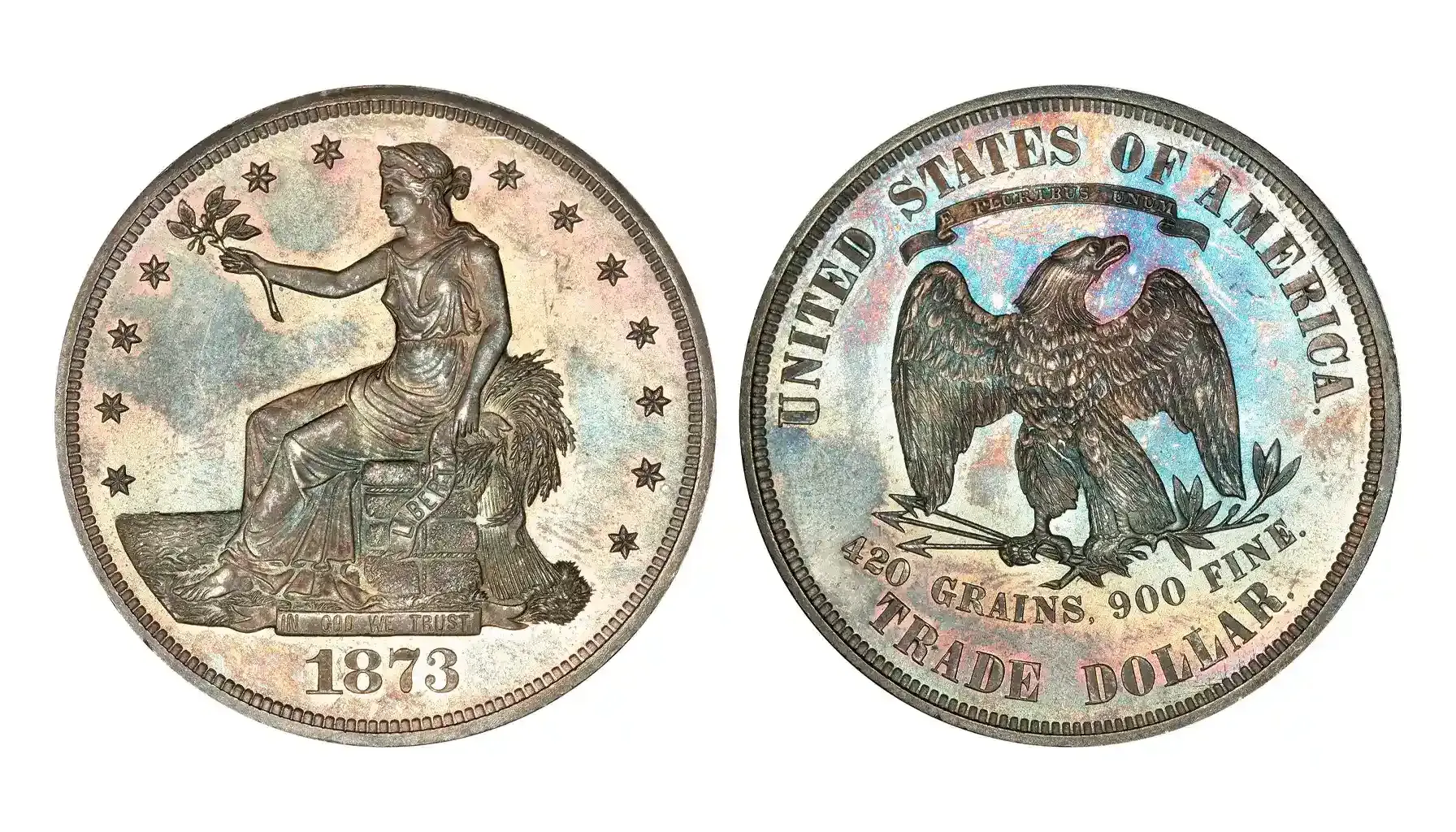
Series: Trade Dollars
Composition: 90% silver, 10% copper
Auction Record: $60,000 for MS66
The 1873 Trade Dollar was the first of its kind, for it was minted primarily for commerce in Asia rather than domestic use. The source of it was the already-mentioned Coinage Act of 1873, which changed the appearance of the American coins for good. The main part of these numismatic creations was exported, which makes surviving Uncirculated examples extremely rare.
2007-P $1 George Washington
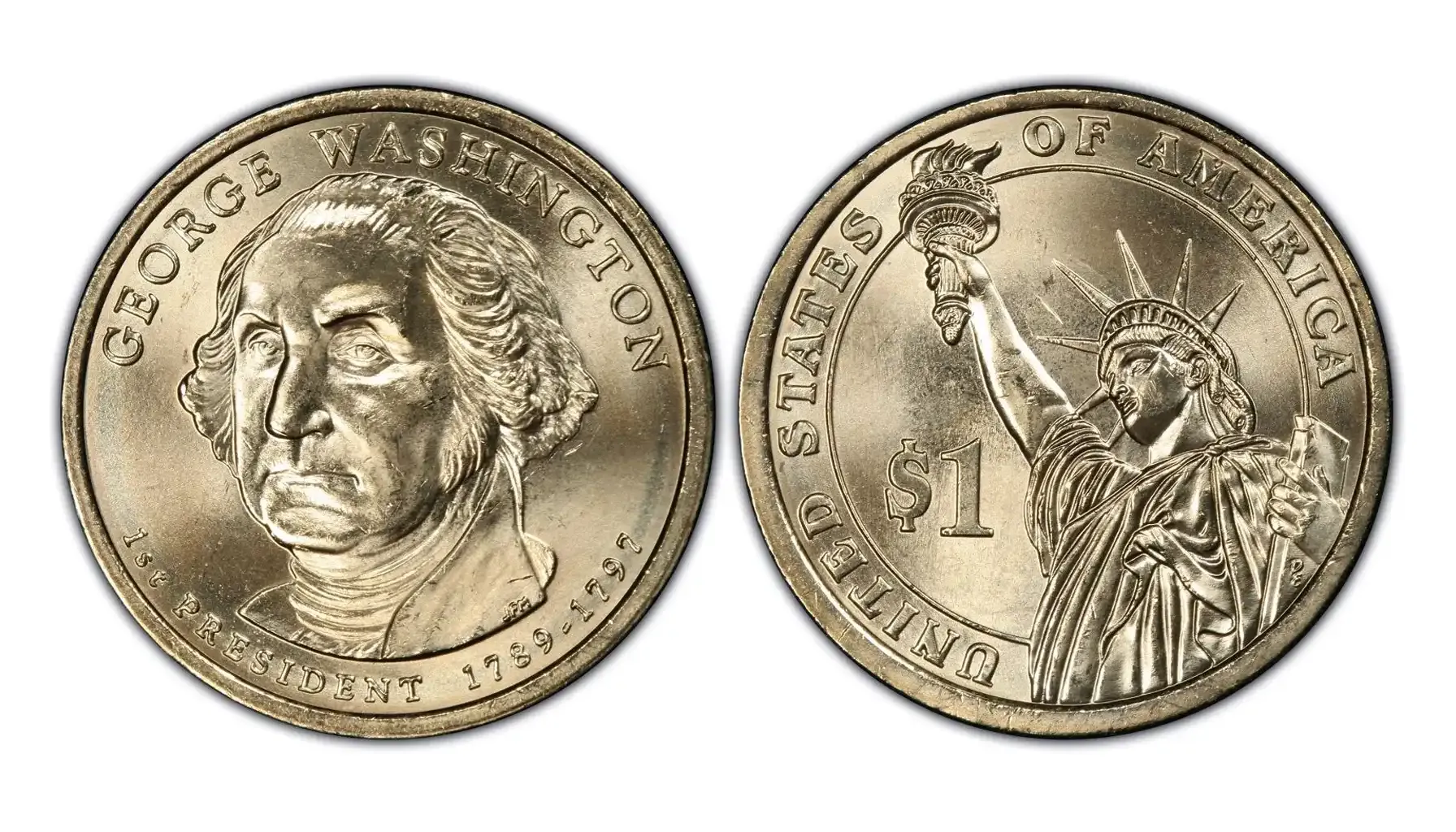
Series: Presidential Dollars
Composition: 88.5% copper, 6% zinc, 3.5% manganese, 2% nickel
Auction Record: $575 for MS65
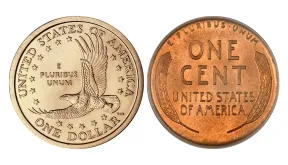
Finally, here comes the presidential dollar coins program that commenced in 2007. In this case, the renowned motto E Pluribus Unum appears on the edge of the coin, along with "In God We Trust," the year, and the mint mark. Each coin features a portrait of a US president on the obverse and the Statue of Liberty on the reverse – and the first coin in the series is the most notable.
Identifying E Pluribus Unum Coins in Your Collection
The Motto from a Different Perspective
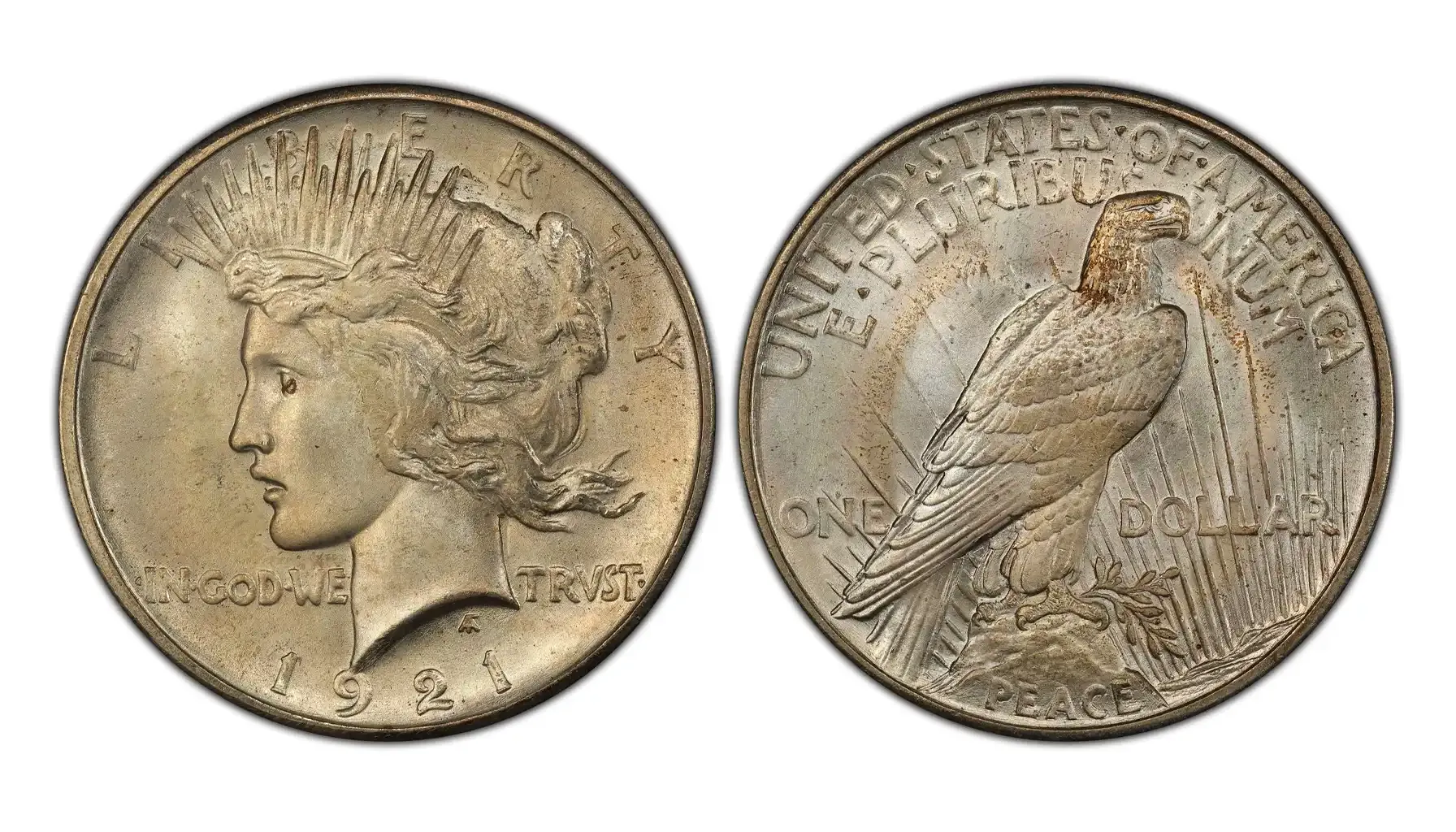
So, when one strives to find the motto on the coin, it might be reasonable to appeal to the E Pluribus Unum definition again. The placement and variations may be overwhelming, especially if you do not know where to start. We are pleased to help you out – here is what to look for.
Obverse vs. Reverse: Older coins tend to demonstrate the motto on the reverse. Modern varieties, on the contrary, feature this phrase on the edge.
Font and Size Variations: This is obvious, but fonts and sizes may differ by series and years. Do not stick to a particular style, for it might have changed.
Metal Type: Even though all the coins tend to feature the motto, early coins were minted in gold and silver – only they could bear this phrase.
Special Editions: Nonetheless, not all editions include the same patterns. Proofs and commemoratives are generally accompanied by the E Pluribus Unum phrase, but it is important to consult relevant resources beforehand.
A Tool To Use and Praise
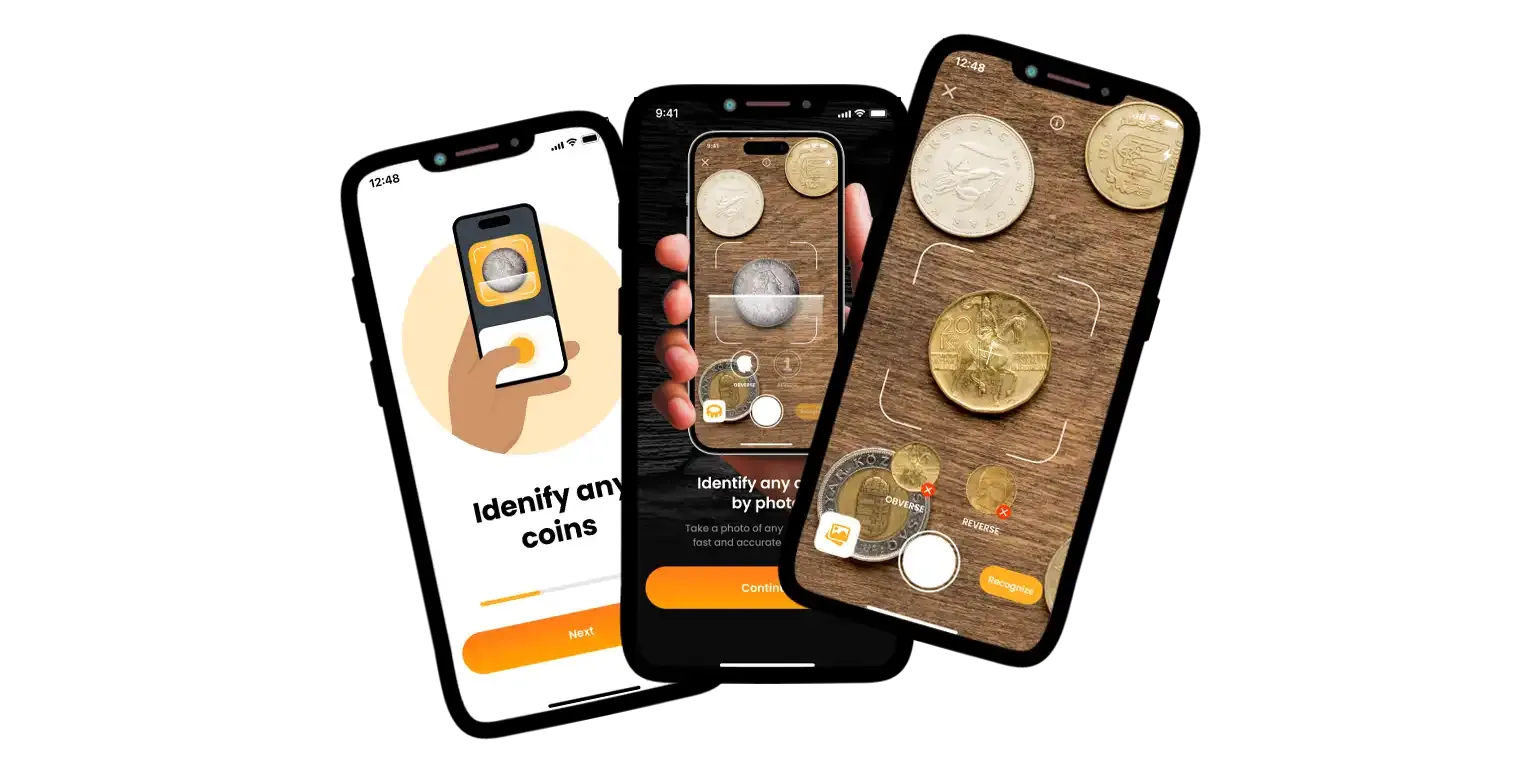
Should you wish to learn more about coins and their features, do not pass by the Coin ID Scanner app. It is an innovative tool that makes the process of numismatic explorations simpler, faster, more reliable. The app introduces the following:
Instant Identification: Take a photo of the coin or point the camera at it in real time to understand what you own.
Digital Encyclopedia: Enjoy an extensive database that consists of numismatic creations from all over the world. Study specifications, origins, and more.
Collection Management: Organize your coins, track their condition and value, and maintain a complete digital record of your collection in one place.
Do not ignore even the least noticeable features on the coins – they may reveal their origins and what they are worth.

 Facebook
  X (Twitter)
  Pinterest
  LinkedIn