Contents:
The Wheat Cent series is one of the most familiar and widely collected U.S. coin types — but how rare are wheat pennies? Millions of Wheat pennies were struck over the years, so most examples are common.
But despite the mass production, some issues are valued extremely highly and are worth tens of thousands of dollars. Thus, many collectors still hope to come across a rare early-date Lincoln Wheat penny example while searching through ordinary pocket change. But these rare Lincoln Wheat penny coins appear at auctions and cause a real stir. Today, many people use digital tools to identify coins and verify the find with catalogs of rarities. What Wheat pennies are rare? Let’s find out.
What Makes a Coin Truly Rare and Valuable
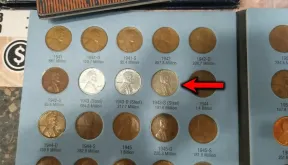
How rare is a Wheat penny? Overall, they are not scarce at all. But, as usual, several attributes make a piece rare and valuable among millions of similar specimens.
In the case of the Lincoln сents, it's not just the year of issue, but a combination of rare mintage, mint, material, and even small details on the reverse or obverse. Below, you can check what separates common coins from the kind collectors later classify as valuable, historically significant Lincoln Wheat pennies, seen at major shows:
Limited mintage and rare year of issue.
Some valuable Lincoln Wheat pennies coins include only a few hundred thousand pieces (an exceptionally low number by the standards of mass coinage), as in the case of the 1909-S VDB or 1914-D. The fewer coins produced, the higher their potential value.
Features of the mint mark.
For example, in 1922, all pennies were minted only in Denver. And if there is no "D" mint mark on a coin of that year, it may be a rare case of defective stamping.
Unusual composition (i.e., planchet errors).
This refers to a coin minted on an incorrect blank. This type of error is very rare, and among Wheaties, there are famous coins with unusual compositions minted by mistake.
Minting errors.
A rare Lincoln Wheat penny is the specimen with DDO, off-center strike, repunched mint mark example, or variety with die cracks. All of them make the coin more unique and valuable.
Design features.
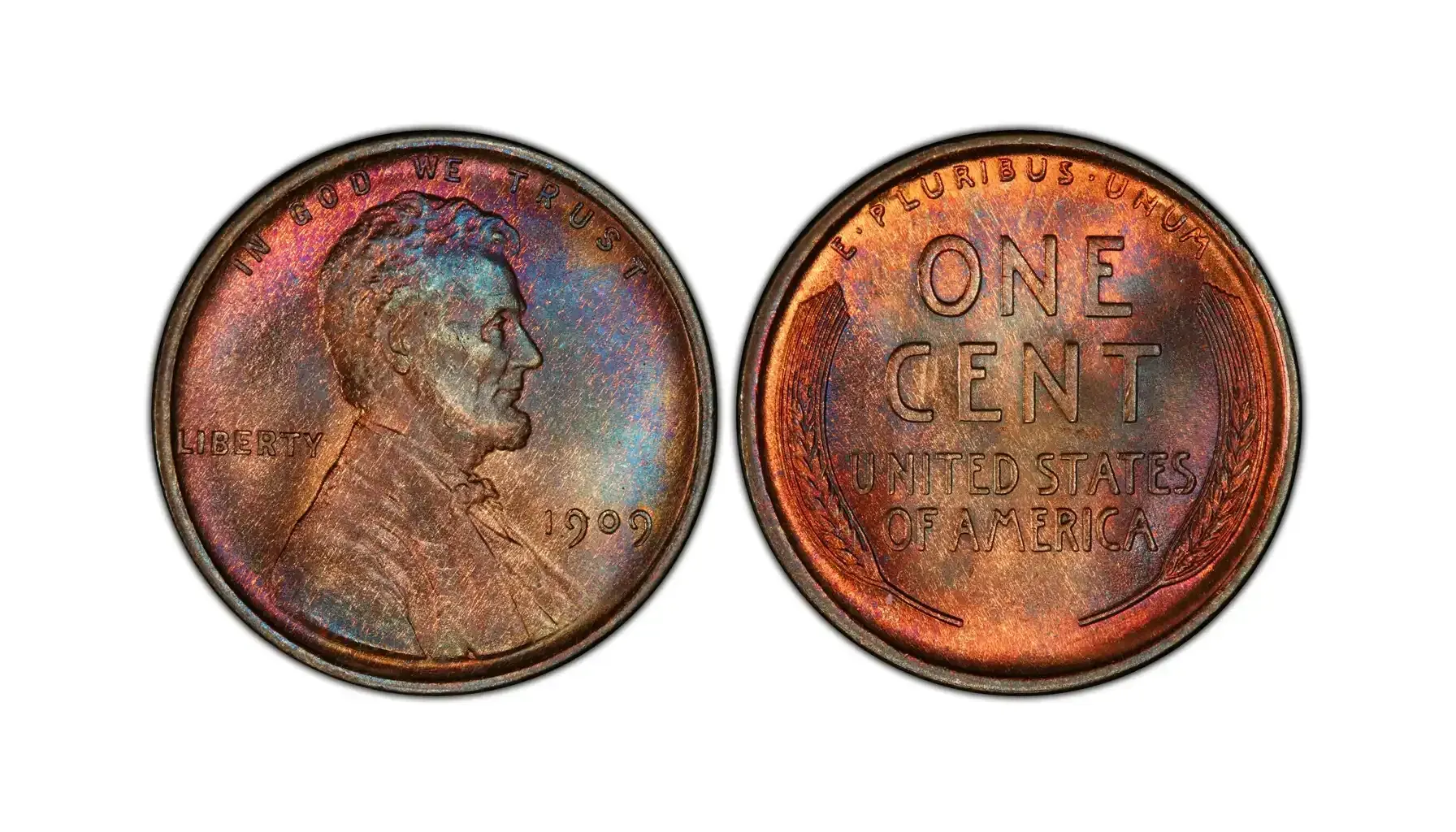
Look for the 1909 exemplar as a reference; the initials V.D.B. became a subject of dispute and were quickly removed. Thus, the first versions with the author's full signature became especially valuable.
Rare Wheat Pennies List That Can Surprise You
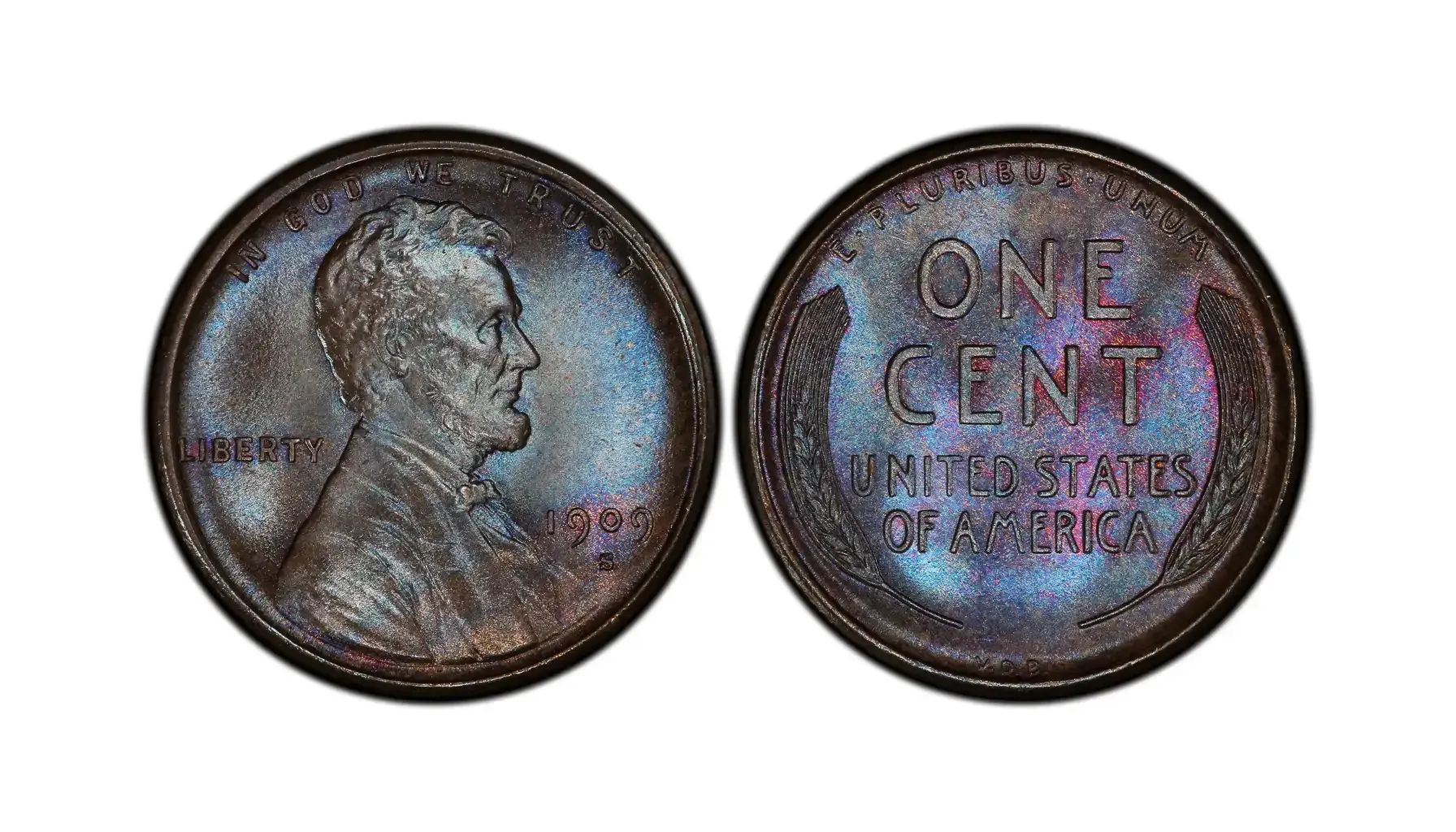
The first coin in the Lincoln series with the initials “V.D.B.” on the reverse was criticized and quickly withdrawn from production. Because of this, the small mintage (484,000) made it a true icon among collectors.
“There may be no more storied United States coin than the 1909-S VDB Lincoln Cent. It has been a ‘Holy Grail’ for generations of Lincoln Cent collectors.”
— Joshua McMorrow-Hernandez, Author
PCGS
Features:
“V.D.B.” on the reverse
“S” mint mark under the date
One of the lowest mintage
What are rare Wheat penny years? Well, 1909 may well be considered one.
1943 Copper Penny (Bronze Lincoln Cent)
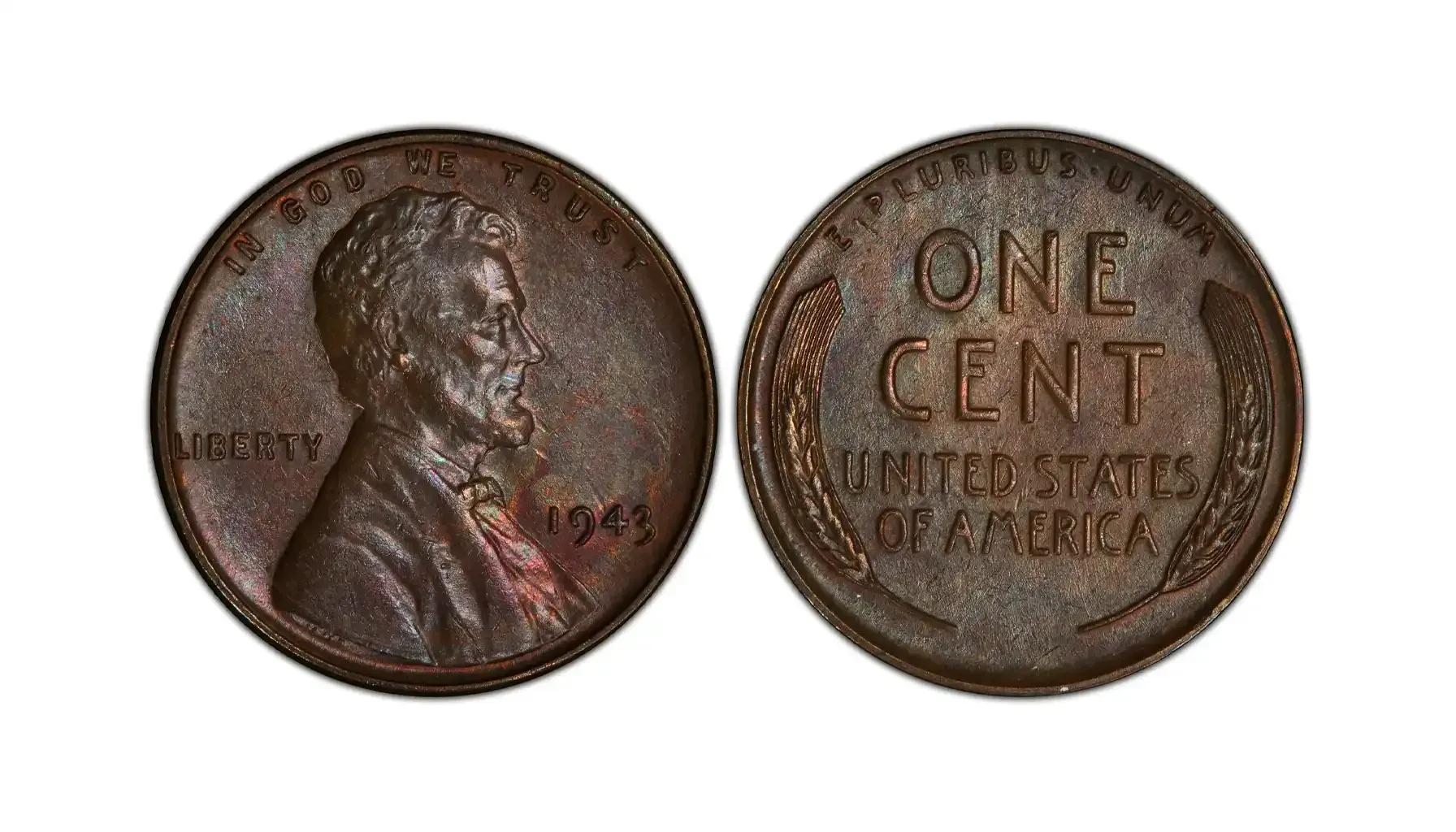
While all 1943 coins were minted in steel (due to war needs), a few were accidentally made on old copper blanks. Today, they are worth hundreds of thousands of dollars.
Features:
Copper alloy instead of steel
Non-magnetic
Fewer than 20 pieces are known
One of the most rare Wheat penny years
1944 Steel Lincoln Penny
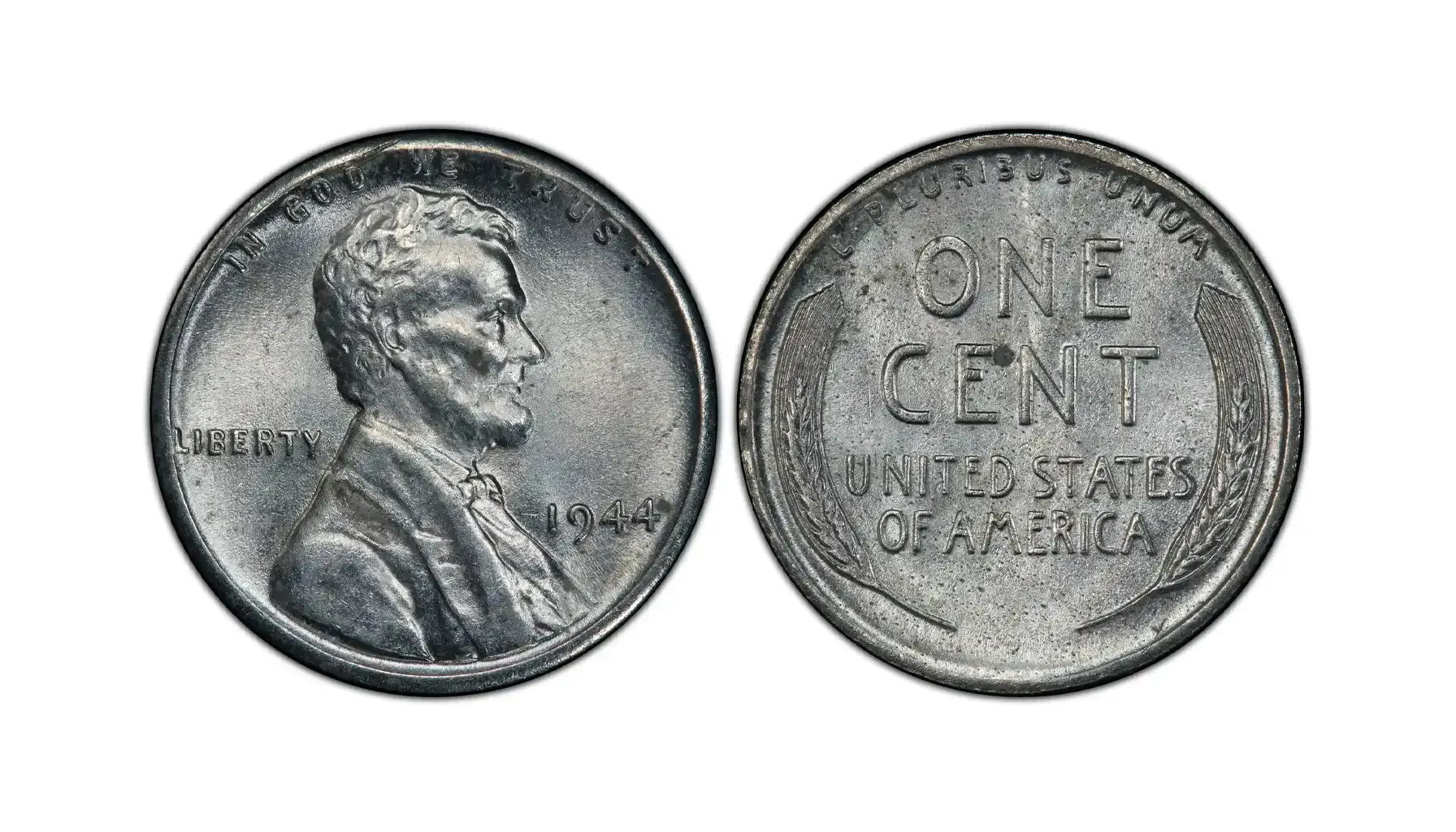
In 1944, the production of cents returned, but the situation was repeated: a few steel blanks from the previous year accidentally fell into the press. And the 1944 error cent with no mint mark saw the light of day.
Features:
Steel composition in a “copper” year
Recognizable luster of the steel
Fewer than 30 confirmed specimens
Another classic example from the list of valuable Lincoln Wheat pennies dates
1922 No D Lincoln Penny
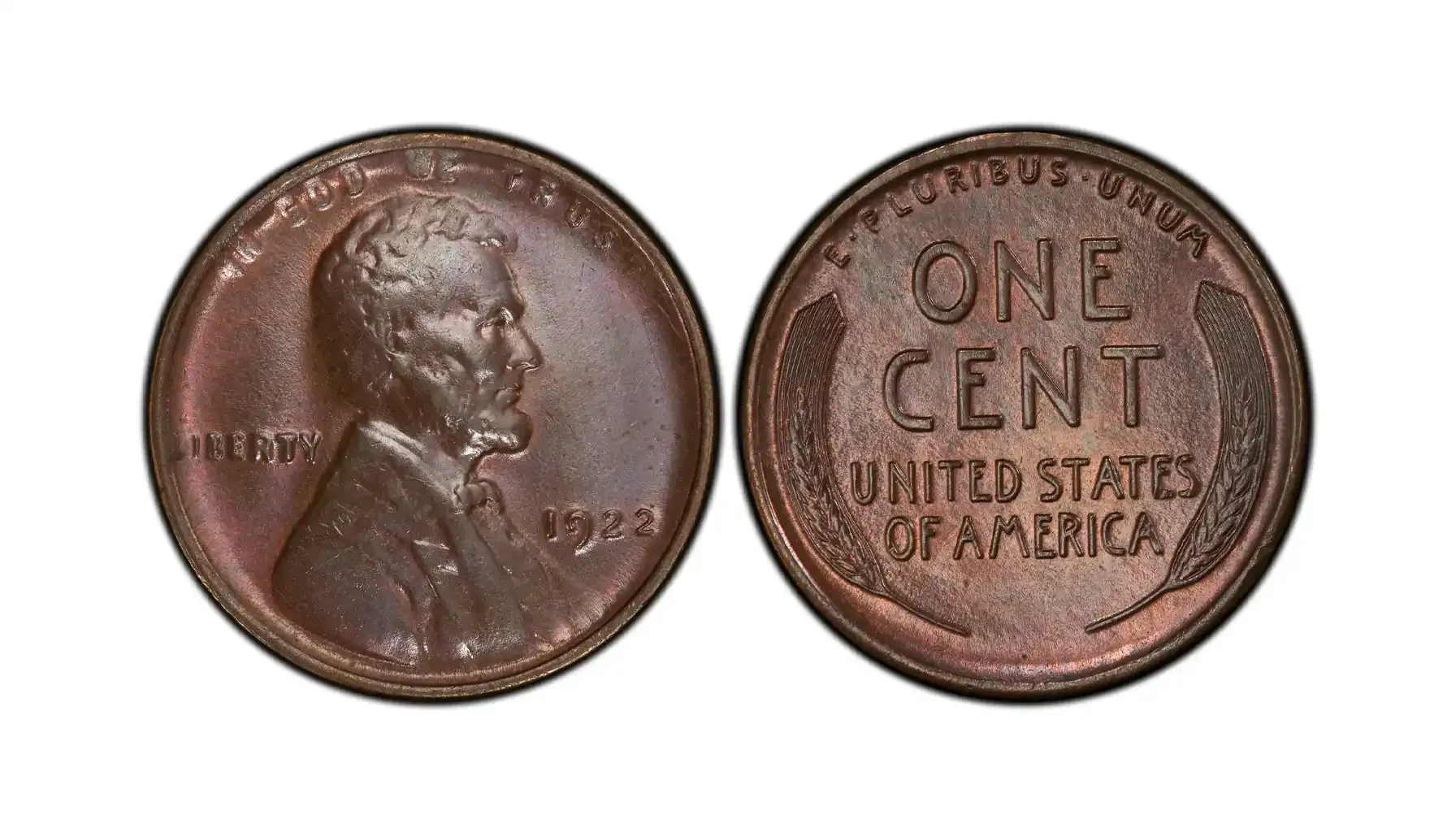
This year's coins have a feature - they were minted only in Denver, but some of the coins came out without the “D” mint mark due to die wear. Visually, an erroneous coin, actually, it is another numismatic legend.
Features:
No “D” mint mark
One official variant (Strong Reverse)
Extremely rare
1914-D Lincoln Penny
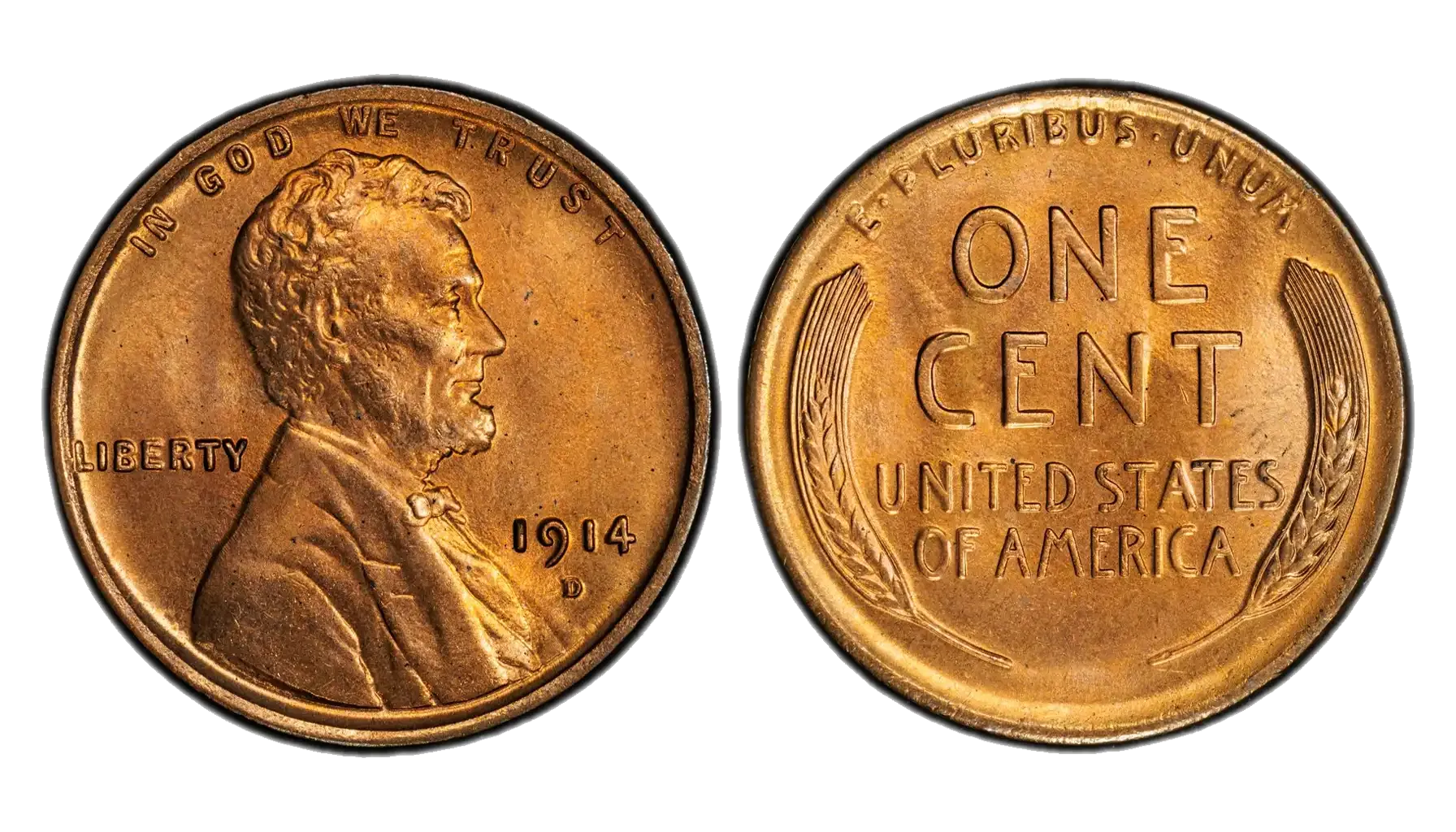
The 1914-D Penny is a famous but risky coin for beginners. This specimen is often counterfeited in the market. The Denver Mint struck only 1.2 million of these coins. Most went straight into circulation, and the dies used were often worn. Because of this, genuine examples in high grades are very rare today. Most authentic coins found now show heavy wear and damage.
Features:
The letter "D" under the date
Hard to find in good condition
Often counterfeited
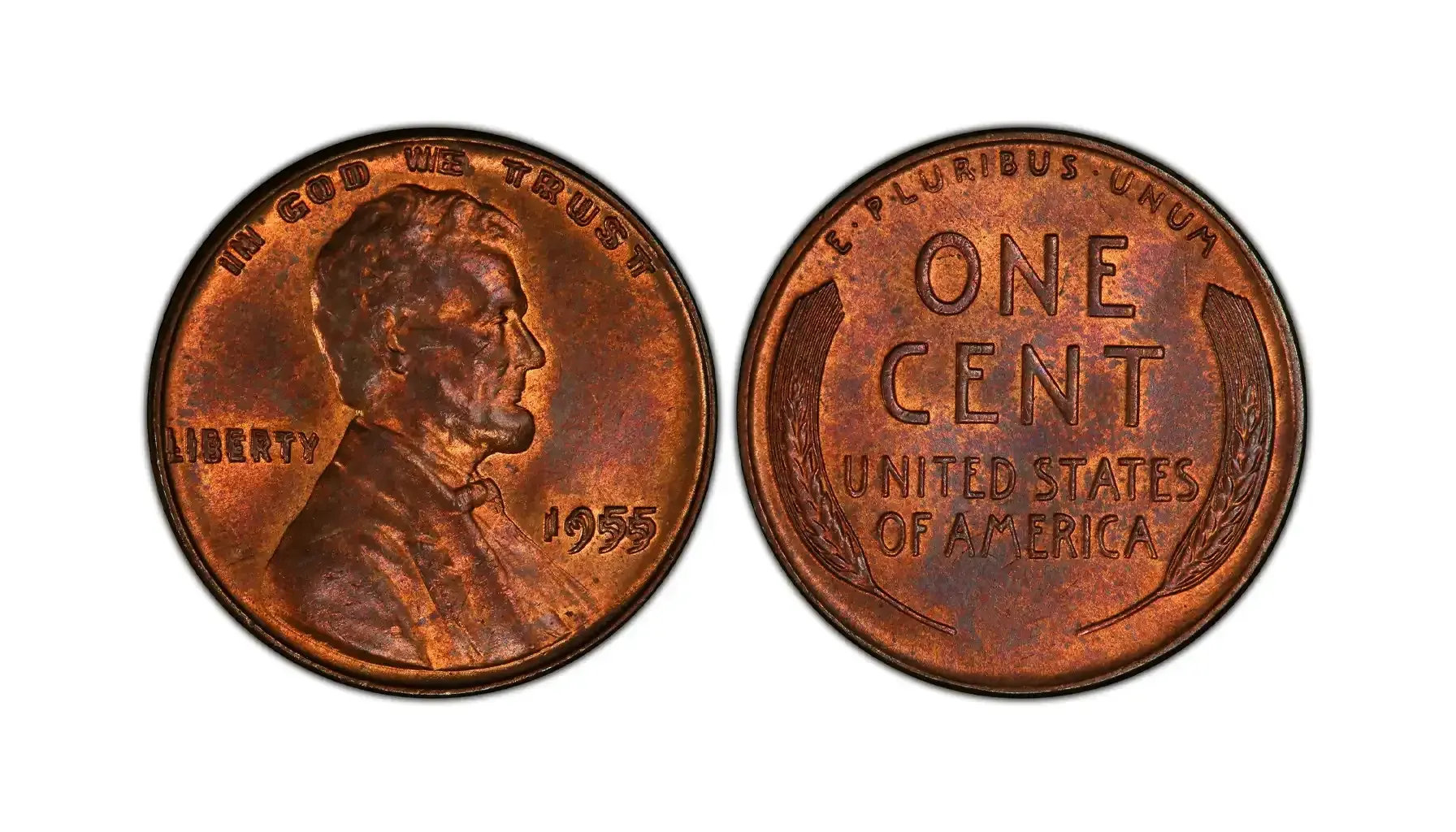
This coin became famous because of a pronounced minting error - a doubled die. The coin was not removed from circulation, so thousands of copies found their way into the wallets of Americans. However, only a few have survived to this day in good condition.
Features:
Doubled die inscriptions, especially "LIBERTY" and "IN GOD WE TRUST."
Well-distinguishable error (especially with special tools)
Valuable even with wear
Can a Coin Worth a Fortune: The Estimated Costs of Rare Specimens
What is the real Lincoln Wheat penny rare value? It all depends on condition, rarity, and demand.
Small grading differences can dramatically change the final market-determined Lincoln Wheat penny collectors' rare value level seen at auction. Some pieces in collectible condition sell for hundreds of thousands of dollars. The table below shows approximate market valuations for the best-known specimens.
Rare Valuable Cents – Market Estimates and Record Sales
Coin | Average Value (XF–AU) | Value in Gem Condition | Record Sale |
1909-S VDB | $700 – $2,500 | $10,000 – $75,000+ | $168,000 (MS67RD, Heritage, 2021) |
1943 Bronze (Copper) | $100,000+ | Up to $1,000,000+ | $1,700,000 (AU58, Stack’s Bowers, 2010) |
1944 Steel | $85,000+ | Up to $150,000+ | $180,000 (MS64, Heritage, 2021) |
1922 No D (Strong Reverse) | $500 – $6,000 | Up to $20,000+ | $92,000 (MS64 Red-brown Stack's, 2008) |
1914-D | $200 – $3,000 | $10,000 – $15,000 | $158, 625 (MS66RD, Legend Rare Coin Auctions, 2018) |
1955 Doubled Die Obverse | $1,000 – $2,500 | Up to $15,000 – $25,000 | $114,000 (MS65RD, Stack's Bowers, 2018) |
Remember to check actual market prices before deciding on something with specimens.
How to Say Whether You Have Rare Wheat Pennies to Look For
How do you figure out if your coin is worth serious money? Most beginners start by learning which dates experienced collectors consistently point out as rare early-date Wheat pennies collectors usually advise beginners to look for when checking the market. Also, there are a few simple steps:
Look at the year and the mint mark. Many rare cents are valued for their unique combination of mint and date. By the way, what are the rarest wheat pennies years? The most common answer is 1909, when the famous 1909-S VDB was issued in a limited edition.
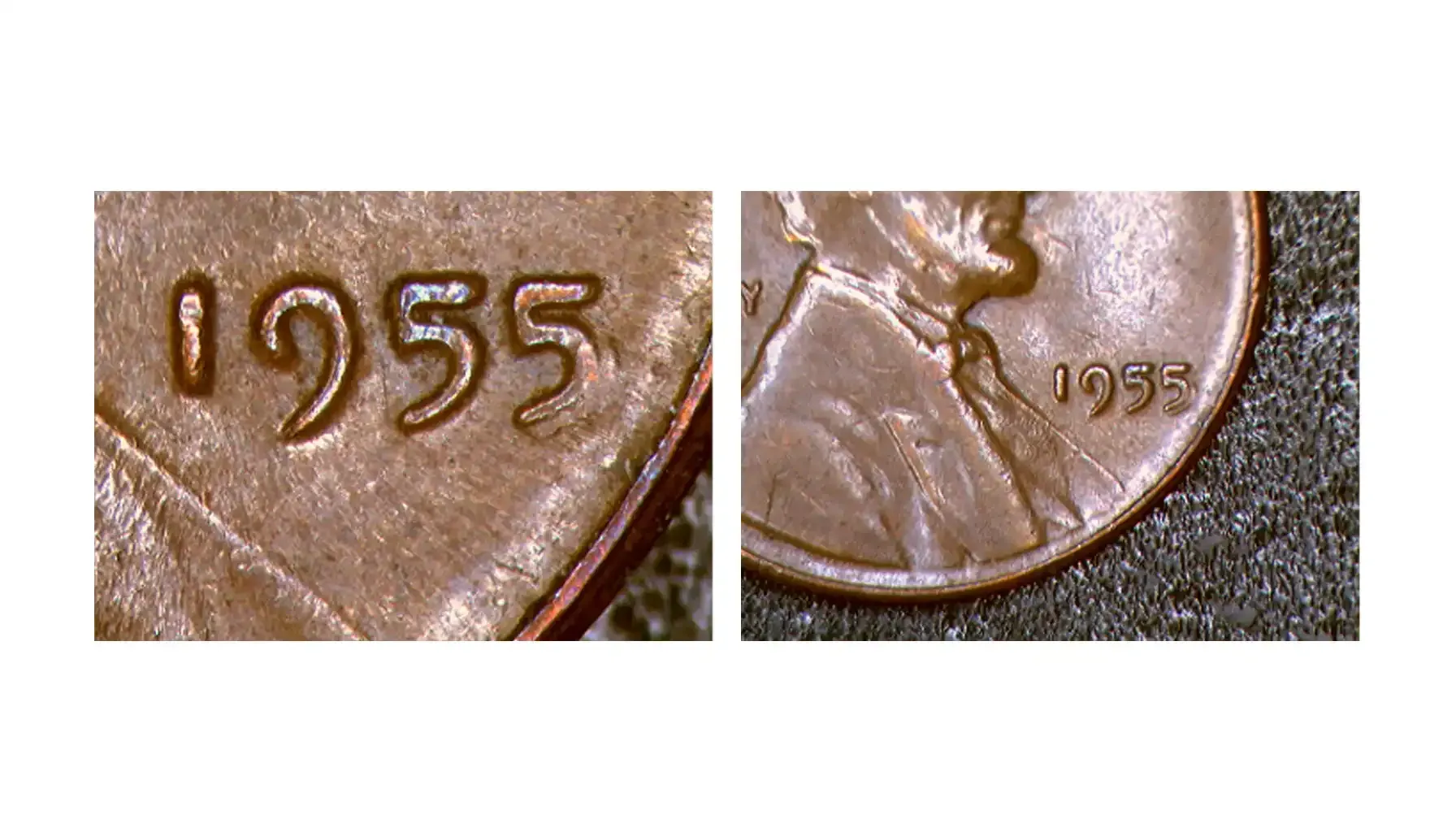
Note the errors. Doublings, missing mint marks, or a typical metal are all signs of rarity.
Assess the condition. Even a rare wheat penny value can decrease because of heavy wear and tear.
Use digital tools. The Coin ID Scanner app can help you quickly recognize a coin, learn its background, features, rarity, and even approximate market value. This is especially helpful if you're not sure where to start.
If you have an old piggy bank, roll with cents or a heirloom collection - check them out carefully. You may be holding a penny with special features like a 1955 Poor Man's Double Die (die wear, not classic DDO error) example or another variety that dozens of collectors are willing to compete for at an auction.
Is It Worth Looking for a Rare Penny Right Now?
Definitely yes. Sooner or later, nearly every new collector asks: What is the historically documented and widely recognized rarest Wheat penny known today? Many collectors started with ordinary pennies and random finds. Worthy specimens are not always something unattainable, and practice shows that valuable specimens can be found even among ordinary coins.
And if you have a piece, and are not sure about the Lincoln Wheat penny rare value, do not hurry to spend it - check it. And to simplify your task, use Coin ID Scanner - it will help you quickly recognize the coin and determine whether it is worth attention. And remember, sometimes a scarce coin in your collection is just a matter of paying attention.

 Facebook
  X (Twitter)
  Pinterest
  LinkedIn