Contents:
Someone inherited a coin, or fished a fascinating specimen out of their change jar, but in any case, the question arises: Is it truly worth anything, or is it just a curious souvenir?
This is where ANACS coin grading comes into play. An independent review from the oldest numismatic grading firm in the US helps turn guesswork into clear numbers and usable price ranges.
For a first look, it’s often easier to use an app to identify coins. You take a photo, compare it with the database, and then decide if the piece is worth sending to ANACS.
What Is ANACS Coin Grading?
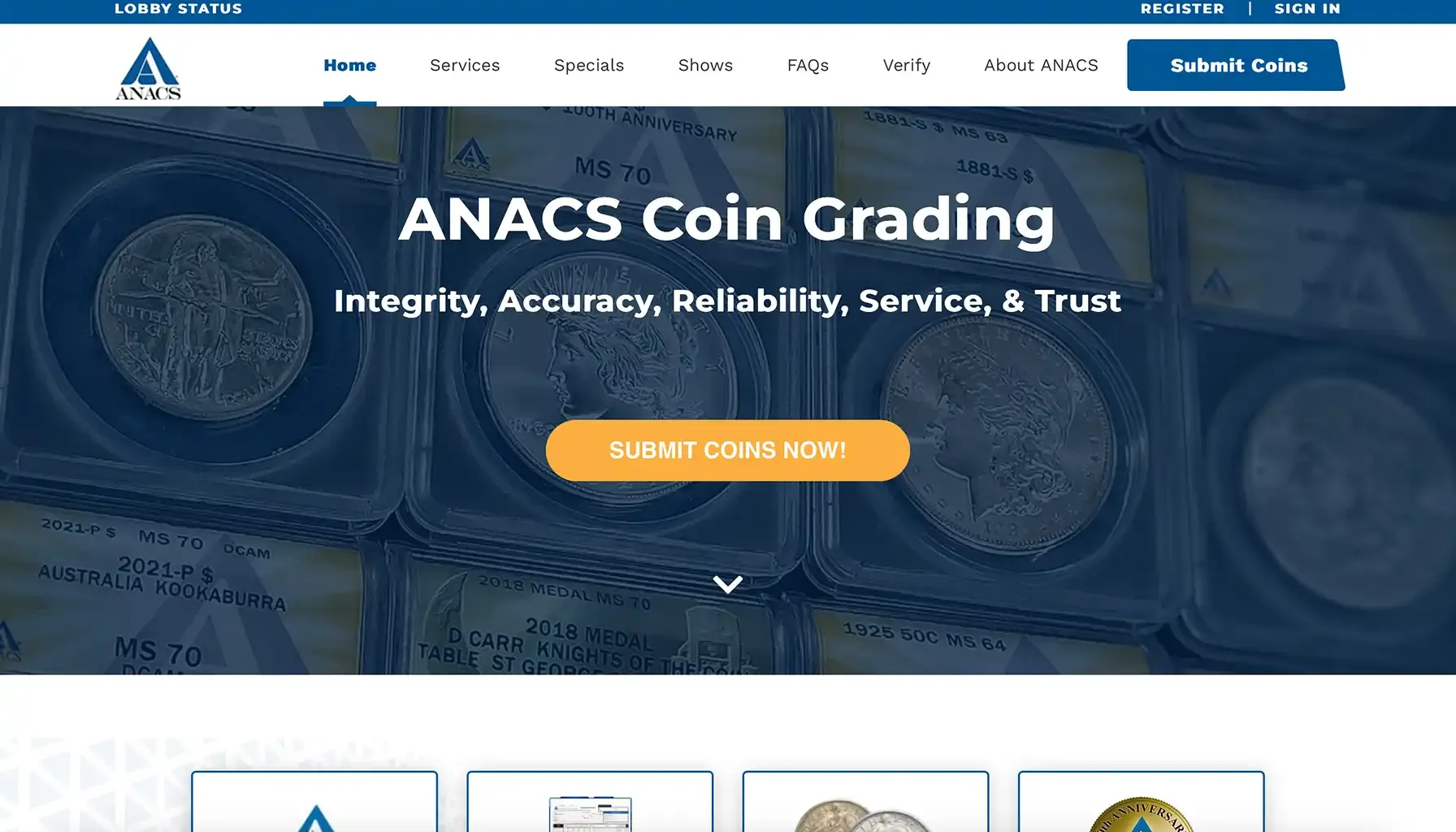
This is a standardized procedure for verifying the authenticity and condition of a specimen, recording the results in a sealed holder (capsule) and a database. The company was founded in 1972 as a project of the American Numismatic Association specifically to combat counterfeiting and tampering with pieces.
First came paper certificates, then modern plastic slabs with a serial number, barcode, and hidden security features.
The basic process is as follows:
Authentication. Checking the metal, weight, diameter, font style, and fine design details.
Double grading. Two independent experts evaluate the strike, field integrity, presence of scratches, and overall eye appeal.
Final inspection. The senior grader agrees on the final grade, especially in borderline cases.
Encapsulation. The item is sealed in a holder, and the label includes the date, denomination, variety, and the ANACS coin grading scale.
“I haven’t sent anything in for a while, but I used ANACS to encapsulate a number of my coins some years ago and I was perfectly satisfied with them. As others said, the coin is what is important, but I wouldn’t hesitate for one second purchasing an ANACS graded piece.”
— Randy Abercrombie, Coin Talk user
Coin Talk website
ANACS accepts the following for examination:
US and international pieces (including modern investment pieces);
Tokens, medals, and medallions;
Problem items: cleaned, corroded, or scratched—they are given a "details grade" and a note about the problem, rather than a complete rejection.
Is ANACS a Good Coin Grading Company?
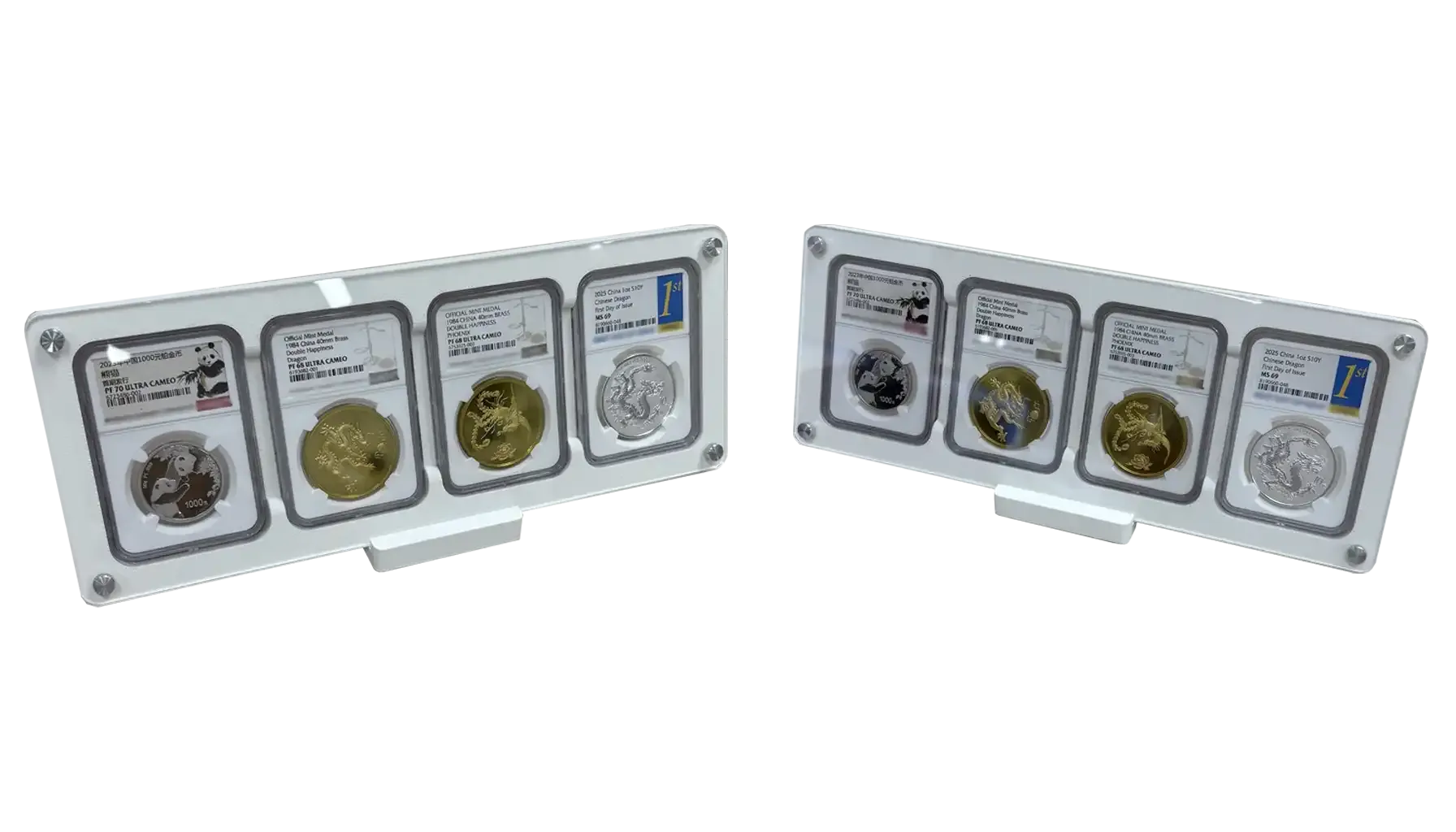
Can ANACS be trusted compared to PCGS and NGC? It has more affordable prices, is better with problem coins, and works extensively with rare varieties.
When people search for ANACS coin grading reviews, they are usually interested in a few things:
How stable is the grade (is there a "variance" from batch to batch?);
How does the market value the coins in these holders?
Is it convenient to communicate with the service without intermediary dealers?
When reading ANACS coin grading service reviews, note:
Cases with rare varieties (VAM, re-punched mintmarks, double dies);
Stories of problem coins that other TPGs rejected;
Before/after comparisons of cross-grading from and to ANACS.
It is in situations like these that you can best see how helpful the service is when a coin is valuable.
ANACS Coin Grading Scale Explained
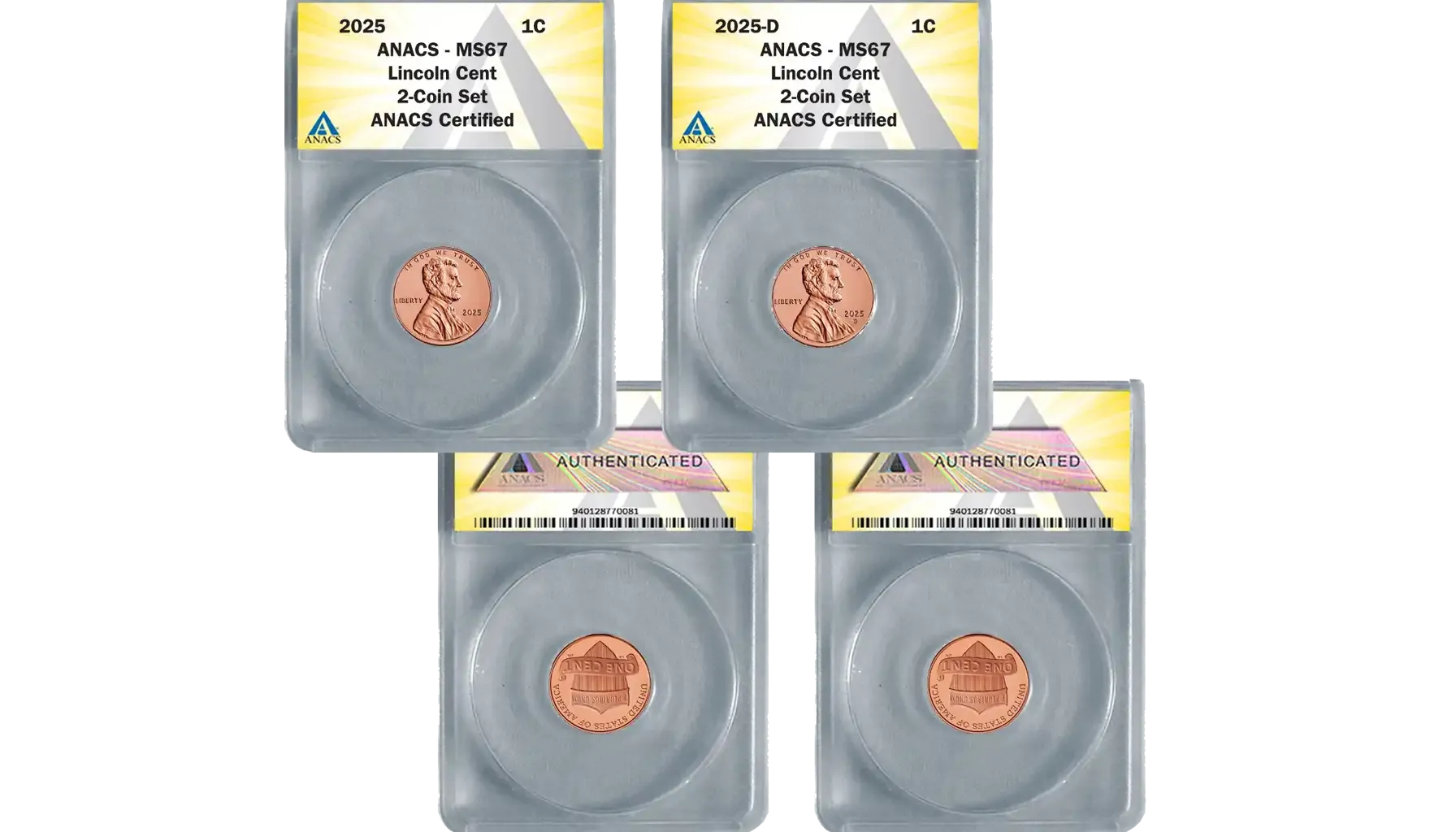
ANACS was one of the first to systematically use the 70-point Sheldon scale, now considered the "gold standard" for the market.
For an active collector, it's more important to distinguish where the coin's "common" grade ends and where the premium for die luster and collector grade begins.
ANACS uses the same notations the market is accustomed to: PO–G–VG–F–VF–XF–AU–MS. Proof issues are marked separately. This is why many find ANACS convenient for understanding where AU and BU grades end.
Range | ANACS Designation | What the Collector Sees |
1–10 | PO / FR / AG | Heavily worn coin, a piece of history rather than an investment |
11–35 | G / VG / F | Main design is visible, but fine details are lost |
40–45 | XF | Light wear on the high points, a pleasant “circulated but nice” condition |
50–58 | AU | Wear only on the very highest points, a strong semi-UNC |
60–62 | MS / low BU | Fields show noticeable bag marks but no wear |
63–65 | MS Choice | Cleaner fields, better luster; this is where serious premiums begin |
66–70 | MS Gem–Perfect | Rare grades, mostly seen on modern issues and exceptional batches |
ANACS Coin Value Chart (How Values Are Determined)
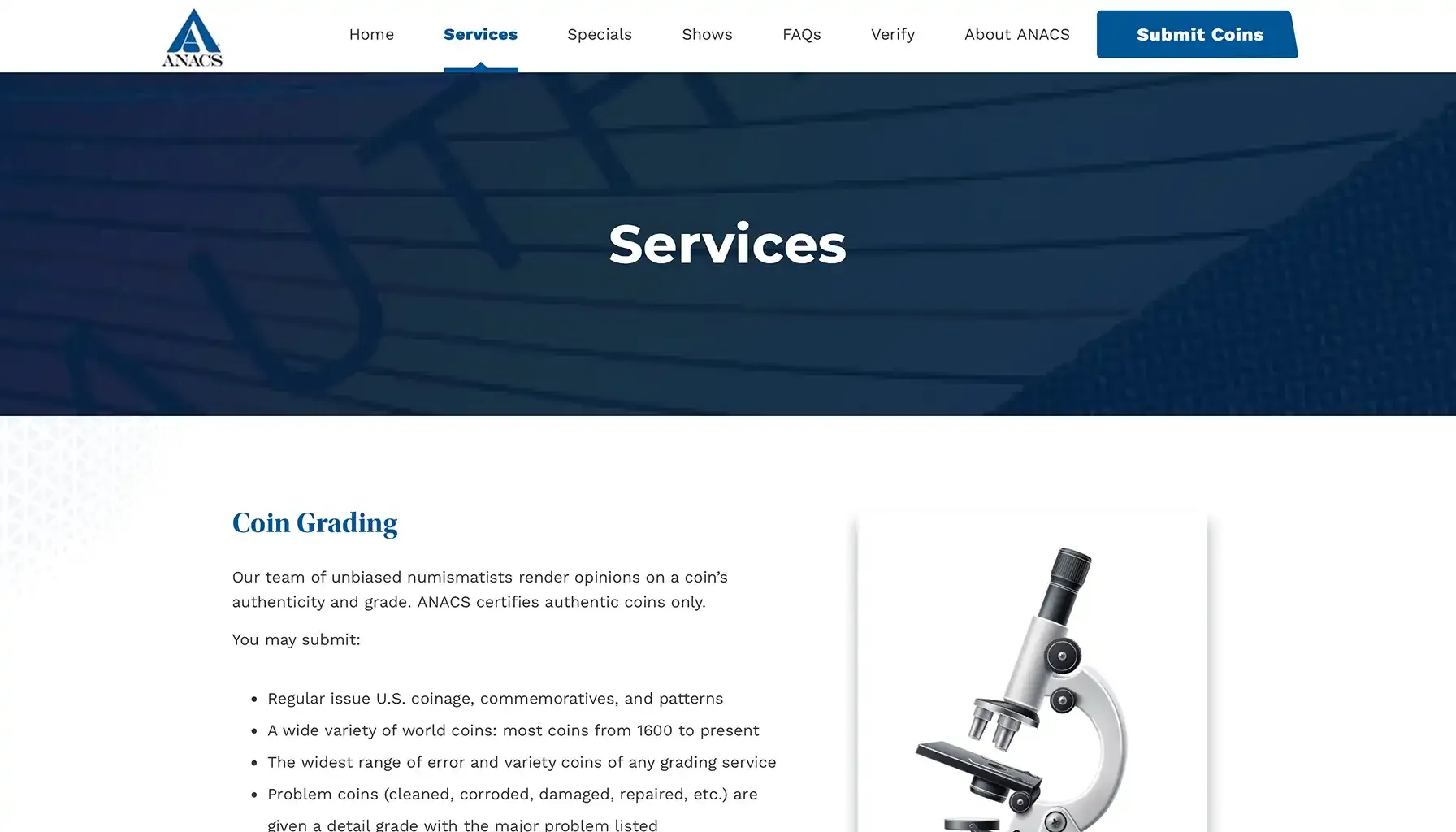
What's important here is how the ANACS coin value chart is structured and how much you pay for the assessment itself. The market evaluates price through the combination of coin type, rarity, grade, and current demand.
This is reflected as follows:
The database contains population reports by date and denomination.
Each level on the scale can be compared with auction results.
For rare varieties, a premium is added for VAM, overdate, error, etc.
The current ANACS coin grading prices for U.S. coins are as follows:
2 Day:
This tier covers items valued up to $10,000. The fee is $99 per item (plus shipping).
Items exceeding $10,000 must be approved by ANACS before submission.
5 Day (or ATB 5oz):
Suitable for items valued up to $5,000. The service fee is $39.
15 Day:
For items with a maximum value of $2,000. The fee is $24 per item.
Economy – No Gold:
Applies to items valued up to $500. The fee is $18. A minimum of 5 submissions is required.
Modern (1950–present):
Covers modern pieces valued up to $2,000. The cost is $15 per item. A minimum of 5 submissions is required.
Here, it's easy to estimate when the grading cost is justified.
Important! If you're holding a piece and aren't sure whether to submit it to a TPG, it's easier to first run it through the Coin ID Scanner. The app compares the specimen with its database of sold items using a photo and provides a price range.
How to Analyze the Economy and Use Lookup Tools
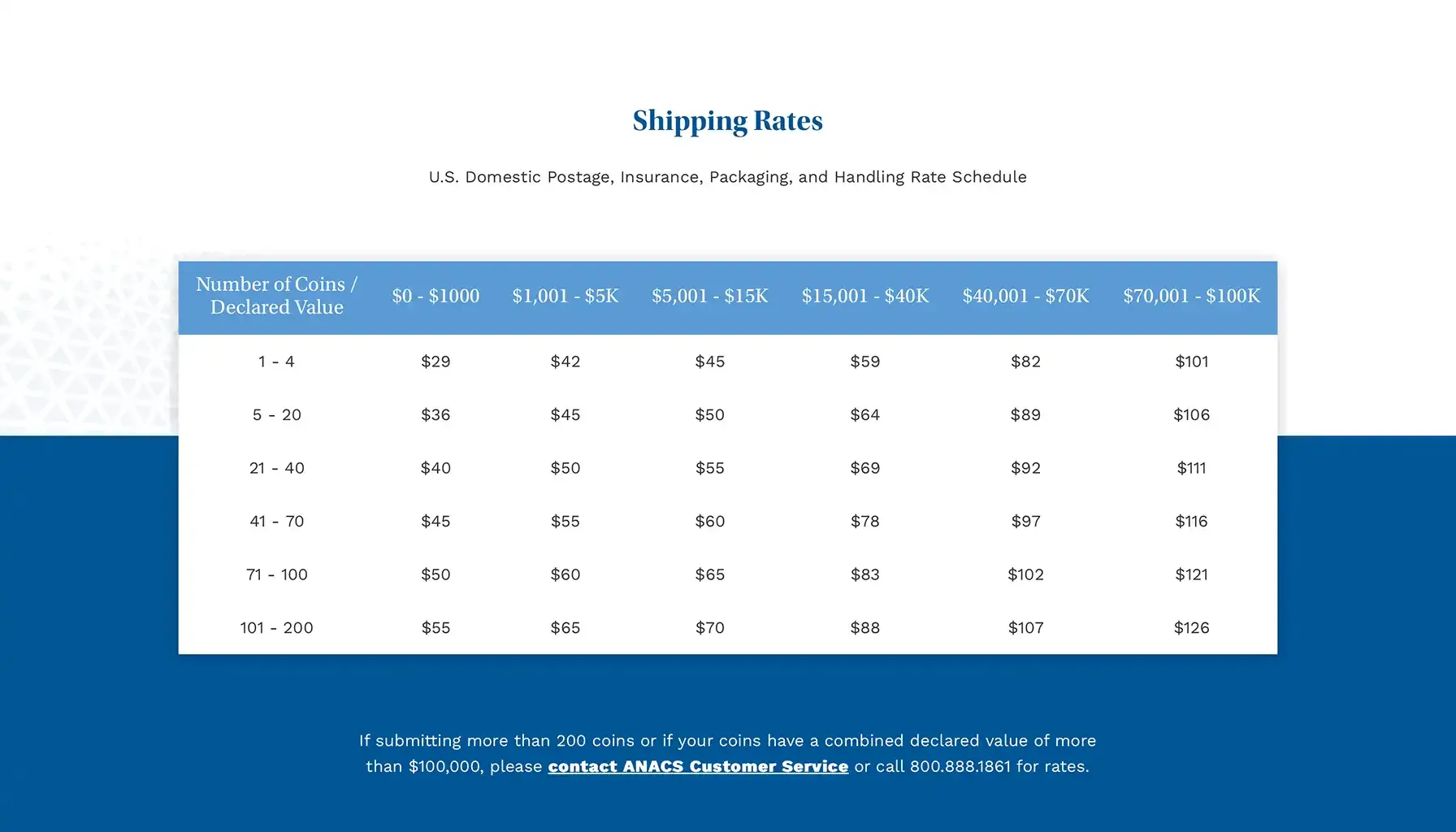
ANACS allows online certificate checks. By entering the serial number, you can open the ANACS coin lookup and see the date, denomination, grade, and, in some cases, a photo of the coin. This is useful in three situations:
You buy a piece at auction and want to make sure the slab is genuine;
You compare prices for similar specimens in the same grade;
You check whether the item's status has changed (for example, if it was cross-graded at another TPG).

 Facebook
  X (Twitter)
  Pinterest
  LinkedIn