Contents:
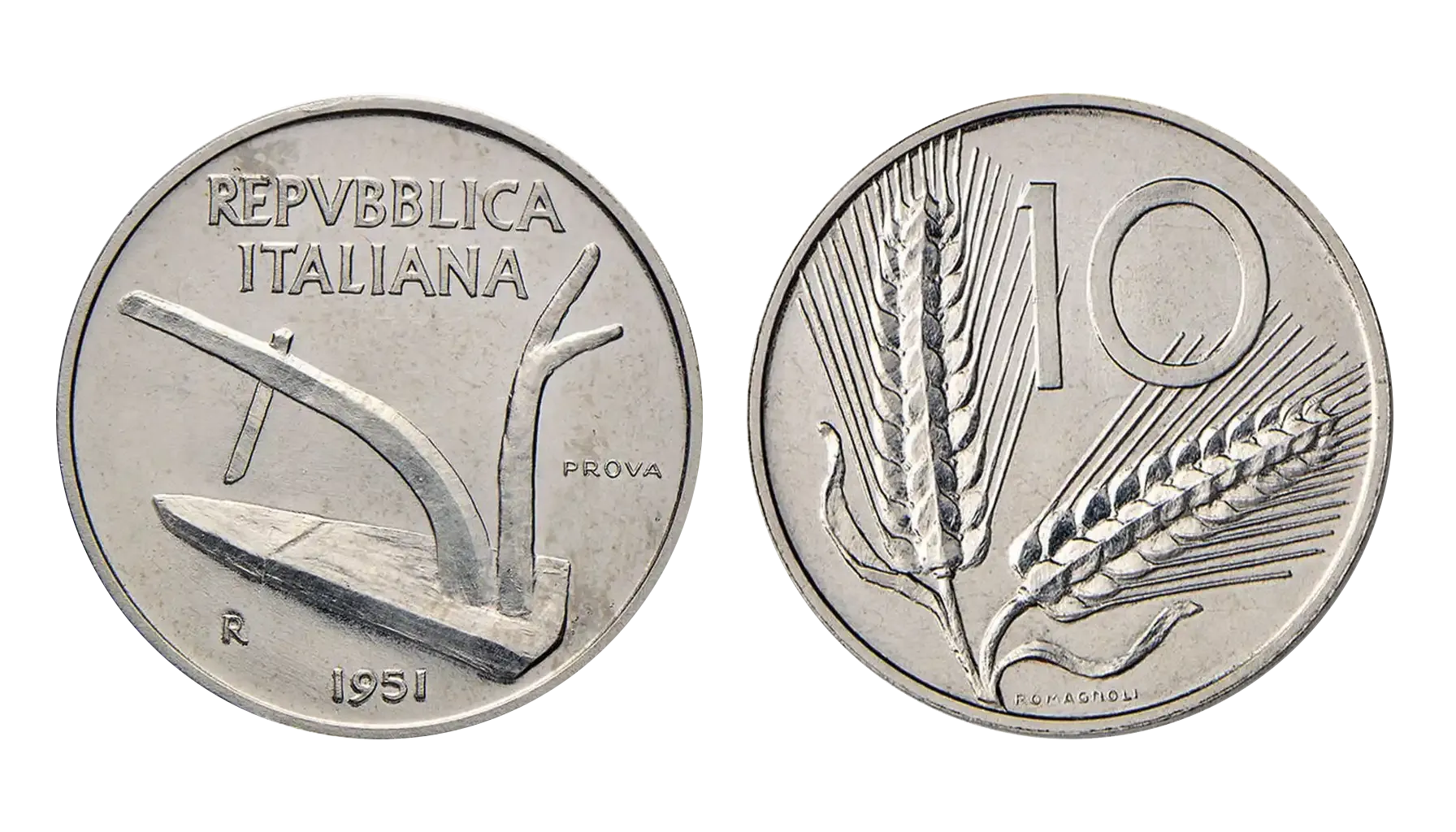
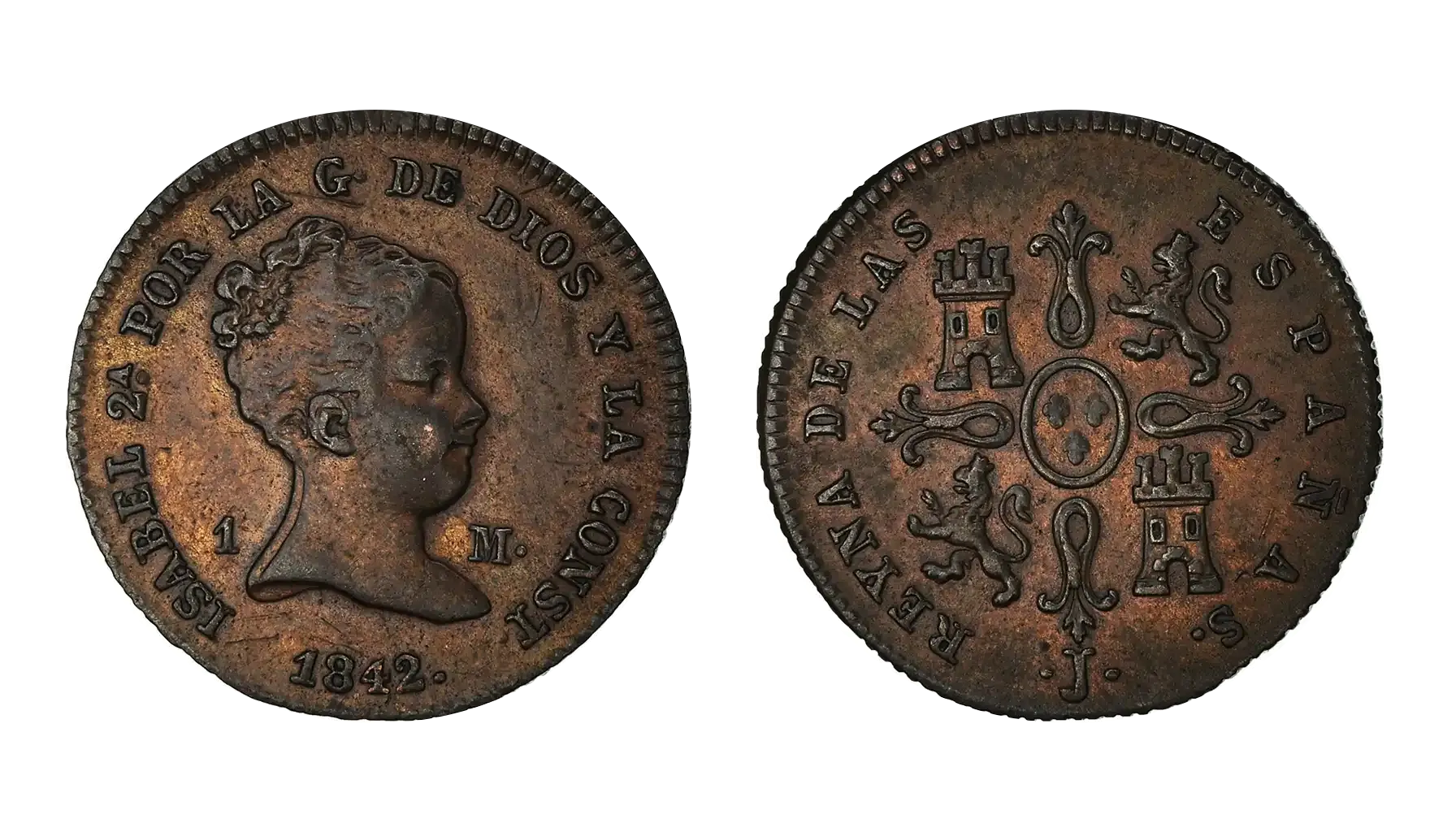
A coin’s condition often outweighs its year or denomination in collecting terms. With even a quick look, you can uncover plenty of detail, especially when a foreign coin identifier is on hand, letting you compare relief and characteristics against reference specimens available today worldwide.
What Does Uncirculated Mean?
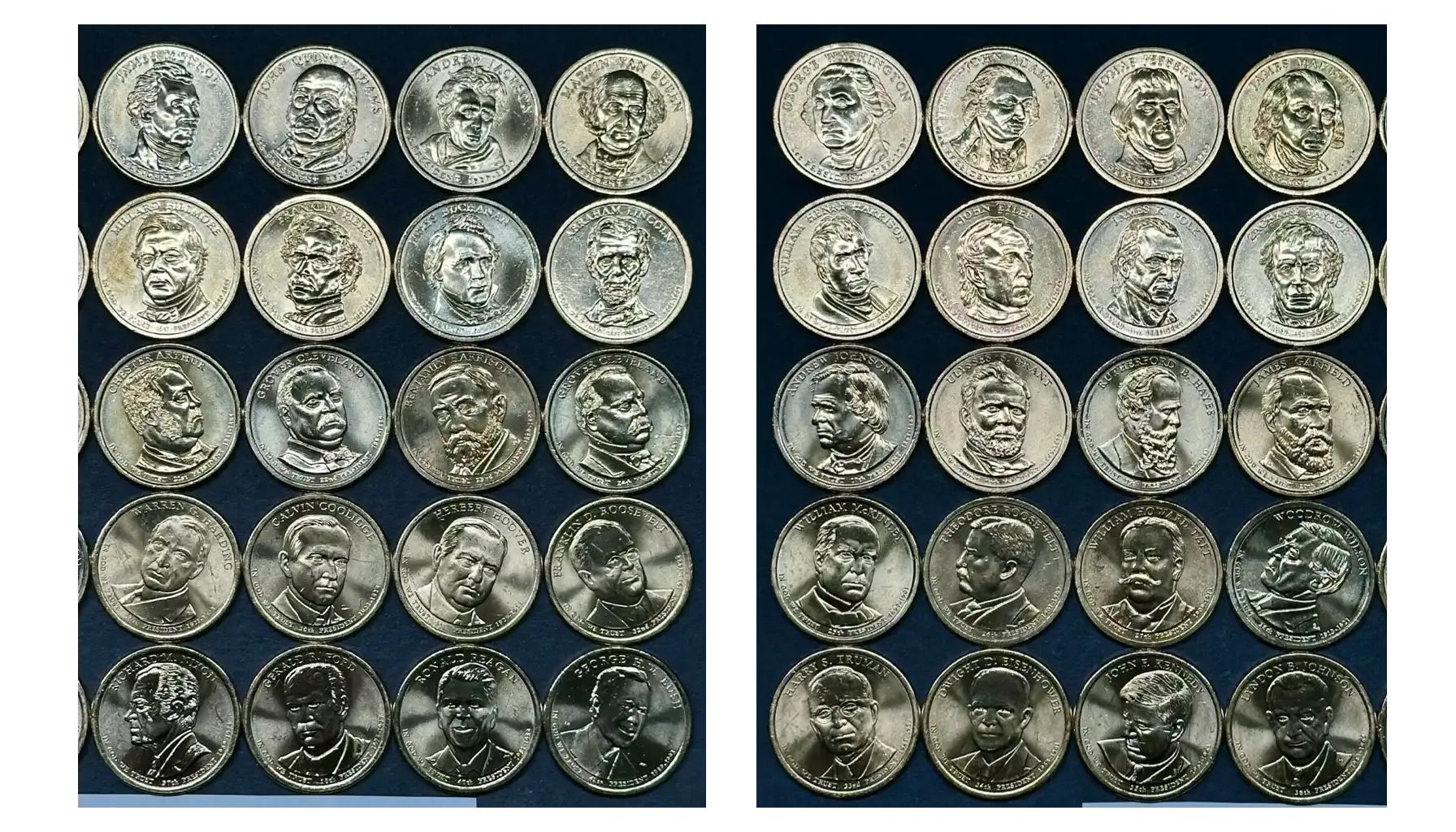
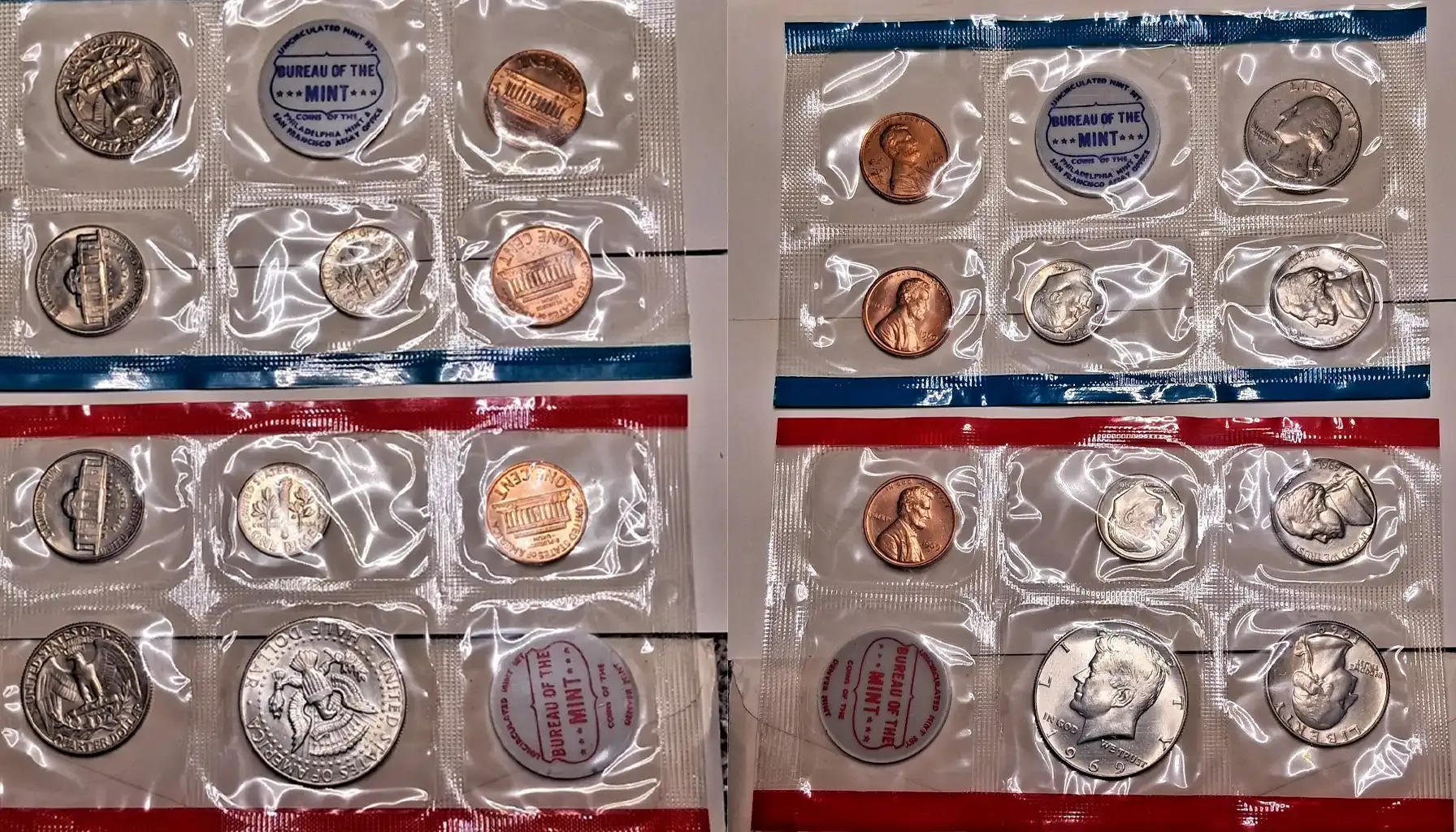
The term “uncirculated” refers to condition, not age or rarity. It simply means the piece has never entered circulation. It may have been passed from bag to bag, stored in a warehouse, or sold to a collector, but it has never been used in commerce.
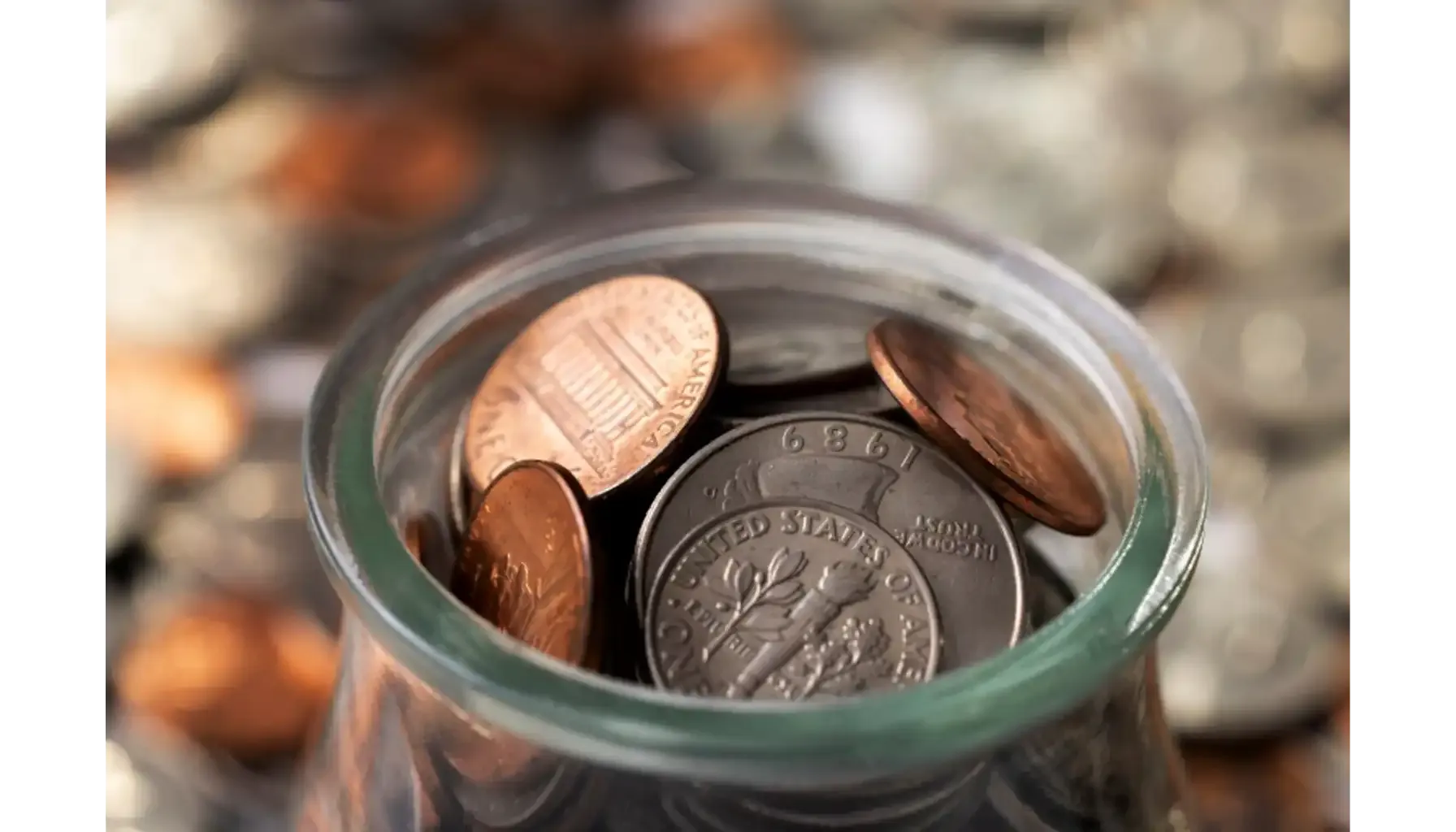
All specimens initially leave the mint in this condition. Once a coin reaches a cash register, wallet, or vending machine, the risk of wear becomes real.
Collectors often ask the straightforward question: How do you know if a coin is uncirculated? The answer always depends on the absence of wear, not on "a beautiful appearance."
“’Uncirculated’ can indicate that a coin is in mint condition and does not have the usual wear and tear of circulated coins.”
— US Money Reserve explanation
US Money Reserve website
Numismatically, such specimens fall into the MS (Mint State) range. This grade ranges from MS-60 to MS-70. The difference between grades is determined by the number of contact marks during transportation and storage.
Visual Signs of an Uncirculated Coin
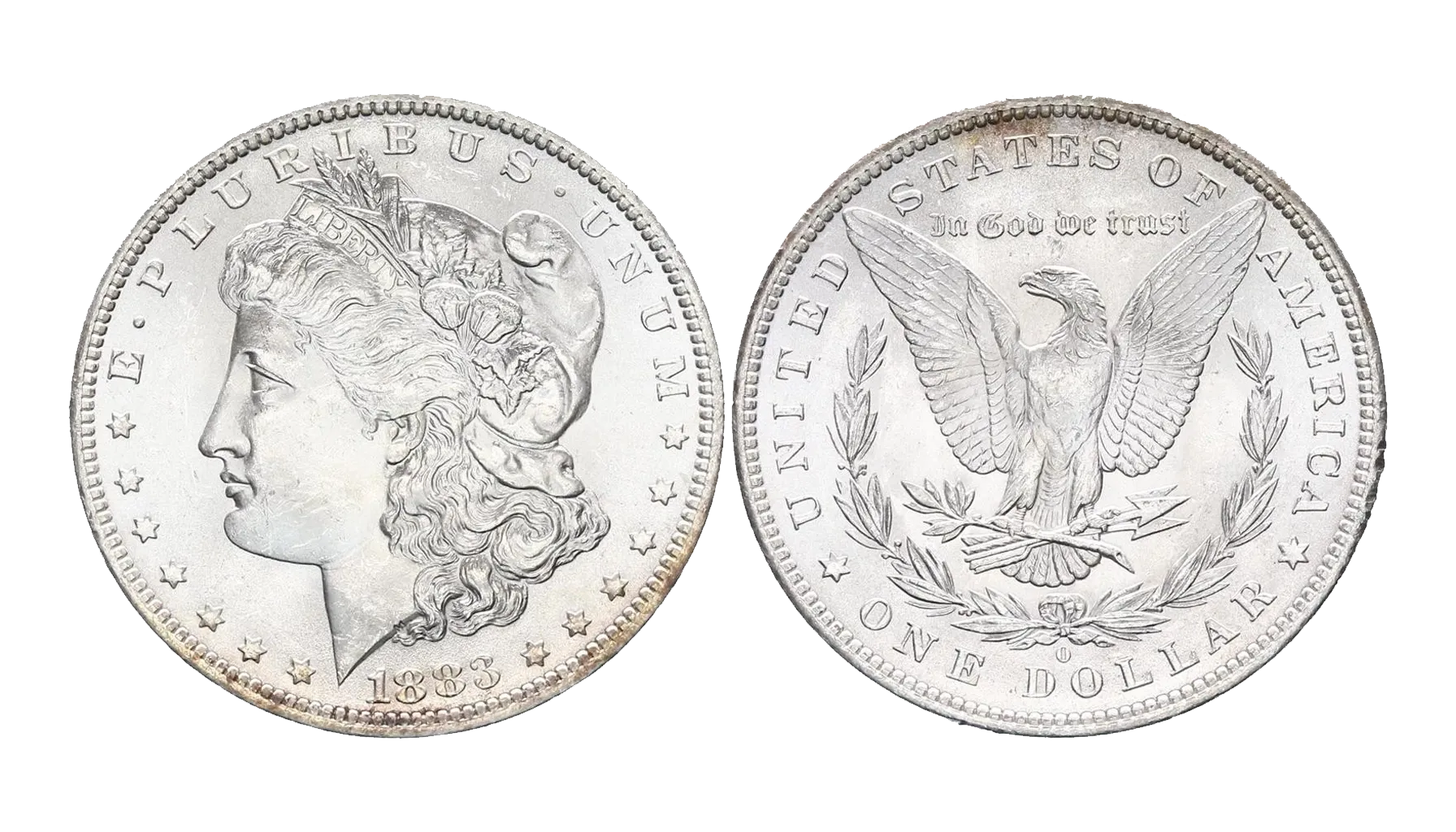
The first thing experienced collectors look for is luster. Luster on a coin is not the same as "shine." It appears as a moving pattern of light across the surface.
If you rotate a piece under a single lamp, the light should "roll" across the surface—this effect is called the "cartwheel effect." It only appears when the die strikes pure metal and disappears after contact with the circulation wear.
Visual signs of uncirculated condition:
Uniform luster across the entire field;
No smoothing on protruding elements;
Clear edges of letters and numbers;
Consistent texture on the background and relief.
Particular attention is paid to the highest points of the design. These are the first to wear away. When the fields remain glossy but the high points of the relief turn matte, the coin usually falls into the About Uncirculated range rather than a full MS grade.
It’s also important to separate actual wear from production-related flaws. Even well-preserved pieces can show small bag marks, contact traces, or light staining.
At this point, mint marks start to matter. Different mints relied on different dies and metal mixes, and that directly affects luster and the microscopic patterns left on the surface.
Feature | Uncirculated | Circulated |
Luster | Full, continuous | Partial or absent |
High points | Sharp | Worn |
Surface | Uniform | Uneven |
Edges | Crisp | Worn |
Difference Between Uncirculated and Circulated Coins
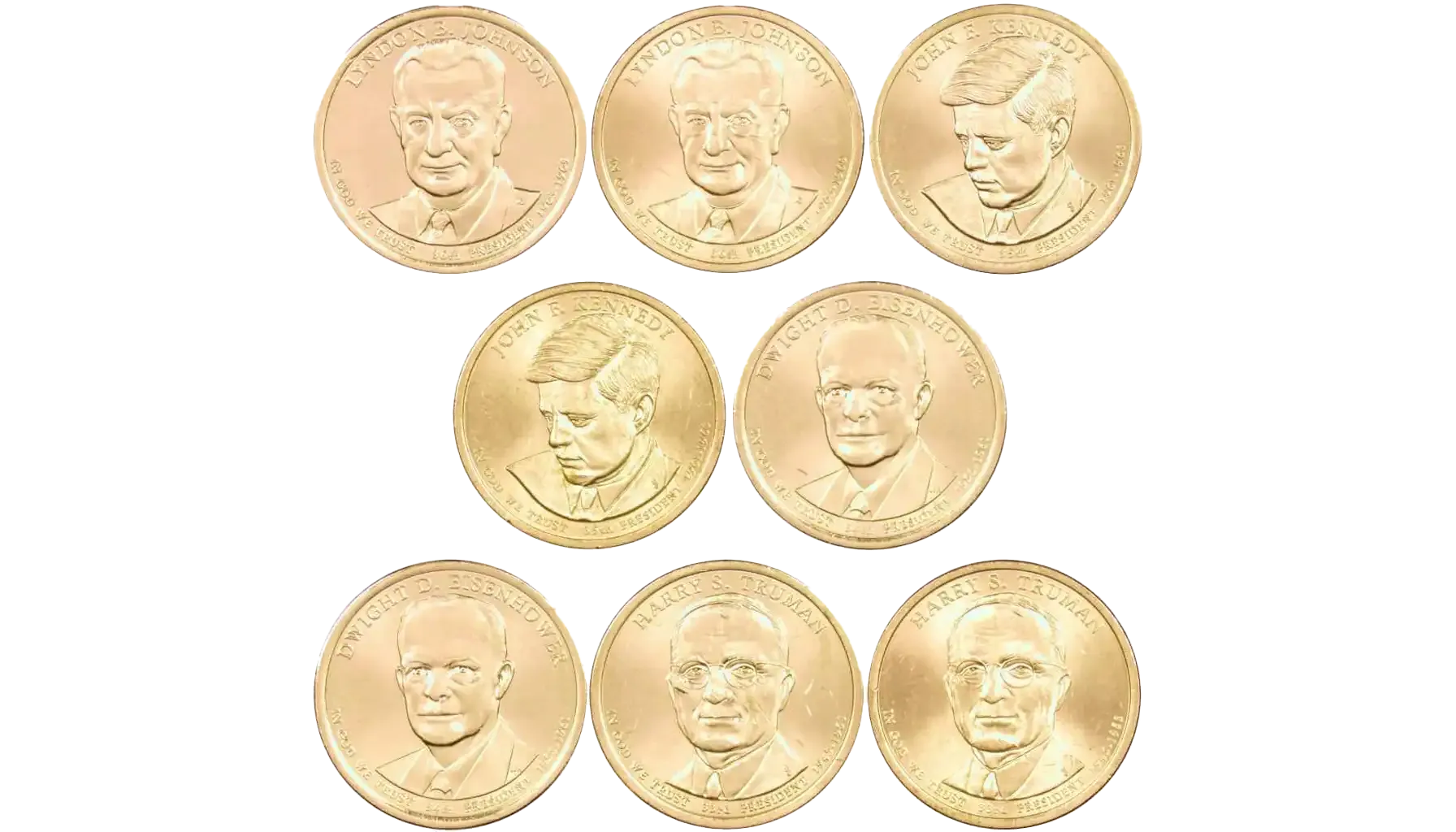
The main difference is wear. A specimen may look neat, but if it has smoothing from contact with circulation wear, it is considered circulated.
Comparison by key parameters:
Contact with the surface: absent vs. present;
Relief wear: none vs. localized or general;
Luster: original vs. damaged;
Collector value: depends on rarity vs. often limited by face value.
How do I know if a coin is uncirculated? This can be determined by comparing two identical specimens. The difference becomes immediately noticeable, especially on silver or large coins.
Common Mistakes When Identifying Uncirculated Coins
Errors are most often associated not with ignorance, but with incorrect assessment logic.
Why “Clean” Doesn’t Mean “Uncirculated”
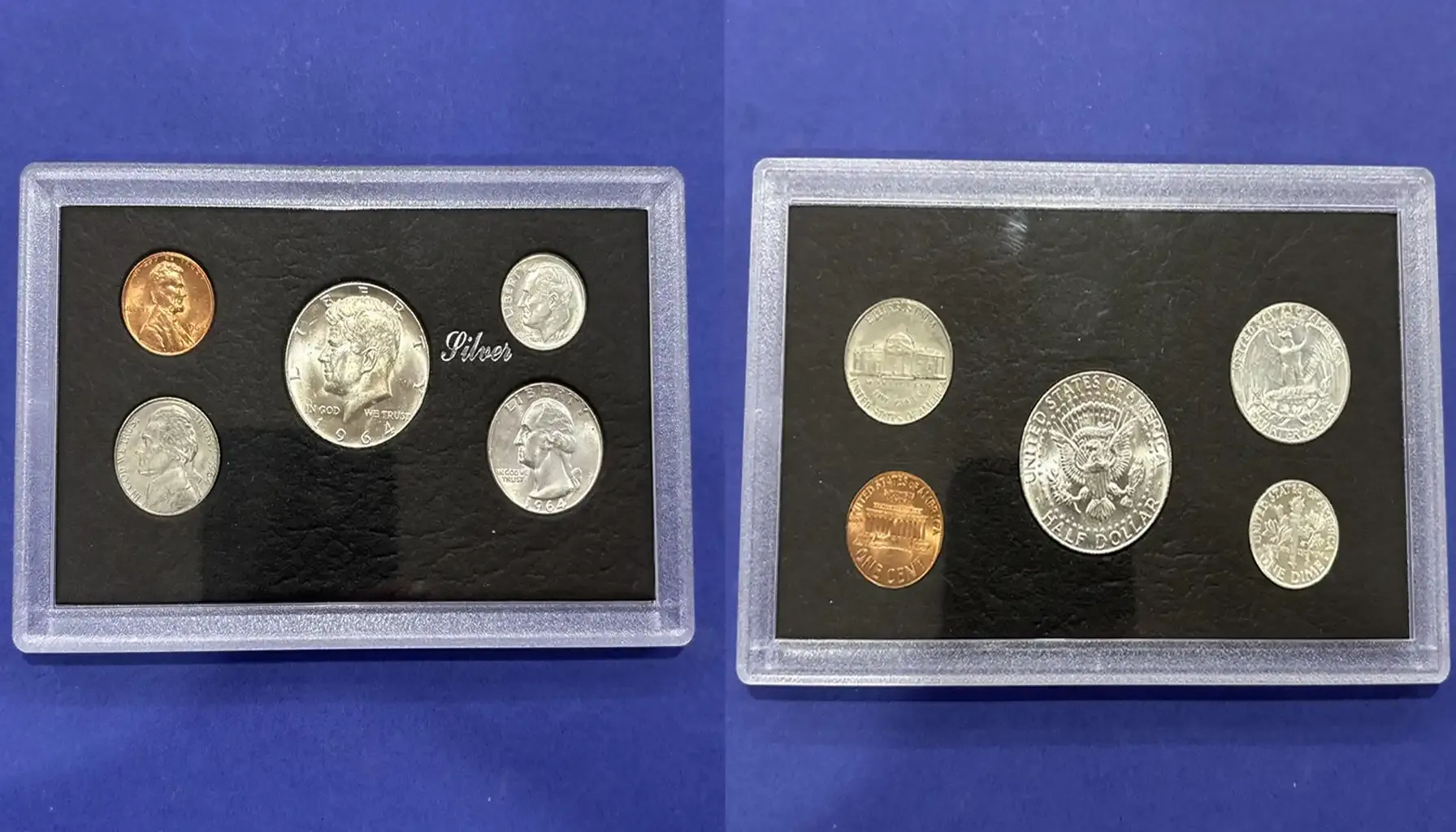
The most common mistake is confusing purity with lack of circulation. A polished or washed coin may look "new," but its shine will be dull and flat. This is immediately noticeable when tilted.
Other common mistakes:
Mistaking the shine from cleaning for the original luster;
Ignoring smoothed-out ridges;
Believing in "perfect condition" without magnification;
Judging from a photograph without light at an angle.
Some sellers intentionally remove patina or contact marks, reducing the real collectible value.
Why Condition Drives Value
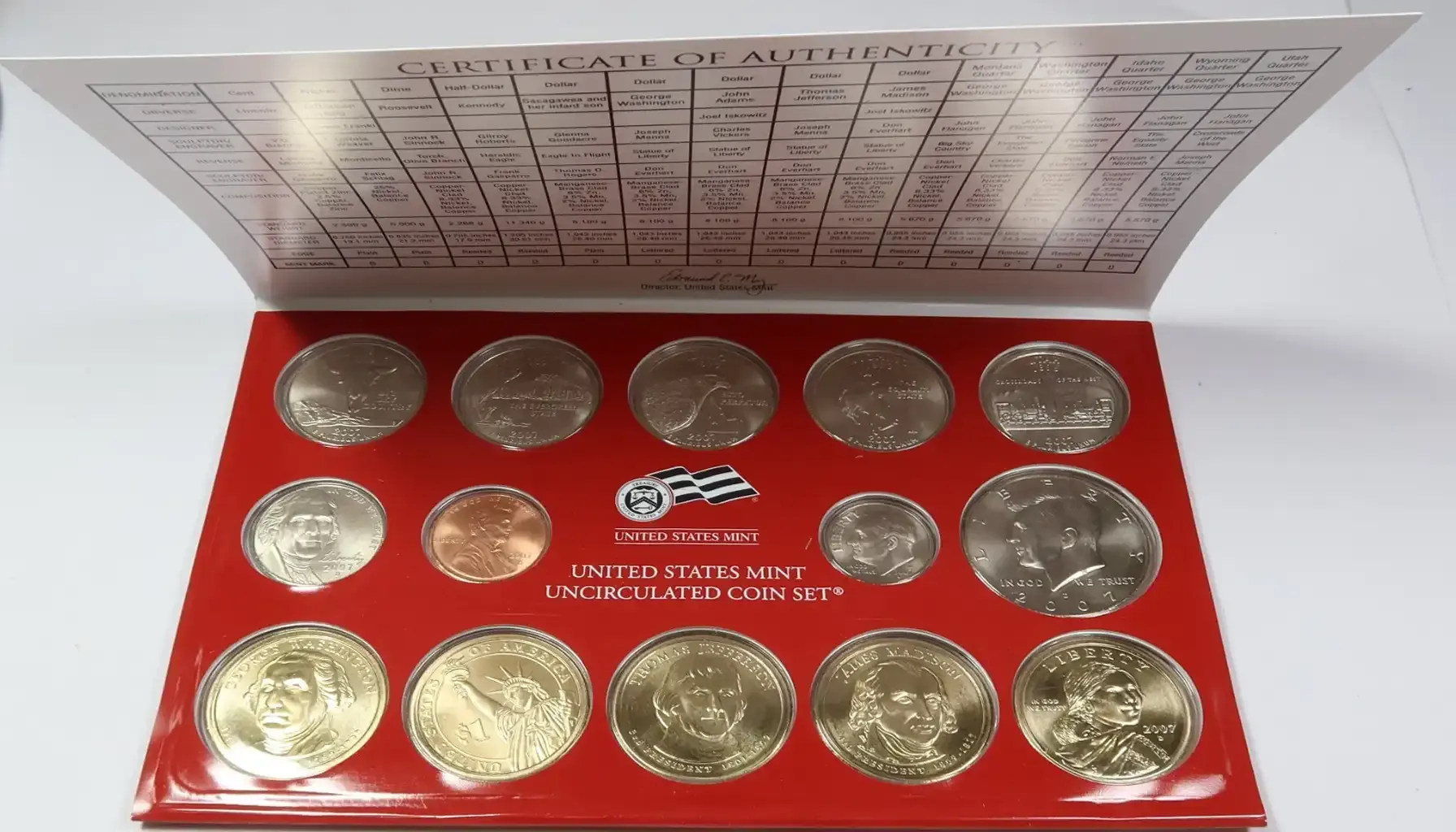
The numismatic market is governed by basic economic laws. The better the condition of the specimen, the fewer examples available.
Factors influencing price:
Circulation and condition;
Series popularity;
Metal;
Confirmed grade.
Want to quickly understand the coin's condition and approximate price? The Coin ID Scanner app allows you to identify the coin's type, compare its relief with reference standards, and see the market price range based on its condition. This is a convenient way to avoid errors during an initial appraisal.
Some rare specimens exist in the thousands, but in MS condition, only a few exist. This is why the price difference between VF and MS can be significant.

 Facebook
  X (Twitter)
  Pinterest
  LinkedIn