The grading system is very important in shaping the numismatic market. When experts assign a precise, consistent grade to an item, they establish a numerical standard that reflects both the piece's physical condition and its authenticity.
Specialized third‑party grading services carry out this essential analysis. Numerous numismatists are familiar with several major firms that operate in this field. Among them, the Independent Coin Grading Company (ICG) operates in the competitive professional grading market.
Do not forget, any numismatist should know special tips and an old coin identifier app for rational collecting.
What Is ICG Сoin Grading
The Independent Coin Grading Company launched in 1998. Its founders established a business model focused on consistent standards and cost efficiency.
The company uses a numeric scale from 1 to 70, which aligns with the industry-wide Sheldon grading standard. Upon submission, items undergo authentication, evaluation for alterations, and assignment of a final grade.
A critical feature is the encapsulation of the certified item in a sonically sealed, tamper-evident plastic holder. This slab protects and displays the grade and unique certification number.
The ICG coin grading reputation is high, and the process follows the industry standard, but with some particularities:
Authentication | Verifying whether the item is genuine or a fake |
Graduation | Assign a grade based on the Sheldon scale |
Encapsulation | A holder that contains a label with the description, the country, the year, and the note assigned |
Advantages: Is ICG a Good Coin Grading Company?
It survives in a competitive market by focusing on niches where other companies are slower or more expensive:
Price and speed: ICG coin grading value services are usually cheaper, and wait times for item returns are shorter than at PCGS or NGC.
Customer service: They are known to be more accessible to small collectors.
Expertise in errors: ICG coin grading review is highly respected in certifying minting errors (off-center, bifacials, etc.) and less common foreign currencies.
"If a coin is in an ICG holder, it’s almost certainly authentic, but the market value is frequently determined by what the coin would grade at PCGS or NGC."
– Scott Travers, a numismatist
The Coin Collector's Survival Guide
ICG vs PCGS and NGC
Several leaders dominate the market for certified items. Among them, the Professional Coin Grading Service (PCGS) and the Numismatic Guaranty Company (NGC) hold the largest shares of the market.
These two firms also enjoy the highest level of recognition among collectors and dealers. A comparison reveals differences in market perception and collector preference.
Is ICG coin grading reputable? It positions itself as a more economical alternative, often with lower grading fees and faster turnaround times. However, this can affect market liquidity and the resale value of certain items.
Numismatists frequently observe a price disparity between identically graded ones from different services.
Service | Founded | Market Perception |
ICG | 1998 | Cost-effective alternative |
PCGS | 1986 | Premium standard for US ones |
NGC | 1987 | Premium standard for world ones |
In the secondary market (auctions and sales among collectors), an item graded by PCGS or NGC tends to fetch higher prices than the same item with the same company grade.
Many collectors perceive ICG coin grading reviews to be somewhat more lenient in their evaluation of banknotes, whereas Giants are regarded as more conservative (strict).
ICG Graded Coin Value
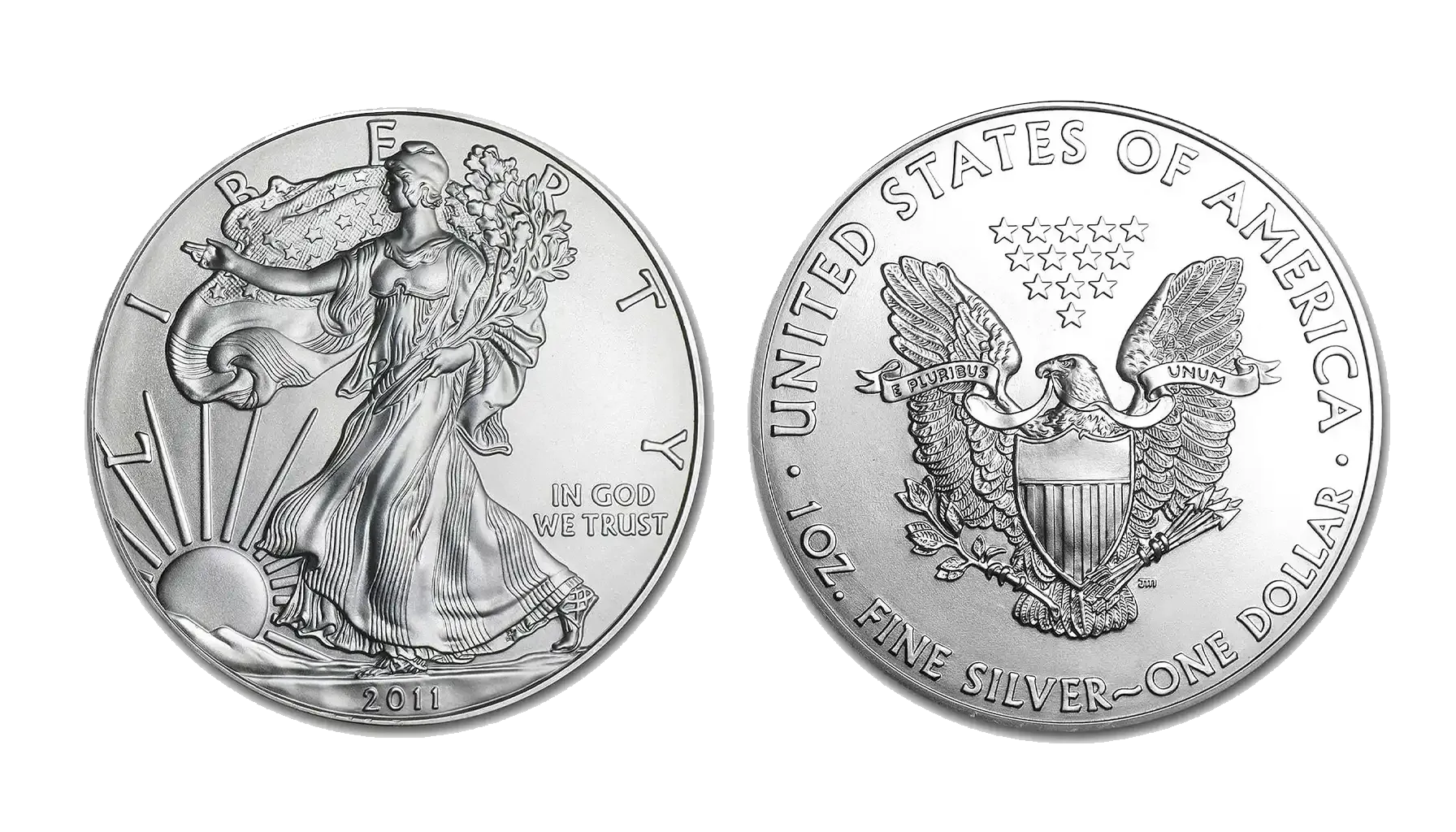
Is ICG a reputable coin grading company? The value of a certified item is not fixed. The assigned grade establishes a baseline, but the final price depends on multiple factors.
Market Hierarchy
PCGS and NGC hold approximately 90% of the certified item market share for rare and semi-numismatic coins. Auction houses, major dealers, and registry set participants prioritize these two services.
Modern Items Show Smaller Gaps
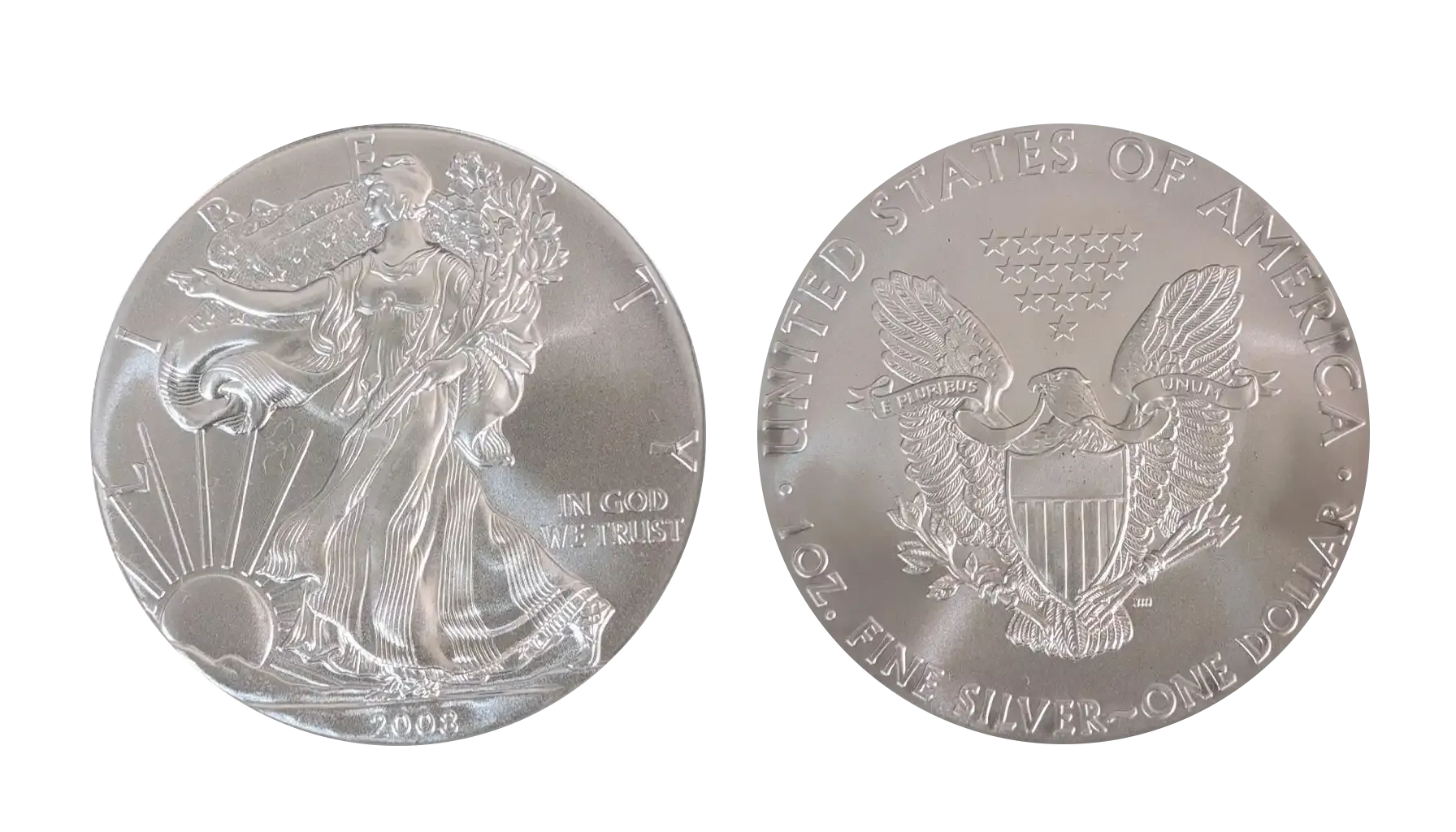
Modern commemoratives, bullion items, and recent issue proof sets show a reduced spread. A 2021 Silver Eagle graded MS-69 by the company sells for $37–$39. A PCGS MS-69 example sells for $40–$42.
The Silver Dollar Example
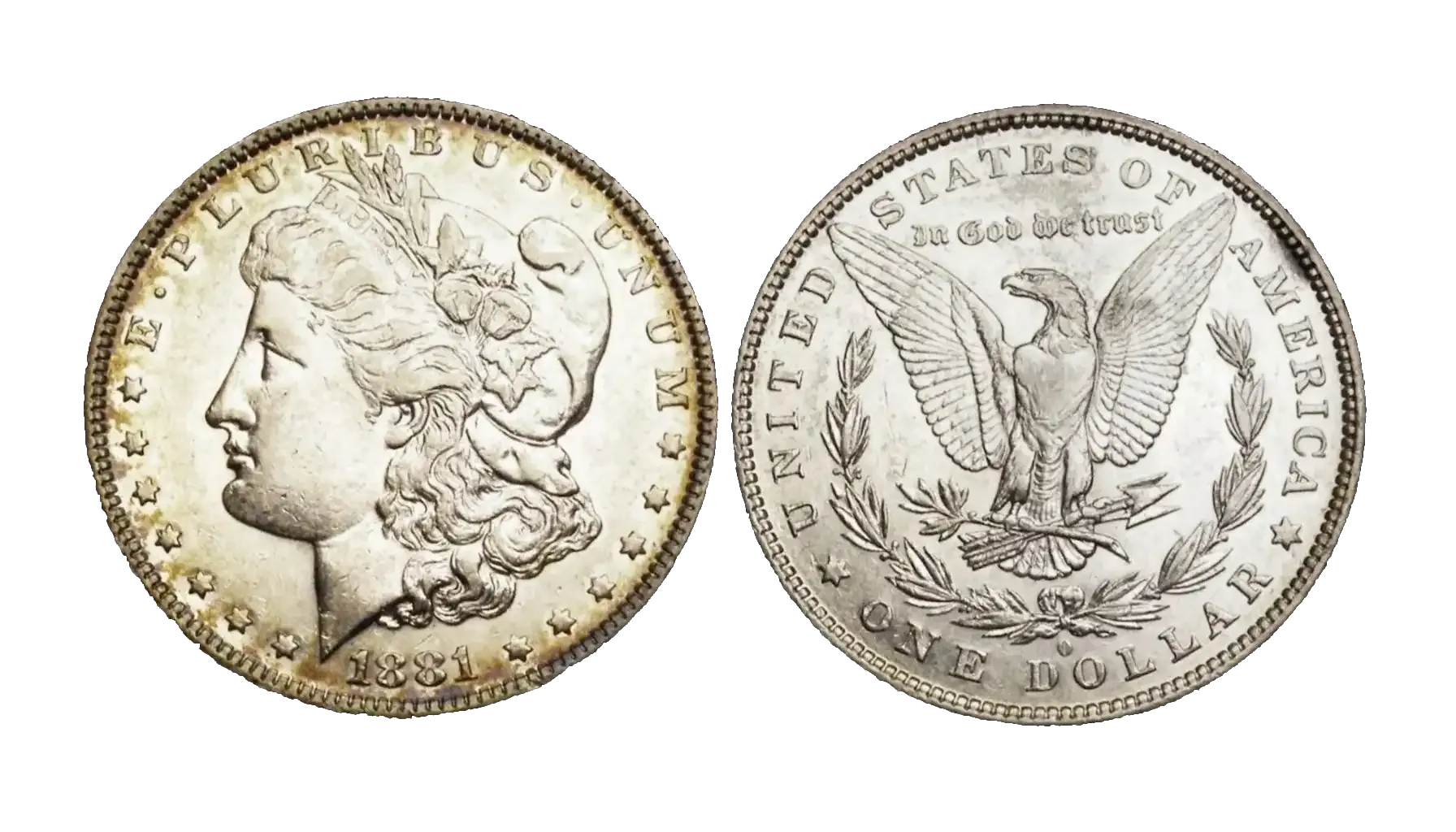
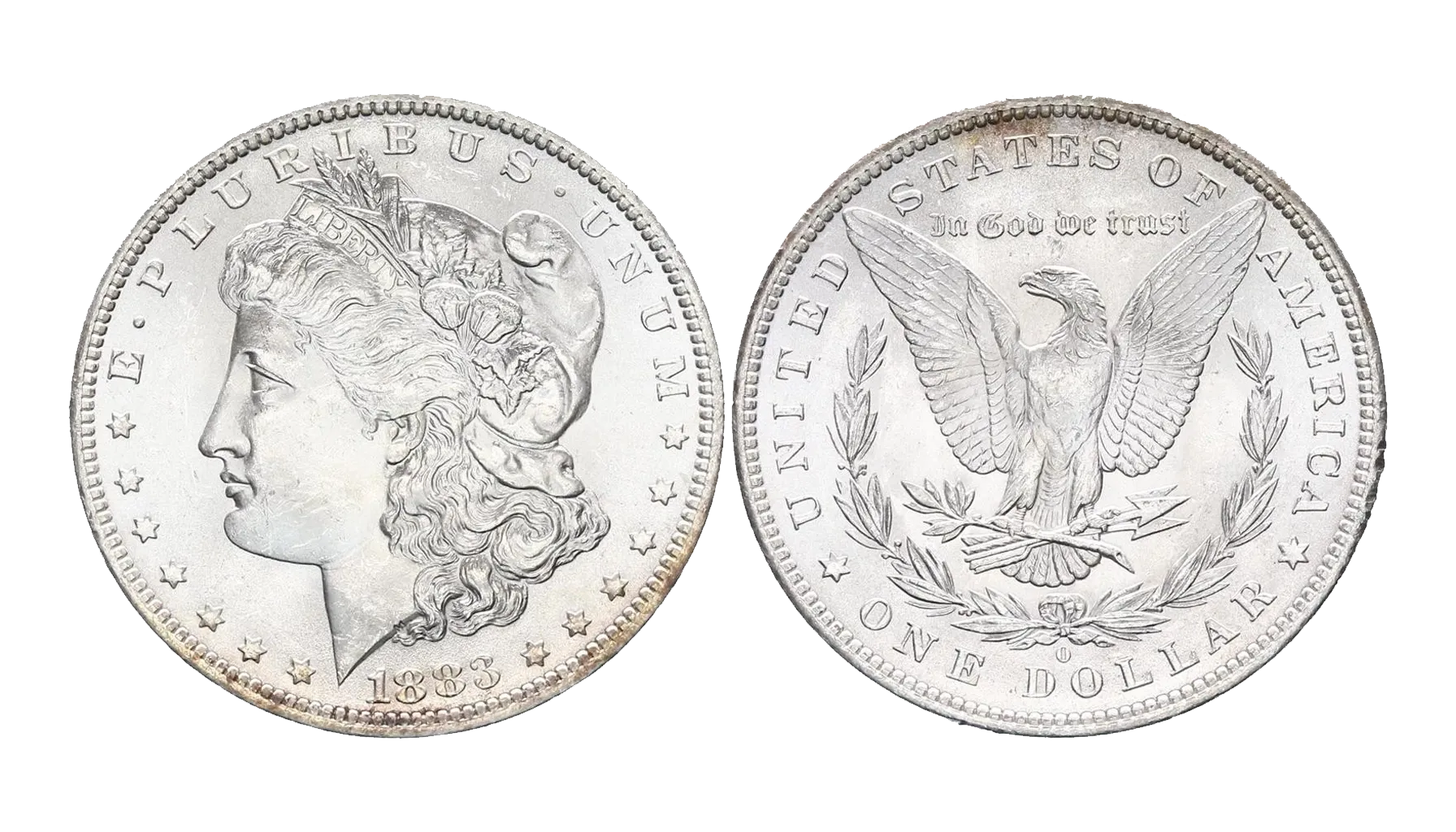
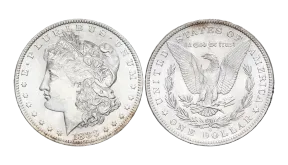
Classic United States silver dollars minted from 1878 to 1935 are heavily traded. The market for these items is deep and extremely sensitive to third-party service labels.
An 1881-O Morgan dollar graded MS-64 by the company typically trades in the $75–$85 range. The same item, graded MS-64 by PCGS, consistently sells for $90–$100. The discount persists across nearly all dates and mints for this series.
When to Use ICG Grading
It serves specific niches within the hobby, making it a pragmatic choice for bulk grading of modern ones intended for direct consumer sale. The service is also well‑suited for personal collections where the owner prioritizes protection and authentication over future premium resale value.
Consider ICG for these situations:
Modern Bullion Coins: You want encapsulation for Silver Eagles or other bullion.
Cost-Conscious Slabbing: The item's raw value does not justify PCGS/NGC fees.
Authentication Needs: You require verification for a questionable item's authenticity.

 Facebook
  X (Twitter)
  Pinterest
  LinkedIn