Contents:
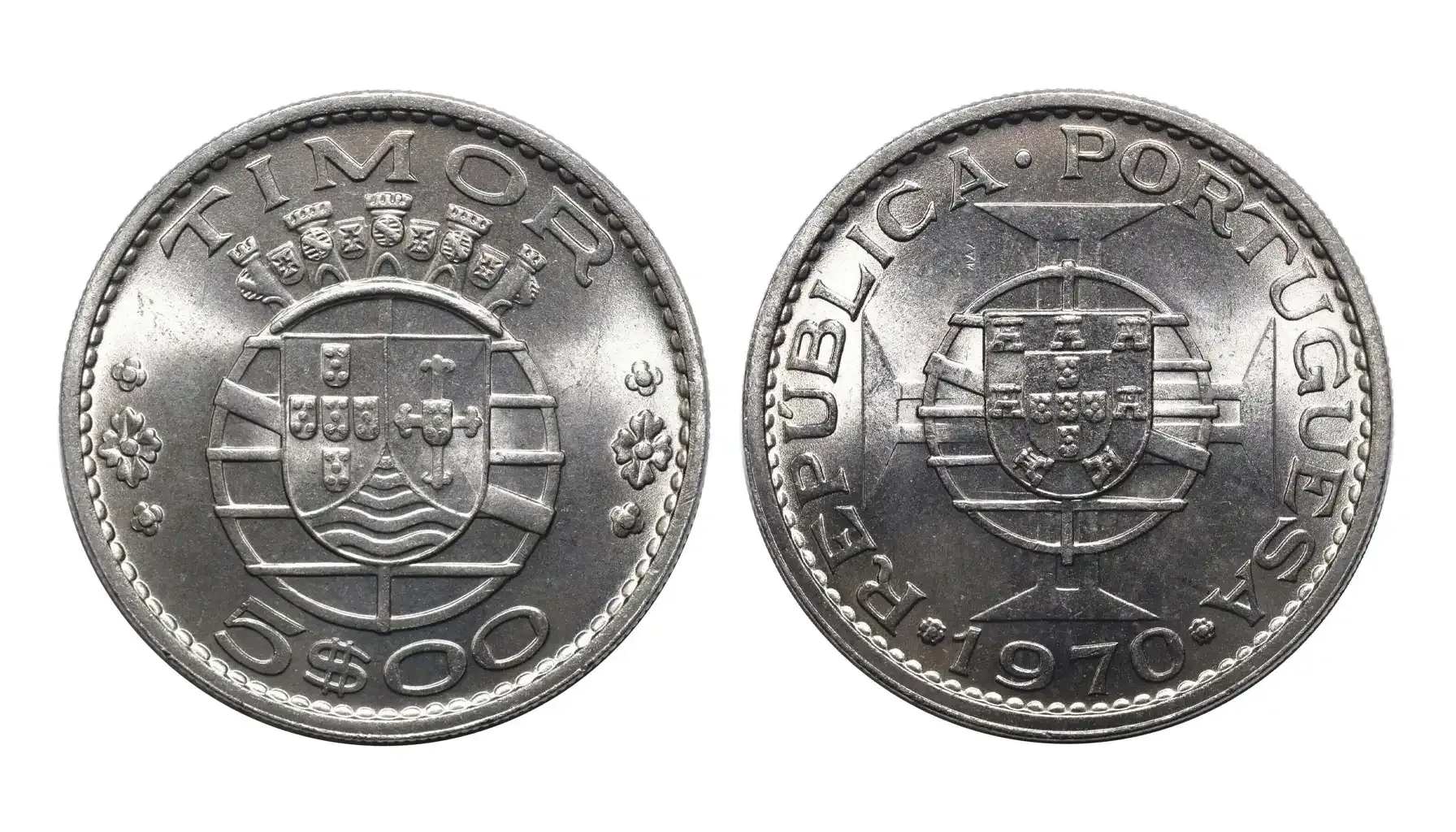
If you need to quickly verify the denomination, year, and metal, many start with the foreign coin identifier and then move on to physical testing.
How Do You Know If a Coin Is Silver?
There's no universal sign, but there are a number of signals that work together. Silver rarely "gives itself away" through a single parameter—it reveals itself through weight, sound, wear, and surface reaction.
It's important to immediately separate myth from practice. Color alone doesn't guarantee anything. A shiny surface could be the result of nickel plating, while a dark one could simply be oxidation. Therefore, the first step is contextual analysis: country, minting period, and denomination. Many specimens are ruled out at this point.
Collectors often ask: How do I know if my coin is silver if I don't have any equipment? You should start with the simplest observations and only then move on to tools. This approach reduces the risk of damaging the piece.
“The hard fact is that silver consumption is now more than double new silver production each year.”
— Lyndon B. Johnson, President of the United States
The American Presidency Project
Visual and Weight Tests for Silver Coins
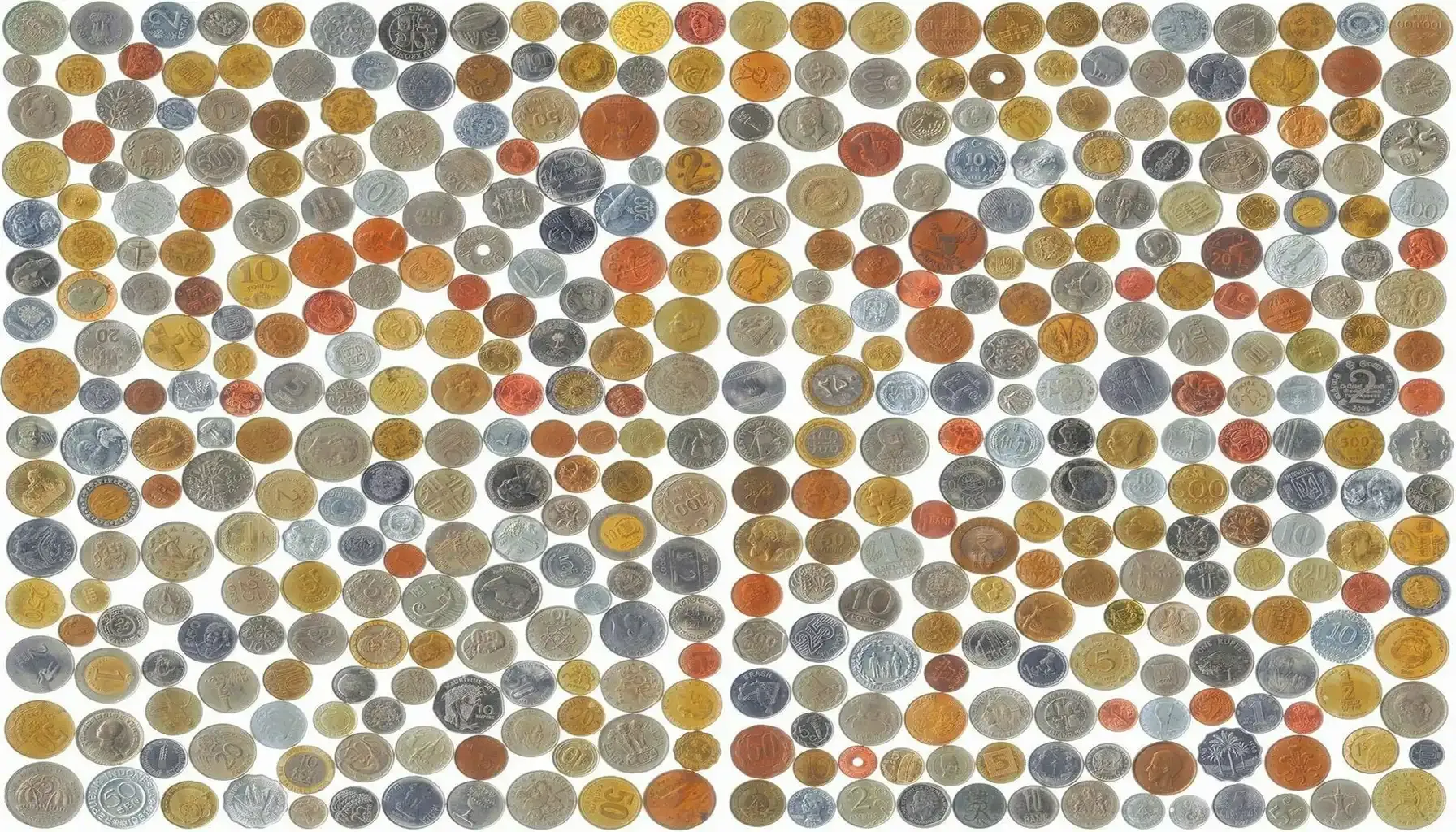
A visual inspection is the safest method. Silver ages in a unique way. Over time, it darkens, but does not rust or flake.
Reliable testing signs:
A uniform, graphite-gray patina;
No bubbling or peeling;
Wear that leaves the underlying metal the same color.
If a yellow or red layer appears under the abrasions, this is a sign that the base metal is not silver.
Silver is denser than most alloys used in coins. You notice it right away—the piece feels heavier than it should.
And that’s usually the moment the question comes up: How do you know if a coin is real silver without a reference book? One quick way is to put it next to a similar-sized coin that clearly isn’t silver and feel the difference.
Example of a density comparison:
Denomination | Metal | Feel in hand |
Silver dime (pre-1965) | Ag 90% | dense, “heavy” |
Modern dime | clad | lighter, “hollow” |
This test does not give a 100% answer, but it does a good job of filtering out most counterfeits.
Sound Test: Identifying Real Silver
Silver gives a long, clean ring when tapped against a hard surface or another coin. It doesn’t sound dull or flat—the vibration lingers. There’s no reason to hit hard, though.
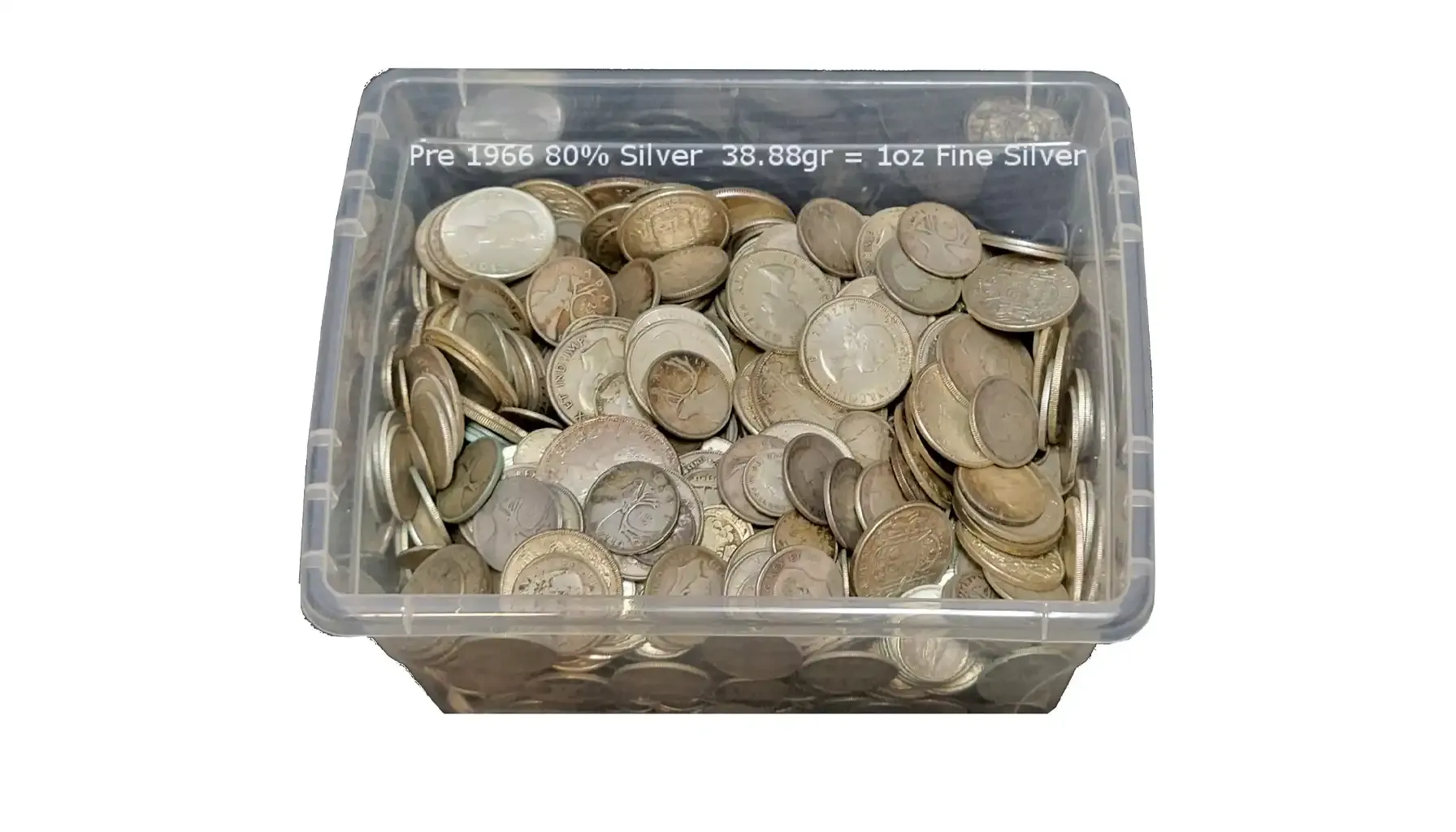
A light tap is enough, and anything stronger risks damaging the edge. This test works best on circulating pieces with no collectible premium, such as Junk silver coins, where appearance matters less than metal content.
If the sound stops immediately, it's an alloy. If it sustains, it's probably silver. But there are nuances here, too: thickness and shape also affect the sound, so this method only works in combination with other methods.
How to Tell If a Silver Coin Is Real
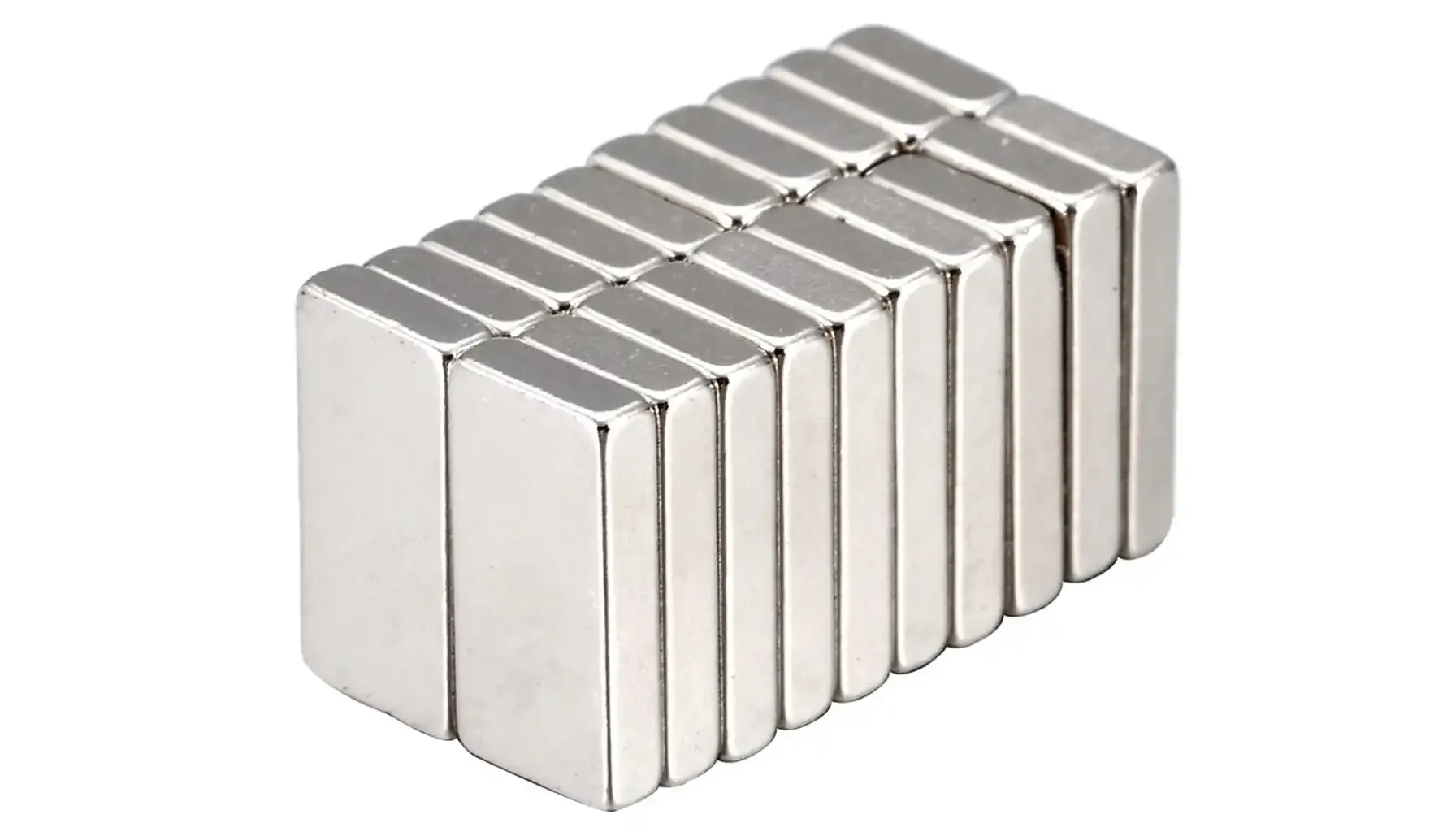
When basic tests yield inconsistent results, a more pressing question arises: How to tell if a coin is real silver? Additional checks are then used, but with caution.
Methods of authenticity verification:
Magnet: Silver is not magnetic. Even a weak attraction is a warning sign.
Edge: Many metal issues have a uniform edge, without colored layers.
Dimensions: Variations in diameter and thickness often indicate a counterfeit.
Acid tests provide accurate results, but are only used on specimens without collectible value. They damage the surface, and this must be taken into account in advance.
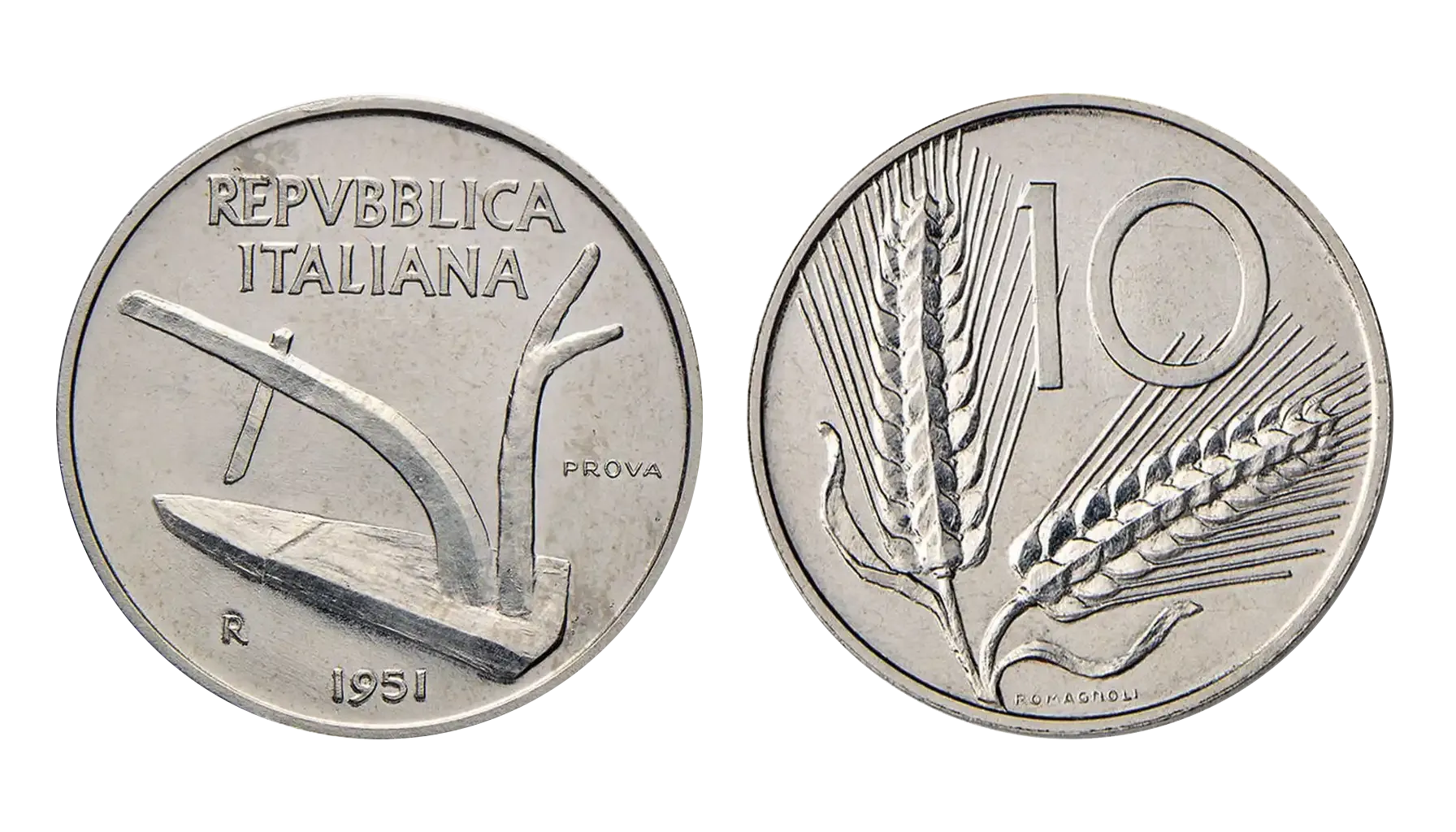
At this stage, many ask a more practical question: How to know if a coin is silver if it's a foreign issue? In such cases, comparing mintage standards and weights is helpful—that's why international collectors often keep data on silver coins in the UK and other markets handy to compare approaches.
Practical Mistakes Beginners Make
Even simple tests can be misleading if used without a system. The most common mistakes are:
Relying solely on color;
Using a magnetic test as the only method;
Using aggressive mechanical tests.
The material does not tolerate rough handling. Even a genuine piece can lose value due to improper "testing."
Common US Silver Coins to Look For
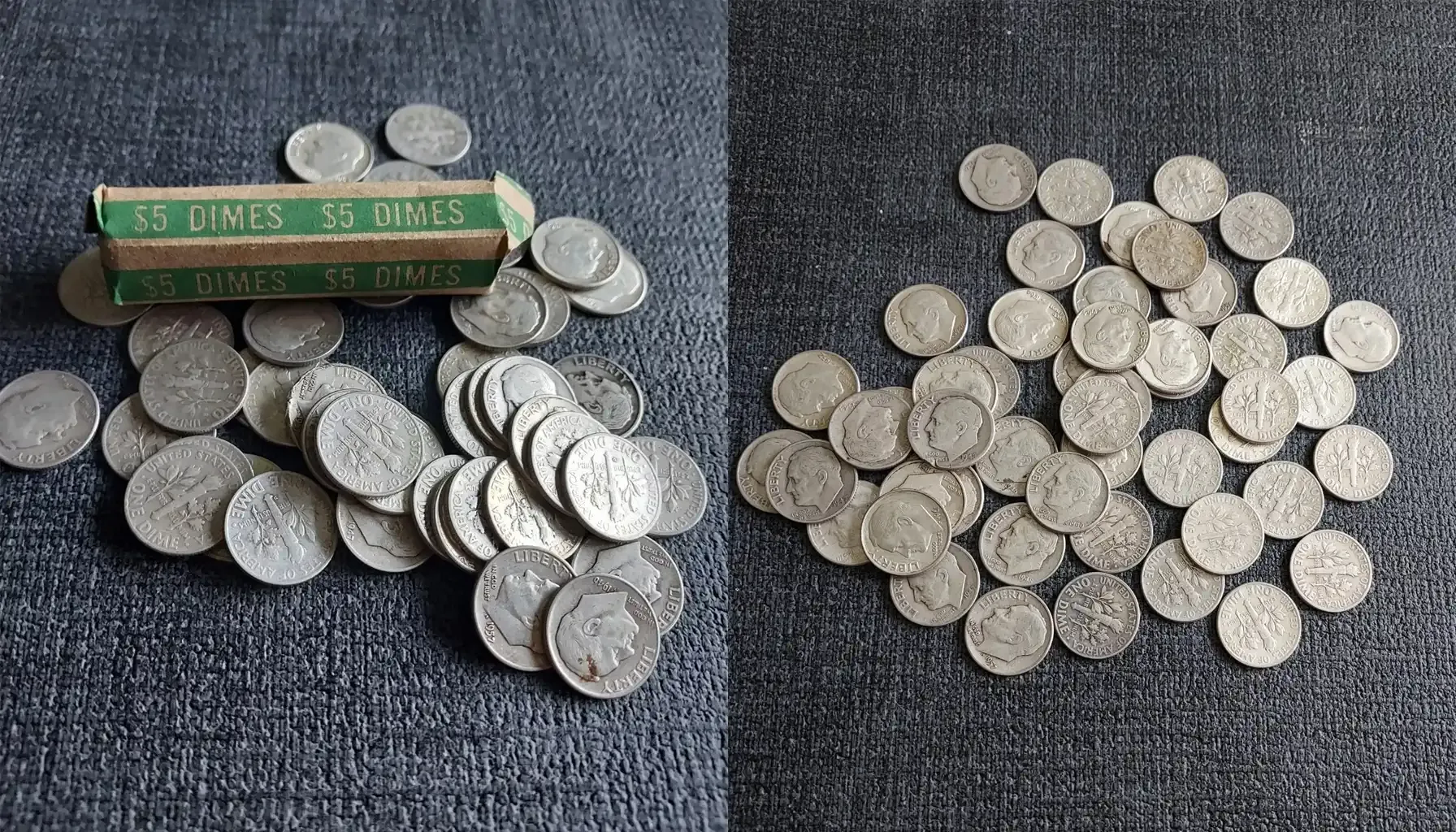
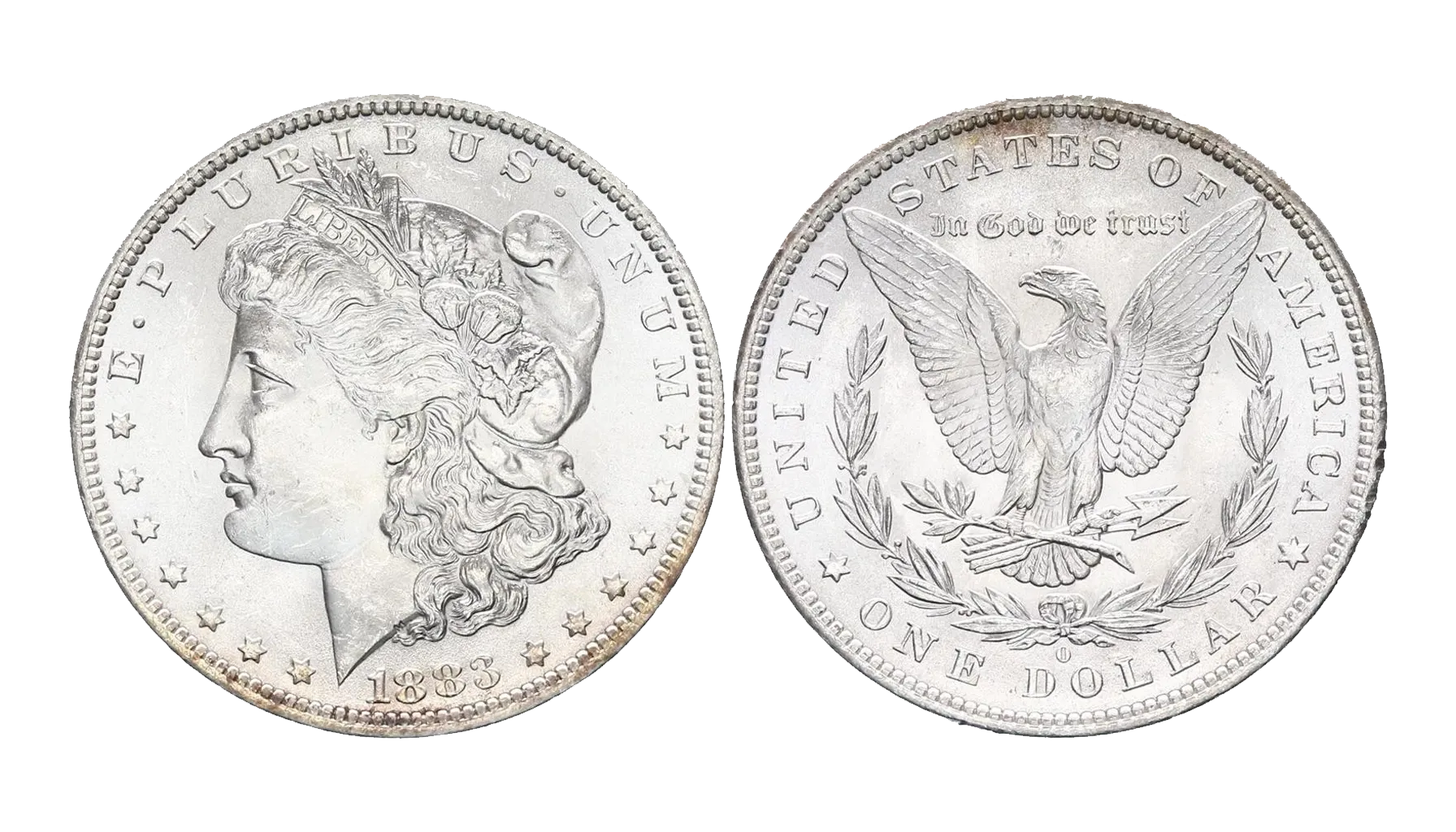
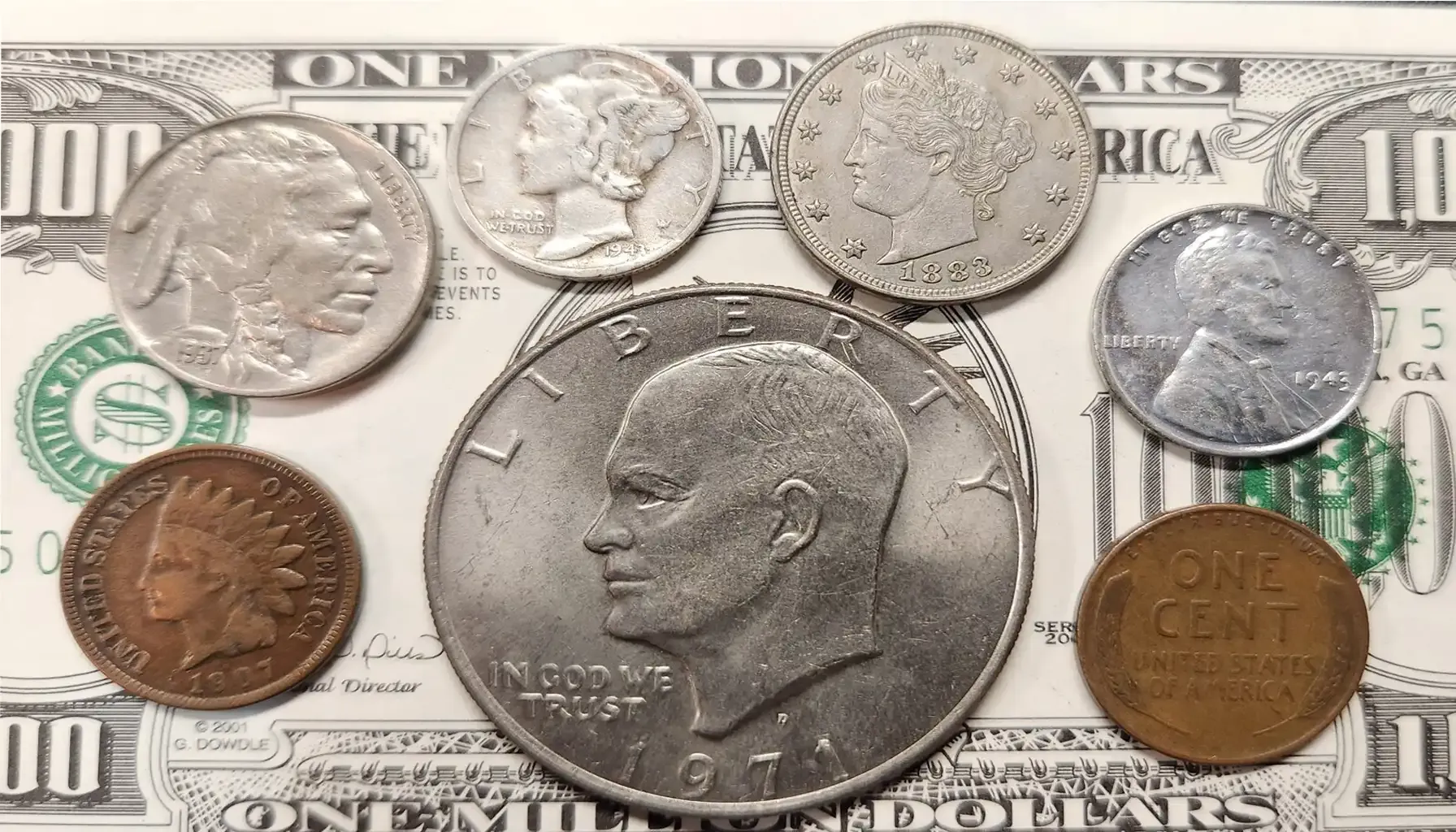
American coins are the most frequently tested item. Before 1965, most circulating denominations were minted in silver, and they are the ones most often found in heirlooms and old piggy banks.
Key dates and types to check:
Dimes, quarters, and half dollars up to and including 1964;
Selected issues from 1965–1970 with reduced fineness;
Commemorative series and special mints.
This is where the question most often arises: How do I know if a coin is silver when the date is already known? The answer is to check the composition of the specific issue, rather than relying solely on the year.
Why Some Silver Coins Are Overlooked
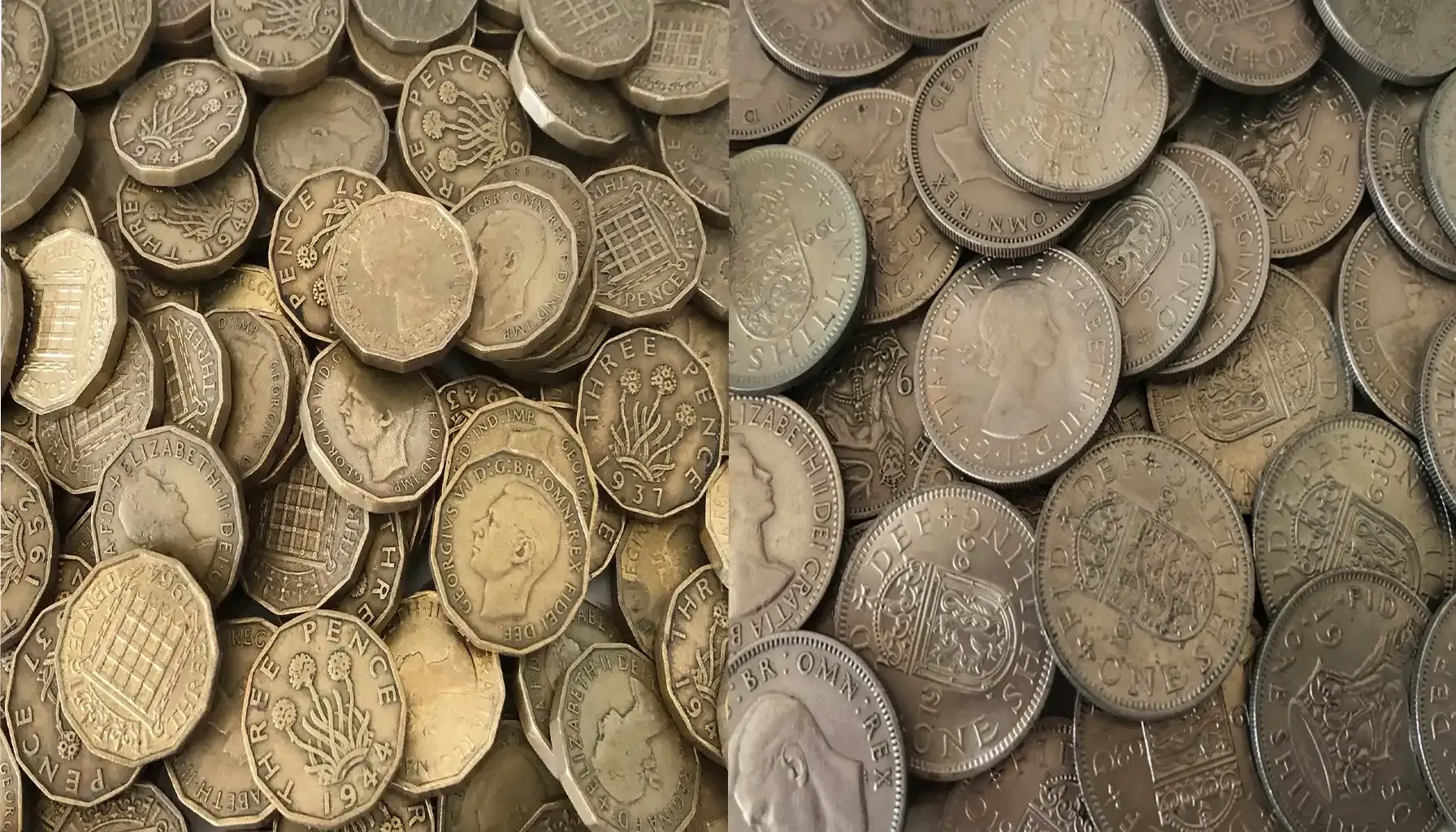
Some metal pieces look too "ordinary" to attract attention. This applies to late issues and coins with significant wear. Nevertheless, these specimens often become a starting point for beginners.
Coins that are often included in the top silver coins to buy in 2025 reviews deserve special attention. They don’t usually show up in circulation by chance, but they make a solid starting point for learning how high-purity metal behaves.
If you want a quick check of basic parameters like weight, diameter, and likely composition, you can upload a photo to the Coin ID Scanner app. It lets you compare the piece with known standards and decide whether further physical testing makes sense.
Not every bullion-related piece is valued higher than its metal content. Many specimens are interesting only as raw materials, especially those in poor condition. Others, on the contrary, have a collector's premium, and testing should be as gentle as possible.
This is why experienced collectors first ask: How do you know if a coin is silver without intervention? Only then choose a verification method.

 Facebook
  X (Twitter)
  Pinterest
  LinkedIn