Contents:
- What is Junk Silver?
- Junk Silver Price Formation
- Junk Silver Coins Value by Denomination
- How Much is Junk Silver Worth?
- Junk Silver Prices Today
- Junk Silver Coins Value and Collector Interest
- Buying Junk Silver Coins
- Selling Junk Silver Coins
- 90 Junk Silver as a Standard
- Investment Perspective: Silver Junk Coins as Hedge
Interest in silver has been steadfast for decades, but junk silver coins hold a special place among all forms of investment. These aren't rarities or museum pieces—they're ordinary money that's been passed around for years, worn down, and lost its collectible value, but retained its most important asset: the white metal.
For investors, this is a convenient format: you can pick up a handful of coins or a whole bag, store them as a reserve, and exchange them for cash at any time. Collectors, however, often look for a connection to a specific era—a mint, design, or historical context—rather than the metal itself.
And to avoid guessing at what exactly you've got, it's enough to use modern tools—services allow you to quickly identify coins by photo and get all the necessary information, from the year of issue to the approximate price.
What is Junk Silver?
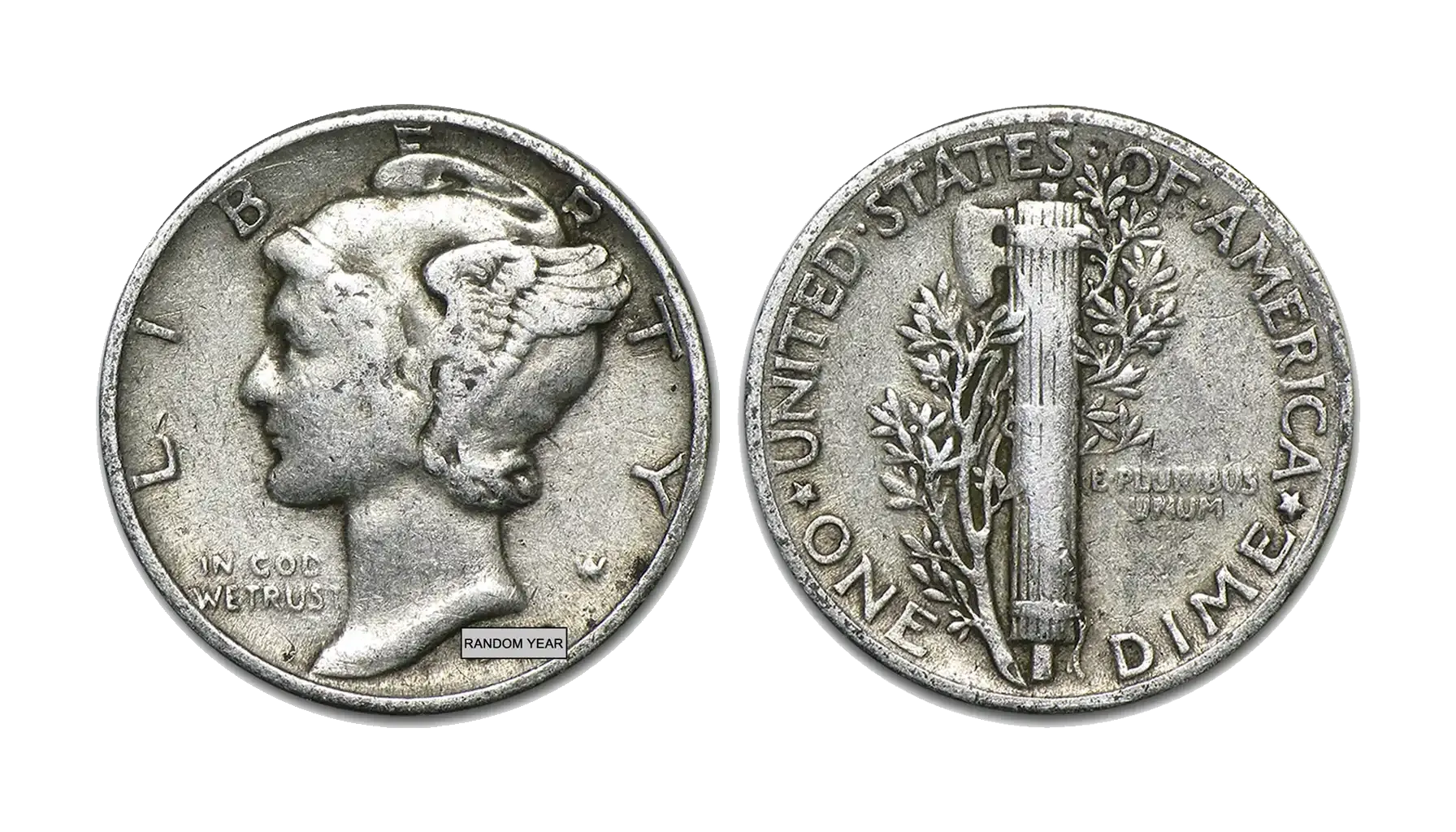
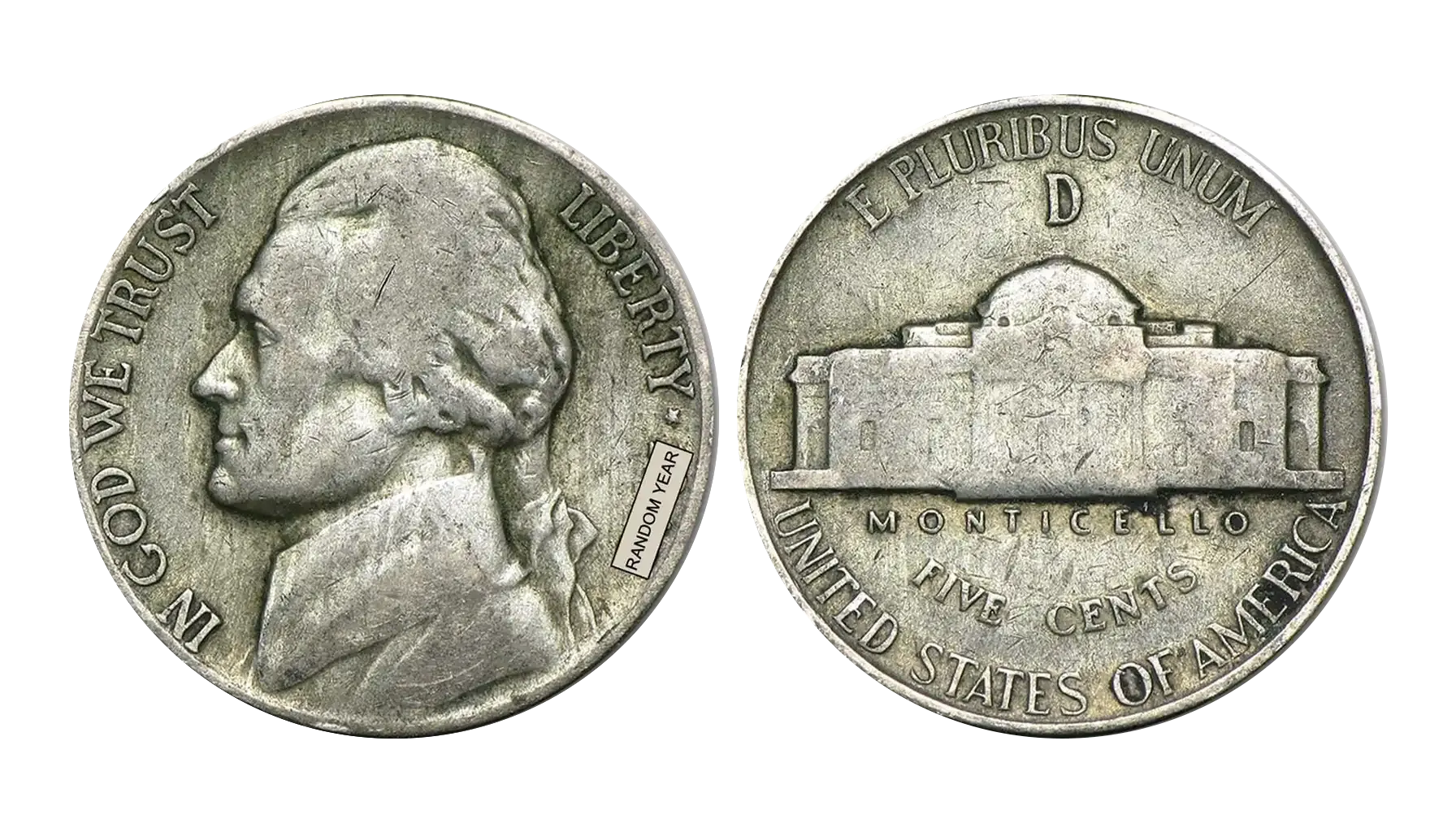
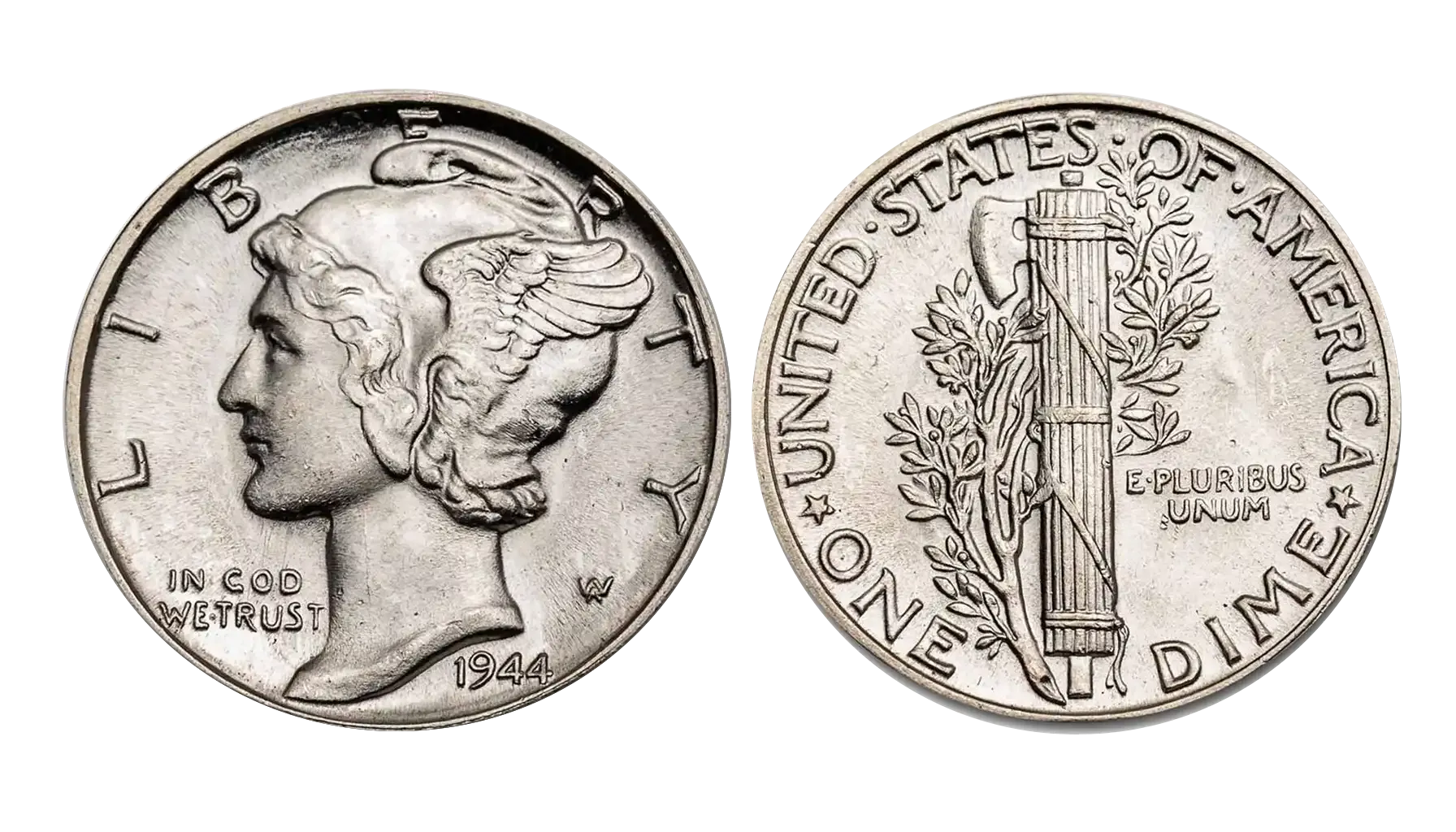
The very phrase "junk silver" can be misleading: "junk" here doesn't mean "garbage." We're talking about standard coins made of 90% silver and 10% copper, which were issued in the United States before 1964.
Collector value has faded, but the metal keeps them practical — simple to sell, simple to trade.
Junk silver for sale include:
quarters;
dimes;
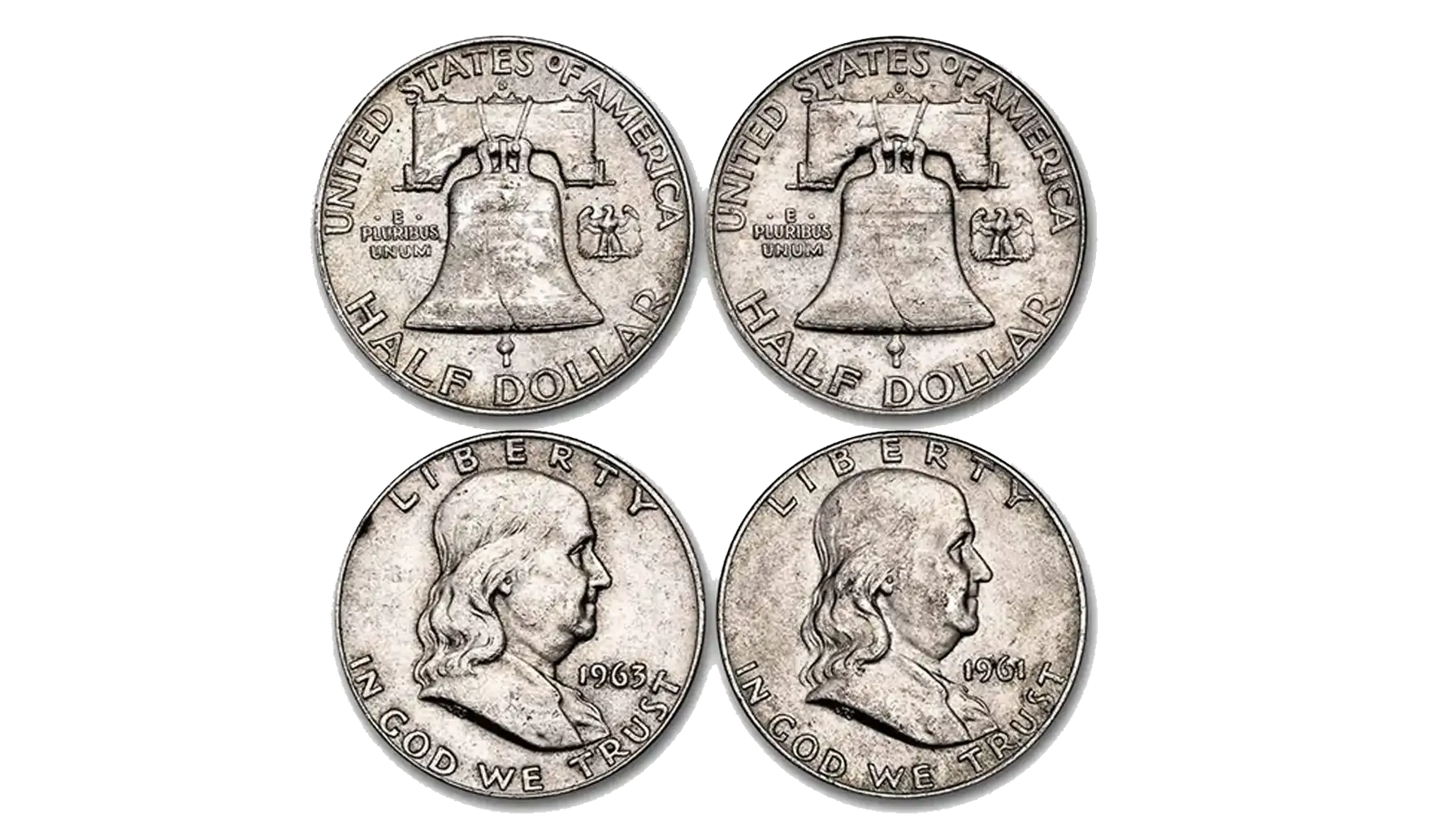
half dollars;
less commonly, dollar coins.
Investors typically use them as "small bars." Their price per gram is comparable to industrial the white metal, and their circulation is easier. This is especially evident in the example of U.S. 90% silver half dollars, which have become a classic in private investor portfolios.
Junk Silver Price Formation
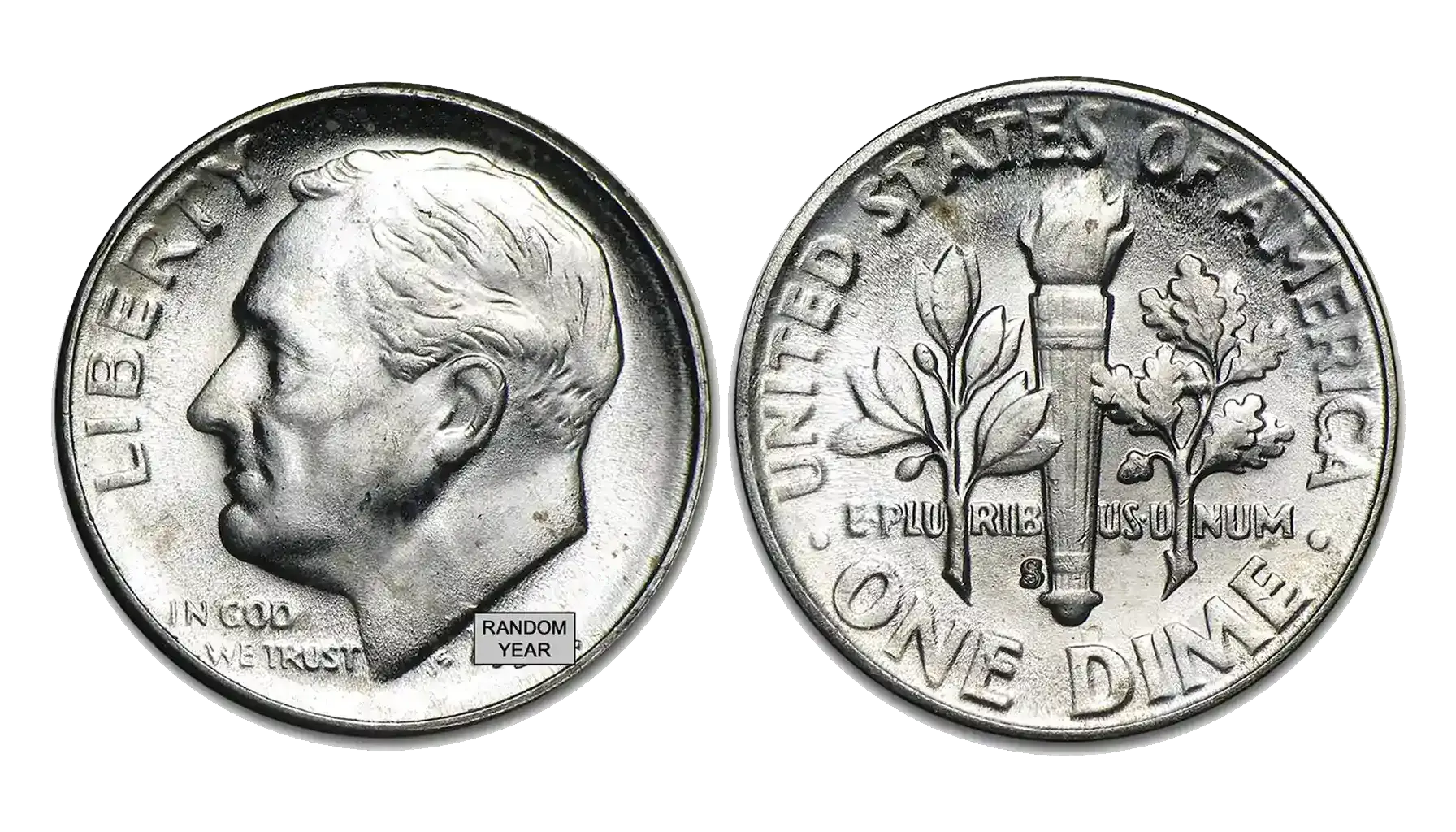
The value of such coins is directly tied to the precious metal exchange rate. However, a real transaction always involves additional factors:
The exchange rate per ounce — the baseline; you can't do without it.
The coin's condition—meaning there's metal in any case—is important, but if the denomination is worn off, the dealer will lower the price; legible details are valued higher.
Dealer markup—each intermediary adds their own margin, which is why the final price differs from the "pure" value of silver.
Rare series—they're rare, so they're willing to pay more for them, even if they're still junk.
Transaction size—a bag of $100 coins is easier and more profitable to sell than a dozen odd pieces.
Similar examples of the application of the price formula to "common" coins are described in the 1954 quarter & junk silver value.
Junk Silver Coins Value by Denomination
Quarters as Part of Junk Silver
Quarters make up a significant portion of circulating silver coins. Each contains approximately 0.18 troy ounces of metal. These are not rare, but they are most often used as a convenient form of "change" silver.
Dimes in Junk Silver Circulation
Dimes, which contain 0.072 ounces of silver, are popular with investors due to their light weight. Small size allows quick calculations, and the price makes them affordable for anyone on a budget. For accumulating larger sums, however, people use sets or bags of hundreds of coins.
Half Dollars and Their Silver Weight
Half dollars are one of the most convenient denominations: each contains approximately 0.36 ounces of silver. This weight allows the coin to remain relatively compact, yet still possess significant "metallic" value.
Junk Silver Dollars
Dollar coins are rarer but highly valued: each contains 0.77 ounces of silver. They are seldom seen, but the high metal content keeps them wanted.
How Much is Junk Silver Worth?
To estimate this, a simple formula is used: the weight of pure silver in the coin x the current market price.
Example:
quarter = 0.18 ounces × $25 = $4.50;
dime = 0.072 ounces × $25 = $1.80;
half dollar = 0.36 ounces × $25 = $9;
dollar = 0.77 ounces × $25 = $19.25.
This approach makes the system understandable even for beginners, allowing them to quickly navigate transactions.
Junk Silver Prices Today
The market price is updated daily. To visualize the dynamics, it's helpful to use tables:
Denomination | Silver (ounces) | Junk Silver Price при $25/oz |
Junk Silver Dimes | 0,072 | $1,80 |
Quarter | 0,18 | $4,50 |
Junk Silver Half Dollars | 0,36 | $9,00 |
Dollar | 0,77 | $19,25 |
Junk Silver Coins Value and Collector Interest
Unlike rare issues, junk coins carry virtually no date or mint premium. However, there are exceptions. For example, even heavily worn Barber Quarters can be worth more than the metal itself. A detailed analysis of their unique market position can be found in the true value of Barber Quarters.
A regular quarter can be worth dozens of times its face value. The value of a junk silver quarter depends solely on the silver weight and market prices. These coins are easier to trade on the market.
Buying Junk Silver Coins
Where to Buy Junk Silver
Purchasing platforms can be divided into several categories:
Banks and authorized dealers provide the highest guarantee of authenticity and often offer fixed quotes, minimizing the risk of overpaying.
Numismatic shops offer standard bags of junk silver, as well as rare dates and sets, sometimes sold at the price of the metal.
Auctions offer the opportunity to buy or sell at market price; with strong interest, the final price can significantly exceed the average.
Online platforms offer convenient comparisons of junk silver coin prices, use value calculators, and pick from a wide variety of sellers. Additionally, digital services provide convenient calculators for converting weight and value.
Companies like Apmex junk silver stand out with their transparent terms and wide selection.
Selling Junk Silver Coins
Junk Silver Coins For Sale
You can sell coins to the same places you buy them: dealers, banks, auctions, and online platforms. It's important to evaluate the rate and fees to get the maximum benefit.
The selling process usually follows a step-by-step procedure:
First, weighing. They calculate the total weight of the lot, not each coin individually—dates and rarity play almost no role here.
Silver content is calculated. It's generally assumed to be around 90%, but it's worth checking to make sure there aren't any exceptions, such as wartime issues.
Compare offers. Different dealers quote different prices, sometimes the difference is noticeable even on a $100 bag.
Settlement of terms. They agree on a commission and lock in the price, after which the deal is closed, and you receive your money.
Sales example:
Dealer A (large online store): Pays 95% of spot → $781 minus a $15 commission. Total: $766.
Dealer B (local numismatic store): Pays 92% of spot, but pays out immediately in cash → $756.
Dealer C (online auction): Total depends on bids. In recent auctions, similar lots have sold for around $800–$820, but after deducting the commission (10%), the seller receives around $730–$740.
Best Place to Buy Junk Silver Coins
There's no one-size-fits-all answer: it all depends on your goals. If you're looking for long-term investment, it's best to choose major national dealers.
For quick transactions, local stores are suitable. And for a greater variety of offerings, international online platforms are best.
90 Junk Silver as a Standard
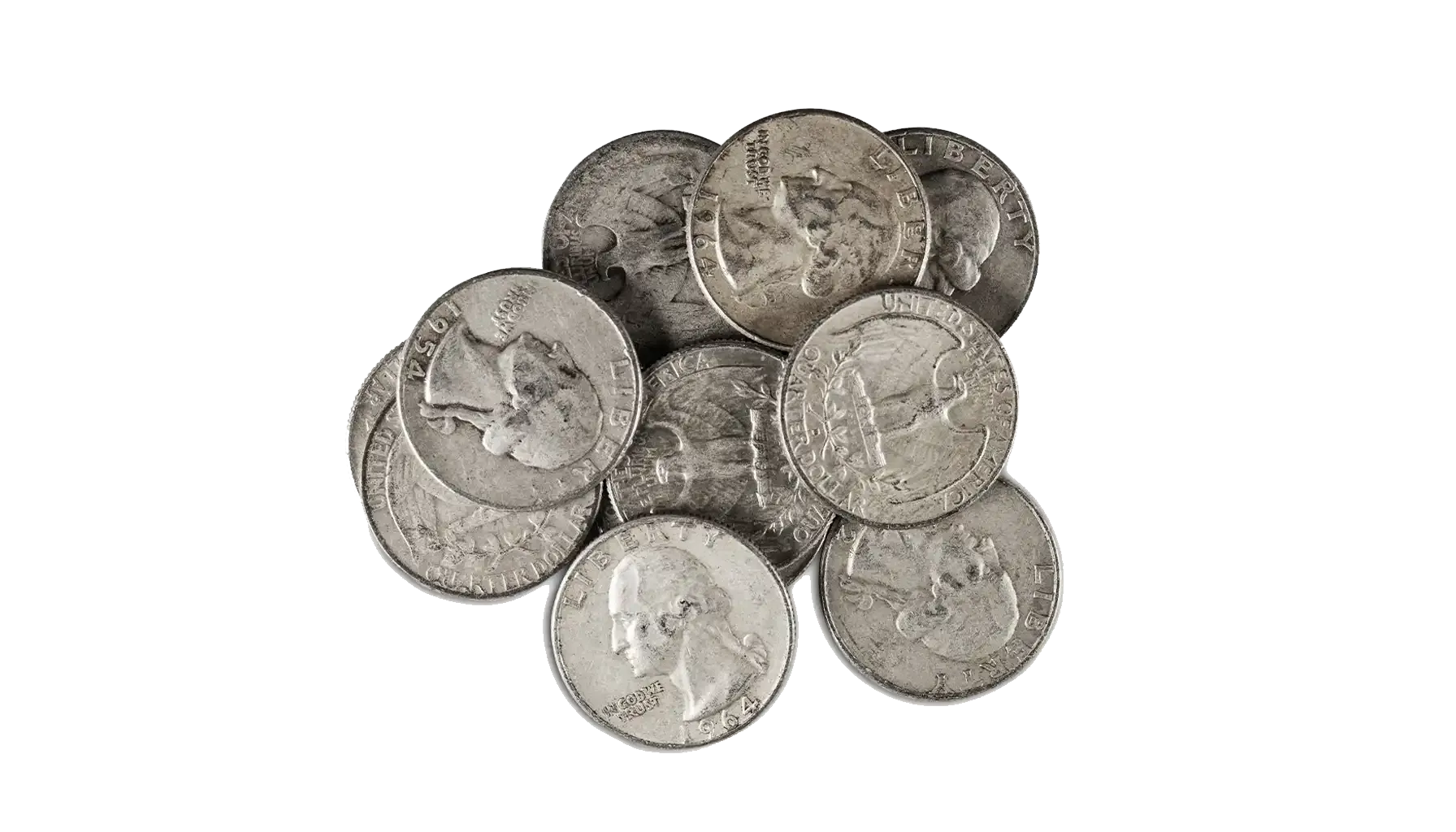
The term "90%" caught on because coins of this type were minted from an alloy of 90% silver and 10% copper. The added copper made them stronger. Even worn coins retain their value based on their weight of metal. This ratio is the standard used in calculations today.
To avoid disappointment with your purchase, it's helpful to keep a few rules in mind:
Mintage year. Anything before 1964 is almost certainly junk with 90% silver. Later issues contain less metal.
Coin condition. Even worn pieces retain their metal, but clearer the denomination and details, the higher the chance of getting a fair price.
Risk of counterfeits. Chinese copies are more common than you might think. Checking the weight and size immediately rules most of them out.
Comparison with the stock exchange rate. Always check how the actual price differs from the value of the metal. Sometimes the premium is justified, but often it is inflated.
In practice, it's convenient to use a simple formula: $1 in junk coins (four quarters or ten dimes) = 0.715 ounces of pure silver. This speeds up calculations during transactions.
Investment Perspective: Silver Junk Coins as Hedge
In times of crisis, silver is often referred to as a "safe-haven metal." Small coins are convenient because they can be used even for everyday transactions.
Unlike larger bars, silver junk coins offer greater flexibility and are suitable for portfolio diversification.
Practical Guide: How to Sell Junk Silver Coins
Calculate the weight and approximate value. Use a kitchen scale, estimate the total weight of the coins, and multiply it by the current silver price. This will give you an idea of the "minimum price" below which you shouldn't sell.
Collect several offers. Call or write to two or three different places: banks, coin shops, and online dealers. Prices can vary by 5-10%, which can add up to hundreds of dollars for a large lot.
Compare the price and commission. Sometimes someone offers a high price but takes a large commission on the transaction. It's important to consider the net amount you'll keep.
Document the transaction. A contract, receipt, or invoice will prevent disputes and confirm the legality of the transaction.
This simple procedure protects against errors and underestimation of the value.
Why Junk Silver Remains Relevant
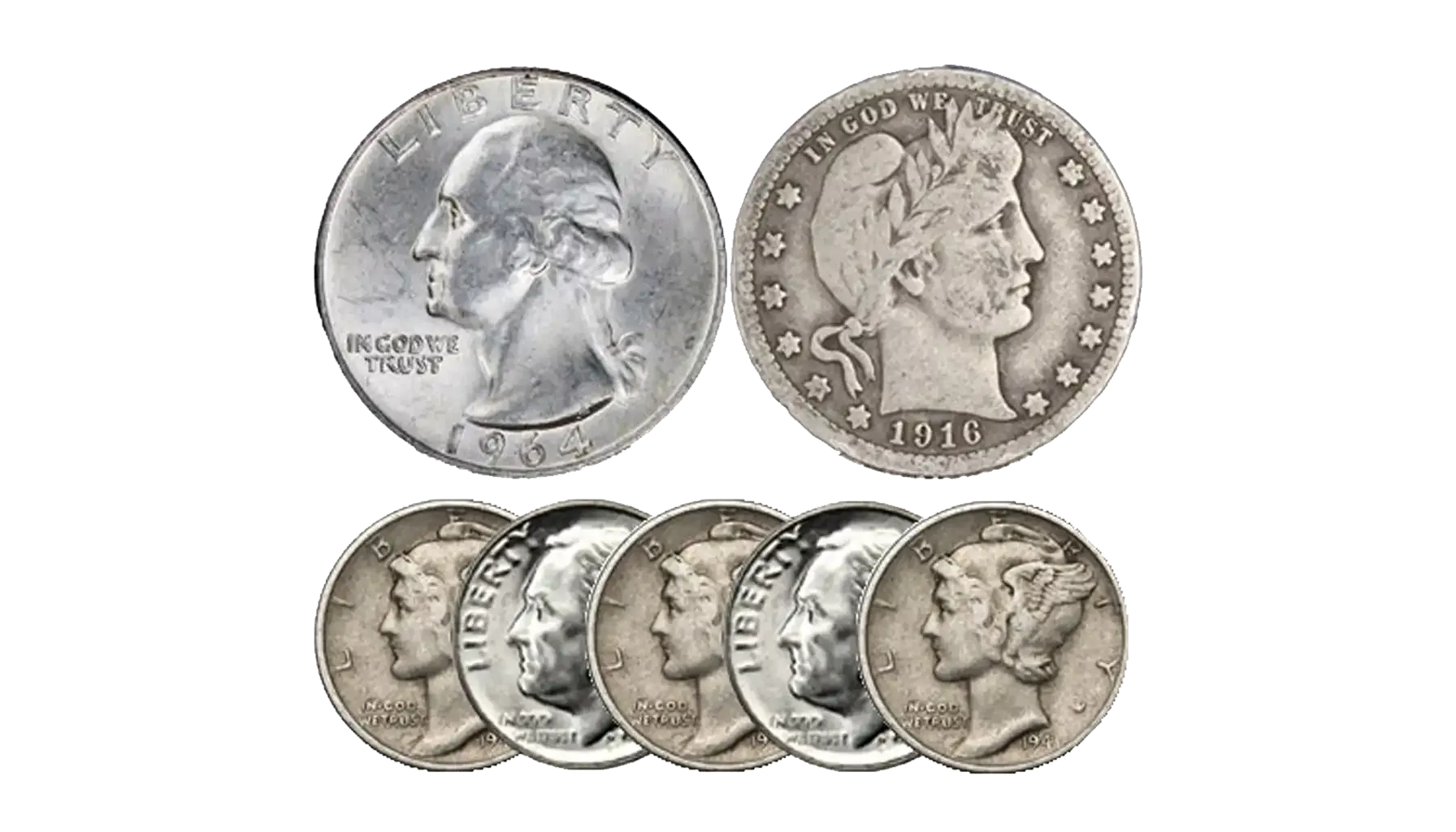
They carry a double role: part of history and part of investment. Such coins move easily on the market and hold steady value.
And the Coin ID Scanner app makes working with coins much easier. Simply photograph your coin, and the system generates a profile with information on the year of issue, country, denomination, composition, weight, and estimated price.

 Facebook
  X (Twitter)
  Pinterest
  LinkedIn