Contents:
When you are just starting your way in numismatics, it's important to begin by studying the coin collecting terms and definitions. This is important even if you simply want to check value of old coins.
Key Numismatic Basics
In fact, among coin collecting terminology, the concepts are quite basic, and they are not that difficult to understand. But when there are too many, it causes confusion.
Denomination
The simplest and most basic concept is denomination. This is a conventional monetary unit adopted in economics, for example, 1 cent, 1 dollar, 5 kopecks, and so on. For example, the 1882 Morgan Silver Dollar is an example with a denomination of 1 American dollar.
Issue Year
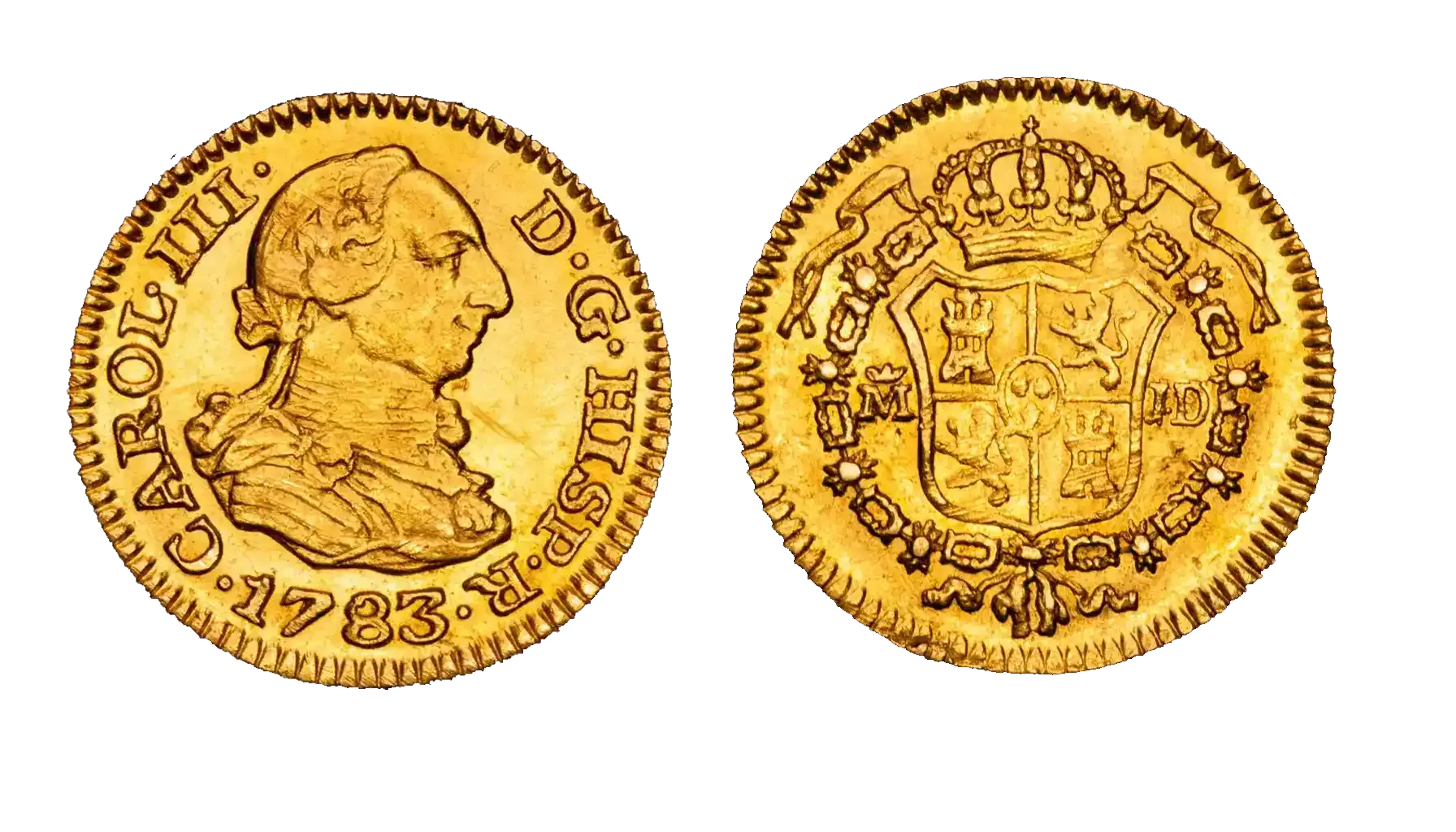
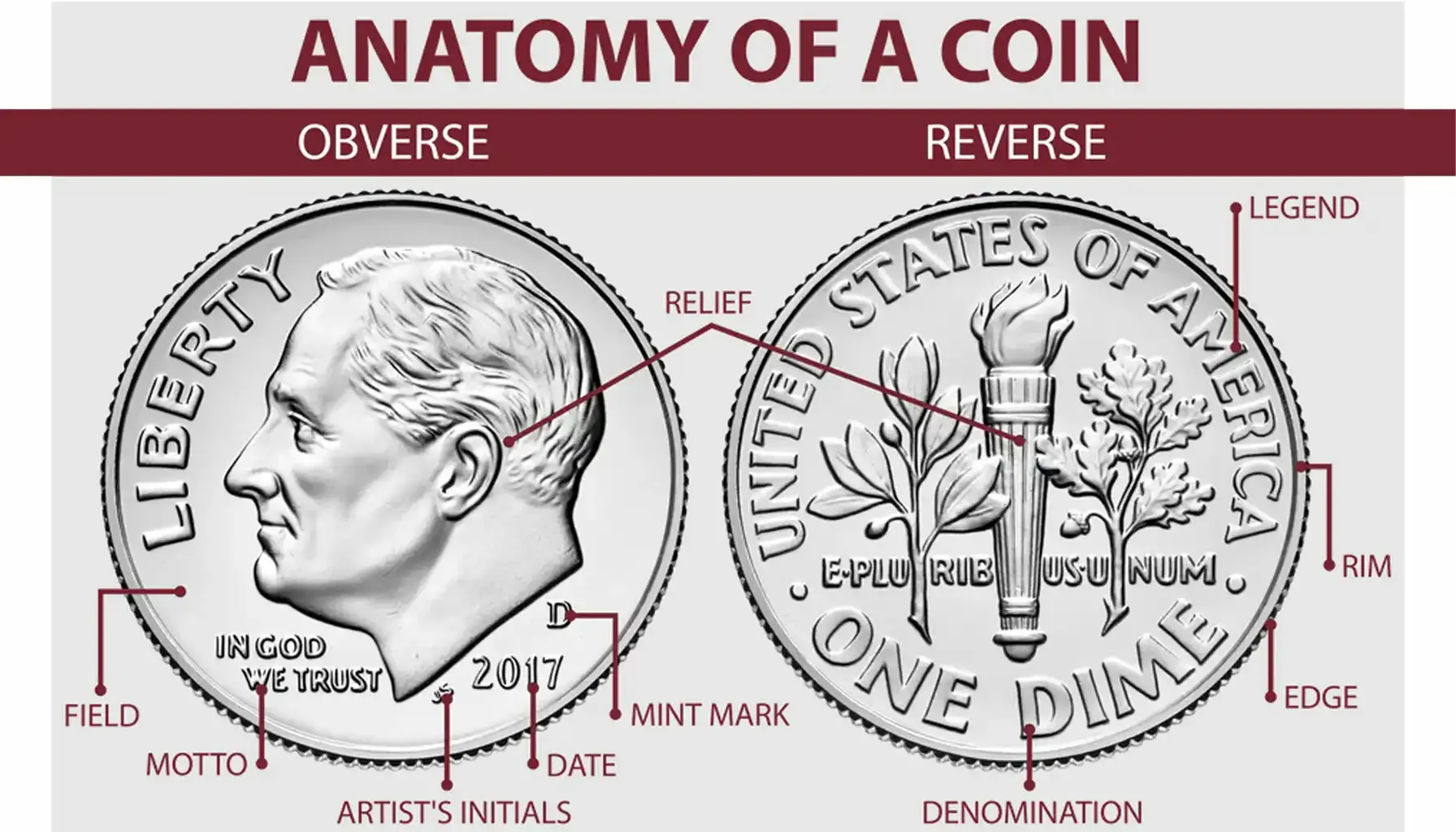
This is the year indicated on the reverse or obverse, depending on the coin's design. It often affects the mintage and historical value, and it simply shows the year the specimen was minted.
Country
This indicates which mint issued the coin. Mints of the USA, Russia, France, and so on.
Mint Mark
Mint mark is a letter symbol indicating the place of mintage. S, for example, S for San Francisco, D for Denver, P for Philadelphia, and so on. Usually, it is indicated with a dash next to the date.
Mintage
A dash next to the date. Mintage is the total number of specimens issued. The smaller the mintage, the higher the value.
Grading and Condition Terms
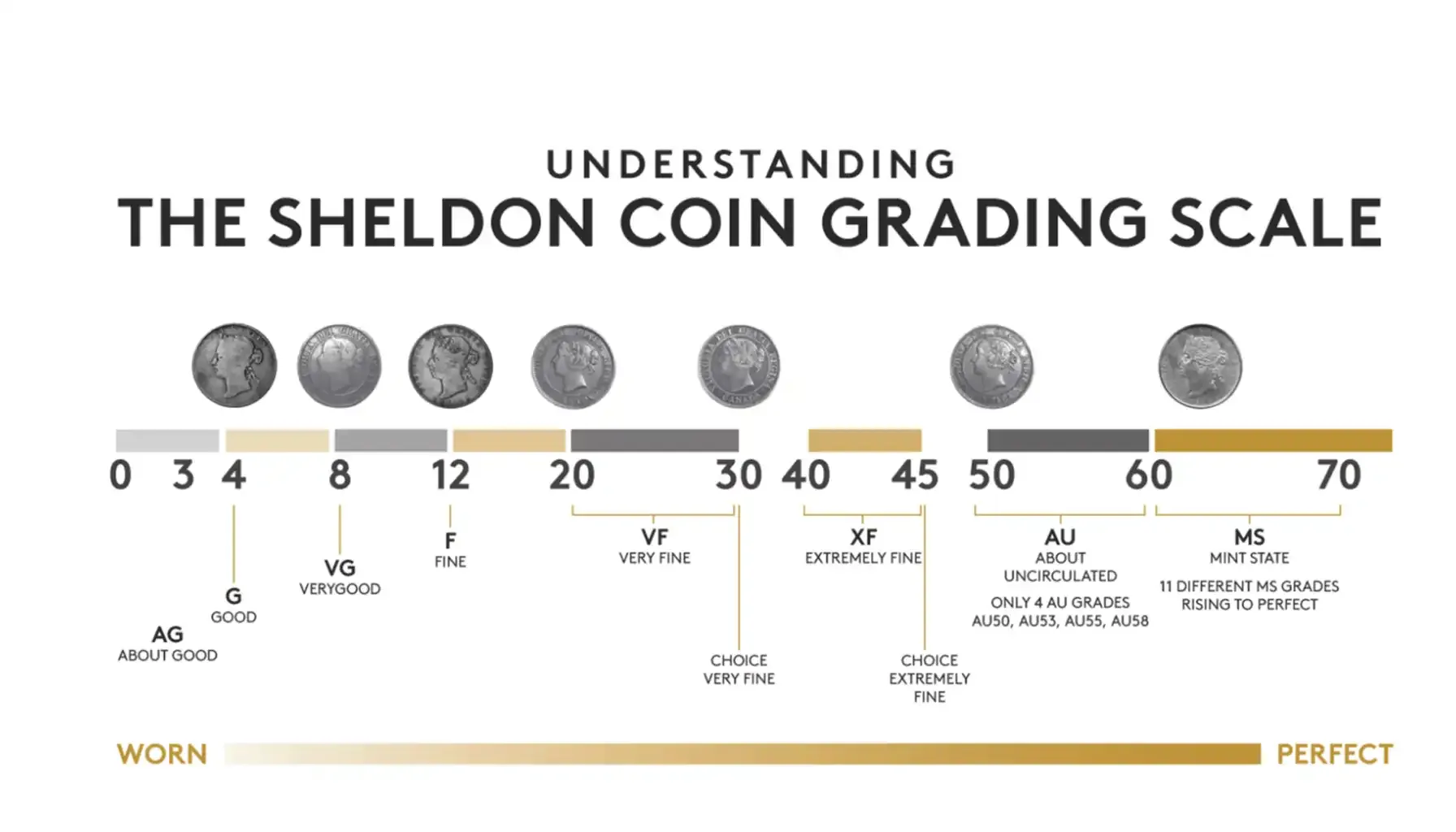
There is a coin grading system that everyone uses. It is called the Sheldon Scale. This is a grading system developed by American numismatist William Sheldon in the 1940s. Originally, it was intended for early American one-cent coins, but over time, it began to be applied to any specimens.
Its condition is graded from 1 to 70 points. A grade of one corresponds to a practically completely worn coin, while 70 points are assigned to a flawless, uncirculated coin.
Poor | P-1 | Strong wear, details obliterated |
Fair | FR-2 | |
About Good | AG-3 | |
Good | G-4 - G-6 | Main elements are visible, but very smooth |
Very Fine | VF-20 - VF-35 | Clear relief definition, but with signs of circulation |
Extremely Fine | EF/XF-40 - XF-45 | Minimal traces of circulation, almost full preservation of the relief |
About Uncirculated | AU-50 - AU-58 | Residual signs of circulation in the form of light scratches and abrasions, but the luster is almost preserved |
Mint State / Uncirculated
| MS-60 - MS-62 | Noticeable contact marks, abrasions |
MS-63 - MS-65 | Moderately good preservation without major defects | |
MS-66 - MS-70 | Almost perfect condition, closer to a "perfect" surface |
For example, the American Silver Eagle 2025 in MS-70 (PF-70) commands the highest premium among modern investment coins.
Minting and Production Terms
Coin minting itself also had its share of specific terms and even slang. So, the base of a coin is the planchet, a metal disc of the required diameter and thickness before minting.
Die. This is a steel punch with a relief image of the obverse and reverse. Often, many errors arise due to problems with the die.
Strike. This is the process, the very process of issuing a coin. That is, the strike of the press which transfers the die's relief onto the planchet.
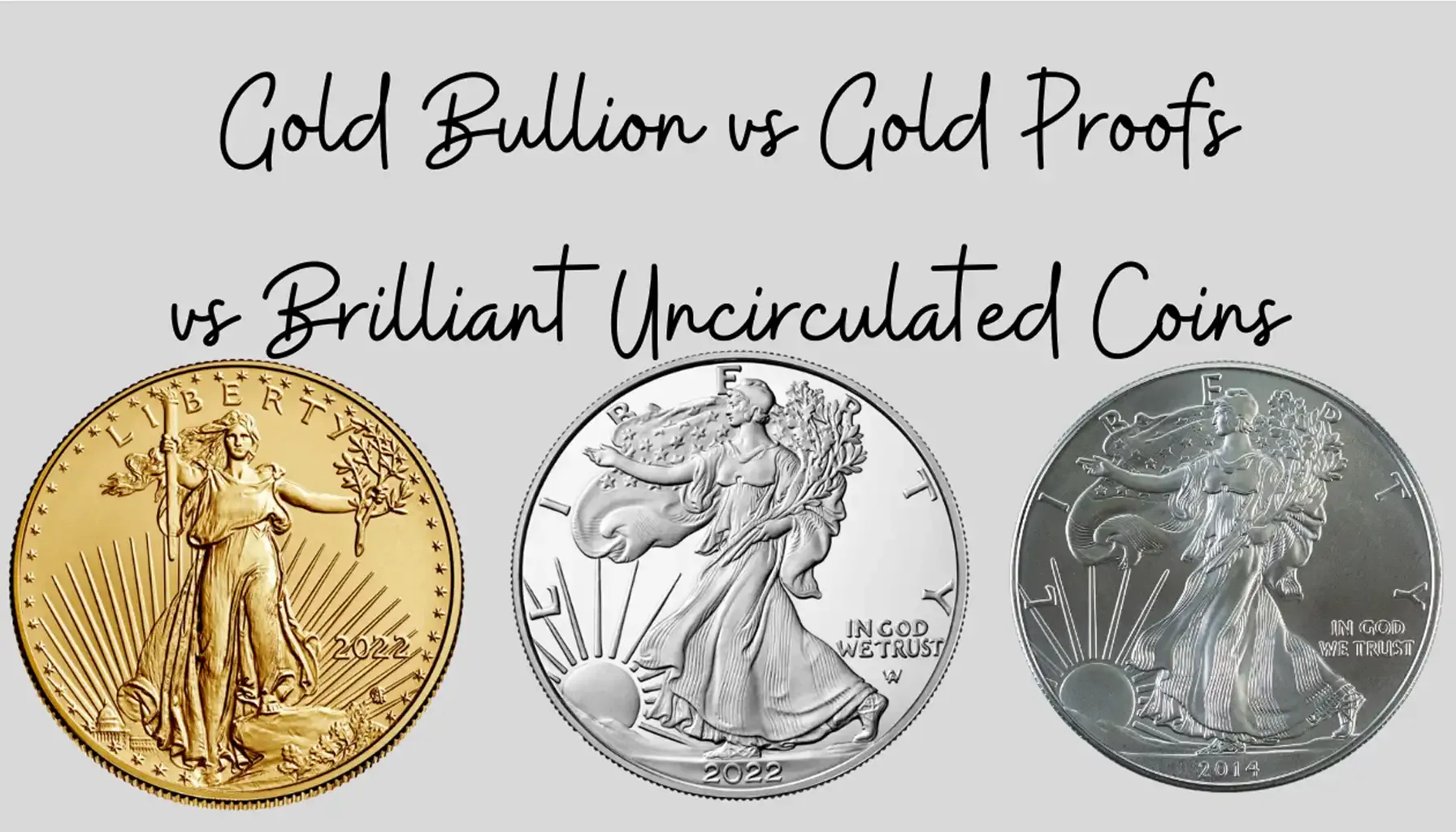
Proof. A special minting method where a mirrored background and frosted relief are created. Most often, this involves a double strike.
Regular strike. This is a standard specimen for circulation, which you can find in a store or in your wallet.
Edge. It can be smooth and reeded. Or with lettered H. This is the edge of the coin.
Coin Types and Categories
Circulation
These are circulating coins for daily transactions.
Commemorative
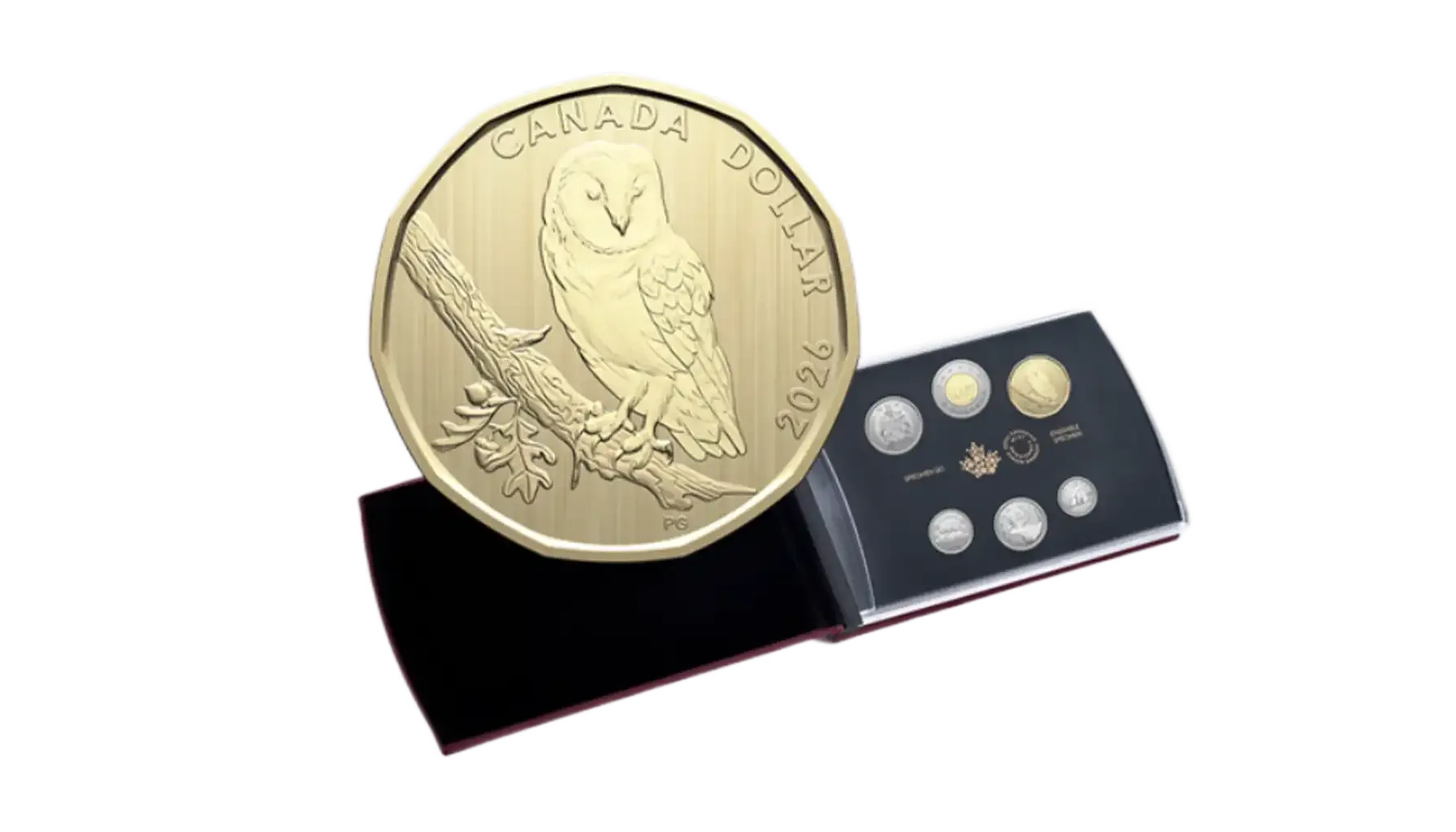
These specimens are issued in honor of events, anniversaries, and people. They are often overpriced and do not participate in regular strikes.
Bullion
These are metal ingots in the form of coins. For example, Silver Eagles, Marble Leaf, Krugerrand, pattern coins — these are experimental samples not released for wide circulation. You won't find them in a regular strike.
Medals
They are not legal tender. However, they arouse natural interest among collectors.
Errors and Varieties
Off-center strike
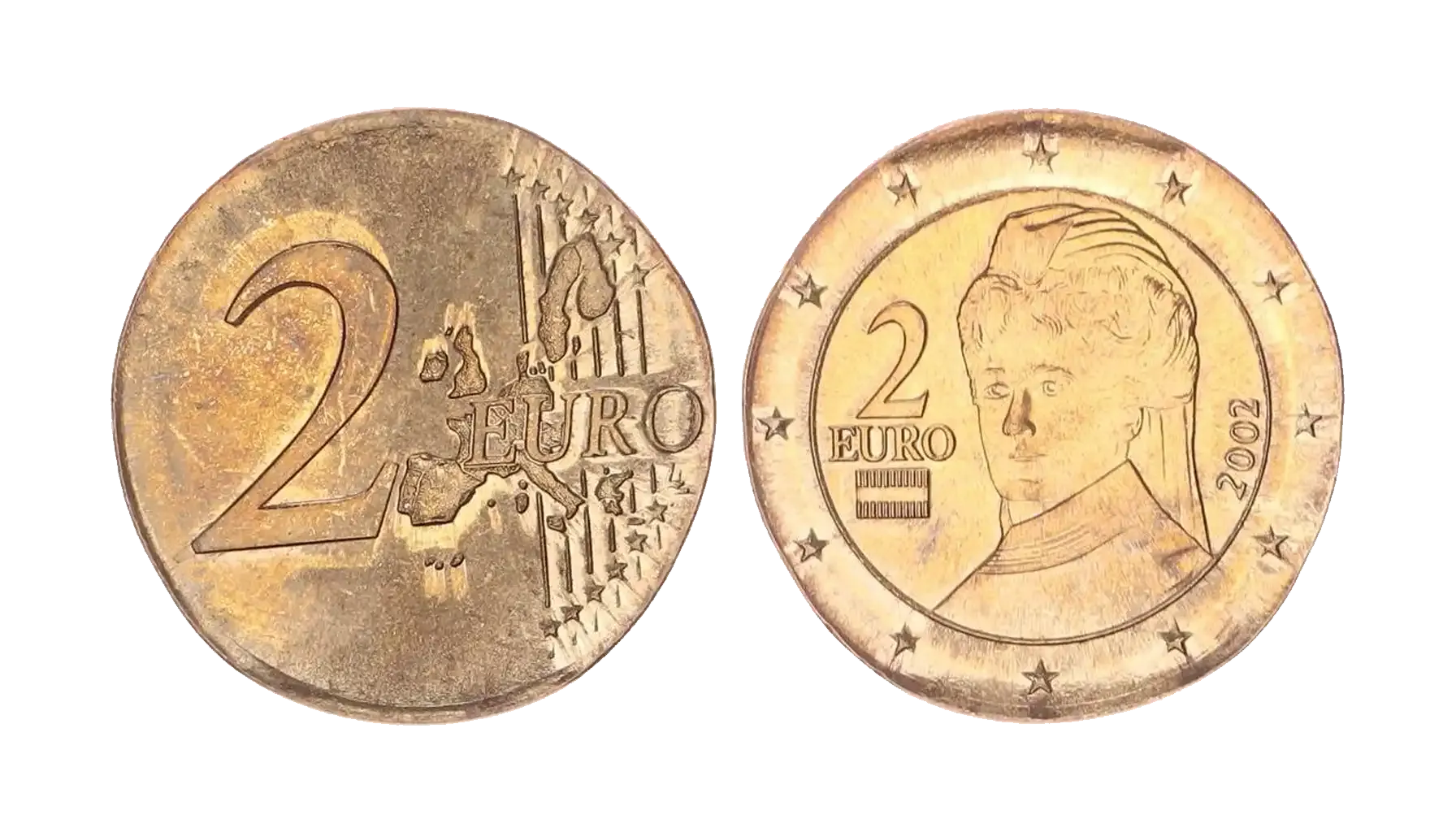
During minting, the die shifts, and part of the coin's relief is missing. This error is assessed in percentages. The higher the percentage, the more expensive.
Double Die
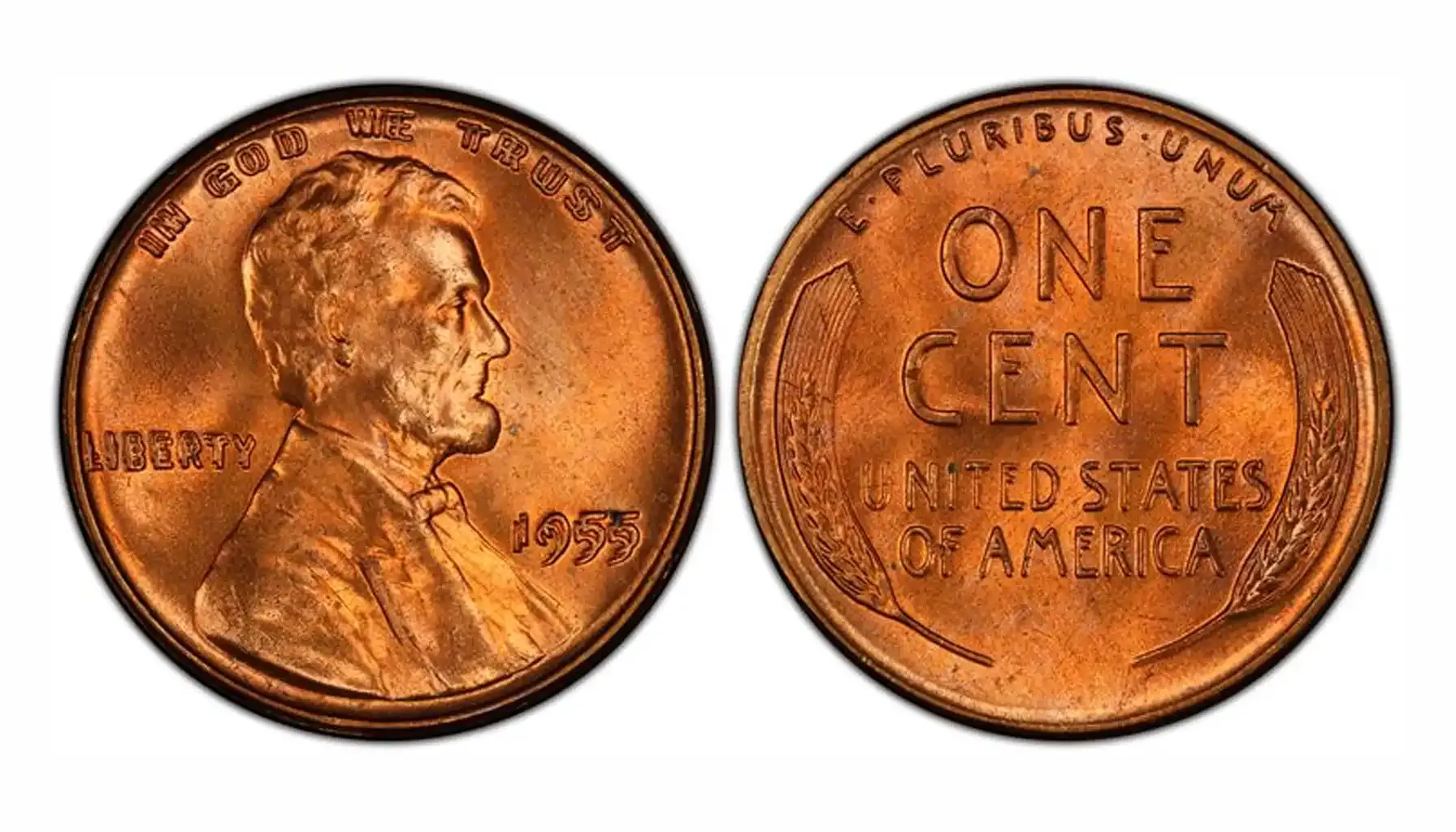
This is a clearly pronounced doubling of contours, inscriptions, or design elements. This is one of the most common and popular errors. It occurs when the die strikes the planchet multiple times. One of the most popular examples is the Lincoln Cent 1955 DDO. One of the classic examples.
Repunged Mint Mark
This is a repeated strike on the mint mark. Here, traces of different strikes of the mark are visible.
Die crack
They look like impressions in the form of thin lines on the specimen's surface. This occurs due to a die crack.
Toning and Surface Descriptions
Natural Toning. This hue appears over time through contact with air and sulfur. It can be multicolored, iridescent, or almost monochrome.
Artificial Toning. This is a chemical treatment or heating to obtain color. It affects demand but is considered less popular and less sought-after.
Metals and Composition Terms
Copper, bronze, brass. The price of these coins is usually much lower than the rest. Bronze and tinned.
Silver content.
900. This is 90% silver and the classic American dollar before 1964.
999. This is a specimen with a silver content of 99.9%. And these are modern Silver Eagle bullion coins.
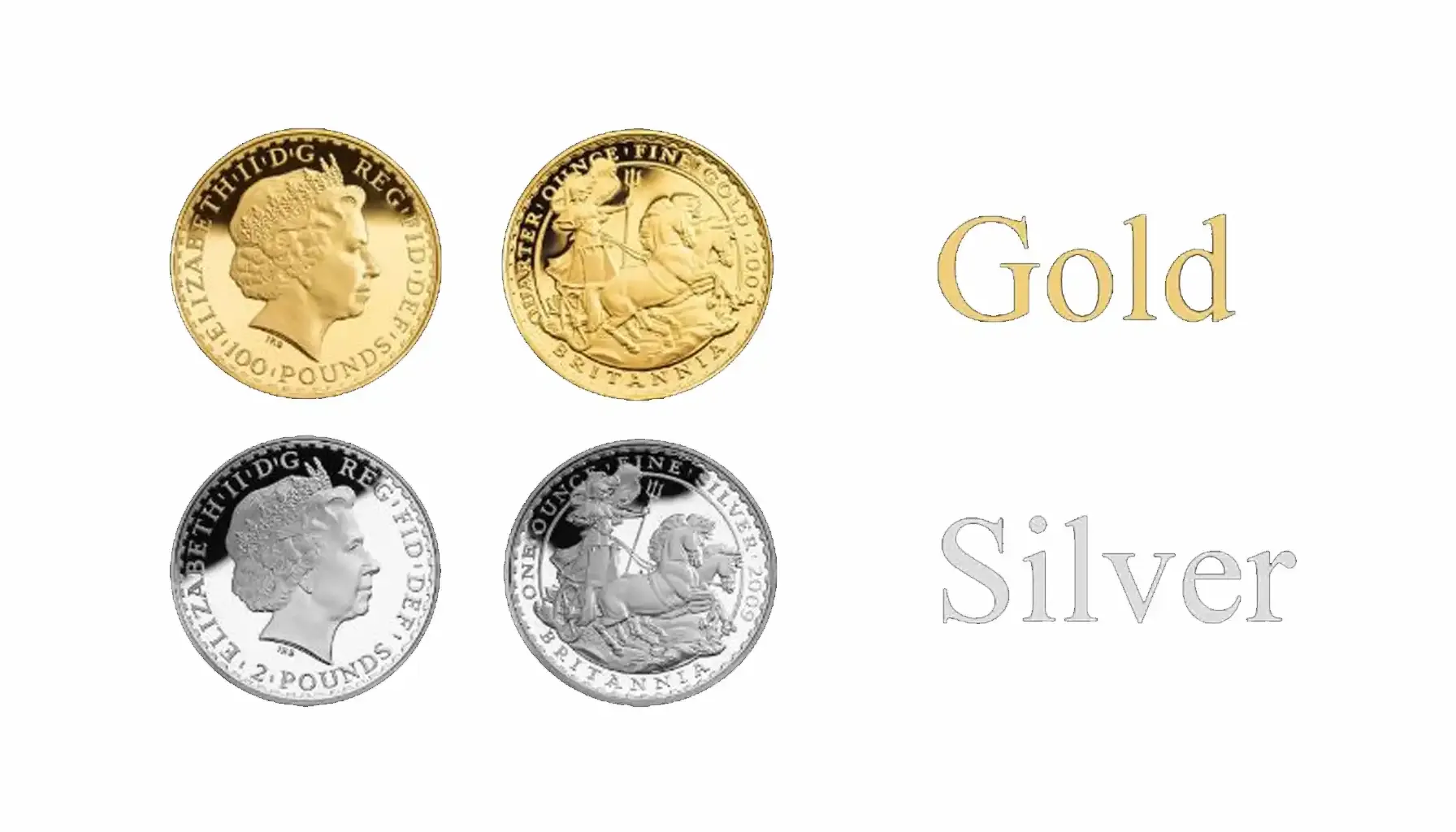
Gold Carats. This includes 10 karat, 14 karat, 18 karat, 22 karat, and 24 karat. The higher the karat, the higher the gold content and the price.
Alloys are additional metals that provide hardness or a special tone to the specimen.
Market and Value Terminology
Face Value
It is indicated on the coin, but rarely matches the actual price for collectors. This is especially relevant if the coin is made of precious metals, such as gold or silver. Then you multiply the nominal weight by the metal's quote.
Numismatic Premium
It is the difference between the market price and the raw material cost due to rarity, condition, and demand.
Auction Hammer Price
It is the actual price you can sell the specimen for at auction. It is considered without commission.
Buy/Sell, Spread
It is the difference between the dealer's purchase price and their resale price.
Market Trends
It is seasonality, the economic situation, and changes in metal quotes. In general, everything that can affect the price of a coin.

 Facebook
  X (Twitter)
  Pinterest
  LinkedIn