Contents:
Overview of Currency Denominations
Primary unit | the dollar (USD, $) |
Subunits | the cent (¢), where 100 cents = 1 dollar |
Two main categories | |
Coins for small payments | Banknotes for larger amounts |
1¢, 5¢, 10¢, 25¢, 50¢ and $1 | $1, $2, $5, $10, $20, $50, $100 |
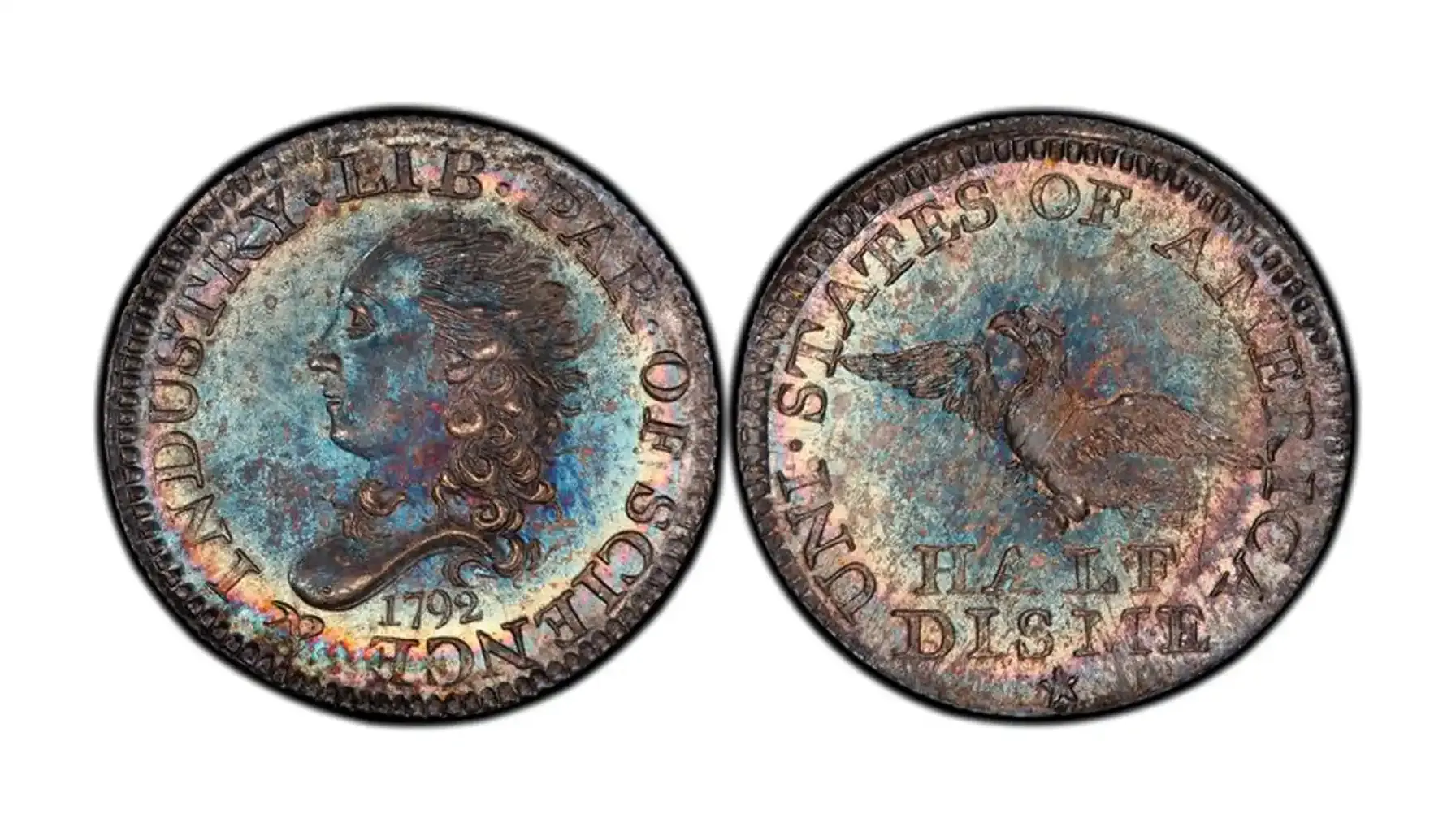
The first U.S. coin – the 1792 Half Disme- was minted in the second half of the 17th century. Paper money appeared as early as the era of the Continental Congress. That was in the period from 1775 to 1781.
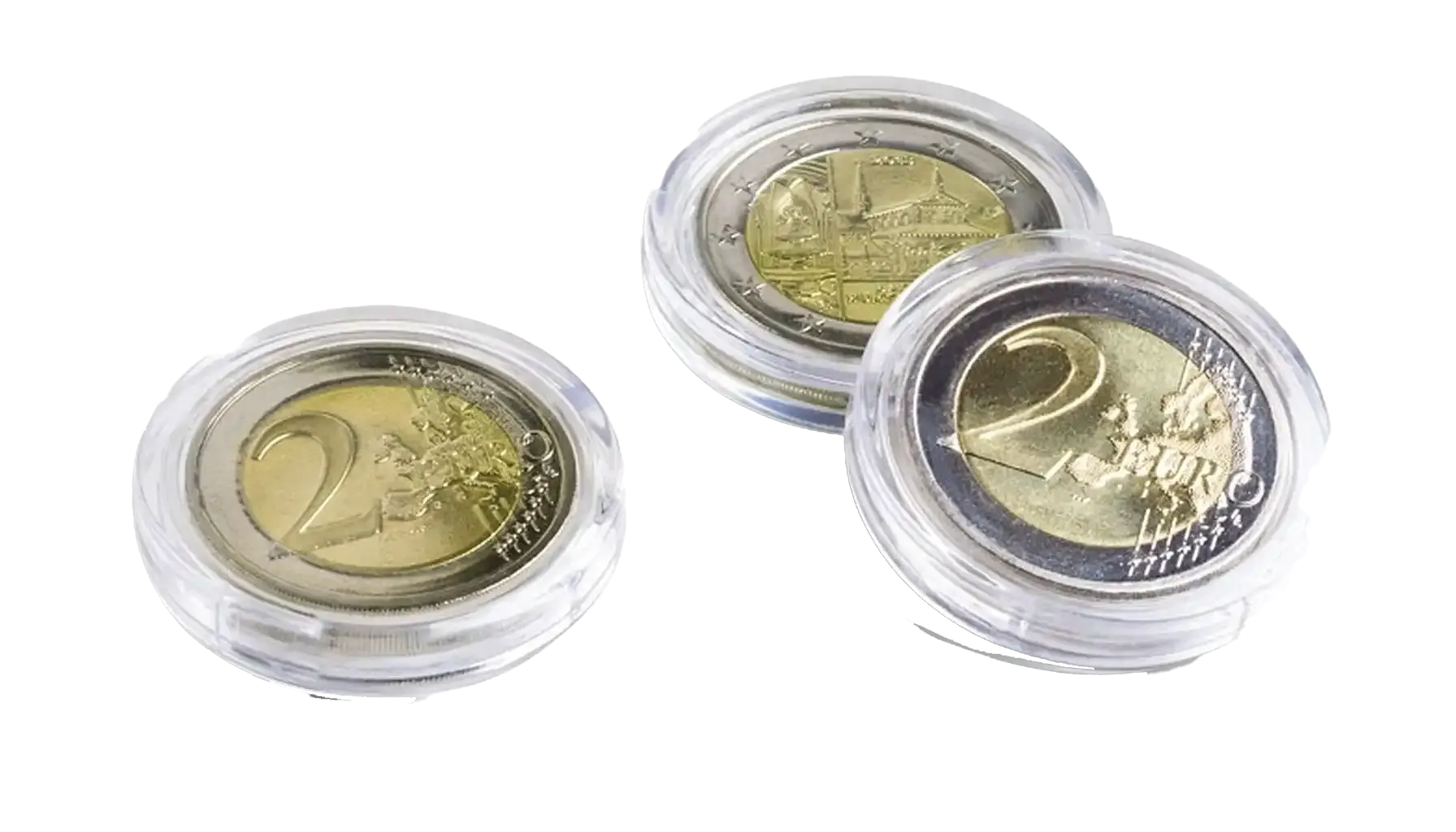
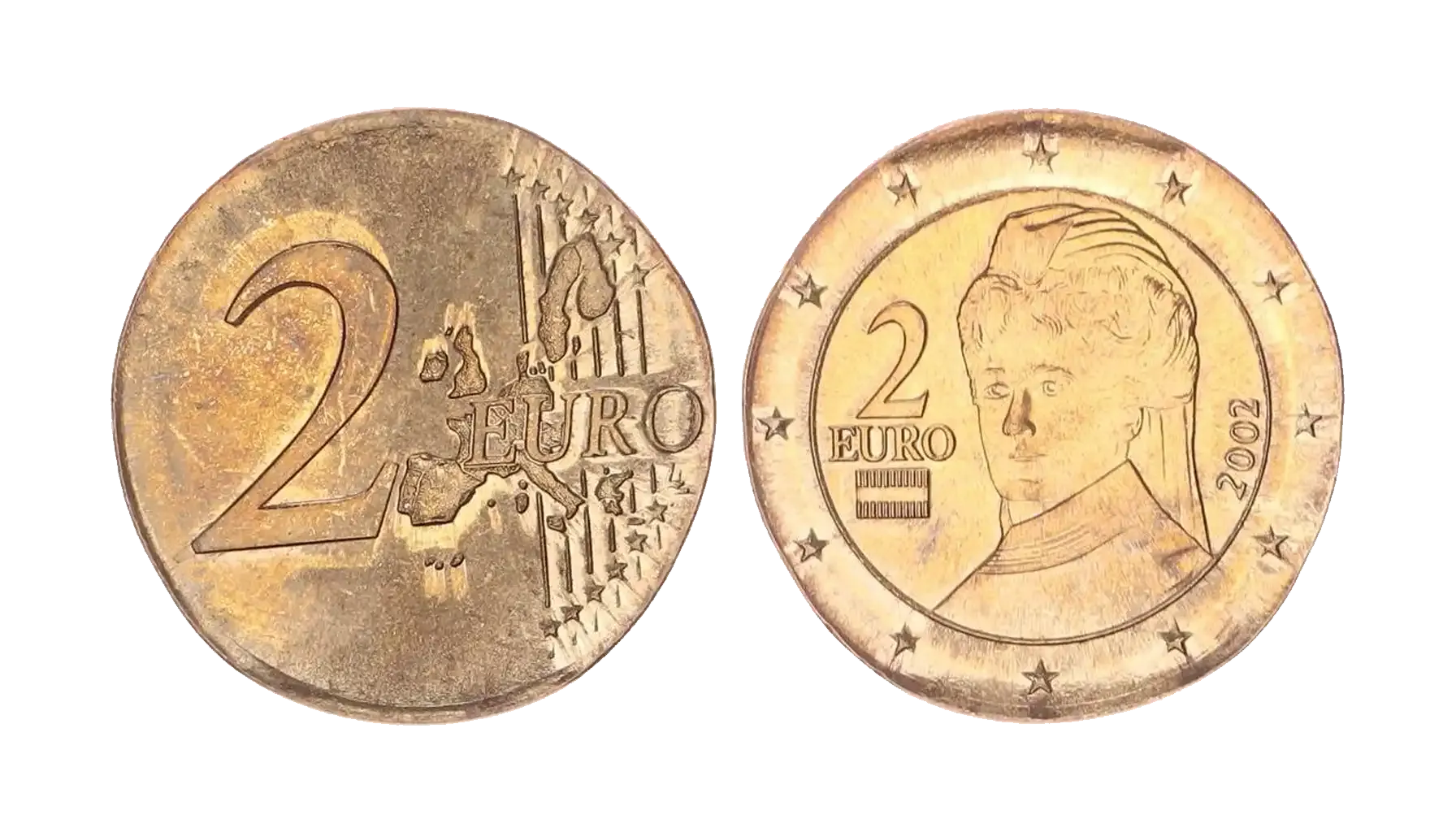
Although US currency denominations coins are still used despite modern technologies, coins of 50 cents and the rare $1 coin can be encountered infrequently. Overall, they are not as common as coins in the Euro currency denominations.
U.S. Coin Denominations Explained
1 cent | penny | $0.01 |
5 cents | nickel | $0.05 |
10 cents | dime | $0.10 |
25 cents | quarter | $0.25 |
50 cents | half-dollar | $0.50 |
1 dollar | dollar coin | $1.00 |
Penny
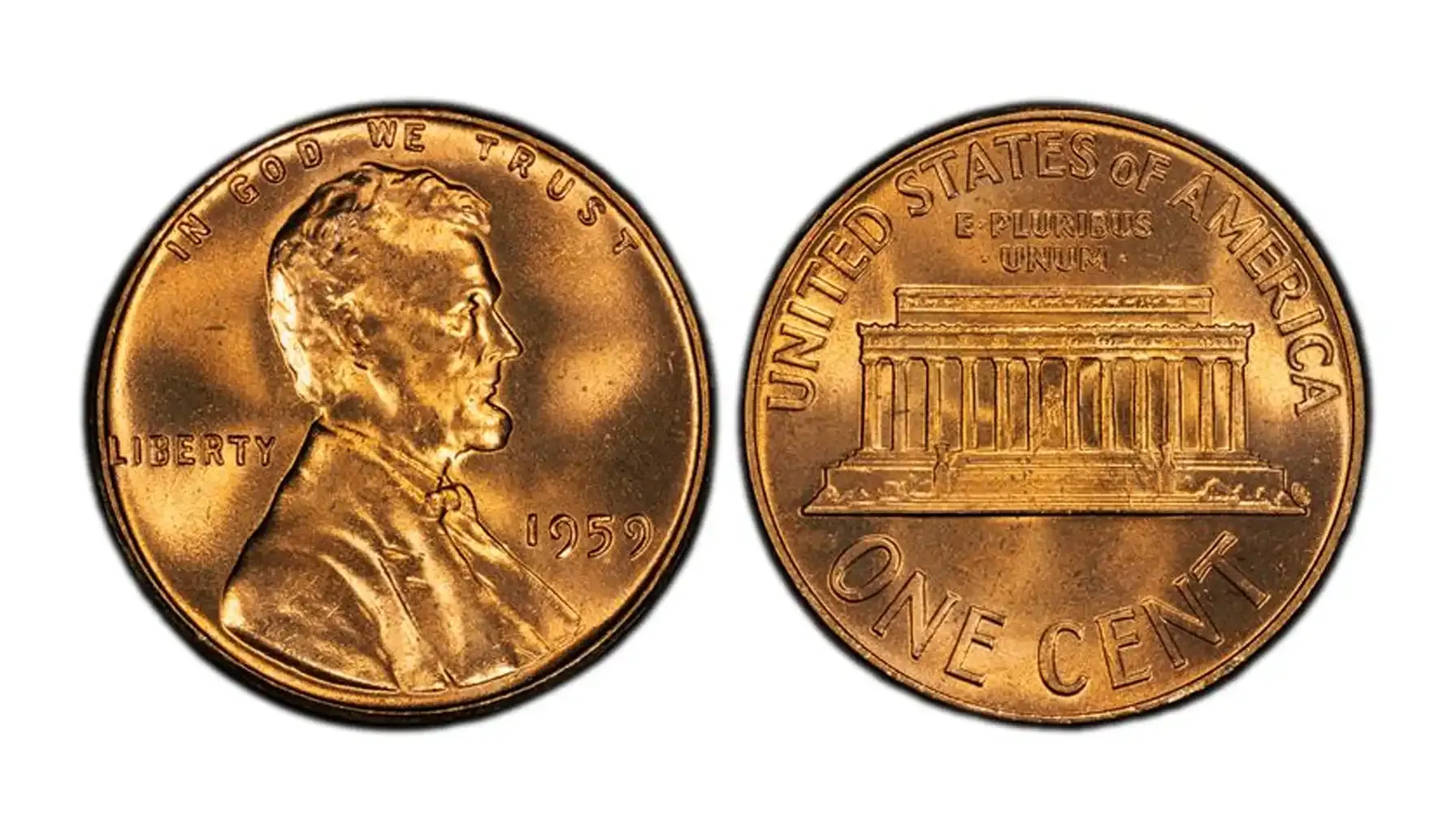
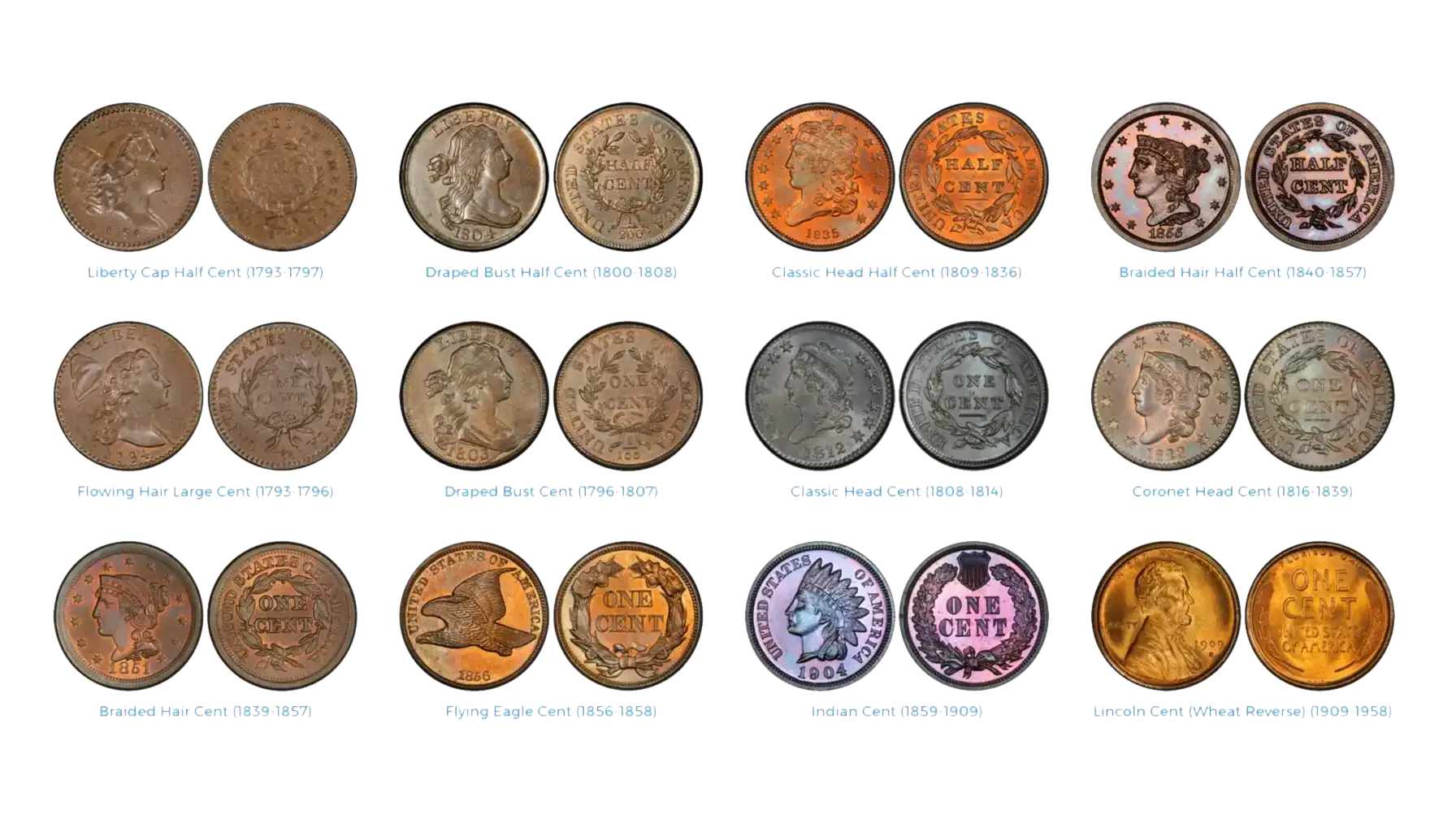
The first cent was minted beginning in 1793, and throughout the 19th century various types appeared: Chain, Liberty Cap, Draped Bust and others. In 1999, a design featuring a portrait of Abraham Lincoln was introduced. This was done in honour of the centennial of his birth. Previously, the reverse showed the Lincoln Memorial.
Nickel
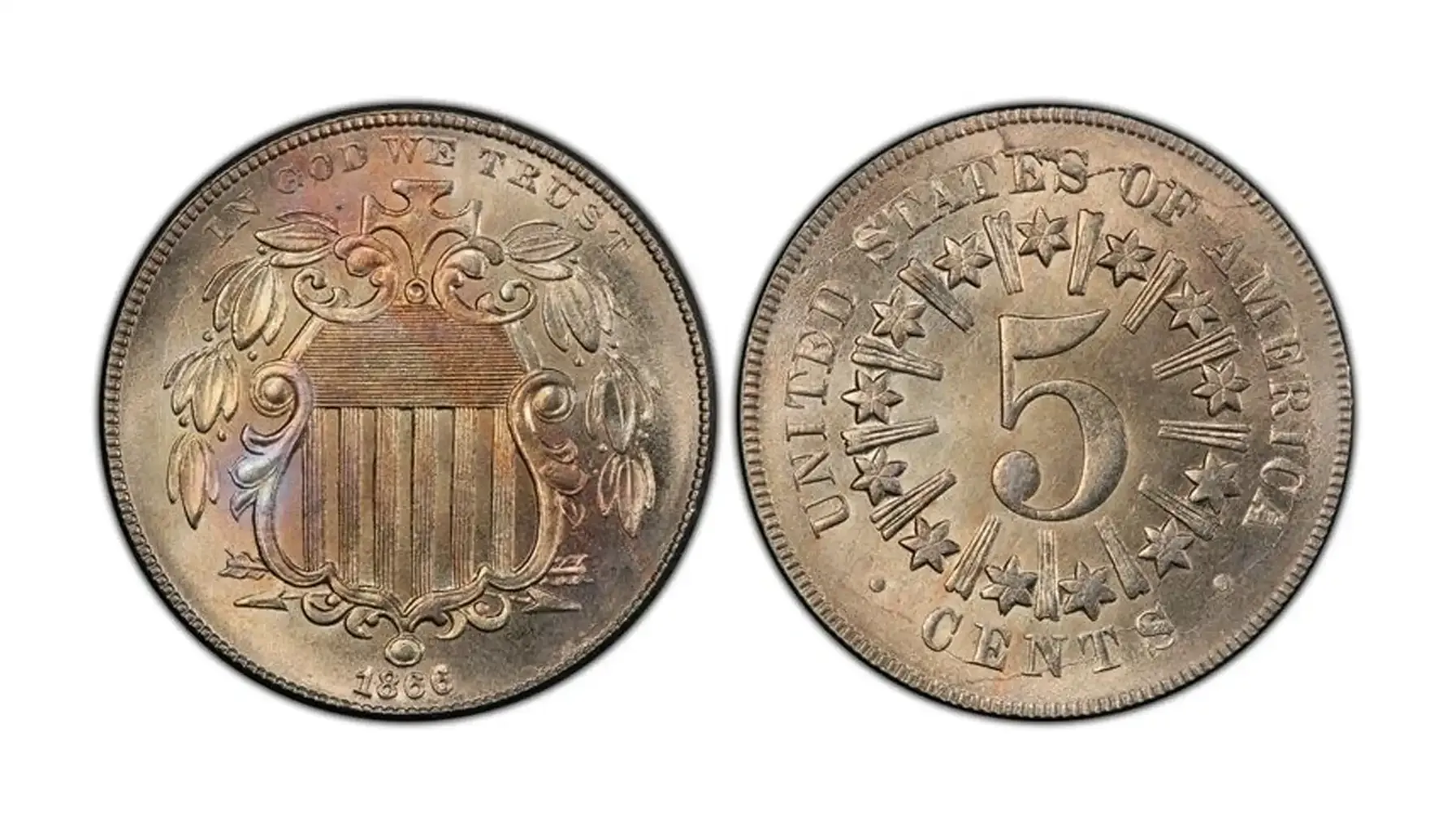
In 1943, due to a copper shortage during the war years, steel cents were issued. That is why the 1943 Lincoln cent is very unique and is in demand among numismatists. In 1982, the composition was widely changed from a copper alloy to copper plating on a zinc core. In the 21st century, there were temporary commemorative reverses in 2009 and the modern shield since 2010.
Dime
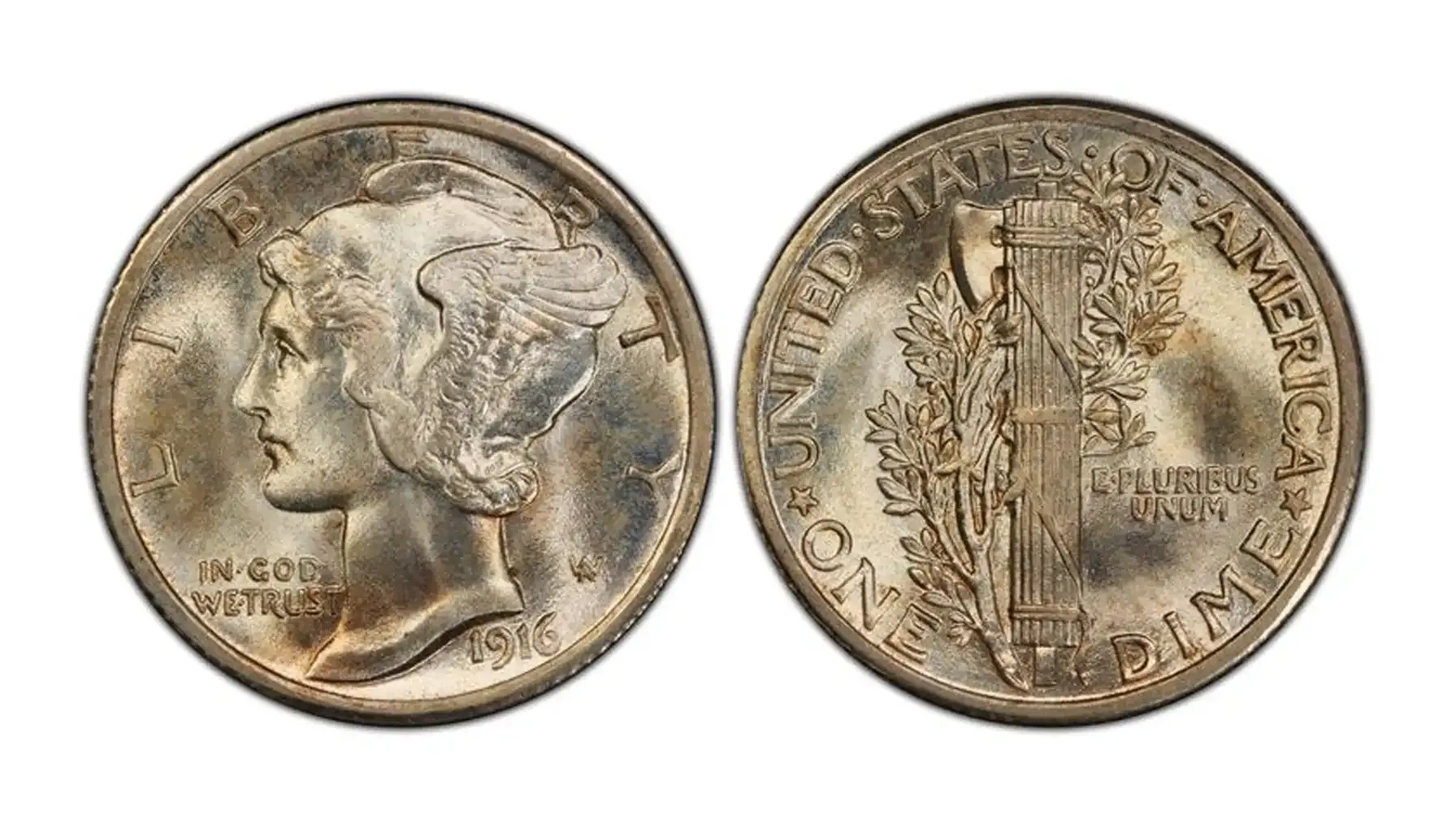
The nickel replaced the silver half dime that had circulated since the mid‑19th century. In 1913, the Buffalo design was introduced, sometimes called Indian Head, and in 1938, the Jefferson portrait was introduced, which, with interruptions, is used to this day.
During World War II (1942–1945), the composition was temporarily changed to include silver and manganese because of defence needs. After the war ended, everything returned to the usual composition.
Historically, dimes had different types: Draped Bust, Seated Liberty and others. The most significant of the 20th century was Mercury (1916–1945). From 1946, the dime featured Franklin Roosevelt’s portrait in honour of his merits.
Until 1964, most dimes were struck in 90% silver; afterwards, they switched to copper‑nickel clad for general circulation.
Quarter
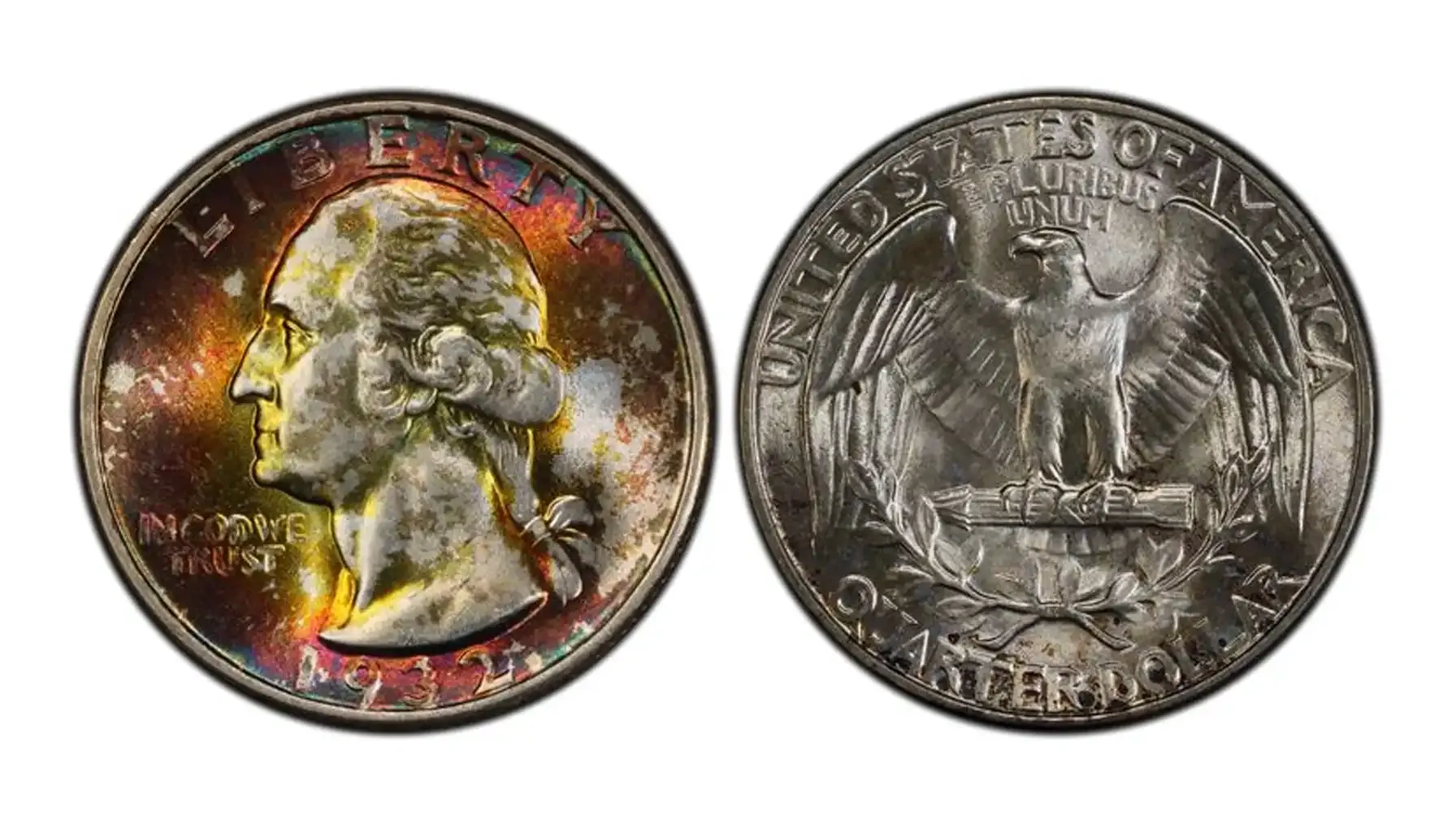
The quarter: since 1932, the portrait of George Washington has been introduced, originally to commemorate the centenary of his birth. Until 1964, quarters were silver; from 1965, their composition became clad.
At the end of the 20th century and the beginning of the 21st, the coin became the basis for various programs, for example, State Quarters, America the Beautiful and others.
Half Dollar
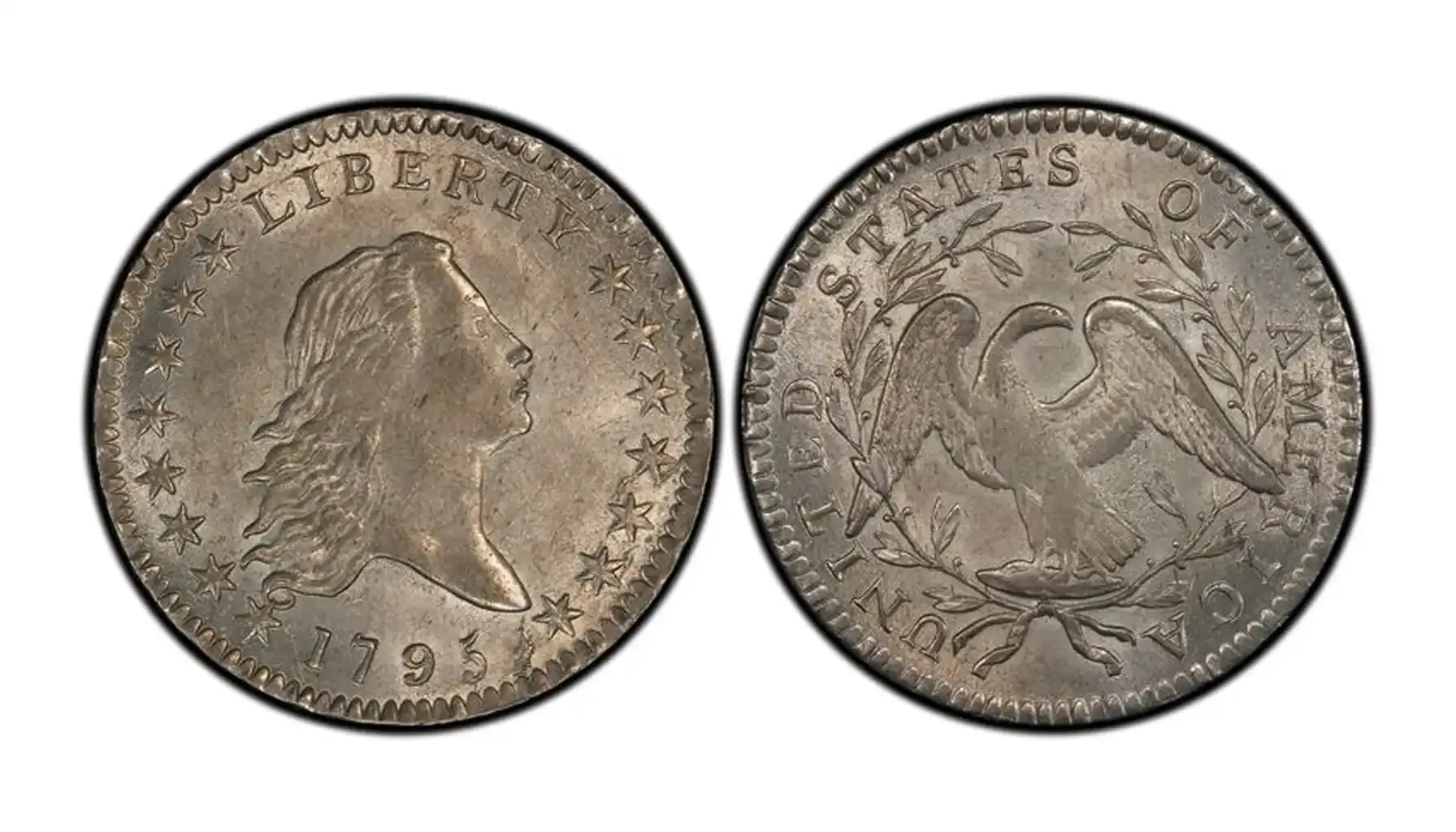
Half‑dollar coins had a variety of types, from Walking Liberty to Franklin Half. This is considered one of the most impressive designs of US currency coins denominations. In 1964, the Kennedy Half was introduced in memory of John Kennedy. In 1964, these coins were issued in 90% silver; in 1965–1970, with reduced silver content; afterwards, they were fully clad. After the 1970s, the half‑dollar greatly diminished its role in everyday circulation and is now largely issued for collectors.
Dollar
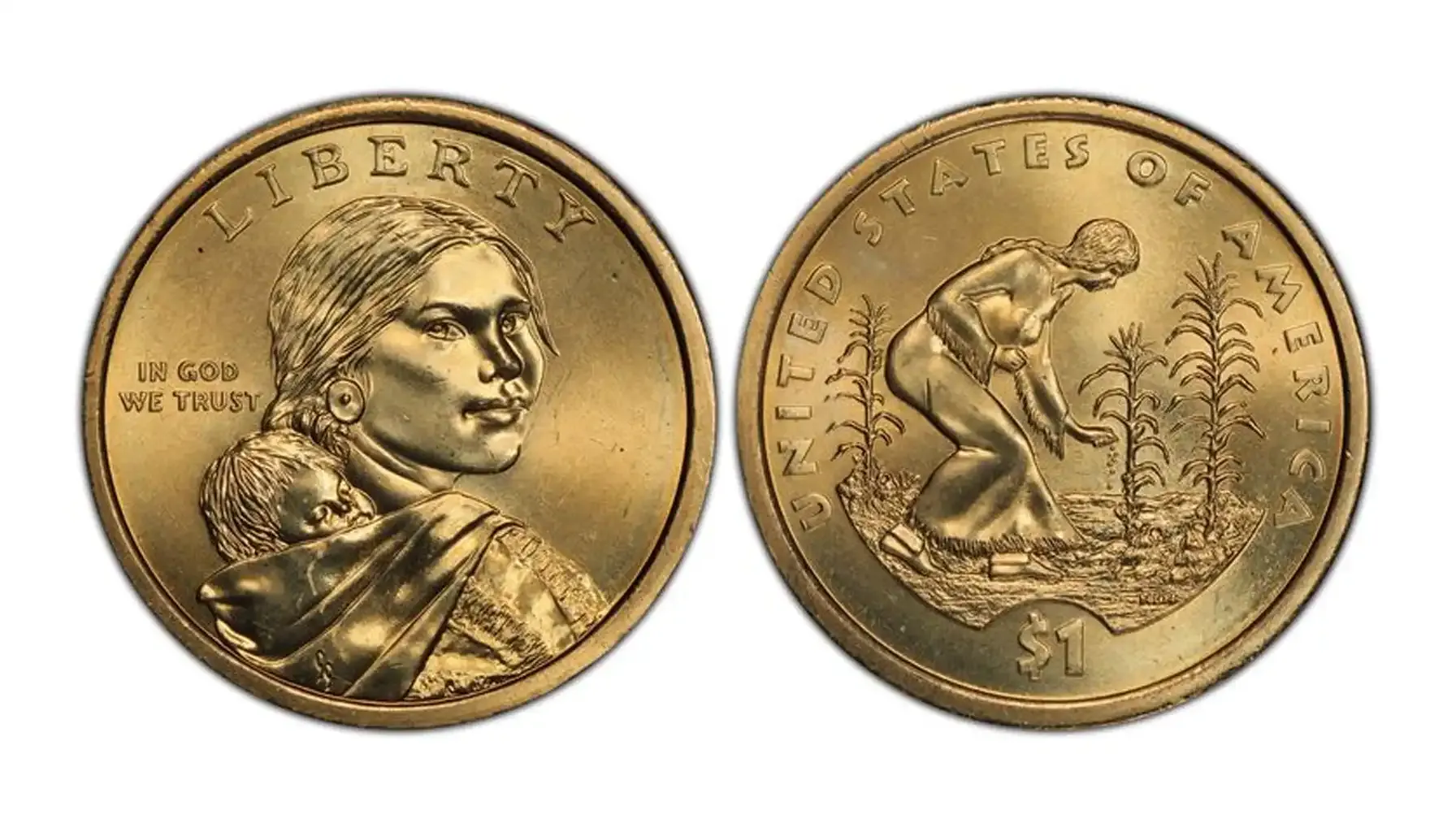
The dollar coin had many different series, such as Morgan, Peace and others. Large dollar coins of the 20th century include the Eisenhower dollar (1971–1978); the Susan B. Anthony dollar was issued in 1979–1981.
Since 2000, the Sacagawea golden dollar coin was introduced, followed by the Presidential Dollar 2007-2016 series with annual changes of reverses. Coins are usually produced outside mass circulation, used in vending machines and for collections.
U.S. Coin Designs and Metal Composition
Type | Metal Compositon | Design | |
Obverse | Reverse | ||
Penny | 97.5% zinc + thin copper layer | Profile of Abraham Lincoln | Lincoln Memorial |
Nickel | 75% copper, 25% nickel | Thomas Jefferson | Monticello |
Dime | 75% copper, 25% nickel | Franklin Delano Roosevelt | Facsimile of Roosevelt’s signature on laurel and oak wreaths |
Quarter | 75% copper, 25% nickel | George Washington | Originally an eagle, then the "50 States" series and others |
Half-dollar | 75% copper, 25% nickel | John F. Kennedy | Presidential seal of the USA |
Dollar | Copper‑nickel outer cladding + pure copper core | Strongly depends on the series. | |
U.S. Bill Denominations and How They Relate to Coins
So, the first paper money appeared in the period from 1775 to 1781. However, they officially received a unified Federal Reserve System format in 1928. Denominations include $1, $2, $5, $10, $20, $50, $100.
To protect US currency denominations, bills, and coins against counterfeiting, the latest printing technologies are used.
Technologies
Watermarks: a portrait matching the main design.
A security thread embedded in the paper that changes colour when tilted.
Microprinting: tiny text around the portrait and in other parts of the note.
Colored fibers: red and blue specks throughout the surface.
3D ribbon: specifically for the $100. When tilted, you can see clear numerals and colour-shifting cubes; reflective inks change colour, for example, the shifting "in the inkwell" on the $100.
High‑precision offset and intaglio printing: a combination of different types of printing presses.

 Facebook
  X (Twitter)
  Pinterest
  LinkedIn