Contents:
Every introduction always brings with it advantages and disadvantages, and inevitably affects the subsequent coin identification.
Some decisions can be positive and have a beneficial effect on the economy and the country, while others may not. But what is the Coinage Act of 1873 impact on economy?
What the Coinage Act of 1873 Did
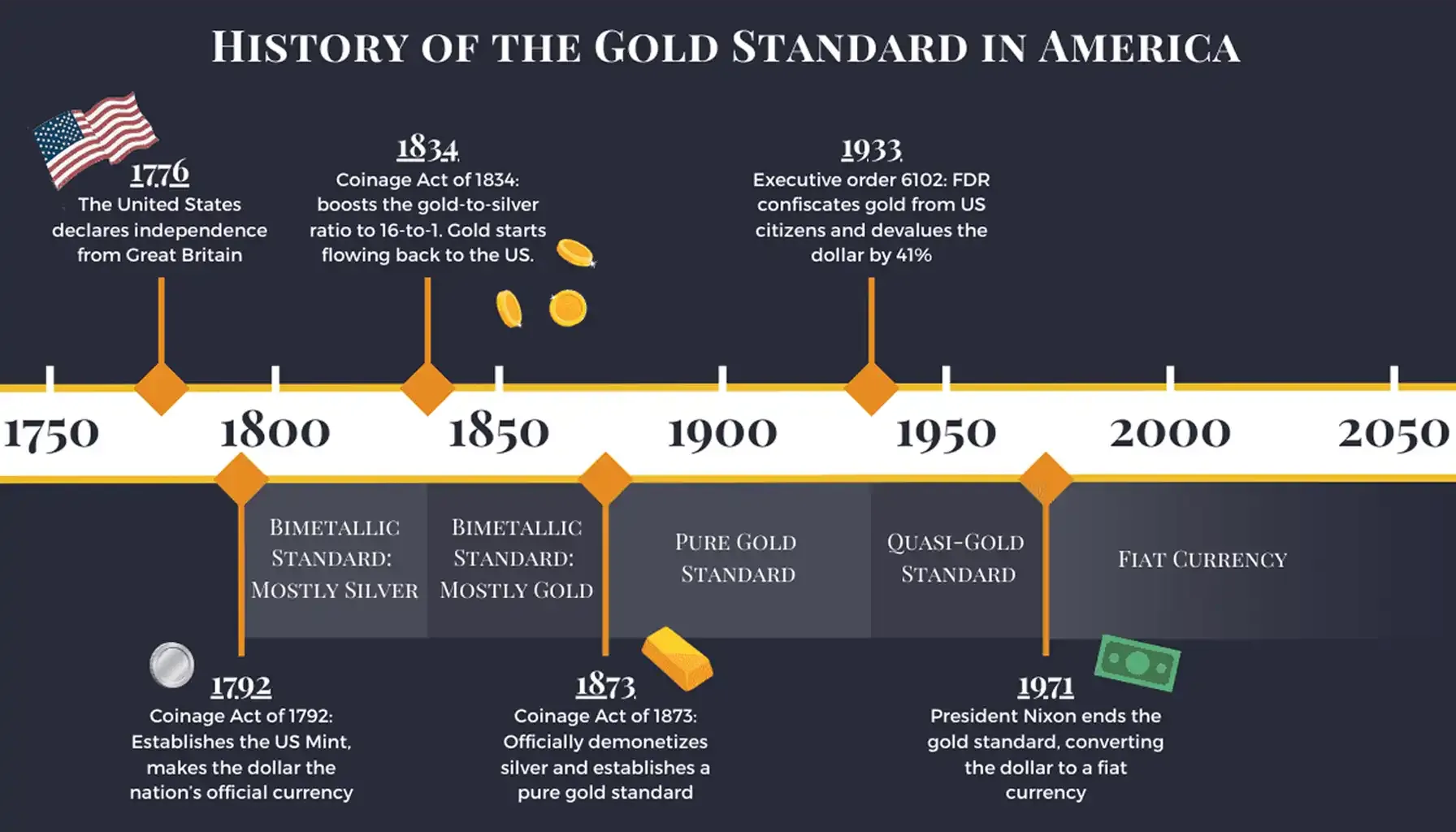
If you have the question, what was the Coinage Act of 1873? It was an act that abolished the free coinage of silver. Before that year, anyone who had a silver ingot could bring it to the mint and, for a small fee, receive ordinary silver coins. And it was this law that made that impossible.
It also ended the minting of several silver coins.
The Seated Liberty Dollar — that issue was discontinued as a regular denomination.
Also, Half Dime coins were completely discontinued, and in their place, they ceased striking the new five-cent coins made of mixed copper and nickel.
Trade dollar — a special dollar for trade in Asia — was made temporary; its minting was also limited.
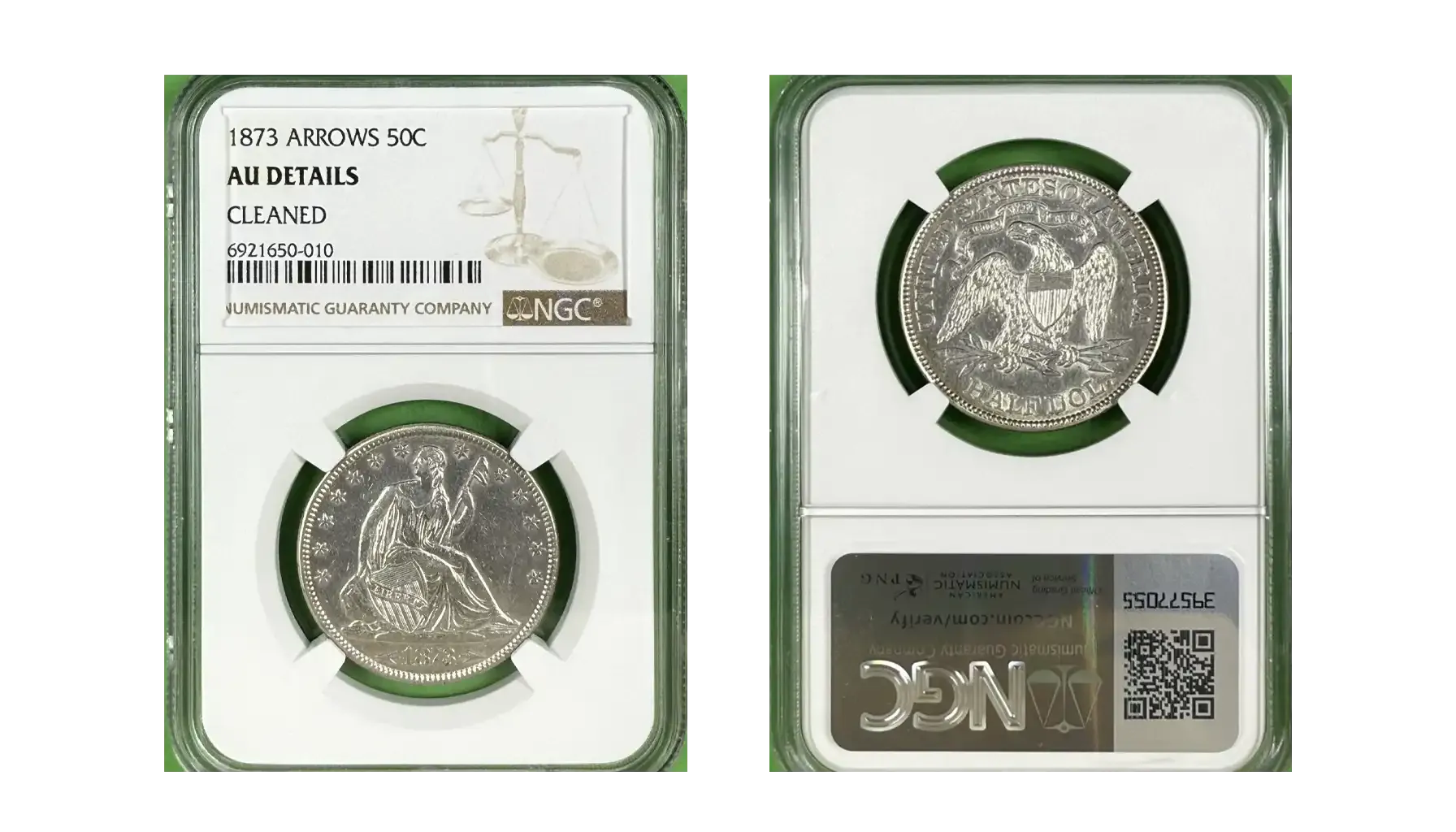
The law left open the possibility of striking silver coins in proportions of 90% silver and 10% copper, but made it controlled. Seigniorage, the right of free deposit of silver, was replaced by purchase limits.
The Treasury set a fixed price and allowed no more than 2 million silver coins to be produced per month, exclusively at the discretion of the Treasury.
Specification and Certification
The alloy, size, and weight were fixed for each of the remaining coins — gold and the small silver ones, such as quarter, dime, half, and dollar.
Some items in the minting regulations were also abolished, and obsolete rules that had accumulated since independence were removed.
Why the Coinage Act of 1873 Was Passed
As for the Coinage Act of 1873 purpose, it's simple. It was needed to put the coinage legislation in order.
Since the founding of the U.S. Mint in 1792, by the 1870s, a large number of amendments and exceptions had accumulated over so many years that needed to be harmonised.
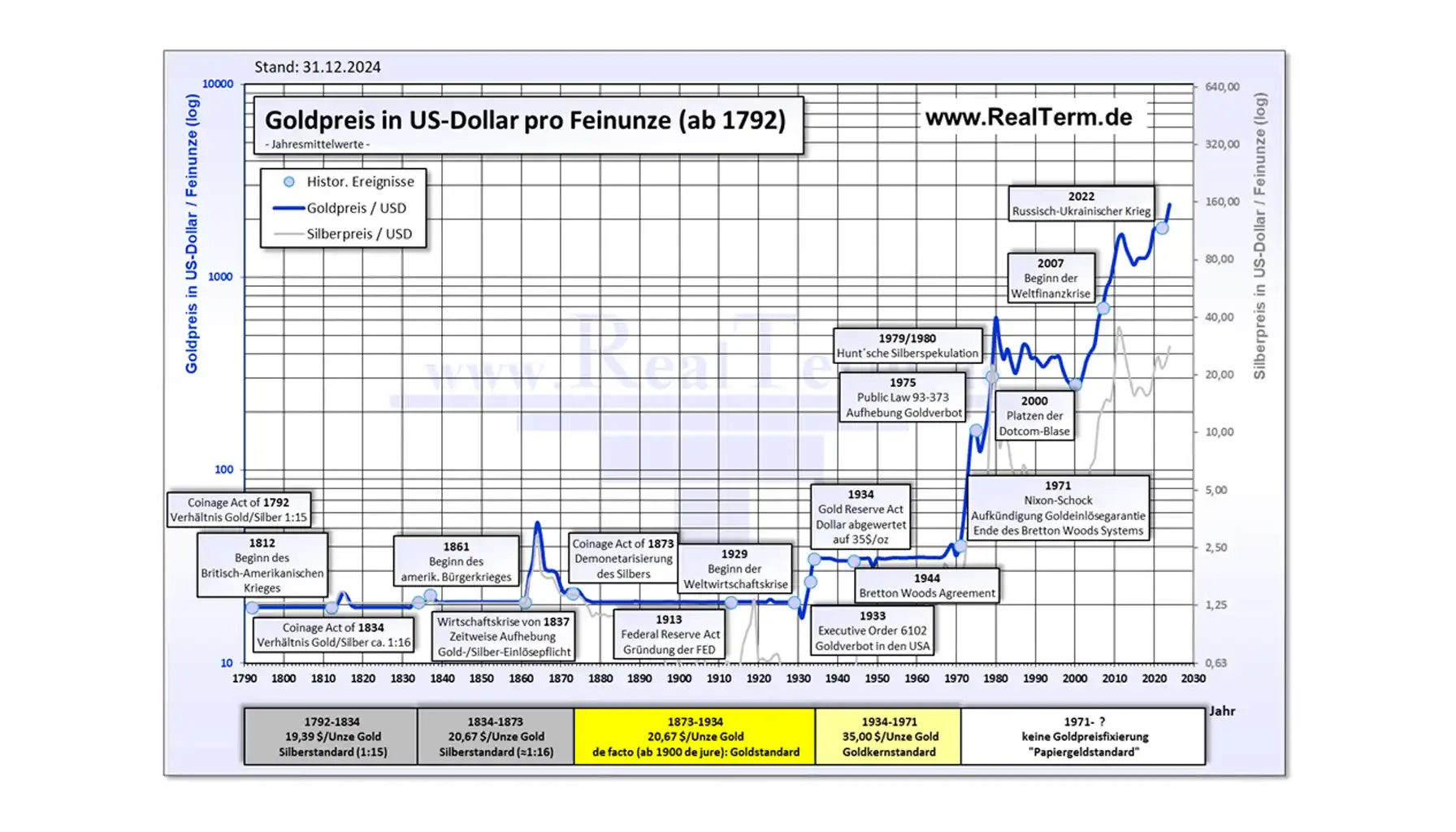
The Act systematised everything into one framework, from minting to other outdated norms that no longer served any purpose. By the mid-19th century, large gold deposits had made gold a more predictable standard; silver coins were considered unstable.
Political and Industrial Pressure
Banks and financiers on the U.S. East Coast held the bulk of the country's gold and silver reserves, so this needed regulation. The Coinage Act of 1873 caused protest by miners and silver workers who insisted on preserving free coinage, but their influence was weak, especially compared with the influence of the eastern financial circles.
Also, internal post–Civil War reforms required ordering the monetary system and minimising a crisis caused by silver. This was also influenced by the rare Civil War coins. So, answering the question What did the Coinage Act of 1873 do? It performed important work that affected not only coin minting but the entire economic system of the country.
Economic Impact and Controversy
The decline in demand for silver led to a sharp drop in silver bullion prices, which was generally expected. Mines found themselves with excess metal without a guaranteed market in the form of the Mint.
Free access to silver coinage was curtailed; consequently, some money was withdrawn from circulation, leading to deflation.
Farmers and small business owners who had taken out loans before the act faced falling agricultural prices and a simultaneously increased debt burden. They found themselves in a difficult situation.
Long-term Consequences
"The Crime of 1873." Under this name, proponents of free silver began demanding the repeal of the act. They protested against it.
Bland–Allison Act 1878. Congress partially restored the purchase of 2-4 million ounces of silver monthly for coinage, but did not reinstate free coinage in full.
Sherman Silver Purchase Act of 1890. It advanced the idea of increasing silver purchases and banknote issuance, but also within strict quotas. The gold standard was finally established.
In 1900, with the adoption of the Gold Standard Act, the U.S. officially abandoned the dual standard, meaning gold plus silver. Gold became fixed as the sole reserve metal.
Conclusion
To summarise, this marked the end of the bimetallism era in the U.S. and also gave rise to a powerful political movement for free silver, and in the 1800s-1900s led to the nomination of William Bryan, in what was called the "Crusade for Free Silver." Additionally, a stable deflationary trend emerged in the economy for the recovery and rise of financial institutions.

 Facebook
  X (Twitter)
  Pinterest
  LinkedIn