Contents:
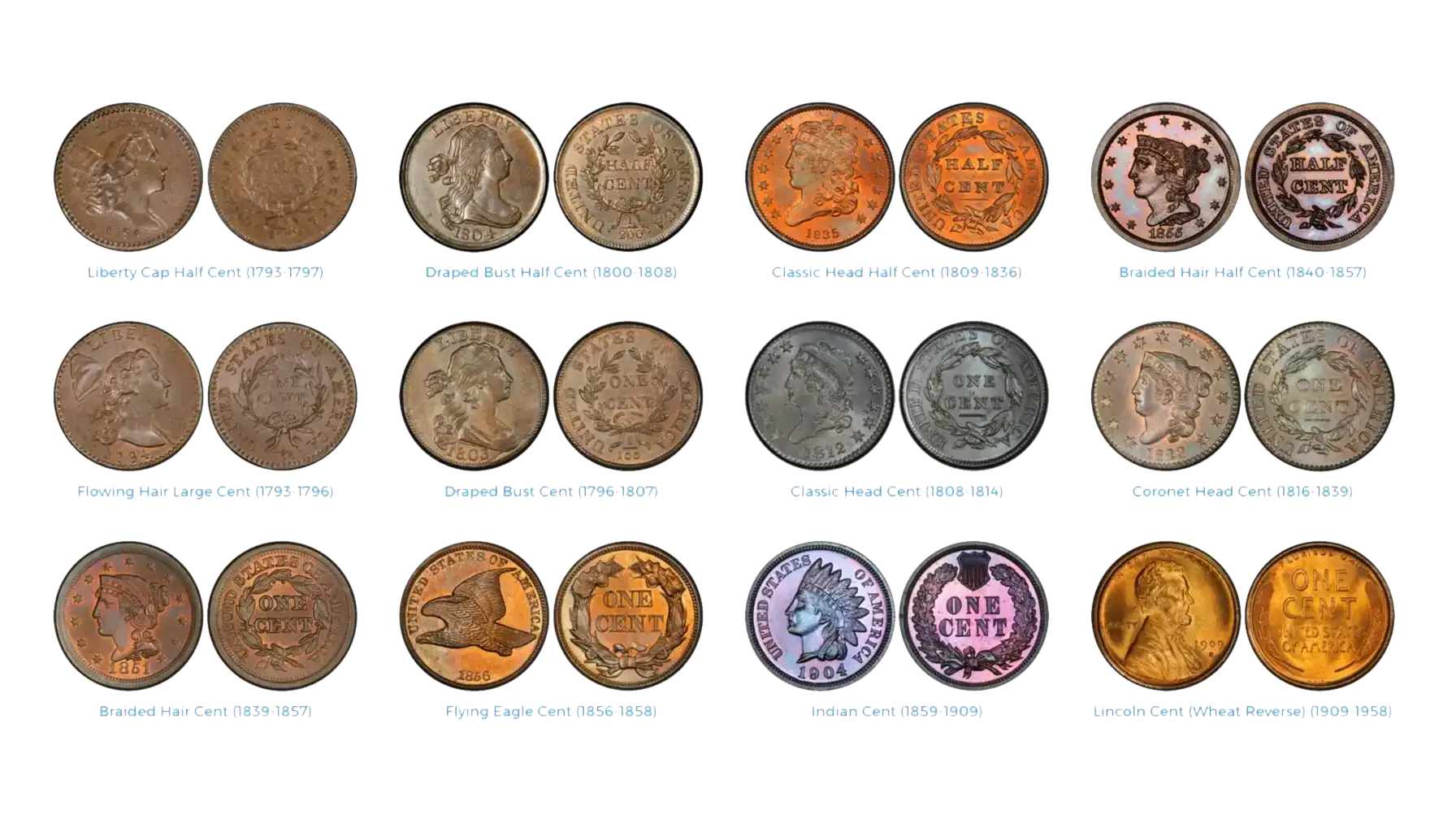
Coins have long proven themselves to be an excellent asset. Like any asset, they also need protection.
How much does coin collection insurance cost, and what does it do? Today, we will learn all the necessary aspects of coin insurance.
Collectors are looking for rare coins worth money. Modern apps have databases dedicated to identifying and evaluating such rare coins.
What Coin Insurance Covers
We all know that insurance is. An operation that protects your finances, and when these objects are damaged or lost, you are paid to make up for your loss.
The insurance for coin collection protects your collectible (i.e., valuable coins, paper money, bullion, and numismatic assets) against risks like:
Damage from natural disasters (fires, floods, hurricanes, etc.).
Theft (also burglary).
Accidental damage (e.g, during shipment).
Why Collectors Need Dedicated Coverage
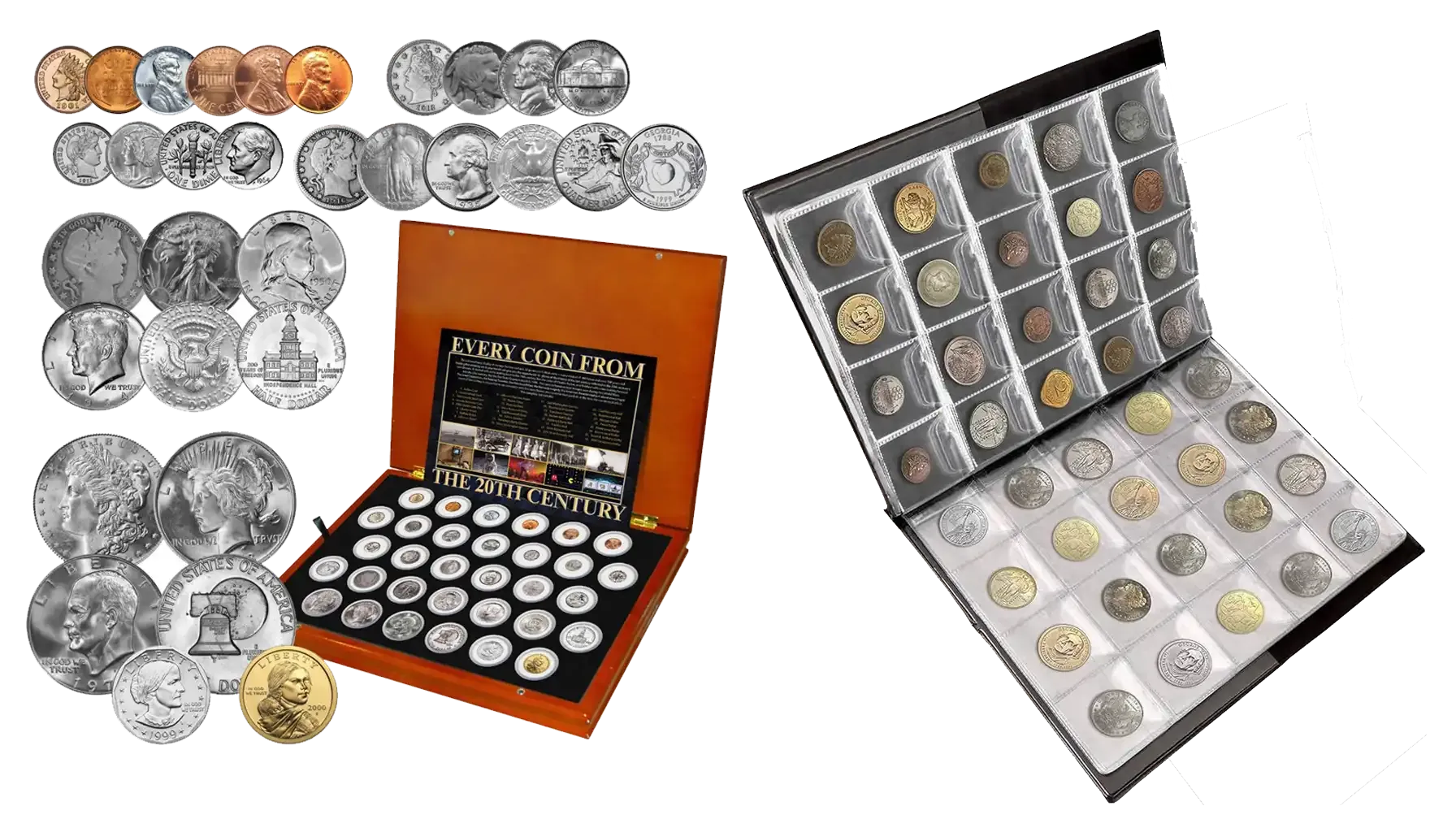
Insurance costs money, and not every collector is ready to pay for safety. Yet, most collectors, especially the professionals, would greatly benefit from coin insurance:
Collectors already invest significant time and money into trading, cataloging, and preserving their bits. Coin collection insurance costs only a fraction of the assets, but will protect all the collectibles in case of the worst.
Unlike other, “general” insurances, the dedicated coin insurance offers higher payout limits if a dollar, quarter, penny, etc. is lost.
Dedicated insurance also takes great lengths to protect ownership if a rare bit disappears.
Often, a coin insurance agency offers its bonuses. For example, providing lower coin grading costs for their partners.
Cost of Coin Collection Insurance
Most agencies make you pay an annual fixed percentage of the collection you want to protect. The rates differ from agency to agency, but usually go from 0.3% to 0.5% of your protected collection’s cost.
Here are the hypothetical rates you'd have to pay:
Collection Value | Annual Cost (0.3%) | Annual Cost (0.5%) |
$500 | $1.50 | $2.50 |
$1,000 | $3.00 | $5.00 |
$5,000 | $15.00 | $25.00 |
$100,000 | $300.00 | $500.00 |
$500,000 | $1,500.00 | $2,500.00 |
Policies for Rare and Gold Coins
Rare and gold coins often require higher coverage limits because such assets cost more. Compared to other, less rare coins, gold coin insurance needs:
A dedicated insurance, since most general agencies only cover objects worth up to $250.
A safer place to store, e.g., bank vaults. This way, you lose direct control over your coins, but they might be safer in a bank.
Insurance for Coin Dealers
Coin dealers face different risks than collectors. Collectors typically store their pieces at home and don't need to worry about transportation or extra protection. Dealers, however, are more active and have to take their collectibles around the world for trading.
Dealer insurance covers inventory storage on-premises (e.g, conventions, auctions), and shipping (e.g, to customers and grading services).
Most agencies that deal with collectors can also work for dealers.
Coin Laundry and Coin-Operated Business Coverage
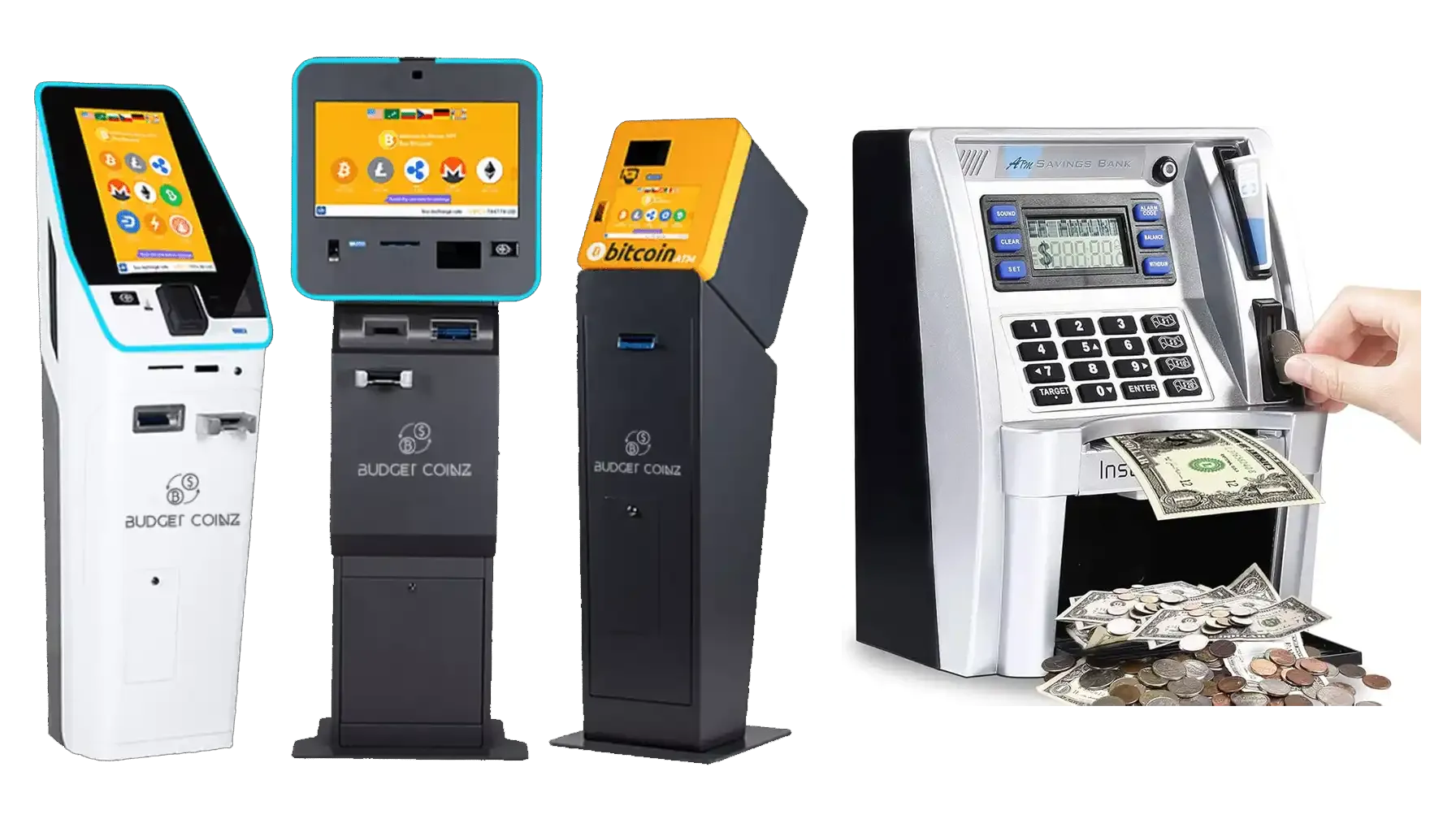
Coin-operated businesses, such as laundromats, vending operations, and arcade owners, require a different type of insurance than coin collectors.
Collectors only care about coins, but the laundromat owners are primarily concerned about their machines (their business property) and the cash stored within these machines.
A typical coin laundry insurance covers:
Property damage.
Theft of coins or tokens.
Vandalism.
Equipment breakdown.
Liability for customer injuries.
Loss of income due to outages or disasters.
A collector would probably not need coin-operated laundry insurance, but some people would still need this niche category.
How to Choose the Right Provider
Everyone needs to spend more than a night thinking of the best way to protect their assets. Collectors are not an exclusion. If you own a considerable coin collection and need some protection, you can start choosing by following these steps:
1. Look for a provider specializing in numismatic insurance:
General home or renters insurance rarely offers strong protection for collectibles.
In particular, general protection doesn't take into account the difference between bullion and numismatic value or storage/transit risks (for traders)
Seek companies that either openly claim they can protect money or have a history of insuring collectibles.
2. Check what types of losses are covered. Make sure the policy includes:
Theft and burglary.
Natural disasters (fire, flood, etc.).
Accidental losses.
Some providers offer further services, for example, protection during transits.
3. Compare valuation methods:
You should ask the insurer about how they determine value.
If you own a rare coin, you should avoid an insurer that defaults the price to “face value” or “cash value,” as this dramatically underpays your whole collection. In case of an emergency, you will lose money.
You’d want predictable, transparent pricing.
4. Examine reputation. Before signing, you should:
Read reviews from collectors about the provider.
Check how claims are documented and how long payouts typically take.
A good provider handles operations quickly.
5. Make sure the provider is financially stable. Today, many businesses open and close rapidly. You should choose insurers with:
Strong financial ratings.
Long-term experience in specialized insurance markets (many new businesses close soon after opening).
Clear, stable practices.
If your provider is not financially stable, they might not pay you in full in case of large loss events.
Tips for Documenting and Insuring Your Collection
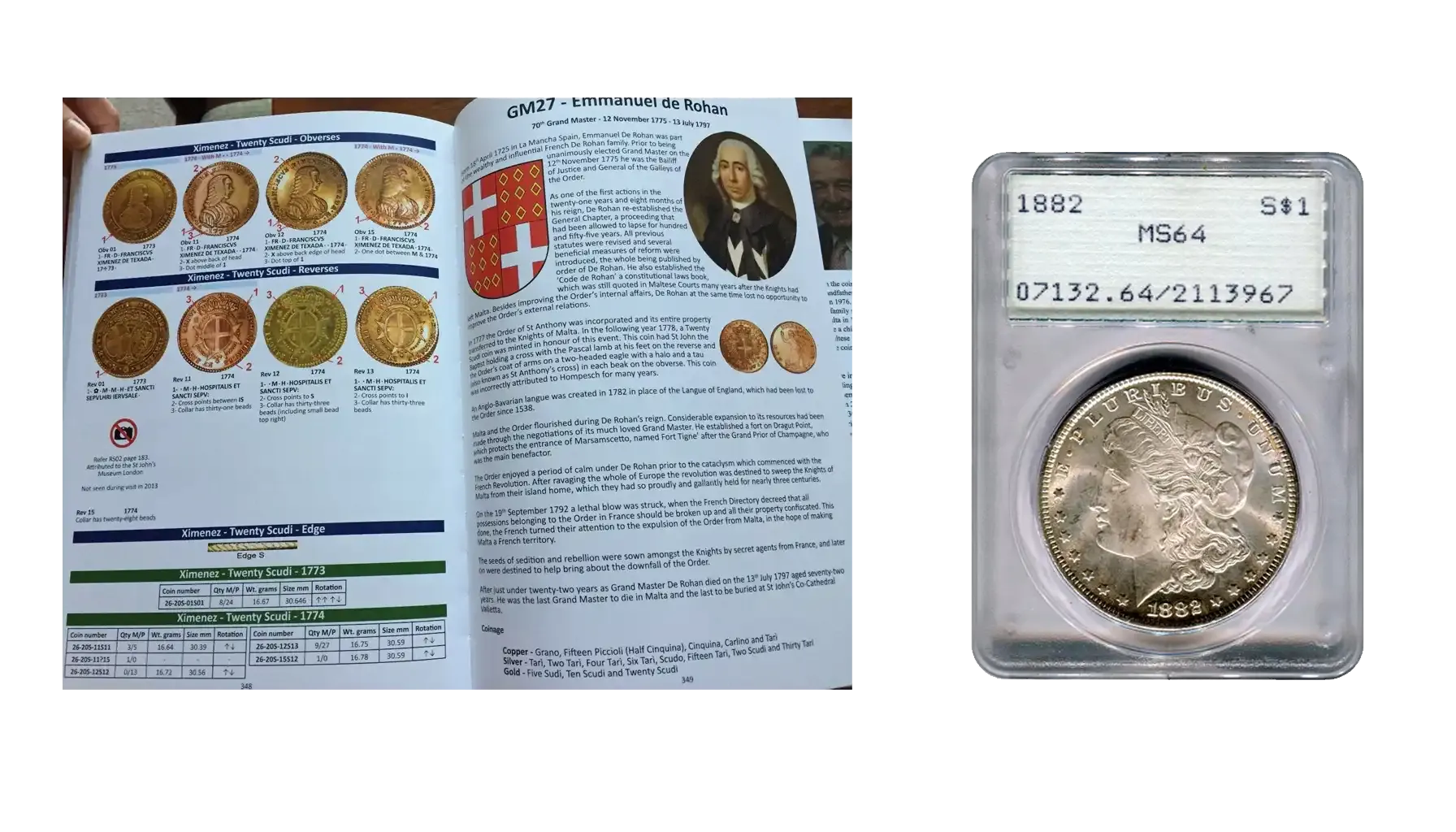
Once you’ve made up your mind about your provider, you will be asked to show important documents. Here’s what you can and should do:
1. Catalogue your collectibles. Any provider would ask you to document your collectible. You will need to prove it and prove:
Coin type, denomination, and year.
Mint mark (“P”, “D”, “S”, etc.).
Grade ( could be assigned by PCGS, NGC, ANACS, etc.).
Certification number (assigned after grading).
Purchase price and date.
Current estimated value.
Provenance or auction history (if applicable).
2. Photograph your collectible. Take high-quality pictures from multiple angles:
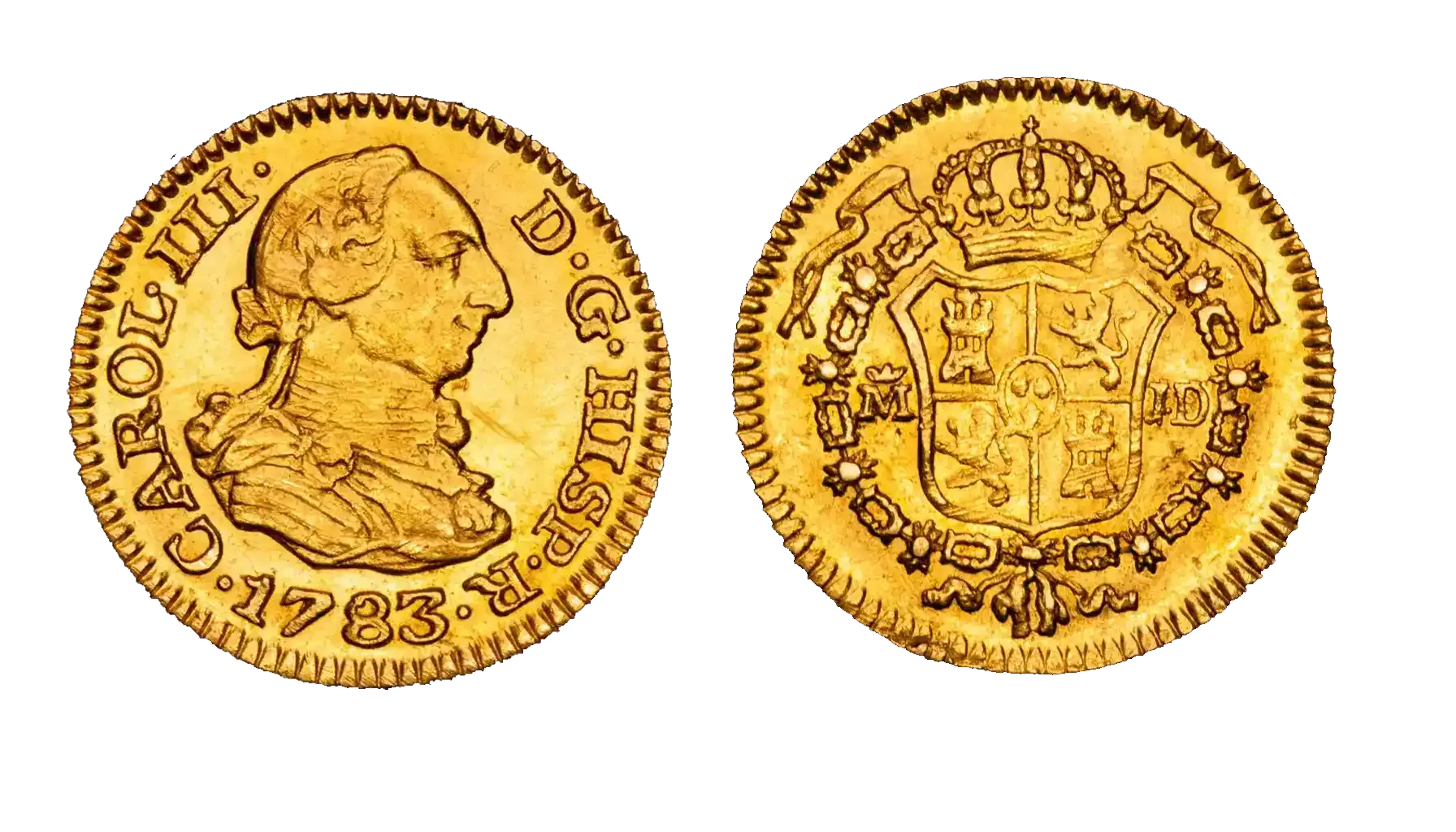
Obverse (front).
Reverse (back).
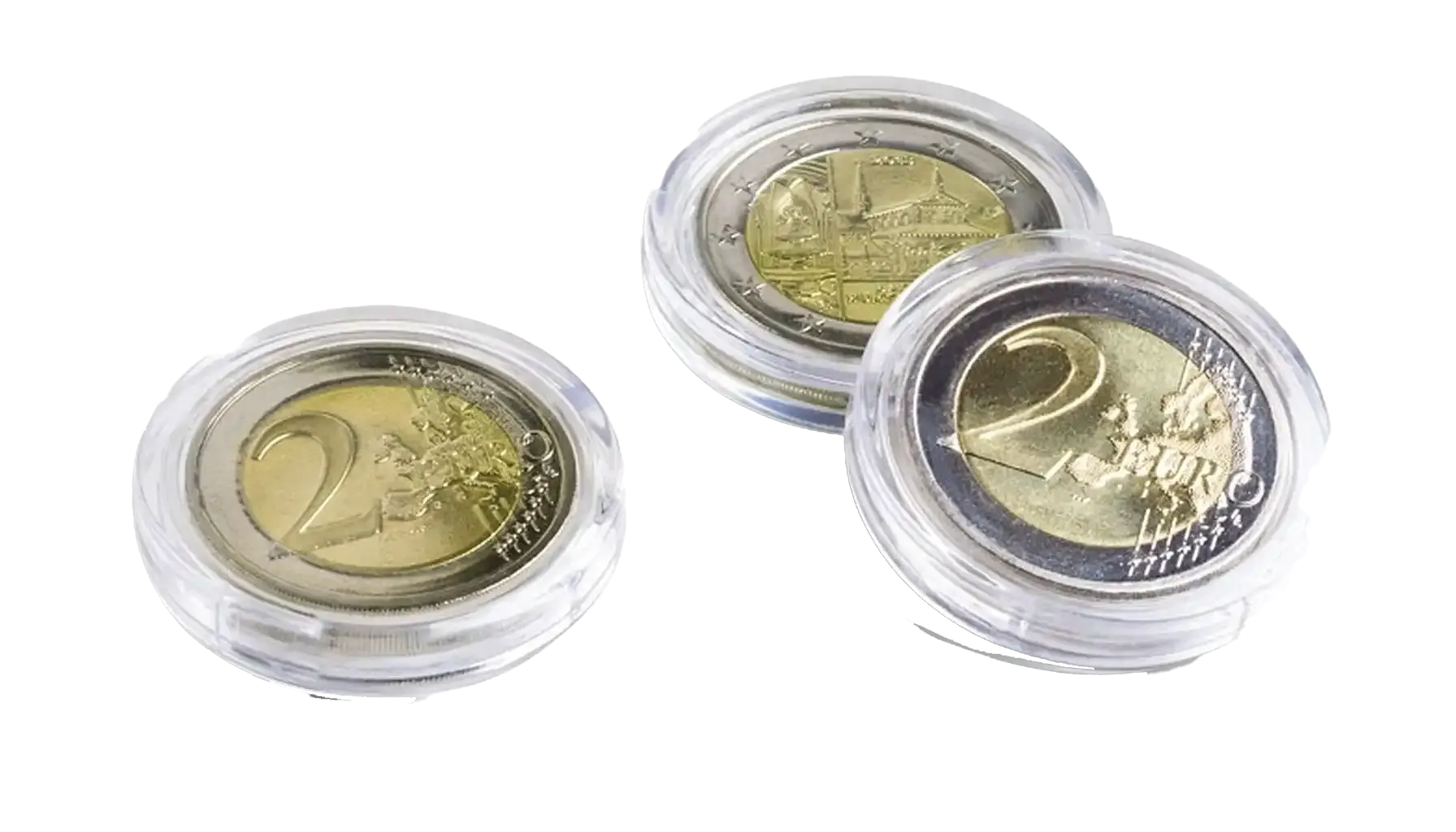
Slab or holder (if graded).
Good photos help verify your coin in case of loss.
3. Save receipts, appraisals, and grading reports:
Receipts from dealers or auctions and grading service certificates are vital documents. In case of loss, you will likely need them to prove provenance and confirm value.
If you can, keep both the digital and printed versions.
4. Update values regularly.
As your collection grows, you should increase your coverage limit.
If you sold your coin, you should delete this item from the protection and add new acquisitions as you acquire more collectibles.
“Proper documentation is key to facilitating the insurance claims process in the event of loss or damage.”
— Apmex
Official Website
Conclusion
The final choice is only for you to make. Some collectors want to play it safe, and others prefer to rely on luck. Both approaches have their ups and downs.
Apps can help you become a better collector. Coin ID Scanner can quickly identify bits and tell their values. This way, you can start trading faster, and you’ll learn more about your coins than ever before.

 Facebook
  X (Twitter)
  Pinterest
  LinkedIn