Contents:
The story of America’s money system didn’t start with the dollar. It began earlier, when a federal law set the basic rules for what metals to use, how much they should weigh, and which denominations would exist.
When you’re dealing with early coinage or trying to identify rare coins based on its historical traits, the first minting act becomes a real anchor. Without it, most of the puzzle pieces don’t line up.
What the Coinage Act of 1792 Established
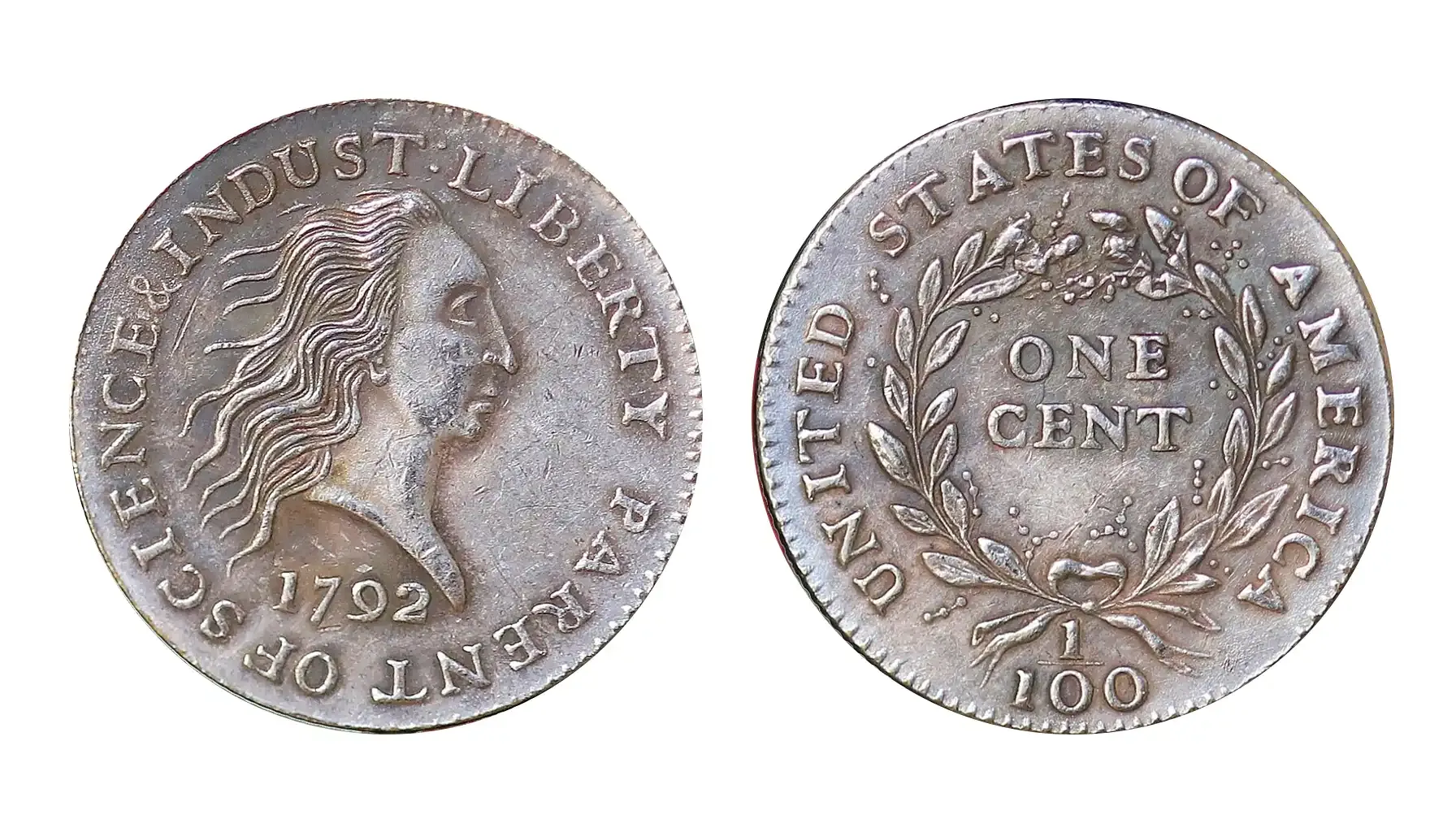
It was here that the fundamental principle of the Coinage Act of 1792 was enshrined, establishing the dollar as the primary monetary unit and setting strict parameters for silver and gold. The law also laid the foundation for future monetary control, including liability for violations of standards and protecting confidence in the national currency.
One of the earliest confirmations of the effectiveness of these regulations was the 1792 Half Dime, one of the first pattern issues of the young republic.
“And be it further enacted, That the Director of the Mint shall employ as many clerks, workmen, and servants as he shall from time to time find necessary, subject to the approbation of the President of the United States.”
— Coinage Act of April 2, 1792
United States Mint website
Why the Act Was Created

By the end of the 18th century, the United States was still without a dependable monetary system, and the post-war economy remained split into separate pieces. Foreign coins—Spanish, British, Portuguese—moved freely in daily trade and only added confusion. Political leaders pushed for one national currency to stabilize commerce, restore confidence, and support an independent financial direction.
What was the Coinage Act of 1792 really? It was part of Alexander Hamilton's broader financial reform. His "Report on the Mint" became the foundation for the creation of a national mint and the transition from fragmented monetary practices to a stable system tied to real metals.
The discussion of gold concerned the monetary standard. The law had nothing to do with decorative alloys. White gold, for instance, appeared much later and is used only in jewelry.
Key Provisions and Standards
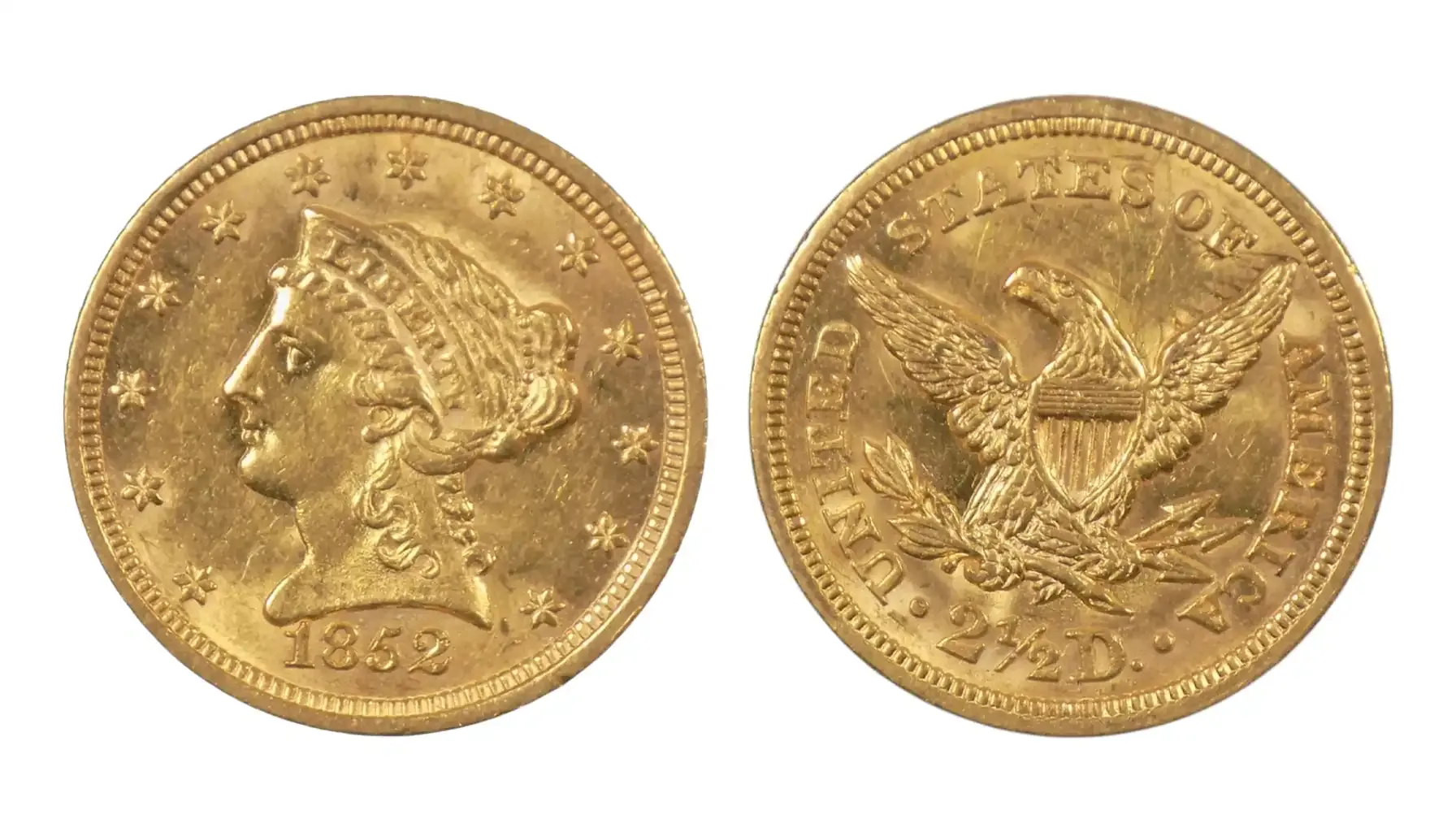
To understand the law’s framework, people usually open the Coinage Act of 1792 PDF. It lists the exact weights, fineness requirements, and other rules that shaped early U.S. coinage. The key points include:
Coinage unit:
1 dollar = 371.25 grains of pure silver;
Gold was set at a ratio of 1:15 relative to silver—this was the standard of bimetallism.
Denominations established by the law:
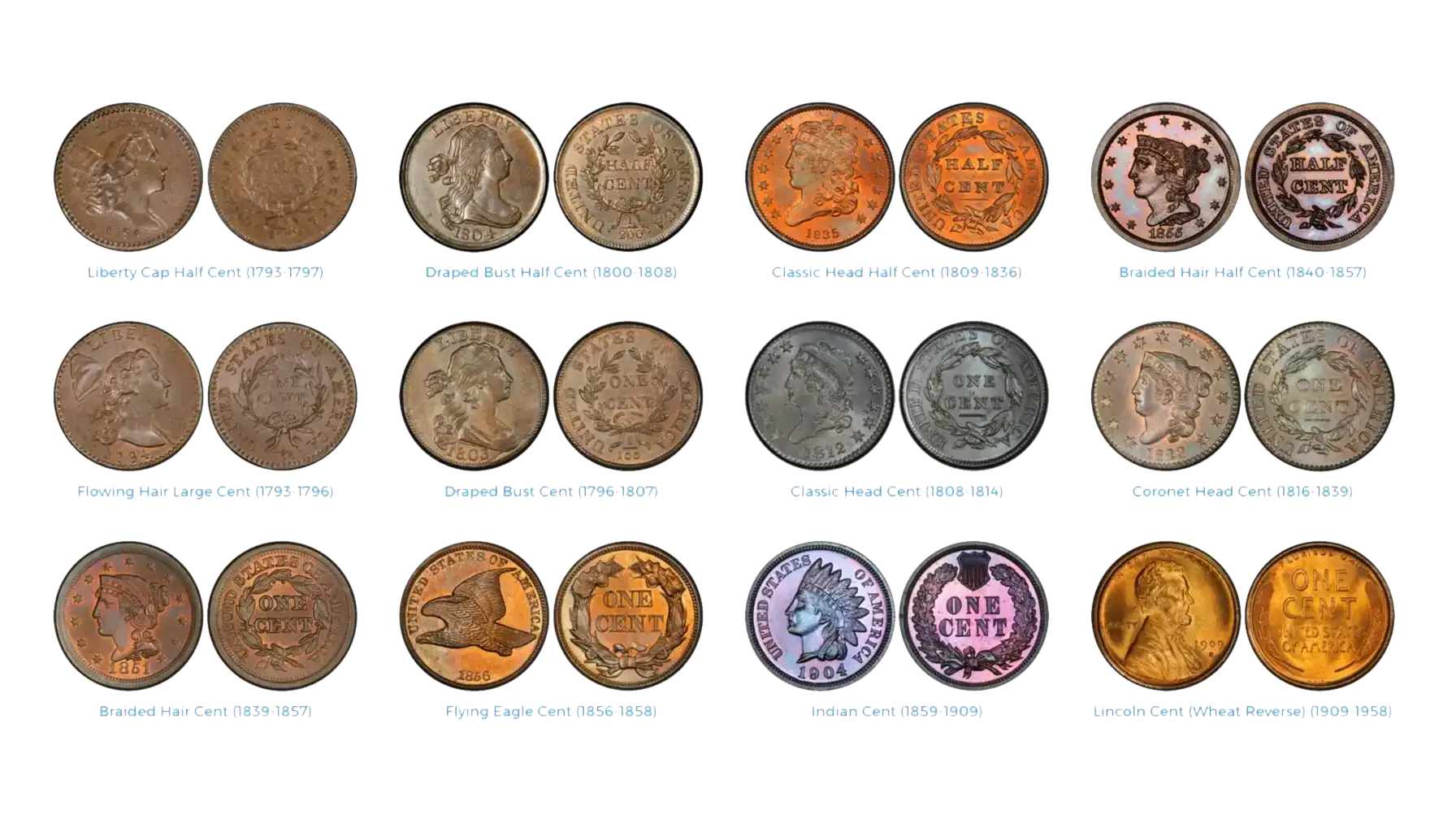
Copper: half cent, cent;
Silver: half dime, dime, quarter, half dollar, dollar;
Gold: $2.50, $5, $10 (quarter eagle, half eagle, eagle).
Weight and purity parameters:
The silver dollar had to include 416 grains of alloy;
The gold eagle was set at 270 grains, with a high purity requirement.
Mint organization:
The U.S. Mint was established in Philadelphia;
The positions of Chief Coiner and Assayer were established;
Strict weighing of each batch of metal was mandated.
The law included one of the harshest measures—intentionally degrading the purity of the metal or counterfeiting the denominations of coins was punishable by death. This was intended to strengthen confidence in the new currency and prevent any attempts to manipulate the silver or gold content.
Impact on Early U.S. Coinage

The law’s adoption pulled everything into a single system, and that framework ended up guiding how American coinage developed in the early 19th century. Silver became the primary measure of value, while gold was used in large-scale transactions and international trade.
At the same time, interest in early experimental issues grew—researchers later classified some rare variants as ultra-rare dimes, as the coin experiments of the 1790s are extremely rare and reflect a transitional stage in the system's development.
The creation of a standard also allowed the United States to abandon the foreign coinage. The unified dollar cemented the country's role as an independent issuer, and the law became the foundation for subsequent acts and reforms of the 19th century.
If you work with early U.S. issues and want to quickly check metal properties or find an equivalent, use the Coin ID Scanner app. It helps you compare a piece’s weight, design, and rarity with confirmed sales and can identify deviations from standards.
How the Act Shaped Collector Interest
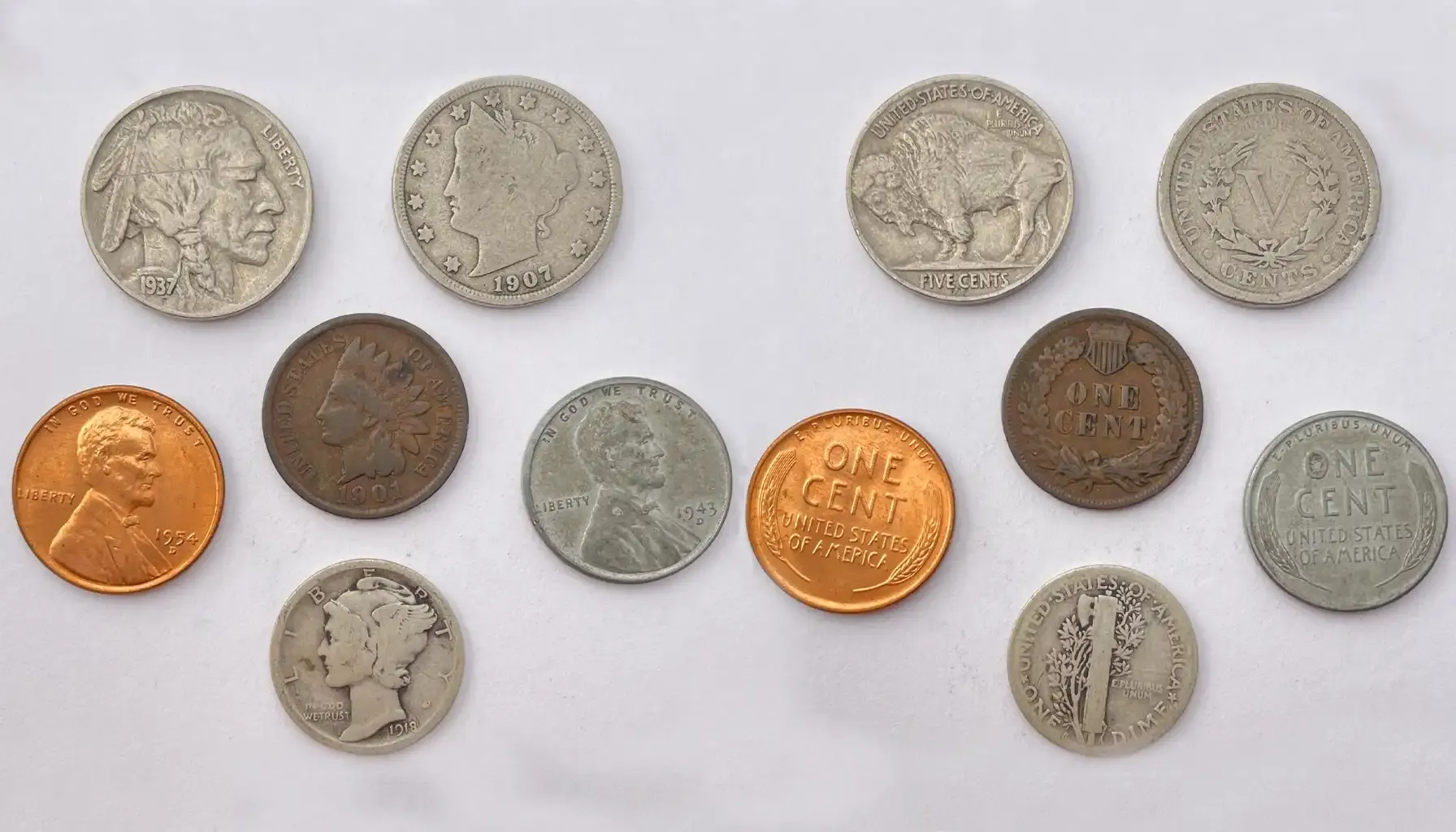
Many early issues today attract the attention of numismatists due to their clear metal parameters and limited production runs. For example, coins from the late 18th century are easy to analyze for weight and alloy, as the parameters are fixed in the Coinage Act of April 2, 1792, allowing for quicker detection of deviations and an understanding of the coin's origin.

 Facebook
  X (Twitter)
  Pinterest
  LinkedIn